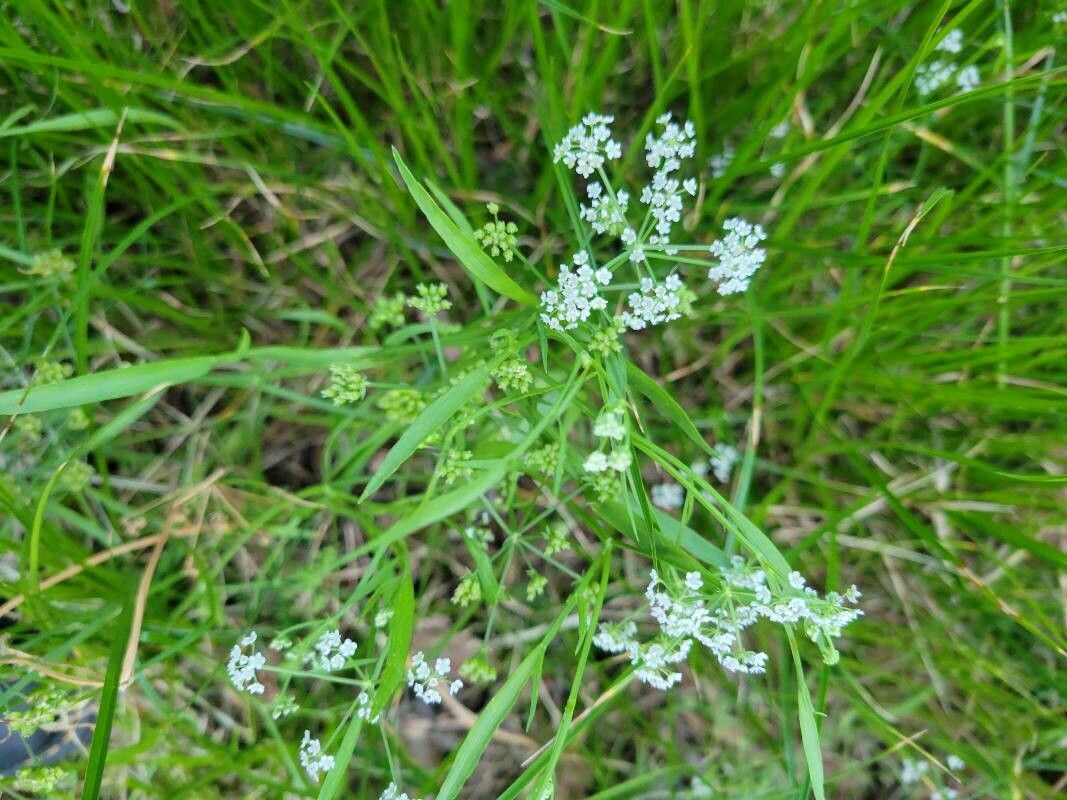
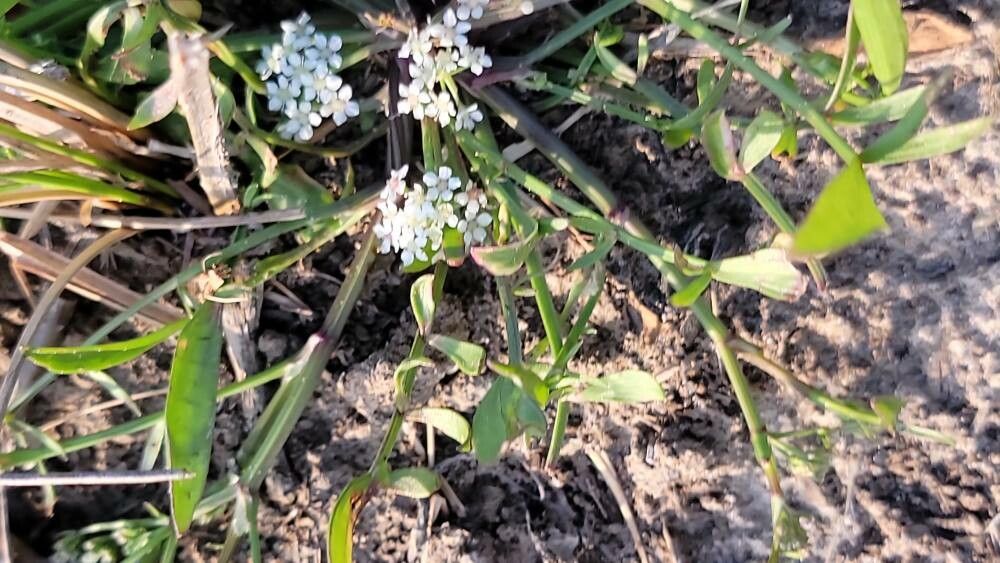
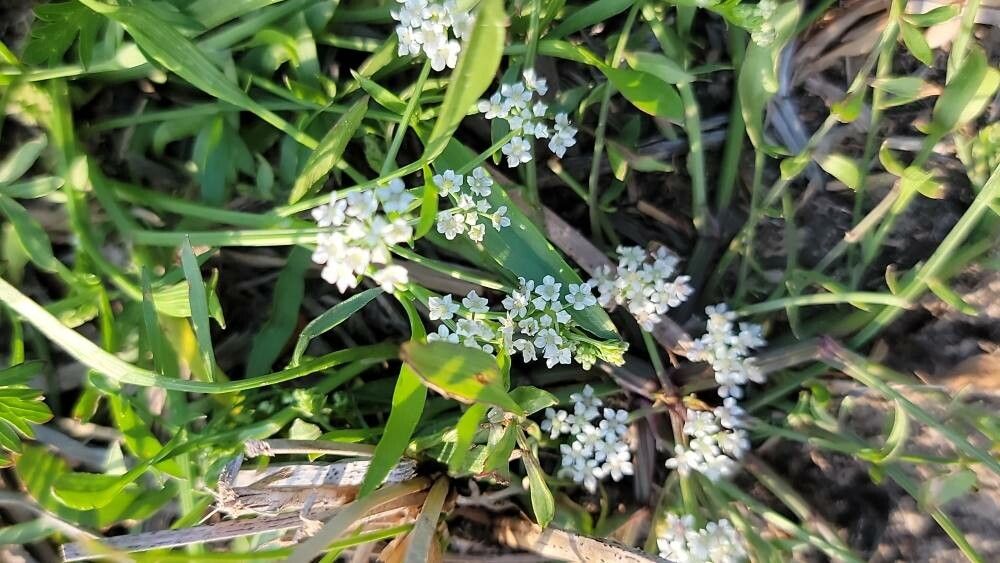
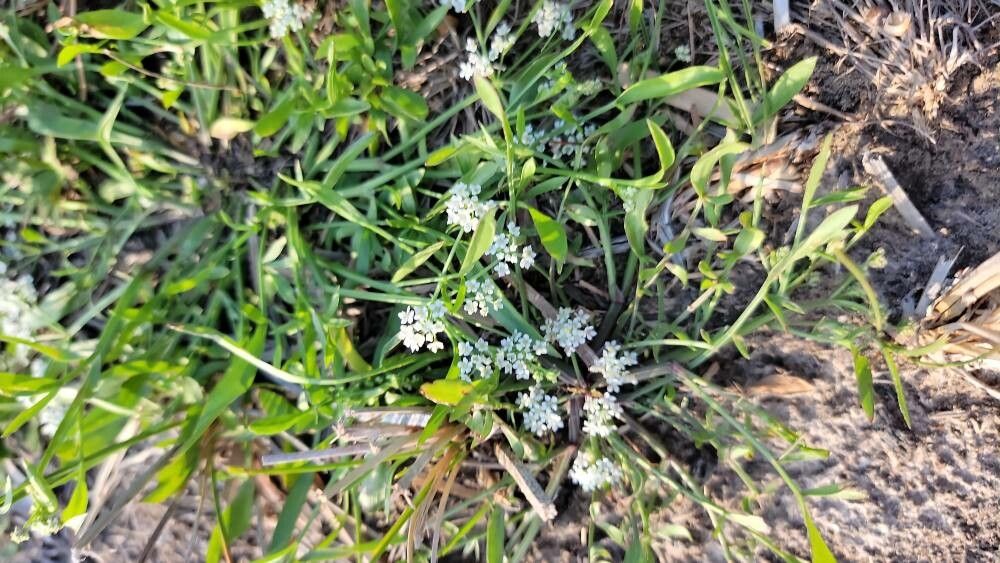
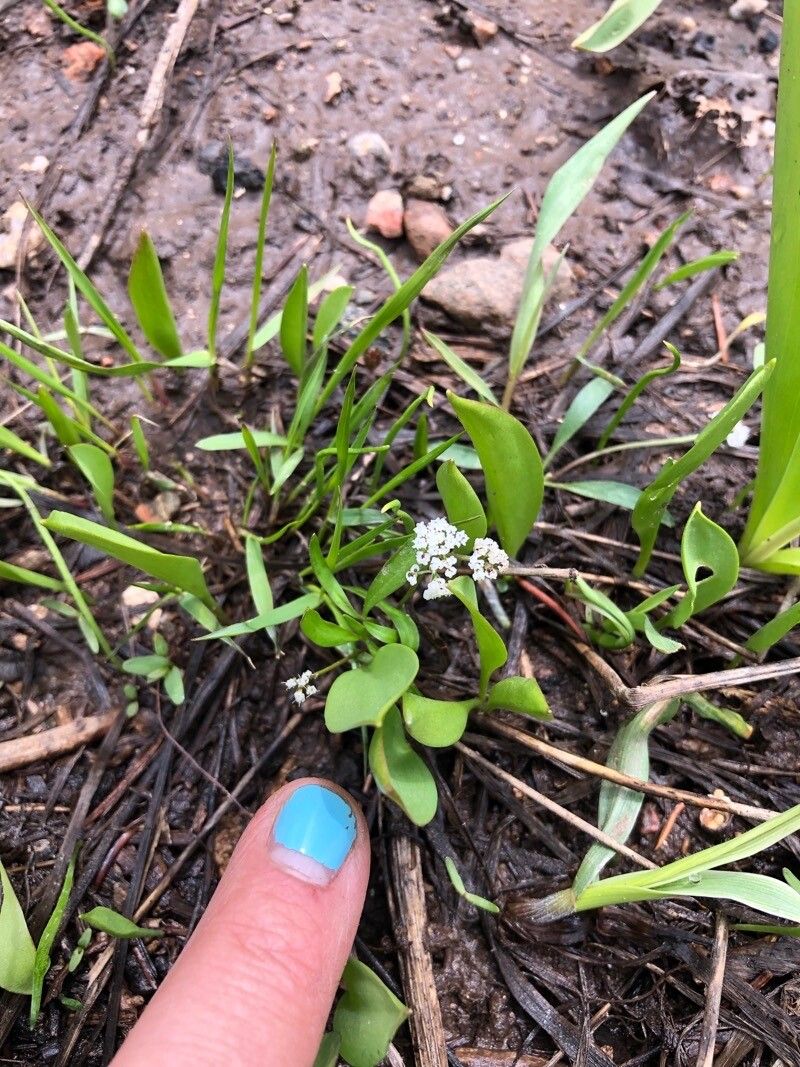
Tansy dogshade has strong resistance to disease and is generally not highly susceptible to illnesses. Nonetheless, it can be affected by pests and diseases present in its environment. These problems are generally mild. For care, the plant needs moderate maintenance. It should be pruned regularly to preserve a neat appearance and support healthy growth. Applying fertilizer can also help encourage flowering. Tansy dogshade is appropriate for anyone with outdoor space, such as a garden or patio, and does not demand extensive care experience. It may need additional attention when cultivated indoors.
How to keep Limnosciadium Pinnatum.
Temperature
Tansy dogshade comes from tropical areas where the climate is usually warm and humid. Therefore it is adapted to high temperatures and humidity. It is sensitive to sudden temperature shifts and prefers a steady thermal environment, so indoor temperature fluctuations should be avoided. It generally does not tolerate cold and needs higher temperatures to grow. If the ambient temperature falls too low, the plant may stop growing or even die.
Fertilizer
Tansy dogshade responds well to regular, light applications of fertilizer to encourage healthy leaf development. Fertilize Tansy dogshade roughly once a month in the summer. Nitrogen is important for foliage, and adding nitrogen-rich inputs helps Tansy dogshade do well.
Pruning
Tansy dogshade has delicate, feathery leaves and small white flowers. To promote fuller growth, enhance blooming, and improve air circulation, it is best to prune the plant from early to late spring. Regular pruning also helps manage the plant's size and prevent pests, ensuring that it remains healthy and visually appealing.
Botanical profile.
- Plant Type
- Herb
- Life Cycle
- Annual
- Genus
- Limnosciadium
- Family
- Apiaceae
- Leaf Type
- Semi-evergreen
- Bloom Time
- Spring, Summer
Other names.