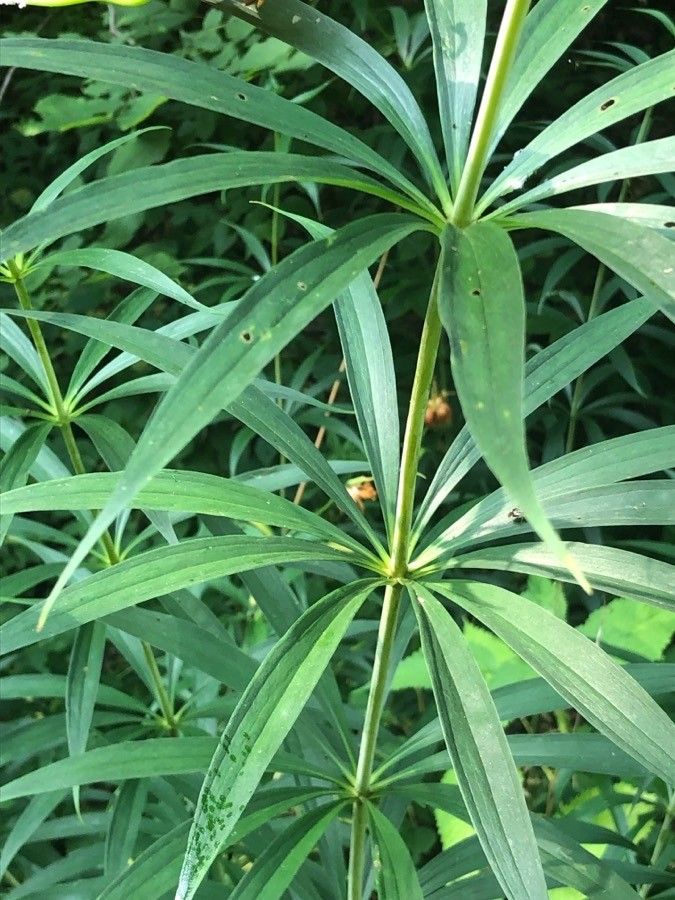
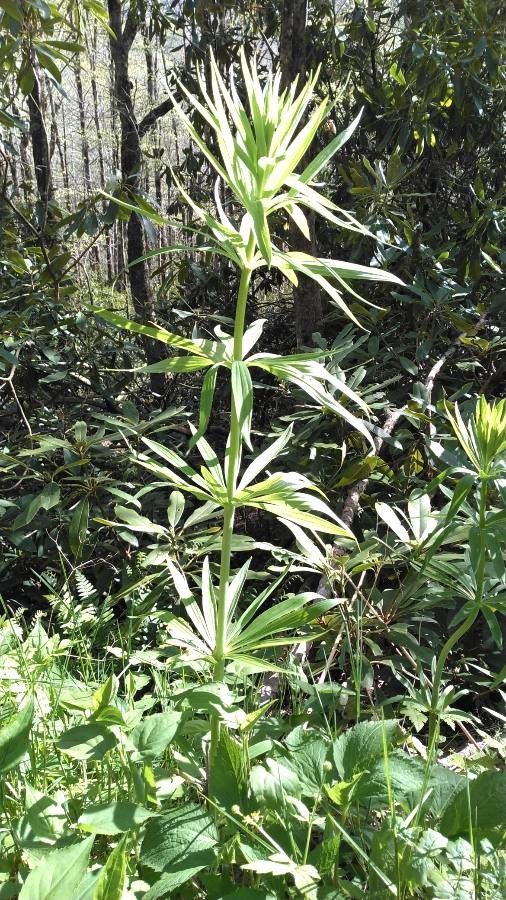
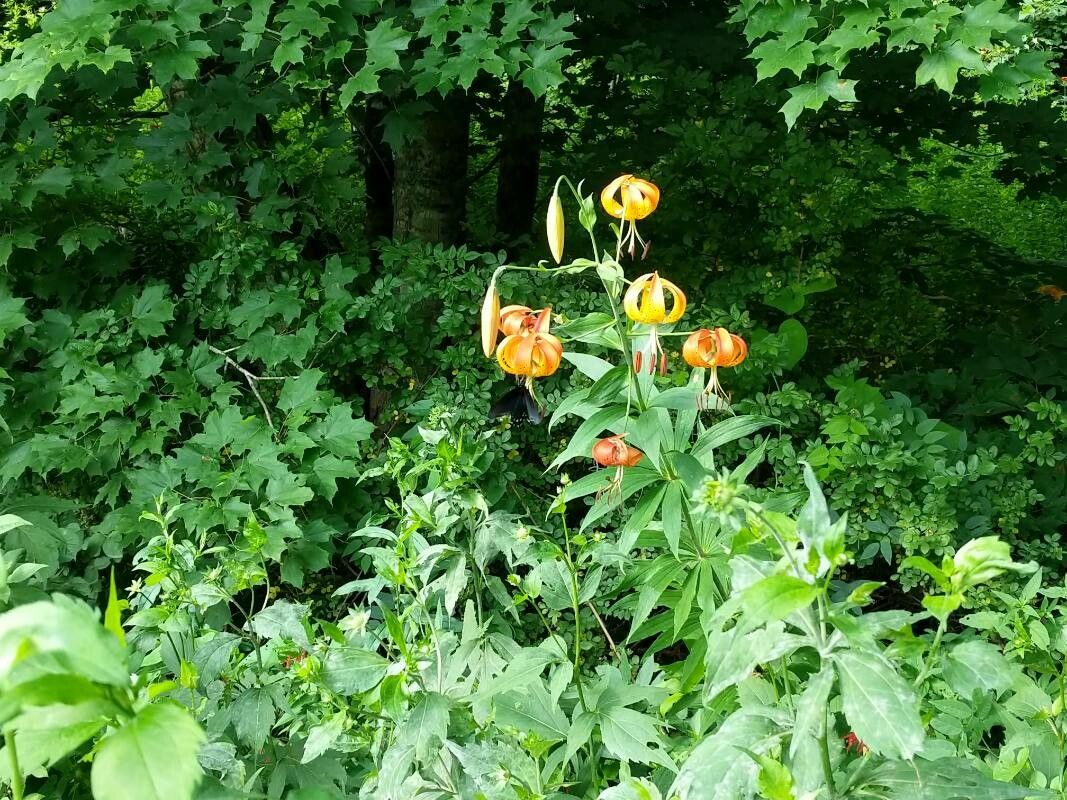
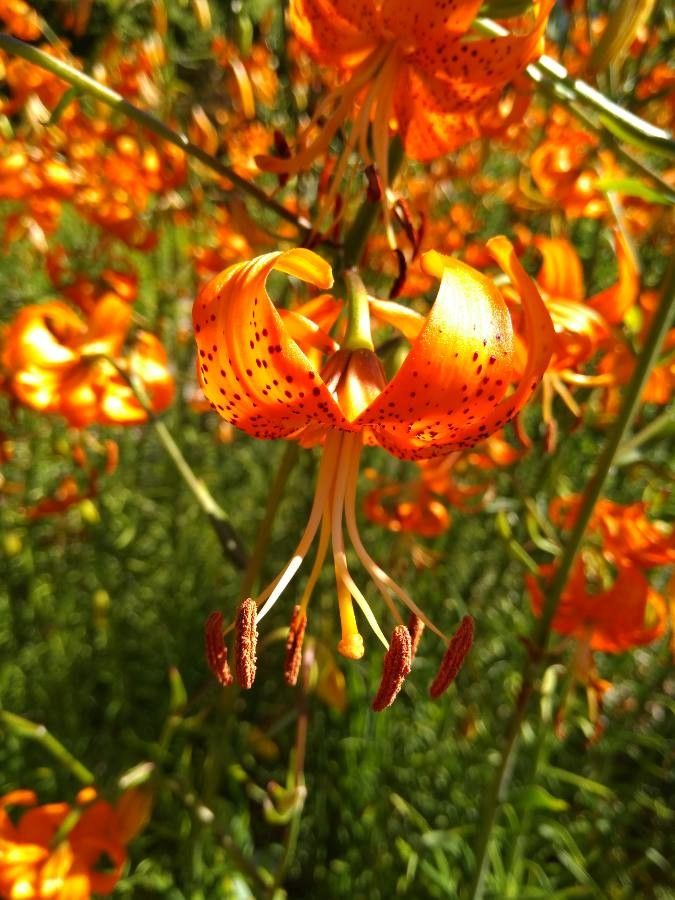
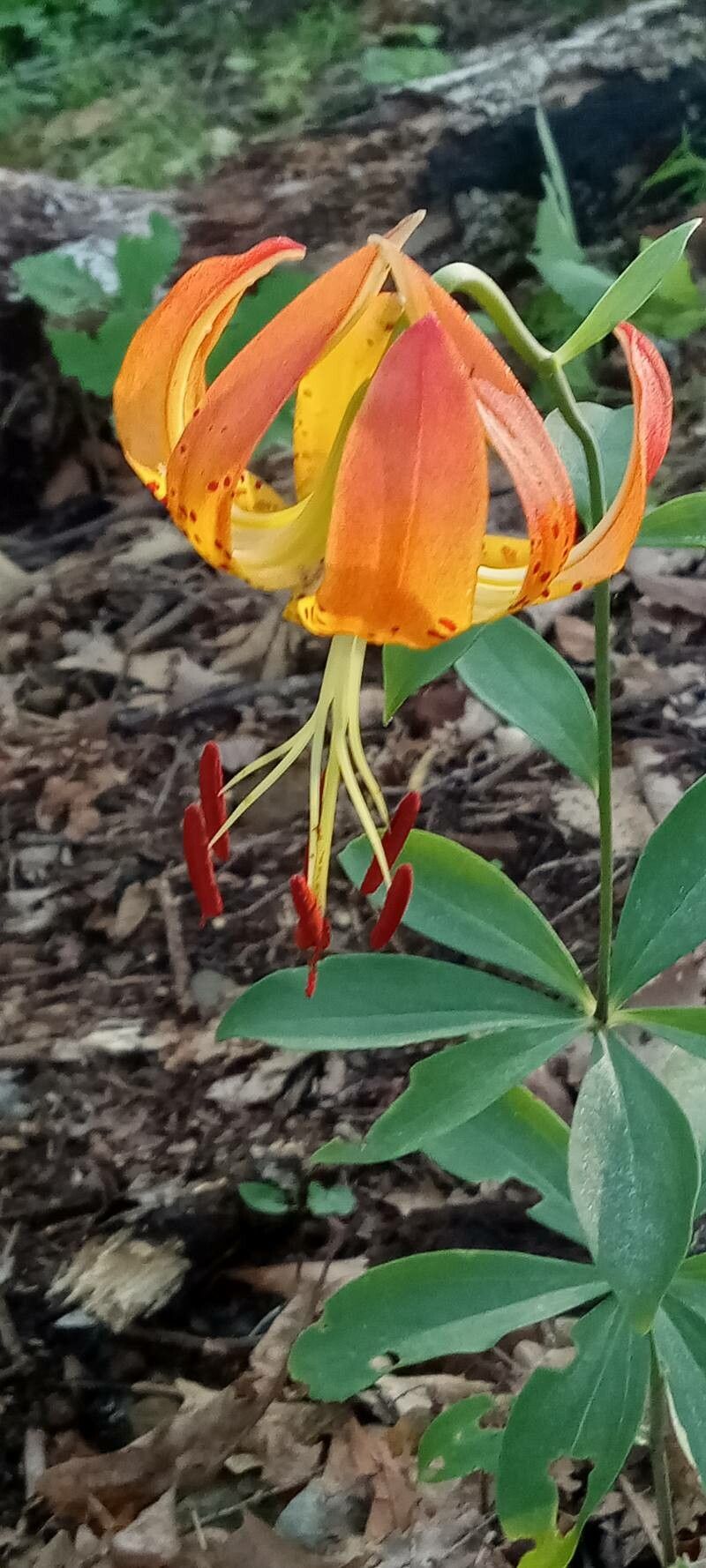
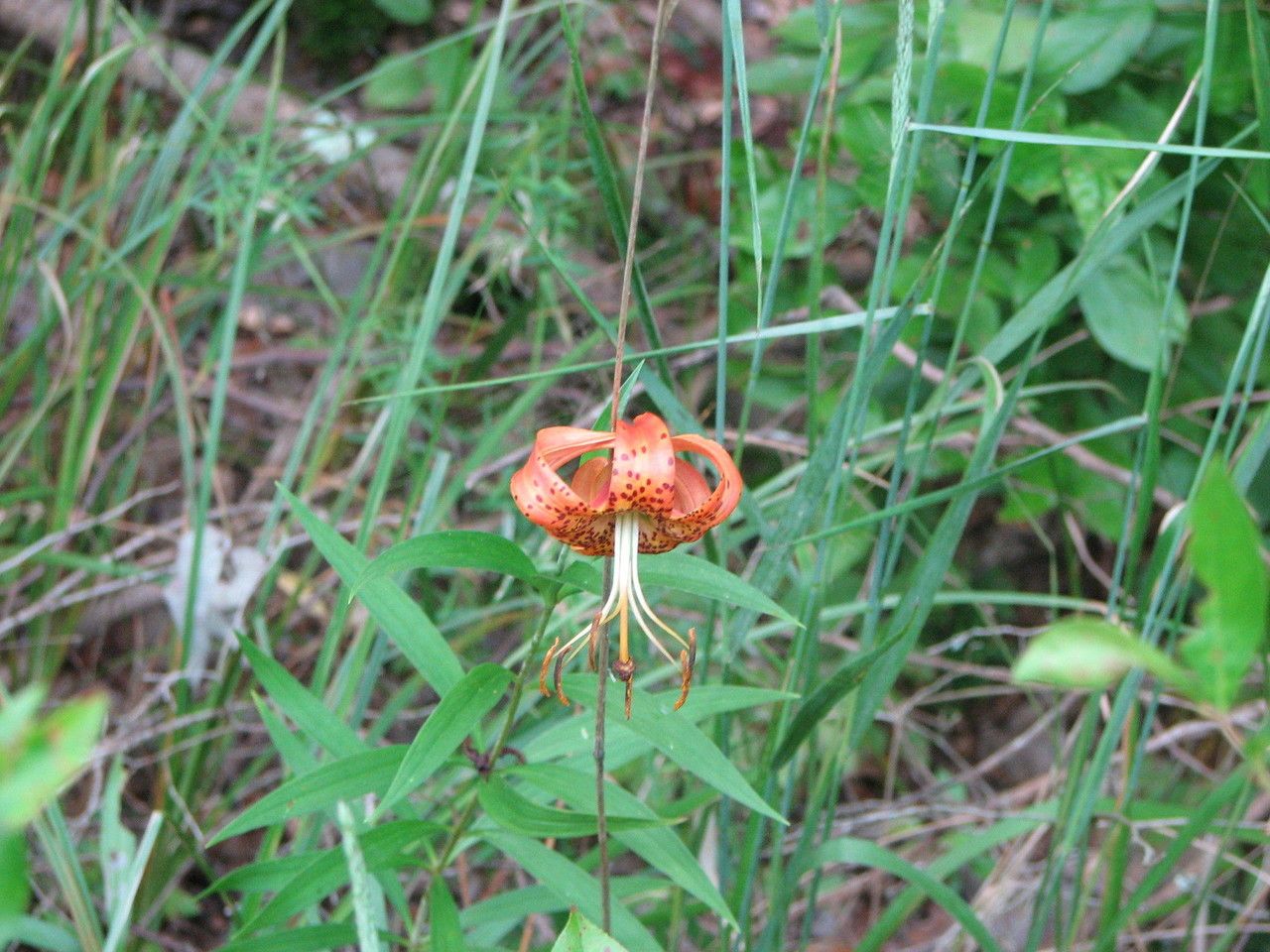
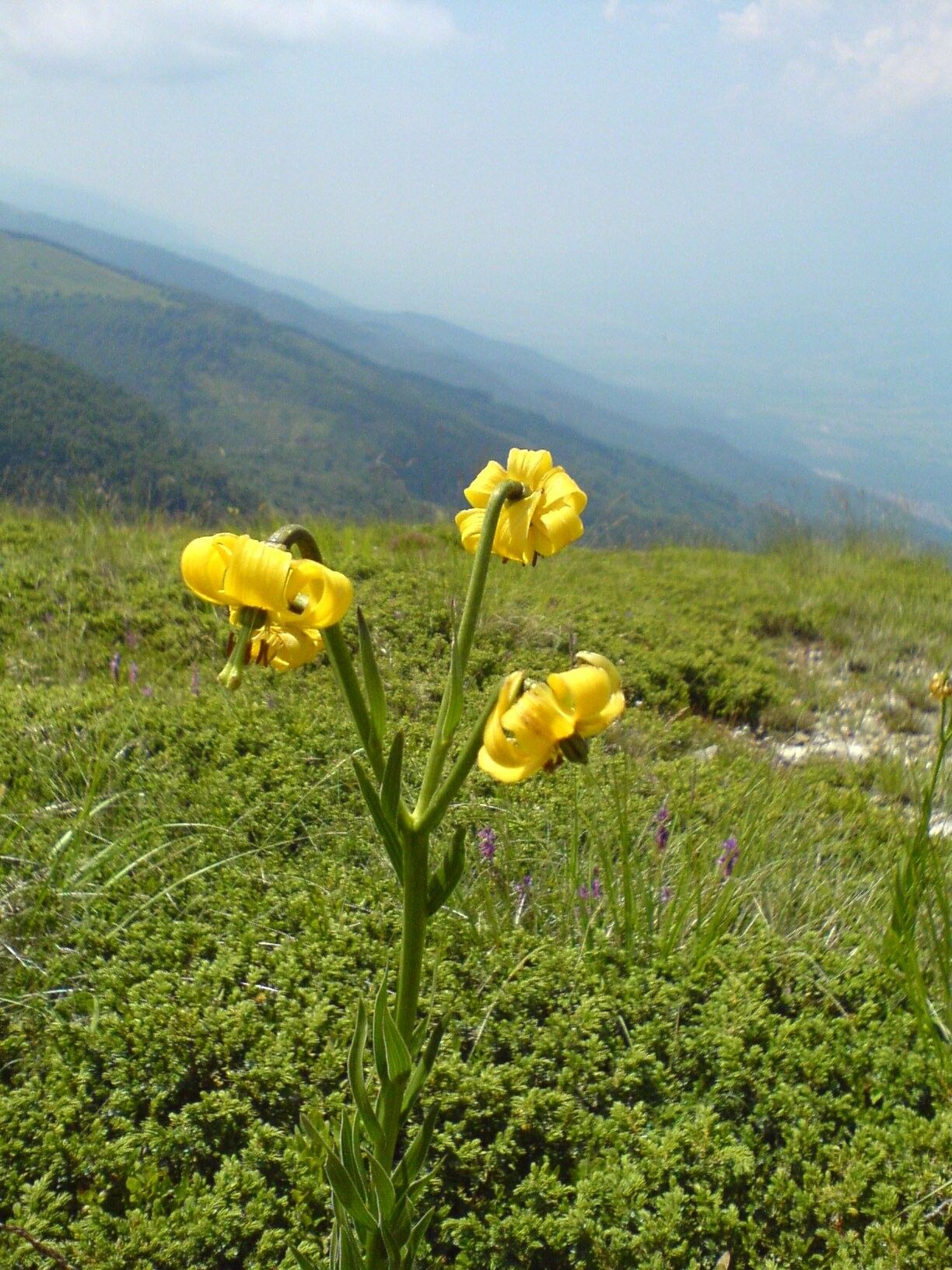
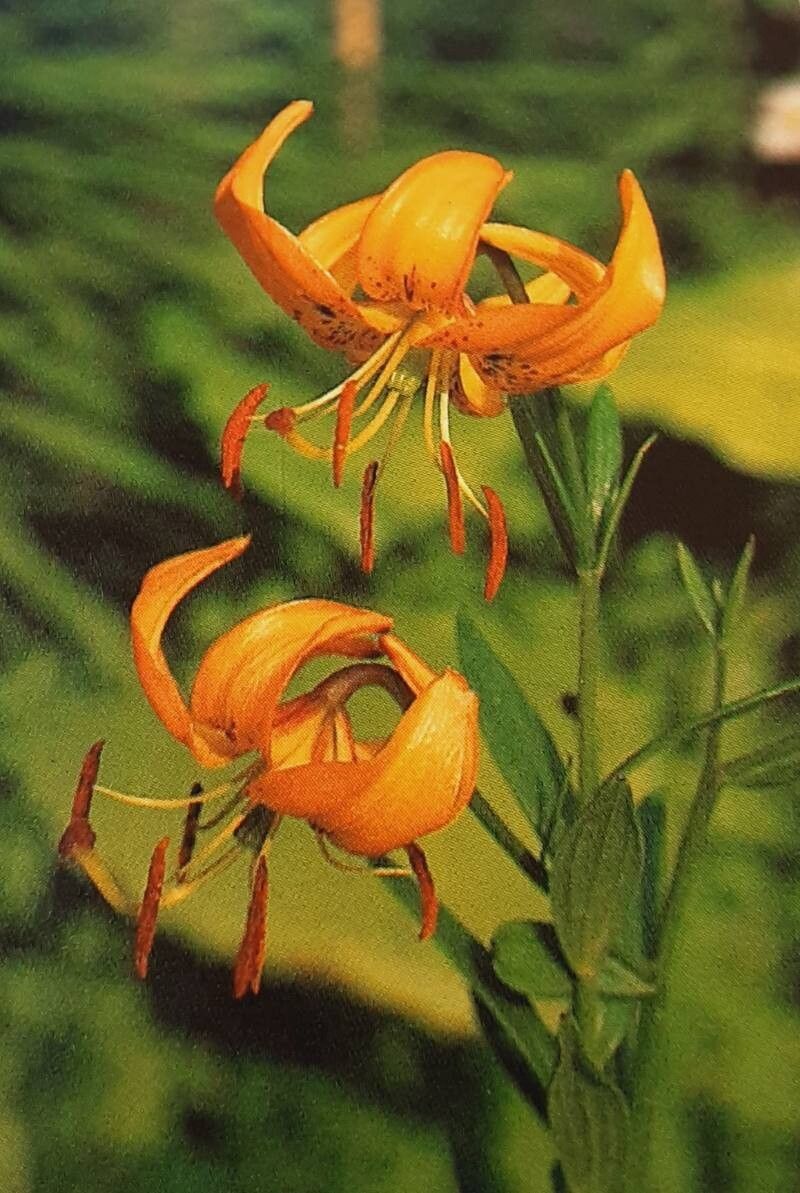
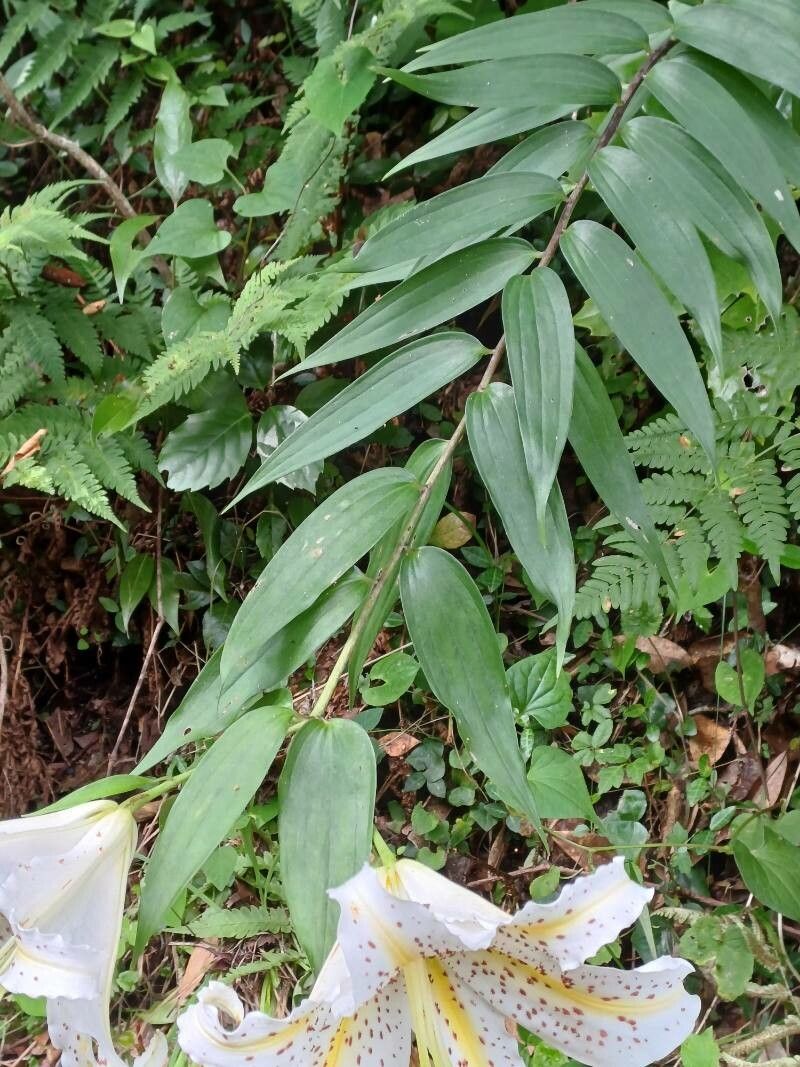
Lilium superbum is a species of true lily native to the eastern and central regions of North America. Common names include Turk's cap lily, turban lily, swamp lily, lily royal, or American tiger lily. The native range of the species extends from southern New Hampshire, Massachusetts, and New York, west to Illinois, Missouri, and Arkansas, and south to Georgia, Alabama, Mississippi, and Florida.
The Turk's-Cap Lily is fairly disease-resistant and typically not prone to illnesses. It can, however, be affected by pests and diseases present in its environment. These problems are generally mild. Regarding care, the plant requires moderate maintenance. It should be pruned regularly to preserve its appearance and encourage healthy growth. Fertilizing can also aid in promoting blooms. The Turk's-Cap Lily is well suited to anyone with outdoor space, such as a garden or patio, and does not demand extensive gardening experience. It may need more attention when kept indoors.
How to keep Lilium Superbum.
Light
Turk's-Cap Lily generally grows best when given plenty of sunlight. While it can survive in locations with reduced light, it truly does best in full sun. Too much or too little light can stress the plant, potentially causing weak growth or discoloration. Coming from sunny habitats, this species’ light needs change little as it goes through different stages of growth.
Water
The Turk's-cap lily originates from moist meadows and thrives with regular watering, although it can tolerate some drought. Weekly watering mimics natural rainfall, making it an excellent choice for rain gardens. Its bulbous nature allows it to make good use of seasonal water availability.
Temperature
Turk's-Cap Lily is a plant native to areas with moderate temperatures, thriving in the range of 41 to 95 °F (5 to 35 ℃). For optimal growth, keep temperatures within this range and adjust as needed during pronounced seasonal changes.
Fertilizer
The best time to fertilize a Turk's-Cap Lily is in early spring, as it comes out of dormancy and starts active growth. Fertilization supplies essential nutrients for healthy development. Although Turk's-Cap Lily has fairly low fertilizer requirements, feeding it annually can improve its survival and encourage better, longer-lasting blooms.
Pruning
The Turk's-Cap Lily is known for its tall stems and vibrant, recurved petals. To keep the plant healthy, prune it in early to late spring, removing only dead or damaged stems to improve airflow. Regular deadheading helps extend the blooming period, and using clean tools prevents infections. Pruning not only enhances the plant's vigor but also maintains its shape, resulting in a beautiful display.
Botanical profile.
- Plant Type
- Herb
- Life Cycle
- Perennial
- Genus
- Lilium
- Family
- Liliaceae
- Hardiness Zone
- 4-9
- Mature Height
- 1.22 m to 2.44 m
- Mature Spread
- 15 cm to 30 cm
- Leaf Color
- Green
- Leaf Type
- Deciduous
- Flower Color
- Orange, Red, Green
- Flower Size
- 7.62 cm to 15.24 cm
- Bloom Time
- Early summer, Mid summer
- Planting Time
- Spring, Summer
- Harvest Time
- Late summer, Early fall, Mid fall
Other names.
Reader questions.
What should I do if I put too much or too little water on my Turk's-Cap Lily?
The Turk's-Cap Lily is easily overwatered, which can cause bulb rot. Signs of overwatering include mushy bulbs, floppy stems with spots, droopy flowers, and yellowed stalks. Yellow leaves at the end of the blooming period are normal, but if they turn yellow before the flowers bloom, it means the plant is being overwatered. Unfortunately, bulb rot cannot be reversed, so if caught early, the rotten portions of the bulb should be carefully removed and the soil should be replaced. Pots and tools should also be disinfected to prevent spreading the fungus. If planting outdoors, choose a different location. Underwatering is less of an issue, but signs include no blooms, sagging stalks, and browning around the edges of flower petals. If underwatered, provide a good drink without saturating the soil. Avoid overwatering, as extended periods in water can lead to root rot and fungus growth. This can cause damage, including spots on leaves and buds and discoloration and death of leaf tips.
What will happen if I use too much fertilizer on my Turk's-Cap Lily?
When caring for your Turk's-Cap Lily, it's important to remember that it doesn't need a lot of fertilizer. If given too much fertilizer, the plant can suffer from fertilizer burn. This occurs when excessive amounts of fertilizer pull nutrients and moisture from the plant's roots, leading to its decline. Overfertilizing can also weaken the plant and make it more susceptible to disease. Additionally, it may result in fewer or no flowers, which is a major drawback since the blooms are what make this plant highly valued by gardeners.
What are the sunlight requirements for Turk's-Cap Lily?
Turk's-Cap Lily thrives best in conditions of abundant daylight, needing more than 6 hours of sunlight for optimal growth, referred to as 'full sun'. It can also grow under 'partial sun' conditions, which means about 3-6 hours of sunlight. Watch the movement of sunlight through your garden to select the best location for these plants, ensuring they receive the perfect balance of light and shade for their happiness.
What is the ideal temperature range for growing Turk's-Cap Lily?
Turk's-Cap Lily thrives in environments with moderate temperatures, preferring a range between 41 to 95°F (5 to 35°C). For the plant to grow optimally, it's important to maintain this temperature range and make adjustments for extreme seasonal variations. The plant demonstrates strong cold resistance, indicating that special frost protection measures are generally not required during winter. However, in conditions where winter temperatures are expected to fall below -30°C, cold protection should be provided by covering the plant with soil or straw. Additionally, before the onset of the first freeze in autumn, it is advisable to water the plant abundantly to ensure the soil is moist and ready to enter a frozen state, which helps in preventing drought and water scarcity during winter and early spring.
How often do I need to water my Turk's-Cap Lily plant?
The Turk's-Cap Lily is a hardy plant that doesn't require much attention. It is best grown directly in the ground in the hottest and brightest part of your garden, although growing it in a pot is also possible. Because it is a bulb plant, you need to be cautious of overwatering during its growth phase, as this can cause the bulb to rot. After initially watering the plant, you can leave it alone until you see shoots appear. To determine if the soil is moist enough, check the moisture after new leaves have grown. Stick your finger about 2-3 inches below the soil surface; if it is still wet, there is no need to water the plant. For potted plants, also check the water collection tray for standing water and avoid watering if present. For a more accurate moisture reading, use a moisture sensor and aim for a reading in the middle of the "moist" category, about 2-3 inches into the soil. It is recommended to water the Turk's-Cap Lily once a week.
Why should I put fertilizer on my Turk's-Cap Lily?
Fertilization is important for the Turk's-Cap Lily because it provides essential nutrients for the plant's growth. Although the fertilization needs of a Turk's-Cap Lily are relatively low, periodic fertilization can be beneficial. While the plant can survive without fertilization, annual fertilization can help keep it alive and improve the quality and longevity of its flowers. Therefore, those wanting their Turk's-Cap Lily to thrive should consider annual fertilization.
How does inadequate light affect Turk's-Cap Lily?
Inadequate light affects Turk's-Cap Lily by hindering its growth and causing various symptoms such as smaller new leaves, leggy or sparse growth, faster leaf drop, slower or no new growth, lighter-colored new leaves, chlorosis, sunscald, leaf curling, wilting, and leaf scorching. These conditions are a result of the plant struggling to adapt to insufficient sunlight, indicating the importance of proper light exposure for its health.
How does Turk's-Cap Lily respond to low temperatures?
Turk's-Cap Lily is notably cold-tolerant and shows optimal growth when temperatures stay above 5°C. During the winter months, it is important to ensure the temperature remains above -25°C. If temperatures drop below -30°C, the plant might not display immediate changes during the winter; however, this could lead to a decreased sprouting rate or even a complete lack of sprouting by springtime. The recommended solution for any parts of the plant that fail to sprout in spring is their removal.
How should I change my watering routine for my Turk's-Cap Lily depending on different conditions?
The Turk's-Cap Lily is a tough plant that can withstand harsh conditions. If you plant it outdoors, you can let nature handle most of the watering, as it doesn't require much maintenance and can survive droughts. Just make sure the soil drains well. When it comes to potted Turk's-Cap Lily, be cautious with watering. Overwatering can cause bulb rot, so water less frequently indoors and ensure the pots have drainage holes. Use good quality, well-drained soil with added sand or rocks for better drainage. During the growing phase, water the Turk's-Cap Lily about one inch per week to encourage blooming. Start watering regularly once the stalk appears. Adjust the watering amount based on the humidity and temperature. In hot, dry climates, you'll need to water more frequently, while humid climates may require less watering. Always check the soil moisture and avoid overwatering. These plants prefer moist, well-drained soil.
When should I fertilize my Turk's-Cap Lily for the best results?
The best time to fertilize a Turk's-Cap Lily is in the late winter to early spring when the plant is coming out of dormancy and starting to grow. Fertilizing at this time will promote healthy growth and set the plant up for success in the upcoming season. While it is usually best to fertilize in the early spring, it is also okay to fertilize in the fall. However, it is not recommended to fertilize during the summer or winter.
How can you supplement natural light for Turk's-Cap Lily indoors?
To supplement natural light for Turk's-Cap Lily indoors, consider using artificial lighting, especially when natural sunlight is insufficient. LED lights are a popular choice for indoor plant lighting as they can be adjusted to provide specific wavelengths needed by the plant. Ensure that full sun plants receive 30-50W/sq ft of artificial light, partial sun plants get 20-30W/sq ft, and full shade plants have 10-20W/sq ft. The light source should be placed 12-36 inches above the plant to mimic natural sunlight, and the duration should mimic natural daylight hours, typically 8-12 hours per day.
What should be done if Turk's-Cap Lily faces high temperatures?
During the summer, keeping Turk's-Cap Lily's surrounding temperature below 35°C is crucial. Exposure to temperatures above 38°C may result in the leaves becoming lighter, prone to curling, susceptible to sunburn, and in severe cases, causing the plant to wilt and dry out entirely. The suggested actions in such cases include trimming away sunburned or dried parts of the plant. It is also advisable to relocate the plant to a shaded area during the intense midday and afternoon sun or to create shade using a cloth. Ensuring the soil remains moist by watering the plant in the morning and evening is also beneficial.