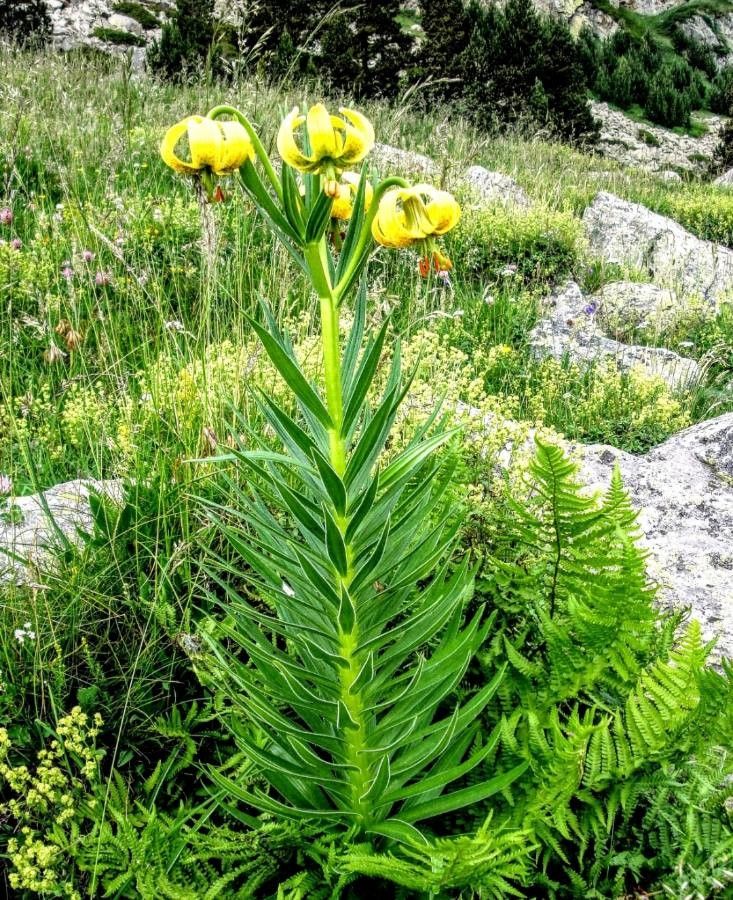
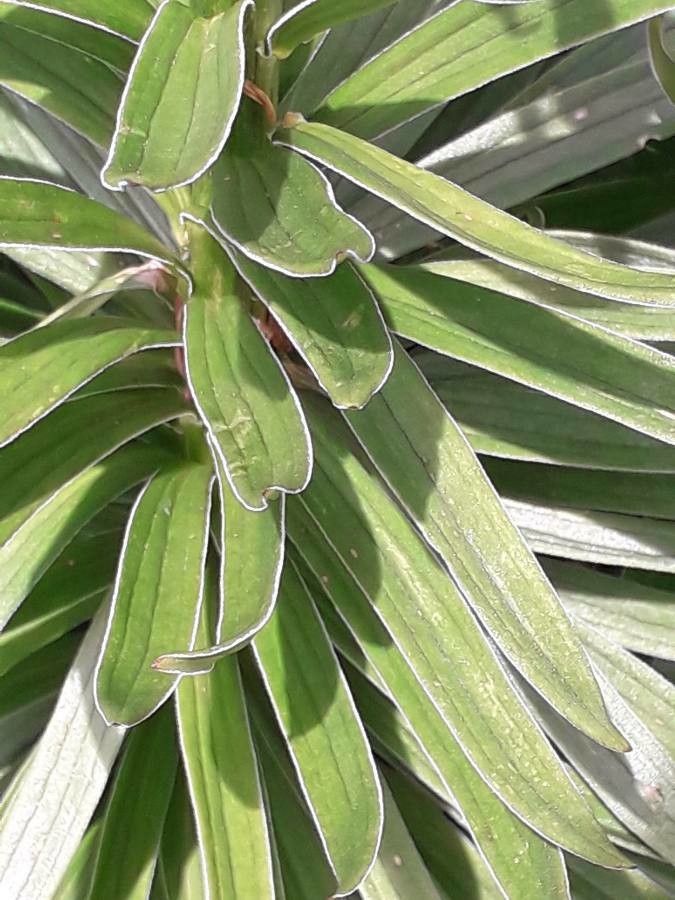
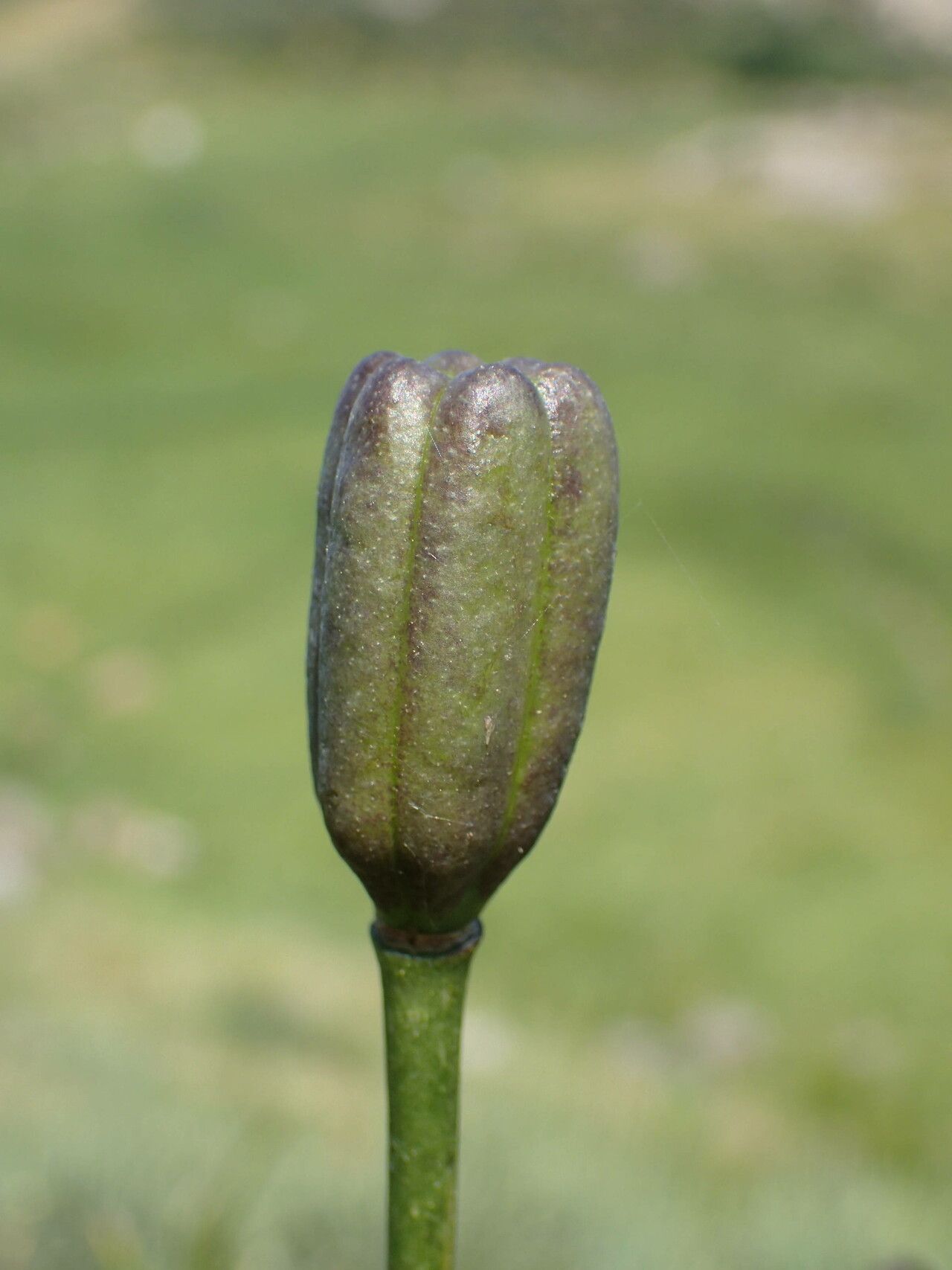
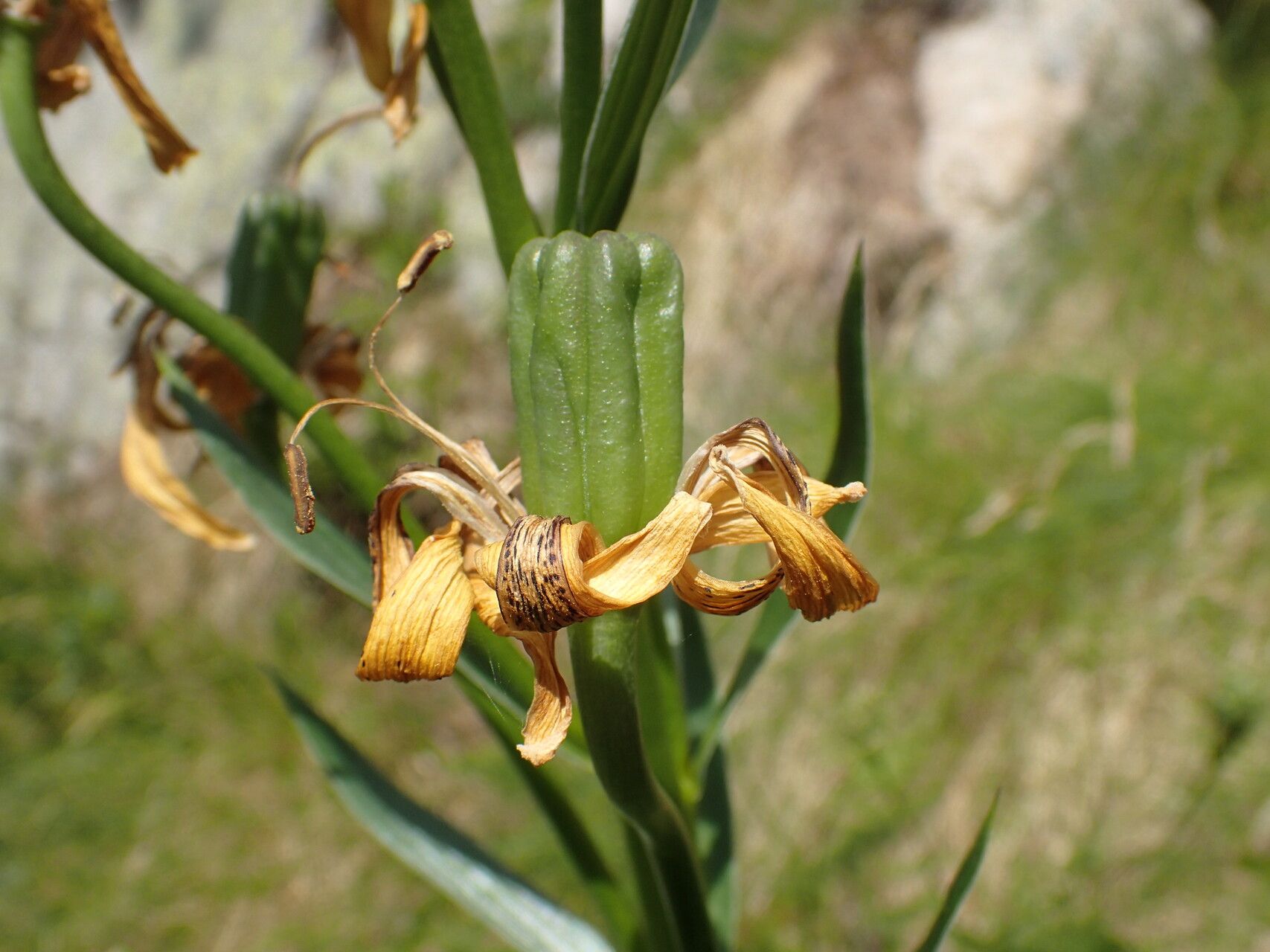
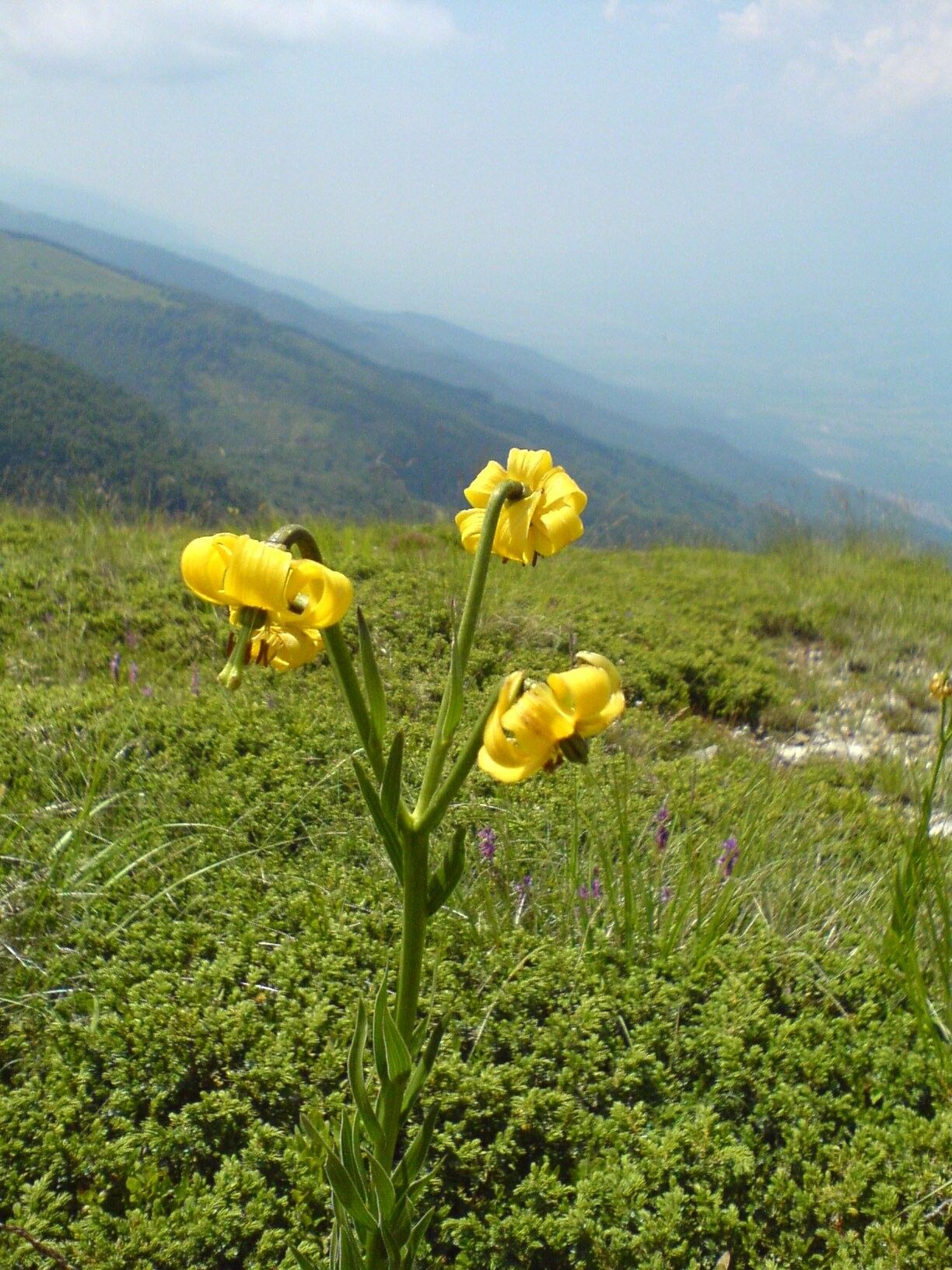
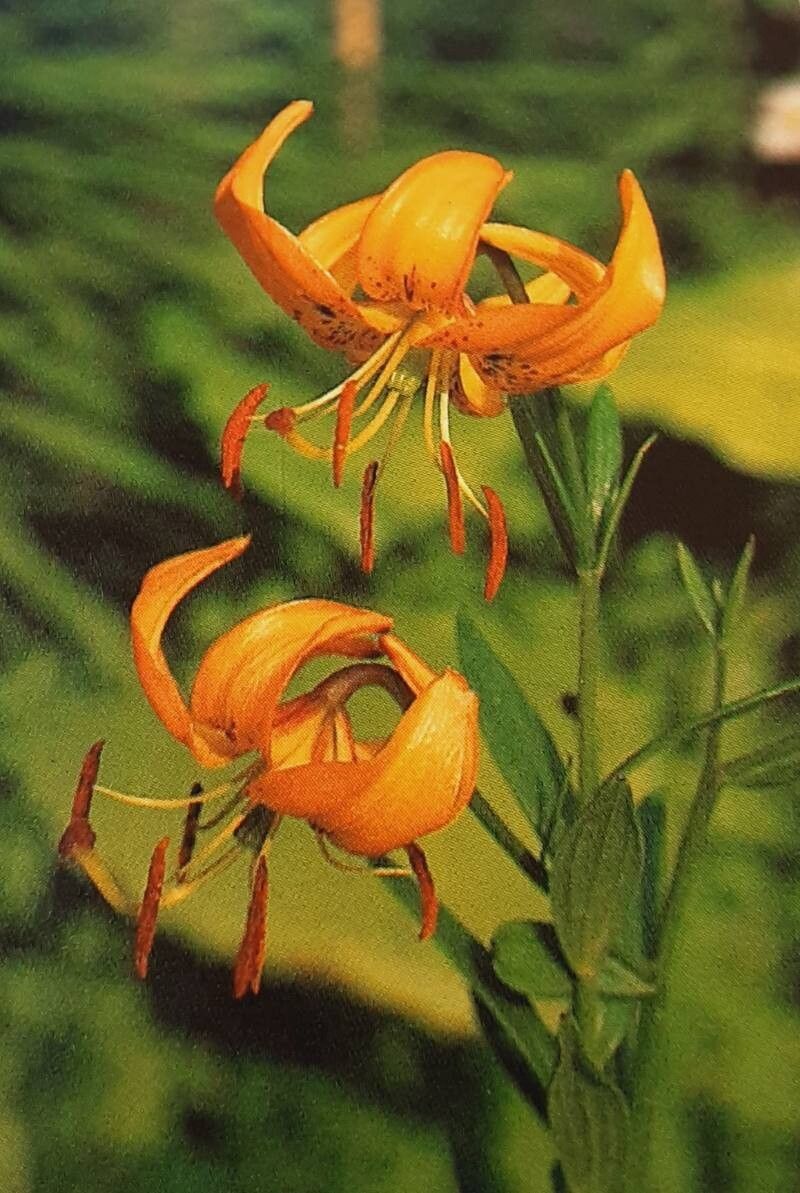
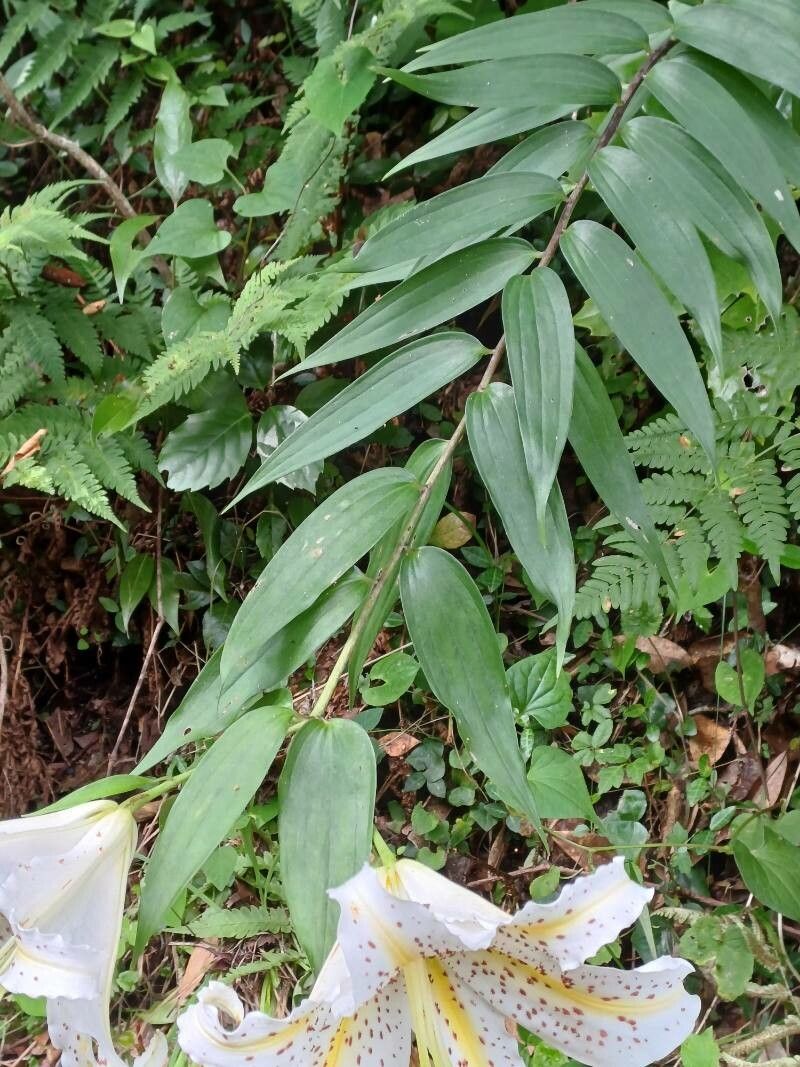
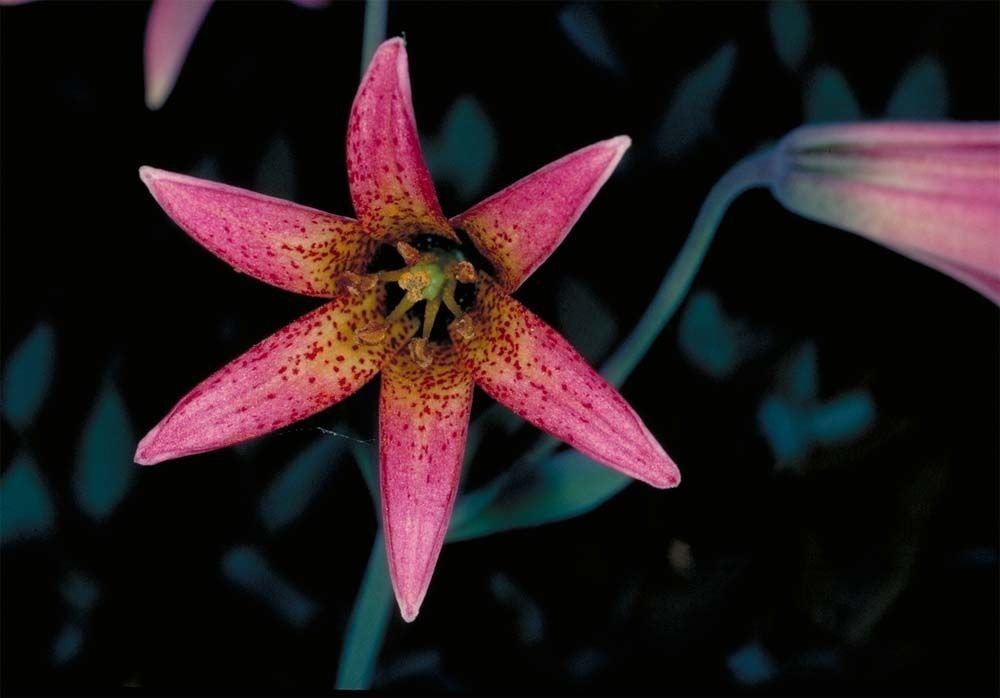
Lilium pyrenaicum, commonly known as the Pyrenean lily, is a perennial herbaceous plant in the family Liliaceae. Native to the Pyrenees mountain range in Europe, it can also be found in other parts of Europe and Asia. The plant may grow up to 1 meter tall and features lance-shaped leaves arranged alternately along its stem.
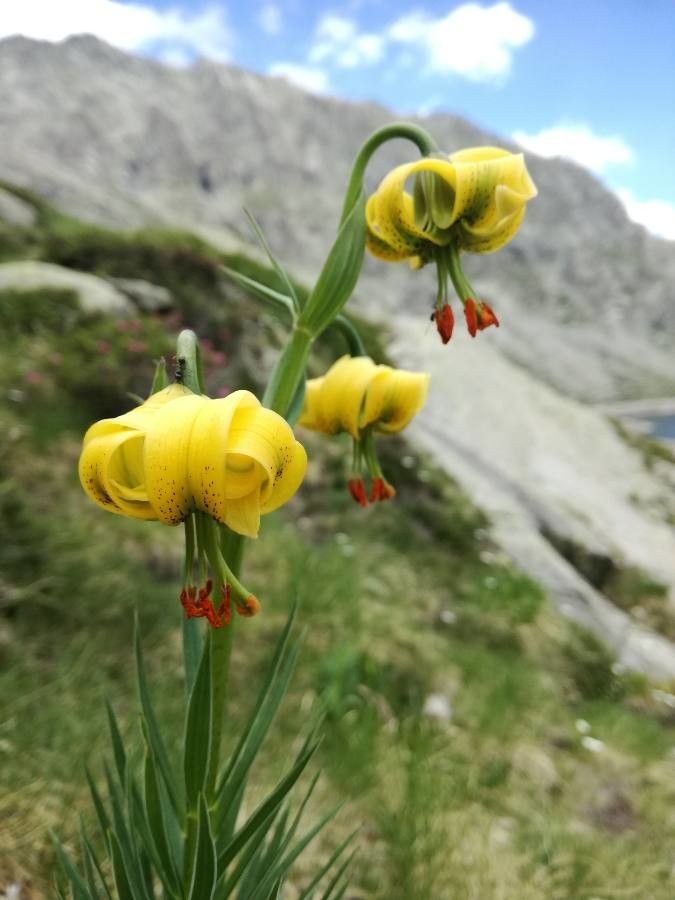
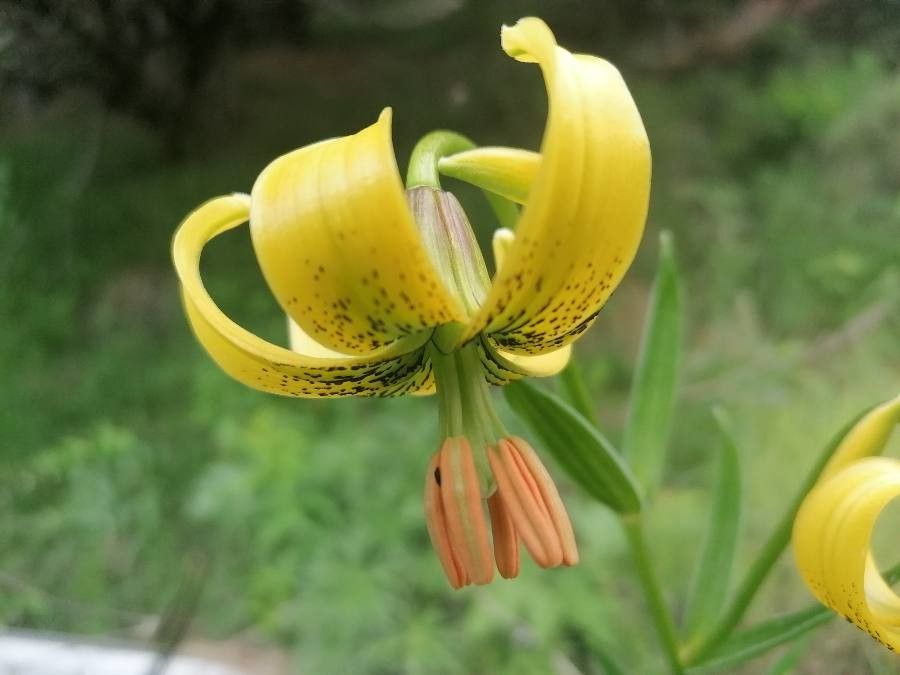
The Pyrenean lily produces large, showy, trumpet-shaped flowers with six petals. These flowers, which can be yellow or orange with dark spots at their base, bloom from late spring to early summer, attracting pollinators such as bees and butterflies.
Lilium pyrenaicum prefers well-drained soil and thrives in full sun or partial shade. It is a hardy plant that can tolerate cold temperatures but does not fare well in hot climates. Propagation can be accomplished by dividing its bulbs or sowing its seeds.
Historically, the Pyrenean lily has been used for its anti-inflammatory properties in medicinal applications. However, it should not be consumed without proper medical supervision, as it contains toxic compounds.
Overall, Lilium pyrenaicum is a beautiful ornamental plant that adds color and interest to gardens while also having historical medicinal significance.
The Pyrenean lily is fairly resistant to disease and is generally not highly susceptible. However, it can still be affected by pests and diseases present in its environment. These problems are usually mild. For care, this plant needs moderate maintenance. It should be pruned regularly to maintain a neat appearance and healthy growth. Fertilizing can also help encourage flowering. The Pyrenean lily is suitable for anyone with outdoor space, such as a garden or patio, and does not require extensive care experience. It may need more attention when grown indoors.
How to keep Lilium Pyrenaicum.
Light
The Pyrenean lily prefers full, unobstructed sunlight and only limited time in shaded areas. Native to environments with plentiful sun, this tendency toward strong light supports vigorous growth. Excessive exposure can cause damage, while too little light slows its development.
Water
The Pyrenean lily thrives in well-drained soil with moderate moisture. For optimal health, it should be watered weekly. While it can tolerate short periods of dryness, it adapts well to varying levels of rainfall when grown outdoors. However, it is best to avoid extremes of wetness and dryness for this plant to truly flourish.
Temperature
The Pyrenean lily is native to a temperate environment and prefers temperatures between 32 and 100°F (0 and 38℃). It can adjust to temperature changes across the seasons; however, keeping the appropriate temperature range is essential for its growth.
Fertilizer
For the Pyrenean lily, the primary time to fertilize is in early spring when the flowers are forming. The proper fertilizer promotes improved blooms and helps the Pyrenean lily produce attractive flowers. Fertilizing in early spring ensures strong flowering through the season and supplies energy for dormant growth phases.
Pruning
The Pyrenean lily benefits greatly from pruning in early to late spring. This process involves removing dead leaves and spent flowers, which encourages new growth and helps prevent disease. By cutting back the stalks, you can promote a healthier plant structure. Regular pruning also helps maintain the plant's vigor and enhances its ornamental appeal.
Botanical profile.
- Plant Type
- Herb
- Life Cycle
- Perennial
- Genus
- Lilium
- Family
- Liliaceae
- Hardiness Zone
- 3-11
- Mature Height
- 1.22 m
- Mature Spread
- 20 cm
- Leaf Color
- Green, Dark Green
- Leaf Type
- Deciduous
- Flower Color
- Yellow
- Flower Size
- 5.08 cm to 6.35 cm
- Bloom Time
- Early summer, Mid summer
- Planting Time
- Spring
- Harvest Time
- Late summer, Early fall
- Native Area
- Spain, France
Other names.
Reader questions.
What should I do if I give my Pyrenean lily too much or too little water?
The Pyrenean lily is susceptible to overwatering, which can cause bulb rot. Symptoms of overwatering include a mushy bulb, flopping stems with spots, droopy flowers, and a yellowed stalk. Yellow leaves at the end of the blooming period are normal, but if they turn yellow before blooming, it indicates overwatering. Unfortunately, bulb rot cannot be reversed, so if caught early, the affected bulb should be carefully removed along with the soil it grew in. Pot and tools should be disinfected if used to avoid spreading the fungus. Outdoor plants should be relocated. Underwatering is less problematic, but signs include no blooms, sagging stalks, and browning around the flower petal edges. If underwatered, give the plant a good drink without saturating the soil. Avoid overwatering, as extended periods of water can cause root rot and fungus growth on the bulb, leading to spots on leaves and buds, as well as discoloration and death of leaf tips.
When should I put fertilizer on my Pyrenean lily?
The best time to fertilize a Pyrenean lily is in the late winter to early spring when it is transitioning from dormancy to active growth. Fertilizing at this time promotes healthy growth and sets the plant up for a successful season. While early spring is ideal, you can also fertilize in the fall if needed. However, it's important to avoid fertilizing in the summer and winter.
What are the sunlight requirements for Pyrenean lily?
The Pyrenean lily thrives in conditions that match its natural habitat, which includes full sun exposure for robust growth. Full sun plants, like the Pyrenean lily, require above 6 hours of sunlight daily, while partial sun plants need about 3-6 hours of sunlight. It's crucial to observe how sunlight moves through your garden to ensure you choose locations that provide an ideal balance of light and shade, catering to the plants' needs to ensure their well-being.
What is the native environment of the Pyrenean lily and its preferred temperature range?
The Pyrenean lily is native to a temperate environment and prefers temperatures ranging between 32°F to 100°F (0°C to 38°C). It is crucial for the growth of the Pyrenean lily to maintain this temperature range, as it can adapt to changes in temperature throughout the seasons. Despite its strong cold resistance, allowing it to usually forego special frost protection measures in winter, provision for cold protection is needed if temperatures are expected to drop below -35°C by covering the plant with soil or straw. Additionally, abundant watering before the first freeze in autumn is recommended to keep the soil moist and prevent drought and water scarcity during winter and early spring.
How much should I water my Pyrenean lily?
The Pyrenean lily is a low-maintenance plant that is hardy and can be grown in a pot or directly in the ground. It thrives best when planted in the hottest and brightest part of your garden. Since it is a bulb plant, take care not to overwater it while it is growing to avoid rotting the bulb. After planting, water the Pyrenean lily well once and then leave it. This initial watering will promote growth, and you can leave it alone until shoots begin to appear. To ensure optimal conditions, check the moisture of the soil after new leaves have grown. Place your finger about 2-3 inches below the surface of the soil and if it is still wet, there is no need to water the plant. For potted plants, also check the water collection tray for standing water and avoid watering if present. For a more precise moisture reading, use a moisture sensor inserted 2-3 inches into the soil, aiming for a reading in the middle of the "moist" category. It is recommended to water your Pyrenean lily once per week.
What will happen if I give too much fertilizer to my Pyrenean lily?
When caring for your Pyrenean lily, remember that it doesn't require much fertilizer. Giving it too much fertilizer can have negative consequences. Overfertilization can lead to fertilizer burn, where the excess fertilizer removes nutrients and moisture from the plant's roots, causing it to decline. Additionally, overfertilizing weakens the plant and increases the likelihood of disease. Overfertilization may also result in fewer or no flowers, which is a significant disadvantage as the blooms are highly prized by gardeners.
How can artificial lighting benefit indoor Pyrenean lilies?
Indoor Pyrenean lilies benefit significantly from artificial lighting, especially when natural sunlight is insufficient—common during winter or in less sunny indoor locations. Artificial lighting, such as LED lights tailored to emit specific wavelengths, can promote faster and healthier plant growth. The general guidance is to provide 30-50W/sq ft for full sun plants, 20-30W/sq ft for partial sun plants, and 10-20W/sq ft for full shade plants. Placement should be 12-36 inches above the plant to mimic natural sunlight conditions, ensuring the plant receives 8-12 hours of light per day.
What should be done if the Pyrenean lily is exposed to temperatures below its cold tolerance level?
The Pyrenean lily thrives best in temperatures above 0°C and should ideally be kept above -30°C during winter. Exposure to temperatures below -35°C may not show immediate effects during winter, but it could lead to a decrease in sprouting or prevent sprouting altogether in spring. To mitigate any adverse effects, it is recommended to remove any parts of the Pyrenean lily that have failed to sprout in spring.
How should I change how I water my Pyrenean lily based on different conditions?
The Pyrenean lily is a hardy plant that can survive in various harsh conditions. When planted outside, it doesn't require much water and can withstand droughts as long as the soil has good drainage. However, if you plant it in a pot, you need to be more cautious with watering. Overwatering can lead to bulb rot, so it's best to water it less frequently indoors and ensure the pot has proper drainage. During the growing phase, you should water the Pyrenean lily about one inch per week to promote blooming. The amount of water needed also depends on the humidity and temperature of your environment. In hot and dry climates, the water may evaporate faster, so you might need to water the plant more often. In humid climates, watering less is usually sufficient. Always check the soil moisture to avoid excessive wetness. The Pyrenean lily prefers moist soil with good drainage.
Why should I put fertilizer on my Pyrenean lily plant?
Fertilization is important for the Pyrenean lily because it provides essential nutrients for the plant's growth both above and below ground. Although the fertilization needs of the Pyrenean lily are relatively low, it can benefit from annual fertilization to ensure its survival and promote the development of high-quality, long-lasting flowers. Therefore, those who want their Pyrenean lily to thrive should regularly fertilize it.
What are the signs of inadequate light in Pyrenean lilies?
Pyrenean lilies exhibit several symptoms when exposed to inadequate light, reflecting their struggle to maintain healthy growth. These symptoms include smaller new leaves, leggy or sparse growth, faster leaf drop, slower or halted new growth, and pale or discolored new leaves. Other severe responses to inappropriate light conditions can include chlorosis (leaf yellowing), sunscald (damage from intense light), leaf curling (as a defense against excessive sunlight), wilting (due to loss of water through transpiration), and leaf scorching (brown, dry leaf edges from excessive light exposure). These signs indicate the plant's difficulty in performing photosynthesis efficiently due to poor lighting conditions.
How does high temperature affect the Pyrenean lily, and what are the solutions?
During the summer months, it is vital to keep the Pyrenean lily's temperature below 38°C. Exceeding 43°C can cause the leaves of the plant to lighten in color, become prone to curling, suffer from sunburn, and in severe cases, the entire plant may wilt and dry out. Addressing these issues involves trimming away the sunburned and dry parts of the plant. Moving the plant to a shaded location or using a shade cloth to protect it from the midday and afternoon sun can also be beneficial. Additionally, watering the plant in the morning and evening helps keep the soil moist and supports the plant's well-being during hot weather.