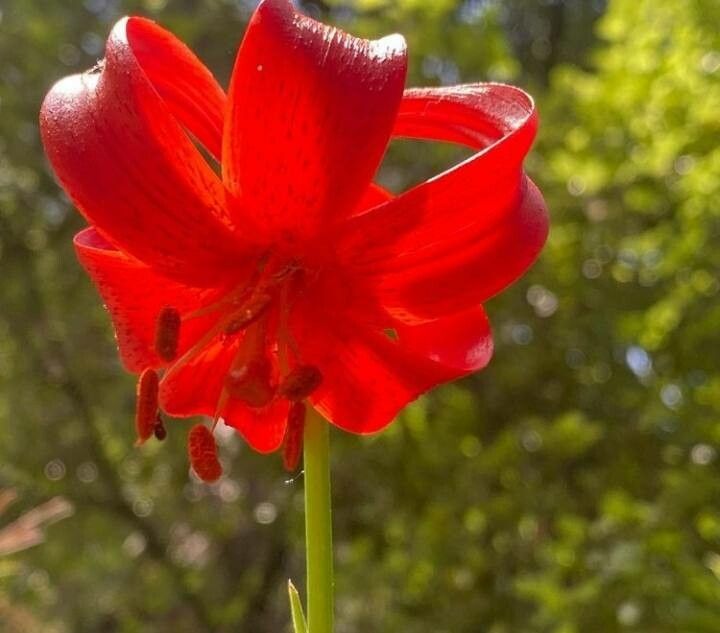
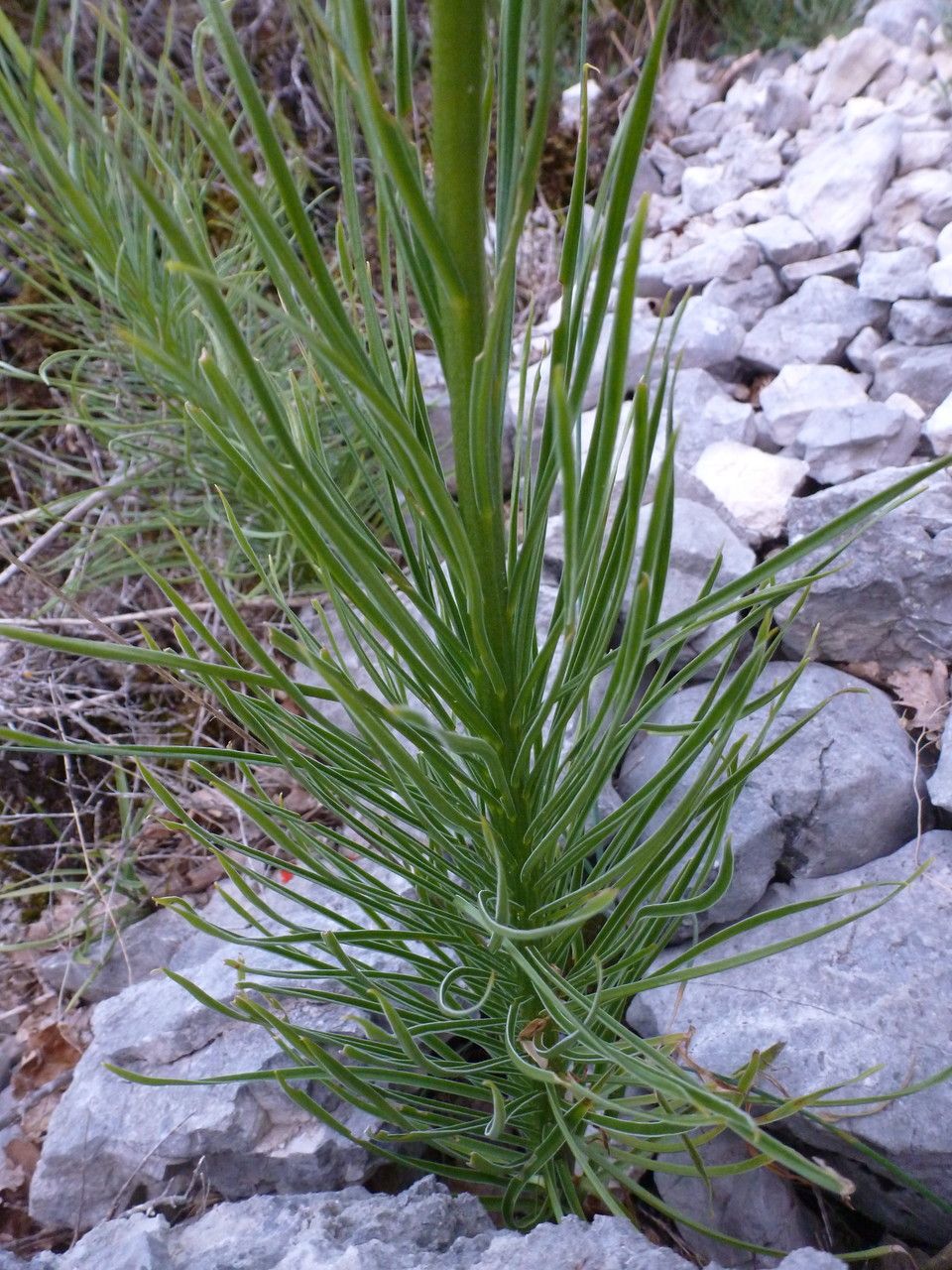
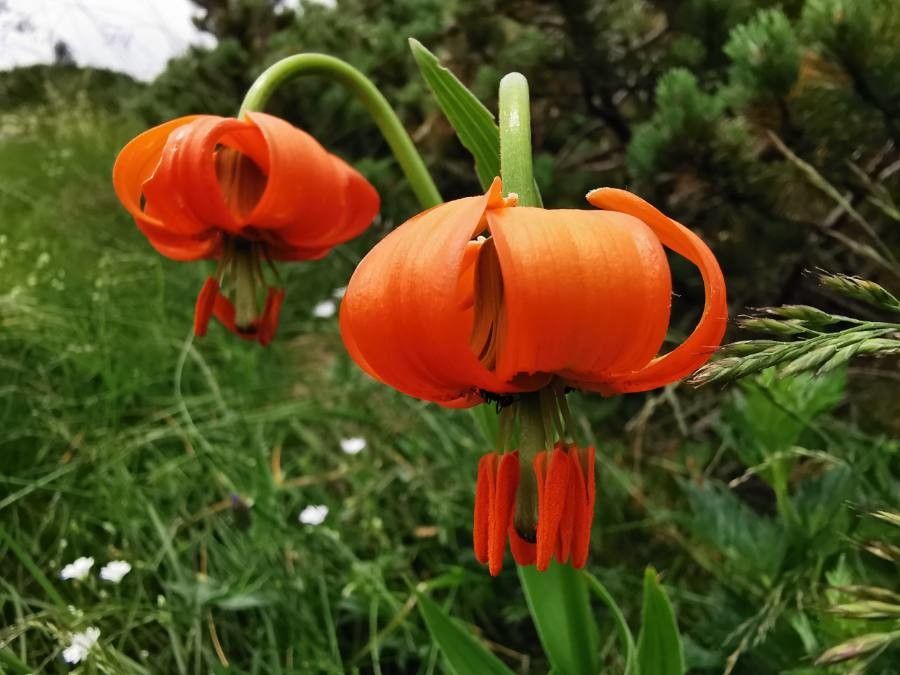
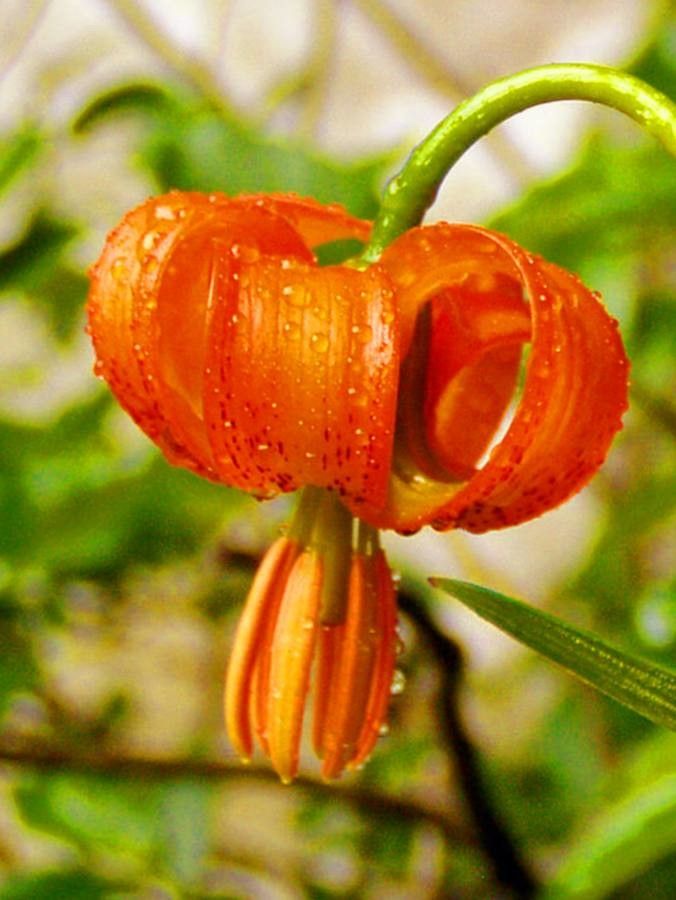
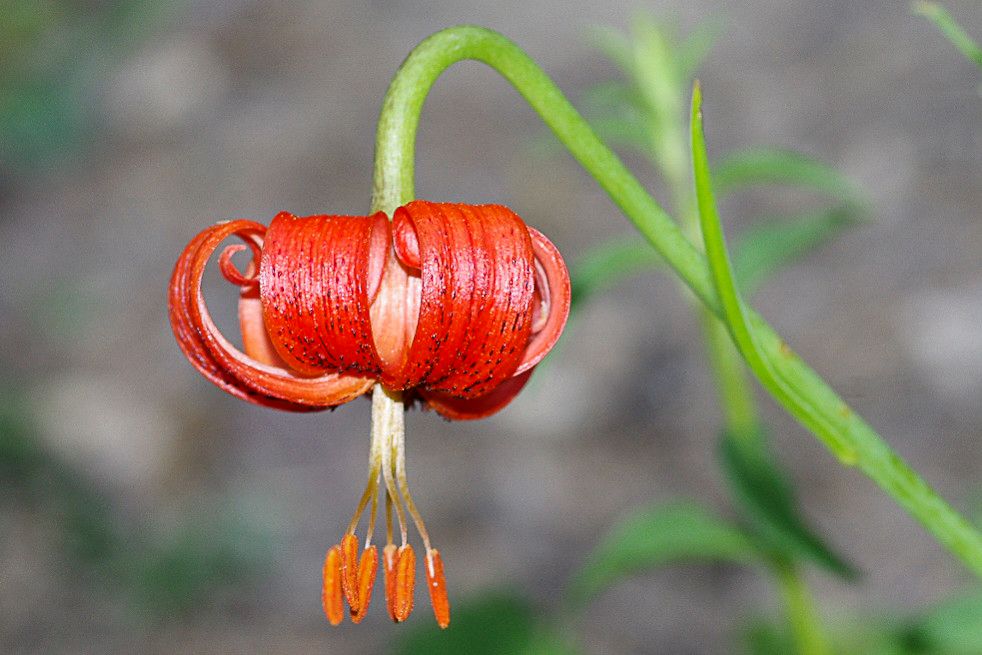
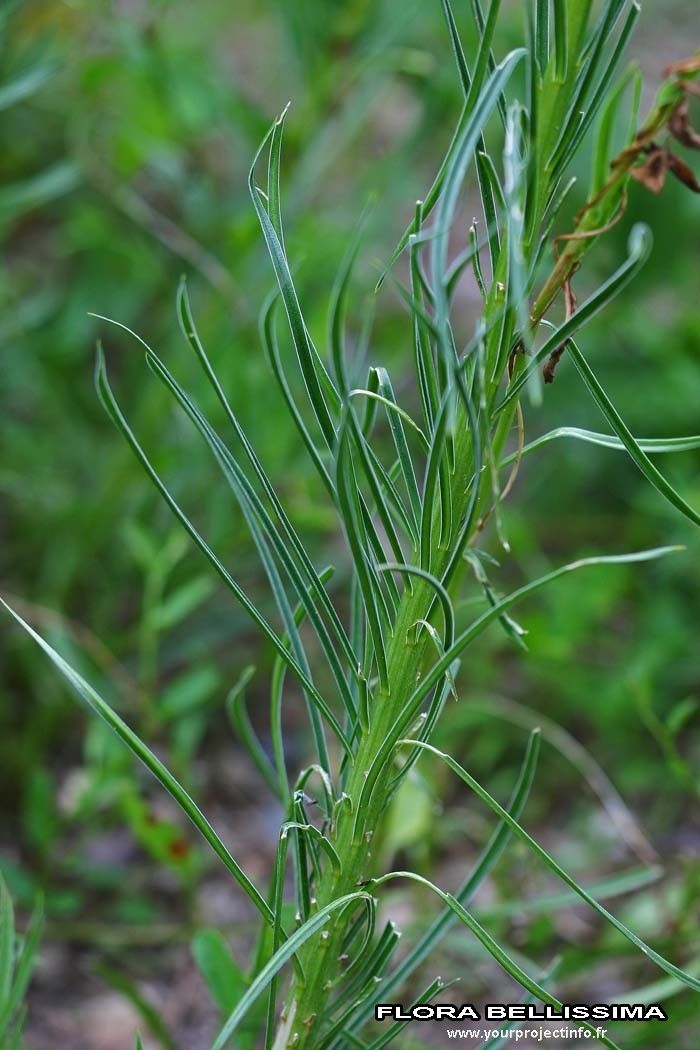
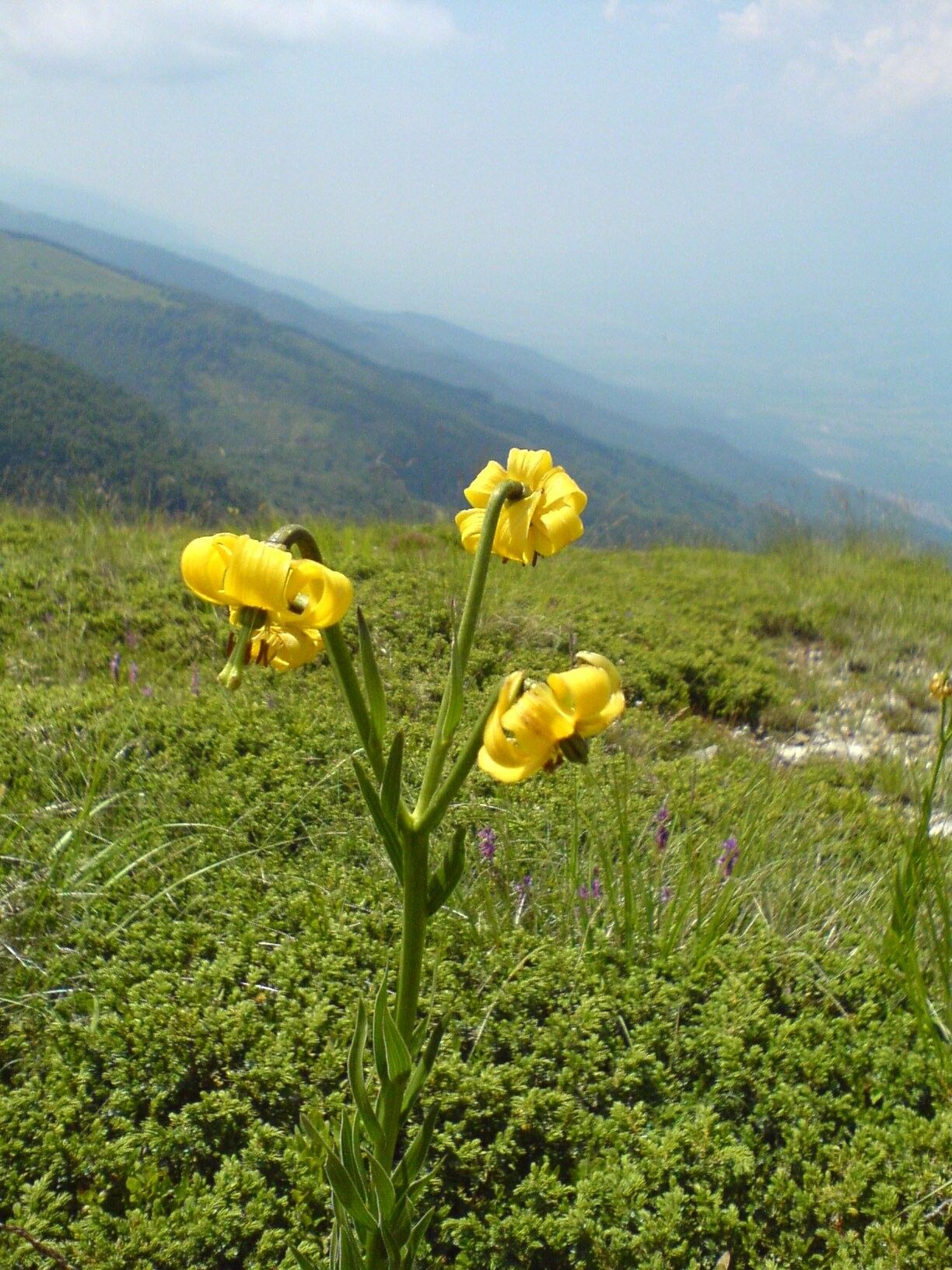
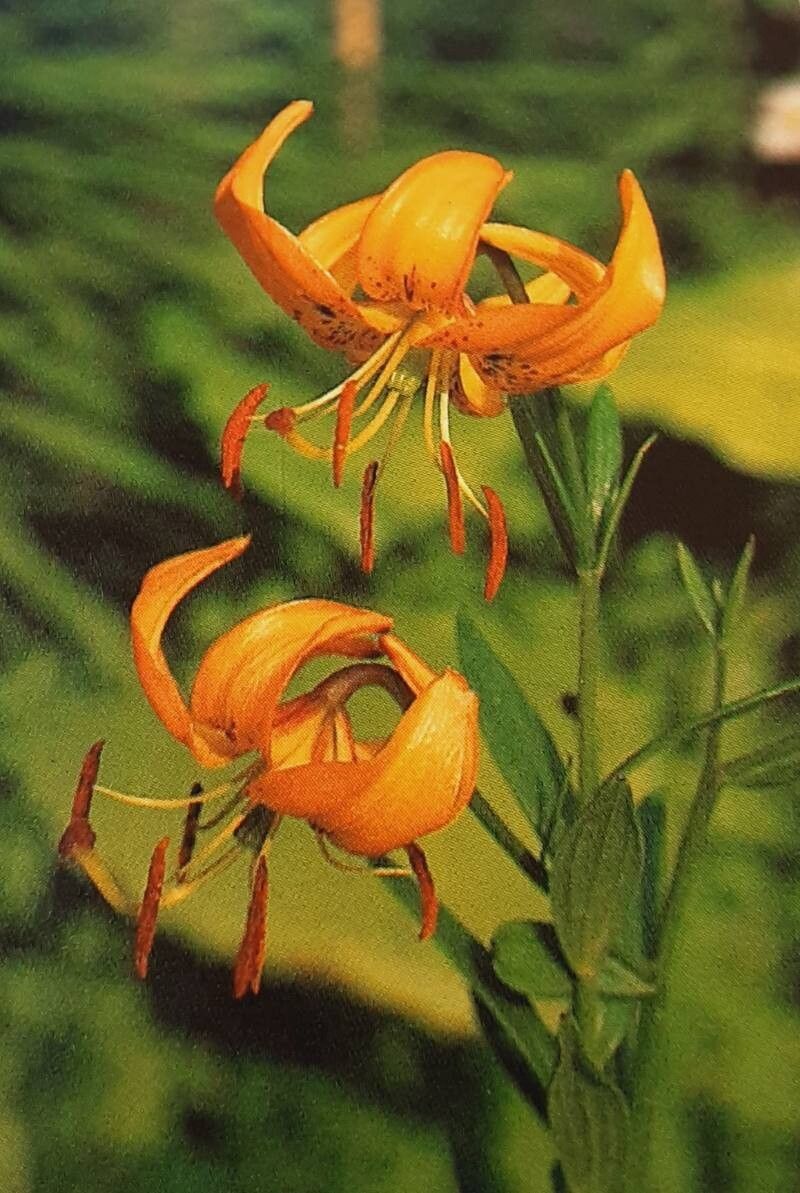
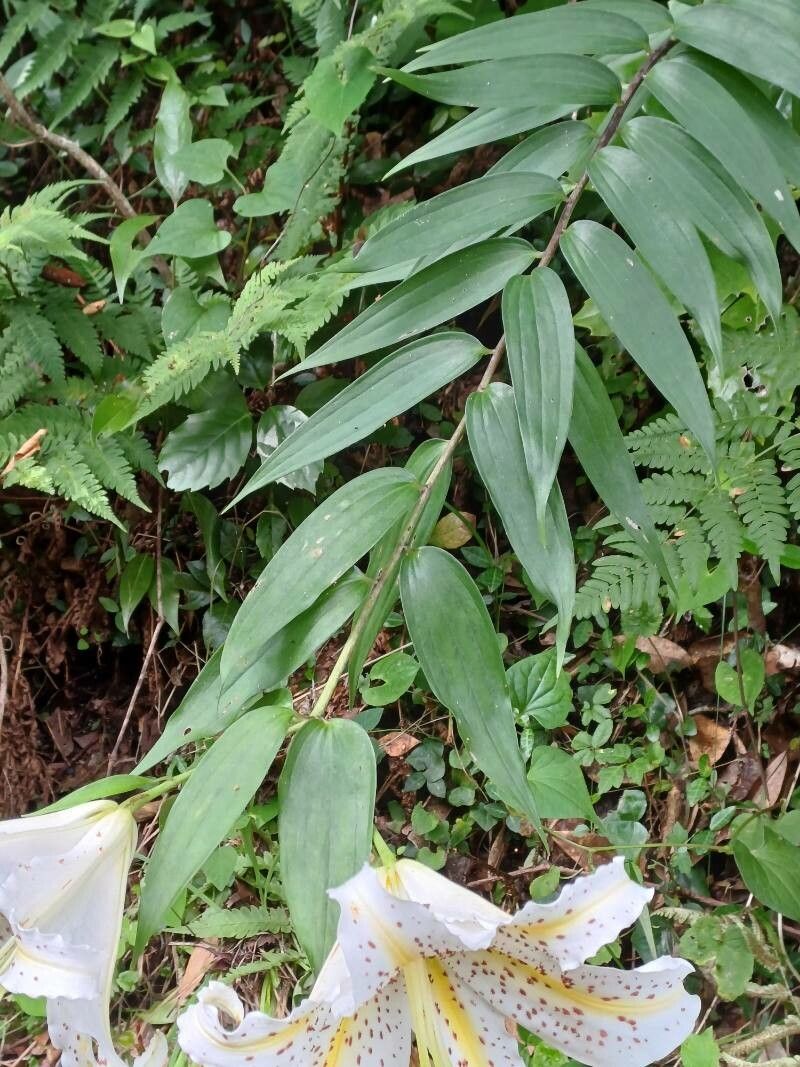
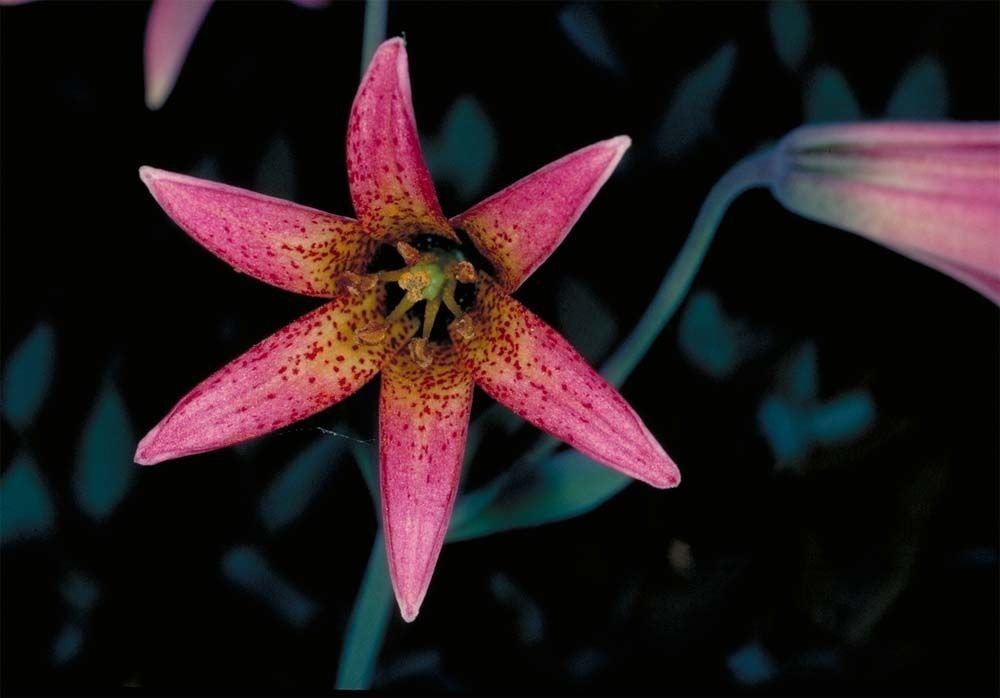
Lilium pomponium, the turban lily, is a European species of lily native to France, Spain, and Italy. formerly includedLilium pomponium var. carniolicum, now called Lilium carniolicum Lilium pomponium subsp. pyrenaicum, now called Lilium pyrenaicum
The red lily is fairly resistant to disease and typically does not suffer from many illnesses. Still, it can be affected by pests and pathogens present in its environment, though such infections are generally mild. Regarding maintenance, this plant needs moderate care. Regular pruning is necessary to preserve an attractive appearance and encourage healthy growth. Applying fertilizer can also aid in boosting blooms. The red lily is appropriate for anyone who has outdoor space, like a garden or a patio, and it does not demand extensive gardening experience. When cultivated indoors, it may need more attentive care.
How to keep Lilium Pomponium.
Light
Red lily is a sun-loving perennial herbaceous plant native to open habitats, commonly flourishing in meadows and grasslands. It prefers full sun but can tolerate partial sun conditions.
Water
Red lilies, which originate from mountainous regions, thrive in well-drained soils that maintain consistent moisture without becoming waterlogged. They should be watered every one to two weeks, allowing the soil to dry out slightly between waterings. As a temperate outdoor plant, red lilies enter a state of dormancy, during which their water needs decrease significantly.
Temperature
Red lily can tolerate a broad span of temperatures, yet its distribution may still be constrained by various combinations of water and heat conditions. It performs best in warm summer climates with enough rainfall or supplementary watering. Extended stretches of cloudy, rainy weather or sustained high temperatures can raise the likelihood of Red lily dying. In winter, adequate protection from cold can enhance the plant's survival rate.
Fertilizer
For Red lily, the best time to fertilize is early spring when the flowers are developing. The proper fertilizer promotes better blooms and helps Red lily produce attractive flowers. Fertilizing in early spring ensures strong flowers during the season and supplies energy for dormant growth phases.
Pruning
The Red Lily displays vibrant red flowers and flourishes when pruned from early to late spring. To keep the plant healthy, regularly remove spent blooms and trim away any damaged foliage. Using clean, angled cuts encourages healing, supports robust growth, and improves flowering and overall appearance.
Botanical profile.
- Plant Type
- Herb
- Life Cycle
- Perennial
- Genus
- Lilium
- Family
- Liliaceae
- Hardiness Zone
- 5-8
- Mature Height
- 61 cm to 91 cm
- Mature Spread
- 30 cm to 46 cm
- Leaf Color
- Silver
- Leaf Type
- Deciduous
- Flower Color
- Red
- Flower Size
- 4.06 cm to 6.35 cm
- Bloom Time
- Early summer, Mid summer
- Planting Time
- Spring, Summer
- Harvest Time
- Late summer, Early fall
- Native Area
- Italy, France
Other names.