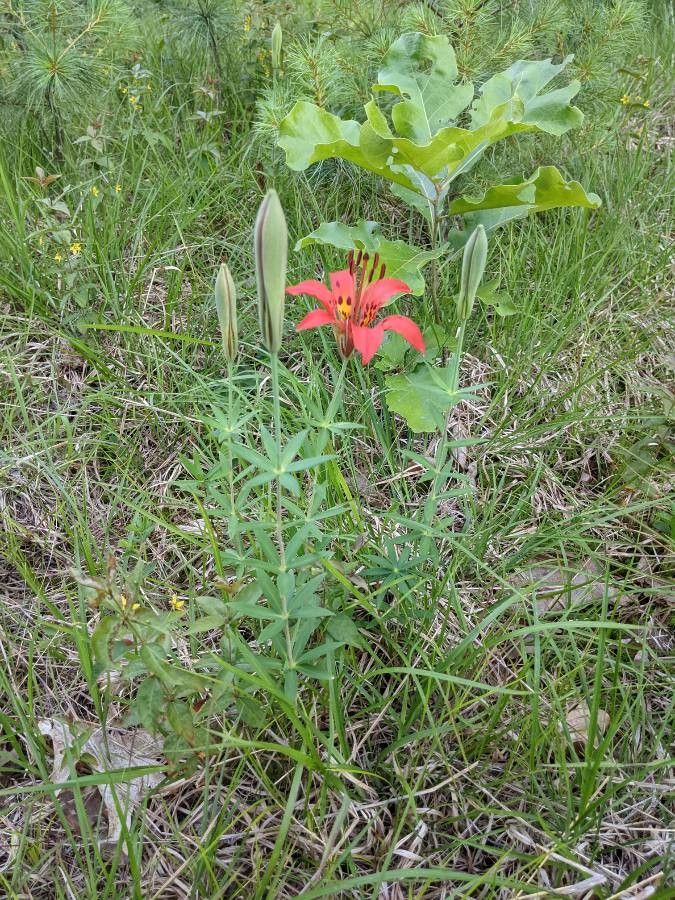
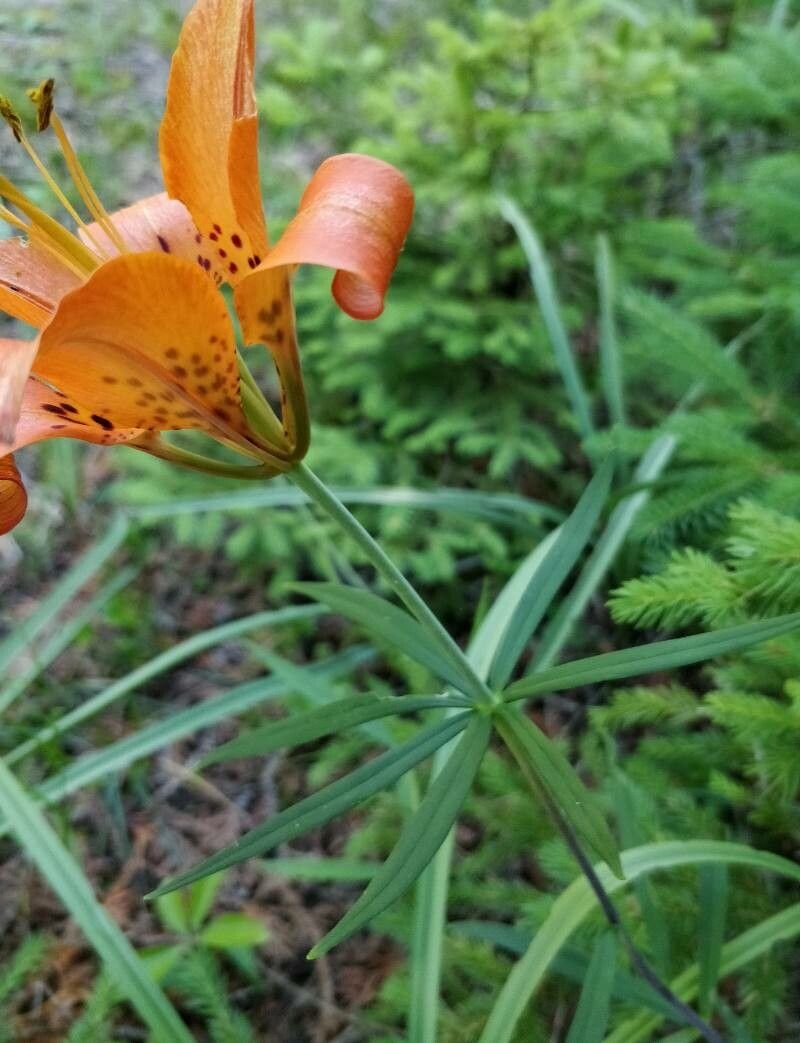
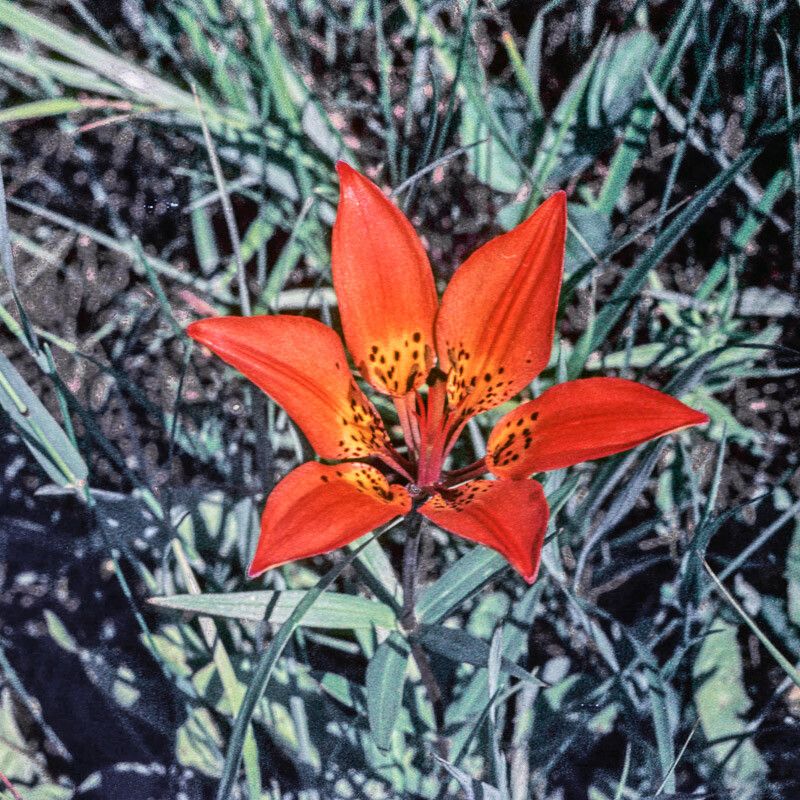
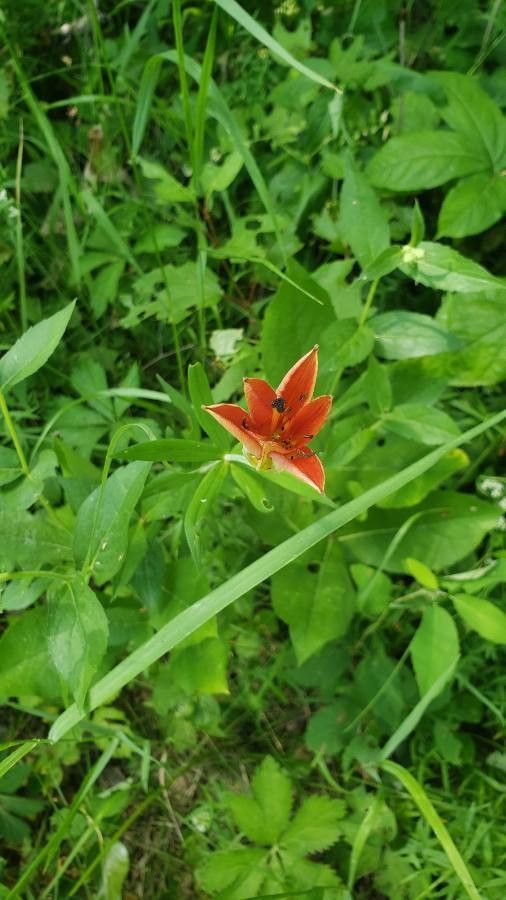
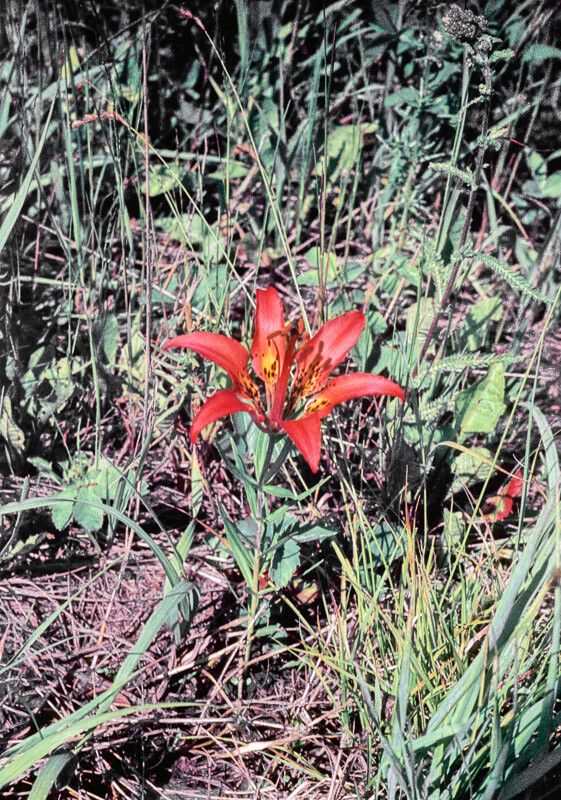
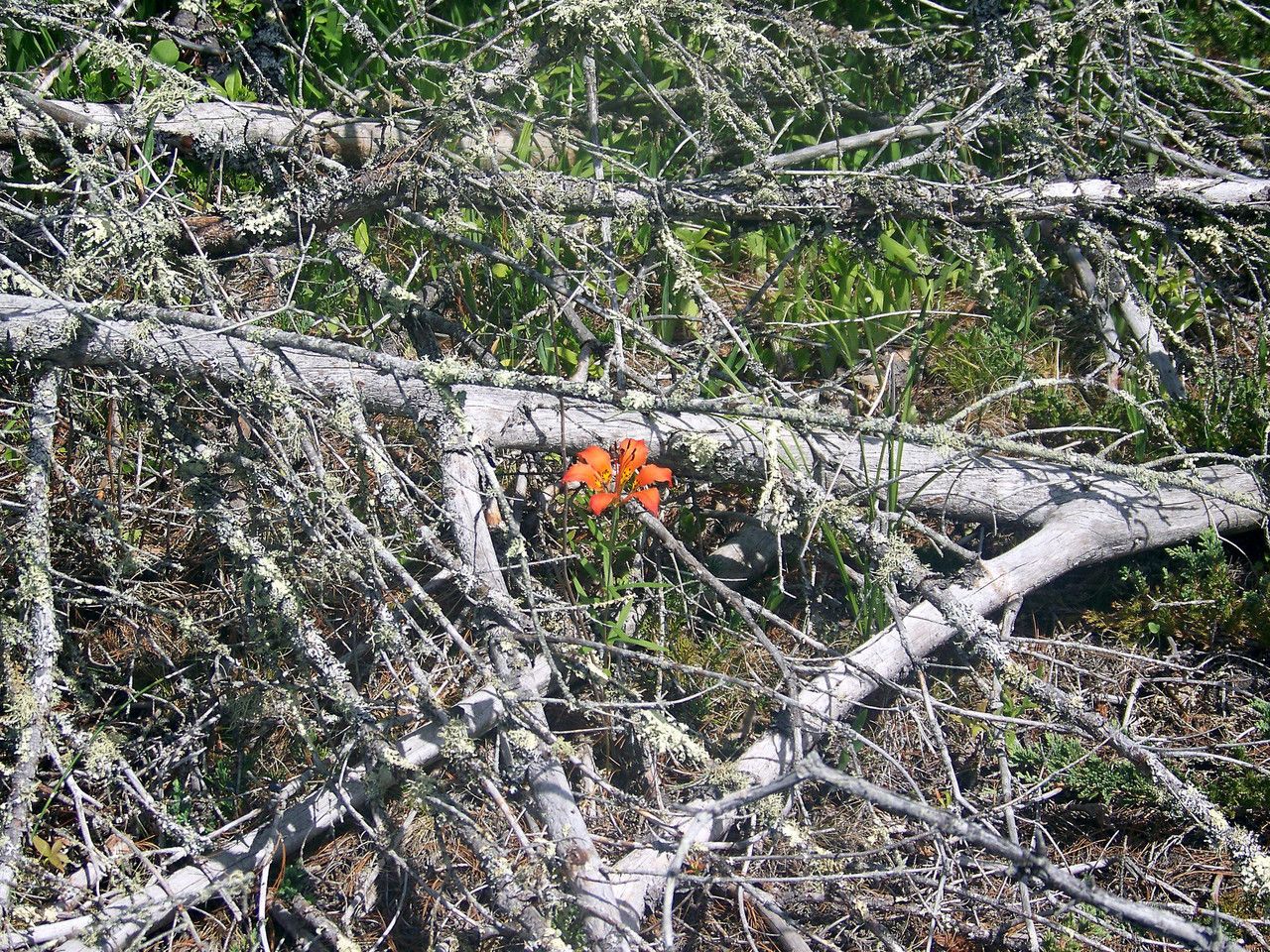
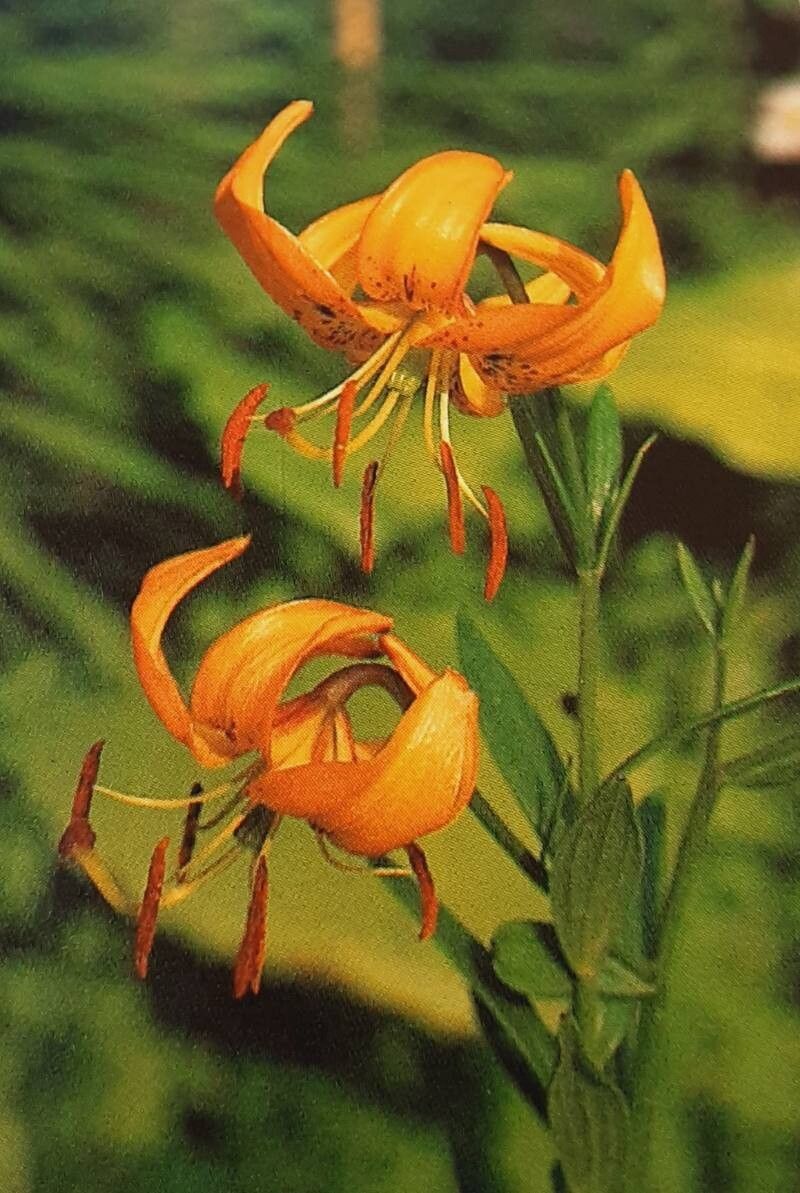
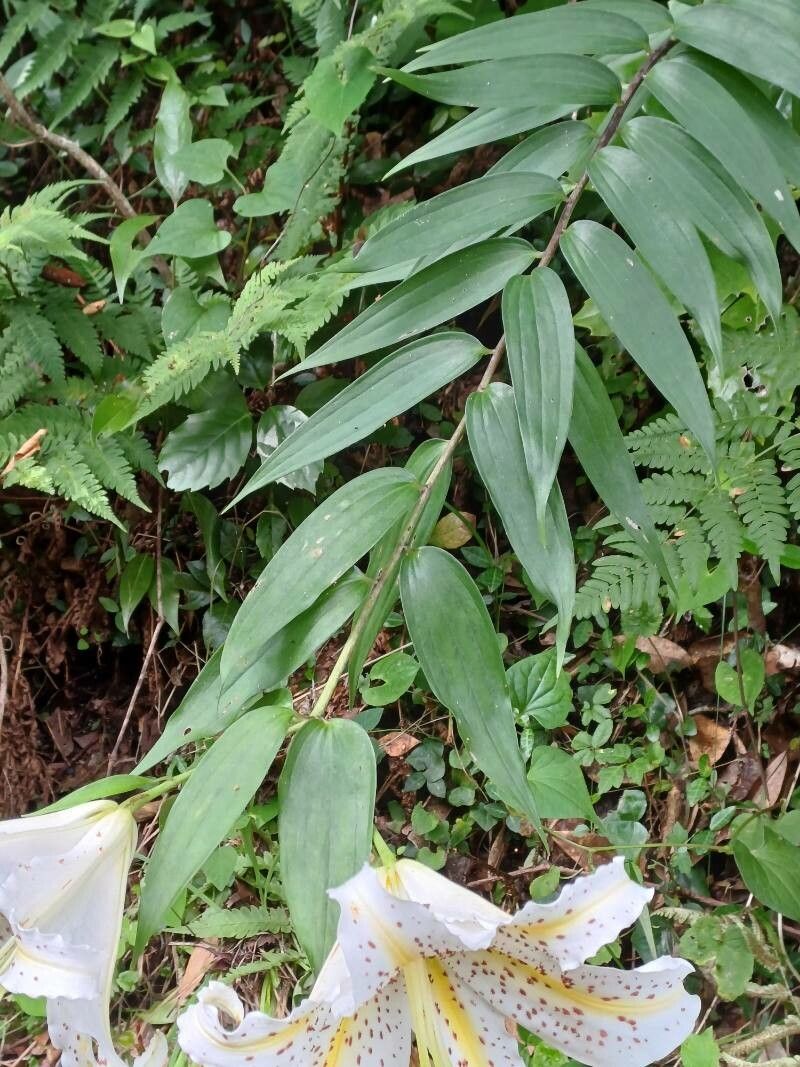
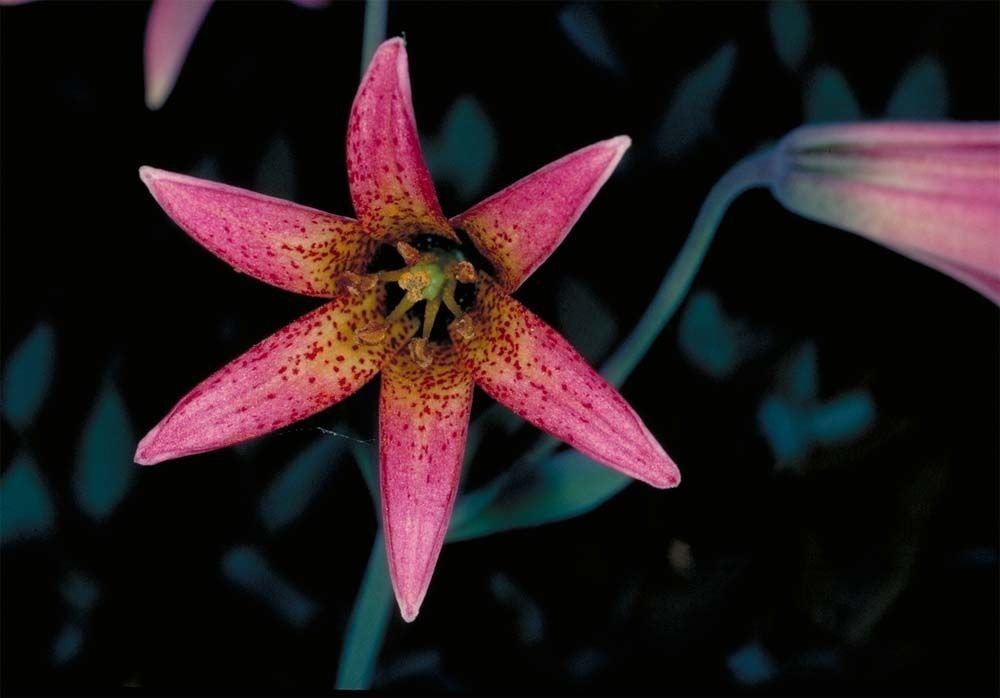
Lilium philadelphicum, also known as the wood lily, Philadelphia lily, prairie lily, or western red lily, is a perennial species of lily native to North America.
Wood lily is fairly disease-resistant and typically does not suffer from illnesses. However, it can be vulnerable to pests and diseases present in its surroundings. Such infections are generally mild. As for care, this plant needs moderate maintenance. It requires regular pruning to preserve an attractive appearance and healthy growth. Applying fertilizer can also help encourage flowering. Wood lily is appropriate for anyone who has an outdoor area, like a garden or patio, and does not demand extensive care experience. It may need more attention when cultivated indoors.
How to keep Lilium Philadelphicum.
Light
Wood lily needs a substantial amount of sunlight each day to grow vigorously. Its native habitat allows it to adapt to and thrive in light shade as well. However, excessive shade can cause poor flowering, and too much sun exposure can considerably weaken the plant.
Water
The wood lily thrives in well-drained soil with consistent moisture, avoiding any waterlogging. To replicate its natural hydration cycle, water the plant weekly. Typically an outdoor plant, the wood lily grows best in conditions that reflect its native climate, encouraging vigorous growth and seasonal flowering.
Temperature
The wood lily does well in its native growing environment, which ranges from cool to warm. It prefers temperatures of 41 to 90 ℉ (5 to 32 ℃), and although it is adaptable to different temperatures, it will not survive extreme heat or cold. In colder months, it is recommended to give a little extra warmth to the roots.
Fertilizer
Usually a single fertilizer application in spring is enough for Wood lily, though repeated feedings can maximize growth. Feed every one to one-and-a-half months. Fertilization improves leaf appearance and function, helping to maintain even color and a healthy texture. It also promotes root development and nutrient uptake for the plant’s long-term health.
Pruning
The Wood Lily showcases vibrant orange-red flowers. For optimal growth, it should be pruned from early to late spring by removing any dead or damaged stems. To ensure the plant continues to flower, minimize the cutting of healthy stems. Pruning encourages growth and extends the blooming period. Always use sharp, clean tools to prevent the spread of disease.
Pot & Repot
Repot Wood lily in early spring. Choose a pot that is wider than it is deep and has good drainage. Use a loamy, well-draining potting mix enriched with compost. Gently remove old soil from the bulb and plant it at a depth equal to the bulb's height. Water thoroughly after repotting and place the pot in a sunny spot. Avoid overwatering to prevent the bulb from rotting.
Botanical profile.
- Plant Type
- Herb
- Life Cycle
- Perennial
- Genus
- Lilium
- Family
- Liliaceae
- Hardiness Zone
- 4-7
- Mature Height
- 30 cm to 91 cm
- Mature Spread
- 30 cm
- Leaf Color
- Green
- Leaf Type
- Deciduous
- Flower Color
- Red
- Flower Size
- 2.54 cm to 7.62 cm
- Bloom Time
- Early summer, Mid summer
- Planting Time
- Spring
- Harvest Time
- Late summer, Early fall
Other names.
Reader questions.
What should I do if I give my Wood lily too much or too little water?
The Wood lily is prone to overwatering, which can result in bulb rot. Symptoms of overwatering include a mushy bulb, flopping stems with spots, droopy flowers, and a yellowed stalk. While it is normal for Wood lily leaves to turn yellow at the end of their blooming period, yellowing before blooming is a sign of overwatering. Unfortunately, bulb rot cannot be reversed, but if caught early, you can dig up the bulb, remove the rotten parts, and replace the soil. Disinfecting pots and tools is important to prevent spreading the fungus. Underwatering the Wood lily is less problematic, though you don't want the soil to completely dry out. Signs of underwatering include no blooms, withered stalks, and browning around the edges of flower petals. If you have underwatered your plant, give it a good drink without saturating the soil. However, be careful not to overwater, as extended periods of water can lead to root rot and fungus growth. This can cause spots on leaves and buds, as well as discoloration and death of leaf tips.
Why is it important to fertilize my Wood lily?
The leaves of the Wood lily are crucial for its overall structure. Fertilization plays a significant role in both enhancing the appearance of these leaves and supporting their function. By fertilizing properly, you can ensure that your Wood lily retains its leaves' vibrant color and healthy texture. Furthermore, fertilization works below the surface to promote the growth of new roots and maintain existing ones in the root system. This not only keeps your plant healthy in the present but also improves its ability to absorb nutrients from the soil in the long run.
What are the sunlight requirements for Wood Lily?
Wood lily thrives in conditions that mimic its natural habitat, which includes receiving a significant amount of daily sunlight. The plant benefits from full sun exposure, defined as more than 6 hours of direct sunlight per day, and can also adapt to partial sun, with about 3-6 hours of sunlight. However, it's crucial to ensure that the plant does not receive too much shade, as this can result in poor flowering, and excessive direct sunlight may weaken the plant. Observing the movement of sunlight through your garden to find a spot that offers a balanced light environment is recommended for the health of your Wood Lily.
What are the ideal growing temperatures for the wood lily?
The wood lily, or Lilium philadelphicum, thrives in a wide temperature range from cool to warm environments, specifically between 41 to 90°F (5 to 32°C). This adaptability to different temperatures means it can grow in various conditions, though it cannot survive in extreme heat or cold. During colder months, it's beneficial to provide extra warmth to the plant's roots to support its growth, despite its high cold tolerance. The plant doesn't require additional frost protection in winter, but ensuring the soil is moist before the first freeze can help it survive the winter and early spring better by preventing drought and water scarcity.
How frequently should I water my Wood lily?
Wood lily is a low maintenance plant that thrives when grown directly in the ground in the sunniest part of your garden. It's important to avoid overwatering the bulb as it can lead to rot. After planting, give the Wood lily a good watering and then let it be until you see shoots appear. To determine if the soil is moist enough, check the moisture a couple of inches below the surface by using your finger. If it's still wet, there's no need to water the plant. For potted plants, also check the water collection tray for any standing water and avoid watering if it's present. For a more precise measurement, you can use a moisture sensor inserted 2-3 inches into the soil. The ideal moisture level is in the middle of the 'moist' category. It's recommended to water the Wood lily once a week.
When should I fertilize my Wood lily?
To ensure optimal growth of your outdoor Wood lily, keep an eye out for new shoots in early spring. As these leaves appear, it signals the perfect time to start fertilizing. Usually, a single round of fertilizer suffices, but if you want your Wood lily to thrive even more, you can repeat the fertilization process several times during the spring and early summer. In this case, feed your Wood lily approximately once every month to a month and a half.
How does artificial lighting benefit indoor Wood Lily plants?
For Wood Lily plants growing indoors where natural sunlight might be inadequate, especially during winter or in less sunny areas, artificial lighting can be a lifesaver. It promotes faster, healthier growth by compensating for the lack of sunlight. LED lights are preferred for their ability to be customized to the specific light wavelengths needed by plants. The intensity of the artificial light required varies with the plant's natural sunlight needs: full sun plants need 30-50W/sq ft, partial sun plants need 20-30W/sq ft, and full shade plants need 10-20W/sq ft. Placing the light source 12-36 inches above the plant for 8-12 hours per day can mimic natural sunlight conditions, supporting optimal growth.
How should I care for my wood lily in low temperatures?
The wood lily is remarkably cold-tolerant and can withstand low temperatures, maintaining the winter temperature above the specific growth limit, which preserves its ability to sprout. If temperatures fall below this threshold, you might notice a decrease in sprouting or even a lack of sprouting come spring. In such cases, it's advised to remove any parts of the plant that have failed to sprout in spring as a way to foster healthier growth and maintain the plant's vitality.
How should I change the amount of water I give my Wood lily based on different conditions?
The Wood lily is a tough plant that can survive in harsh conditions. If planted outdoors, you can rely on natural rainfall for watering, as it doesn't need much water and can withstand drought. Just make sure the soil has good drainage. For potted Wood lilies, be cautious with watering to avoid bulb rot. Water less when kept indoors and ensure the pots have drainage holes. Use well-drained soil and add sand or rocks to improve drainage. During the growing phase, water about one inch per week to encourage blooming. Wait until the stalk appears before watering regularly. The amount of water needed also depends on humidity and temperature. In hot, dry climates, water may evaporate faster, so more frequent watering may be needed. In humid climates, less watering may be required. Always check soil moisture to avoid overwatering. Wood lilies prefer well-drained, moist soil.
When is it not a good idea to fertilize my Wood lily?
During late fall and winter, your Wood lily will become dormant and stop growing. You should avoid fertilizing it during this time. If you choose to fertilize in spring and summer, start reducing the amount as summer approaches because the growth rate of your Wood lily will also slow down. It's not recommended to fertilize your Wood lily during very hot weather or when the soil is very dry as it can stress and possibly kill the plant.
What are the symptoms of inadequate or excessive sunlight in Wood Lily?
When a Wood Lily does not receive sufficient sunlight, it may show various symptoms: new leaves might grow smaller, the plant might experience leggy or sparse growth, there could be faster leaf drop, slower or halted new growth, and new leaves may appear lighter in color or develop chlorosis, turning yellow due to a lack of chlorophyll. Conversely, symptoms of excessive sunlight include sunscald, with damaged leaves or stems showing pale, bleached, or necrotic areas; leaf curling as a defense mechanism to minimize water loss; wilting due to increased transpiration; and leaf scorching, indicated by brown, dry edges or patches on leaves.
What are the effects of high temperature on the wood lily and how can I mitigate them?
Wood lilies do not tolerate high temperatures well. Exposure to temperatures above the maximum suitable growth temperature causes the plant's growth to halt and increases its susceptibility to rot. To mitigate these effects, it's important to trim away any sunburned and dried-up parts of the plant. Relocating the plant to a shadier location or using a shade cloth can also help protect it from the harsh midday and afternoon sun. Additionally, watering the plant in the morning and evening will help keep the soil moist and support the plant's health in higher temperatures.