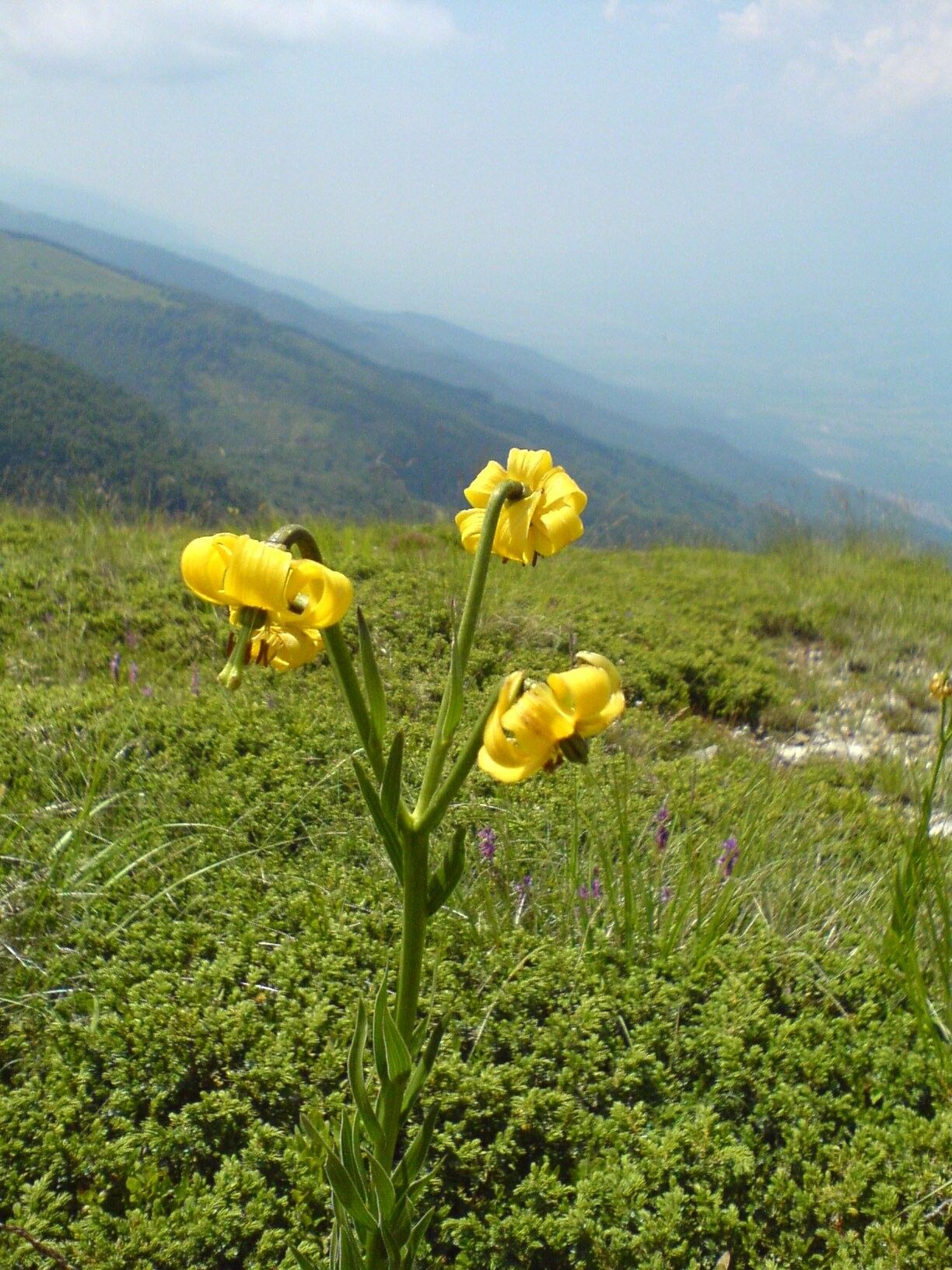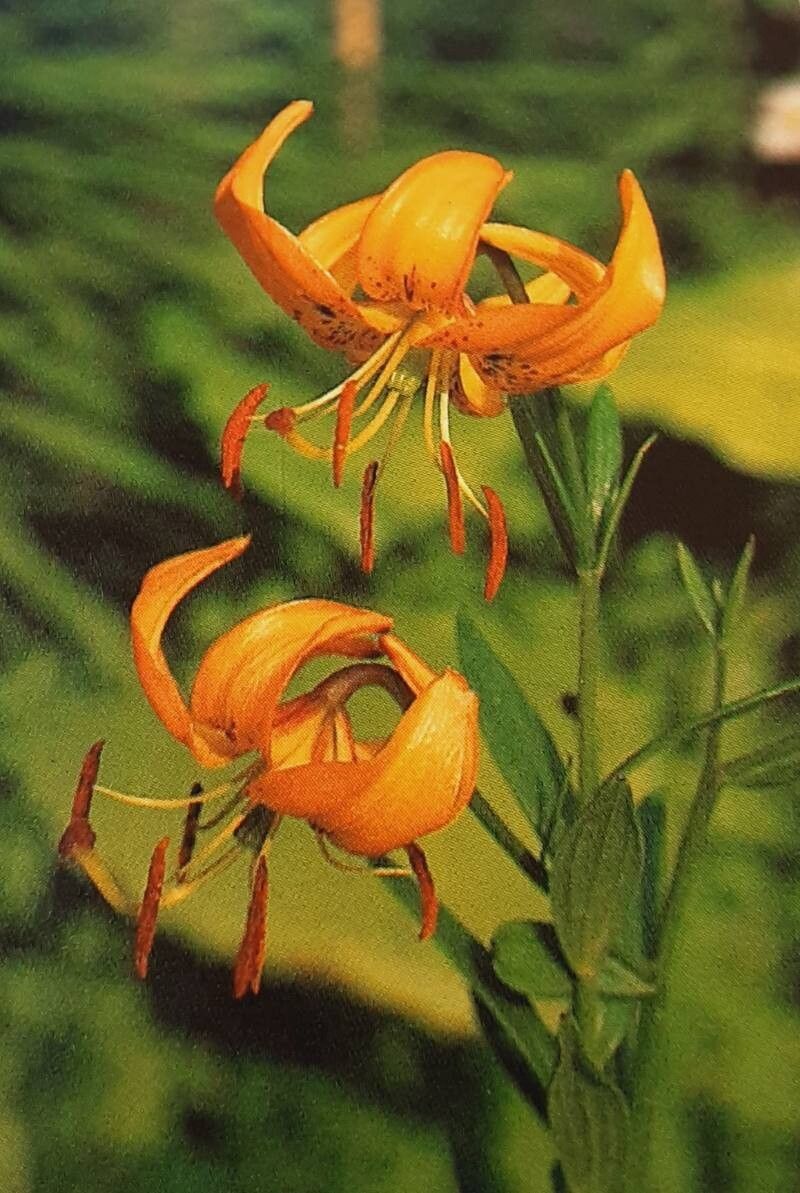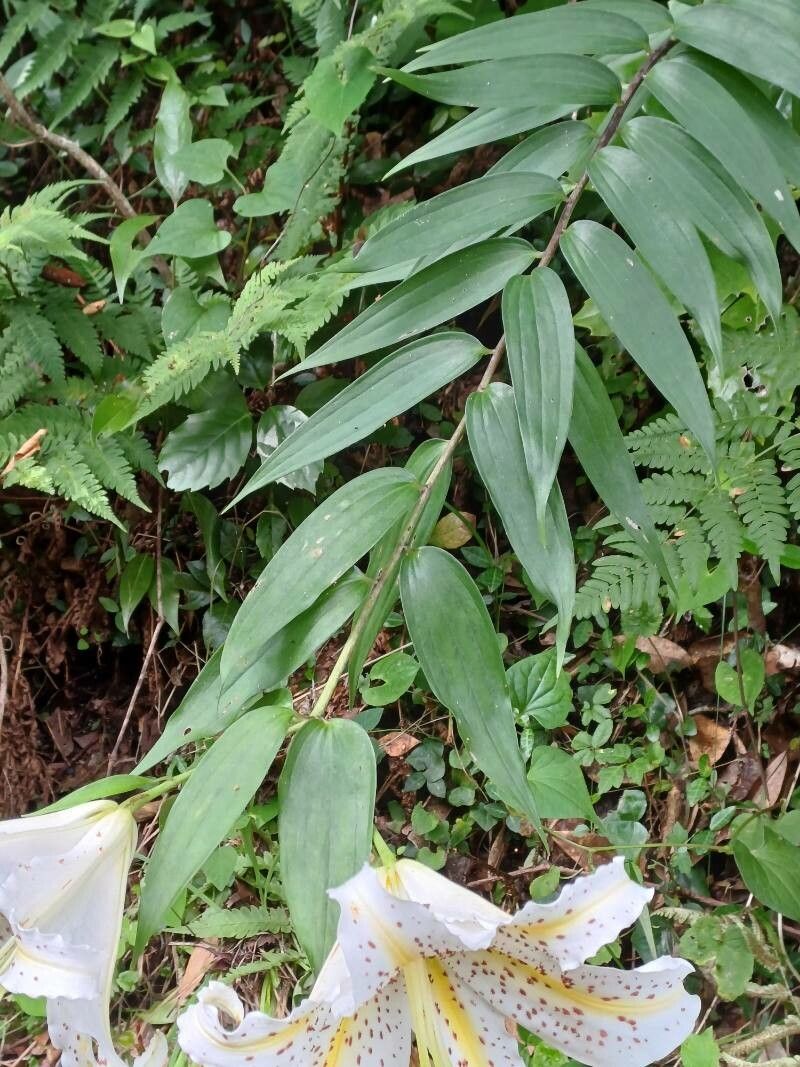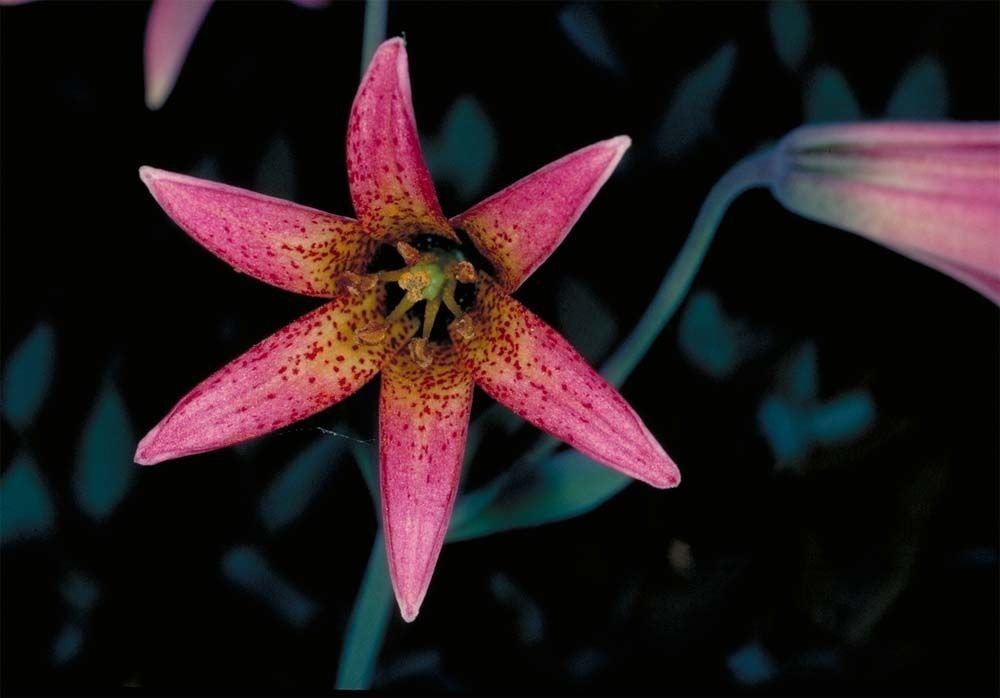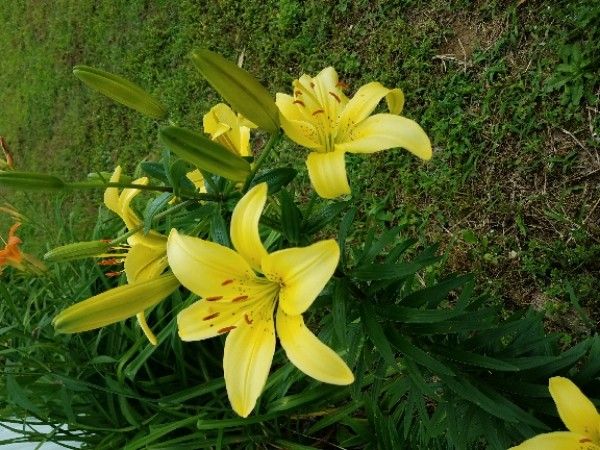
Lilium parryi, commonly known as Parry's lily, is a species of flowering plant in the family Liliaceae. Native to California, it thrives in the Sierra Nevada and Cascade Range mountains. This plant typically grows between 1 to 2 meters tall and features large, showy, trumpet-shaped flowers with bright orange-red petals speckled with dark spots. Its leaves are lance-shaped and can grow up to 15 cm long.
Parry's lily prefers well-drained soils and flourishes in full sun or partial shade. Blooming from late spring to early summer, it attracts pollinators such as bees and butterflies with its sweet fragrance.
For centuries, Native American tribes have used the plant for medicinal purposes, believing it to have healing properties for various ailments, including headaches, fever, stomach aches, and wounds.
Due to its striking appearance, Lilium parryi is a popular ornamental plant that can be grown in gardens or containers, provided they receive adequate sunlight. However, its limited distribution has led the International Union for Conservation of Nature (IUCN) to list it as an endangered species.
Lemon lily is fairly resistant to disease and typically not prone to illnesses. Still, it can be affected by pests and diseases present in its environment. These issues are usually mild. In terms of care, the plant requires moderate maintenance. It should be pruned regularly to maintain a neat appearance and healthy growth. Fertilizing can also help encourage flowering. Lemon lily is appropriate for anyone with outdoor space, such as a garden or patio, and does not demand extensive experience in plant care. It may need more attention when grown indoors.
How to keep Lilium Parryi.
Light
The lemon lily naturally occurs in habitats such as forest understories or rocky areas, where it is exposed to natural shade. It prefers partial sun but can tolerate full sun or full shade, illustrating its versatile and hardy nature.
Water
The lemon lily flourishes in moderate moisture conditions, requiring watering every 1-2 weeks. It thrives in a semi-humid climate and is well-suited for temperate zones. Its growth cycle aligns with seasonal rainfall, allowing it to efficiently use natural water resources.
Temperature
Lemon lily can tolerate a wide range of temperatures, but its occurrence may still be constrained by different combinations of moisture and heat. It performs best in warm summers with sufficient rainfall or watering. Long periods of cloudy, rainy weather, as well as extended high temperatures, can make Lemon lily more likely to die. In winter, adequate protection from the cold can increase the plant's chances of survival.
Fertilizer
For Lemon lily, the best time to fertilize is early spring, when the flowers are beginning to form. The proper fertilizer promotes improved blooms and helps Lemon lily produce attractive flowers. Fertilizing in early spring ensures strong flowering through the season and provides energy for dormant growth phases.
Pruning
The lemon lily is known for its fragrant yellow flowers and thrives with proper care. To promote blooming and enhance airflow, perform early spring pruning by removing dead foliage and trimming old flower stalks. Be cautious not to prune too heavily, as this can hinder growth. Consistent maintenance helps retain the plant's shape and vigor, enhancing its ornamental appeal.
Pot & Repot
Repot your lemon lily every 2 to 3 years, ideally in early spring, using a well-draining, medium-sized pot. After repotting, place the plant in a location with bright, indirect sunlight and keep the soil consistently moist to promote healthy recovery. Lemon lilies reach moderate heights and flourish with gentle care. They are not climbers or ground cover plants.
Botanical profile.
- Plant Type
- Herb
- Life Cycle
- Perennial
- Genus
- Lilium
- Family
- Liliaceae
- Hardiness Zone
- 5-9
- Mature Height
- 91 cm
- Mature Spread
- 20 cm
- Leaf Color
- Green
- Leaf Type
- Deciduous
- Flower Color
- Yellow, Gold
- Flower Size
- 7.62 cm to 11.43 cm
- Bloom Time
- Early summer, Mid summer
- Planting Time
- Spring, Summer, Autumn
- Harvest Time
- Late summer, Early fall
- Native Area
- Mexico
Other names.
Reader questions.
What are the sunlight requirements for Lemon Lily?
Lemon Lily (Lilium parryi) thrives in conditions that meet its sunlight requirements. It needs full sun, which means it should be exposed to above 6 hours of sunlight daily. Alternatively, it can also grow in partial sun, requiring about 3-6 hours of sunlight. It's essential to observe the way sunlight moves through your garden to find the ideal spots that offer a perfect balance of light and shade, ensuring the Lemon Lily's health and happiness.