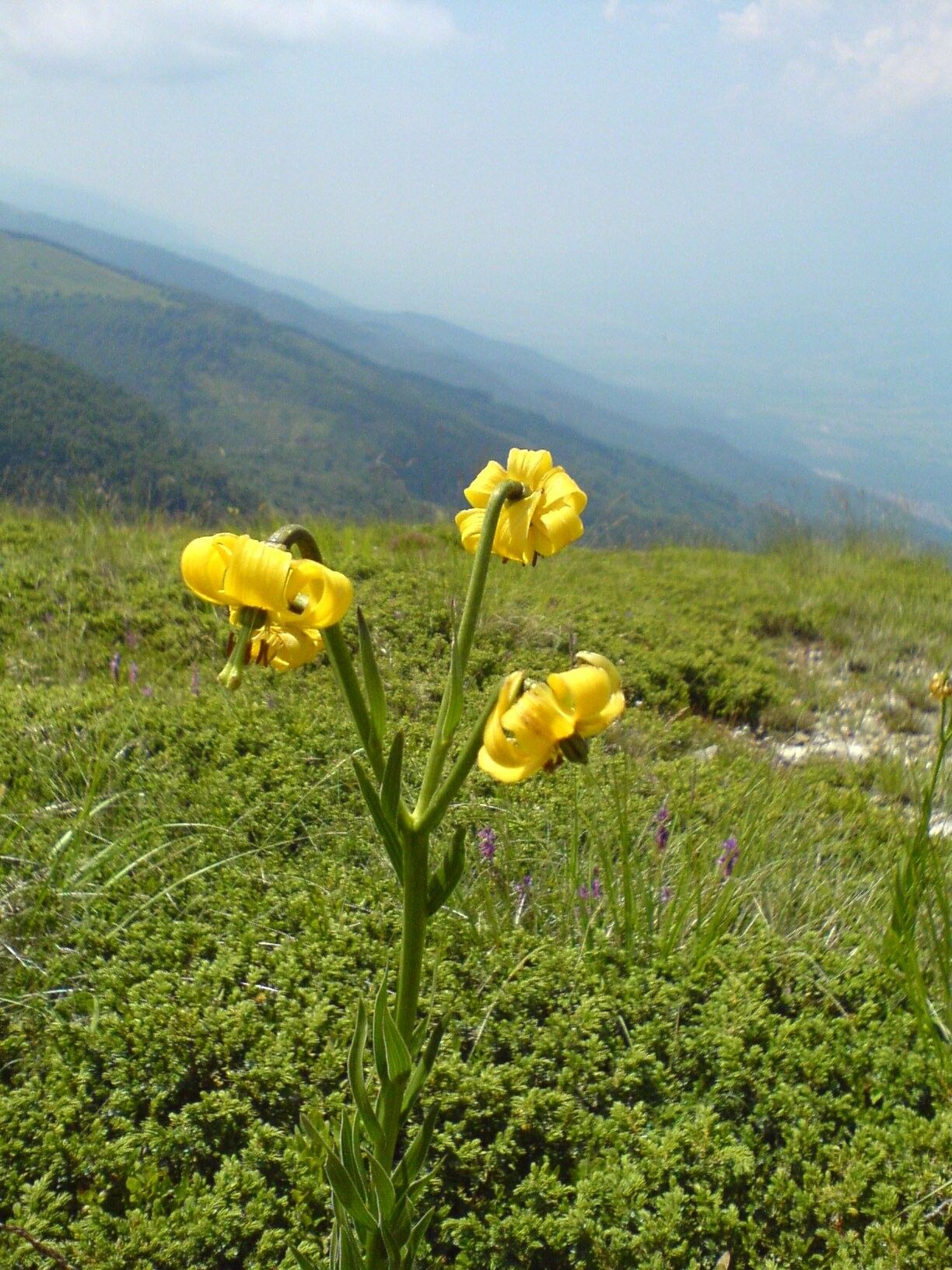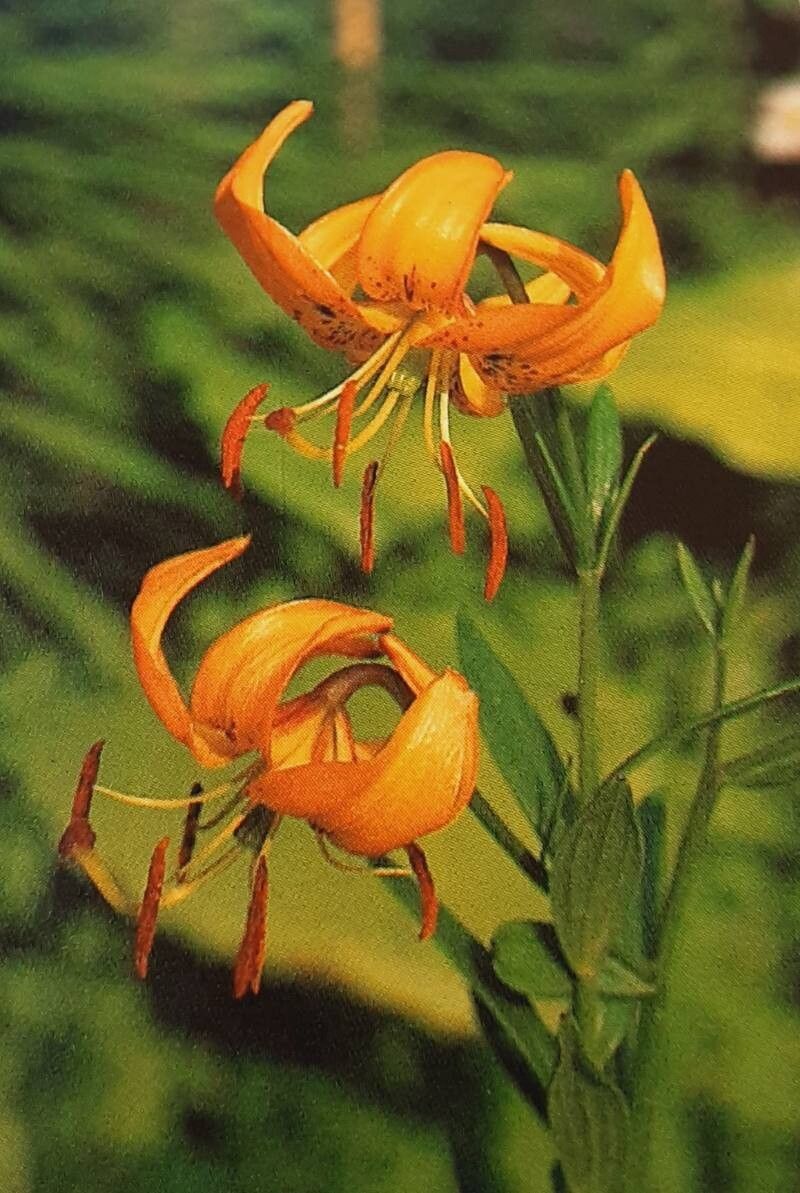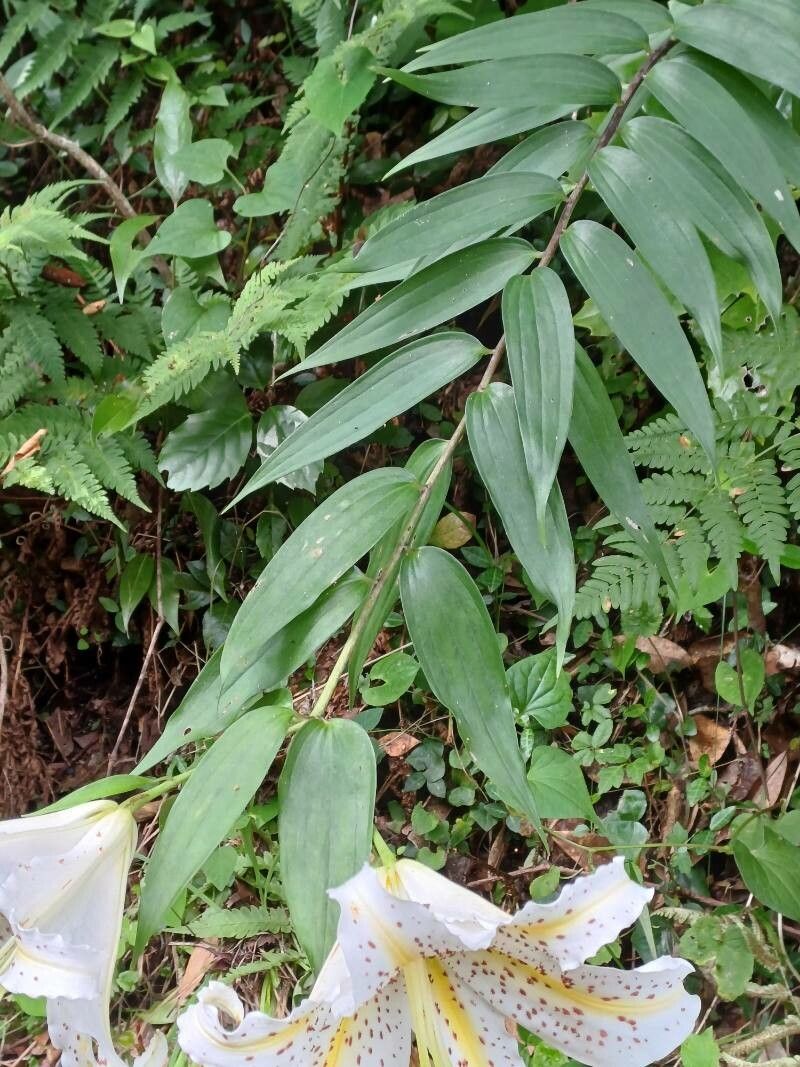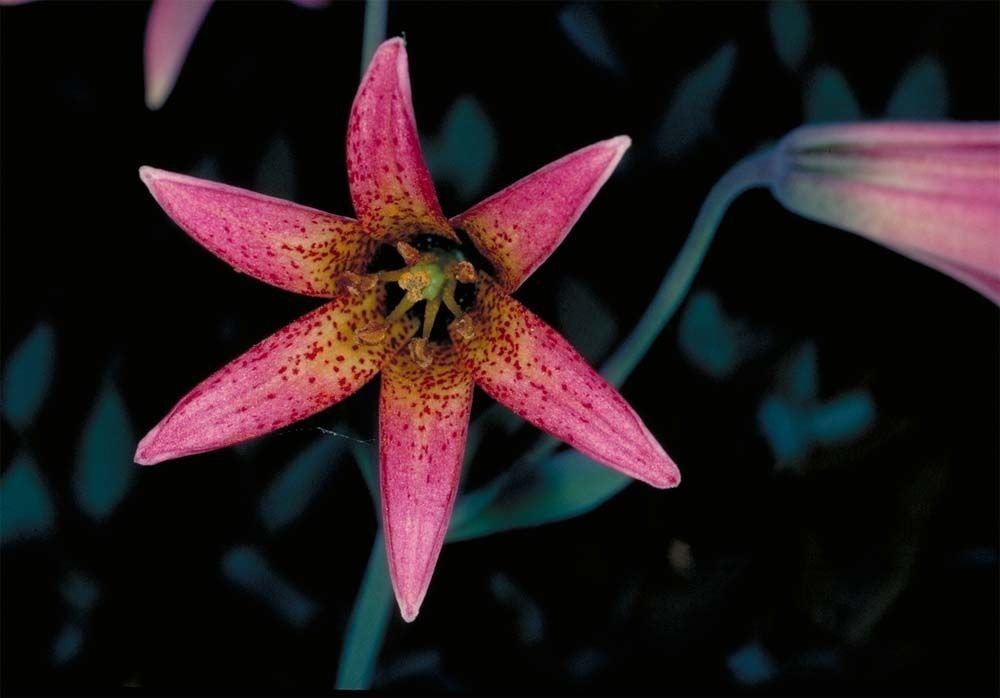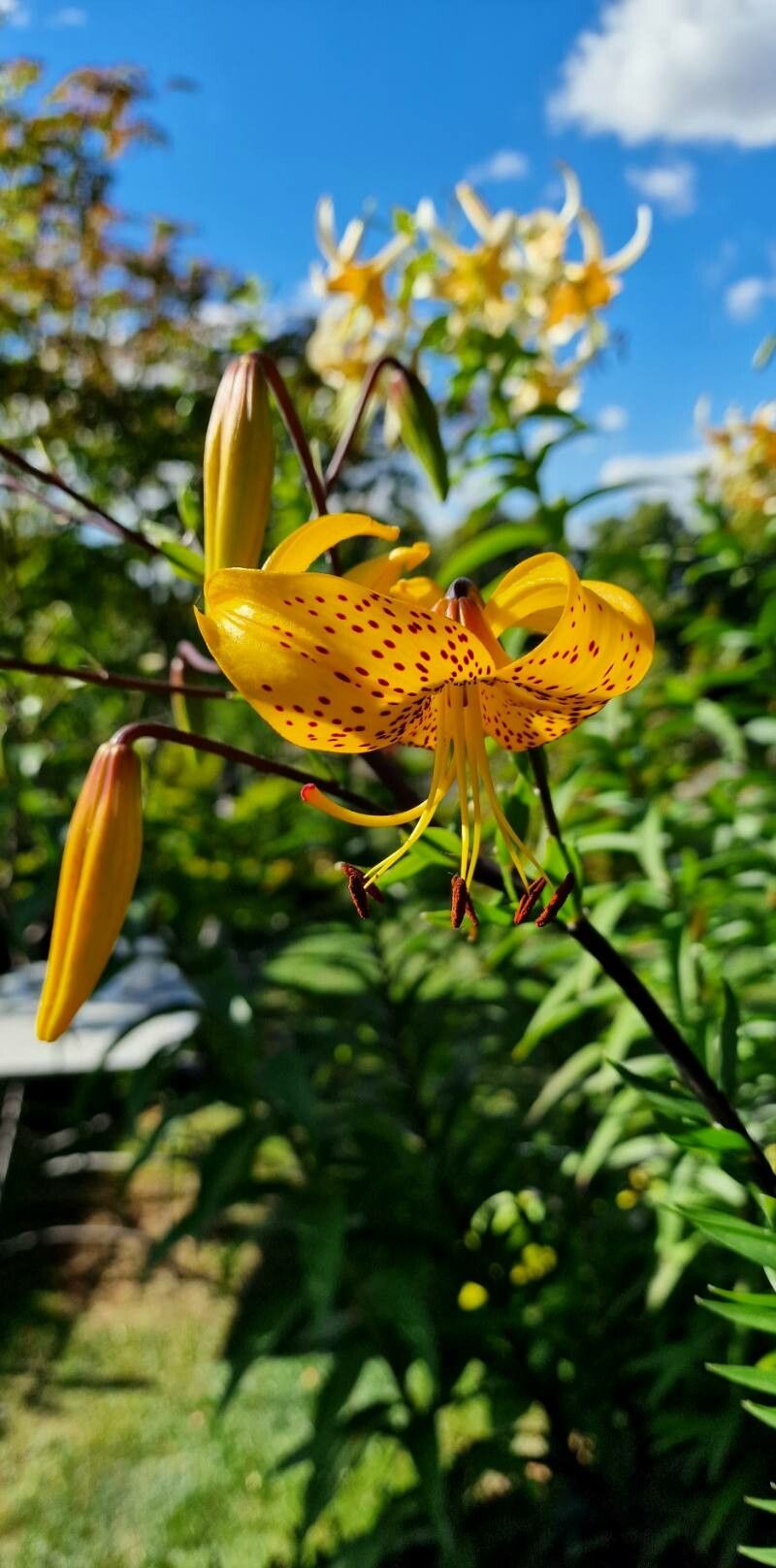
Leichtlin's lily ist recht widerstandsfähig gegen Krankheiten und im Allgemeinen nicht anfällig für Erkrankungen. Dennoch kann sie von in der Umgebung vorkommenden Schädlingen und Krankheiten befallen werden. Solche Infektionen verlaufen meist nicht schwerwiegend. Was die Pflege angeht, benötigt diese Pflanze mittleren Aufwand. Sie sollte regelmäßig geschnitten werden, um ein gepflegtes Aussehen und gesundes Wachstum zu erhalten. Düngung kann ebenfalls dazu beitragen, die Blütenbildung zu fördern. Leichtlin's lily eignet sich für jeden mit einem Außenbereich, etwa Garten oder Terrasse, und verlangt nicht viel Pflegeerfahrung. Bei Kultivierung im Innenraum kann sie jedoch mehr Pflegeaufwand erfordern.
How to keep Lilium Leichtlinii.
Light
Leichtlin's lily originates from habitats such as forest understories and rocky sites, where it grows in natural shade. It prefers partial sun but can adjust to full sun or full shade, demonstrating its versatile and hardy nature.
Water
Leichtlin's lily flourishes in moderately moist environments and benefits from being watered every 1-2 weeks. Native to regions with regular rainfall, it grows best outdoors during the rainy season when water is abundant.
Temperature
Die Leichtlin-Lilie kann sich an ein großes Spektrum an Temperaturen anpassen, doch ihre Verbreitung kann dennoch durch unterschiedliche Kombinationen von Wasser- und Wärmebedingungen begrenzt sein. Am besten wächst sie im Sommer in warmem Klima bei ausreichendem Niederschlag oder regelmäßiger Bewässerung. Längere Phasen mit wolkigem, regnerischem Wetter sowie anhaltend hohe Temperaturen erhöhen die Wahrscheinlichkeit, dass die Leichtlin-Lilie abstirbt. Im Winter kann ein angemessener Schutz vor Kälte die Überlebensrate der Pflanze verbessern.
Fertilizer
The main time to fertilize Leichtlin's lily is in early spring when the flowers are forming. Using the proper fertilizer promotes better blooms and helps the lily produce attractive flowers. Fertilizing in early spring ensures excellent flowers throughout the season and supplies energy for dormant growth phases.
Pruning
Leichtlin's lily benefits from regular pruning, particularly in early spring. To promote health and encourage vigorous growth, remove dead stems and spent blooms. This practice also helps prevent diseases and improves airflow around the plant. For the best results, use clean, sharp tools to ensure effective maintenance and enhance the plant's appearance.
Pot & Repot
To support the upright growth of Leichtlin's lily, repot the plant every two years in early spring. Choose a spacious pot to accommodate its bulbous roots. After repotting, apply mild fertilization and water moderately. Make sure the pot has good drainage to encourage healthy growth and blooming.
Botanical profile.
- Plant Type
- Herb
- Life Cycle
- Perennial
- Genus
- Lilium
- Family
- Liliaceae
- Hardiness Zone
- 3-8
- Mature Height
- 91 cm
- Mature Spread
- 40 cm
- Leaf Color
- Green, Dark Green
- Leaf Type
- Deciduous
- Flower Color
- Orange, Yellow
- Flower Size
- 7.62 cm to 11.43 cm
- Bloom Time
- Early summer, Mid summer
- Planting Time
- Spring, Summer
- Harvest Time
- Late summer, Early fall
- Native Area
- Russia, Japan, Koppen, South Korea, China
Other names.
Reader questions.
What are the sunlight requirements for Leichtlin's lily?
Leichtlin's lily (Lilium leichtlinii) thrives in various sunlight conditions. It requires 'full sun' which means it needs above 6 hours of sunlight daily to flourish. Alternatively, it can also grow well in 'partial sun' conditions, needing about 3-6 hours of sunlight. When planning where to plant your Leichtlin's lily, observe the sunlight's movement throughout your garden to find locations that provide a good balance of light and shade. This will help ensure the plants remain healthy and happy.
What is Leichtlin's lily?
Leichtlin's lily, known scientifically as Lilium leichtlinii, is a species of lily. There is no additional provided information on its essentials or symptoms associated with this plant.