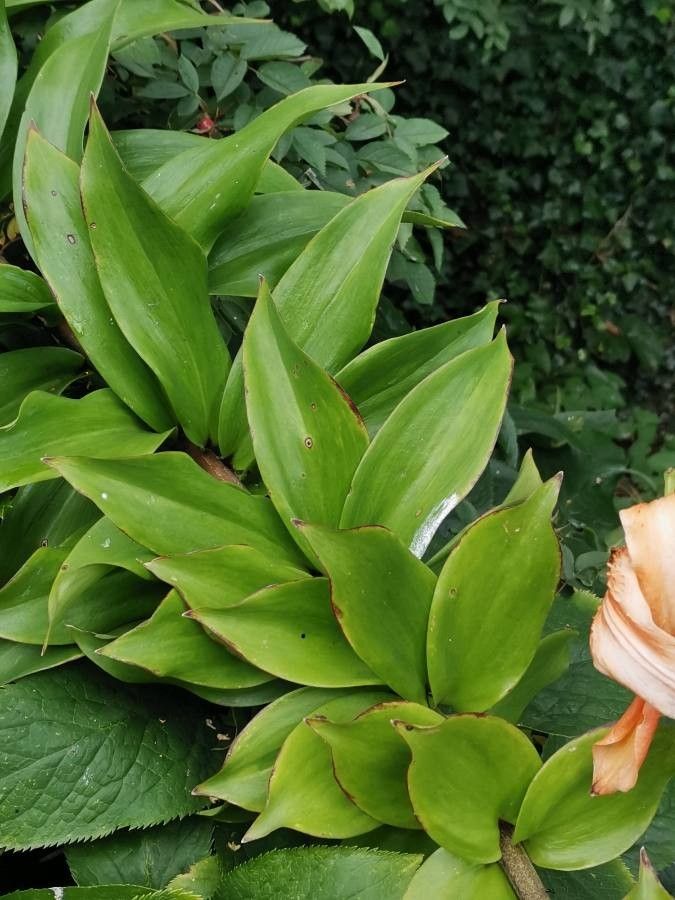
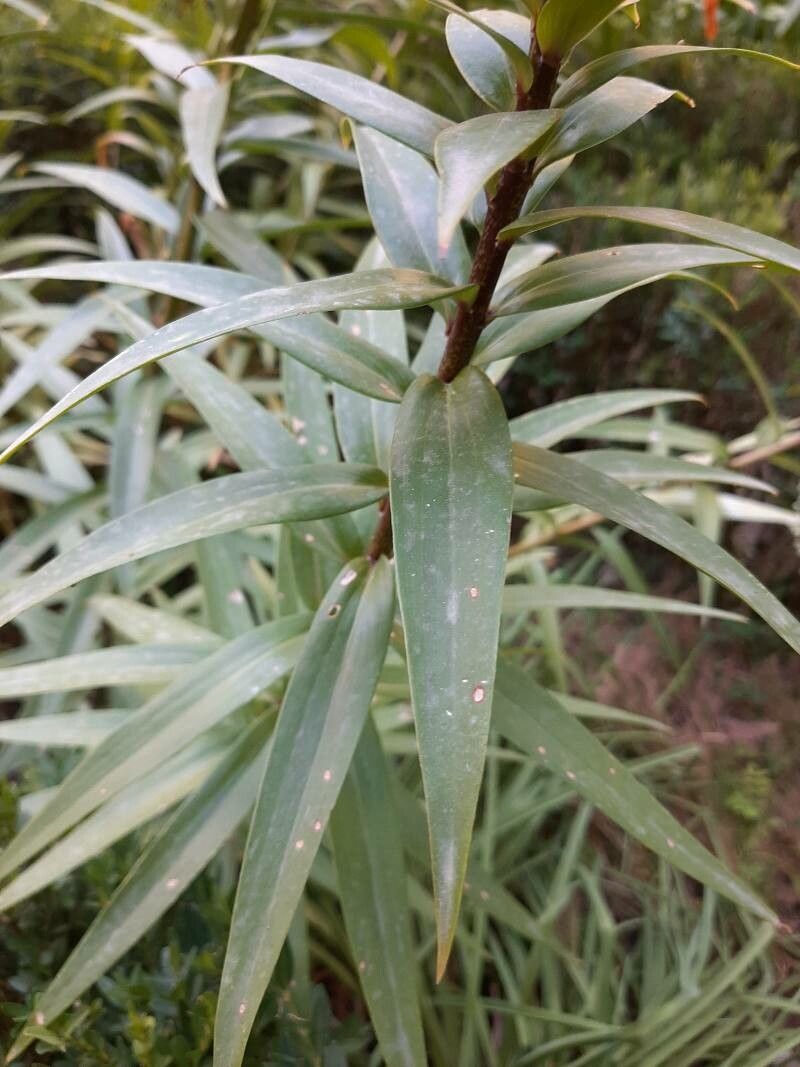
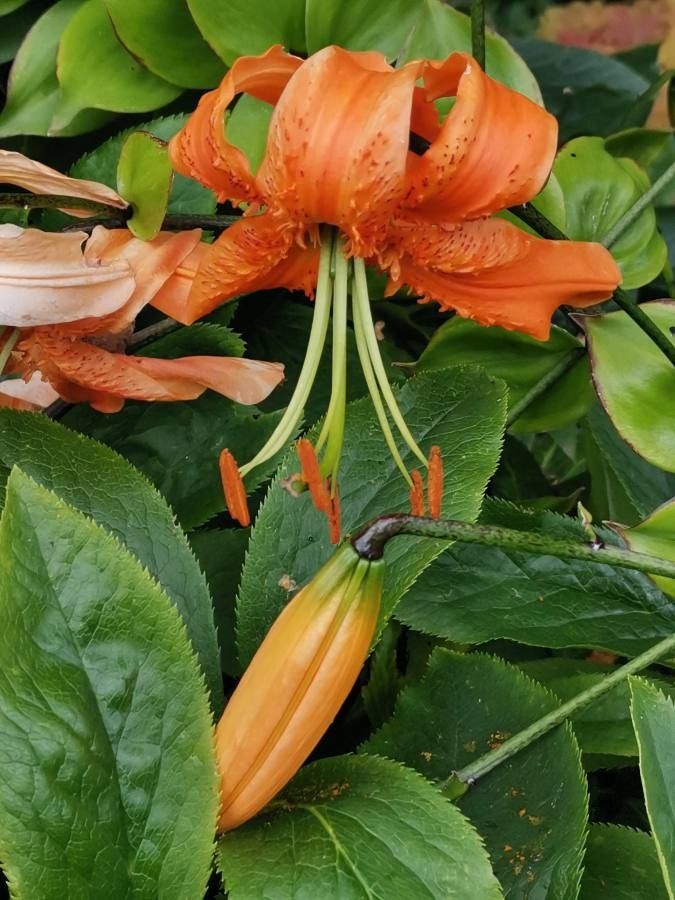
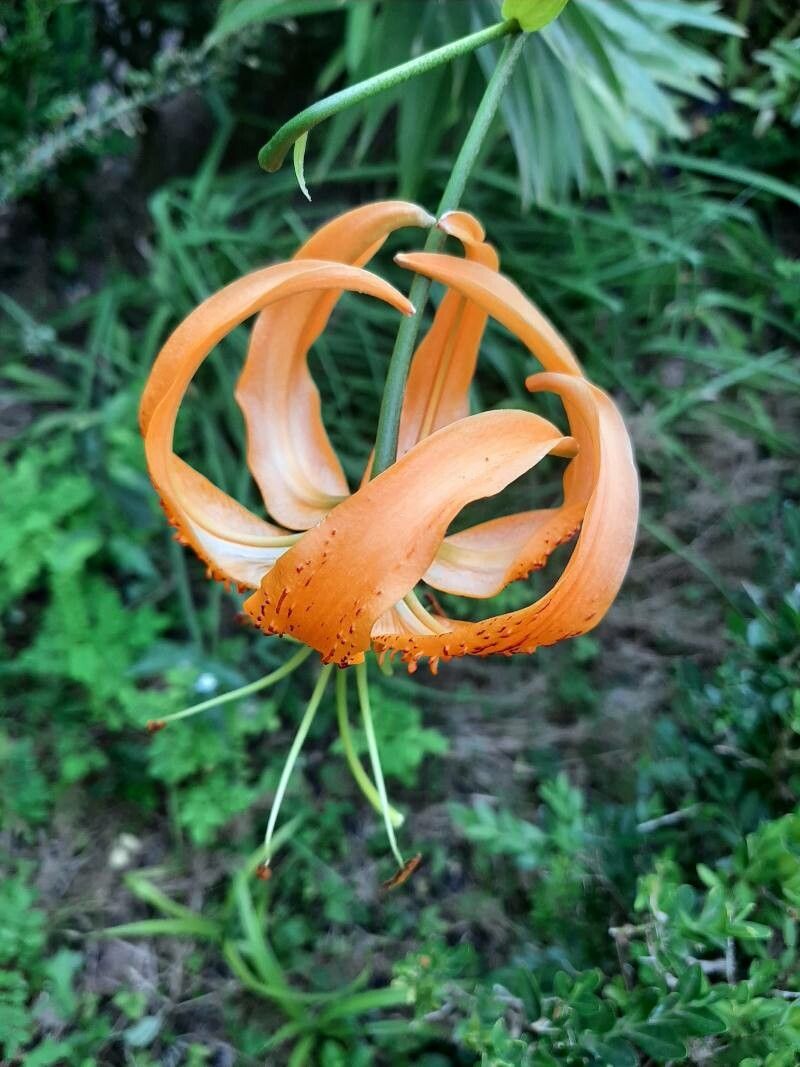
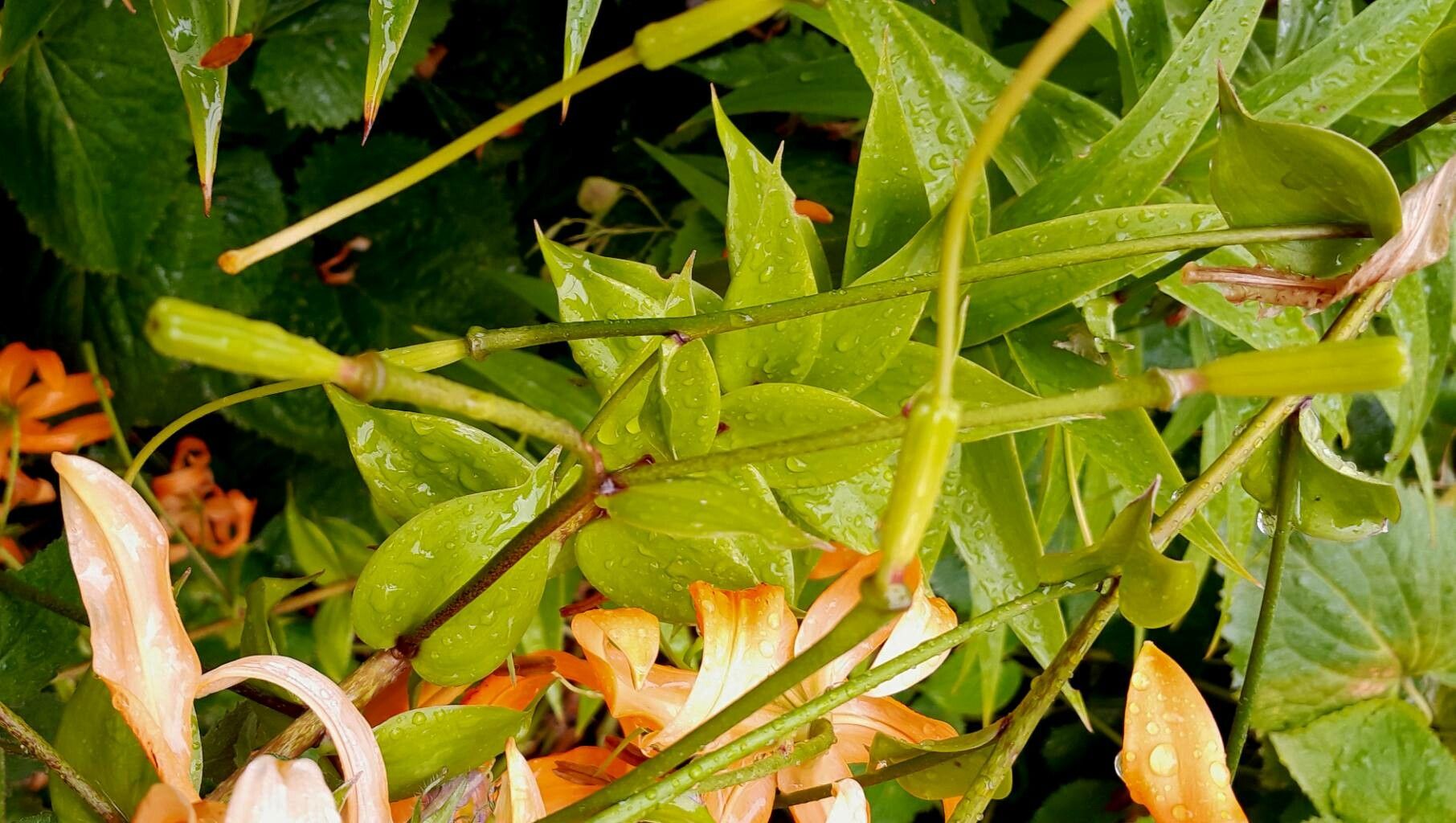
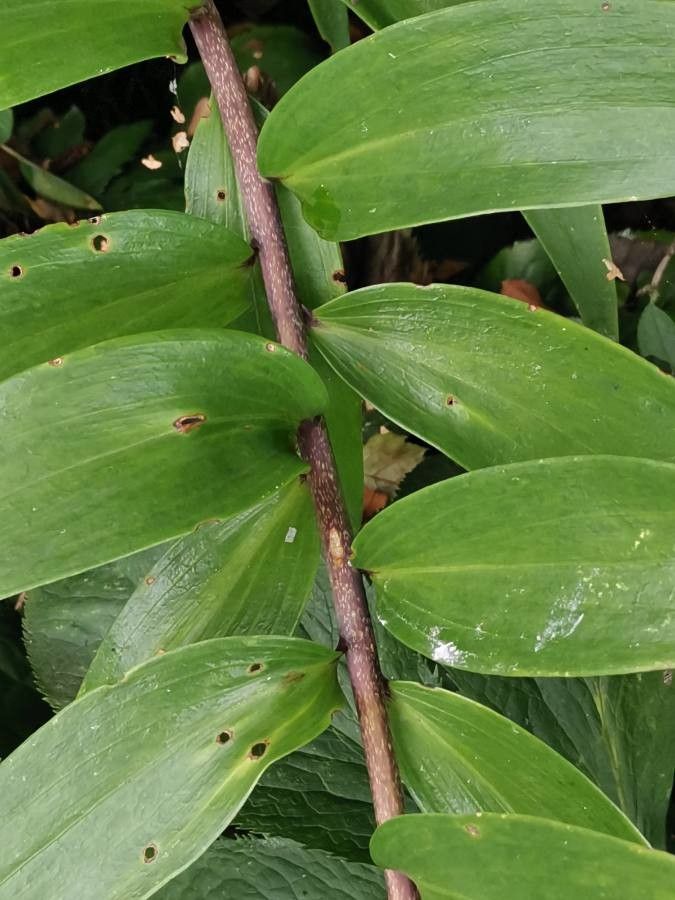
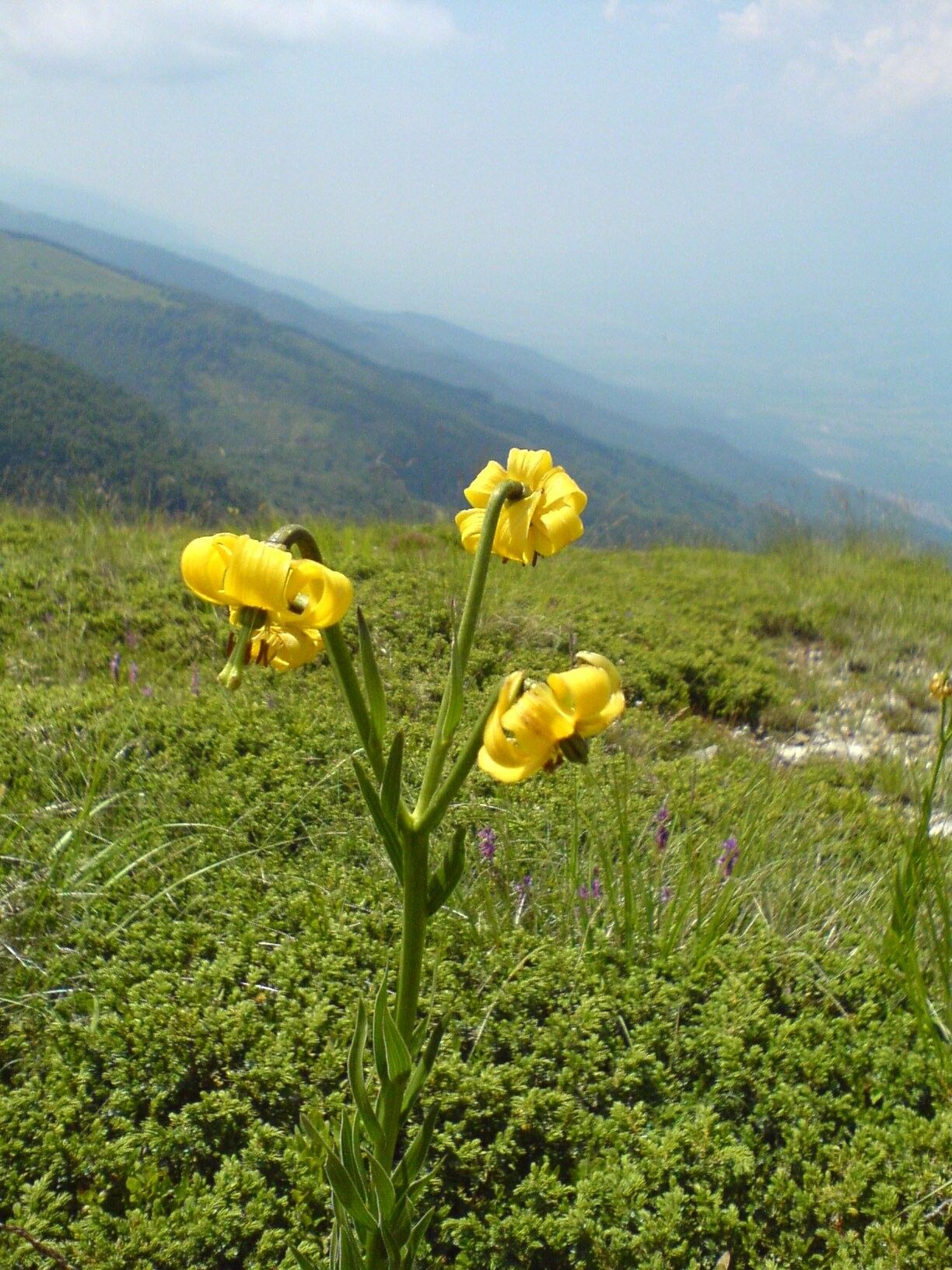
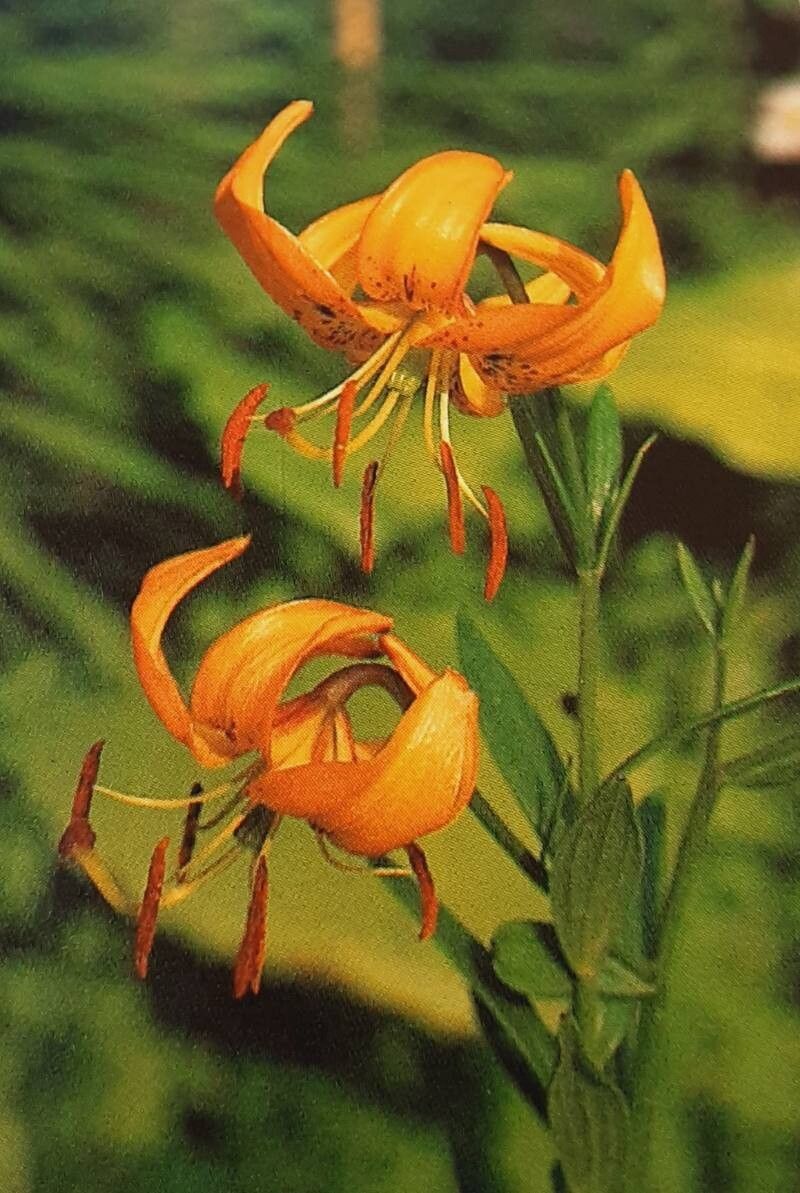
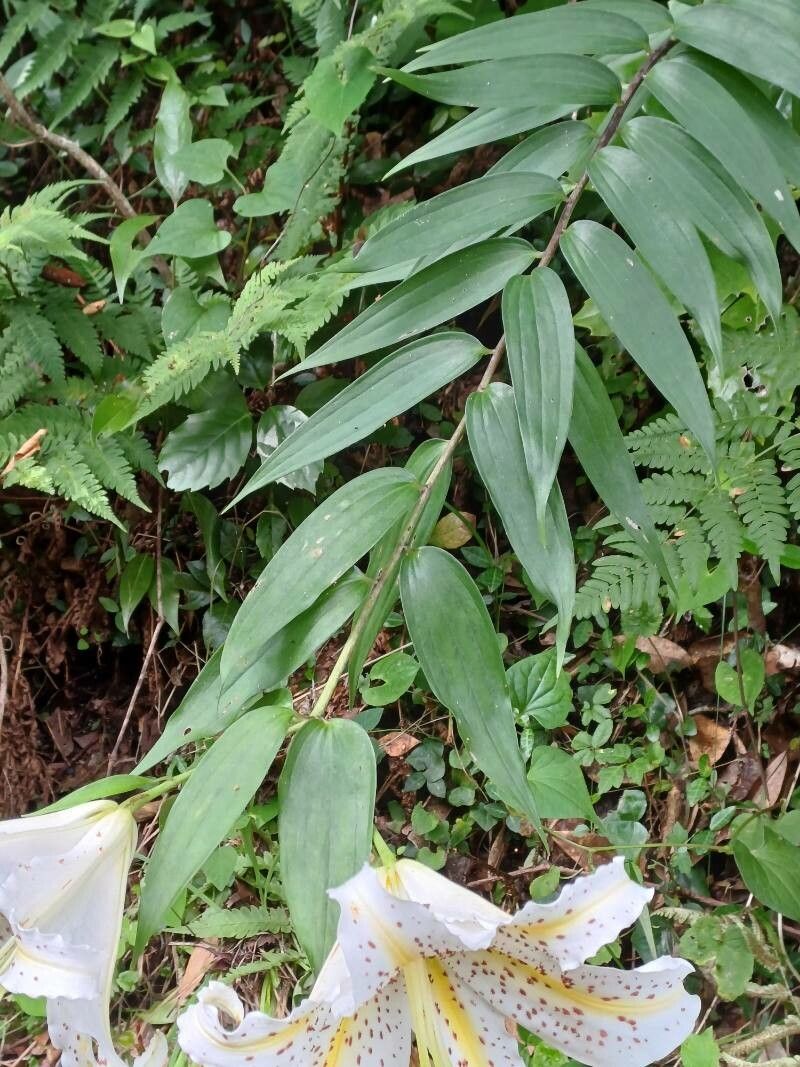
Lilium henryi (Chinese: 湖北百合; pinyin: Húběi bǎihé; lit. 'Hubei lily'), sometimes called tiger lily or Henry's lily, is a native lily of the mountains of central China (Provinces of Guizhou, Hubei, Jiangxi). The flowers are orange, spotted black, and unscented. The petals are recurving (bent backwards), and eventually resemble those of the more widespread Turk's-cap lily (though not when young).
Henry's lily has good resistance to disease and is generally not susceptible to illnesses. Nonetheless, it can be affected by pests and diseases that exist in its surroundings. These infections are usually mild. Regarding care, this plant needs moderate maintenance. It should be pruned regularly to keep a neat appearance and promote healthy growth. Applying fertilizer can also encourage flowering. Henry's lily is appropriate for anyone with outdoor space, like a garden or patio, and does not demand extensive caregiving experience. It may need more attention if grown indoors.
How to keep Lilium Henryi.
Light
Henry's lily does best with a mix of shade and sunlight, though it benefits from exposure to stronger sun. Native to lush habitats that strike a balance between shadow and light, it adjusts to the sun's intensity differently at various growth stages. Excessive sunlight can cause scorching, while insufficient light can impede its growth.
Water
Henry's lily grows best in soil that is well-drained yet retains enough moisture without becoming waterlogged. For optimal health, it requires weekly watering, although it can tolerate some drought conditions. To maximize its flowering potential, its growth cycles should be synchronized with seasonal rainfall.
Temperature
Henry's lily can tolerate a wide range of temperatures, but its distribution may still be restricted by various combinations of moisture and heat. It performs best in warm summer climates with sufficient rainfall or watering. Extended periods of cloudy, rainy weather or prolonged high temperatures can raise the risk of Henry's lily dying. In winter, suitable protection from the cold can improve the plant's survival.
Fertilizer
The best time to fertilize a Henry's lily is in early spring, when it is coming out of dormancy and beginning active growth. Fertilizing supplies essential nutrients for healthy development. Although Henry's lily has modest fertilizer requirements, applying fertilizer annually can improve its survival and encourage healthier, longer-lasting blooms.
Pruning
For Henry's lily to thrive, strategic pruning is essential. Begin by removing dead stems once the lilies have finished blooming. In early spring, a more aggressive pruning will encourage new growth, while lighter pruning in late spring will help control the plant's size. Be sure not to cut the green foliage, as it is vital for photosynthesis. By pruning regularly, you can improve air circulation and reduce the risk of disease.
Botanical profile.
- Plant Type
- Herb
- Life Cycle
- Perennial
- Genus
- Lilium
- Family
- Liliaceae
- Hardiness Zone
- 3-13
- Mature Height
- 1.22 m to 2.44 m
- Mature Spread
- 49 cm
- Leaf Color
- Green
- Leaf Type
- Deciduous
- Flower Color
- Orange
- Flower Size
- 5.08 cm
- Bloom Time
- Early summer, Mid summer
- Planting Time
- Spring, Summer, Autumn
- Harvest Time
- Late summer, Early fall, Mid fall
- Native Area
- China
Other names.
Reader questions.
What should I do if I give too much or too little water to my Henry's lily?
The Henry's lily is sensitive to overwatering, which can cause bulb rot. Signs of overwatering include mushy bulbs, flopping stems, droopy flowers, and yellowed stalks. While yellow leaves are normal at the end of the blooming period, if they turn yellow before the flowers bloom, it's a sign of overwatering. Unfortunately, bulb rot cannot be reversed, but if caught early, you can remove the rotten portions and disinfect the pot and tools. For outdoor plants, planting in a different location is recommended. Underwatering is less of an issue, but signs include no blooms, sagging stalks, and browning around the edges of the petals. If you realize you've underwatered, give the plant a good drink, ensuring the soil is moist but not saturated. However, be cautious not to overwater, as extended periods in water can lead to root rot and fungus growth. This can cause spots on leaves and buds, as well as discoloration and death of leaf tips.
Why should I put fertilizer on my Henry's lily?
Fertilization plays a crucial role for the Henry's lily for various reasons. It provides essential nutrients for the plant's growth both above and below the ground. Although the overall fertilization needs for a Henry's lily are relatively low, annual fertilization can greatly benefit the plant, ensuring its survival and promoting the development of longer-lasting, more beautiful flowers. Therefore, those wanting their Henry's lily to thrive should prioritize regular fertilization.
What are the sunlight requirements for Henry's lily?
Henry's lily, or Lilium henryi, has specific sunlight requirements to ensure optimal growth. It thrives under conditions that feature a blend of shade and sunlight, leaning towards more intense sun exposure at different growth stages. The plant prefers partial sun, which is about 3-6 hours of sunlight daily, and can also flourish in full sun, which means receiving more than 6 hours of sunlight each day. It's crucial to observe how sunlight moves through your garden to pick spots that offer a healthy balance of light and shade, ensuring the plant's well-being.
What are the essential care tips for Henry's lily?
Henry's lily, known botanically as Lilium henryi, is adaptable to a wide range of temperatures but its thriving is influenced by water and heat conditions. It flourishes in warm climates, particularly in summer with sufficient rainfall or watering. However, it's important to note that prolonged cloudy, rainy weather or high temperatures could endanger the plant. In winter, Henry's lily shows strong cold resistance and doesn't usually require special frost protection measures. Yet, in extreme cold below -35°C, protection with soil or straw coverings is advised. Keeping the soil moist before the first freeze helps prevent drought and water scarcity through winter and early spring.
How often should I give water to my Henry's lily plant?
Henry's lily is a hardy plant that doesn't require much attention. It is best grown directly in the ground in the hottest and brightest part of your garden, although it can also be grown in a pot. Since it is a bulb plant, be cautious not to overwater it as this can cause the bulb to rot. After planting the lily, give it a good watering and then leave it be until you see shoots appear. Once new leaves have grown, check the moisture of the soil by sticking your finger about 2-3 inches below the surface. If it's still wet, there's no need to water the plant. For potted plants, examine the water collection tray for any standing water and refrain from watering if there is. For a more accurate reading, use a moisture sensor inserted about 2-3 inches into the soil. The ideal moisture reading is in the middle of the 'moist' category. Water your Henry's lily once a week for optimal results.
When should I put fertilizer on my Henry's lily?
The best time to fertilize a Henry's lily is in late winter to early spring when it is transitioning from dormancy to active growth. Fertilizing at this time promotes healthy growth for the upcoming season. Although it's generally best to fertilize in early spring, it is also possible to fertilize in the fall. However, it is not recommended to fertilize during summer or winter.
How does insufficient or excessive sunlight affect Henry's lily?
Insufficient sunlight can lead to a variety of symptoms indicating that Henry's lily is not receiving enough light. These include smaller new leaves, leggy or sparse growth, faster leaf drop, slower or halted growth, and leaves that may appear lighter or develop chlorosis. On the other hand, excessive sunlight exposure can result in symptoms like sunscald, leaf curling, wilting, and leaf scorching. These conditions reflect the plant's struggle with too much sun, leading to damage and a reduction in overall health. Therefore, maintaining the right balance of sunlight is crucial for the health of Henry's lily.
How does low temperature affect Henry's lily and what are the solutions?
Henry's lily thrives best at temperatures above 0°C and should be kept above -30°C during winter. If temperatures plummet below -35°C, the plant might not show immediate distress, but sprouting could decrease or fail come spring. The solution for any parts of the plant that fail to sprout in spring due to cold damage is simply to remove them, promoting healthier growth.
How should I change the amount of water I give my Henry's lily based on different conditions?
The Henry's lily is a resilient plant that can tolerate tough conditions. If you plant it outdoors, you can rely on natural rainfall, as it doesn't need much water and can endure droughts. Just ensure that the soil has good drainage. However, when growing it in a pot, be cautious with watering. Since it is a bulb plant, overwatering can lead to bulb rot. Water the potted plant less frequently and make sure the pot has drainage holes. Use well-drained soil, possibly with sand or rocks to improve drainage. During the growing phase, water the plant about one inch per week to encourage blooming. Adjust watering depending on humidity and temperature: in hot, dry climates, increase watering frequency, whereas in humid areas, reduce it. Regularly check soil moisture to avoid excessive wetness. These plants prefer moist soil with good drainage.
When is it not a good idea to add fertilizer to my Henry's lily?
To properly care for your Henry's lily, it's important to fertilize only during the late winter and early spring. This plant doesn't require much fertilization, so a single annual feeding is enough. Avoid fertilizing during spring, summer, and fall to prevent overfertilization and its complications. However, if you missed fertilizing in the spring, it's alright to fertilize in the fall. Additionally, there's no need to fertilize during the winter when the plant is dormant and not growing.
What artificial lighting requirements does Henry's lily have when grown indoors?
When natural sunlight is insufficient, especially during winter or in less sunny spaces, Henry's lily can benefit greatly from artificial lighting to ensure healthy growth. The right type of artificial light should be chosen, such as LED lights, which can be tailored to provide specific wavelengths needed by the plant. For full sun plants, 30-50W/sq ft of artificial light is recommended, 20-30W/sq ft for partial sun plants, and 10-20W/sq ft for full shade plants. The artificial light source should be placed 12-36 inches above the plant to mimic natural sunlight and kept on for 8-12 hours per day to simulate the length of natural daylight hours.
What impact does high temperature have on Henry's lily and how can it be mitigated?
Henry's lily does best at summer temperatures below 41°C. Exceeding 45°C can cause the leaves to lighten in color, curl, become prone to sunburn, and in severe cases, make the entire plant wilt and dry up. Mitigation measures include trimming away sunburned and dried-up parts of the plant, relocating the plant to a shaded area during peak sun, or using a shade cloth. Additionally, watering the plant in the morning and evening helps keep the soil moist, supporting the plant's health in high temperatures.