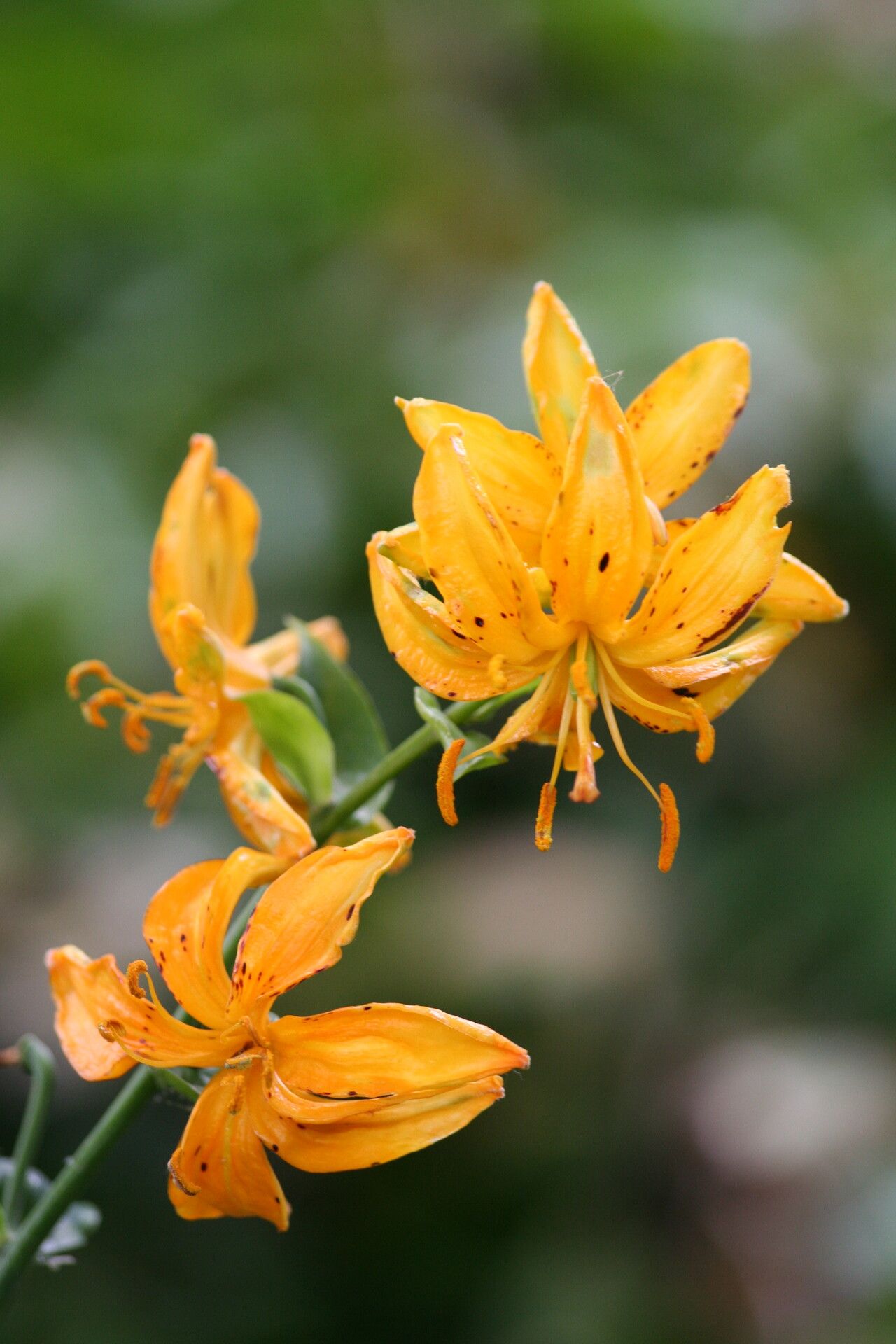
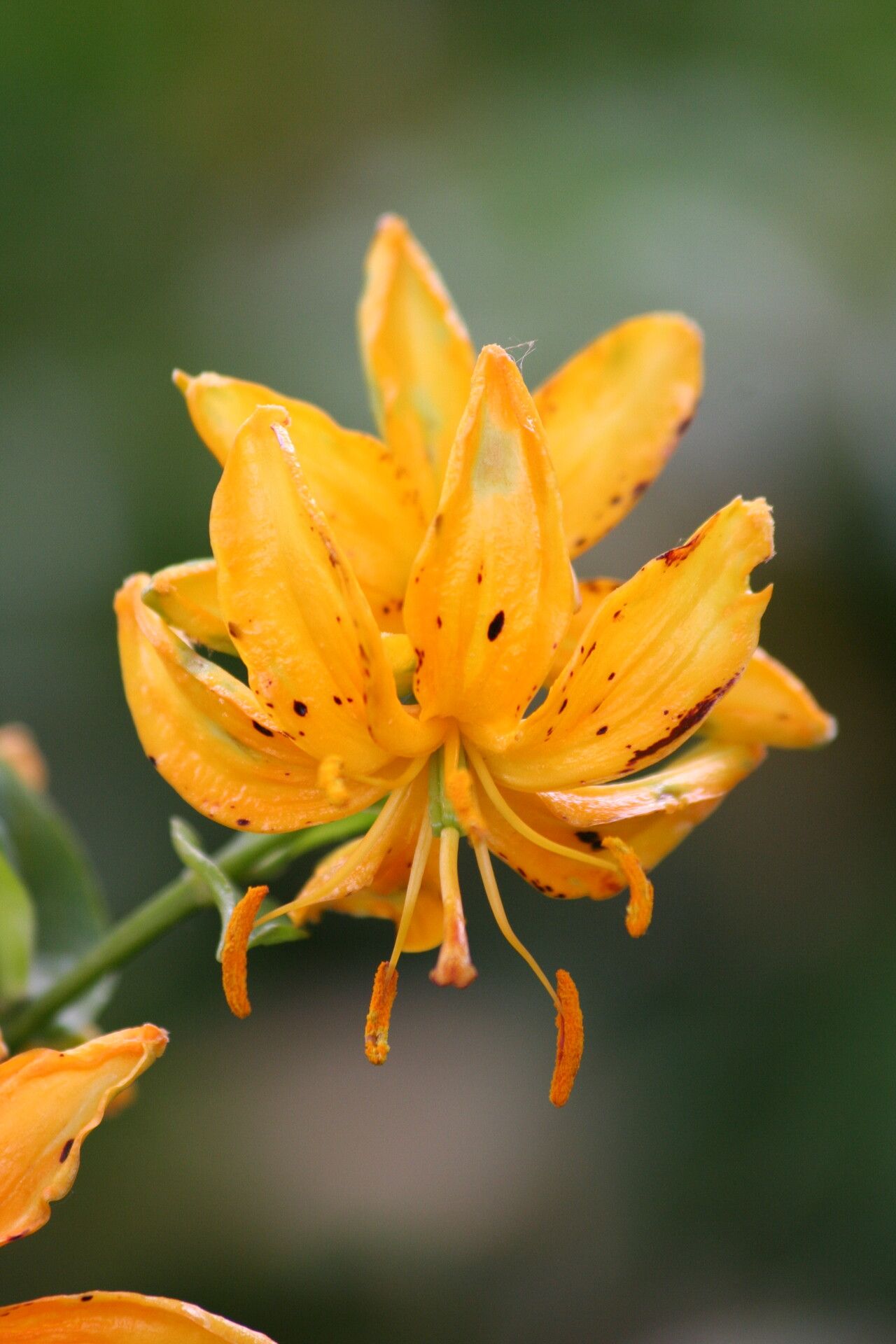
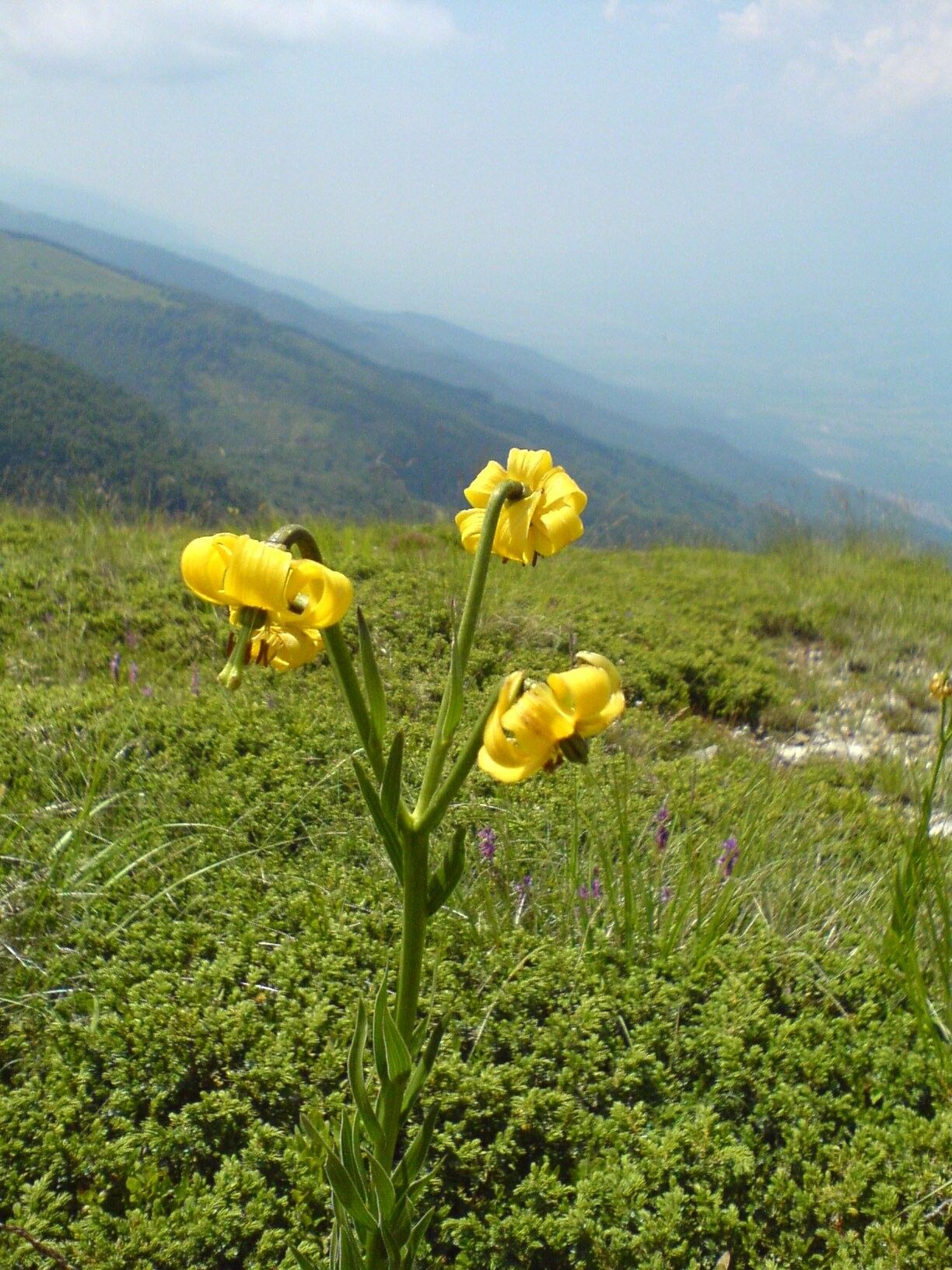
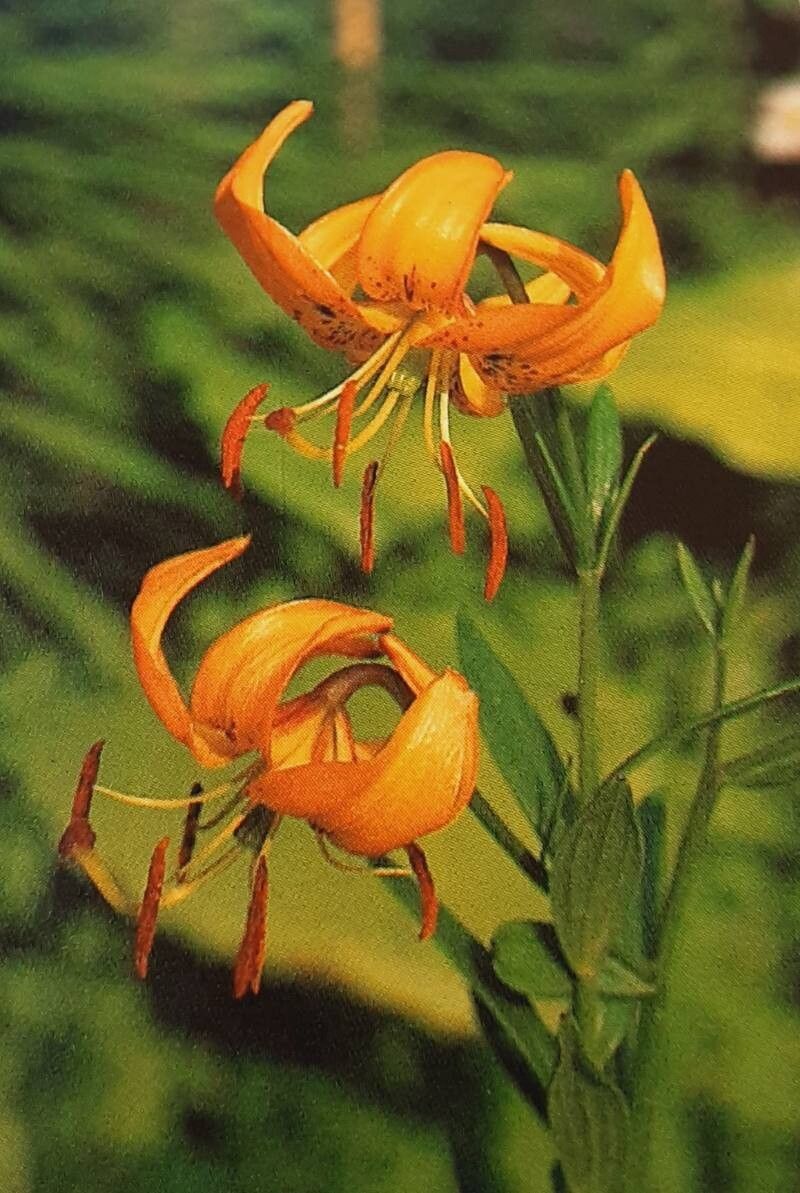
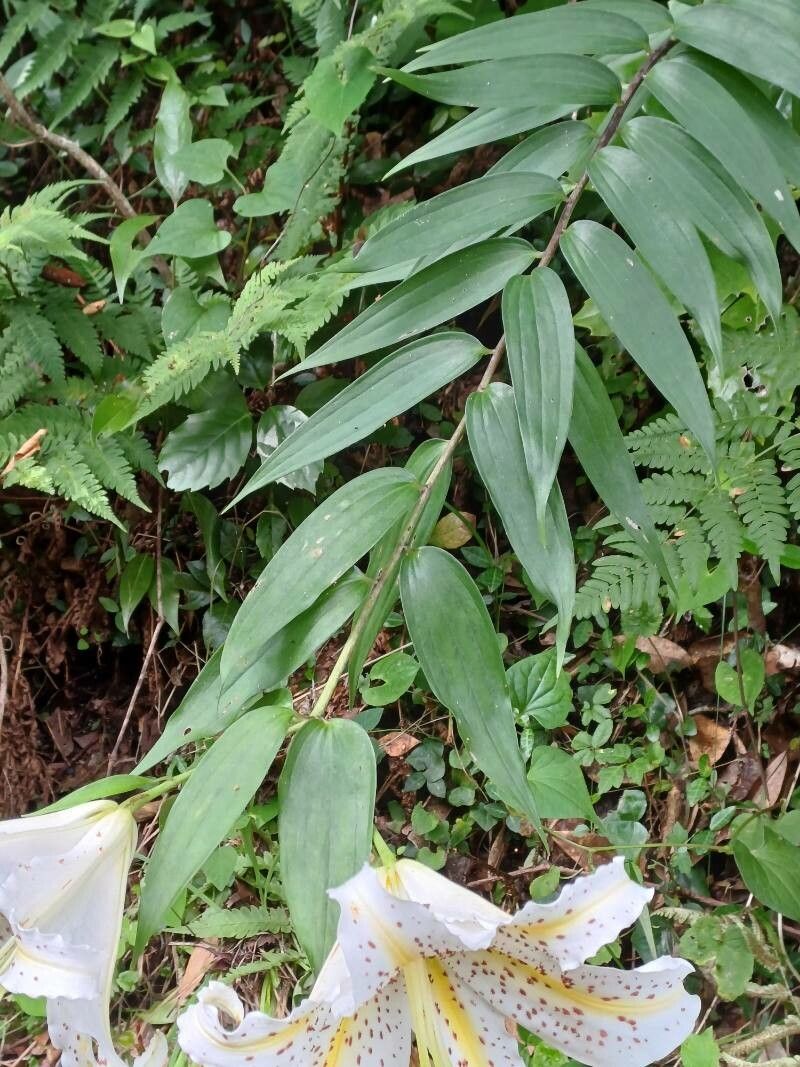
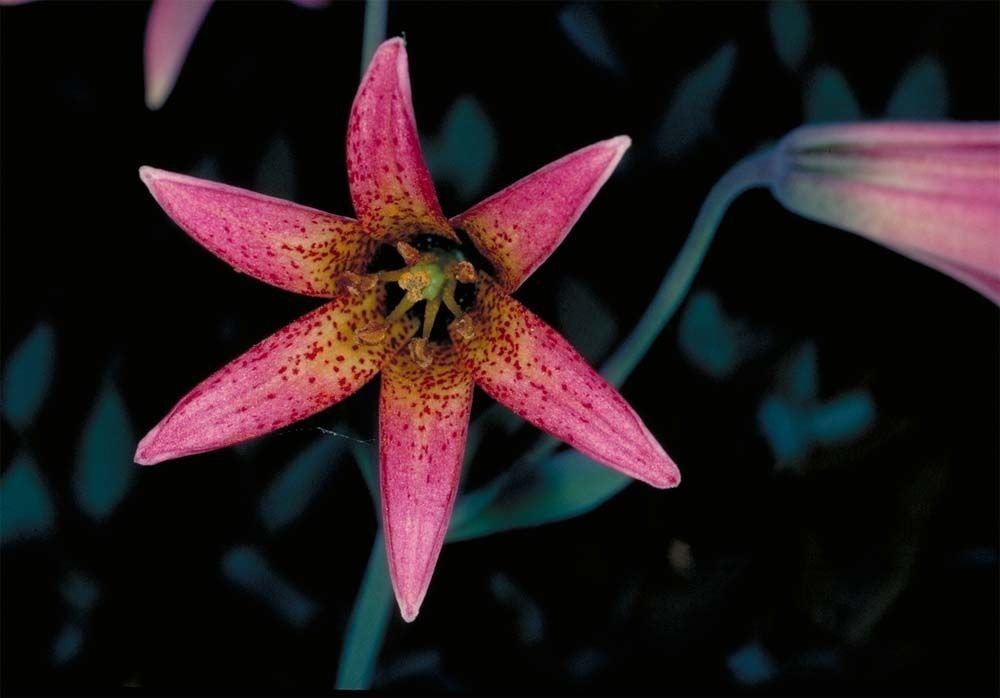
Lilium hansonii, known as Hanson's lily and Japanese Turk's-cap lily, is an East Asian species of plants in the lily family. It is native to Korea, Japan, and to Jilin Province in northeastern China, as well as being widely cultivated as an ornamental.
Hanson's Lily is fairly disease-resistant and normally does not develop illnesses. Still, it can be affected by pests and diseases present in its surroundings. These issues are typically not serious. For care, the plant requires moderate maintenance. It should be pruned regularly to keep a good appearance and support healthy growth. Fertilizing can also aid in encouraging flowering. Hanson's Lily is appropriate for anyone with outdoor space, such as a garden or patio, and does not demand extensive care experience. It may need more attention when kept indoors.
How to keep Lilium Hansonii.
Light
The Lily named Hanson's is indigenous to settings like forest undergrowth or rocky regions, where it receives natural shade. It favours a degree of sunlight exposure, but also shows adaptability to complete sunlight or total shade, emphasizing its robust and flexible characteristics.
Water
Lilium hansonii flourishes with moderate moisture and can tolerate short periods of dryness. It prefers soil that remains consistently moist, so it needs to be watered weekly. As an outdoor garden plant, it is crucial to pay attention to irrigation, especially during its sensitive growing season, to ensure optimal growth and bloom development.
Temperature
Hanson's Lily possesses the capability to adjust to various temperature circumstances, yet its spread can potentially be restricted by diverse sets of water and heat conditions. This plant flourishes optimally in hot climates in the summer, provided there is sufficient rain or hydration. Extended intervals of overcast and wet weather, along with long-lasting high temperatures, can heighten the risk of Hanson's Lily perishing. During winter, safeguarding the plant against the cold can enhance its chances of survival.
Fertilizer
The optimal period to apply fertilizer to a Hanson's Lily is during early spring, just as it emerges from dormancy and begins to grow actively. The process of fertilization supplies crucial nutrients for its robust growth. Despite the Hanson's Lily's minimal requirements for fertilization, applying it once a year can improve its longevity and foster the development of improved, more enduring blooms.
Pruning
Lilium hansonii showcases stunning yellow-orange flowers with petals that curve backward. To encourage growth and blooming, prune sparingly from early to late spring, concentrating on removing diseased leaves and spent flowers. Avoid heavy cutting to prevent potential damage. Proper pruning enhances air circulation and minimizes pest issues.
Pot & Repot
Repot Lilium hansonii every two years in the spring for optimal growth. Choose a medium-sized pot to allow room for root expansion. Use well-draining soil and maintain moderate moisture after repotting. Protect Lilium hansonii from direct sunlight for a few weeks to reduce stress and support continued blooming.
Botanical profile.
- Plant Type
- Herb
- Life Cycle
- Perennial
- Genus
- Lilium
- Family
- Liliaceae
- Hardiness Zone
- 3-8
- Mature Height
- 1.83 m
- Mature Spread
- 30 cm
- Leaf Color
- Green
- Leaf Type
- Deciduous
- Flower Color
- Orange, Gold
- Flower Size
- 5.08 cm to 6.35 cm
- Bloom Time
- Late spring, Early summer
- Planting Time
- Spring, Summer
- Harvest Time
- Late summer, Early fall
- Native Area
- Japan, South Korea
Other names.
Reader questions.
What are the sunlight requirements for Lilium hansonii?
Lilium hansonii requires full sun, which means it should receive above 6 hours of sunlight daily, or partial sun, indicating about 3-6 hours of sunlight per day. It's important to observe how sunlight moves through your garden throughout the day to select an ideal location for your Lilium hansonii. This ensures that you provide the perfect balance of light and shade needed for the plant to thrive, keeping it happy and healthy.