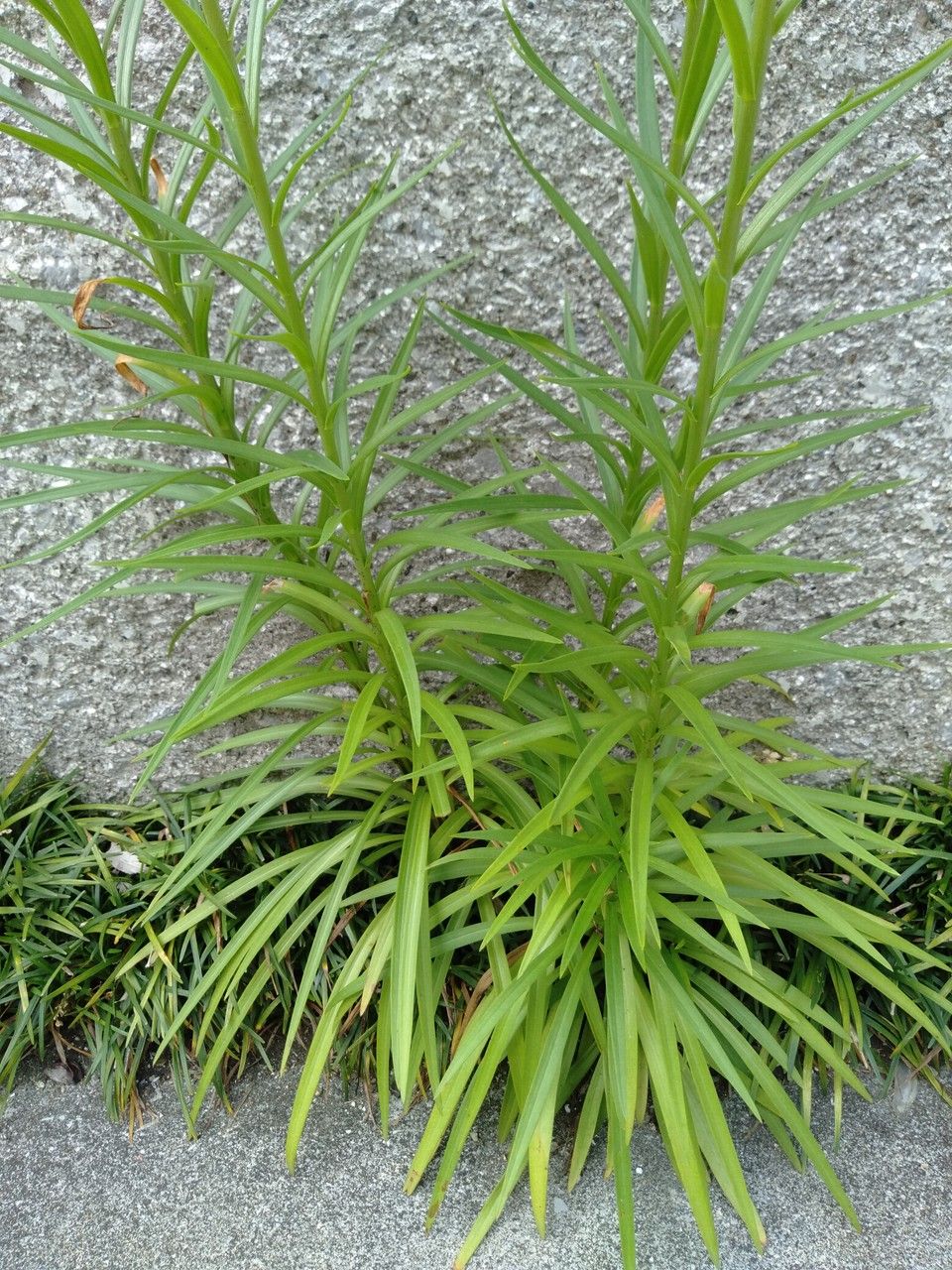
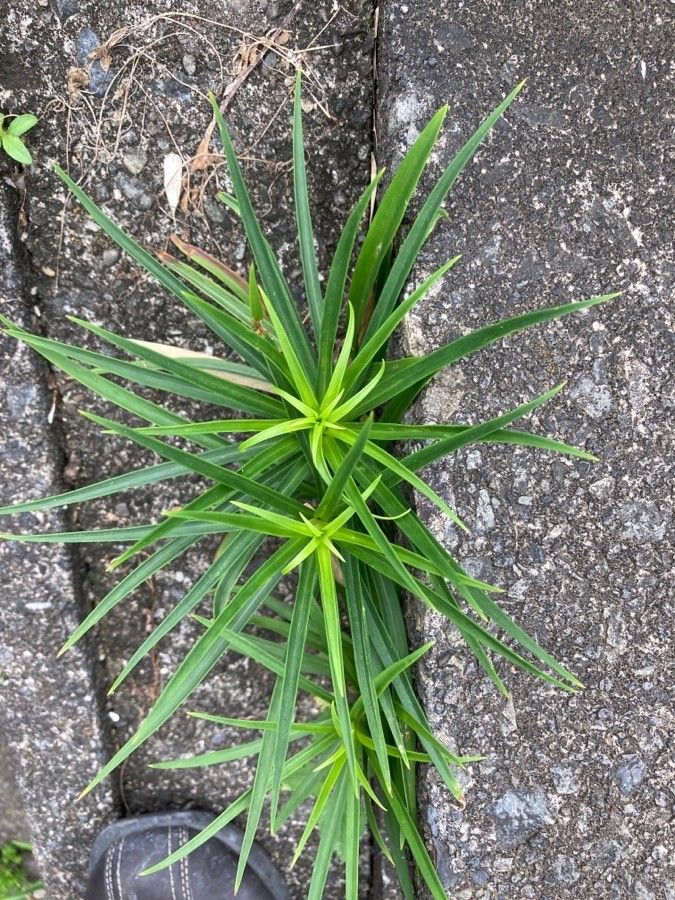
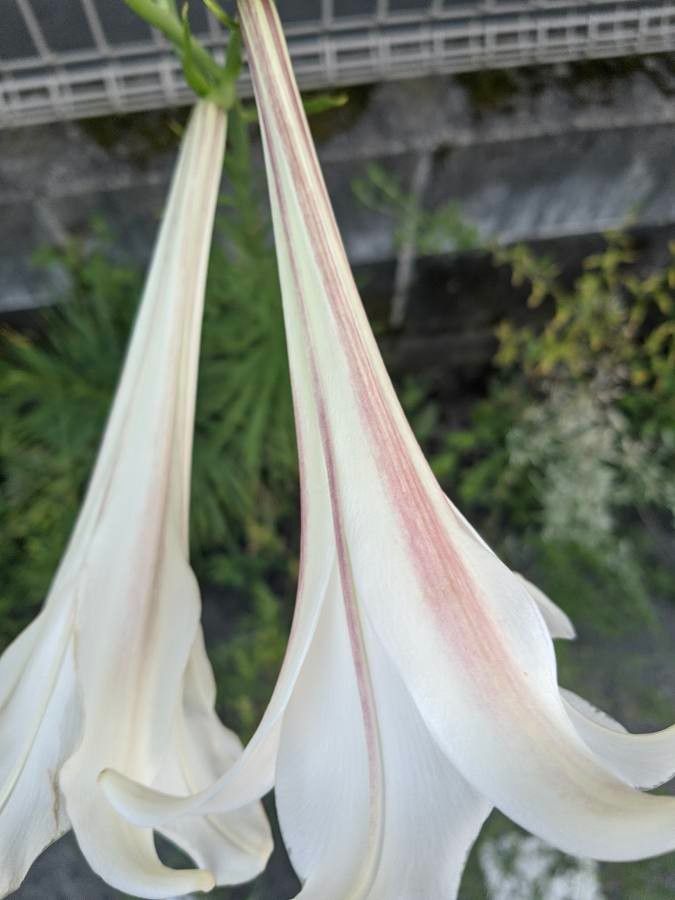
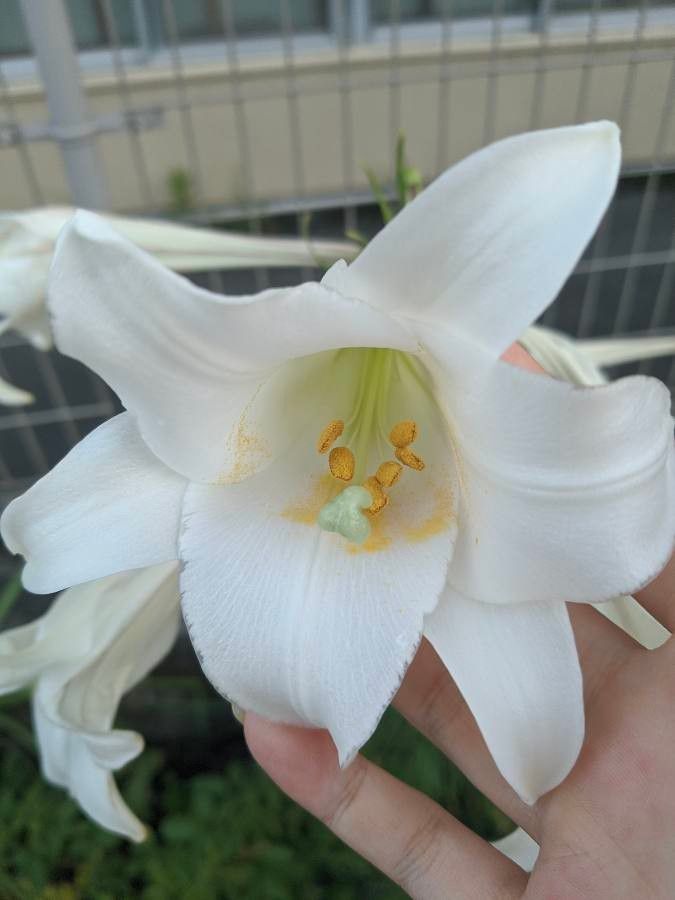
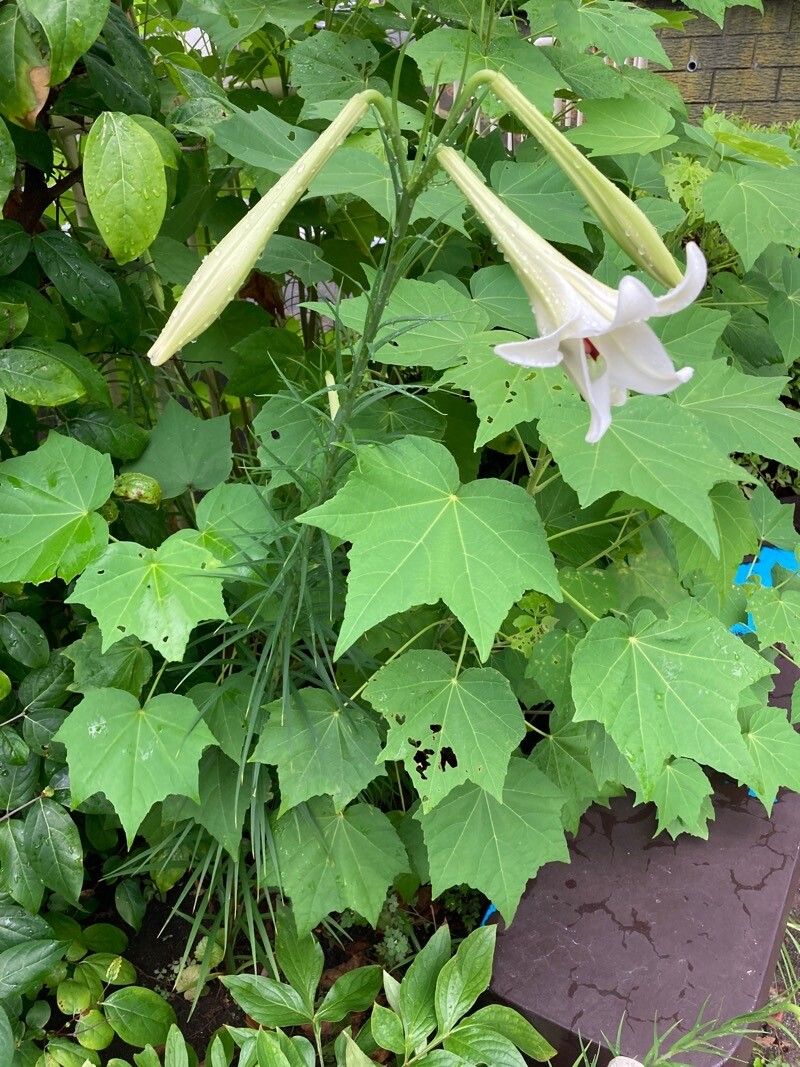
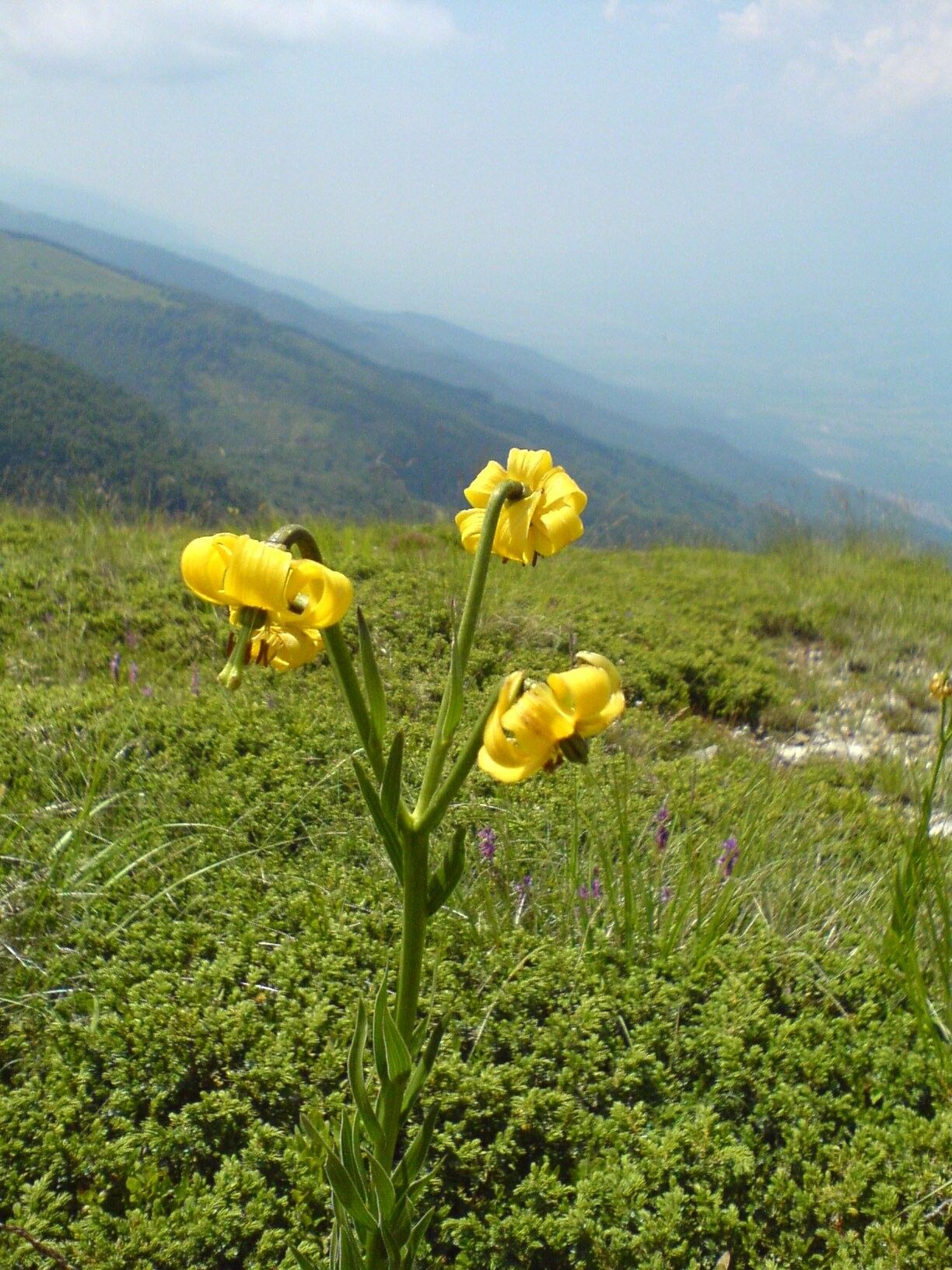
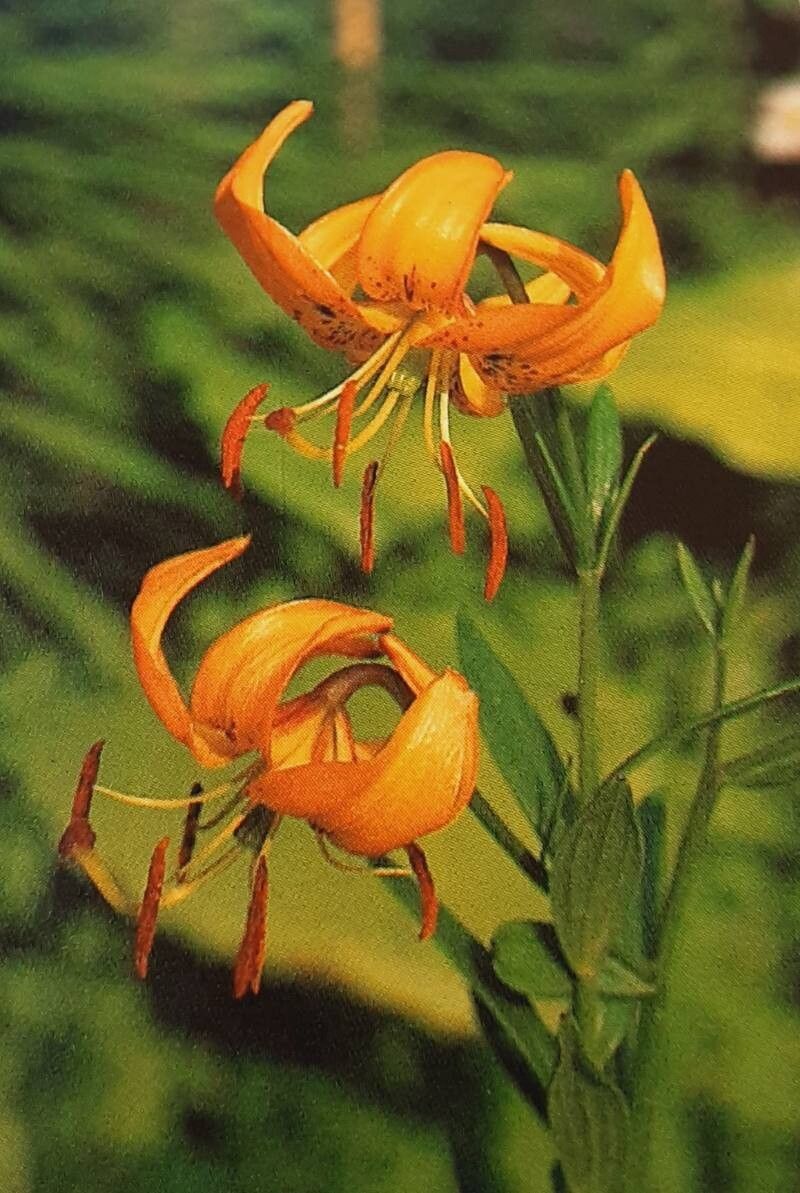
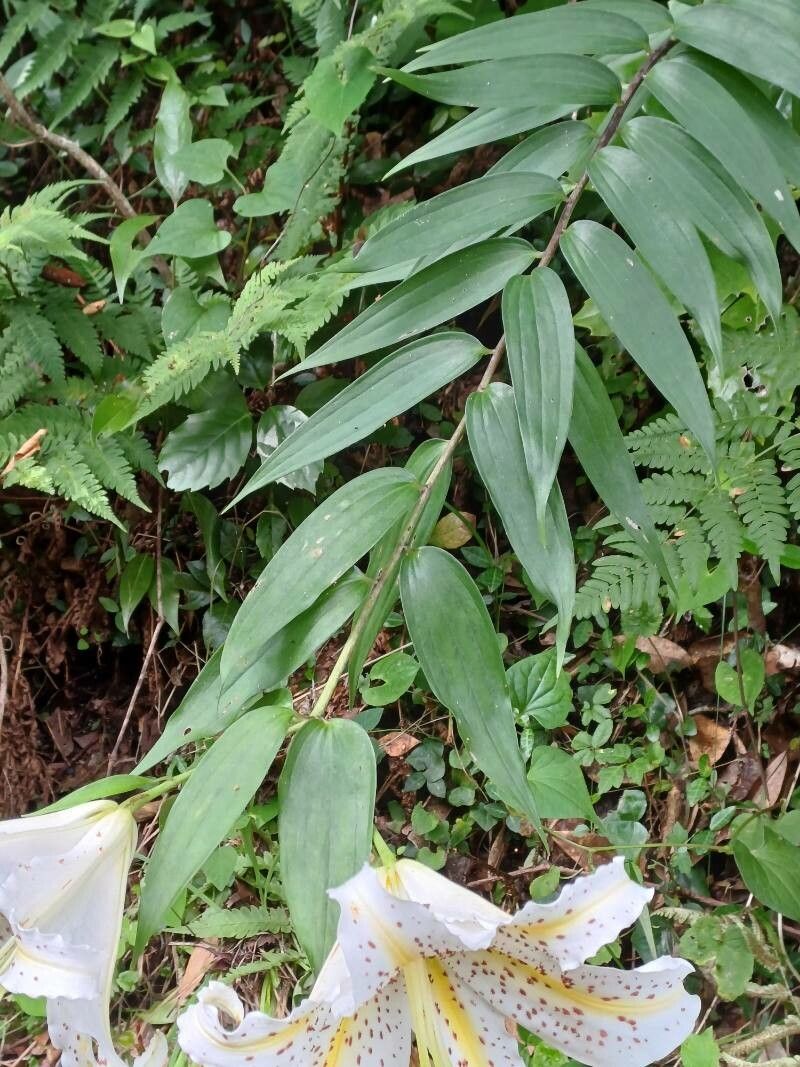
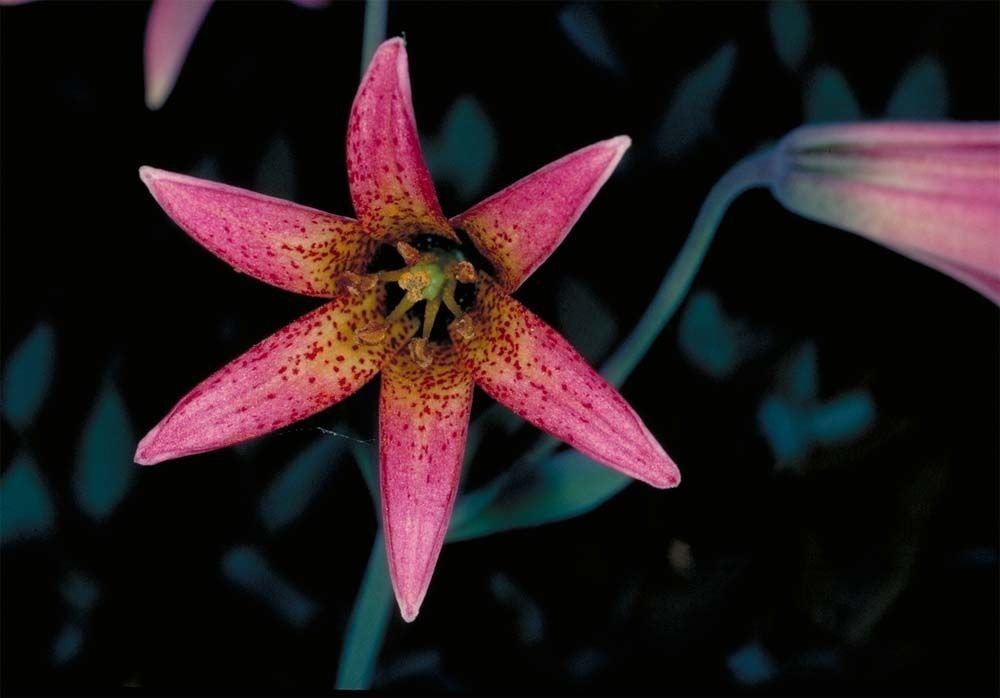
Lilium formosanum, commonly known as the Formosa lily or Taiwan lily, is a species of flowering plant in the Liliaceae family. It is native to Taiwan and other parts of East Asia. The plant typically grows up to 1.5 meters tall and produces large, fragrant white flowers with yellow centers that bloom in late summer or early fall.
The leaves of Lilium formosanum are lance-shaped and can grow up to 20 centimeters long. Its sturdy stems are capable of supporting multiple flowers at once. The plant thrives in well-drained soil rich in organic matter and prefers partial shade.
Lilium formosanum has been cultivated for many years for its ornamental value and is a popular choice for gardens due to its striking appearance and sweet fragrance. Beyond its aesthetic appeal, the bulbs are used in traditional Chinese medicine to treat respiratory ailments such as coughs and asthma.
However, it is important to handle Lilium formosanum with care, as it can be toxic if ingested by humans or animals. The plant contains alkaloids such as colchicine, which can cause vomiting, diarrhea, or even death if consumed in large quantities.
In summary, Lilium formosanum is a beautiful flowering plant with significant ornamental value, but it should be handled with caution due to its potential toxicity.
Formosa lily is fairly disease-resistant and typically not prone to illness. Still, it can be affected by pests and diseases present in the surrounding environment, though such infections are usually mild. Care-wise, this plant needs moderate maintenance. It requires regular pruning to keep a neat appearance and support healthy growth. Applying fertilizer can also encourage flowering. Formosa lily is appropriate for anyone with outdoor space, like a garden or patio, and does not demand extensive gardening experience. It may need extra attention if grown indoors.
How to keep Lilium Formosanum.
Light
The Formosa lily grows best when given plenty of sunlight for optimal development, and its native habitat reflects this need. Although it can tolerate some shade, it performs best with a generous amount of light. Too little light can impede growth, while too much can damage the plant.
Water
The Formosa lily, which originates from mountainous regions, thrives in conditions of consistent moisture and moderate humidity. It needs to be watered weekly and benefits from rainwater during the growing season, as this helps maintain the ideal pH and provides essential nutrients for optimal health in garden environments.
Temperature
Formosa lily is a plant that does best in climates with temperatures from 41 to 89.6 °F (5 to 32 ℃). Native to temperate regions, it favors cooler conditions. Adjustments to utilities for seasonal temperature changes may be required to support its growth.
Fertilizer
The best time to fertilize a Formosa lily is in early spring, when it is coming out of dormancy and starting active growth. Fertilizer supplies essential nutrients for healthy development. Although the Formosa lily has relatively low fertilizer requirements, applying fertilizer annually can improve its survival and encourage better, longer-lasting blooms.
Pruning
The Formosa lily is a perennial plant known for its tall stems and trumpet-shaped flowers. To keep the plant healthy, prune it from early to late spring to remove any damaged stems. After the flowering period, cut back the spent blooms. Regular light maintenance helps improve growth, enhances air circulation, and reduces pests, all of which promote healthy blooming.
Botanical profile.
- Plant Type
- Herb
- Life Cycle
- Perennial
- Genus
- Lilium
- Family
- Liliaceae
- Hardiness Zone
- 4-8
- Mature Height
- 1.22 m to 2.13 m
- Mature Spread
- 30 cm
- Leaf Color
- Green
- Leaf Type
- Deciduous
- Flower Color
- White
- Flower Size
- 15.24 cm
- Bloom Time
- Early summer, Mid summer
- Planting Time
- Spring
- Harvest Time
- Mid summer
- Native Area
- China
Other names.
Reader questions.
What should I do if I give too much or too little water to my Formosa lily?
The Formosa lily is prone to overwatering, which can cause bulb rot. Some symptoms of overwatering include a mushy bulb, flopping stems with spots, droopy flowers, and a yellowed stalk. Yellow leaves at the end of the blooming period are normal, but if they turn yellow before the flowers bloom, it indicates overwatering. Unfortunately, bulb rot cannot be reversed, so if caught early, the affected bulb should be dug up and the rotten parts removed. The soil should also be replaced or thoroughly disinfected in pots. Outdoor plants should be replanted in a different location. Underwatering is less of an issue, but signs include no blooms, sagging stalks, and browning around the edges of flower petals. If underwatered, give the plant a good drink without saturating the soil. However, be careful not to overwater, as extended periods of water can lead to root rot and fungus growth on the bulb. This can be identified by spots on the leaves and buds, and discoloration and death of leaf tips.
When is it not a good idea to fertilize my Formosa lily?
To avoid overfertilization and its complications, it is best to only fertilize your Formosa lily during late winter and early spring. One annual feeding during this time is sufficient due to the plant's low fertilization needs. It is important to refrain from fertilizing throughout the rest of the growing season, including summer and fall, unless you missed fertilizing in the spring. In that case, a fall feeding is acceptable. Additionally, there is no need to fertilize the Formosa lily during the winter when it is in a dormant growth phase and not producing new growth.
Does the Formosa lily require specific sunlight care at different stages of its growth?
The Formosa lily is a wonderful flower for gardens. To make sure it blooms its best, it needs at least six hours of sunlight every day. However, during the hottest parts of the day, it's helpful to provide some shade to keep the flowers fresh for a longer time. If you have young Formosa lilies, make sure they get enough sunlight but avoid exposing them to intense heat in the afternoons. For fully mature plants, give them plenty of sun to support their proper growth.
How can I keep the Formosa lily safe from very hot or very cold weather?
If the temperature drops below 15℉(-10℃) during the growing season, there are ways to protect Formosa lily from frost or cold damage. If you're growing Formosa lily in a container, simply bring it inside where there is bright, indirect light until temperatures rise above the lower threshold. For ground-planted Formosa lily, you can use mulch or horticultural fabric to create a barrier that insulates the plant from frost and cold wind. On the other hand, if temperatures go above 80℉(27℃) in the shade during the day, take care to limit the amount of sunlight and exposure to Formosa lily to no more than six hours per day, preferably in the morning. Using shade cloth or a fine plastic mesh can help reduce direct sunlight during the hottest parts of the day. Additionally, installing a misting system around the plant's base can provide a gradual release of cooling mist to lower ground temperatures.
How often do I need to water my Formosa lily?
The Formosa lily is a hardy plant that doesn't require much attention. It grows best in the hottest and brightest part of your garden, directly in the ground. Since it is a bulb plant, be careful not to overwater it as this will cause the bulb to rot. After planting, give the lily a thorough watering and then let it be until you see shoots appear. To ensure the plant's growth, check the moisture of the soil after new leaves have emerged. Stick your finger about 2-3 inches below the soil surface and if it's still wet, there's no need to water the plant. For potted plants, also check the water collection tray for standing water and avoid watering if it's present. For a more accurate moisture reading, use a moisture sensor inserted 2-3 inches into the soil. The reading should be within the "moist" category. Water your Formosa lily once a week for optimal results.
Why should I add fertilizer to my Formosa lily?
Fertilization is important for the Formosa lily because it provides essential nutrients for the plant's growth, both above and below ground. Although the Formosa lily has relatively low fertilization needs and can survive without it, annual fertilization can greatly benefit the plant. It helps keep the plant alive and promotes the production of better and longer-lasting flowers. Therefore, those who want their Formosa lily to thrive should consider annual fertilization.
What kind of sunlight does the Formosa lily need?
Formosa lilies require full sun and a minimum of six hours of sunlight daily to maintain healthy leaves, roots, and blooms. While some perennials, such as the Orange Daylily or Giant Coreopsis, can survive with as little as three hours of sunlight per day, they do not thrive as well as they would in sunnier conditions.
What temperature is best for Formosa lily?
The temperature needs of Formosa lily depend on the time of year. We can divide the year into two seasons: the growing season and the dormancy season. During the growing season, when the lily starts to sprout, the temperature should ideally range from 65~80℉ (18~27℃). If it gets colder than 15℉ (-10℃), the plant will suffer, with leaves turning brown and wilting. However, if it's a brief cold snap, the lily might survive with some assistance. In the warmer parts of the year, the lily needs protection from extreme heat as well. The temperature should not exceed 95-105℉ (35-40℃), as anything higher can damage the foliage and blooms. High temperatures can cause the leaves to wilt, droop, and even get sunburned, making it hard for the lily to recover. Luckily, there are straightforward methods to address this issue.
How should I change how much I water my Formosa lily depending on the conditions?
The Formosa lily is a resilient plant that can survive tough conditions. When planted outdoors, it doesn't require much water and can withstand drought. Just ensure the soil has good drainage. However, if you have a potted Formosa lily, you need to be cautious with watering to avoid bulb rot. Water less frequently indoors and make sure the pots have drainage holes and well-drained soil, possibly adding sand or rocks. During the growing phase, water about one inch per week to promote blooming. The amount of watering also depends on humidity and temperature, such as evaporating faster in hot, dry climates. Conversely, humid climates may require less watering. Always check the soil moisture level and aim for well-drained, moist soil.
When should I fertilize my Formosa lily for best results?
The best time to fertilize a Formosa lily is in the late winter to early spring when it is transitioning from winter dormancy to active growth. Fertilizing at this time promotes healthy growth and sets the plant up for a successful season. While early spring is generally the most beneficial time to fertilize, it is also acceptable to fertilize in the fall. However, it is not recommended to fertilize during the summer or winter.
Can the sun harm Formosa lily? How can I protect Formosa lily from the sun and heat damage?
In warm climates, some Perennial Flowering Plants may struggle with excessive heat and suffer from sun damage. They can wilt, dry out, or even experience growth problems if they are consistently exposed to the intense afternoon sun. However, not all plants require protection from the light afternoon sun. For those that are harmed by intense afternoon exposure, it is recommended to provide them with some shade in warmer climates. Gardeners can achieve this by planting these plants in areas that do not receive direct heat during the afternoon, such as under trees or behind bushes.
What temperatures do Formosa lily seedlings need in their first year?
If you have recently planted a Formosa lily outside for the first time, it is important to take some extra precautions during the coldest months of the year. Frost can cause significant damage to a new plant and prevent it from growing back properly in the spring. In order to protect your Formosa lily, it should be kept at a temperature of 40℉(5℃) or above until it becomes established. This can be achieved by either bringing the plant indoors for a month or two, or by using mulch or fabric barriers to shield it from frost. During the first year or two, it is advisable to plant the Formosa lily in a shadier location. Smaller and weaker plants have a harder time regulating their own temperature in the heat, so providing some shade can be beneficial. Direct sunlight should be limited to no more than five hours per day, especially if the daytime temperature exceeds 80℉(27℃). To control the summer heat, using shadecloth and watering or misting the plant regularly are important.