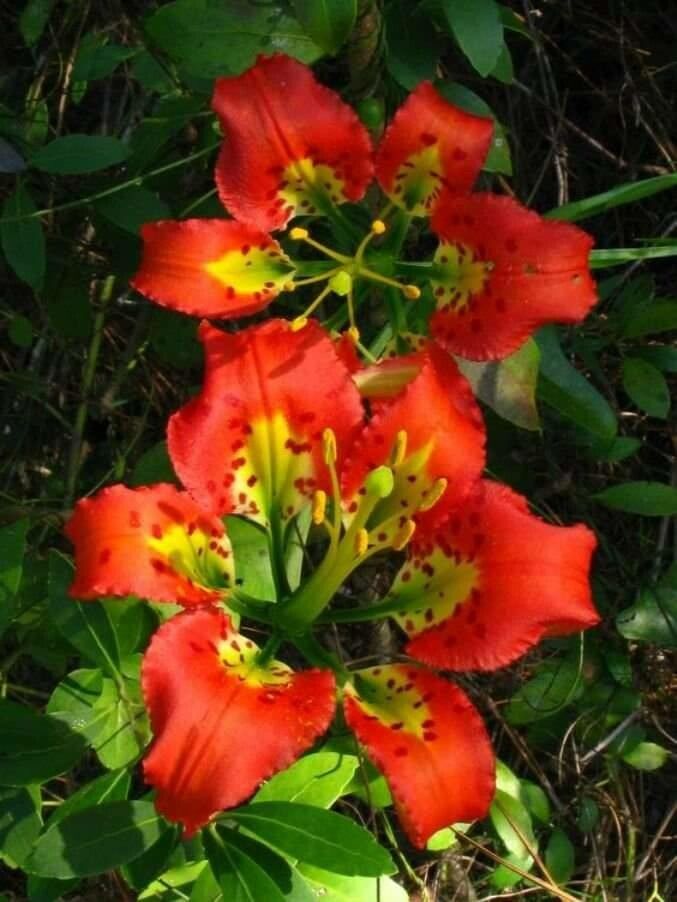
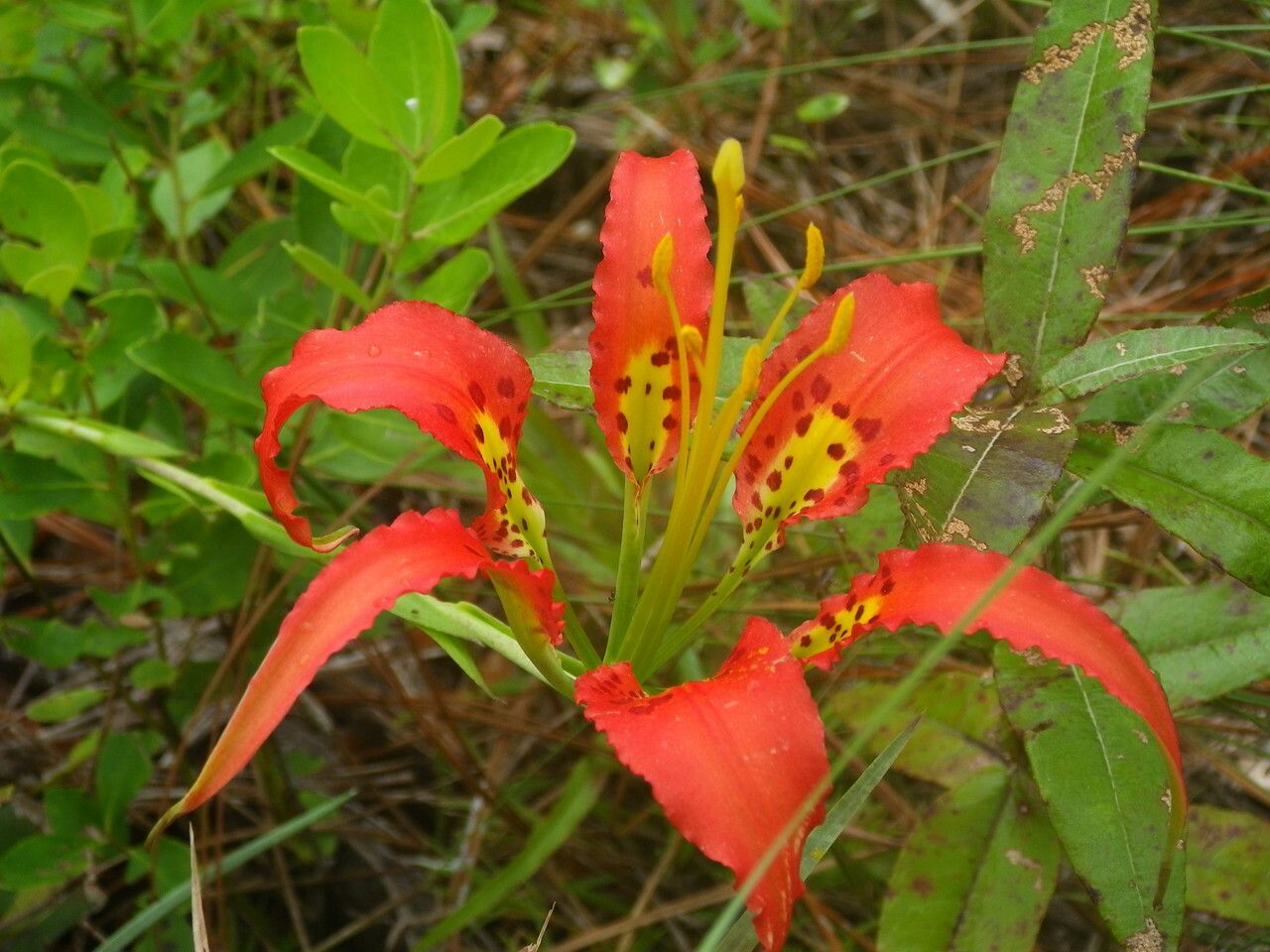
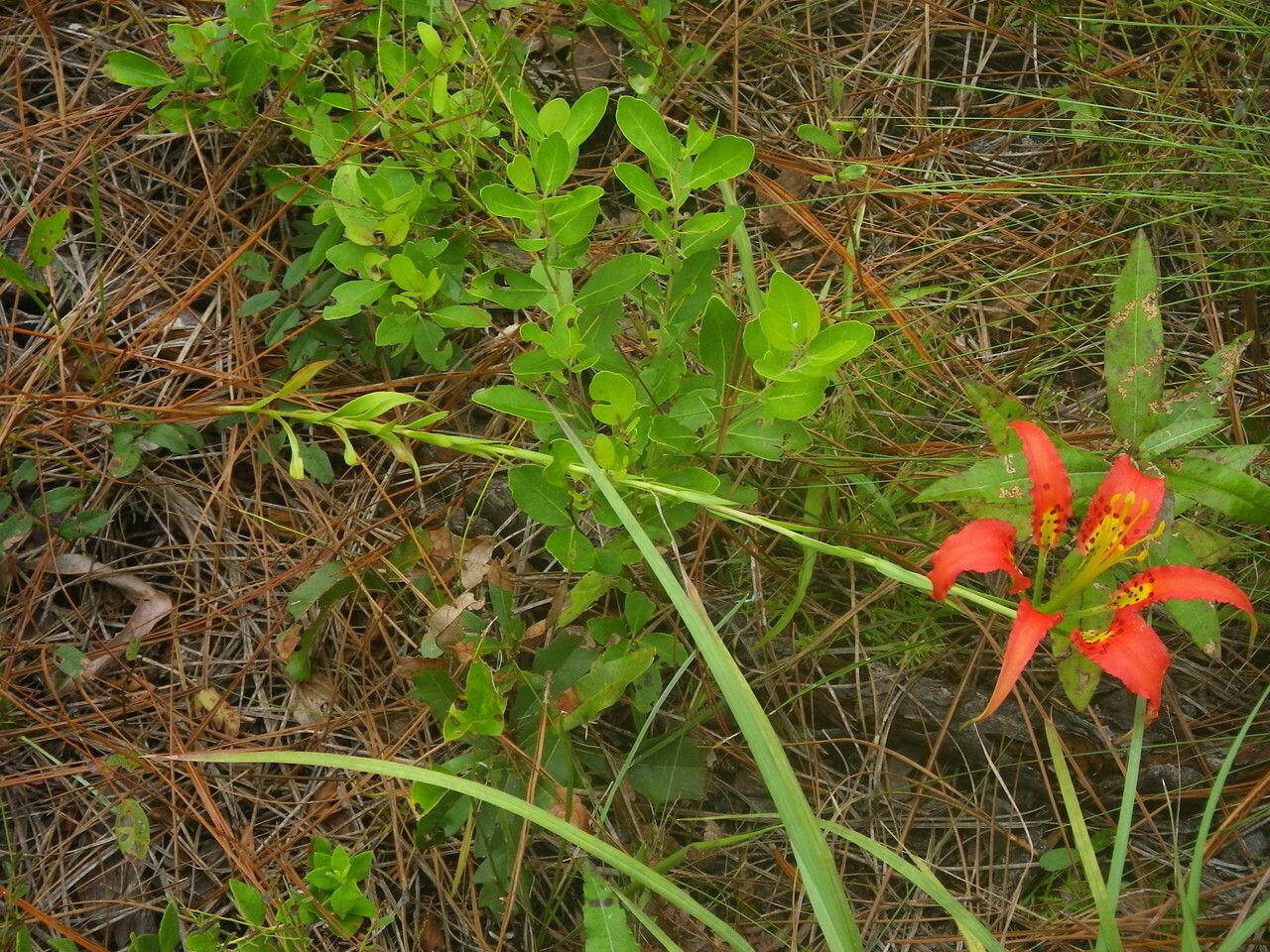
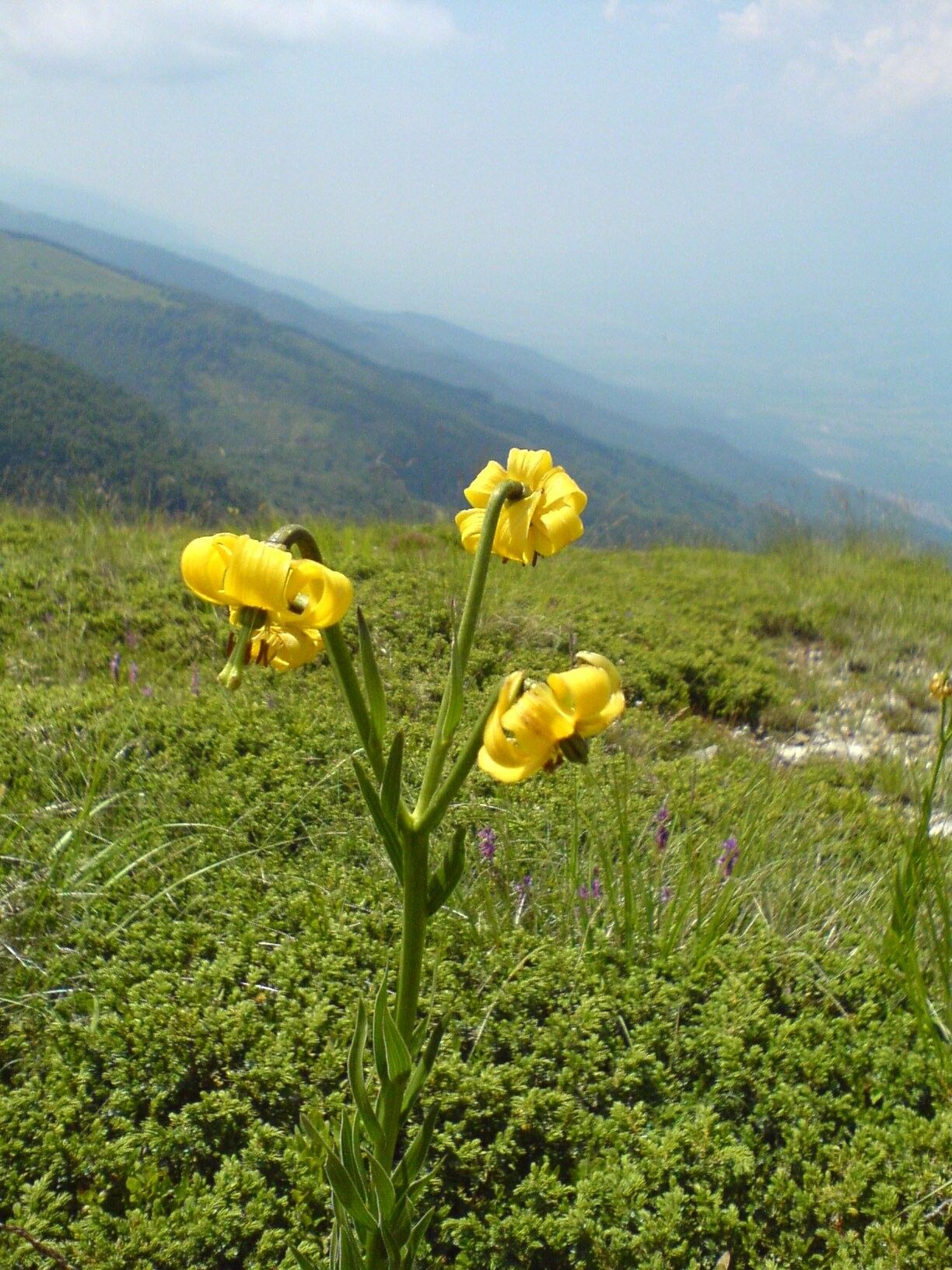
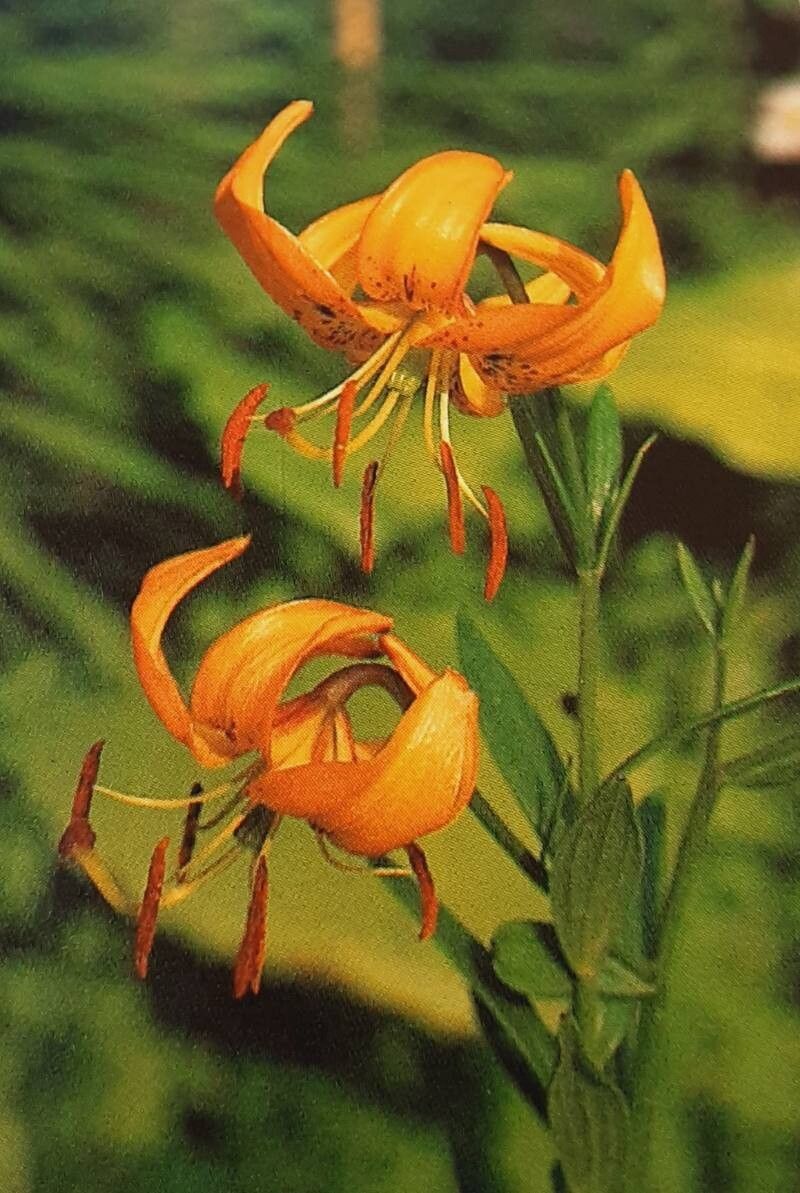
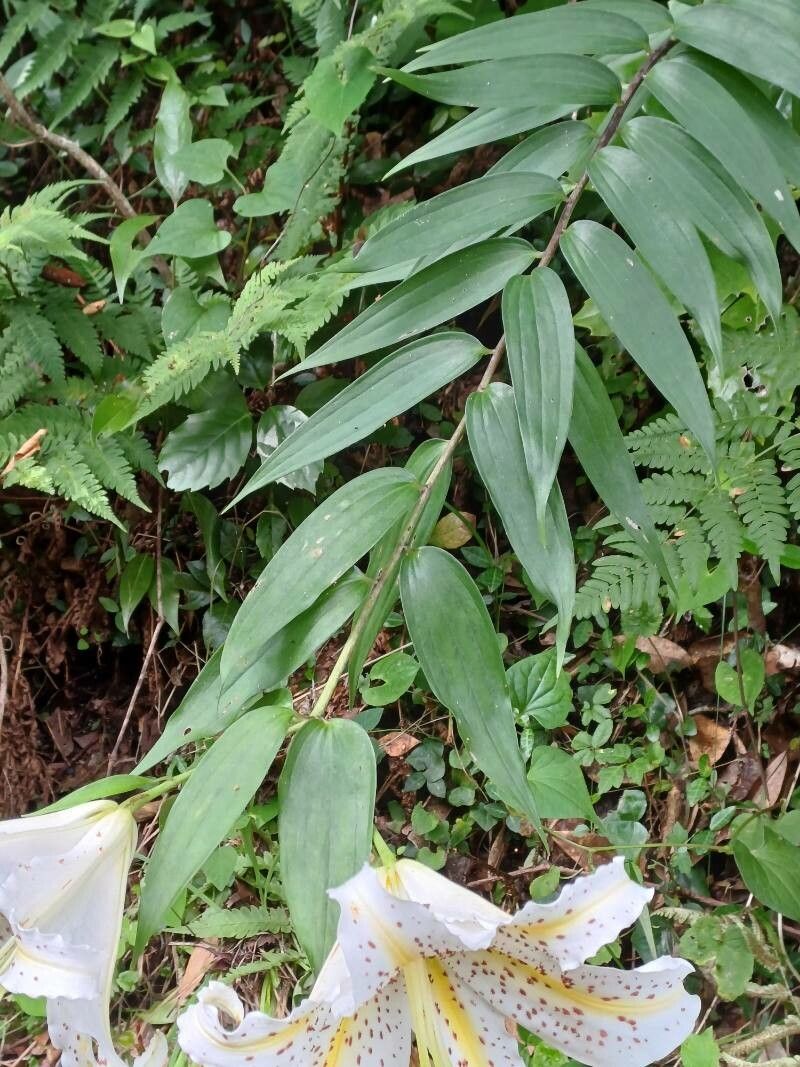
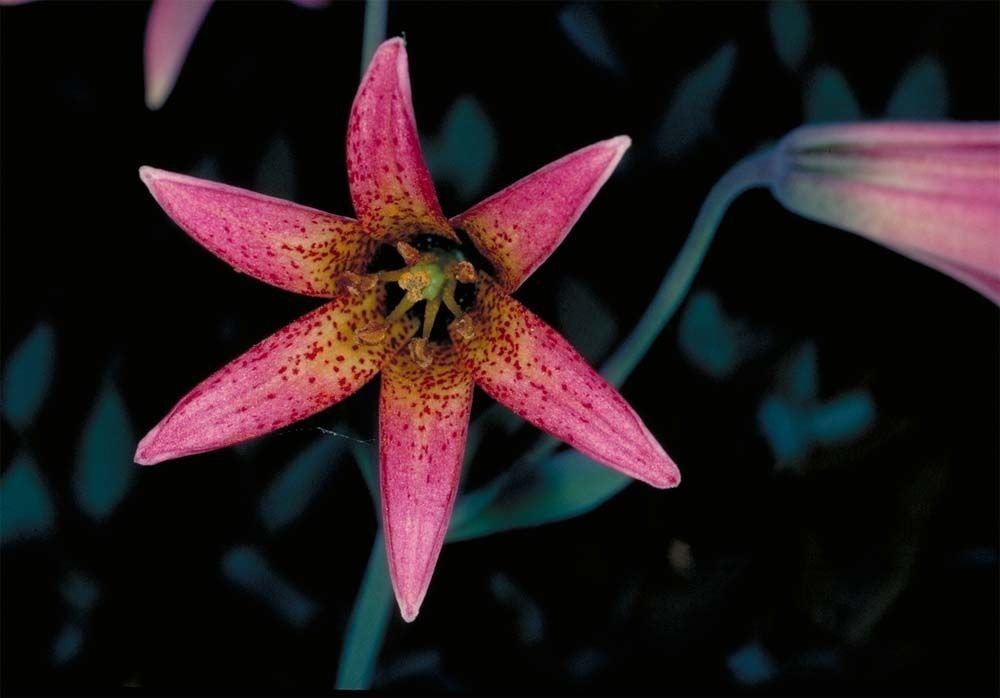
Lilium catesbaei, sometimes known as Catesby's lily, pine lily, leopard lily, tiger lily, or southern-red lily is a native of Florida and the coastal regions of the American Southeast, where it usually grows in damp areas from Louisiana to Virginia.Lilium catesbaei requires hot, wet, acidic soil inhospitable to most other lily species. Producing a single flower, it generally blooms late in the year. The flower is upright with 6 tepals (petals and sepals that look very similar). The tepals are curved backward and are orange toward the tip, yellow and purple-spotted toward the base.
The Siberian lily is fairly resistant to disease and generally does not suffer from many illnesses. However, it can be vulnerable to pests and diseases present in its environment. These problems are usually mild. For care, this plant requires a moderate amount of attention. It should be pruned regularly to keep a neat appearance and support healthy growth. Fertilizing can also encourage it to flower. The Siberian lily is suitable for anyone with outdoor space, such as a garden or patio, and does not demand extensive gardening experience. It may need more care if grown indoors.
How to keep Lilium Catesbaei.
Light
The Siberian lily mainly requires abundant sunlight to thrive, yet it tolerates environments with reduced light. Its native growing conditions correspond to this light need. Imbalances in light availability can negatively affect the Siberian lily's vitality.
Water
The pine lily thrives in consistently moist, well-drained soil and needs to be watered weekly. Typically found in the understory of wetlands, it adapts well to environments with plenty of moisture. During the growing season, regular rainfall is crucial for supporting its growth and blooms.
Temperature
The siberian lily is a temperate woody plant native to areas that experience cold winters. It prefers a moderate temperature range of 32 to 90 ℉ (0 to 32 ℃). In the summer it may do better with a slightly cooler environment, and in winter it may require protection from extreme cold.
Fertilizer
The best time to fertilize a Siberian lily is in early spring, as it emerges from dormancy and begins active growth. Fertilization supplies essential nutrients for healthy development. Although Siberian lilies require relatively little fertilizer, applying it annually can improve their survival and encourage better, longer-lasting blooms.
Pruning
Pruning pine lilies from early to late spring encourages healthy growth and enhances flowering. To promote vigor, remove any dead stems and cut back the spent stalks. Be sure to clean your tools to prevent the spread of disease. Avoid heavy pruning after the blooming period, as this helps protect the following year's flowering season and improves air circulation and sunlight exposure.
Pot & Repot
Repot Siberian lily in early spring. Choose a pot that is wider than it is deep and provides good drainage. Use a loamy, well-draining potting mix enriched with compost. Gently remove old soil from the bulb and plant it at a depth equal to the bulb’s height. Water thoroughly after repotting and set the pot in a sunny spot. Avoid overwatering to prevent bulb rot.
Botanical profile.
- Plant Type
- Herb
- Life Cycle
- Perennial
- Genus
- Lilium
- Family
- Liliaceae
- Hardiness Zone
- 3-8
- Mature Height
- 49 cm to 61 cm
- Mature Spread
- 25 cm
- Leaf Color
- Green
- Leaf Type
- Deciduous
- Flower Color
- Red, Orange, Yellow, Brown, Gold
- Flower Size
- 10.16 cm to 12.70 cm
- Bloom Time
- Early summer, Mid summer
- Planting Time
- Spring
- Harvest Time
- Mid summer
Other names.
Reader questions.
What should I do if I give my Pine lily too much or too little water?
The Pine lily is prone to overwatering, which can cause bulb rot. Signs of overwatering include a mushy bulb, floppy stems with spots, droopy flowers, and yellowed stalk. If the leaves turn yellow before blooming, it's a sign of overwatering. Unfortunately, bulb rot can't be reversed, but if caught early, you can carefully remove the rotting parts and replace the soil. Disinfect pots and tools to prevent spreading the fungus and consider planting outdoors in a different location. Underwatering is less of an issue, but signs include no blooms, sagging stalks, and browning around the flower edges. If you've underwatered, give it a good drink without saturating the soil. Avoid overwatering, as it can lead to root rot and fungus. Look for spots on leaves and buds and discoloration or dying tips of leaves as signs of damage.
How can I add nutrients to my Pine lily plant?
To fertilize a Pine lily, the most common method is to use granular or pellet fertilizer by applying it to the soil around the plant. The best time to fertilize is when the plant is transitioning from its dormant phase to active growth, usually in early spring. Wait for the plant to start sending shoots through the soil before applying the fertilizer. Alternatively, you can choose to use a liquid fertilizer instead of granular. In this case, dilute the fertilizer with water before applying. Regardless of the type of fertilizer you use, it's important to moisten the soil before, during, and after application.
Can the sun cause harm to Pine lilies? How can we safeguard Pine lilies from damage caused by the sun and heat?
In warm climates, some Perennial Flowering Plants may struggle with excessive heat and suffer from sun damage. They can wilt, dry out, or even experience growth problems if they are consistently exposed to the intense afternoon sun. However, not all plants require protection from the light afternoon sun. For those that are harmed by intense afternoon exposure, it is recommended to provide them with some shade in warmer climates. Gardeners can achieve this by planting these plants in areas that do not receive direct heat during the afternoon, such as under trees or behind bushes.
What temperature is best for Pine lilies?
The temperature needs of Pine lily depend on the time of year. There are two main seasons to consider: the growing season and the dormancy season. During the growing season, when Pine lily is sprouting, the best temperature range is between 65-80℉ (18-27℃). If it gets colder than 15℉ (-10℃), the plant may suffer and its leaves may turn brown and wilt. However, if it's a brief cold snap, Pine lily can survive with some assistance. In the warmer parts of the year, Pine lily needs protection from excessive heat. The upper limit of its temperature tolerance is 95-105℉ (35-40℃), and anything higher can harm its foliage and flowers. High temperatures can cause wilting, drooping, and sunburn on the leaves, which can be challenging for Pine lily to recover from. Luckily, there are several quick and easy methods to address this issue.
How much should I water my Pine lily?
The Pine lily is a hardy plant that doesn't require much attention. It's best to grow it directly in the ground in the hottest and brightest part of your garden, although it can also be grown in a pot. Since it's a bulb plant, you need to be careful not to overwater it during growth as this can cause the bulb to rot. After planting, give it a good watering and then leave it. This initial watering will stimulate growth, and you can leave it alone until shoots begin to appear. To ensure the best results, check the soil's moisture level after new leaves have grown. Stick your finger about 2-3 inches below the soil surface, and if it's still wet, you don't need to water the plant. For potted plants, also check the water collection tray for standing water and avoid watering if there is any. For a more accurate reading, use a moisture sensor inserted about 2-3 inches into the soil. The reading should fall within the "moist" category. It is recommended to water your Pine lily once per week.
Why do I have to add plant food to my Pine lily?
Fertilization is important for the Pine lily because it provides essential nutrients for the plant's growth. Although the Pine lily's fertilization needs are generally low, it can still survive without it. However, annual fertilization can greatly benefit the Pine lily by keeping it healthy and promoting longer-lasting flowers. Therefore, those wishing to enhance the appearance of their Pine lily should prioritize annual fertilization.
Does the Pine lily require specific sunlight conditions at different stages of its growth?
Pine lily is a beautiful flower that thrives in gardens. For it to bloom its best, it needs at least six hours of direct sunlight each day. However, to ensure the flowers stay fresh for longer periods, it can be helpful to provide some shade during the hottest parts of the day. When Pine lily is still young, it's important to give it ample sunlight without subjecting it to intense heat in the afternoon. On the other hand, if you have a fully mature plant, be sure to give it plenty of sun for optimal growth.
The ideal temperature for young Pine lily plants in their first year.
If this is the first year you have a Pine lily plant outside, it will require extra care during the coldest months. Frost can cause severe damage to a first-year Pine lily and prevent it from growing back healthy in the spring. To protect it, make sure the temperature remains above 40℉(5℃). You can do this by either bringing the plant indoors for a month or two or using mulch or fabric barriers to block the frost. Also, it's best to plant the Pine lily in a shadier spot during the first year or two because smaller and weaker plants struggle to maintain their own temperature in the heat. For these young plants, limit direct sunlight to no more than five hours per day, especially if the temperature exceeds 80℉ (27℃). To control the summer heat, use shadecloth and remember to water or mist the plant regularly.
How should I change how much water I give my Pine lily based on different conditions?
The Pine lily is a hardy plant that can survive in harsh conditions. If you plant it outdoors, you can rely on natural conditions for watering, as it doesn't require much water and can withstand drought. Just ensure that the soil has proper drainage. On the other hand, if you have a potted Pine lily, be cautious with watering. Overwatering can cause bulb rot, so water less frequently. Use well-drained soil and add sand or rocks to improve drainage. During the growing phase, water about one inch per week to promote blooming. Adjust watering frequency based on the humidity and temperature of your climate. In hot, dry climates, water more often, while in humid climates, water less. Always check the soil moisture level to avoid overwatering. These plants prefer moist, well-drained soil.
When should I fertilize my Pine lily for optimal results?
The best time to fertilize a Pine lily is in late winter to early spring when it is transitioning from dormancy to active growth. Fertilizing at this time promotes healthy growth and sets the plant up for a great season. Although early spring is most beneficial, fall is also an acceptable time to fertilize a Pine lily. However, it is not recommended to feed the plant during summer or winter.
What kind of sunlight does the Pine lily plant need?
Pine lilies require at least six hours of sunlight each day to maintain healthy leaves, roots, and blooms. Similarly, other perennials, such as the Orange Daylily or Giant Coreopsis, can survive on as little as three hours of sunlight daily. However, it's important to note that while these plants can survive with less sun, they will not thrive as they would in sunnier conditions.
How do I keep Pine lily safe from very hot or very cold weather?
If cold temperatures (below 15℉(-10℃)) occur during the growing season, there are ways to protect Pine lily from frost or cold damage. For container-grown Pine lily, simply bring the container indoors under bright, indirect light until temperatures rise above the lower threshold. If Pine lilies are planted in the ground, using mulch or horticultural fabric to create an insulated barrier around the plant will shield it from frost and cold winds. On the other hand, if temperatures are hotter than 80℉(27℃) in the shade during the day, take care to limit Pine lily's exposure to six or fewer hours of sunlight per day, preferably in the morning. Installing shade cloth or a fine plastic mesh can help reduce the direct sunlight that reaches the plant during the hottest parts of the day. Another option is setting up a misting system to release a slow cooling mist around the base of the plant, thus lowering the ground temperatures.