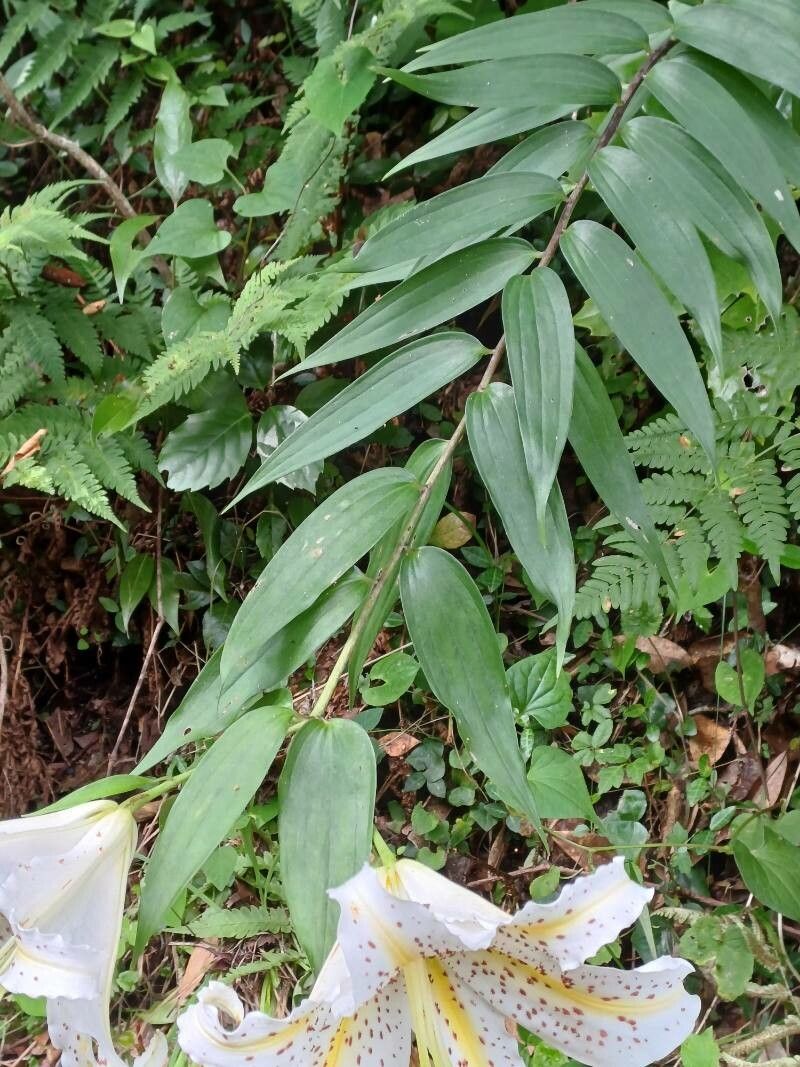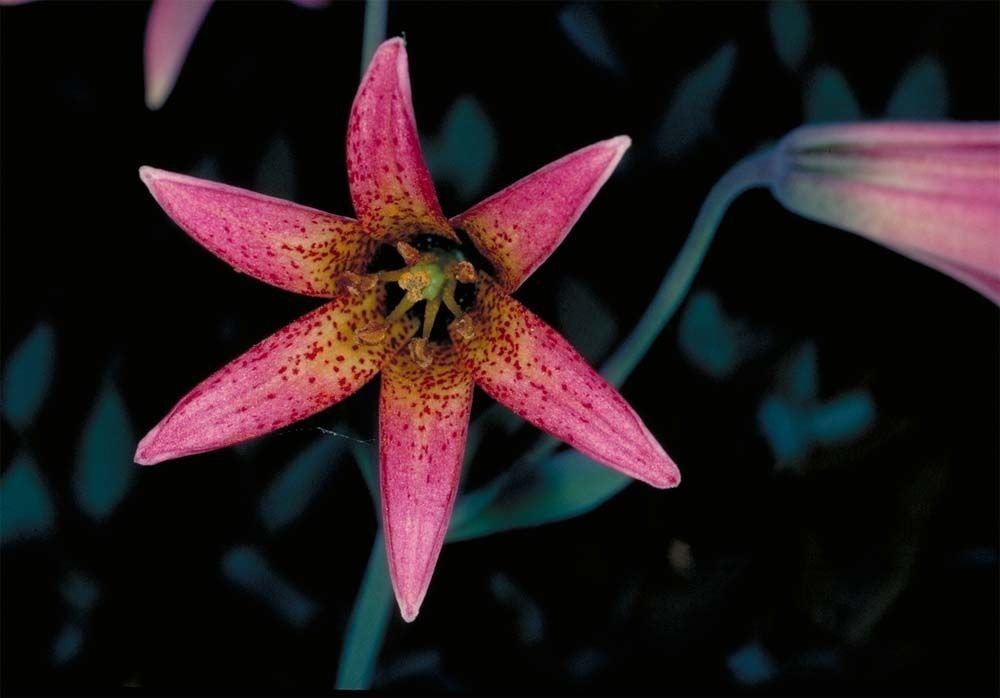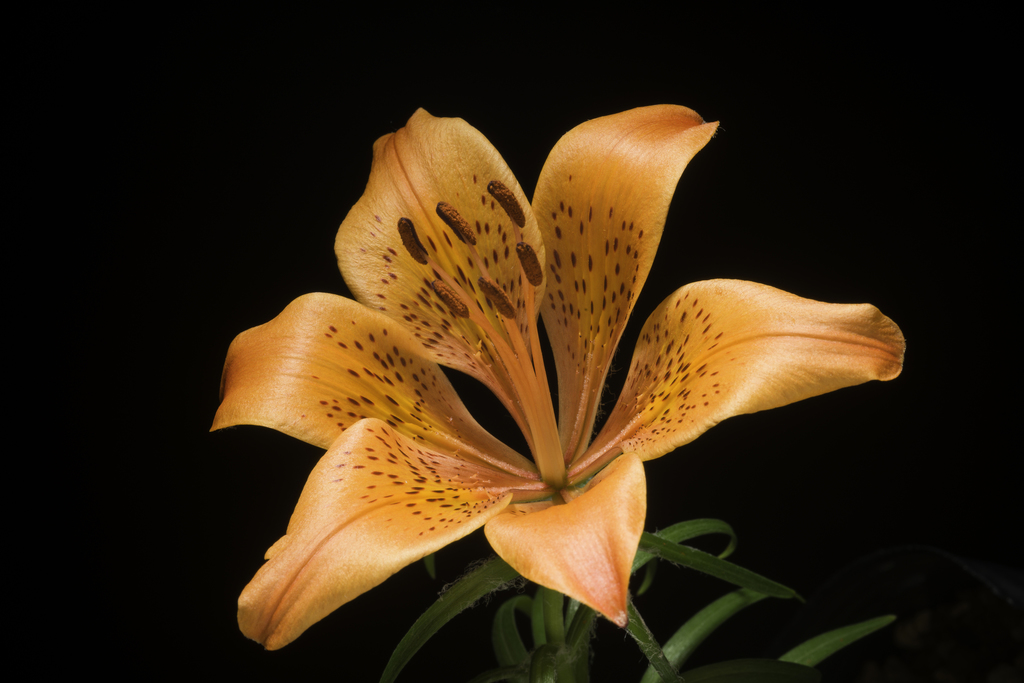
Lilium bulbiferum, common names orange lily, fire lily, Jimmy's Bane and tiger lily, is a herbaceous European lily with underground bulbs, belonging to the Liliaceae.The Latin name bulbiferum of this species, meaning "bearing bulbs", refers to the secondary bulbs on the stem of the nominal subspecies.
Orange lily is relatively disease-resistant and typically does not easily develop illnesses. It can, however, be vulnerable to pests and diseases present in its surroundings. These problems are generally mild. For care, this plant demands moderate maintenance. It should be pruned regularly to preserve a tidy appearance and support healthy growth. Fertilizing can also help encourage flowering. Orange lily is well suited to people with outdoor spaces like a garden or patio and does not need extensive care experience. It may require more attention when cultivated indoors.
How to keep Lilium Bulbiferum.
Light
The orange lily favors broad exposure to sunlight, which supports its healthy growth and boosts its vigor. Although it can adjust to reduced light, it performs best with plentiful sunlight. Ample light aids its various growth phases. Both excessive and insufficient sun can affect its development. This preference for light is shaped by its natural habitat.
Water
The orange lily thrives best in well-drained soil with consistent moisture and moderate humidity. To ensure lush growth, it requires weekly watering, with adjustments made according to seasonal rainfall. In areas that experience dry seasons, additional irrigation might be needed to maintain ideal growing conditions.
Temperature
In its native environment, the orange lily withstands temperatures from 32 to 95 °F (0 to 35 ℃). For best growth, it is advisable to maintain temperatures within this range. When seasons change drastically, adjustments within that span may be necessary.
Fertilizer
An Orange lily is best fertilized in early spring, as it comes out of dormancy and begins active growth. Fertilization supplies key nutrients needed for healthy growth. Although the Orange lily has relatively low fertilizer requirements, applying fertilizer annually can improve its survival and promote better, longer-lasting flowers.
Pruning
The orange lily boasts vibrant orange flowers and flourishes with proper pruning from early to late spring. To encourage new growth and prevent disease, remove dead stems and spent blooms. Improve air circulation and enhance the plant's structure by thinning out overcrowded areas. For best results, refer to horticultural guides for detailed instructions.
Botanical profile.
- Plant Type
- Herb
- Life Cycle
- Perennial
- Genus
- Lilium
- Family
- Liliaceae
- Hardiness Zone
- 3-9
- Mature Height
- 0.2 m to 1.22 m
- Mature Spread
- 30 cm
- Leaf Color
- Green
- Leaf Type
- Deciduous
- Flower Color
- Orange, Red
- Flower Size
- 10.16 cm to 15.24 cm
- Bloom Time
- Early summer, Mid summer
- Planting Time
- Spring
- Harvest Time
- Mid summer
Other names.
Reader questions.
What should I do if I give too much or too little water to my Orange lily?
The Orange lily should not be overwatered as it can lead to bulb rot. Signs of overwatering include mushy bulbs, floppy stems with spots, droopy flowers, and yellowed stalks. It's normal for the leaves to turn yellow after the blooming period, but if they turn yellow before the flowers bloom, it means the plant has been overwatered. Unfortunately, bulb rot cannot be reversed, but if caught early, you can dig up the bulb and remove the rotten parts, making sure to replace the soil and disinfect any tools used. For outdoor plants, consider planting them in a different location. Underwatering is not as problematic, but it's important to ensure the soil doesn't dry out completely. Signs of underwatering include no blooms, withered and sagging stalks, and browning around the edges of the flower petals. If you have underwatered your Orange lily, give it a good drink without saturating the surrounding soil. While the plant can tolerate some drought, be cautious not to overwater it as extended periods in water can lead to root rot and fungus growth. This can be seen through spots on the leaves and buds, as well as discoloration and death of the leaf tips.
Why should I put fertilizer on my Orange lily?
Fertilization is important for the Orange lily for a few reasons. Firstly, it provides essential nutrients for the plant's growth both above and below ground. However, the Orange lily has relatively low fertilization needs. While it can survive without fertilization, annual fertilization can greatly benefit the plant. It helps keep the plant healthy and may improve the quality and longevity of its flowers. Therefore, for those wanting their Orange lily to thrive, regular fertilization is recommended.
What are the sunlight requirements for Orange Lily?
Orange Lily thrives best under full sun conditions, requiring more than 6 hours of sunlight daily for optimal growth. It can, however, tolerate partial sun, which ranges from about 3 to 6 hours of sunlight. Observing how sunlight moves through your garden helps in choosing spots that offer a perfect balance for your plants, ensuring they remain healthy and vibrant.
What are the ideal temperature conditions for an Orange lily?
The Orange lily, or Lilium bulbiferum, thrives in its natural habitat enduring temperatures ranging from 32 to 95 °F (0 to 35 °C). For optimal growth, it is recommended to maintain temperatures within this range. The plant has strong cold resistance, meaning special frost protection measures are not usually necessary during winter. However, if temperatures are expected to drop below -35°C, it is important to provide some form of cold protection, such as covering the plant with soil or straw. Before the first freeze in autumn, abundantly watering the plant ensures the soil remains moist and enters a frozen state, helping prevent drought and water scarcity during winter and early spring.
How often do I need to water my Orange lily?
The Orange lily is a low-maintenance plant that can be grown in a pot or directly in the ground. It thrives in the hottest and brightest part of your garden. However, since it's a bulb plant, be cautious not to overwater it as it can cause the bulb to rot. After initially watering the Orange lily when planted, you can let it be until you start to see shoots appear. To determine if it needs water, check the moisture of the soil by inserting your finger about 2-3 inches below the surface. If it's still wet, there's no need to water. For potted plants, check the water collection tray for standing water and avoid watering if present. For a more accurate moisture reading, use a moisture sensor inserted 2-3 inches into the soil, aiming for a reading in the middle of the "moist" category. Watering the Orange lily once per week is recommended for best results.
When should I fertilize my Orange lily?
The best time to fertilize an Orange lily is late winter to early spring when it is coming out of dormancy and starting to grow. Fertilizing at this time promotes healthy growth for the season. While it is generally best to fertilize in early spring, it is also okay to fertilize in the fall. However, it is not recommended to fertilize in the summer or winter.
How essential is sunlight for the growth of an Orange Lily?
Sunlight is crucial for the healthy growth and vitality of an Orange Lily, enabling it to flourish throughout its different growth stages. While the Orange Lily can adapt to lesser light conditions, it thrives most luxuriantly under generous sunlight exposure. Its native habitat preferences underline the importance of substantial light, with both excessive and minimal sun exposure potentially impacting its development adversely.
How does low temperature affect the Orange lily and what are the solutions?
The Orange lily is cold-tolerant, best thriving when temperatures are above 0°C and should remain above -30°C during winter. If temperatures fall below -35°C, while there may not be noticeable changes during winter, this could lead to a decrease in sprouting or even no sprouting at all come springtime. To combat this, removing any parts of the plant that have failed to sprout in the spring is recommended.
How should I water my Orange lily in different conditions?
The Orange lily is a hardy plant that can survive harsh conditions. When planting it outdoors, you can usually rely on natural conditions for watering, as it doesn't need much water and can endure drought. Just ensure the soil has good drainage. When it comes to potted Orange lilies, be cautious with watering to avoid bulb rot. Water less when the plant is indoors and make sure the pots have drainage holes. Use high-quality, well-drained soil, and add sand or rocks to improve drainage. During the growing phase, water the plant about one inch per week to encourage blooming. Adjust the watering based on humidity and temperature. In hot, dry climates, water more frequently, while in humid climates, water less. Always check the soil moisture level and aim for well-drained, moist soil.
When is it not a good idea to fertilize my Orange lily?
To properly care for your Orange lily, it is important to know when to fertilize. The ideal time for fertilization is during late winter and early spring, as this plant has low fertilization needs and a single annual feeding is sufficient. It is crucial to avoid fertilizing during the spring, summer, and fall, as this can easily lead to overfertilization and its associated complications. However, if you happened to skip fertilizing in the spring, it is acceptable to feed the plant in the fall. Additionally, there is no need to fertilize during the winter, as the Orange lily undergoes dormant growth during this time and does not put forth new growth. Therefore, it is not advisable to fertilize for the majority of the winter season.
What are the solutions for Orange Lilies receiving insufficient sunlight?
For indoor Orange Lilies, gradually moving them to sunnier locations each week until they receive at least 6 hours of direct sunlight daily is recommended. Using a south-facing window or artificial lights like desk lamps or professional grow lights for at least 8 hours daily can also provide additional light. Outdoors, plants should be moved gradually to sunnier spots to adapt without experiencing sunburn. Reducing obstructions such as pruning trees or relocating plants to areas with ample sunlight and good drainage are effective strategies for both indoor and outdoor plants.
How does high temperature affect the Orange lily and what are the solutions?
During the summer, it's vital to keep the Orange lily below 35°C as exceeding 38°C can cause the leaves to lighten in color, curl, and become susceptible to sunburn. In severe cases, the entire plant may wilt and dry out. Solutions include trimming away sunburned and dried-up parts, moving the plant to a shaded location during the midday and afternoon sun, or using a shade cloth. Additionally, watering the plant in the morning and evening will help keep the soil moist, aiding in the prevention of heat stress.