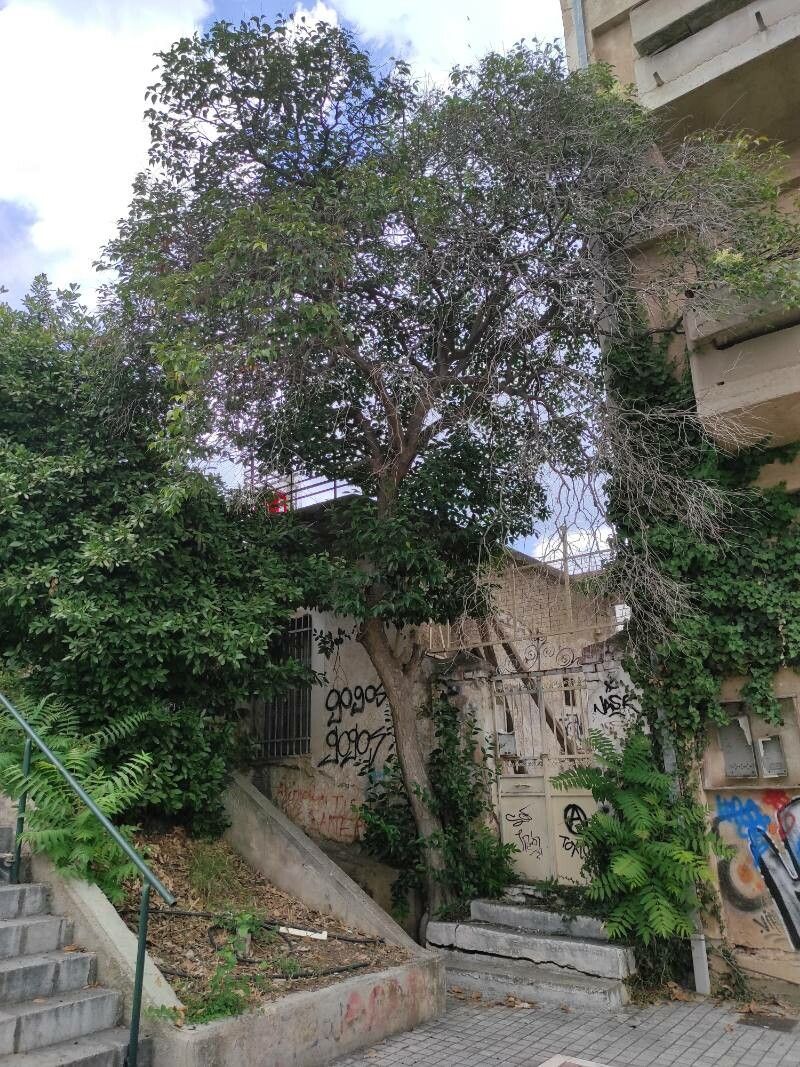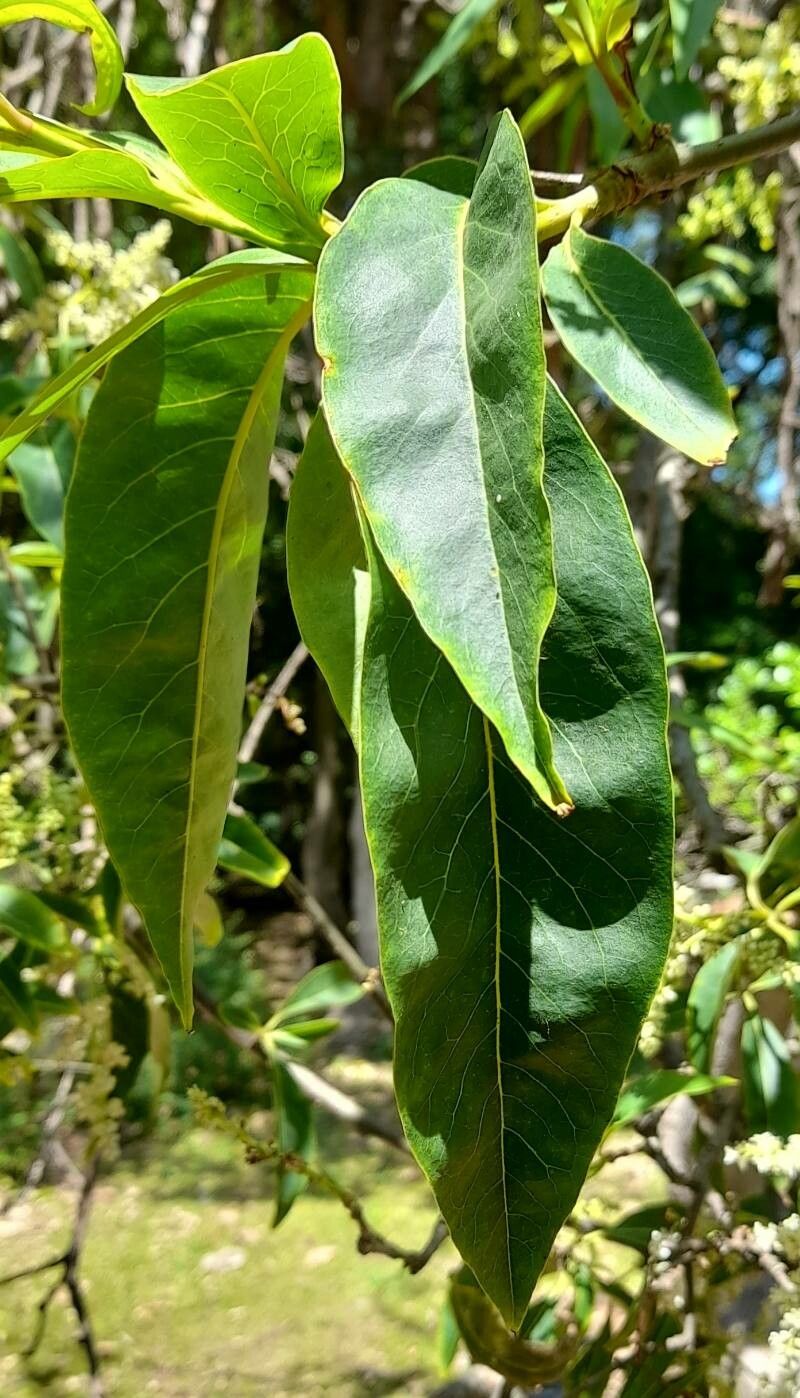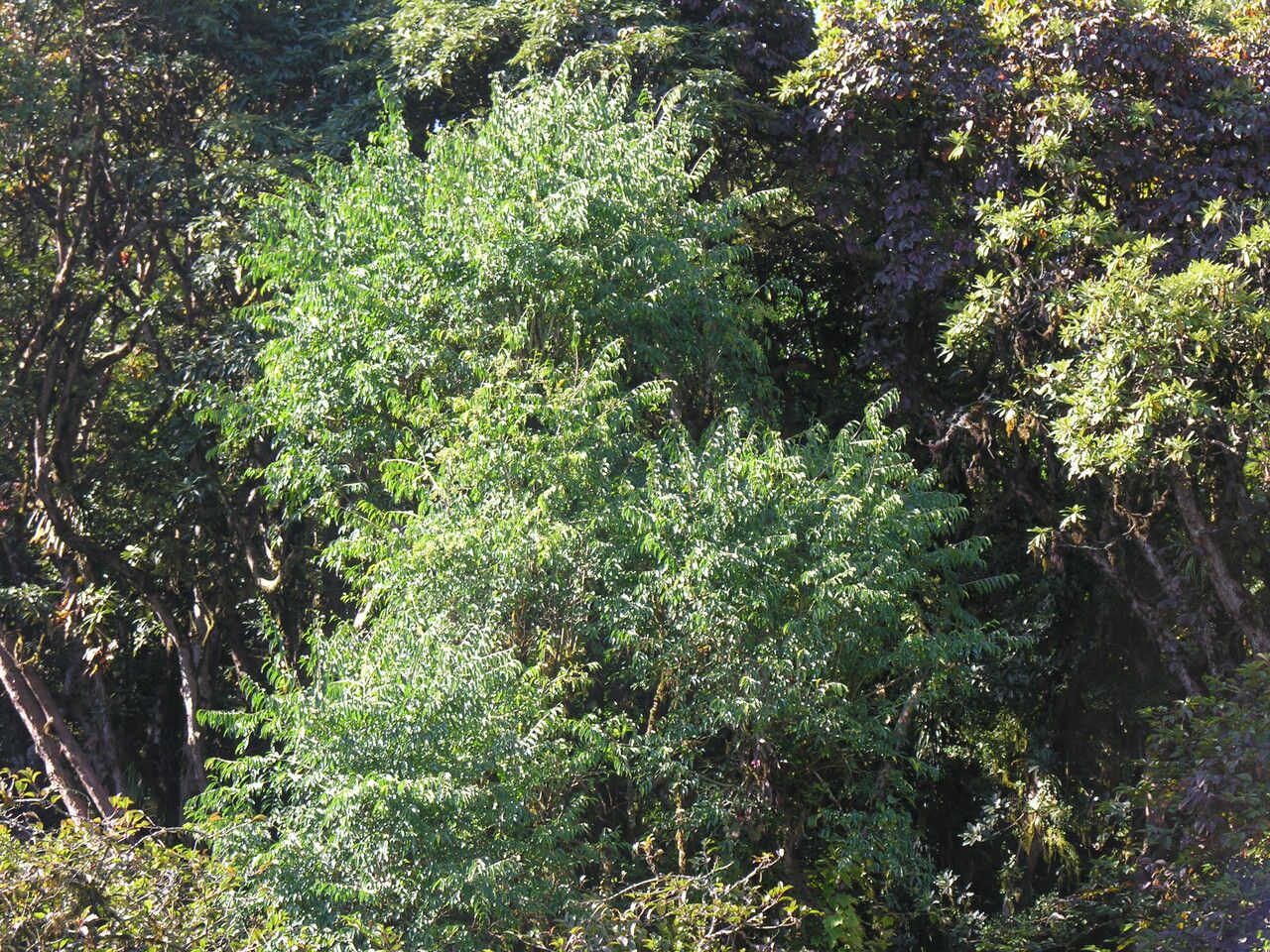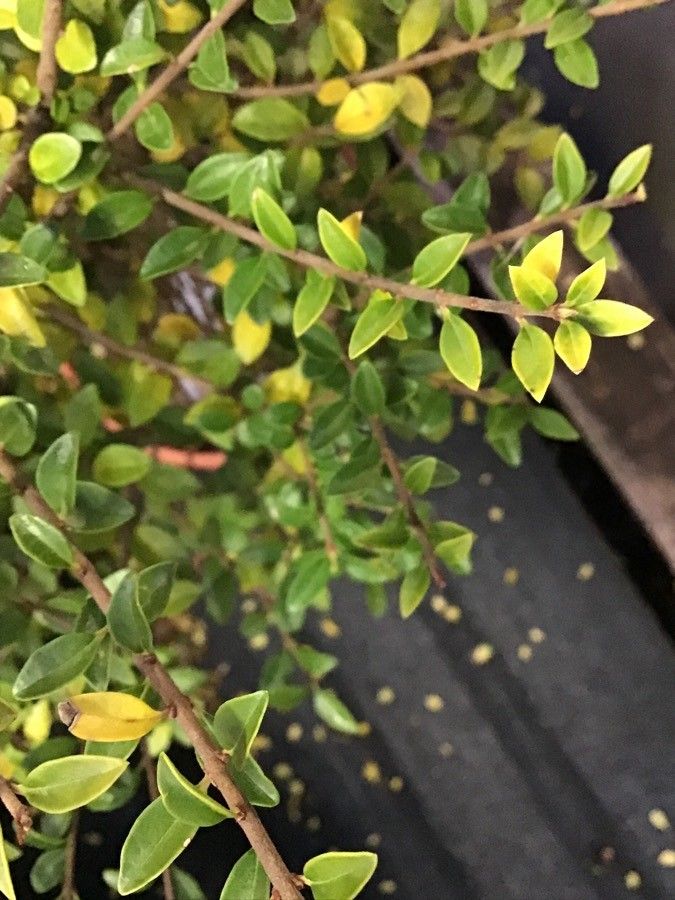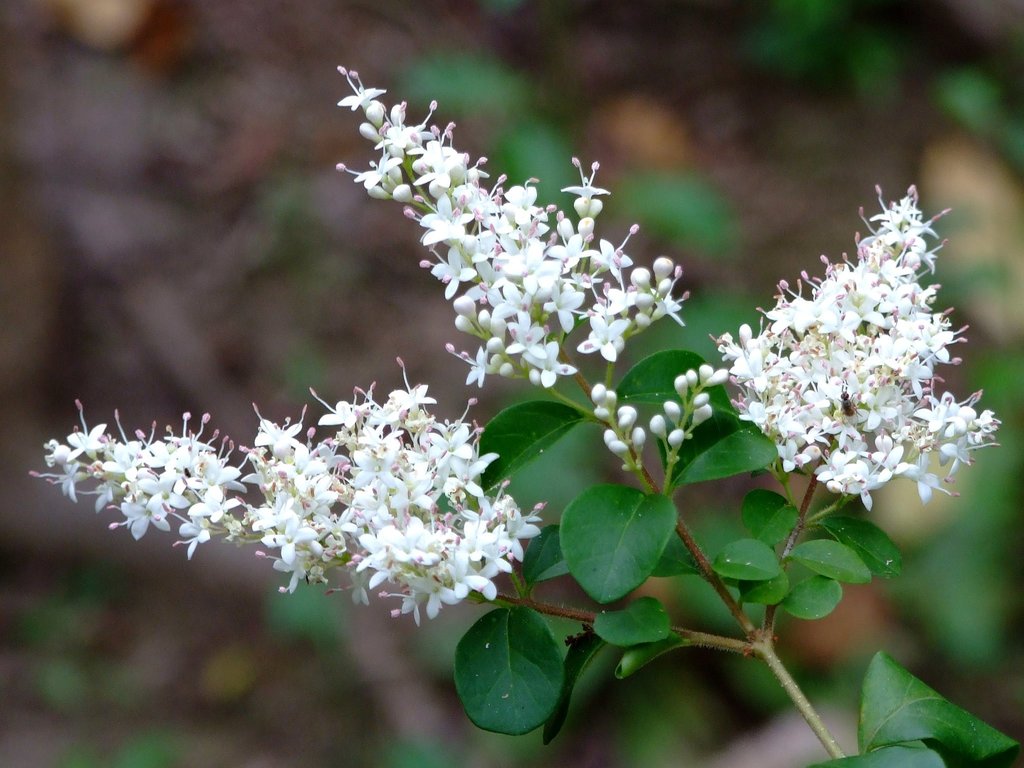
Ligustrum sinense (Chinese privet; syn. L. villosum; in Mandarin: 杻; pinyin: chǒu) is a species of privet native to China, Taiwan and Vietnam, and naturalized in Réunion, the Andaman Islands, Norfolk Island, Costa Rica, Honduras, Panamá and much of the eastern and southern United States (from Texas and Florida north to Kansas, Illinois, New Jersey, Massachusetts and Connecticut). The name "Chinese privet" may also refer to Ligustrum lucidum.
Chinese privet is a type of plant in the Ligustrum genus. The term "privet" can refer to any plant within this group. To differentiate between various Ligustrum species, a specific descriptor, or epithet, is added before "privet" to reflect the plant's characteristics. Since this particular species originates from China, it is known as Chinese privet.
Chinese privet is resistant to disease and is generally not susceptible to illnesses. Regarding care, this plant is fairly low-maintenance. When grown outdoors it needs little watering, and larger specimens usually do not require pruning. Smaller plants, however, should be trimmed after they finish blooming. Chinese privet is suitable for anyone with outdoor space, such as a garden or deck, and does not require extensive gardening experience.
How to keep Ligustrum Sinense.
Light
The Chinese privet does best with plenty of sunlight, which is essential for vigorous growth. It can also tolerate moderate light levels. Native to areas with abundant sun, it has adapted to use sunlight efficiently. Too much light can burn the leaves, while too little may result in weak growth and paleness.
Water
Chinese privet thrives in environments with varying moisture levels. It prefers moderate hydration but can tolerate short periods of dryness. To replicate its natural conditions, water the plant every 1-2 weeks. Being an evergreen, its foliage helps retain moisture, which in turn supports humidity and boosts its vigor across different climate zones.
Humidity
This plant will thrive in moderate humidity, which is probably the level in your home. However, misting it a few times a week can be very beneficial. Make sure the room has good ventilation.
Temperature
Chinese privet does best in temperatures between 50 and 95 ℉ (10 to 35 ℃). It comes from temperate areas and can withstand lows of 23 ℉ (-5 ℃) and highs of 104 ℉ (40 ℃). In summer it benefits from shade to avoid leaf scorch, and in winter it is advisable to protect it from frost by applying mulch around the plant's base.
Fertilizer
To encourage healthy growth, apply fertilizer to your Chinese privet in early spring. Routine feeding improves its overall health, leading to robust growth, better tolerance of harsh conditions, and increased resistance to diseases and pests. Adhere to a consistent fertilization schedule for your Chinese privet to keep the foliage vivid with deep color and a full, lush appearance.
Pruning
To maintain healthy growth, Chinese privet should be regularly pruned, ideally in late spring after it has finished flowering. Trim any crossing branches and thin out excess foliage to improve airflow and light penetration, which helps prevent disease. Regular pruning not only controls the size of the plant but also enhances its appearance. Ensure that you always use sharp, clean tools to avoid causing any damage.
Pot & Repot
When repotting Chinese privet, select a pot 1–2 inches (2.5–5.1 cm) larger that has good drainage. Use a well-draining potting mix. Repot in spring or fall, making sure the root ball sits slightly lower than the rim of the pot. Water thoroughly after repotting and place it in a warm spot with indirect sunlight.
Botanical profile.
- Plant Type
- Shrub
- Life Cycle
- Perennial
- Genus
- Ligustrum
- Family
- Oleaceae
- Hardiness Zone
- 6-9
- Mature Height
- 2.13 m to 7.01 m
- Mature Spread
- 3.05 m to 4.57 m
- Leaf Color
- Green
- Leaf Type
- Evergreen
- Flower Color
- White
- Flower Size
- 0.25 cm to 0.51 cm
- Bloom Time
- Late spring, Early summer, Mid summer
- Planting Time
- Spring, Autumn
- Harvest Time
- Mid summer, Late summer
- Native Area
- Nepal, Vietnam, Myanmar, Laos, Thailand, China
Other names.
Reader questions.
When Should I Water My Chinese Privet?
To determine the right time to water your Chinese Privet (Ligustrum sinense), observe the soil dryness and plant's visual cues. If the top 1-2 inches of the soil feel dry, it's time to water. Additionally, wilted or saggy leaves, leaves turning yellow or brown at the edges, and a slowed growth rate are signs your plant needs water. Be cautious of over or under-watering, as both can lead to issues like root rot, leaf wilting, and yellowing, which could ultimately kill your plant. Watering less frequently but more deeply can help establish a strong root system but avoid letting the soil become completely dry for too long.
Why is it important to add fertilizer to my Chinese privet plant?
No matter which type of Chinese privet you have, regular fertilization is essential for its overall health. Providing the proper nutrients will result in stronger growth, increased resilience to harsh conditions, and improved ability to ward off diseases and pests. It is important to maintain the attractiveness of your Chinese privet's foliage, so it is recommended to follow a consistent fertilization schedule tailored to your specific type of Chinese privet. This will result in vibrant, deep-colored leaves and an overall lush appearance.
What are the sunlight requirements for a Chinese Privet?
The Chinese Privet requires full sun, meaning it thrives best with above 6 hours of sunlight daily, but it can also grow well in partial sun, with about 3-6 hours of sunlight. It's crucial to observe how sunlight dances through your garden throughout the day to pick spots that offer an optimal balance of light and shade, ensuring the plants' well-being. Chinese Privet, originating from environments rich in sunlight, has evolved to efficiently utilize sunshine for robust growth. However, care should be taken as overexposure can cause leaf burn, while inadequate light may result in weak growth and a pale appearance.
What is the ideal temperature range for Chinese privet?
Chinese privet thrives in a temperature range of 50 to 95°F (10 to 35°C), native to temperate climate regions. It can endure low temperatures down to 23°F (-5°C) and high temperatures up to 104°F (40°C). To maintain its health, it is beneficial to provide shade during summer to prevent leaf scorching and protect the plant from frost in winter by mulching the base.
How Should I Water My Chinese Privet?
When watering Chinese Privet, use a watering can with a long spout to target the base of the plant, ensuring the soil is thoroughly saturated without waterlogging. While no special tools are needed, a moisture meter can be handy for checking soil moisture. Focus on evenly distributing water among the roots and avoid getting water on the foliage to prevent leaf spots. Ensure good drainage of the soil to avoid root rot. For potted plants, remove any excess water from the saucer after watering to prevent the plant from standing in water.
When should I put fertilizer on my Chinese privet?
Firstly, it is recommended to fertilize your Chinese privet during late winter or early spring. This will provide the necessary nutrients for healthy growth once the weather becomes warmer. Additionally, if you live in a warm climate region, it can be beneficial to give your Chinese privet an extra fertilizer feeding during early fall. This will not only supply additional nutrients for the following growing season but also enhance its resilience to winter cold and prevent foliage damage. It is advisable to fertilize earlier to allow ample time for new branches to grow and withstand the harsh winter conditions.
Can artificial lighting be used for Chinese Privet, and if so, how?
Yes, artificial lighting can be beneficial for Chinese Privet, especially when natural sunlight is insufficient, like during winter or in less sunny spaces. Indoor plants require adequate lighting for optimal growth. LED lights are recommended as they can be customized to provide specific wavelengths needed by the plants. For full sun plants, 30-50W per square foot is adequate; partial sun plants need 20-30W per square foot, and full shade plants require 10-20W per square foot. The artificial light source should be positioned 12-36 inches above the plant to mimic natural sunlight, ensuring the light duration matches the natural daylight hours most plants need, which is typically 8-12 hours per day.
How should Chinese privet be cared for in winter?
During winter, Chinese privet shows strong cold resistance and special frost protection measures are not typically necessary. However, if temperatures are expected to drop below its growth limit, it's important to protect the plant by wrapping its trunk and branches with non-woven fabric or cloth. Watering abundantly before the first autumn freeze is recommended to keep the soil moist and help prevent drought and water scarcity during winter and early spring.
How Much Water Does Chinese Privet Really Need?
Chinese Privet's water needs reflect its natural habitat's conditions, requiring evenly moist soil with some drought tolerance. A medium-sized plant in a 10-inch pot typically needs about 1 liter of water. Adjust water quantity based on pot size and ensure water is well-distributed until it drains from the bottom, signifying the soil is thoroughly soaked. Watch for signs of over or under-watering, such as wilting, yellowing, or dropping leaves. Providing the right water amount encourages lush, vibrant foliage and prevents issues like root rot or stunted growth.
When is not a good time to put fertilizer on my Chinese privet plant?
There are a few times during the year when you should avoid fertilizing your Chinese privet. The first is in the early and mid-winter months when the plant is dormant and doesn't require any feeding. It is also not recommended to fertilize the plant in late spring and throughout the summer because the weather is usually hotter and drier, which can have a detrimental effect on the Chinese privet if fertilized. To prevent any negative consequences, it's best to follow a fertilization schedule that involves feeding only in early spring and early fall.
What symptoms indicate inadequate or excessive light exposure in Chinese Privet?
Symptoms of inadequate light in Chinese Privet include smaller new leaves, leggy or sparse growth, faster leaf drop, slower or no new growth, and paler new leaves. These signs show the plant is struggling with light deficiency, shifting into survival mode with halted growth. Excessive light exposure can cause chlorosis (leaves turn yellow due to chlorophyll breakdown), sunscald (damage from intense sunlight appears as pale or necrotic areas), leaf curling (a defense mechanism to reduce surface area exposed to sunlight), wilting (loss of turgor pressure due to increased water loss), and leaf scorching (brown, dry edges on leaves due to excessive sunlight).
What are the symptoms of low temperature effects on Chinese privet and how can they be addressed?
Chinese privet is cold-tolerant but thrives best when temperatures are kept above its suitable growth minimum. If temperatures drop below its growth limit, the branches may become brittle and dry in the spring, with no new shoots emerging. To address this, prune away any dead branches in the spring that have failed to produce new leaves.