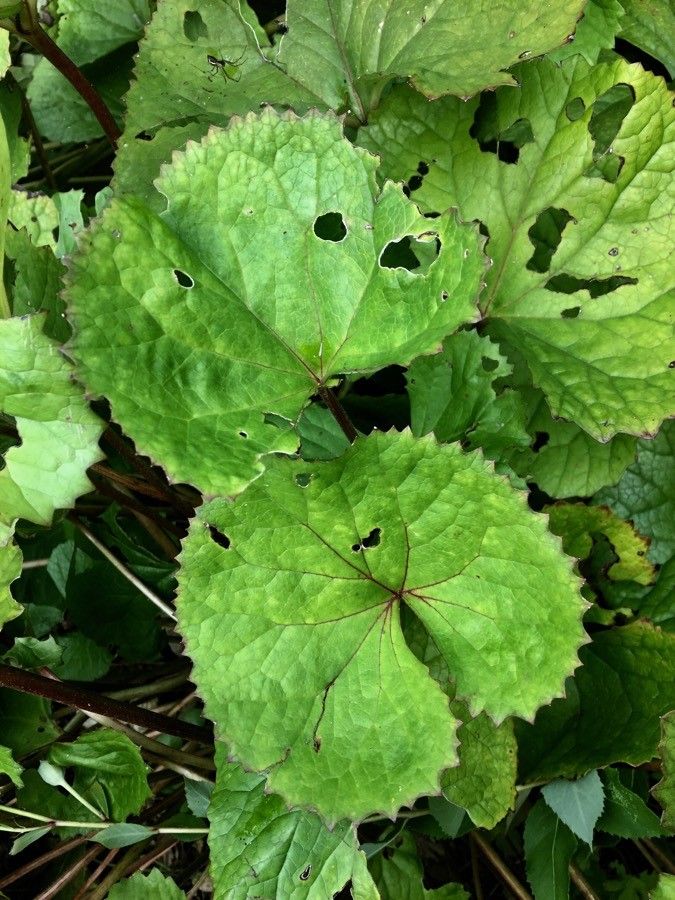
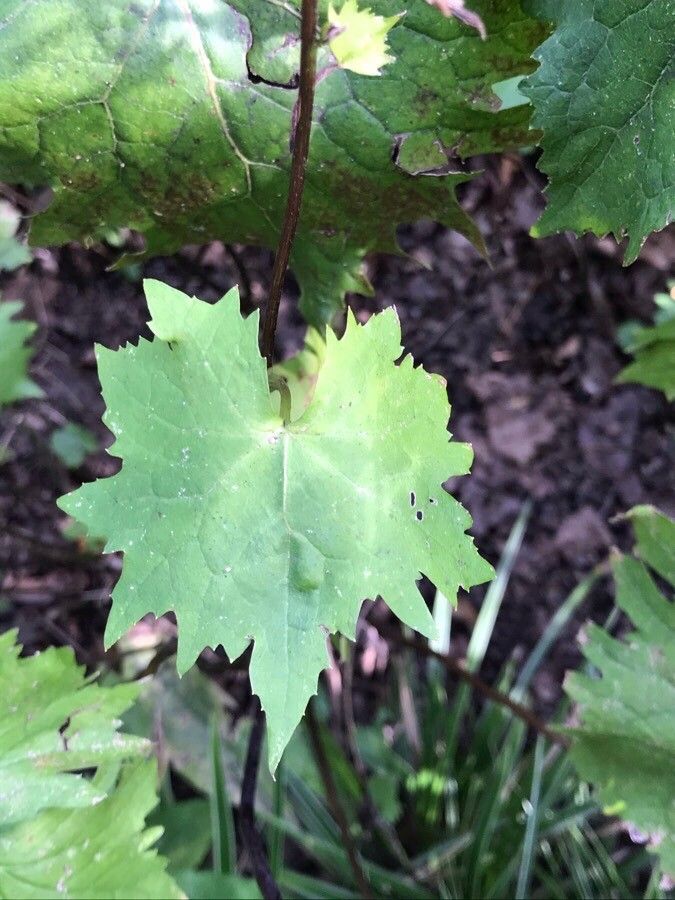
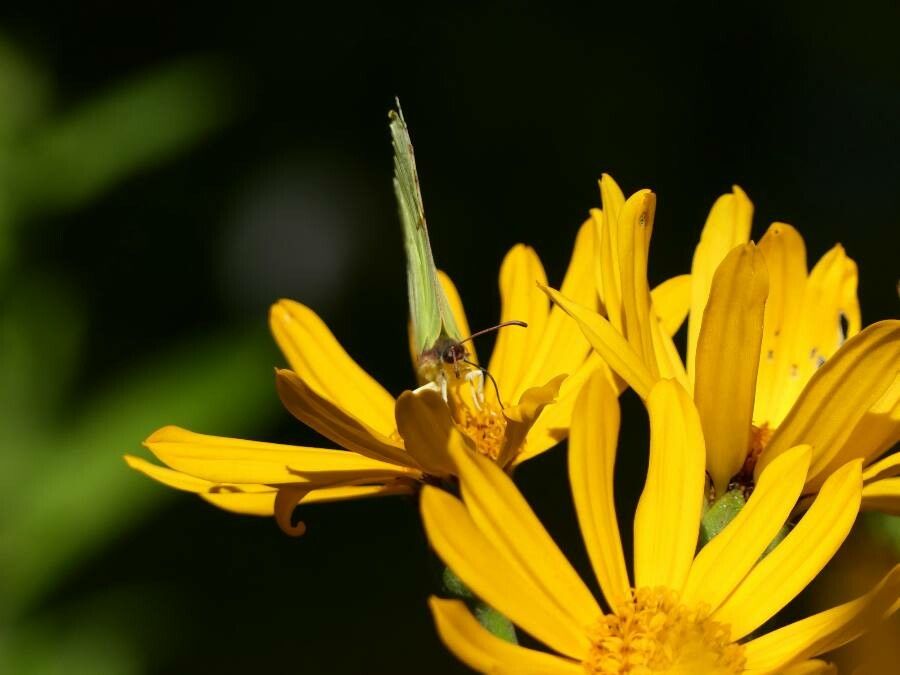
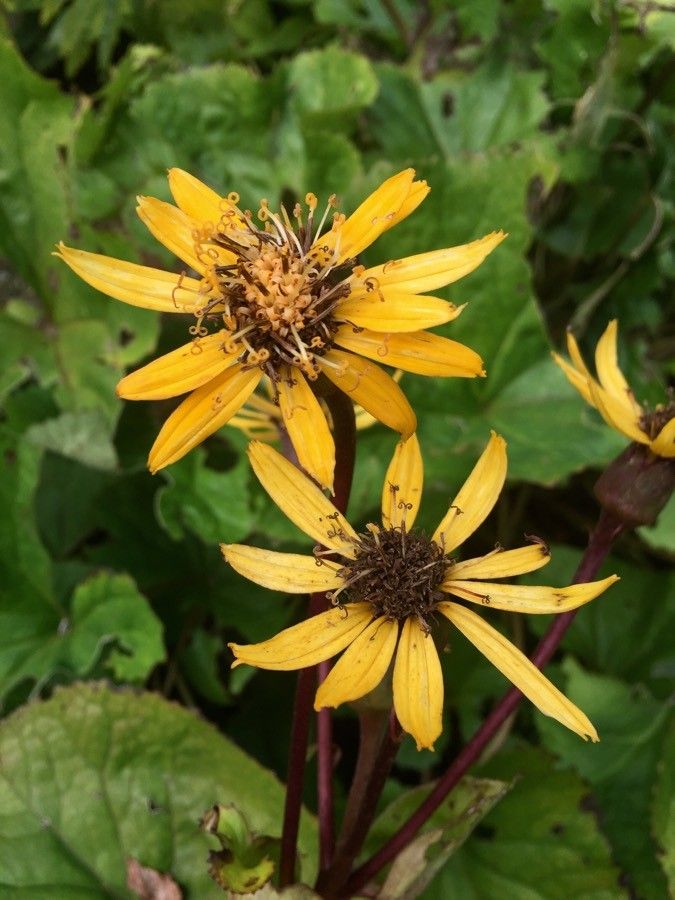
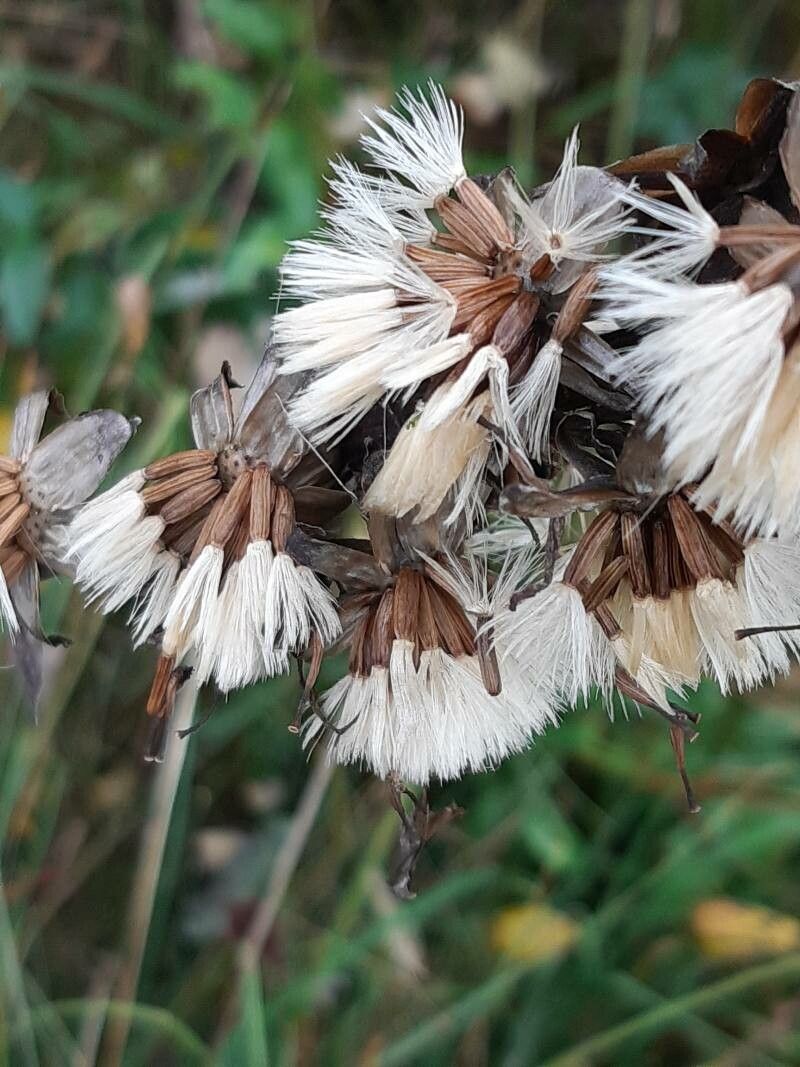
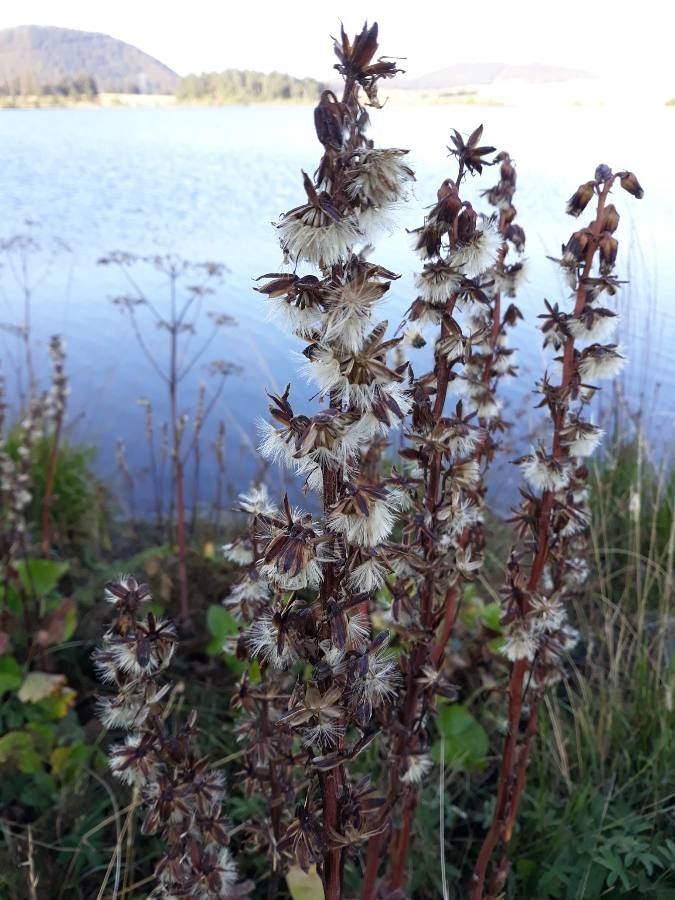
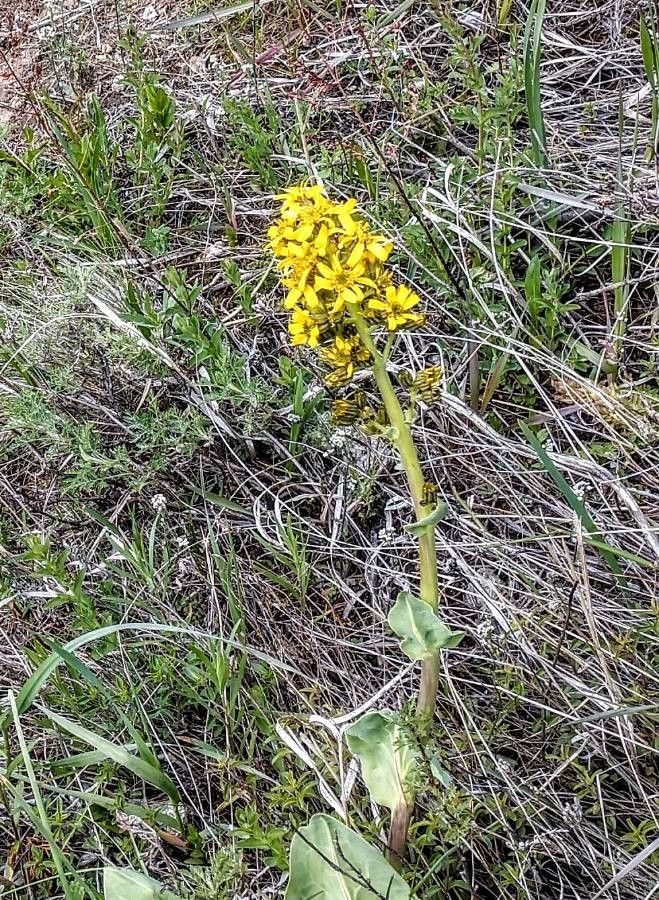
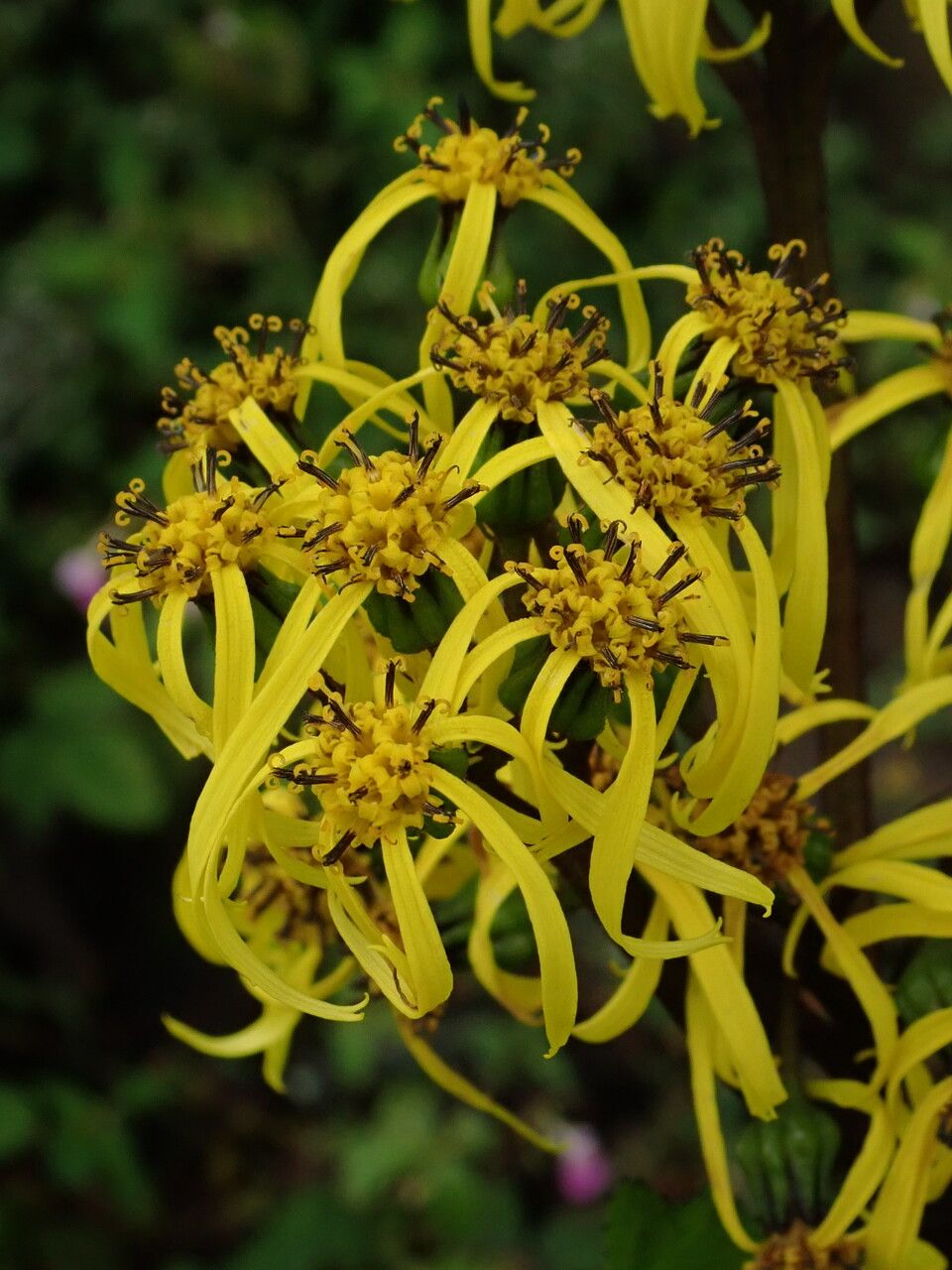
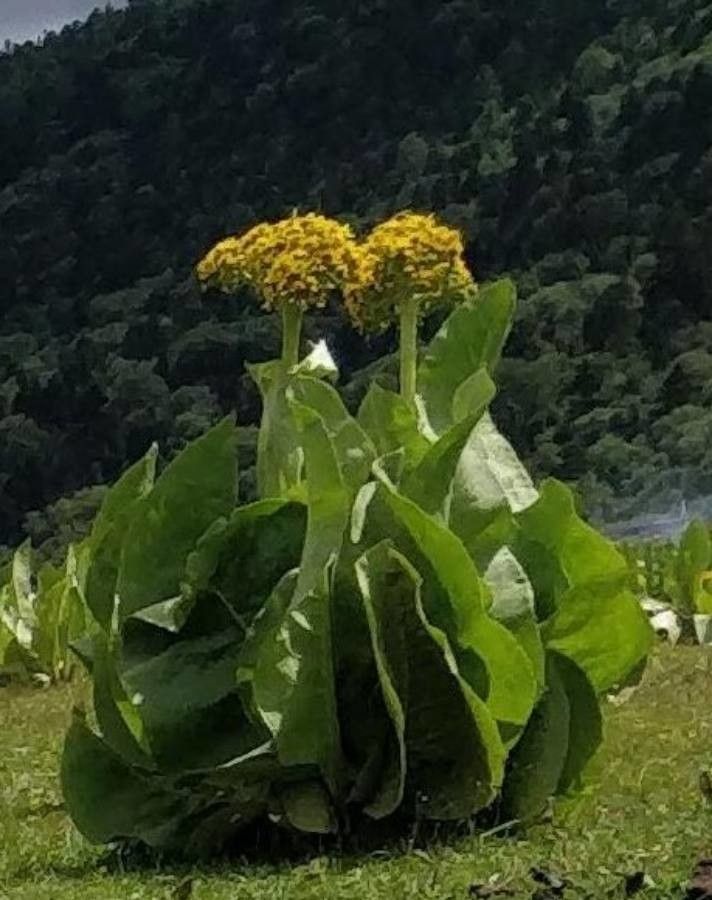
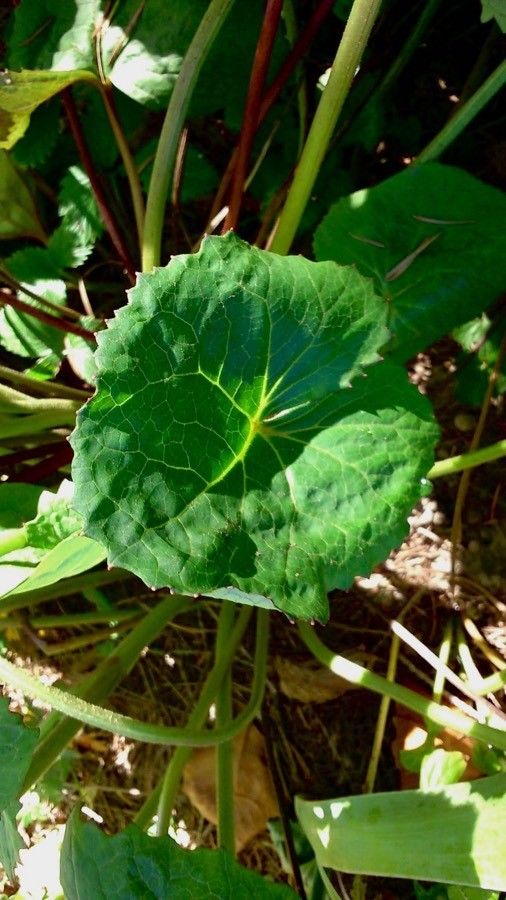
Ligularia sibirica is the type species for the genus Ligularia. It is a 0.3-1.3 m tall perennial herbaceous plant, native to fens and damp grassy meadows in Siberia, Central and Eastern Europe. Once fairly common, it has disappeared from many places in Europe, owing to drainage of wetlands and competition from other plants invading its natural habitats; when growing in shade plants do not flower or set seed very well and seed germination is greatly reduced. This species is sometimes grown in gardens for its large leaves and tall spike like arrangement of yellow daisy like flowers.
Siberian ligularia is fairly resistant to disease and generally not susceptible to illnesses. However, it can be vulnerable to pests and diseases present in its environment. These problems are usually minor. For care, this plant requires moderate maintenance. It should be pruned regularly to keep a good appearance and encourage healthy growth. Fertilizing can also help boost flowering. Siberian ligularia is suitable for anyone with outdoor space such as a garden or patio and does not demand much gardening experience. It may need extra care when kept indoors.
How to keep Ligularia Sibirica.
Light
Siberian ligularia thrives in places with abundant sunlight, which supports optimal growth. It can also tolerate locations where sun exposure is somewhat reduced. Both too much and too little sunlight can negatively affect Siberian ligularia's growth. Its native habitat was accustomed to plentiful sunlight.
Water
The Siberian ligularia, native to damp meadows, thrives in environments with consistent moisture. To maintain its lush foliage, it's ideal to water it weekly. As a herbaceous perennial, this plant requires sufficient water during the growing season to support vigorous growth and produce vibrant blooms.
Temperature
Siberian ligularia is native to temperate regions where average temperatures range from 32 to 90°F (0 to 32℃). It grows best within that range. In colder or warmer areas, adjust its environment seasonally to ensure optimal growth.
Fertilizer
For Siberian ligularia, the best time to fertilize is in early spring as the flowers begin to form. Using the proper fertilizer promotes stronger blooms and helps the plant produce attractive flowers. Fertilizing in early spring supports excellent flowering during the season and provides energy for dormant growth phases.
Pruning
To keep Siberian ligularia healthy and blooming beautifully, it is important to prune it from early to late spring. Focus on removing dead or damaged leaves and spent flower spikes, as this encourages new growth and improves blooming. Proper pruning helps maintain the plant's shape and vigor and also prevents disease. Be mindful of the plant's growth cycle to ensure that you don't accidentally remove any new buds.
Botanical profile.
- Plant Type
- Herb
- Life Cycle
- Perennial
- Genus
- Ligularia
- Family
- Asteraceae
- Hardiness Zone
- 3-7
- Mature Height
- 0.52 m to 1.07 m
- Mature Spread
- 91 cm
- Leaf Color
- Green, Blue
- Leaf Type
- Deciduous
- Flower Color
- Yellow, Orange
- Flower Size
- 3.05 cm to 4.06 cm
- Bloom Time
- Mid summer, Late summer
- Planting Time
- Spring, Summer, Autumn
- Harvest Time
- Early fall, Mid fall
Other names.
Reader questions.
What should I do if I give too much or too little water to my Siberian ligularia?
Overwatering is a common issue for Siberian ligularia and can cause wilting, yellowing leaves, and diseases like root rot, mold, and mildew. Underwatering is less common but can result in brittle, brown leaves. To prevent damage, it's important to recognize signs of overwatering early and reduce watering immediately. Check the soil's drainage and replace if necessary. If underwatering is observed, simply water more regularly until the signs improve.
Why is it important to add fertilizer to my Siberian ligularia?
Fertilization is important for Siberian ligularia because it provides essential nutrients for the plant's growth. Although the fertilization needs of Siberian ligularia are low, annual fertilization can greatly benefit the plant, promoting its survival and enhancing the quality and duration of its flowers. Therefore, those wishing to maintain the optimal appearance of their Siberian ligularia should prioritize regular fertilization.
What are the sunlight requirements for Siberian Ligularia?
Siberian Ligularia requires full sunlight, defined as more than 6 hours of sunlight daily, but can also adapt to partial sun, which is about 3-6 hours of sunlight. It is important to monitor the sunlight in your garden to ensure spots provide the right balance of light and shade. The plant's happiness depends on this perfect balance.
What is the optimal temperature range for Siberian ligularia?
Siberian ligularia, also known as Ligularia sibirica, is native to temperate climates and flourishes in a temperature range of 32 to 90°F (0 to 32°C). It's highly adaptable within this range, ensuring optimal growth when conditions are maintained accordingly. To achieve the best growth outcomes, especially in regions that experience colder or warmer climates, it's crucial to adjust the plant's environment throughout the different seasons, providing additional care to meet its climatic necessities.
How should I water my Siberian ligularia?
To properly water the Siberian ligularia, use filtered water at room temperature. Tap water may have harmful particles, so filtering it is preferable. The plant prefers warmer water since it comes from a warm environment and cold water can be a shock. Avoid overhead watering as it can lead to issues with the foliage. Instead, thoroughly soak the soil with your filtered room temperature water. This helps moisten the roots and aids in their spread through the soil, allowing them to gather necessary nutrients.
When should I fertilize my Siberian ligularia?
For the best results, it is recommended to fertilize your Siberian ligularia in late winter to early spring. This is when the plant is transitioning from dormancy to active growth. Fertilizing at this time promotes healthy growth and sets the plant up for a successful season. While early spring is the most advantageous, fertilizing in the fall is also acceptable. It is important to avoid fertilizing during the summer and winter seasons.
What are the essentials for growing Siberian Ligularia?
Siberian Ligularia thrives in an environment with generous sunlight exposure but can adapt to less direct sunlight areas. Both excessive or insufficient sunlight can negatively affect its growth. Indoors, adequate artificial lighting is crucial for optimal growth when natural sunlight is lacking, especially in winter or less sunny spaces. LED lights, recommended for indoor plant lighting, should provide specific wavelengths needed by the plant. Full sun plants require 30-50W/sq ft of artificial light, partial sun plants 20-30W/sq ft, and full shade plants 10-20W/sq ft. The appropriate distance and duration of artificial lighting mimic natural sunlight and daylight hours, essential for the plant's health.
How does Siberian ligularia cope with cold weather and frost?
Siberian ligularia exhibits a remarkable tolerance to cold weather, eliminating the need for special frost protection during winter months. An effective practice to enhance its resilience against cold is generously watering the plant before the onset of the first freeze in autumn. This ensures the soil remains moist and subsequently freezes, which aids in preventing drought and water scarcity for the plant during the winter and into early spring, fostering its vitality.
How frequently should I give water to my Siberian ligularia?
If your Siberian ligularia is in a pot, the most accurate way to determine if it needs water is by checking the soil moisture with your finger. If the top two to three inches of soil feel dry, then it is time to water it. Similarly, if you are growing your Siberian ligularia outdoors in the ground, you can use the same method to test the soil moisture. Once the top few inches of soil have dried out, it's a sign that it needs watering. Generally, during the spring and early fall, watering once a week using this method is sufficient. However, during periods of extremely hot weather, you may need to increase the frequency of watering to twice or more per week. Despite this, fully-grown and well-established Siberian ligularias have the impressive ability to withstand drought.
When is the best time to not fertilize my Siberian ligularia?
To avoid overfertilization and complications, it is best to only fertilize your Siberian ligularia in late winter and early spring. One annual feeding during this time is sufficient. Fertilizing during spring, summer, and fall can easily lead to overfertilization. The only exception is if you didn't fertilize in spring, then it is okay to feed the plant in fall. Additionally, there is no need to fertilize the plant during winter when it is in a dormant growth phase and not putting forth new growth.
What are the symptoms of light deficiency in Siberian Ligularia?
Siberian Ligularia may exhibit several symptoms when exposed to inadequate lighting, including smaller new leaves, leggy or sparse growth, faster leaf drop, slower or no new growth, and lighter-colored new leaves. Chlorosis, or the loss of leaf greenness and turning yellow, is due to excessive sunlight but can also occur with insufficient light. Other symptoms include sunscald, leaf curling, wilting, and leaf scorching, which are adverse effects of improper sunlight exposure.
What should be done if the temperature drops below -35°C for Siberian ligularia?
While Siberian ligularia is notably cold-tolerant, it struggles when winter temperatures plummet below -35°C. Under such extreme conditions, the plant may not exhibit immediate harm but could experience reduced sprouting or fail to sprout at all come spring. To mitigate this, it's advisable to remove any parts of the plant that have not sprouted during the spring, aiding in the rejuvenation and overall health of the Siberian ligularia.