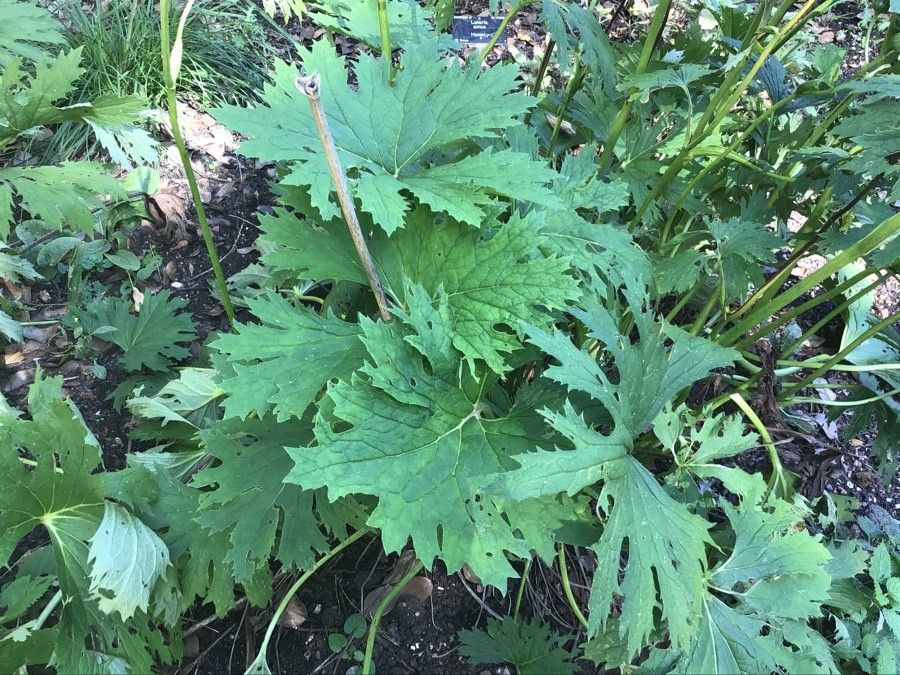
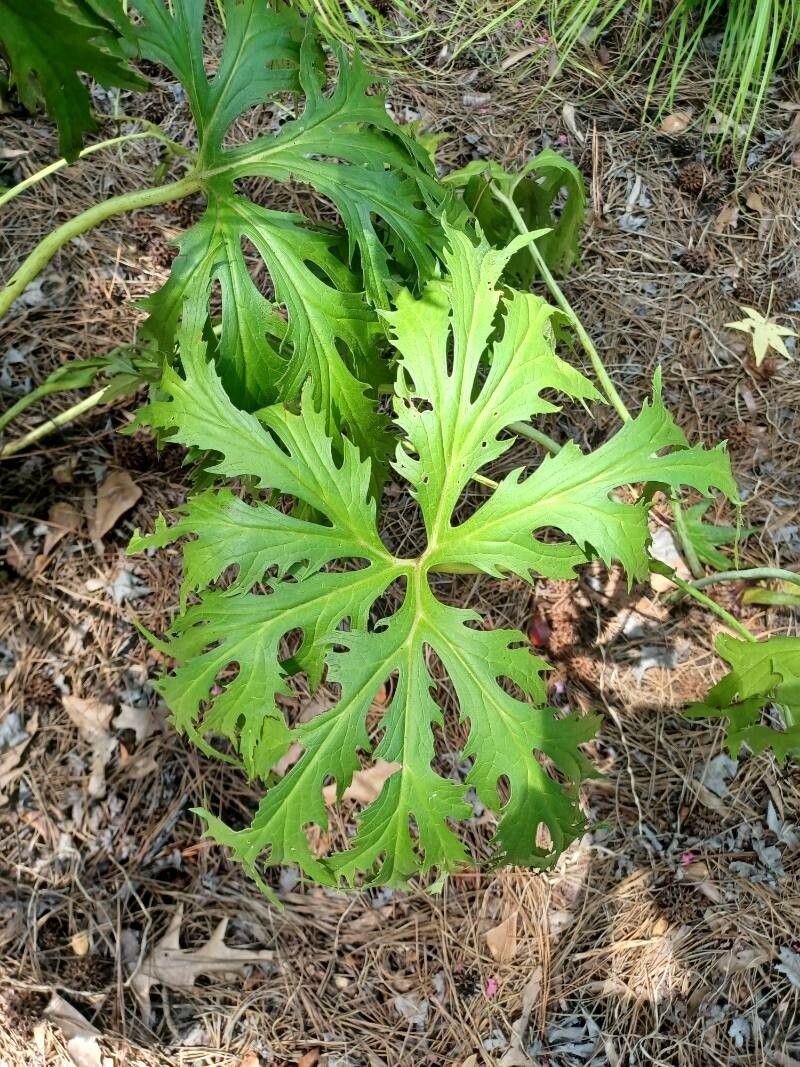
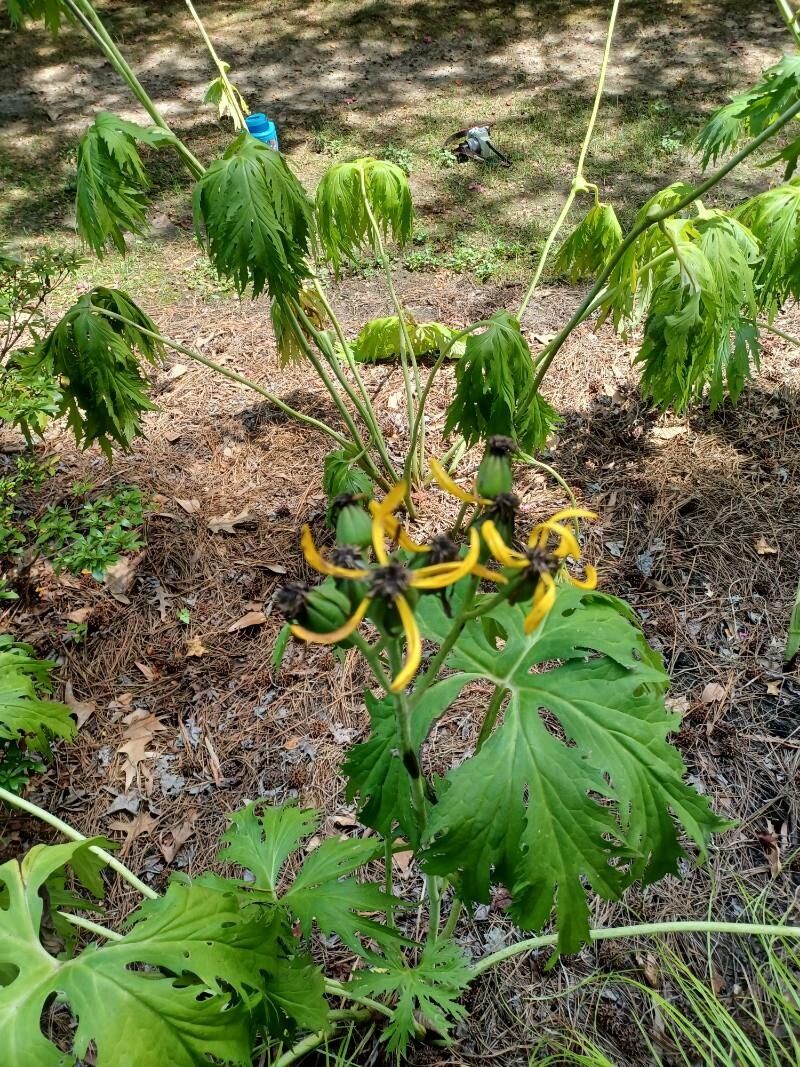
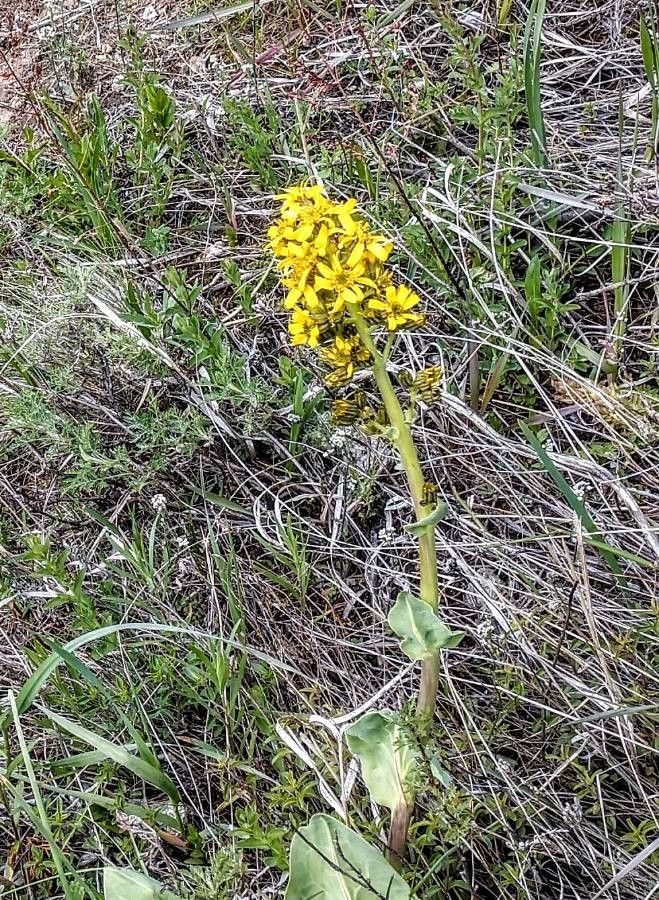
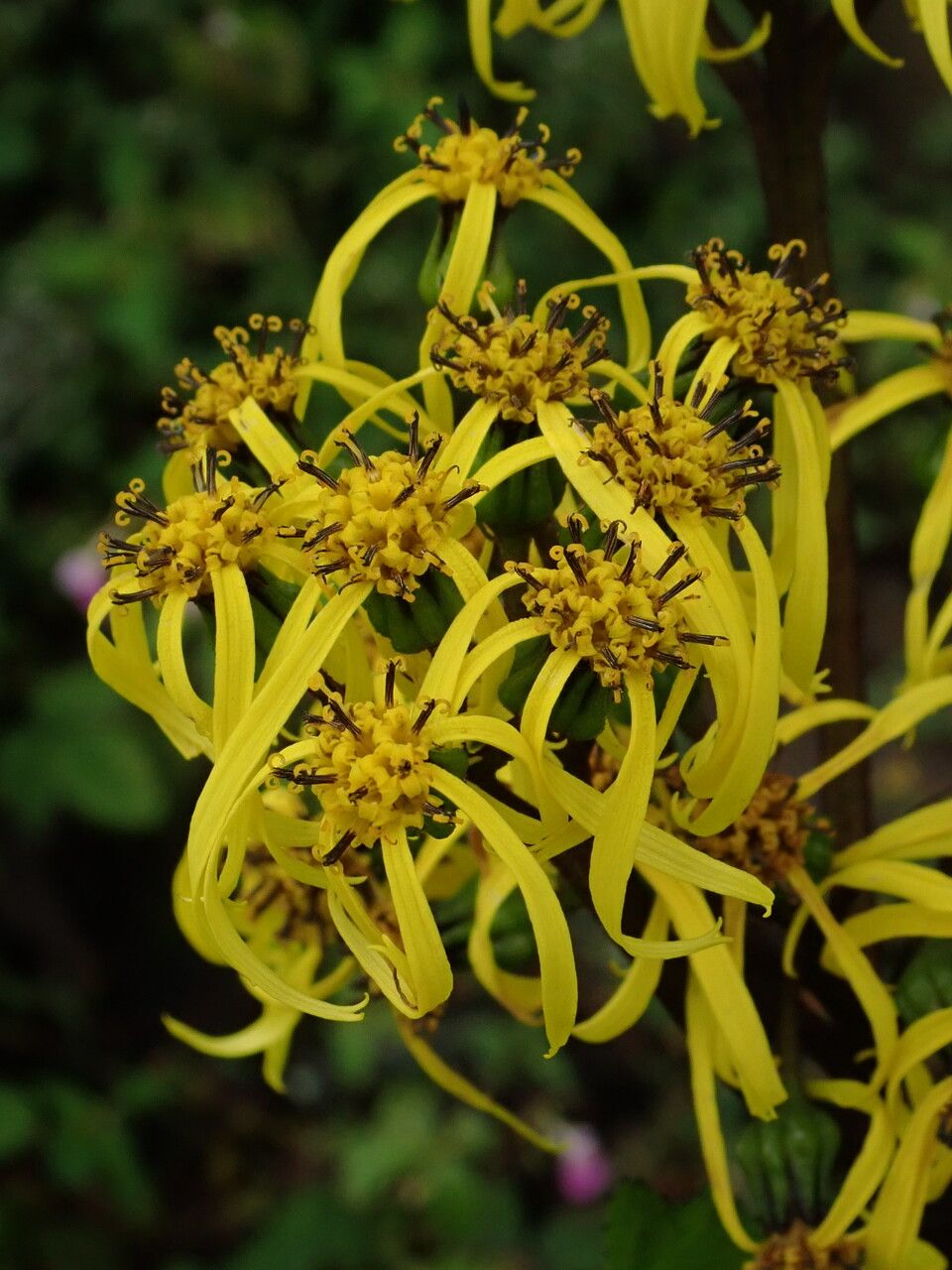
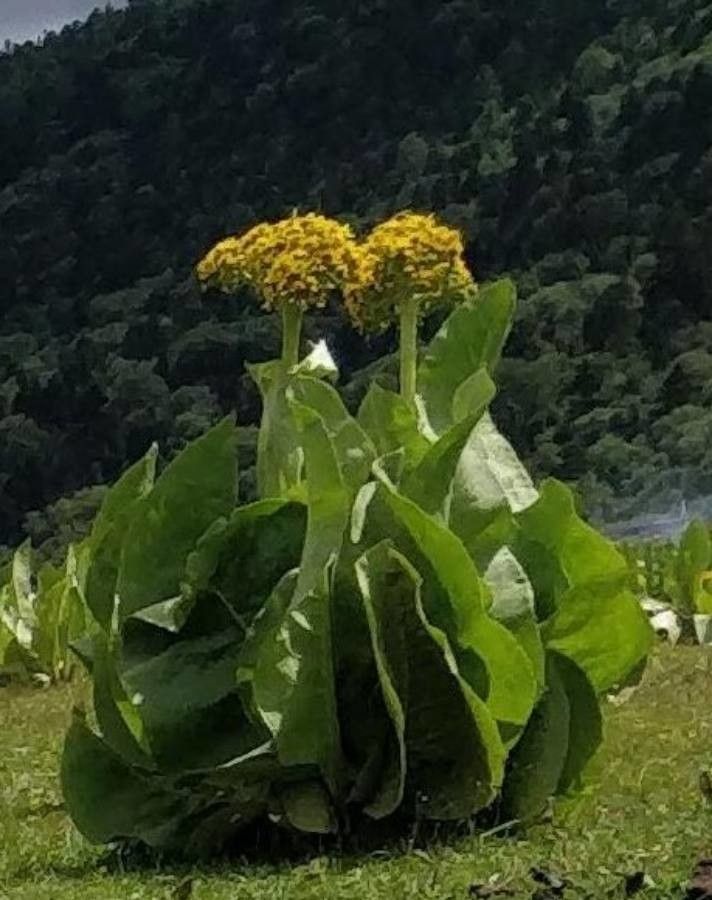
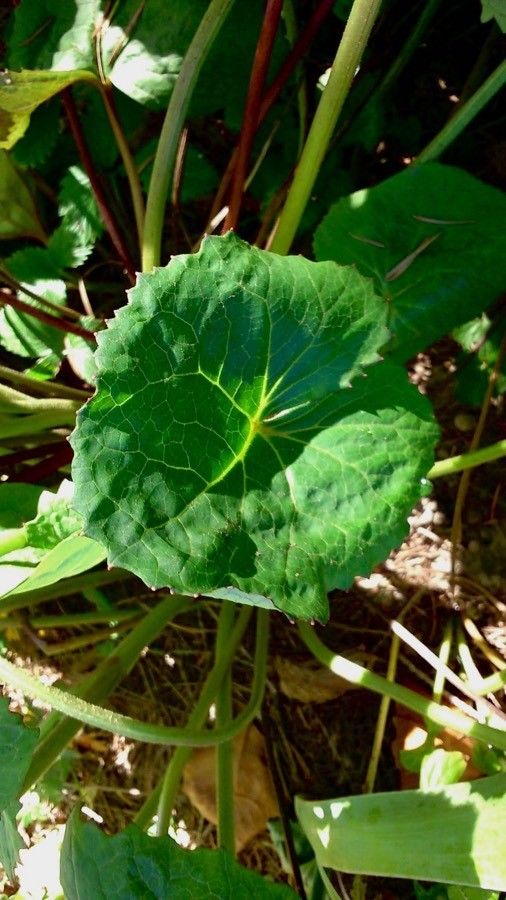
Japanese ligularia is fairly resistant to disease and typically does not suffer from illnesses. Still, it can be vulnerable to pests and diseases present in its environment. These problems are usually not serious. Care-wise, the plant requires moderate attention. It should be pruned regularly to preserve an attractive appearance and healthy growth. Fertilizing can also encourage it to bloom. Japanese ligularia is appropriate for anyone with outdoor space, such as a garden or patio, and does not demand extensive care experience. It may need more attention if grown indoors.
How to keep Ligularia Japonica.
Light
Japanese ligularia favors locations with a moderate amount of sunlight. This inclination reflects its native habitat, which likely includes places with filtered sunlight that offer suitable conditions. It can also adjust to environments with limited light. Too much sun or too little can negatively affect its growth.
Water
Japanese ligularia thrives in moist environments and requires consistently hydrated, evenly moist soil. Although it has moderate drought tolerance, it benefits from weekly watering to maintain its lush foliage. Usually grown outdoors, Japanese ligularia does well in areas where rainfall patterns keep the soil moist without becoming waterlogged.
Temperature
Japanese ligularia is native to temperate regions and prefers temperatures from 41 to 89.6 °F (5 to 32 ℃). During extremely cold winters or very hot summers, seasonal adjustments may be needed to maintain its health.
Fertilizer
For Japanese ligularia, the key time to fertilize is in early spring as the flowers are forming. The proper fertilizer promotes better blooms and helps Japanese ligularia produce attractive flowers. Fertilizing in early spring ensures excellent flowers during the season and supplies energy for dormant growth phases.
Pruning
To keep Japanese ligularia healthy and vibrant, prune it from early to late spring. During this time, remove any damaged leaves, trim back spent flower stems, and shape the plant to encourage robust growth. Pruning in the spring allows the plant to recover quickly, boosting its vitality and enhancing its ornamental appeal throughout the growing season.
Botanical profile.
- Plant Type
- Herb
- Life Cycle
- Perennial
- Genus
- Ligularia
- Family
- Asteraceae
- Hardiness Zone
- 4-8
- Mature Height
- 49 cm to 91 cm
- Mature Spread
- 0.91 m to 1.22 m
- Leaf Color
- Dark Green
- Leaf Type
- Semi-evergreen
- Flower Color
- Yellow, Orange
- Flower Size
- 7.62 cm to 10.16 cm
- Bloom Time
- Mid summer, Late summer
- Planting Time
- Spring, Summer, Autumn
- Harvest Time
- Early fall, Mid fall
- Native Area
- Koppen, Japan, India, China
Other names.
Reader questions.
What type of sunlight is required for Japanese Ligularia?
Japanese Ligularia flourishes in areas receiving moderate sunlight, mirroring the filtered sunlight conditions of its native habitat. It is capable of adapting to both partial sun, which consists of about 3-6 hours of sunlight, and full shade conditions, defined as less than 3 hours of sunlight per day. Excess or insufficient sunlight can both negatively impact the plant's growth.
What are the ideal temperature conditions for Japanese ligularia?
Japanese ligularia is native to temperate environments and prospers when the temperature ranges between 41°F (5°C) and 89.6°F (32°C). This plant possesses a strong resistance to cold, allowing it to typically withstand winter without the need for special frost protection measures. However, it's essential to make seasonal adjustments during extremely cold winters or hot summers. If winter temperatures are anticipated to fall below -30°C, protective measures, such as covering the plant with soil or straw, should be taken. Furthermore, watering the plant abundantly before the first freeze in autumn to keep the soil moist can help prevent drought and water scarcity during the colder months.
What are the recommended practices for using artificial lighting with indoor plants?
For indoor plants requiring more light, especially in lower natural light conditions like winter, artificial lighting is a recommended solution. Opt for LED lights as they can be adjusted to provide specific light wavelengths needed for plant growth. Full sun plants should receive 30-50W/sq ft, partial sun plants 20-30W/sq ft, and full shade plants 10-20W/sq ft of artificial light. Position the light source 12-36 inches above the plant, simulating natural sunlight conditions, and ensure the plants get 8-12 hours of light per day for optimal growth.
How does Japanese ligularia react to low and high temperatures, and what are the solutions?
Japanese ligularia demonstrates considerable tolerance to cold, thriving best above 5°C and needing protection when temperatures drop below -25°C. In instances where the temperature falls beneath -30°C, the plant may not exhibit immediate changes but could face a decrease in sprouting or fail to sprout in the spring. The recommended solution is to remove any parts that didn't sprout come springtime. In contrast, during summer, it's best to keep the plant below 32°C because exposure to temperatures above 35°C can result in lighter-colored leaves, curling, susceptibility to sunburn, and in severe cases, wilting and dryness of the entire plant. To address high-temperature stress, trim the sunburned and dried sections of the plant, relocate it to a shaded area or use a shade cloth to protect it from the midday and afternoon sun, and water it in the morning and evening to maintain soil moisture.
What are the symptoms of insufficient light on Japanese Ligularia when grown indoors?
Insufficient light can cause several growth issues in Japanese Ligularia. New leaves may appear smaller, and the plant might exhibit leggy or sparse growth due to longer spaces between leaves or stems. Early leaf drop can occur as the plant sheds older leaves to conserve resources, leading to delayed or halted growth. Leaves may develop lighter colors or show signs of chlorosis (yellowing), indicating a lack of chlorophyll. Additionally, symptoms such as sunscald, leaf curling, wilting, and leaf scorching can manifest, reflecting the adverse effects of inappropriate sunlight exposure.
How can I address and correct sunlight-related issues for my Japanese Ligularia?
To mitigate sunlight-related issues for Japanese Ligularia, gradually increase the plant's exposure to sunlight by shifting it to sunnier spots each week until it achieves 3-6 hours of direct sunlight daily. For large or non-movable plants indoors, use artificial lighting like desk or ceiling lamps for at least 8 hours a day or invest in specialized plant grow lights. When correcting outdoor plant positioning, avoid drastic changes to prevent sunburn, moving plants gradually to sunnier locations. Prune obstructions like tree branches to improve sunlight access. If necessary, transplant smaller plants during their dormant period to a site with better light and drainage, ensuring minimal obstruction to sunlight.
What is the importance of sunlight movement in garden planning for plant health?
Understanding how sunlight moves through your garden is crucial for plant health, as it helps in selecting spots that provide the ideal balance of light and shade suitable for different plants. This ensures plants like Japanese Ligularia receive the appropriate amount of light they need to thrive, whether it's partial sun or full shade. Watching the sunlight's path allows gardeners to optimize plant placement, enhancing growth conditions and the overall health of the garden.