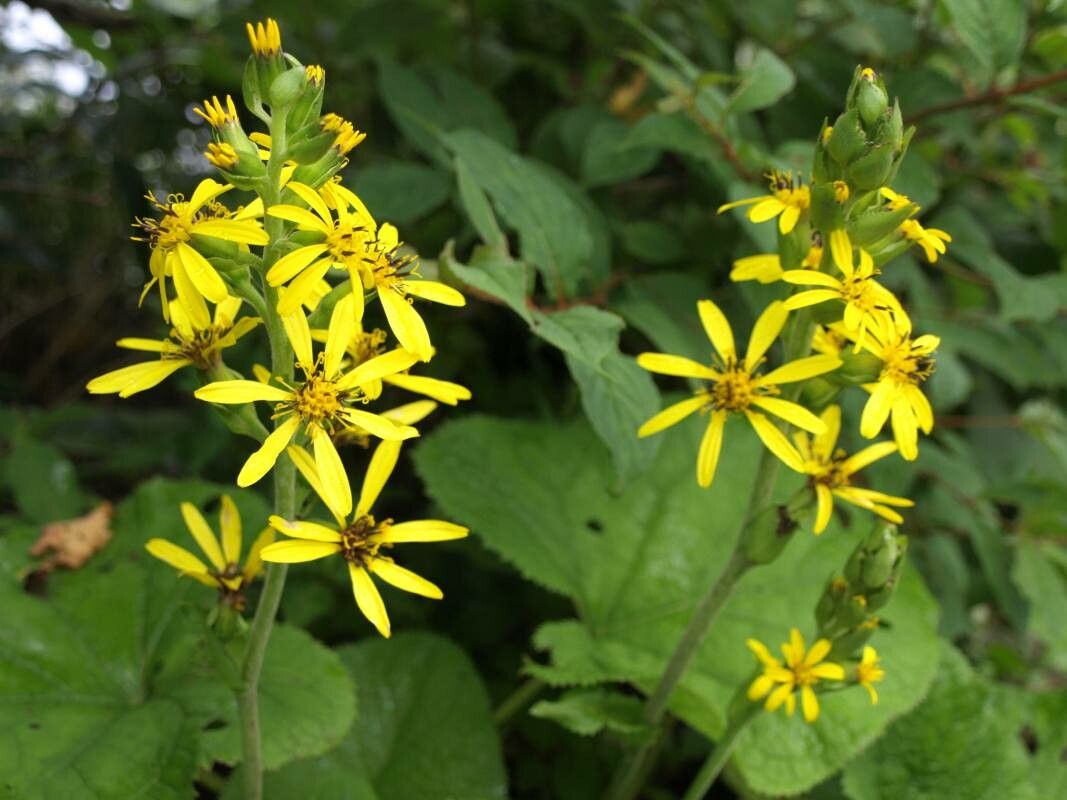
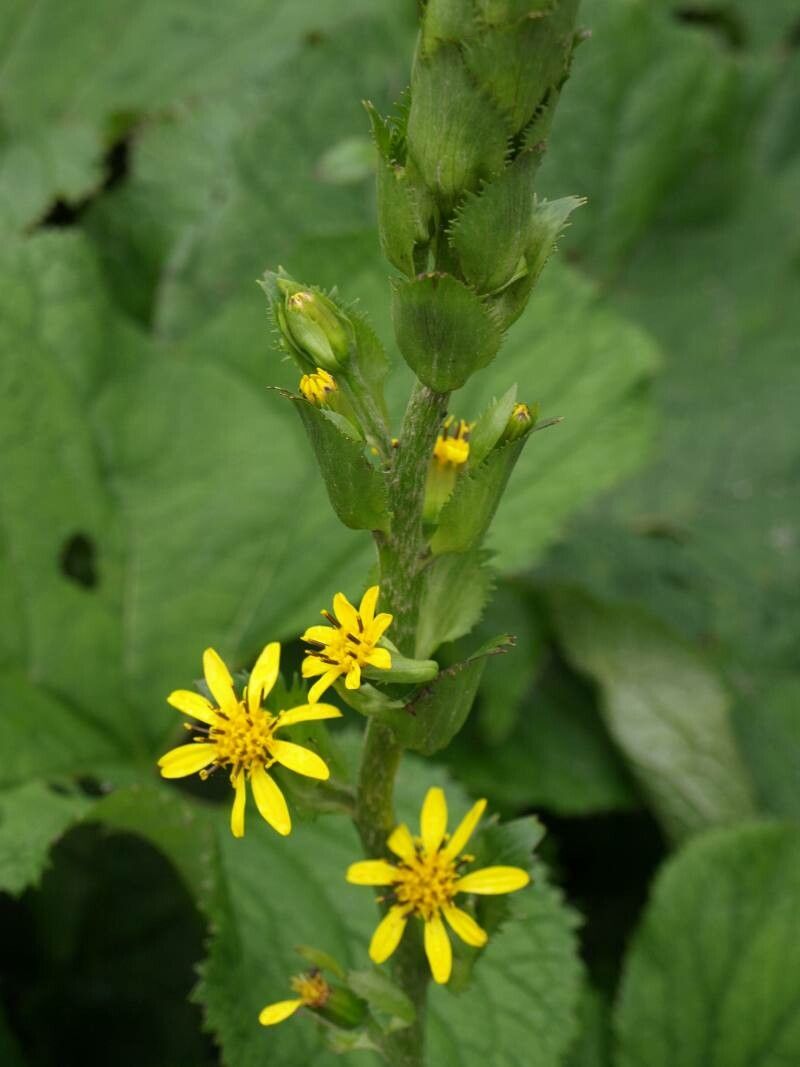
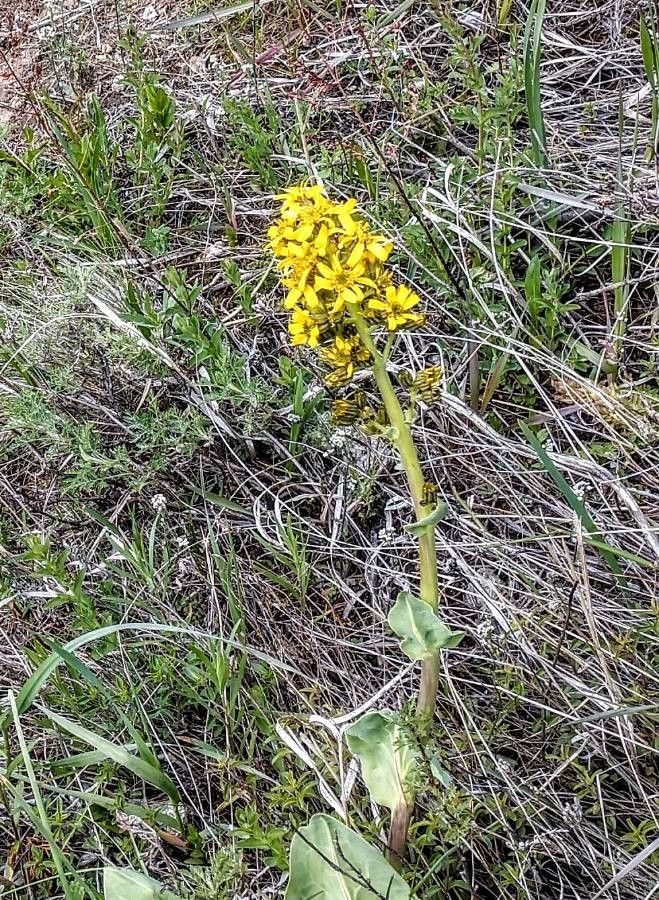
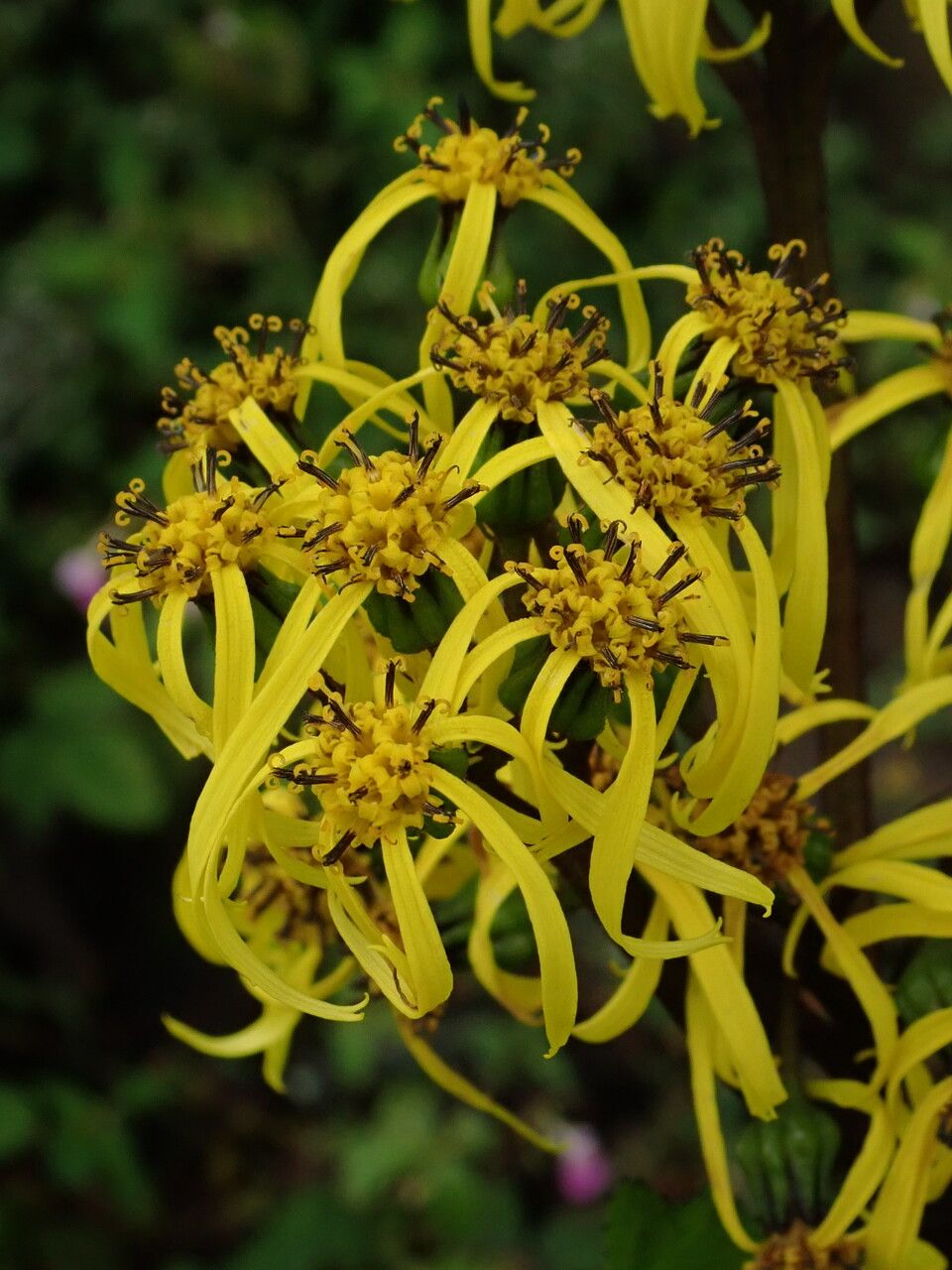
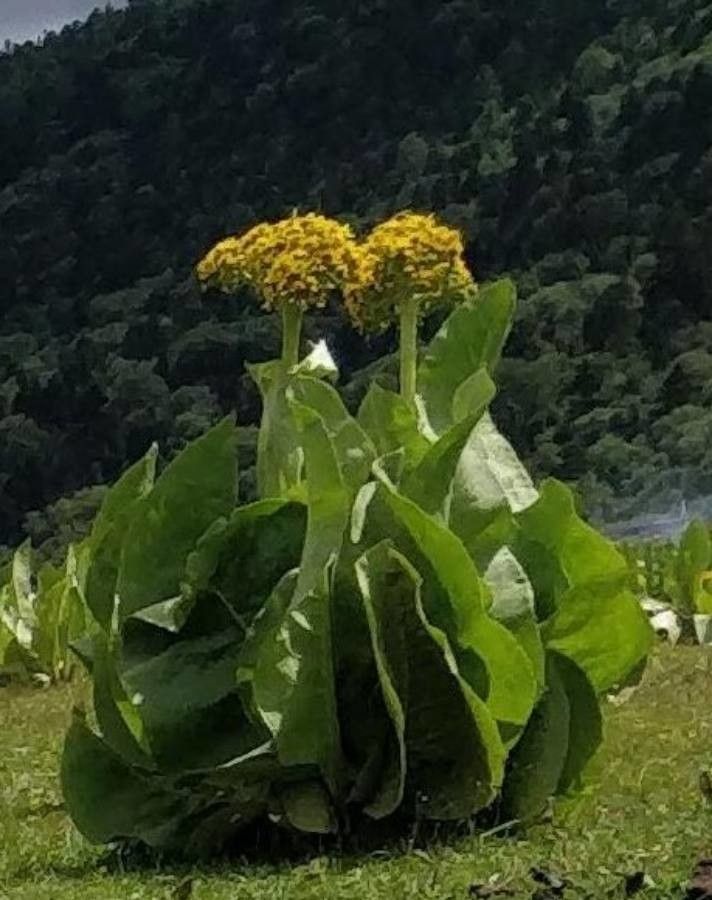
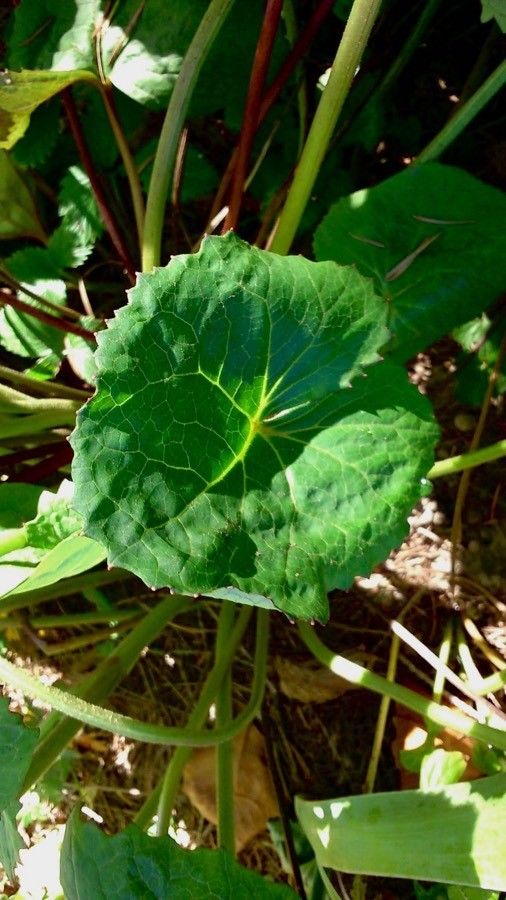
Ligularia fischeri, known as gomchwi, Fischer's ragwort, or Fischer's leopard plant, is a species in the genus Ligularia (family Asteraceae). It is native to east Asia.
Leopard plant has moderate resistance to disease but can be susceptible to problems such as leaf spot. Its sensitivity to insect pests varies by variety, though most varieties are relatively less resistant to pests. For care, the plant requires regular watering and fertilization, and yellow leaves should be pruned frequently. It is important to address pests and diseases as they appear and to harvest the plant promptly. Leopard plant is appropriate for people who can dedicate some time and effort to ongoing care.
How to keep Ligularia Fischeri.
Light
The leopard plant prefers full sun exposure, although it can tolerate a moderate amount of shade. Sunlight is vital for its vigorous growth. In its native environment it flourishes in direct sunlight. Too little sun will inhibit its growth and vigor, while too much can scorch it.
Water
The leopard plant flourishes in moist environments and needs consistent hydration. It prefers soil that remains consistently damp, without any dry spells. To maintain its moisture requirements, water it weekly. Although often grown outdoors, the leopard plant is ideal for lush, rain-soaked gardens where it can benefit from natural rainfall patterns.
Temperature
Leopard plant prefers moderate temperatures, similar to those most people find comfortable. It does well in conditions that are neither too hot nor too cold. The primary problem with high temperatures is the danger of sunburn, so providing some shade in summer is recommended to avoid excessive heat. When temperatures fall, the Leopard plant becomes dormant. If continuous growth is wanted, higher temperatures must be maintained during winter. Frost can damage the plant and should be avoided.
Fertilizer
To maximize the yield and flavor of Leopard plant, provide sufficient nitrogen throughout the entire growth cycle, from before planting through harvest. Plants that are well watered and fertilized produce plentiful, healthy leaves and tend to be less bitter. Before planting, amend the soil with organic matter such as compost or manure, ideally 2 to 8 weeks beforehand.
Pruning
The leopard plant is known for its striking, serrated leaves and bright yellow flowers. It thrives when pruned annually, ideally from early to late spring. This practice promotes healthy growth, clears away dead foliage, and improves airflow around the plant. To ensure the best results, use clean and sharp tools, which help prevent overcrowding and maintain a vibrant garden aesthetic.
Botanical profile.
- Plant Type
- Herb
- Life Cycle
- Perennial
- Genus
- Ligularia
- Family
- Asteraceae
- Hardiness Zone
- 4-8
- Mature Height
- 0.76 m to 2.13 m
- Mature Spread
- 49 cm to 76 cm
- Leaf Color
- Green
- Leaf Type
- Semi-evergreen, Deciduous
- Flower Color
- Yellow, Gold
- Flower Size
- 1.02 cm to 1.78 cm
- Bloom Time
- Mid summer, Late summer
- Planting Time
- Spring, Autumn
- Harvest Time
- Early fall, Mid fall
- Native Area
- Russia, Nepal, India, Myanmar, Mongolia, Japan, Koppen, Bhutan, South Korea, China
Other names.
Reader questions.
What kind of sunlight does Leopard plant need?
The Leopard plant requires full sun every day, as it needs at least six hours of sunlight to maintain healthy leaves, roots, and blooms. While many perennials also require six hours of sunlight, some plants like the Orange Daylily or Giant Coreopsis can survive on just three hours of sun each day. However, these flowering plants will not thrive as well in less sunlight compared to sunnier conditions.
What will happen if the Leopard plant doesn't get enough sunlight?
If your Leopard plant isn't receiving enough sunlight, it will show signs of not having its needs met. Most plants won't produce as many blooms compared to those with full sun exposure. Some plants may develop dry spots on their leaves, but they can still bloom in less sunlight. However, the flowers will be smaller and less abundant.
How many hours of light does the Leopard plant need every day to grow well?
To ensure optimal growth and blooming of your Leopard plant, it's essential to provide at least six hours of direct sunlight. However, certain perennial plants may require even more sunlight, up to twelve hours, depending on the local heat and environment. For instance, plants like Red Hot Poker and Giant Coreopsis thrive in hotter climates and can withstand intense sunlight. In cases where outdoor sunlight is limited, some home gardeners resort to using grow lights. While most perennials can grow well under artificial light, they typically need between eight to fourteen hours of exposure to compensate for the lower intensity compared to natural sunlight.