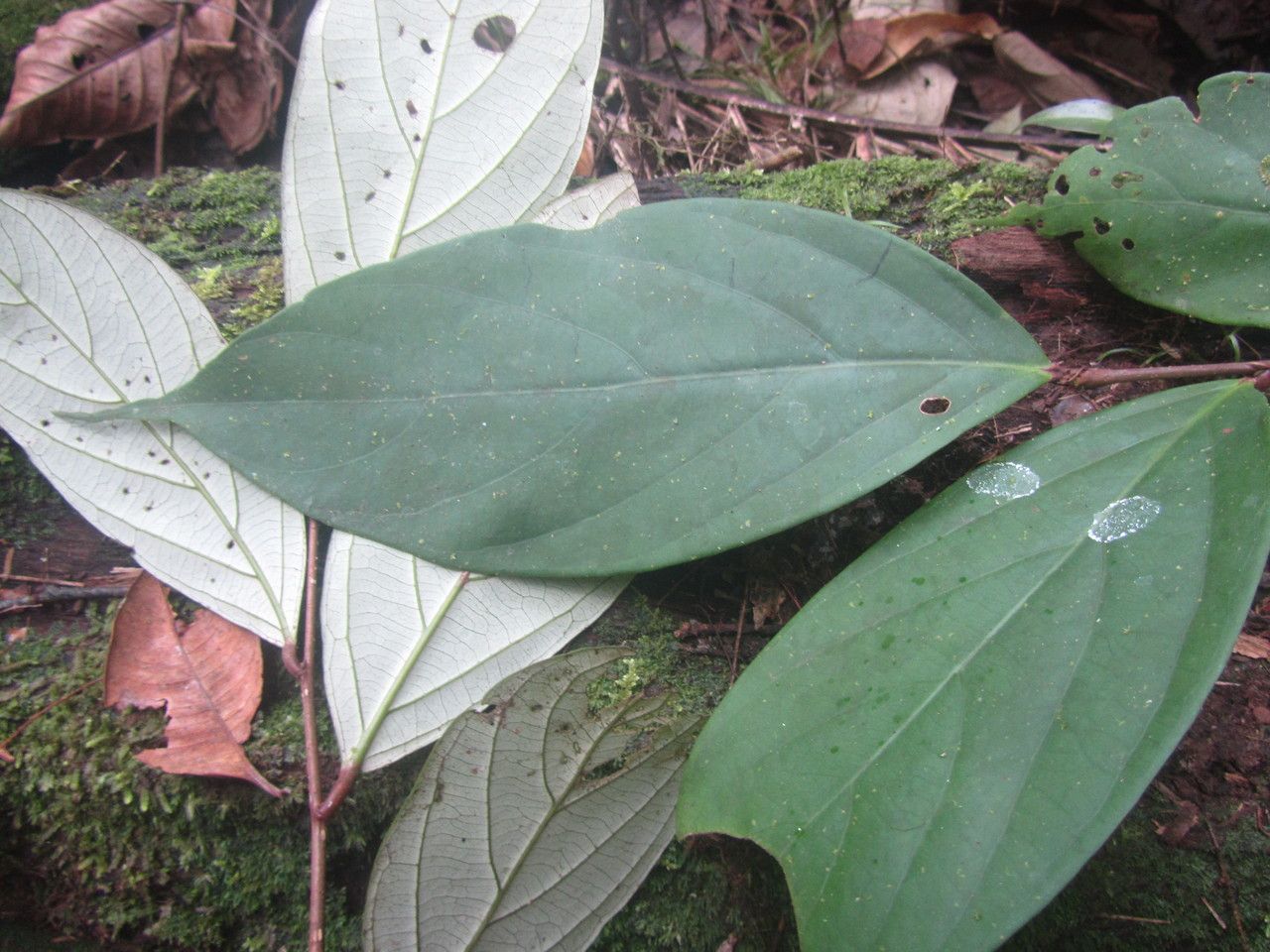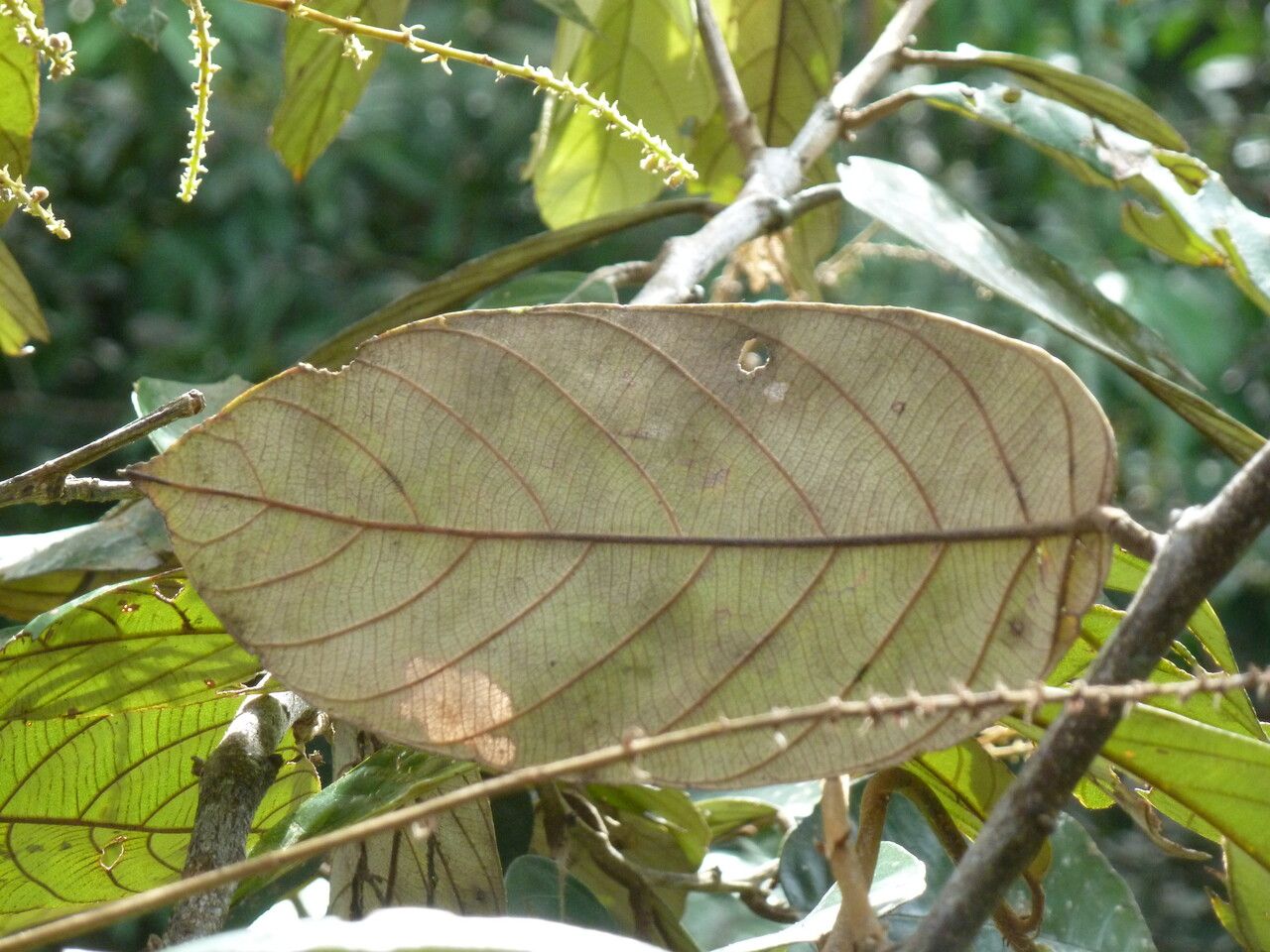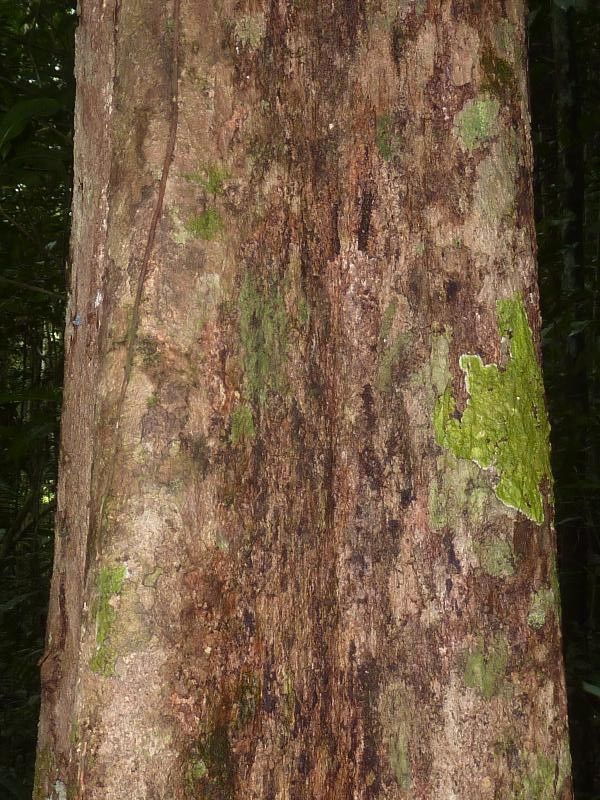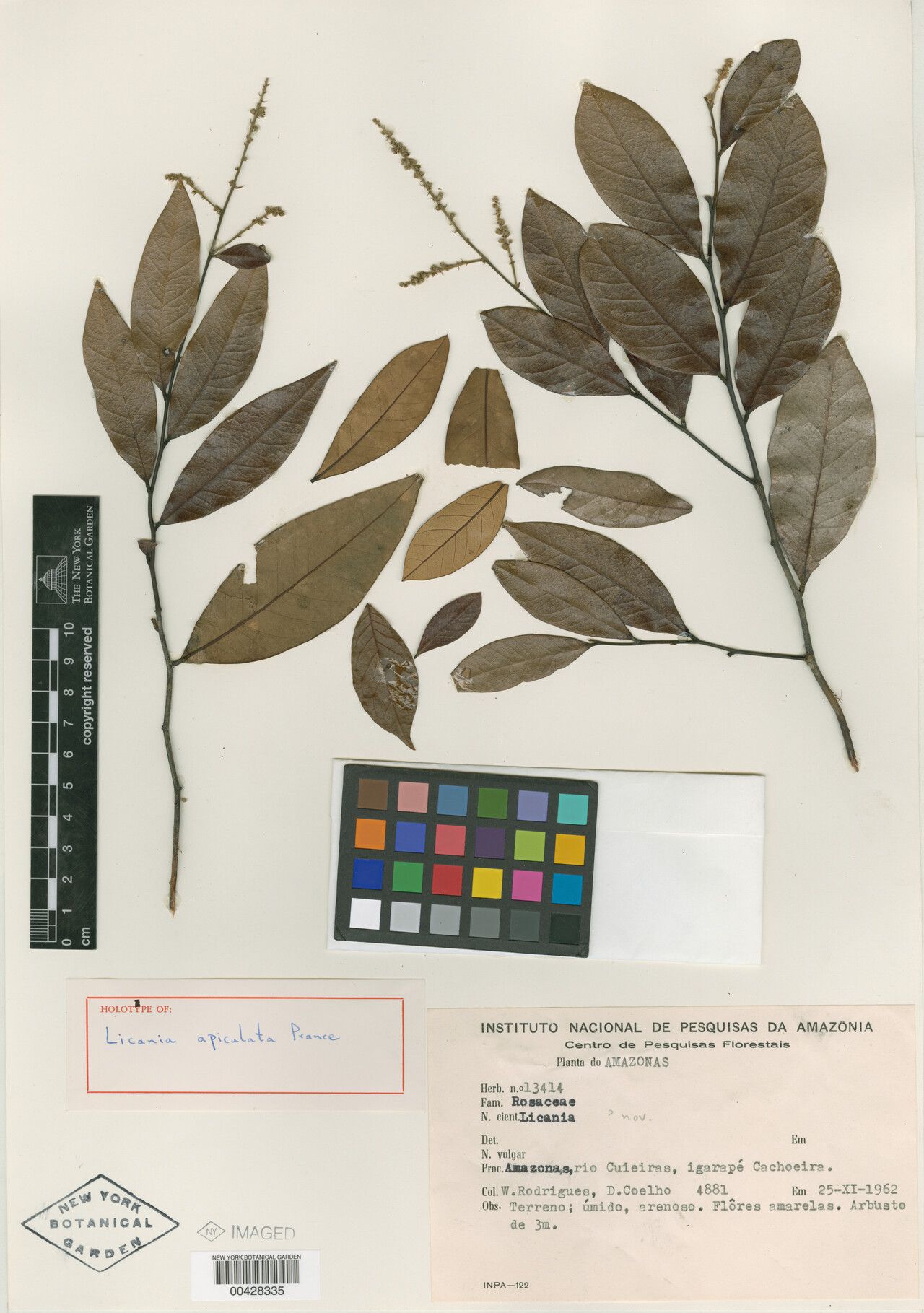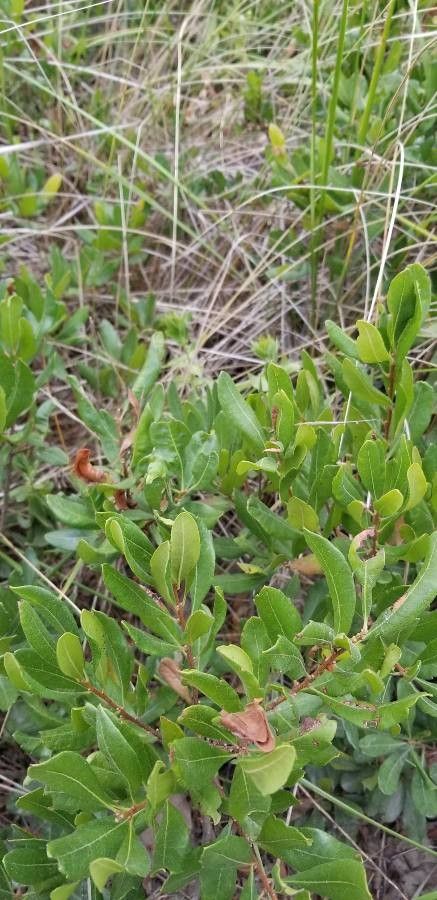
Licania michauxii, commonly known as gopher apple, is an evergreen shrub. It grows in the sandhills of peninsular Florida as well as coastal Mississippi and Georgia. Its fruit is eaten by wildlife and is being used in cancer research. The fruit is a food source for the gopher tortoise.
Gopher apple is resistant to diseases and typically not susceptible to them. With regard to care, this plant is fairly low-maintenance. When grown outdoors it needs little watering, and larger specimens usually do not require pruning. Smaller plants, however, should be pruned after they have finished blooming. Gopher apple is appropriate for anyone who has an outdoor space, such as a garden or a deck, and does not demand extensive gardening experience.
How to keep Licania Michauxii.
Light
Gopher apple prefers habitats that receive an abundant amount of natural light for most of the day. It can also adapt to locations that get sun for part of the day. Excessive or insufficient light exposure can affect the plant's healthy growth and development. This light preference reflects the lighting conditions of its original growing environment.
Water
Gopher apples thrive in sandy soils and require minimal watering, needing it only every 2-3 weeks. Well-draining soil is essential to prevent root rot and support their growth cycles, which reflects their drought-resistant nature and adaptation to sporadic rainfall.
Temperature
Gopher apple is naturally adapted to a native growing environment that generally falls within the temperature range of 59 to 100.4 °F (15 to 38 ℃). It thrives in these temperate conditions, and during colder seasons temperature adjustments may be necessary to recreate its natural habitat.
Fertilizer
To encourage healthy growth, fertilize your Gopher apple in early spring. Regular feeding improves overall health, producing robust growth, increased tolerance to harsh conditions, and enhanced resistance to diseases and pests. Keep to a defined fertilization schedule for your Gopher apple to maintain foliage that is vibrant, deeply colored, and lush.
Pruning
The Gopher apple plant benefits from its dense foliage and thrives with proper winter pruning. To improve air circulation, remove any dead branches and thin out crowded areas. Rejuvenation pruning encourages new growth, while heavy pruning during the plant's active growth period can stress it. Regular pruning enhances both the plant's vigor and visual appeal.
Botanical profile.
- Plant Type
- Shrub
- Life Cycle
- Perennial
- Genus
- Licania
- Family
- Chrysobalanaceae
- Hardiness Zone
- 8-11
- Mature Height
- 30 cm
- Mature Spread
- 8 cm to 46 cm
- Leaf Color
- Green, Blue
- Leaf Type
- Evergreen
- Flower Color
- White
- Flower Size
- 0.25 cm to 0.51 cm
- Bloom Time
- Late spring, Early summer
- Planting Time
- Spring, Summer, Autumn
- Harvest Time
- Late summer, Early fall, Mid fall
Other names.
Reader questions.
What will happen if the Gopher apple doesn't get enough sunlight?
Gopher apple plants can show signs of inadequate sunlight by becoming pale green or having drooping, yellow leaves. It is normal for some leaves to drop, but if no new ones grow in their place, there may be an issue. When Gopher apple plants do manage to grow in low light, the new growth is usually weak, pale, and easily infested by insects. Adjusting the lighting conditions can greatly improve the plant's health.
Should I change the temperature for Gopher apple at different stages of growth?
To ensure successful growth of Gopher apple, it is important to research and maintain the appropriate temperature. Some growers may choose to lower the plants' thermostats during the growing season to save on HVAC costs. However, it is crucial to understand that temperature has a significant impact on flowering, pest management, and overall plant quality. During the winter, certain species of Gopher apple may enter a dormant state, causing growth to stop. As the season changes and the base temperature increases, the Gopher apple can grow more rapidly. Species native to warm habitats generally have higher optimum temperatures compared to those adapted to cooler climates. Exposing Gopher apple seeds to cooler temperatures can result in reduced uniformity and delays. It may be necessary to reduce the temperature specifically during flowering, but not during other stages. Additionally, cooler nighttime temperatures will require less water, so irrigation should be adjusted accordingly.
Does the Gopher apple require specific sunlight care as it grows?
New leaves are easily sunburned, particularly in very young Gopher apple plants during periods of rapid growth like late spring and early summer. These plants are more sensitive to intense sun and heat compared to mature ones or those in a dormant fall growth stage. Additionally, Gopher apple plants obtained from a nursery are often unaccustomed to strong direct sunlight, so they should be gradually acclimated to it.
How can I keep Gopher apple warm without using a heat pad?
If you don't want to use a heat pad, it's best to bring the Gopher apple inside, especially if it's freezing outside. In the springtime, think about which ones you need to bring indoors and put them in pots or containers that you can easily move around.
Are there any warnings or advice for sunlight and Gopher apple?
When recently transplanted, Gopher apple may experience shock and require careful care. This can involve providing shade from strong afternoon sun or placing the plant in a protected area. On hot days, you may notice the leaves of the Gopher apple drooping, which is typically not a cause for concern. This drooping is a natural mechanism for the plant to conserve water and protect its roots from burning. However, if the leaves remain droopy in the evening or the following morning, it is an indication that the plant needs to be watered. It is important to avoid watering during the hottest parts of the day as wet leaves can easily get scorched by sunlight. Gopher apple that is underwatered tends to be weaker than those with consistently moist soil. This can result in weak roots that are unable to protect the leaves on sunny summer days by diverting water away from them. To care for an underwatered plant, it is recommended to give it a thorough watering and then allow the top two inches of soil to dry out before the next watering. Even if the plant loses its leaves, proper care will stimulate new growth.