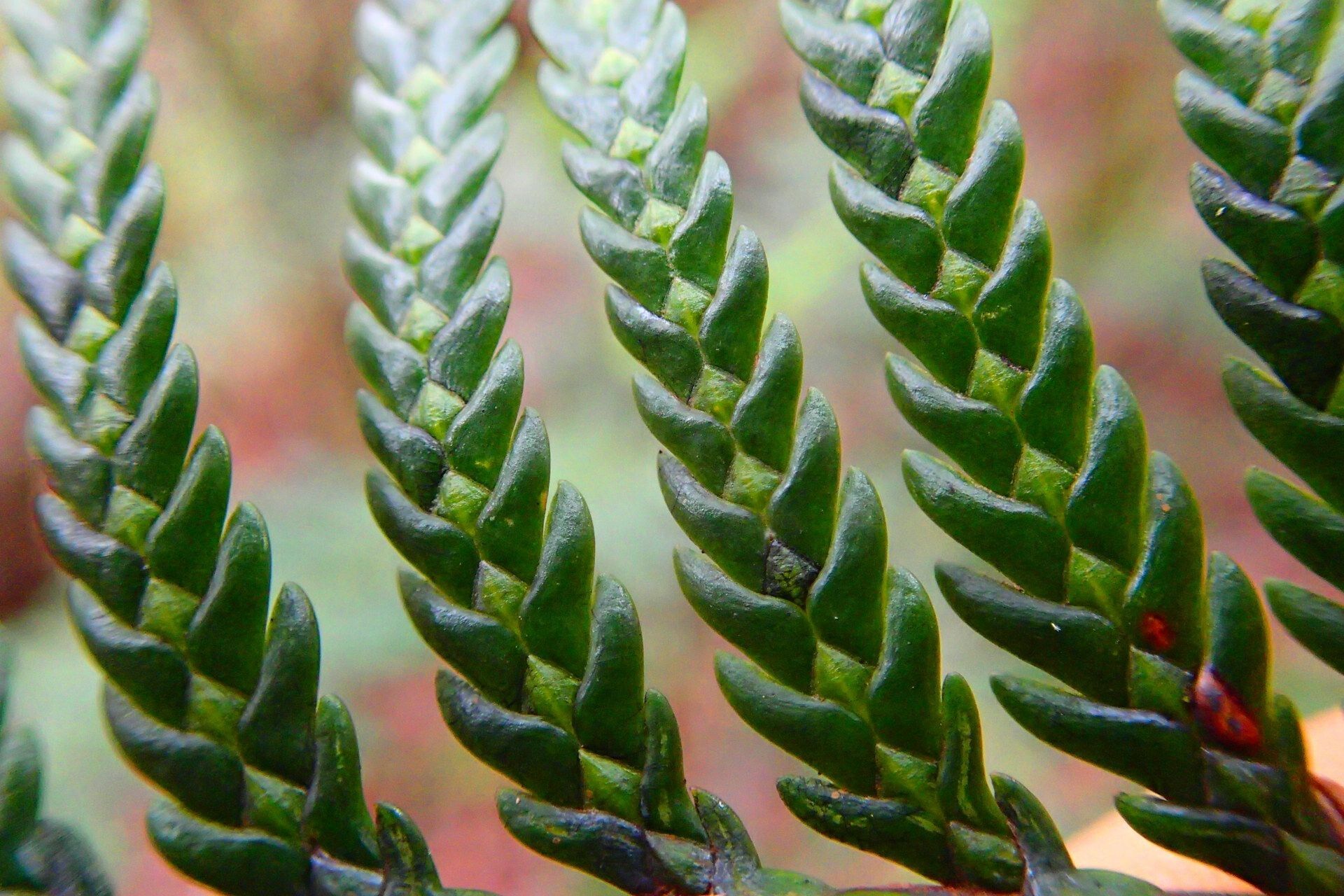
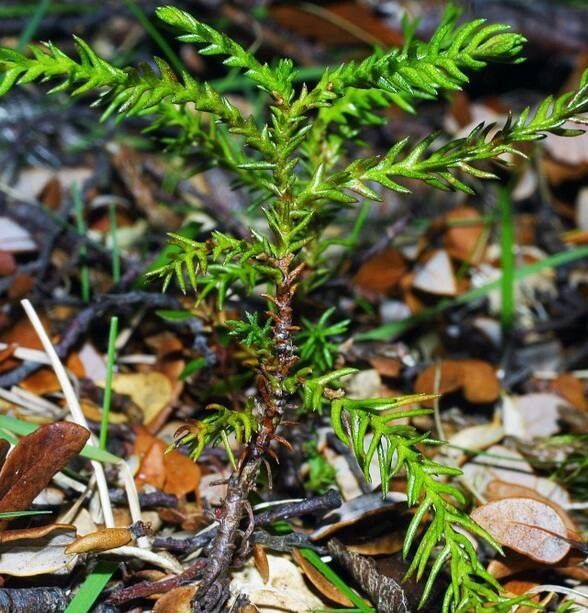
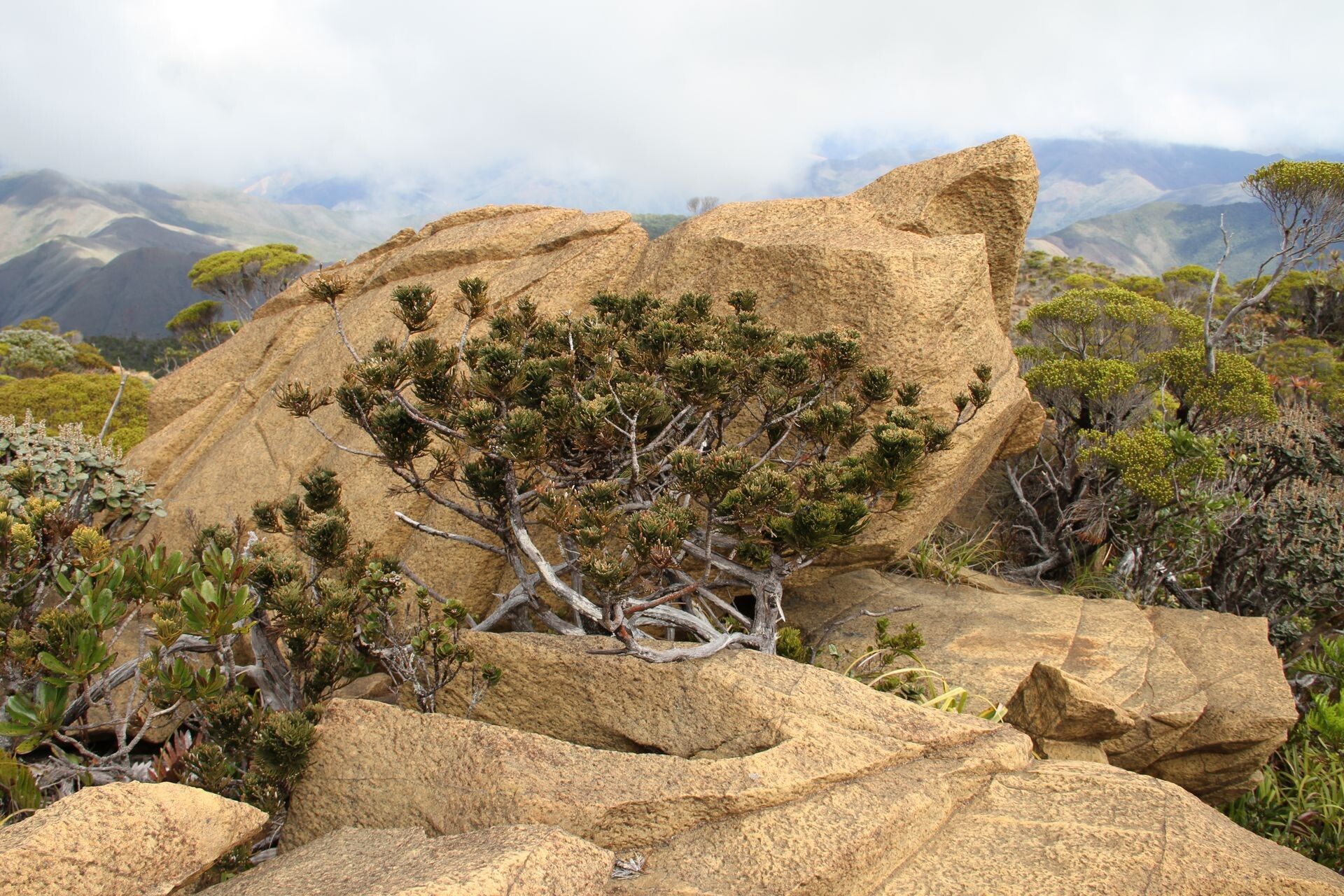
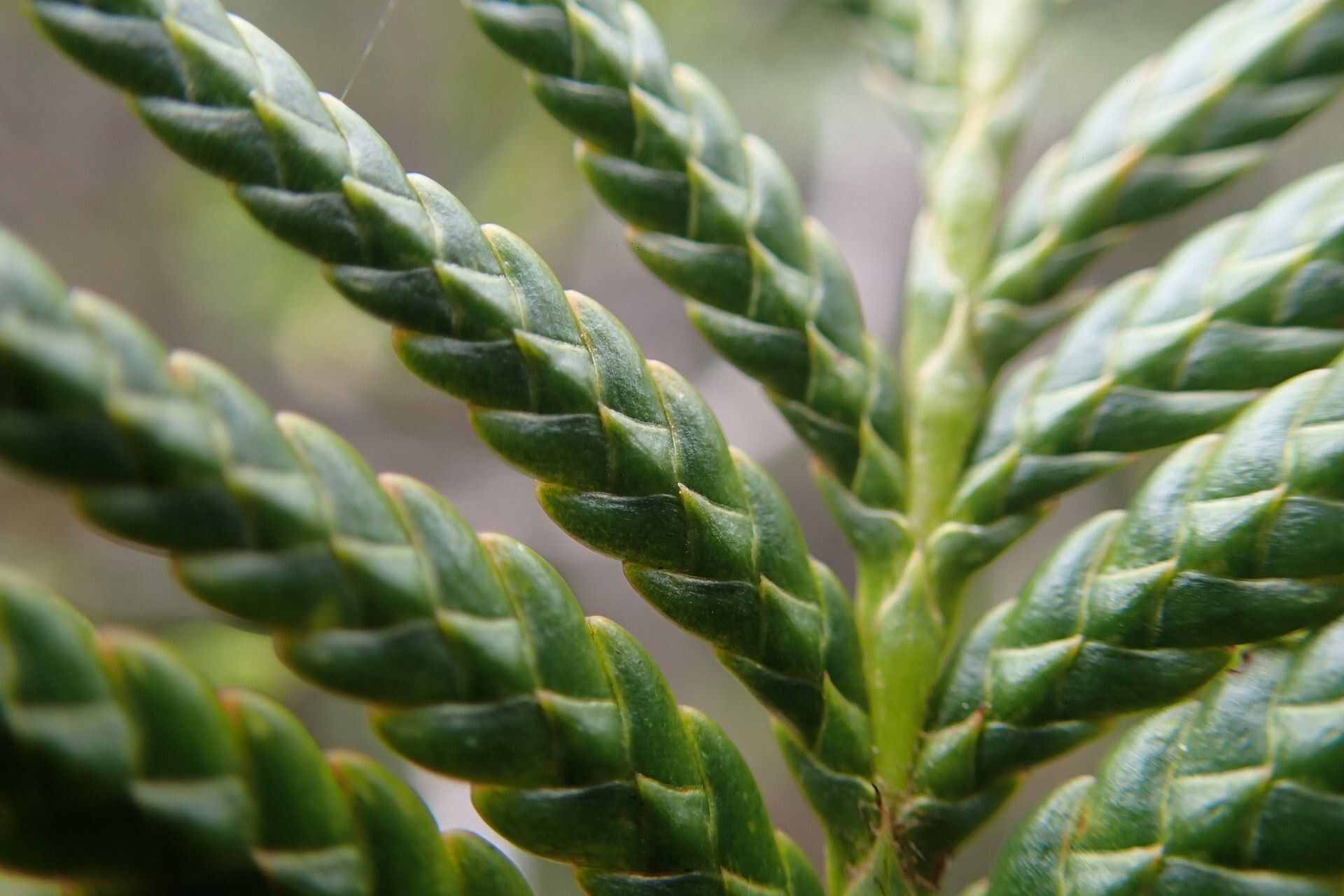
Libocedrus plumosa, with the common name kawaka, is a species of Libocedrus that is endemic to New Zealand.
New Zealand cedar shows strong resistance to disease and is generally not prone to illnesses. In terms of care, the plant is fairly low-maintenance. Planted outdoors, it needs minimal watering, and larger specimens typically do not require pruning. Smaller plants, however, should be pruned after they have bloomed. New Zealand cedar is suitable for anyone with an outdoor space, such as a garden or deck, and does not require a lot of care experience.
How to keep Libocedrus Plumosa.
Light
New Zealand cedar naturally occurs in places like forest understories or rocky locations where it receives natural shade. It favors partial sun but can adjust to either full sun or full shade, which shows its hardiness and versatility.
Water
New Zealand cedar thrives in environments with high humidity and consistent moisture, making weekly watering essential. This evergreen plant flourishes outdoors in diverse climates and has a natural ability to retain water, similar to the rainy conditions of its native New Zealand habitat. However, it does not tolerate drought well and requires regular watering for optimal growth.
Temperature
New Zealand cedar is highly adaptable to a variety of climates, whether facing hot summers or cold winters. It nonetheless has a preferred temperature range for healthy growth. If temperatures rise too high, the plant becomes vulnerable to heat and humidity stress, which can cause it to die. In areas where temperatures approach the lower edge of its cold tolerance, applying insulation is important to protect the plant.
Fertilizer
New Zealand cedar has specific nutrient needs and does not require heavy fertilization. Spring is the best time to apply fertilizer for optimal growth. Providing nutrients enhances its health, strengthens its resistance to pests and diseases, and helps sustain a long lifespan.
Pruning
New Zealand cedar is known for its dense, conical shape and vibrant green foliage. To improve air circulation and light penetration, prune the tree in early spring by removing any dead or crowded branches. Be sure to use clean, sharp tools to make precise cuts, and follow horticultural guidelines to ensure the tree's optimal health.
Botanical profile.
- Plant Type
- Tree
- Life Cycle
- Perennial
- Genus
- Libocedrus
- Family
- Cupressaceae
- Hardiness Zone
- 8-10
- Mature Height
- 20.12 m to 24.99 m
- Mature Spread
- 4.88 m to 7.92 m
- Leaf Color
- Dark Green
- Leaf Type
- Evergreen
- Bloom Time
- Early fall, Mid fall
- Planting Time
- Spring, Summer, Autumn
- Harvest Time
- Spring
- Native Area
- New Zealand