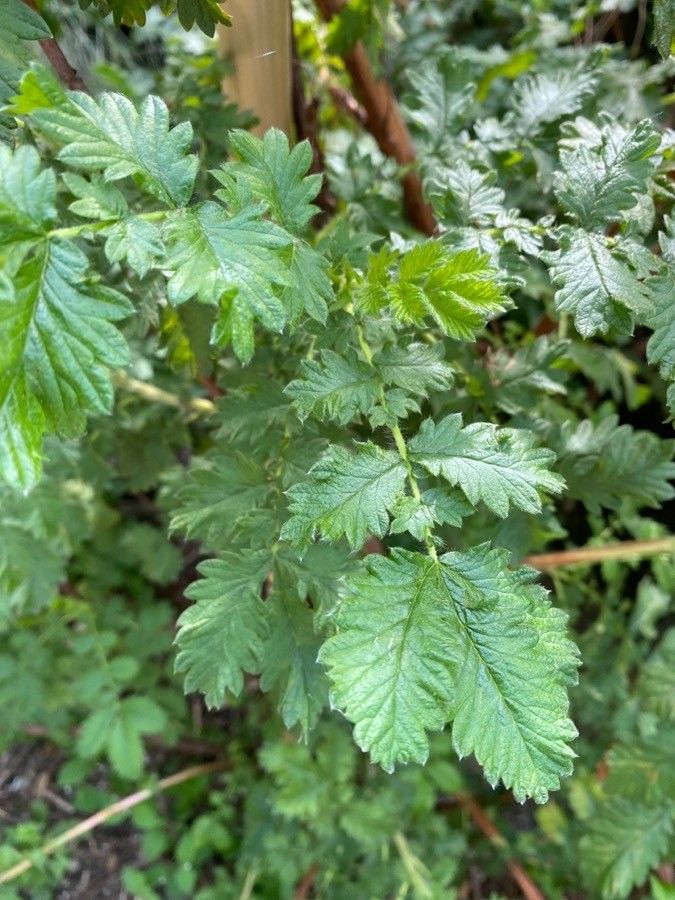
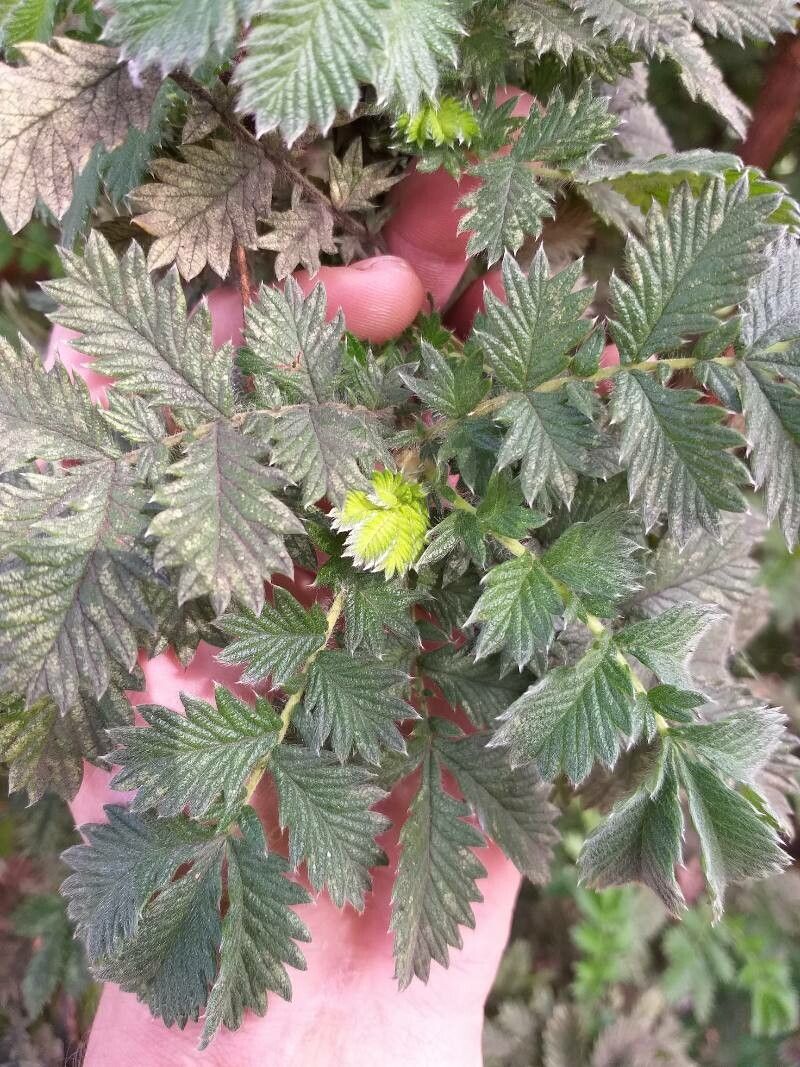
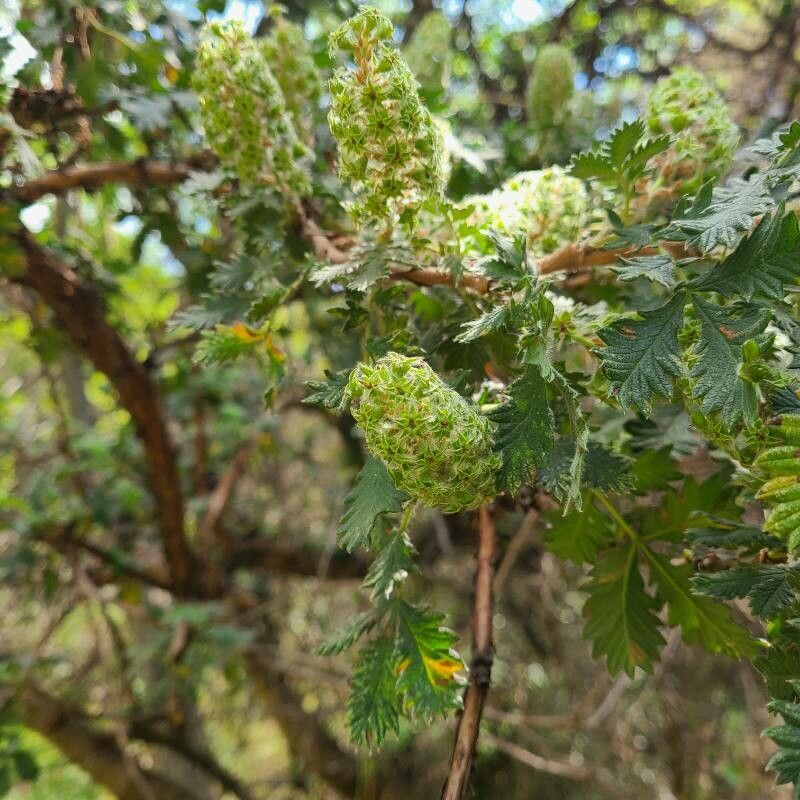
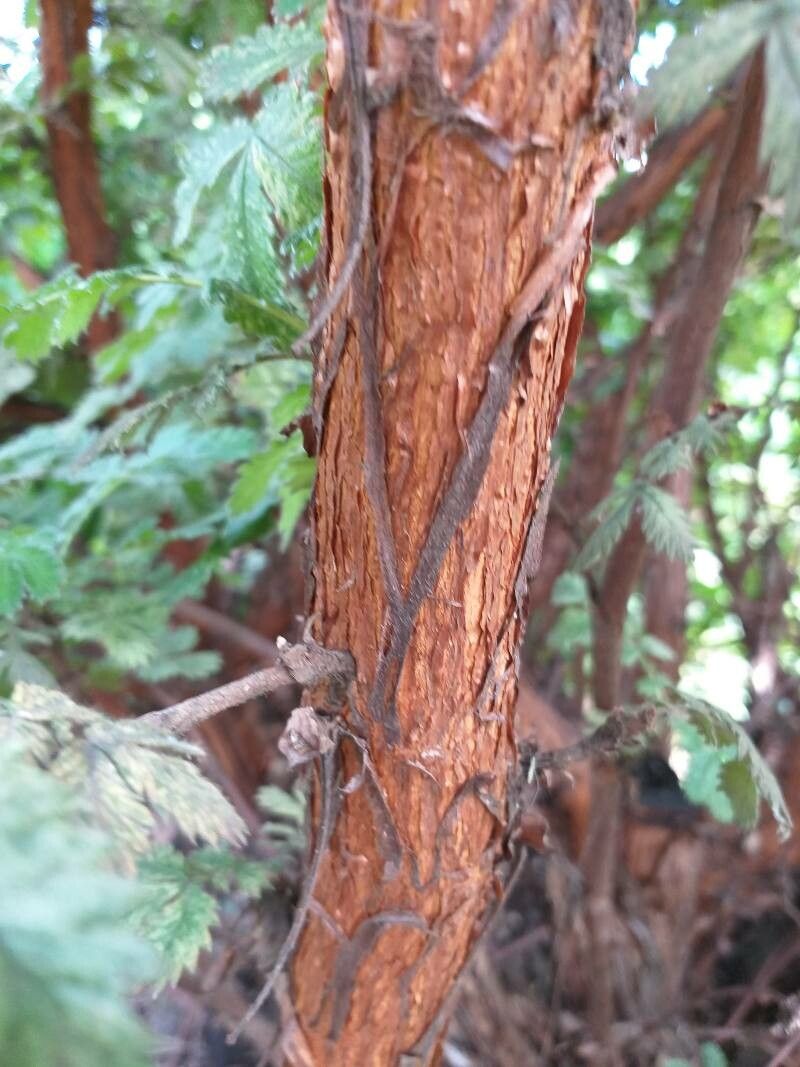
Leucosidea sericea, commonly known as oldwood, is an evergreen tree or large shrub that grows in the highland regions of southern Africa. It is the sole species in the monotypic genus Leucosidea. The name oldwood may reflect the fact that the wood burns slowly, as if old and rotting; the gnarled, twisted trunks reinforce this impression.
Oldwood is fairly disease-resistant and, overall, not prone to illnesses. As for care, this plant is relatively low-maintenance. When grown outdoors it needs little watering, and larger plants typically do not require pruning. Smaller plants, however, should be pruned after they finish blooming. Oldwoodt is appropriate for anyone with outdoor space, such as a garden or deck, and does not demand extensive care experience.
How to keep Leucosidea Sericea.
Light
Oldwood is native to open habitats like sunny meadows and forest edges, which provide abundant light. It does best in Full Sun but will also tolerate Partial Sun, adapting well to different light conditions.
Water
Oldwood thrives best in temperate climates with consistent moisture. To prevent waterlogging, it requires weekly watering. While it benefits from natural rainfall, additional watering may be necessary during dry spells. As an evergreen, Oldwood provides year-round interest and needs less water during the cooler months.
Temperature
Oldwood tolerates a wide range of climates, from blazing summers to freezing winters. That said, it does have an optimal temperature range for growth. If temperatures rise too high, the plant can suffer heat and humidity stress that may kill it. In areas where temperatures near the lower limit of its cold tolerance, providing insulation is important to protect the plant.
Fertilizer
Getting the timing right is essential when fertilizing Oldwood. Apply fertilizer in early spring and continue monthly until early summer. Fertilizer promotes beautiful blooms and supplies energy during both dormant and active growth stages.
Pruning
Pruning Oldwood is best done from early to late winter when the plant is dormant. During this time, remove any dead branches, thin out dense areas, and maintain the plant's shape with clean cuts to prevent disease. This practice encourages vigorous spring regrowth, enhances air circulation, and improves the overall health and appearance of the plant.
Botanical profile.
- Plant Type
- Tree, Shrub
- Life Cycle
- Perennial
- Genus
- Leucosidea
- Family
- Rosaceae
- Hardiness Zone
- 9-11
- Mature Height
- 12.19 m
- Mature Spread
- 3.05 m to 4.88 m
- Leaf Color
- Light Green, Olive Drab
- Leaf Type
- Evergreen
- Flower Color
- White, Yellow
- Flower Size
- 0.25 cm to 0.51 cm
- Bloom Time
- Early fall, Mid fall
- Planting Time
- Spring, Autumn
- Harvest Time
- Late fall, Early winter
- Native Area
- South Africa, Lesotho, Mozambique, Zimbabwe
Other names.
Reader questions.
What are the sunlight requirements for Oldwood (Leucosidea sericea)?
Oldwood (Leucosidea sericea) requires specific conditions for optimal growth, depending on the amount of sunlight exposure. For plants requiring 'Full sun,' they need above 6 hours of sunlight to thrive. Those labeled for 'Partial sun' do well with about 3-6 hours of sunlight. It's important to observe the movement of sunlight in your garden carefully, identifying areas that offer an ideal mix of light and shade. This careful placement ensures that your plants, including Oldwood, remain healthy and happy.