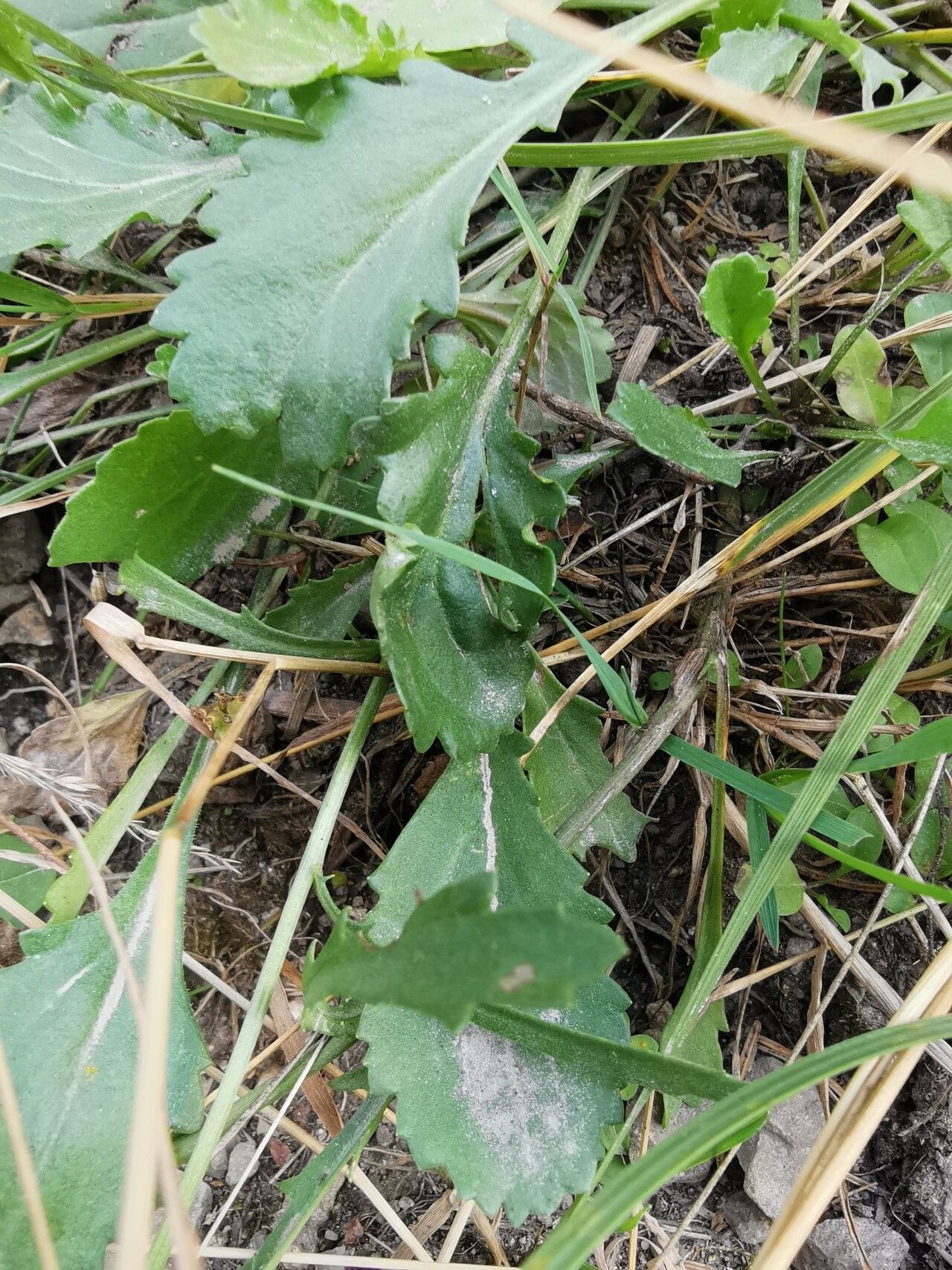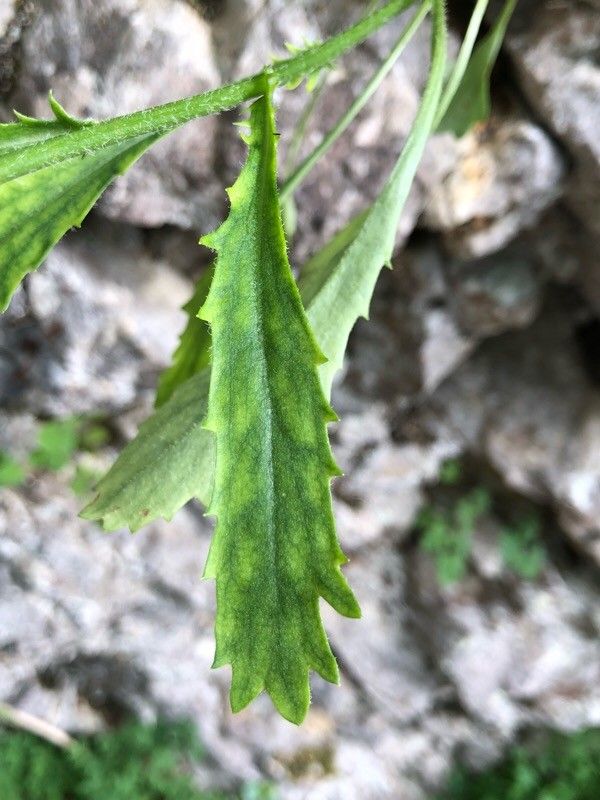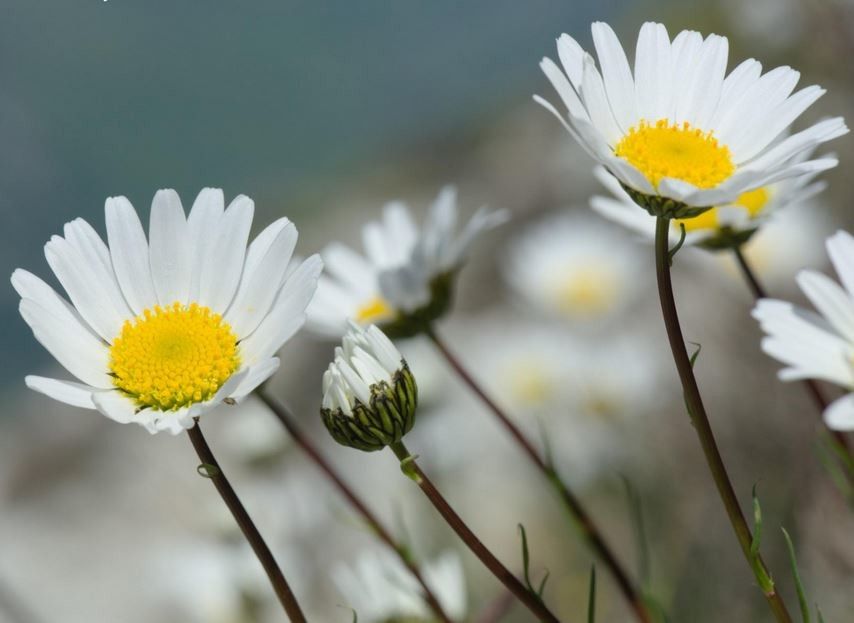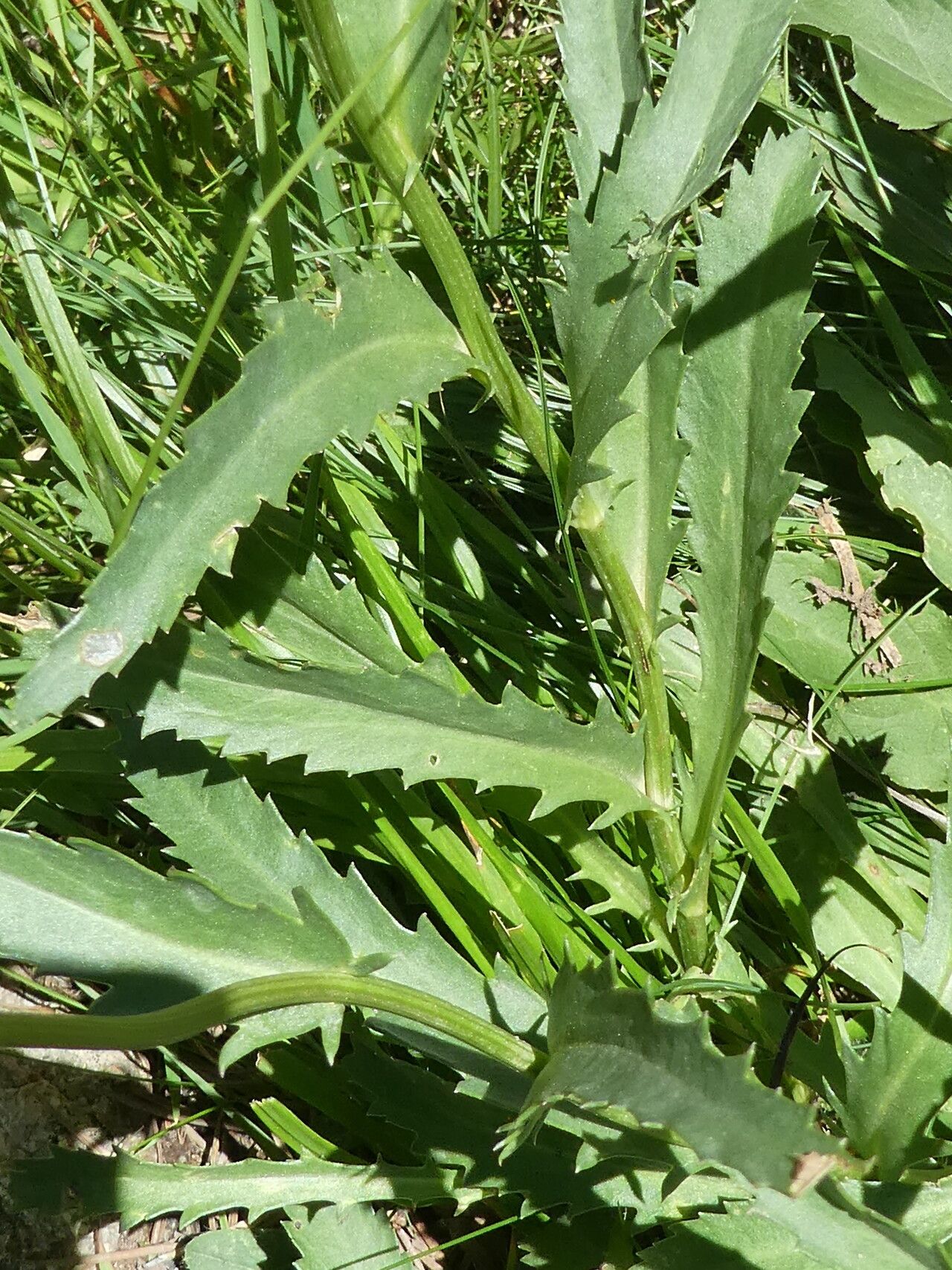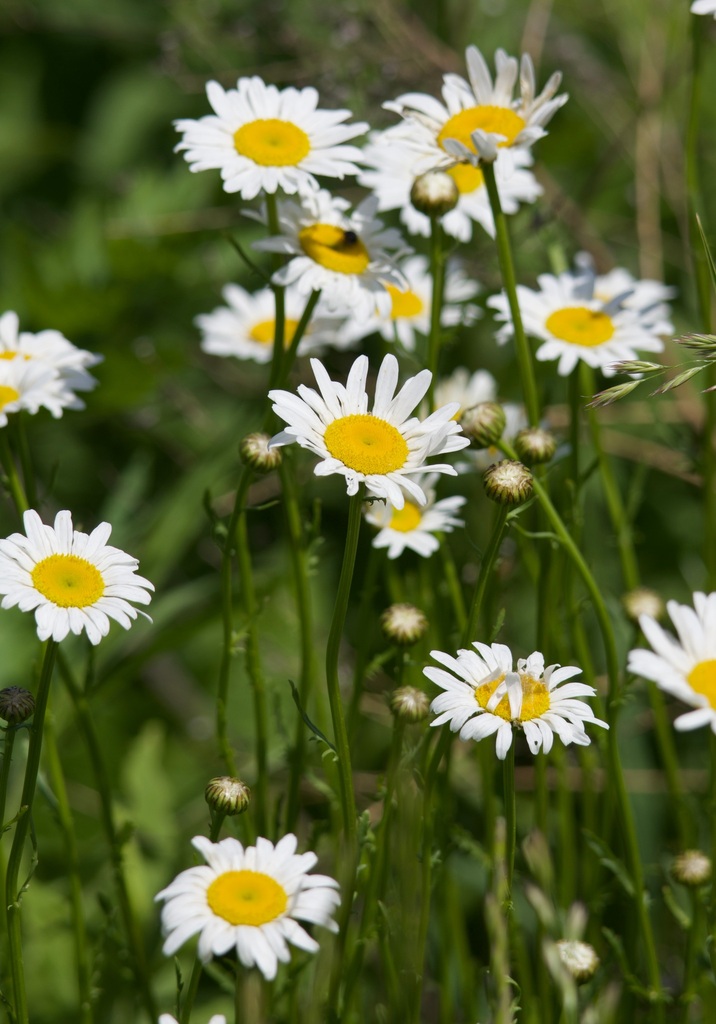
Leucanthemum, commonly known as the Shasta daisy, is a perennial flowering plant in the Asteraceae family. Native to Europe and North America, it is widely cultivated for its attractive white or yellow flowers that bloom in late spring or early summer.
The plant typically grows to a height of 2-3 feet and has a clumping habit with dark green leaves. The daisy-like flowers feature white petals surrounding a yellow central disk. These blossoms are borne on long stems that rise above the foliage, making them ideal for cut flower arrangements.
Leucanthemum prefers full sun and well-drained soil, although it can tolerate some shade. It is relatively easy to grow and requires minimal maintenance once established in the garden.
The Shasta daisy has been popular among gardeners for many years due to its long blooming period, attractive appearance, and versatility in landscaping designs. It can be used as a border plant or planted en masse for an eye-catching display of color.
Overall, Leucanthemum is an excellent choice for any garden due to its hardiness, low maintenance requirements, and beautiful blooms throughout the summer months, making it a favorite among gardening enthusiasts worldwide.
Oxeye daisy is fairly resistant to disease and typically does not suffer from many illnesses. Still, it can be affected by pests and diseases that exist nearby. Such problems are generally mild. Regarding upkeep, this plant needs a moderate amount of care. Regular pruning is necessary to preserve a neat appearance and encourage healthy growth. Applying fertilizer can also support better blooming. Oxeye daisy is well suited for anyone who has outdoor space, like a garden or a patio, and does not demand extensive gardening experience. It may, however, need extra attention if cultivated indoors.
How to keep Leucanthemum Vulgare.
Light
The oxeye daisy generally grows best in locations with abundant sunlight, though it can tolerate areas with less light as well. Sunlight supports the plant's health and development, particularly during the seedling stage. Even under very strong sunlight the plant can endure, while too little light may produce weaker growth.
Water
The oxeye daisy, native to temperate regions, thrives in environments with moderate moisture. It prefers consistently moist soil but can tolerate occasional dry spells. To support its growth, watering once a week is beneficial, and seasonal rainfall helps it flourish during the growing season. As an outdoor plant, the oxeye daisy is commonly found in meadows and fields.
Humidity
This plant will thrive in moderate humidity, which is probably the level in your home. However, misting it a few times a week can be very beneficial. Make sure the room has good ventilation.
Temperature
Oxeye daisy thrives in its native habitat where the average temperature falls between 5 and 35 ℃ (41 and 95 ℉). It favors cooler conditions for growth and flowering. In colder seasons, placing it in partial shade or applying mulch can help it cope with temperature changes.
Fertilizer
The ideal time to fertilize an Oxeye daisy is in early spring, as it emerges from dormancy and starts active growth. Fertilizing supplies essential nutrients for healthy development. Although an Oxeye daisy has relatively low fertilizer needs, applying fertilizer once a year can improve its survival and encourage better, longer-lasting flowers.
Pruning
The oxeye daisy is known for its striking white flowers with yellow centers and its ability to thrive year after year. To keep these plants healthy, prune them from early to late spring. It's important to deadhead the spent blooms and thin out crowded areas to improve air circulation. Regular pruning also helps to rejuvenate older plants. Remember to always use clean, sharp tools for effective maintenance.
Pot & Repot
When repotting an Oxeye daisy, select a pot 1-2 inches (2.5–5.1 cm) larger with ample drainage. Use a well-draining potting mix. Repot in spring or fall, making sure the root ball sits slightly lower than the rim of the flower pot. Water thoroughly after repotting and place it in a warm spot with indirect sunlight.
Toxicity
Oxeye daisies are safe for farm animals like horses, sheep, and goats. They even eat daisies. But humans may experience toxic effects from this flower. Cats and dogs may also experience irritation and can even be poisoned by this plant if consumed in high quantities.
Further reading →
The toxicity and danger assessments provided are for reference only. We do not assure their accuracy, so it's crucial not to depend on them. Seek professional advice when necessary for accurate guidance.
Botanical profile.
- Plant Type
- Herb
- Life Cycle
- Perennial
- Genus
- Leucanthemum
- Family
- Asteraceae
- Hardiness Zone
- 5-10
- Mature Height
- 15 cm to 76 cm
- Mature Spread
- 30 cm to 61 cm
- Leaf Color
- Green
- Leaf Type
- Deciduous
- Flower Color
- White, Yellow
- Flower Size
- 2.03 cm to 6.35 cm
- Bloom Time
- Late spring, Early summer, Mid summer
- Planting Time
- Spring
- Harvest Time
- Mid summer
- Native Area
- Austria, Czech Republic, Slovakia, Montenegro, Armenia, Poland, Greece, Croatia, Slovenia, North Macedonia, Belarus, Ukraine, Serbia, Lithuania, Germany, Portugal, Italy, Switzerland, Estonia, Bosnia and Herzegovina, Ireland, United Kingdom, Hungary, Latvia, Belgium, Moldova, France
Other names.
Reader questions.
When Should I Water My Oxeye Daisy?
Watering your oxeye daisy properly is key to its health and productivity. Check the soil's top 1 to 2 inches; if dry, it's time to water. Observing the leaves for signs of wilting or discoloration, along with the plant's stem for softness, can also guide you. It's particularly important to water during the pre-flowering stage and in conditions of high temperature and sunlight exposure. Be careful not to water too early to avoid root diseases or too late to prevent stunting the plant's growth.
Why do I have to put fertilizer on my Oxeye daisy?
Fertilization is important for the Oxeye daisy for a few reasons. It provides key nutrients for the plant's growth, both above and below ground. However, Oxeye daisies don't require a lot of fertilization. While they can survive without it, annual fertilization can greatly benefit the plant. It helps keep the plant alive and may result in better, longer-lasting flowers. So, if you want your Oxeye daisy to look its best, make sure to fertilize it annually.
What are the sunlight requirements for an Oxeye Daisy?
The Oxeye Daisy thrives in environments with abundant sunlight, showing positive growth and health when exposed to copious amounts of light, particularly during the seedling stage. It can survive excessive sunlight, but insufficient light leads to weaker growth. Full sun is classified as above 6 hours of sunlight a day, while partial sun is about 3-6 hours of sunlight. Indoor plants may require artificial lighting to supplement natural light, especially in less sunny spaces or during winter. LED lights are recommended for indoor plants, with varying wattage needed based on the plant's sunlight needs.
What are the ideal growing conditions for Oxeye Daisy?
Oxeye Daisy thrives in its native environment with an average temperature range of 5 to 35°C (41 to 95°F), preferring cooler temperatures during its growth and flowering phases. It exhibits strong cold resistance, eliminating the need for special frost protection measures in winter, except when temperatures are expected to fall below -25°C. In preparation for colder seasons, planting in partially shaded areas or covering with mulch can help the plant adjust to temperature changes. Before the first freeze in autumn, it's recommended to water the plant abundantly to ensure the soil remains moist and enters a frozen state, aiding in the prevention of drought and water scarcity during winter and early spring.
How Should I Water My Oxeye Daisy?
To water oxeye daisy effectively, a deep and infrequent watering method is recommended, ensuring water reaches the root zone. Utilize a watering can with a rose nozzle for a gentle distribution, focusing on the soil rather than the foliage to prevent potential issues. This technique facilitates healthy root development and mimics natural rainfall patterns.
When should I fertilize my Oxeye daisy for the best results?
The best time to fertilize an Oxeye daisy is in the late winter to early spring when the plant is transitioning from dormancy to active growth. Fertilizing at this time promotes healthy growth and helps the plant start the season off well. You can also fertilize in the fall, but it is not recommended in summer or winter.
How do you use artificial lighting for plants?
When natural sunlight is not sufficient, artificial lighting can be a vital solution for indoor oxeye daisy plants, promoting healthier and faster growth. It's important to choose the right type of light, such as LED, which can be customized to provide specific wavelengths needed by the plant. The intensity of artificial light required varies, with full sun plants needing 30-50W/sq ft, partial sun plants 20-30W/sq ft, and full shade plants 10-20W/sq ft. The light source should be placed 12-36 inches above the plant, and the duration should mimic natural daylight hours, generally 8-12 hours per day.
How does Oxeye Daisy respond to low temperatures?
Oxeye Daisy is quite tolerant of cold, thriving best when temperatures remain above 5°C and should ideally be kept above -20°C during winter. However, when temperatures drop below -25°C, it might not show noticeable changes immediately but can lead to a decrease in sprouting or a complete lack of sprouting in the springtime. In such cases, it is recommended to remove any parts of the plant that have failed to sprout in spring as a solution to this issue.
How Much Water Does Oxeye Daisy Really Need?
Oxeye daisy typically needs about 1 inch of water per week, but factors like pot size, plant size, and root depth affect the exact amount. Make sure the soil remains moist without being waterlogged. Signs of sufficient watering include green, turgid leaves, and consistent soil moisture. Too much or too little water can cause problems such as root rot or stunted growth, emphasizing the importance of regular soil moisture checks to adjust watering as needed.
When would it be best to not use fertilizer on my Oxeye daisy?
To avoid overfertilization and its complications, it is best to only fertilize your Oxeye daisy once a year during late winter or early spring. Fertilizing during spring, summer, and fall can easily lead to problems. However, if you didn't fertilize in spring, it is acceptable to fertilize in the fall. It is not necessary to fertilize during winter because the plant is in a dormant phase and does not experience new growth.
What are common symptoms of light deficiency in Oxeye Daisy?
Common symptoms of light deficiency in Oxeye Daisies include smaller new leaves, leggy or sparse growth, faster leaf drop, slower or no new growth, and lighter-colored new leaves. These signs indicate that the plant is not receiving enough sunlight, which is critical for its health and growth. Conversely, excessive sunlight can cause chlorosis, sunscald, leaf curling, wilting, and leaf scorching, damaging the plant's ability to photosynthesize and maintain overall health.
What should be done if Oxeye Daisy experiences high temperatures?
Oxeye Daisy should ideally be kept below 35°C during the summer months. High temperatures exceeding 41°C can cause the leaves to lighten in color, become prone to curling, and make the plant susceptible to sunburn, potentially leading to the entire plant wilting and drying out. To mitigate these effects, it is advisable to trim away sunburned and dried-up parts of the plant. Moving the plant to a shaded location, particularly away from the midday and afternoon sun, or using a shade cloth for protection is beneficial. Additionally, watering the plant in the morning and evening to maintain soil moisture can help the plant cope with high temperatures.