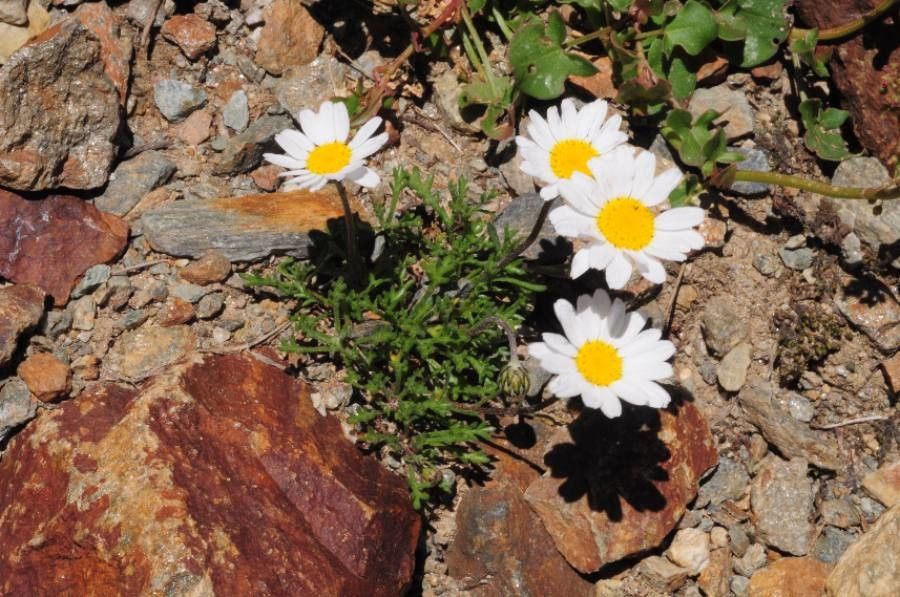
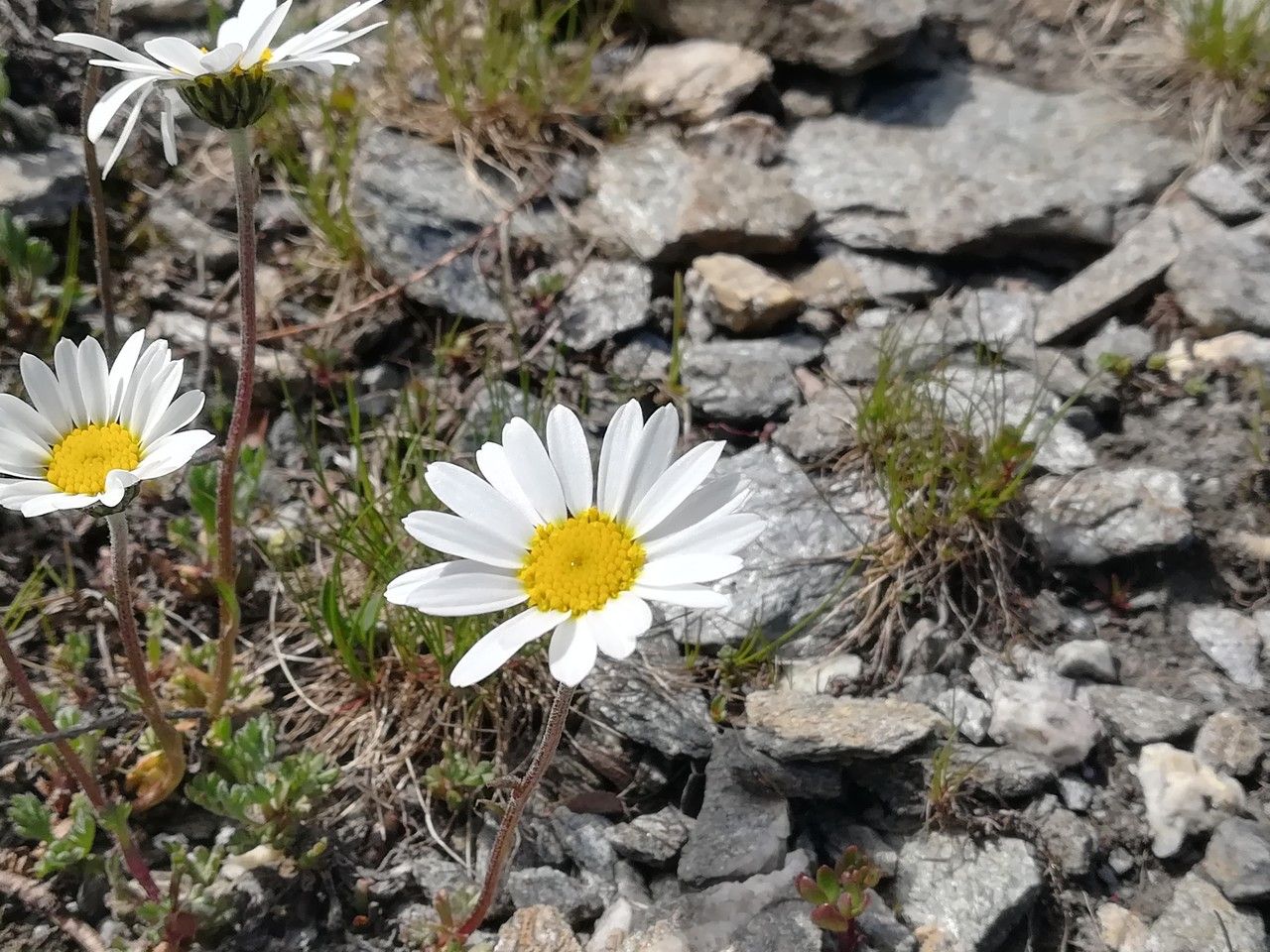
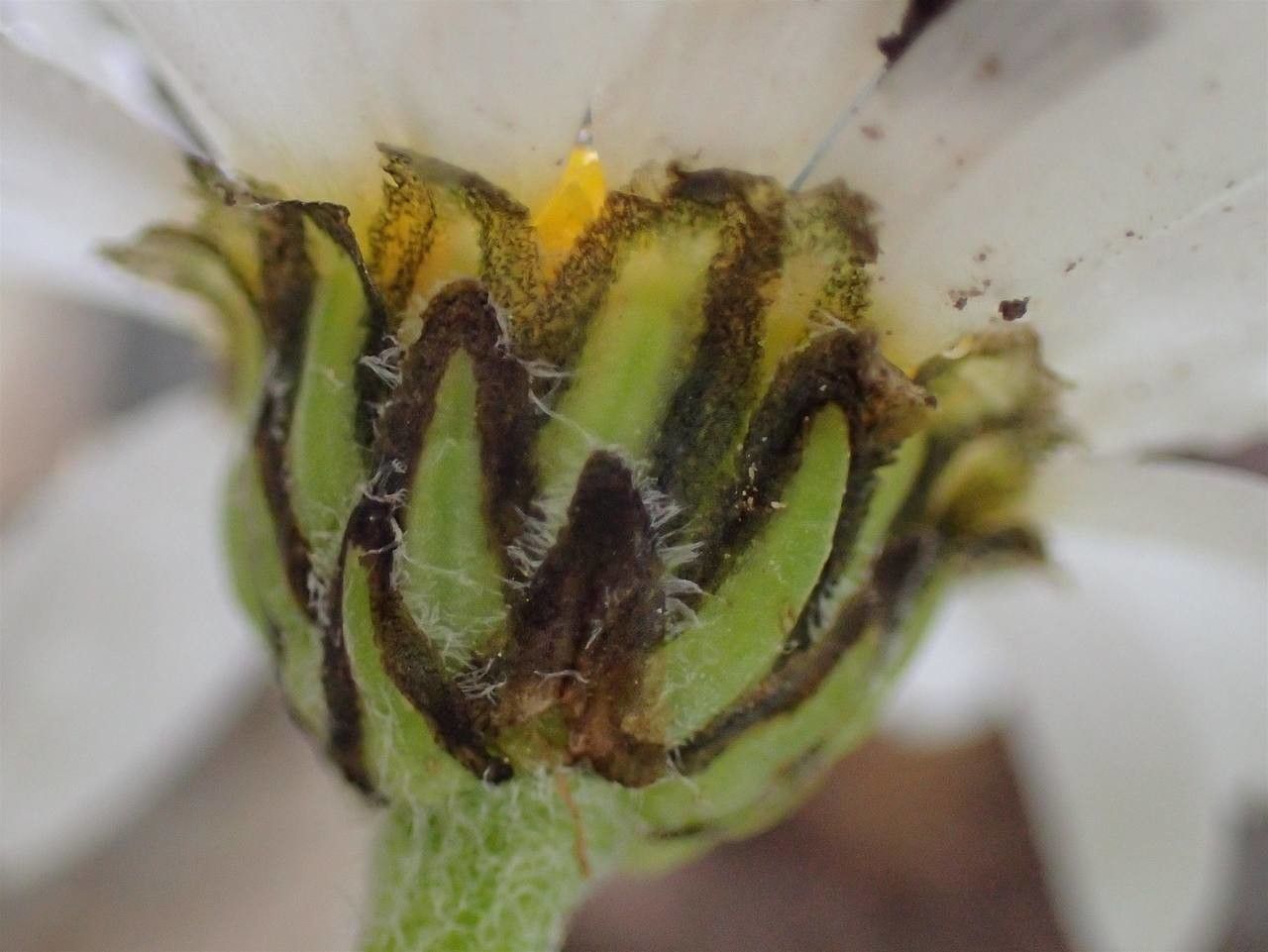
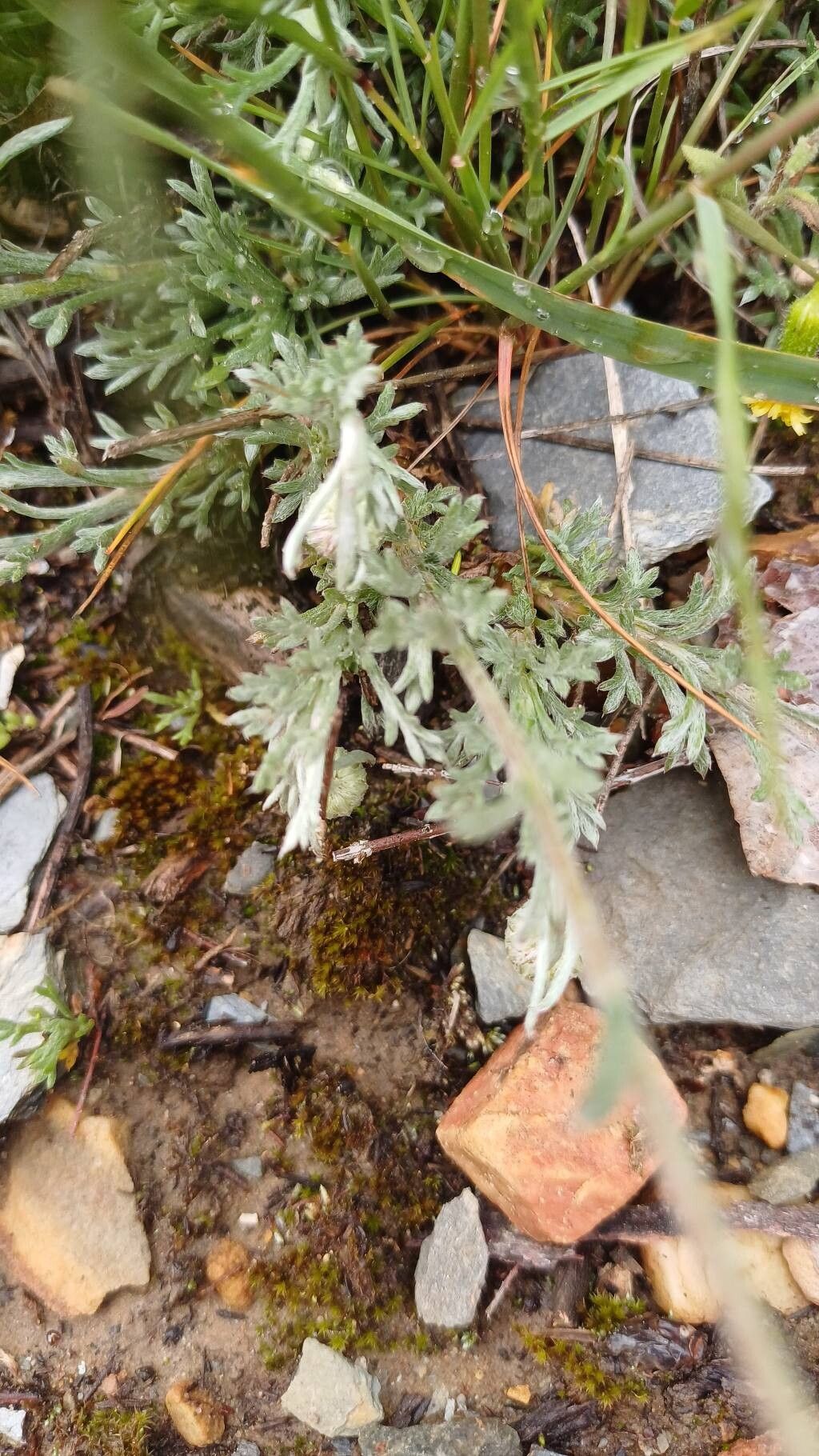
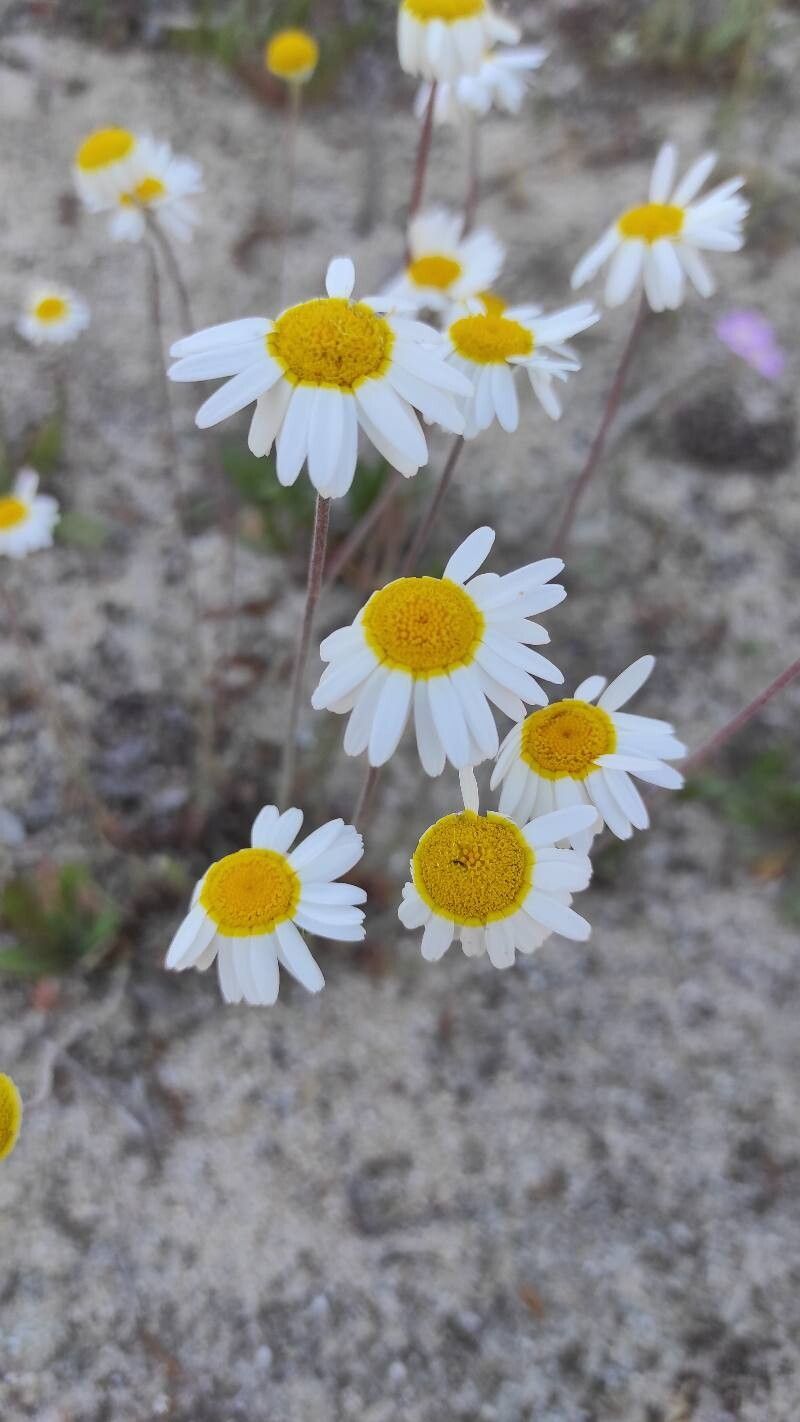
Leucanthemopsis alpina, commonly known as Alpine Marguerite, is a perennial plant in the Asteraceae family. Native to the mountainous regions of Europe and Asia, it thrives in alpine meadows, rocky slopes, and crevices. Typically, this plant reaches up to 30 cm in height with a spread of 20 cm.
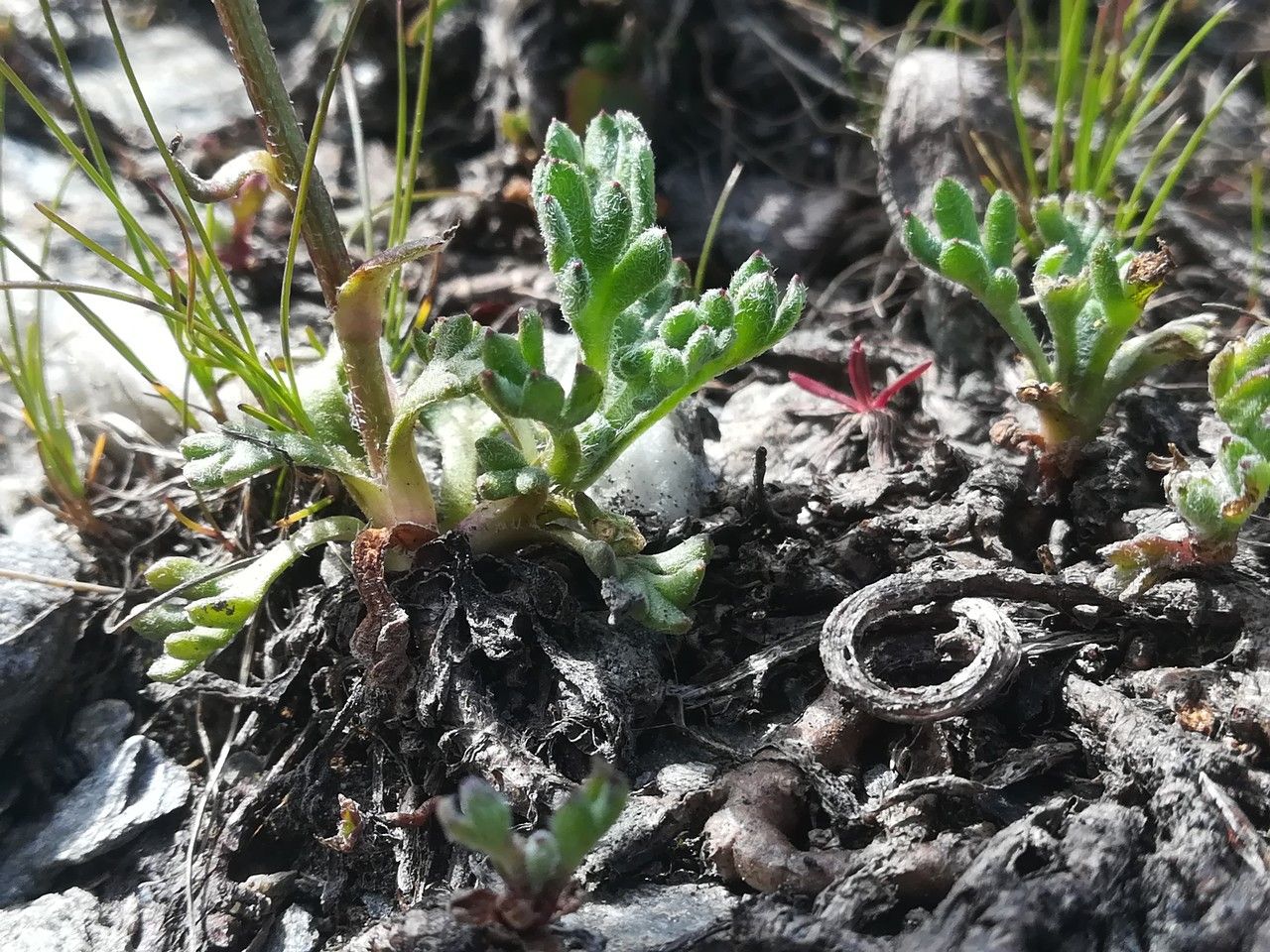
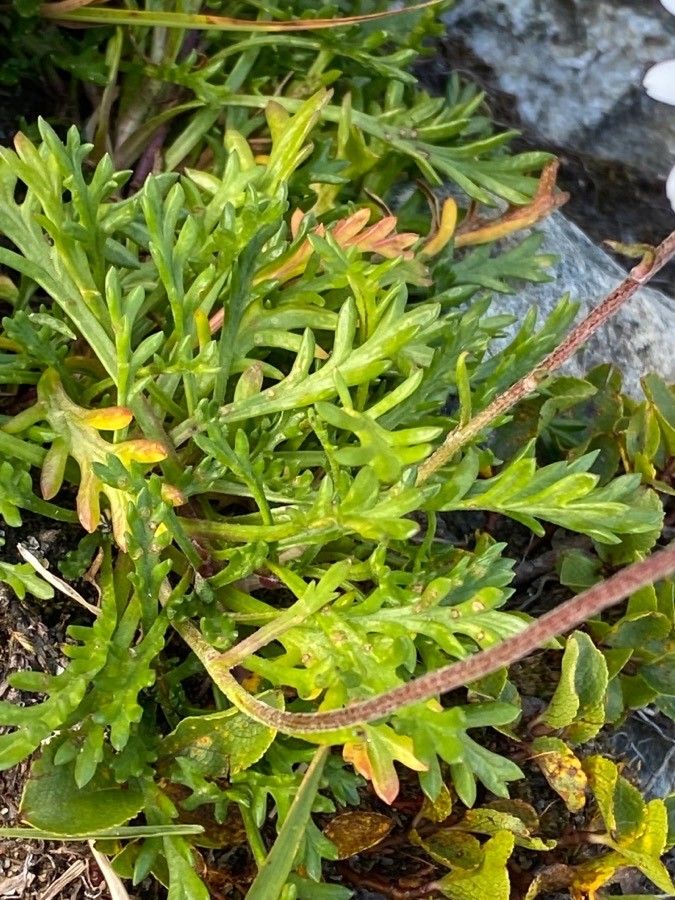
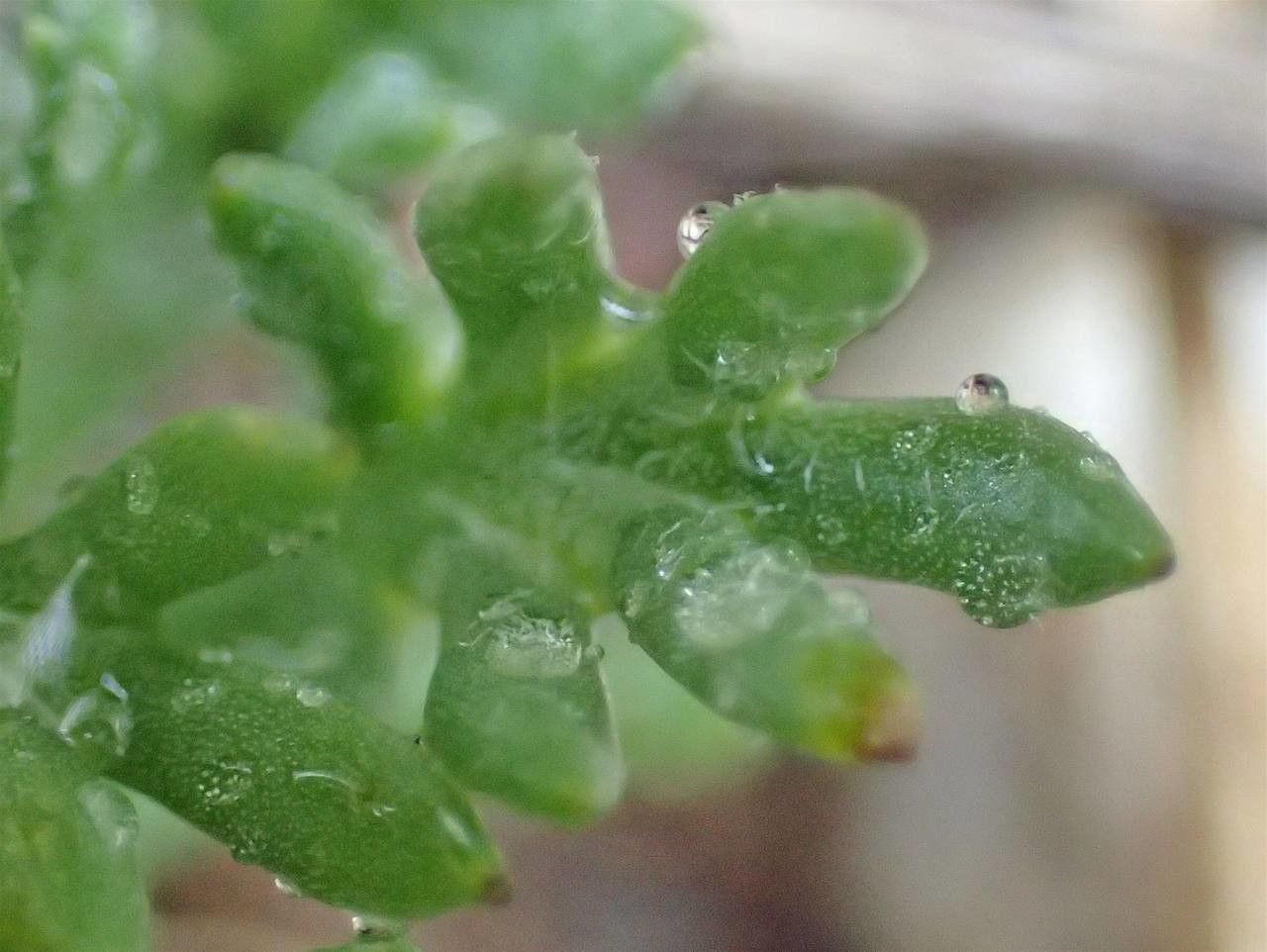
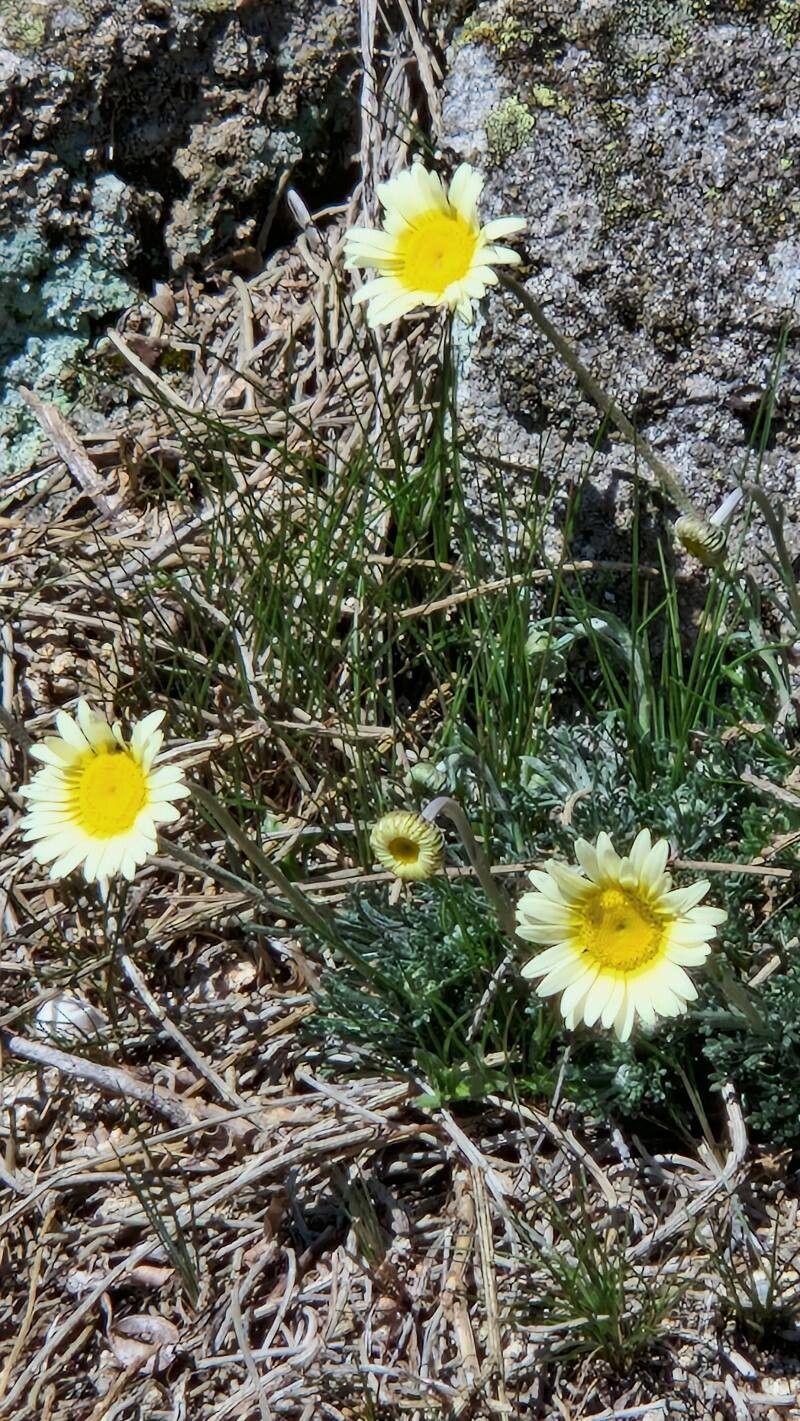
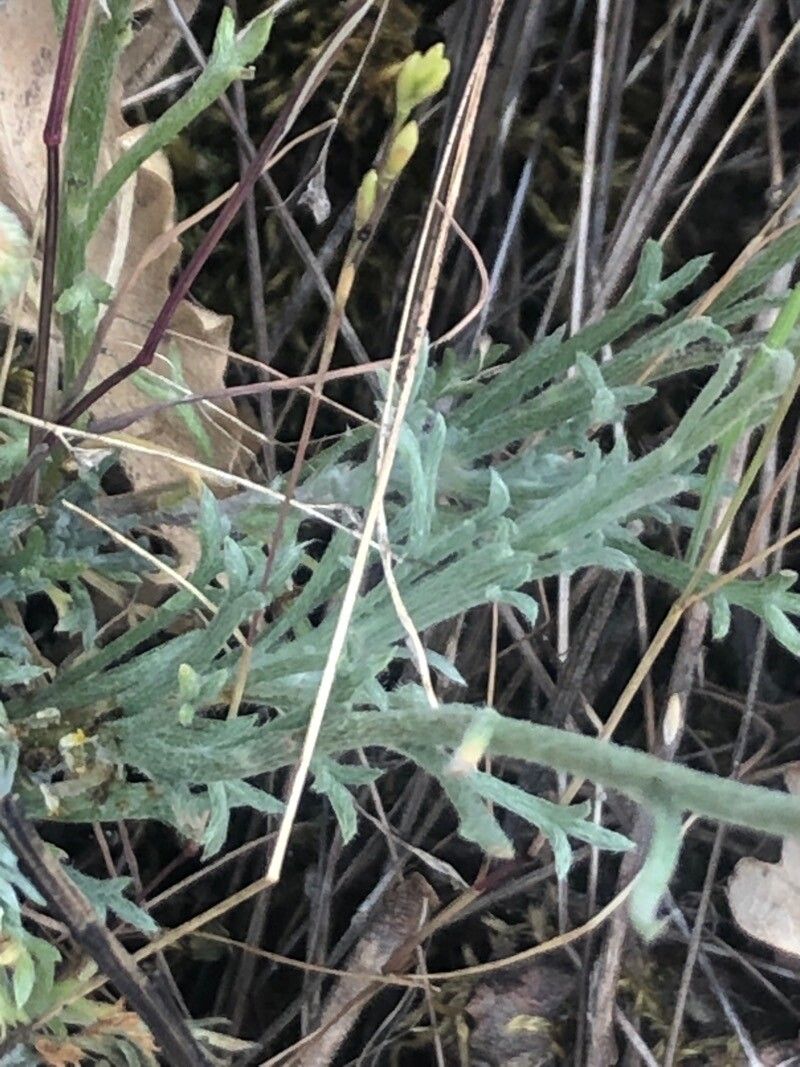
The leaves of Leucanthemopsis alpina are basal and form a rosette at the base of the stem. They are dark green with toothed edges. The plant produces daisy-like flowers with white petals surrounding a yellow center disk, blooming from June to August.
Leucanthemopsis alpina prefers well-drained, organically rich soil and full sun exposure but can tolerate partial shade. It requires moderate watering during its growing season but should be kept dry during its winter dormancy.
The Alpine Marguerite is prized for its ornamental value due to its attractive flowers, making it an excellent choice for rock gardens or border plantings. Additionally, it attracts pollinators such as bees, promoting biodiversity in the ecosystems where it grows.
Overall, Leucanthemopsis alpina is a beautiful perennial plant that enhances any garden or landscape. It also provides ecological benefits by supporting pollinators in the local ecosystems where it naturally grows.
Alpine chrysanthemum is fairly resistant to disease and generally does not easily get sick. However, it can be affected by pests and illnesses present in its surroundings. Such infections are usually mild. In terms of care, this plant needs moderate maintenance. It should be pruned regularly to maintain a neat appearance and healthy growth. Fertilizing can also help encourage flowering. The alpine chrysanthemum is suitable for anyone with an outdoor area, such as a garden or patio, and does not demand a lot of care experience. It may need more attention when cultivated indoors.
How to keep Leucanthemopsis Alpina.
Light
The alpine chrysanthemum is a sun-loving perennial herbaceous plant native to open habitats, commonly found in meadows and grasslands. It prefers full sun but can also tolerate partial sun.
Water
The Alpine chrysanthemum thrives in moist, well-drained alpine soils and cooler climates. It adjusts well to different levels of water availability and should be watered weekly to ensure it stays adequately hydrated. As a perennial, it efficiently manages water resources throughout its growing season, showcasing its resilience in high-altitude habitats.
Temperature
The alpine chrysanthemum is native to temperate regions and does best when temperatures are between 50 and 77 °F (10 and 25 °C). Keeping temperatures within this range, especially during winter, is crucial for its growth. Regulating indoor temperatures during seasonal transitions helps ensure its survival.
Fertilizer
The primary time to fertilize Alpine chrysanthemum is in early spring when the flowers are developing. The correct fertilizer promotes improved blooms and helps Alpine chrysanthemum produce attractive flowers. Fertilizing in early spring ensures excellent blooms throughout the season and supplies energy for dormant growth phases.
Pruning
The Alpine chrysanthemum, known for its daisy-like flowers, thrives in alpine regions. To encourage growth, prune the plant from early to late spring by removing any dead stems. Regularly pinch new shoots to promote a bushier appearance and remove spent blooms to extend the flowering period. Always use clean, sharp tools to make precise cuts, which will help the plant recover and maintain its health.
Botanical profile.
- Plant Type
- Herb
- Life Cycle
- Perennial
- Genus
- Leucanthemopsis
- Family
- Asteraceae
- Hardiness Zone
- 6
- Mature Height
- 15 cm
- Mature Spread
- 49 cm
- Leaf Color
- Dark Green
- Leaf Type
- Semi-evergreen
- Flower Color
- White, Yellow
- Flower Size
- 2.03 cm to 3.05 cm
- Bloom Time
- Summer
- Planting Time
- Spring, Summer
- Harvest Time
- Late summer, Early fall, Mid fall
Other names.
Reader questions.
If I give too much or too little water to my Alpine chrysanthemum, what should I do?
Caring for your Alpine chrysanthemum requires avoiding both overwatering and underwatering. However, overwatering is a more common issue that can cause wilting, yellowing, and diseases like root rot, mold, and mildew. Underwatering is less common due to the plant's drought tolerance, but it can result in brittle, brown leaves. It is important to recognize signs of overwatering early and adjust your watering schedule accordingly. If the soil drains poorly, replace it with a well-draining potting mix. If the chrysanthemum lacks water, increase watering until the signs improve.
What are the sunlight requirements for Alpine chrysanthemum?
Alpine chrysanthemum thrives in full sun, requiring more than 6 hours of sunlight per day, but it can also grow well in partial sun conditions, which means about 3-6 hours of sunlight. It is essential to observe how sunlight moves through your garden to ensure you choose locations that provide the perfect balance of light and shade, catering to the preferences of your Alpine chrysanthemum and promoting its optimal growth and happiness.
What is the optimal temperature range for the growth of Alpine chrysanthemum?
Alpine chrysanthemum thrives in temperate climates, preferring conditions between 50 to 77 °F (10 to 25 °C). It's essential to maintain these temperatures throughout the year, especially during winter, to support its growth. Even during seasonal changes, regulating indoor temperatures can help ensure the plant's survival.
How do I water my Alpine chrysanthemum at different times when it is growing?
The water needs of the Alpine chrysanthemum can vary based on its growth stages. When the plant is young or recently transplanted, it requires more water to encourage the growth of new roots. These roots are crucial for future development and perform best with slightly higher moisture levels. As the plant matures over several seasons, it will require less water. Additionally, during the bloom period, the Alpine chrysanthemum may need extra watering as the flowers utilize a significant amount of moisture for their development.
What essentials should be known about Alpine chrysanthemum?
The Alpine chrysanthemum is a sun-loving perennial herbaceous plant native to open habitats, often found thriving in meadows and grasslands. It prefers full sun but can tolerate partial sun conditions. When natural sunlight is insufficient, especially during winter or in less sunny spaces, artificial lighting can be a vital alternative. For optimal growth under artificial lights, full sun plants need 30-50W/sq ft, partial sun plants need 20-30W/sq ft, and full shade plants require 10-20W/sq ft. It's also crucial to choose the right type of light, such as LED, ensure it's placed 12-36 inches above the plant, and provide 8-12 hours of light per day to mimic natural daylight conditions.
Is the Alpine chrysanthemum cold-tolerant?
Yes, the Alpine chrysanthemum is highly tolerant to cold and does not require additional frost protection measures during winter. However, it's beneficial to water the plant generously before the first freeze in autumn to keep the soil moist and prevent drought and water scarcity in winter and early spring.
What's the difference between watering my Alpine chrysanthemum inside and outside?
If you are a gardener who does not live in temperate or tropical regions, you may choose to grow the Alpine chrysanthemum indoors. It's important to remember that the soil in a container can dry out faster than ground soil. Additionally, if you have drying elements like air conditioning units, your Alpine chrysanthemum may need more frequent watering compared to if it was planted outside. If you receive regular rainfall, you may not need to water your plant too much as the rain may be enough. However, if you grow the Alpine chrysanthemum inside, you will need to water it more often since rainwater won't be able to soak the soil.
What are the symptoms of inadequate lighting in Alpine chrysanthemum?
When Alpine chrysanthemum does not receive enough light, several symptoms can occur, including the growth of smaller leaves than usual, leggy or sparse growth, faster leaf drop, slower or halted growth, irregular color patterns or paler leaves indicating insufficient chlorophyll and nutrients, chlorosis (yellowing leaves due to chlorophyll breakdown), sunscald (damage from intense sun exposure), leaf curling (a defense mechanism to minimize exposure), wilting (due to excessive water loss from sun exposure), and leaf scorching (brown, dry patches on leaves). These symptoms highlight the plant's struggle in inadequate light conditions.
What should I do if winter temperatures drop below -25°C?
Alpine chrysanthemum can withstand extremely cold conditions, but if winter temperatures drop below -25°C, it may affect its ability to sprout during spring. Although the plant may not show noticeable changes in winter, a decrease in sprouting or complete lack of sprouting might occur in spring. In such cases, it is advised to remove any parts of the plant that have failed to sprout.
How should I water my Alpine chrysanthemum?
To ensure the health of your Alpine chrysanthemum, follow these watering guidelines. Use filtered water at room temperature or slightly warmer, as tap water may contain harmful particles. Cold water can shock the plant, so avoid it. Instead of overhead watering, apply your filtered room temperature water directly to the soil until it is fully soaked. This practice benefits the plant by keeping the roots moist and aiding their spread through the soil to collect necessary nutrients.
What solutions are available for Alpine chrysanthemum experiencing light deficiencies?
For indoor Alpine chrysanthemum struggling with light deficiency, gradually moving them to a sunnier location each week until they get at least 6 hours of direct sunlight daily is beneficial. Using a south-facing window can maximize sunlight exposure. Additionally, artificial lighting, such as desk or ceiling lamps on for at least 8 hours a day or professional plant grow lights, can help. Outdoors, plants should be moved to sunnier spots gradually to prevent sunburn. Reducing obstructions, like pruning trees or relocating plants to sunnier areas, can also improve sunlight access. Note that damaged parts of the plant may not recover, but new growth will be healthy with increased light exposure.
How does the Alpine chrysanthemum react to high temperatures?
Alpine chrysanthemum is not tolerant of high temperatures. Growth may cease and the plant becomes more susceptible to root rot when temperatures exceed 25°C. To protect the plant, trim away sunburned and dried-up parts, move it to a location with shade during midday and afternoon, or use a shade cloth. Ensuring the soil remains moist by watering in the morning and evening can also mitigate high temperature stress.