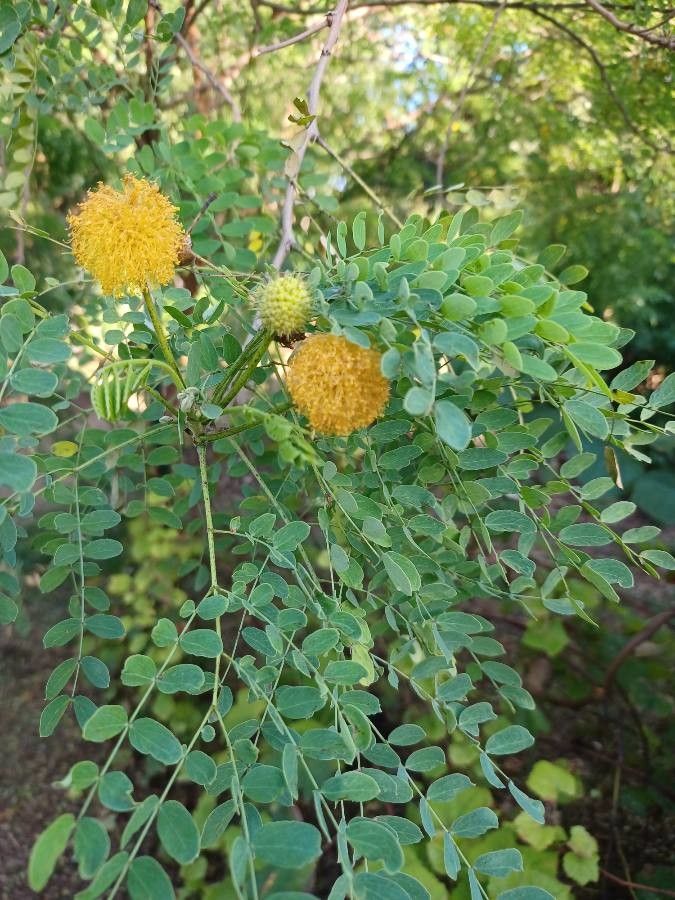
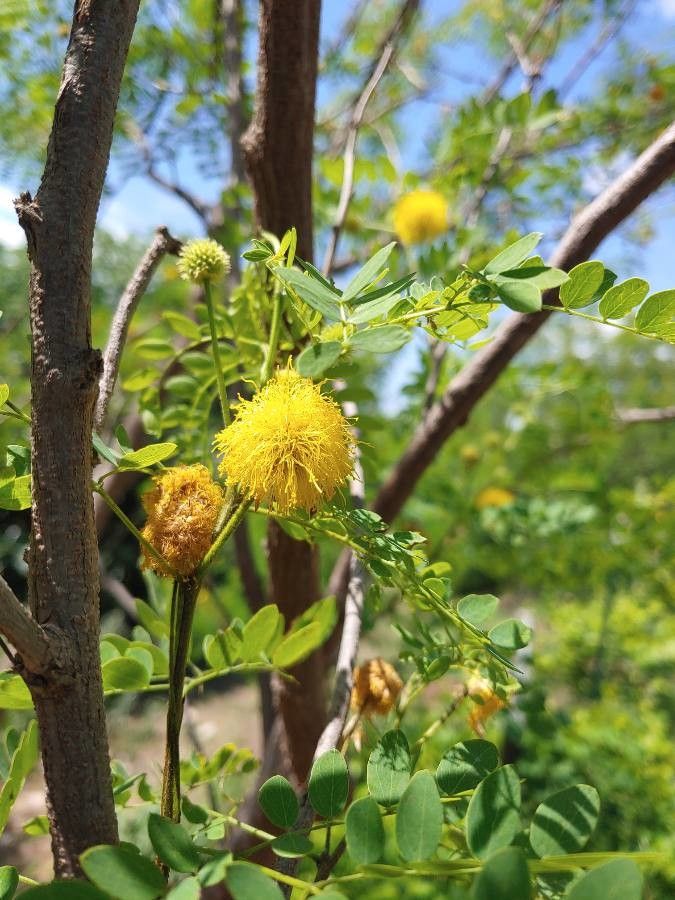
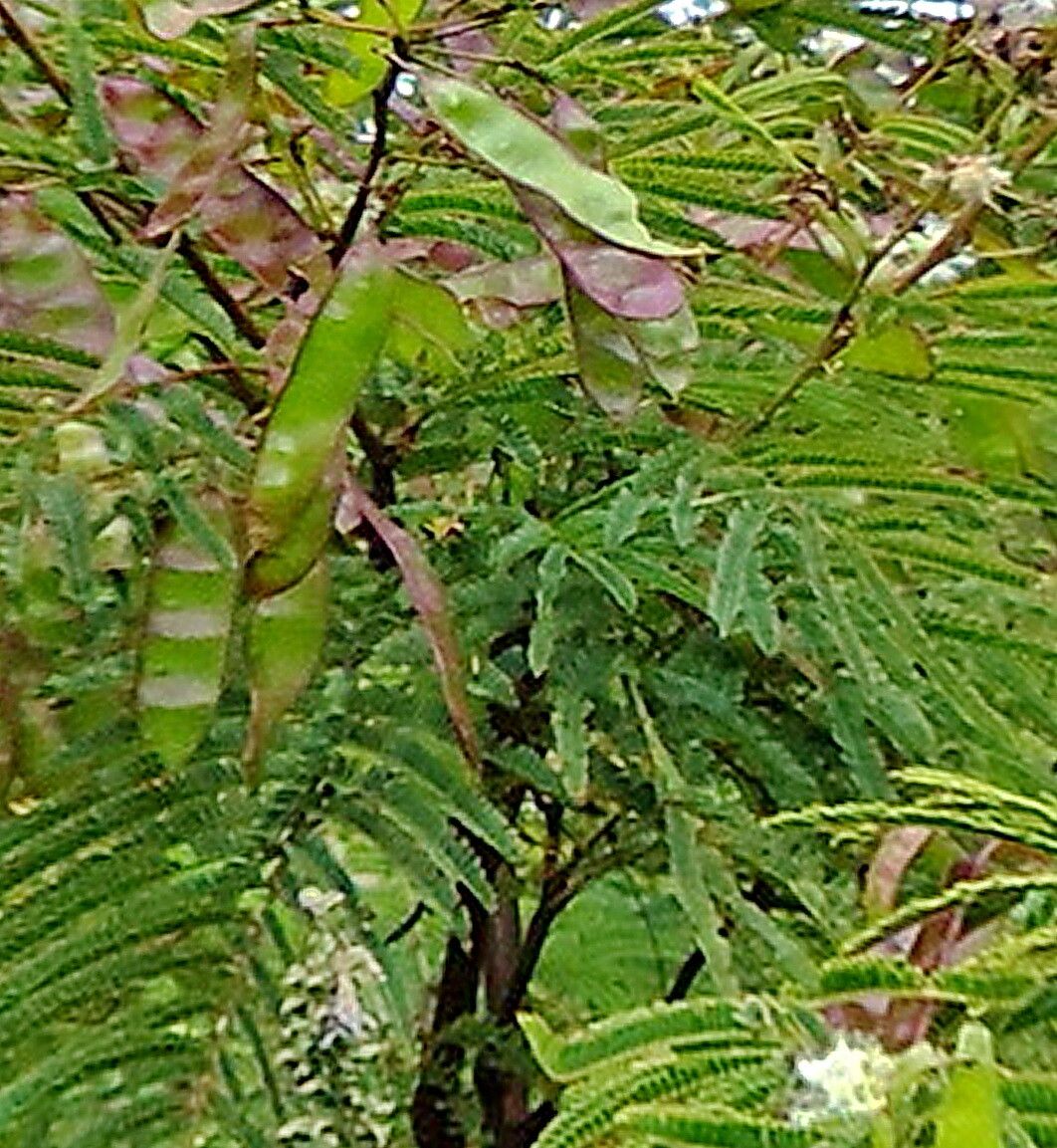
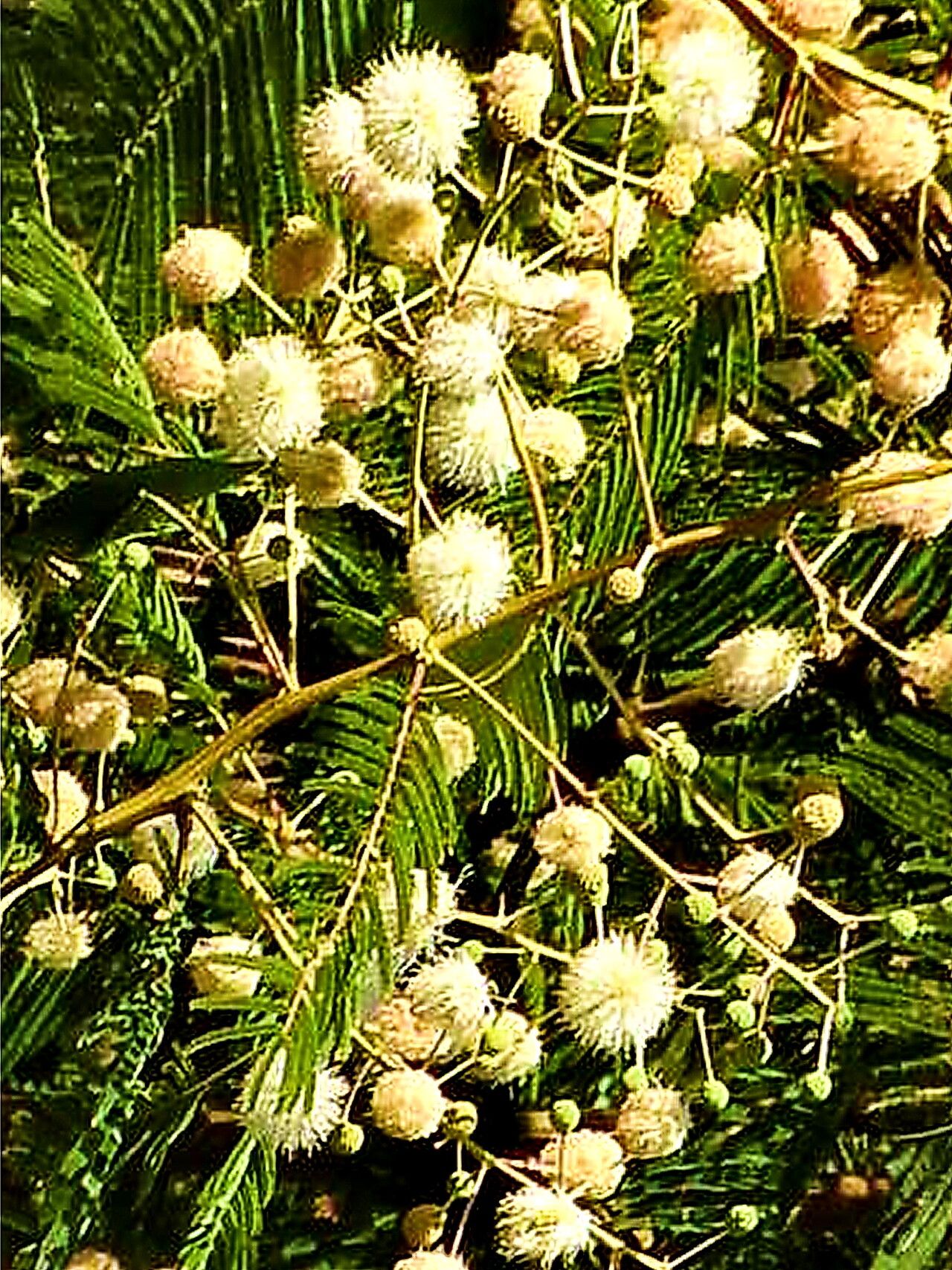
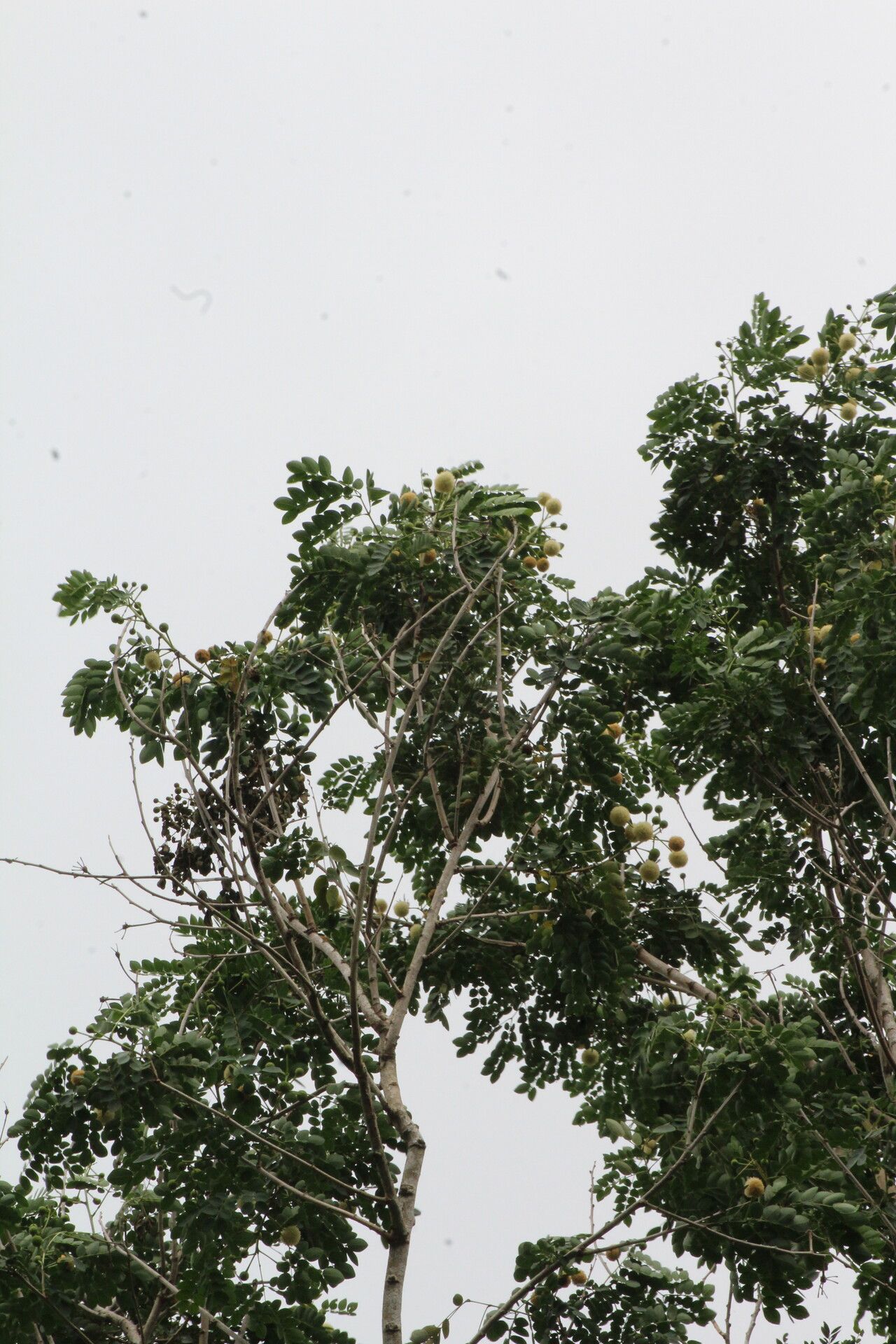
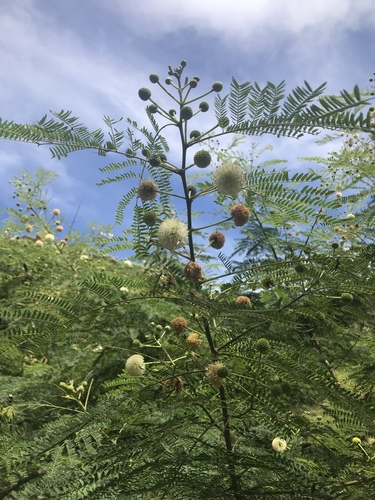
Leucaena retusa is a species of flowering plant in the legume family known by the common names littleleaf leadtree, goldenball leadtree, wahoo tree, and lemonball. It is native to Chihuahua and Coahuila in Mexico and Texas in the United States. It also occurs in New Mexico.This plant is a small tree that can reach 7.5 m (25 ft) in height. The leaves are bright green to blue-green in color and each is divided into several leaflets. The spherical flowers are yellow to white in color. The trees flower in April through October and they tend to flower profusely after rain. The fruit is a legume pod up to 25 cm (10 in) in length. The wood is weak and breaks easily.This tree grows in dry habitat and it is drought-tolerant. It is adapted to alkaline soils and full sunlight. It is often cultivated as an ornamental plant for its attractive appearance. It is easily grown from seed and it will reseed itself. It can even become weedy. It is not considered useful as a honey plant or for its wood.Animals such as livestock and white-tailed deer find the herbage palatable. The seeds are also high in protein.
Littleleaf leadtree displays strong resistance to disease and is typically not susceptible to illnesses. As for upkeep, this plant is fairly low-maintenance. When grown outdoors it needs little watering, and mature specimens usually do not require pruning. Smaller plants, however, should be trimmed after they finish flowering. Littleleaf leadtree is suitable for anyone with outdoor space, such as a garden or a deck, and does not require extensive experience in plant care.
How to keep Leucaena Retusa.
Light
Littleleaf leadtree generally flourishes in full sun but can tolerate moderate shade. Originating from areas where open sunlight is constant, the plant adapts to different light levels. However, persistent shade can slow growth, resulting in reduced vigor and sparse foliage. Excessive exposure may cause mild leaf scorch.
Water
Littleleaf leadtree, native to dry regions, is highly drought-tolerant and can thrive with minimal moisture. It should be watered once every 2-3 weeks. To support healthy growth, it's important to plant it in well-draining soil to prevent root rot.
Temperature
Native to warmer climate zones, the littleleaf leadtree prefers temperatures between 59 and 89.6 °F (15 and 32 ℃). Extreme cold can be harmful, so moderate the temperature by avoiding locations that are too shady or too exposed, especially during cold seasons.
Fertilizer
Timing matters when fertilizing Littleleaf leadtree. Apply fertilizer in early spring and continue monthly through early summer. The fertilizer promotes attractive blooms and supplies energy during both dormant periods and active growth.
Pruning
The Littleleaf Lead Tree features delicate, feathery leaves, making it highly valued for ornamental purposes. For optimal health and appearance, prune the tree from early to late winter. During this time, remove any dead wood, thin out crowded branches to improve airflow, and shape the plant as desired. This process not only enhances flowering but also improves the plant's overall health and helps reduce pest issues. For the best results, be sure to use clean, sharp tools.
Botanical profile.
- Plant Type
- Tree, Shrub
- Life Cycle
- Perennial
- Genus
- Leucaena
- Family
- Fabaceae
- Hardiness Zone
- 7
- Mature Height
- 3.66 m to 4.57 m
- Mature Spread
- 4.57 m to 7.62 m
- Leaf Color
- Light Green, Medium Sea Green
- Leaf Type
- Evergreen
- Flower Color
- Yellow
- Flower Size
- 2.54 cm
- Bloom Time
- Mid spring, Late spring, Summer
- Planting Time
- Spring, Summer, Autumn
- Harvest Time
- Mid summer, Late summer, Fall
- Native Area
- Mexico
Other names.
Reader questions.
What is the ideal temperature range for Littleleaf leadtree?
The Littleleaf leadtree, botanically known as Leucaena retusa, thrives in warmer climate zones with a preference for temperatures ranging between 59°F (15°C) and 89.6°F (32°C). Extreme cold can negatively affect the plant, so it's advised to locate it in areas that are not overly shady or exposed, particularly during the colder months. Although the Littleleaf leadtree possesses significant resistance to cold, it's important to protect it against temperatures dropping below -15°C by using insulation materials around the trunk and branches, and by watering abundantly before the first freeze to prevent drought and water scarcity during winter and early spring.
How does low temperature affect Littleleaf leadtree and how can it be managed?
Littleleaf leadtree shows resilience to cold temperatures and functions best when the temperature remains above 15°C. If temperatures fall below -10°C, there may not be noticeable damage during winter, but once temperatures drop below -15°C, the branches may turn brittle and dry by spring, preventing new shoots from emerging. The solution for this condition involves pruning away all dead branches that failed to produce new leaves in the spring.
What effects do high temperatures have on Littleleaf leadtree and what are the remedies?
During the summer months, it's crucial to ensure that the Littleleaf leadtree does not endure temperatures above 32°C. Exceeding 35°C can cause the leaves to lighten in color and make the tips dry and withered, increasing susceptibility to sunburn. To manage this, trim away any sunburned or dried parts of the plant. It's also advisable to relocate the plant to a shadier spot or use a shade cloth to protect it from the harsh midday and afternoon sun. Additionally, maintaining soil moisture by watering in the morning and evening can help prevent further stress on the plant.