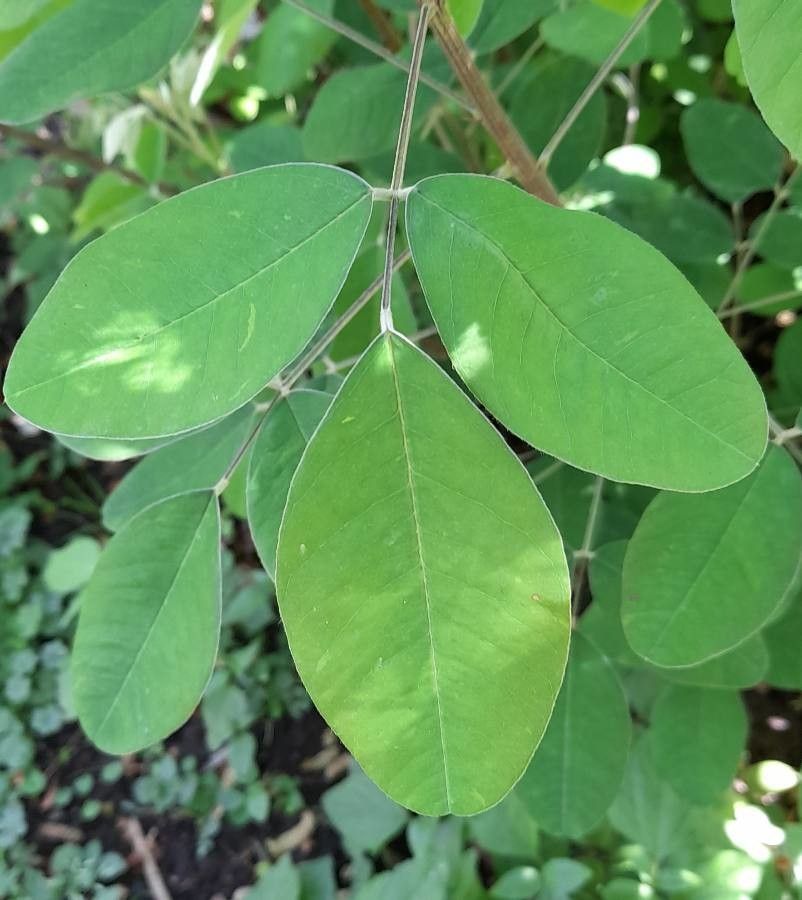
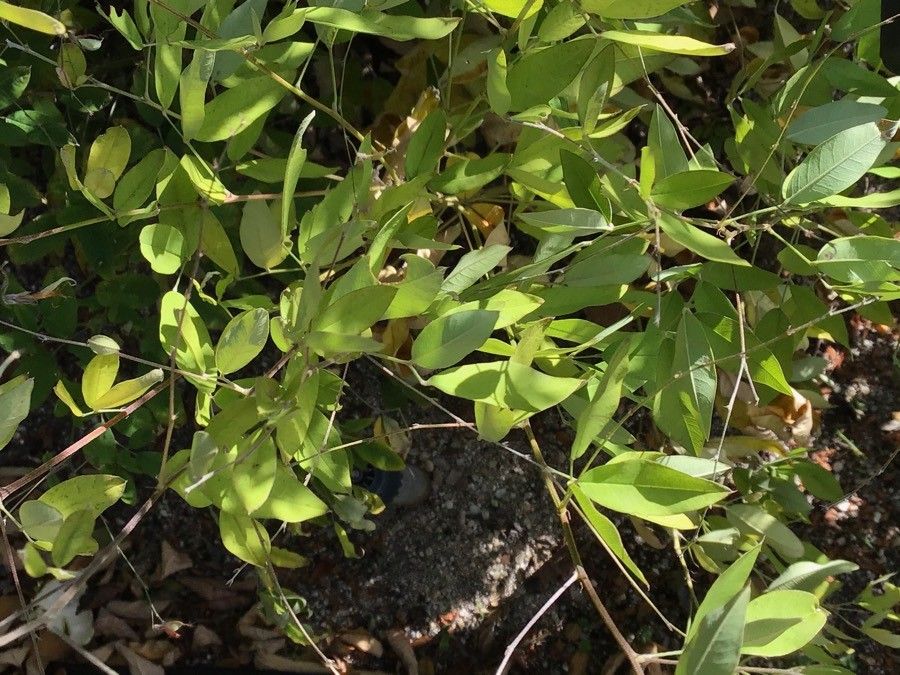
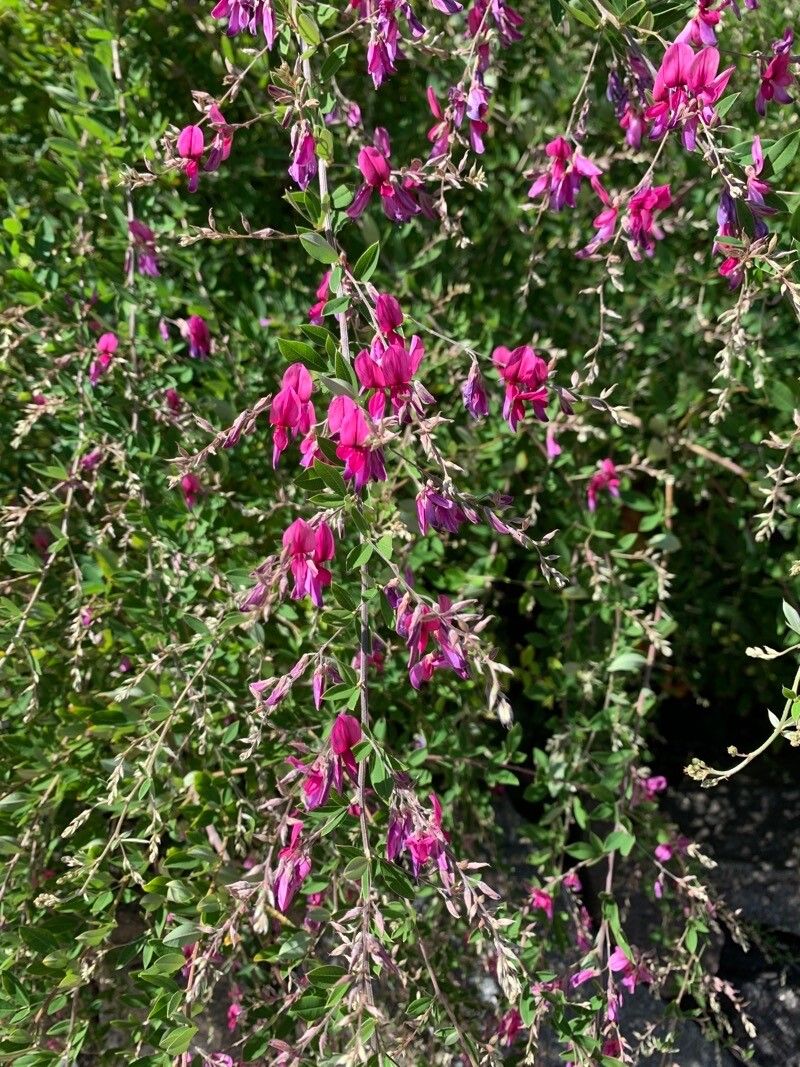
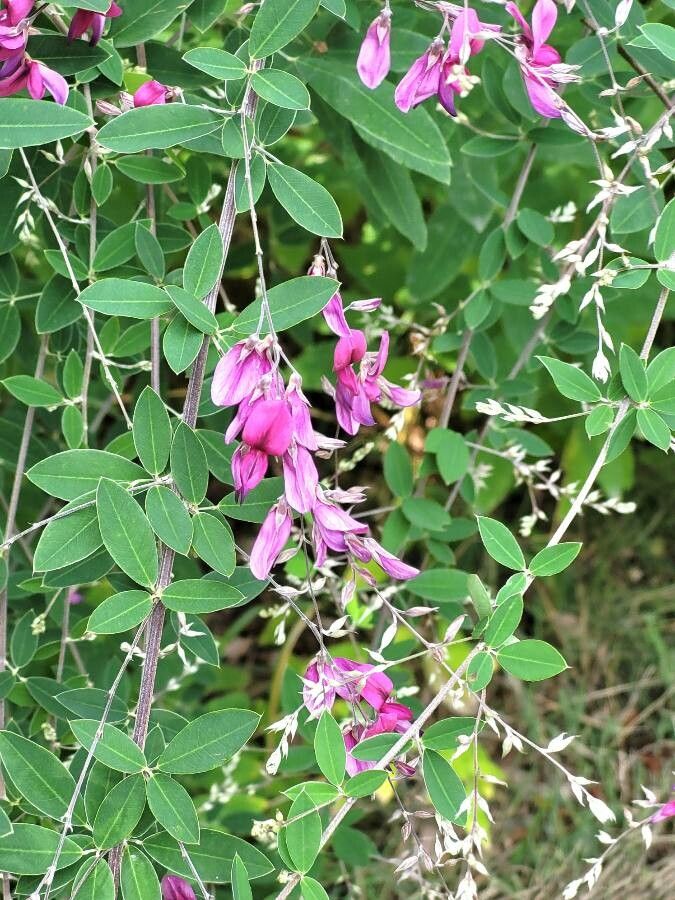
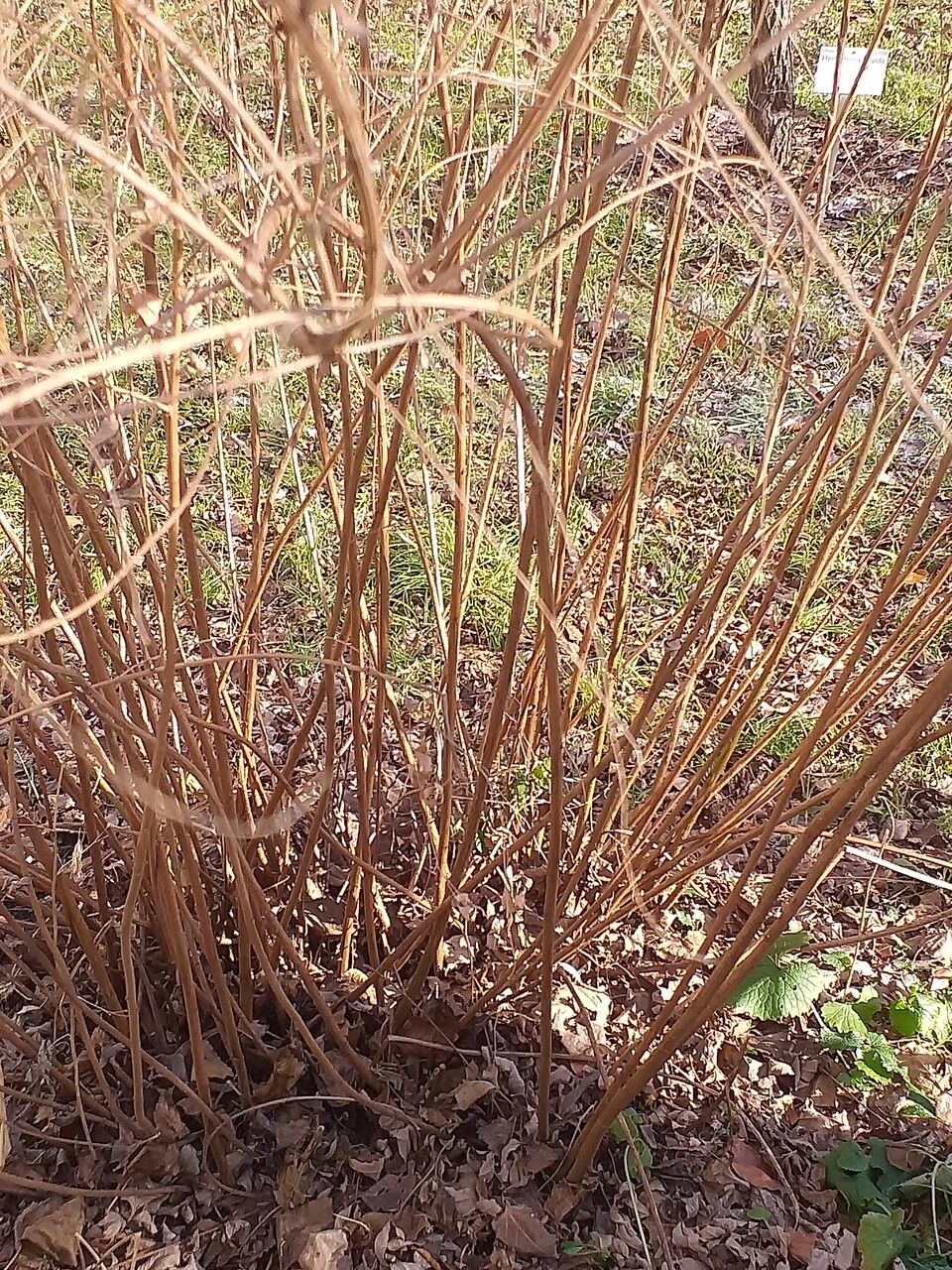
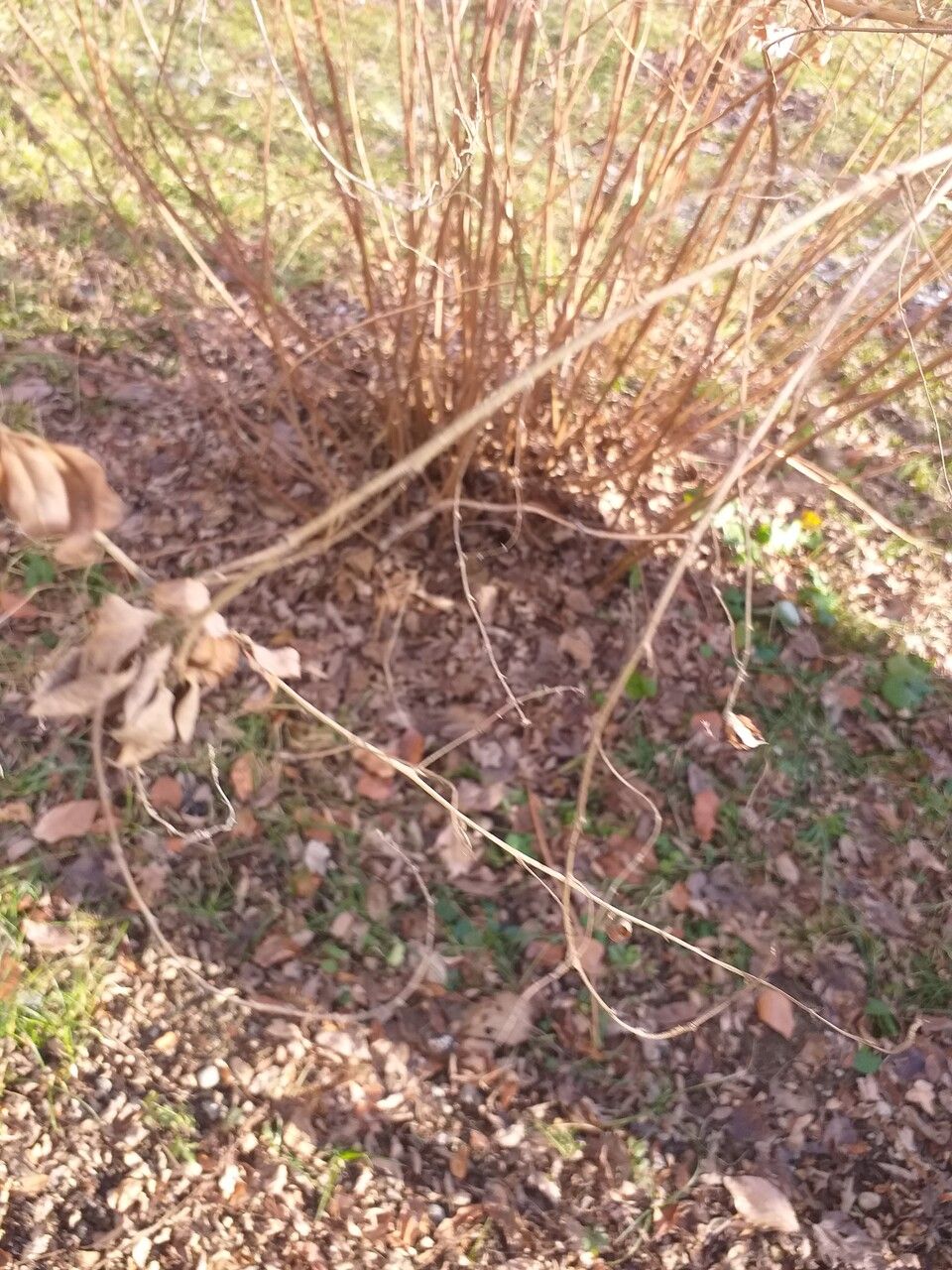
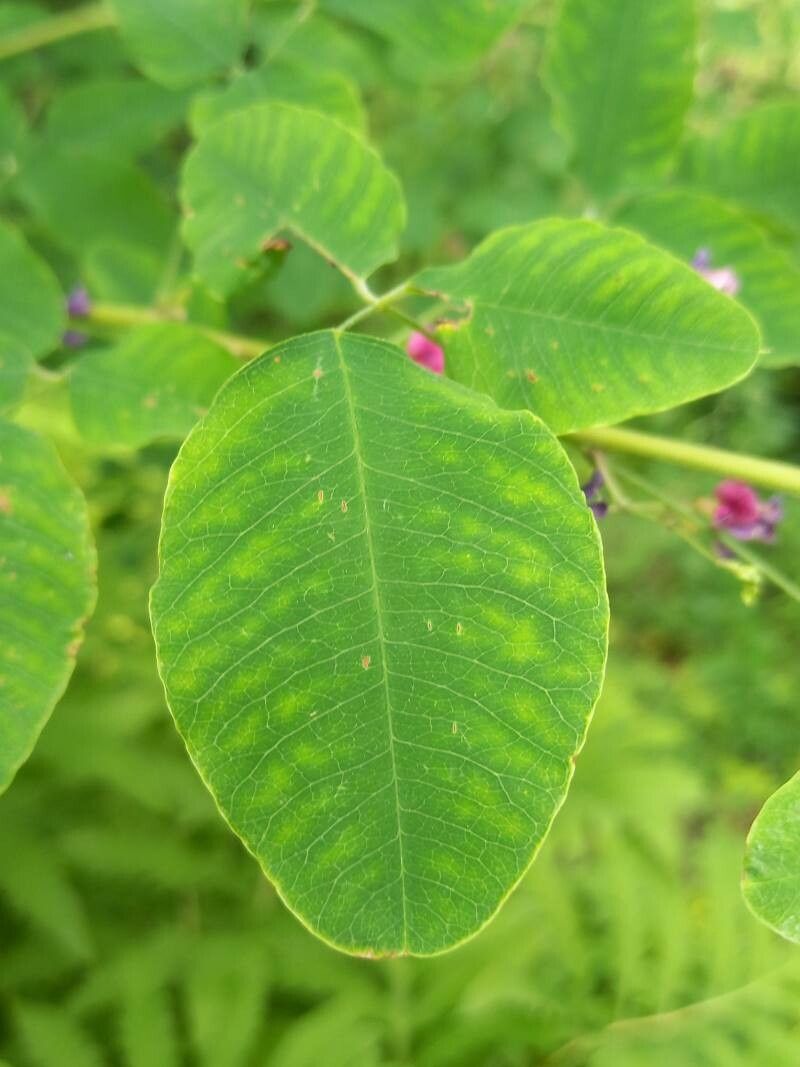
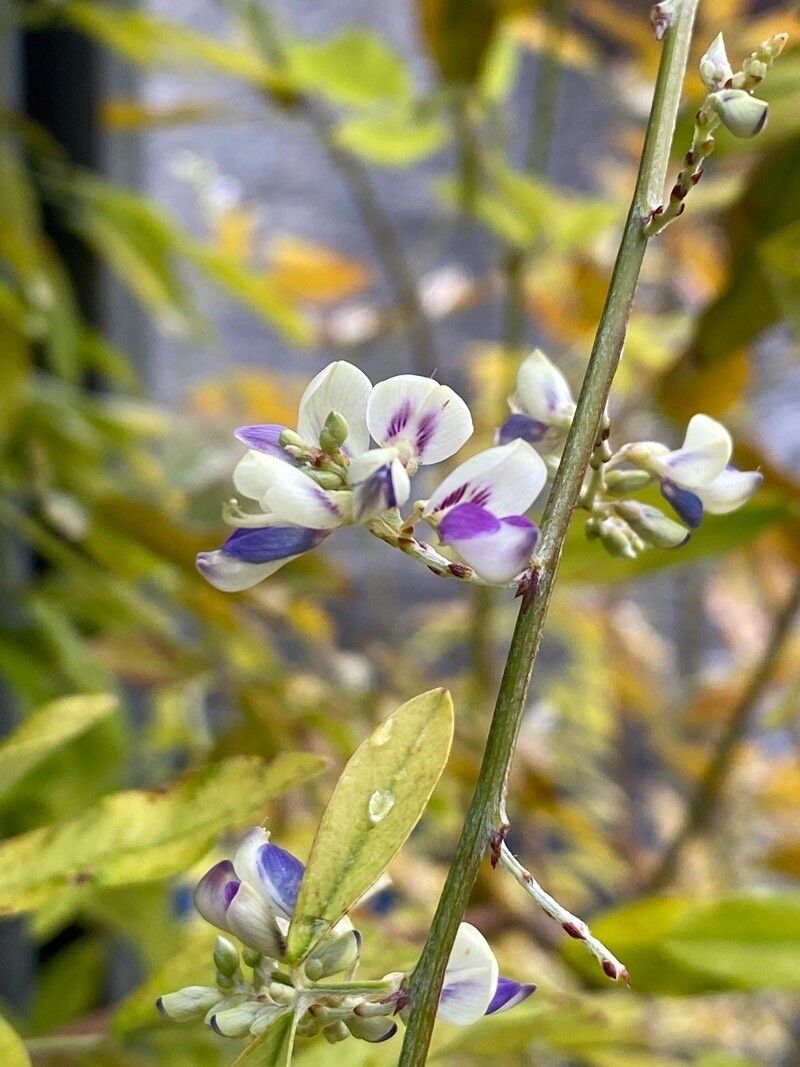
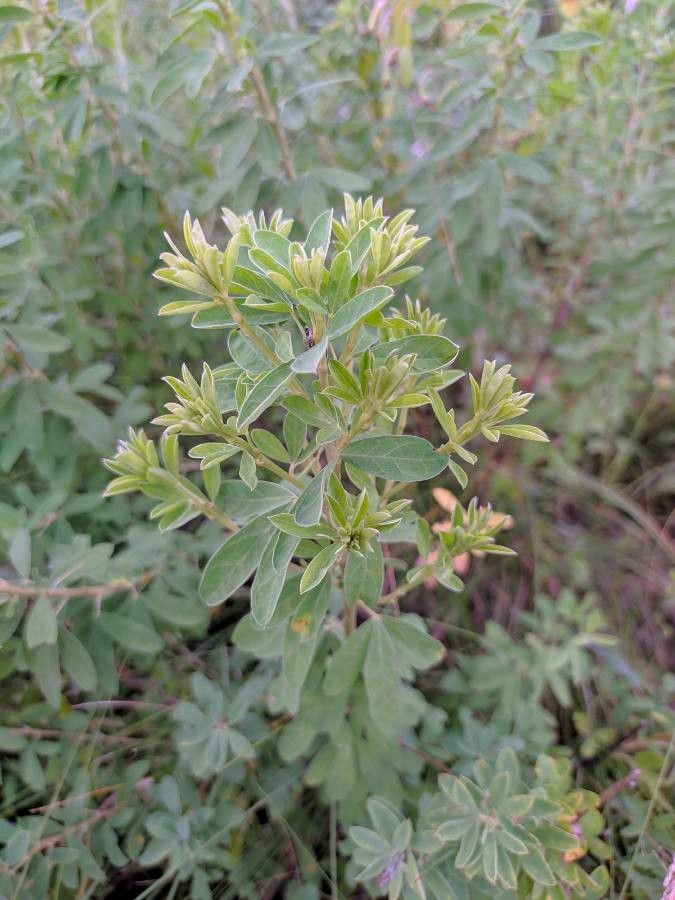
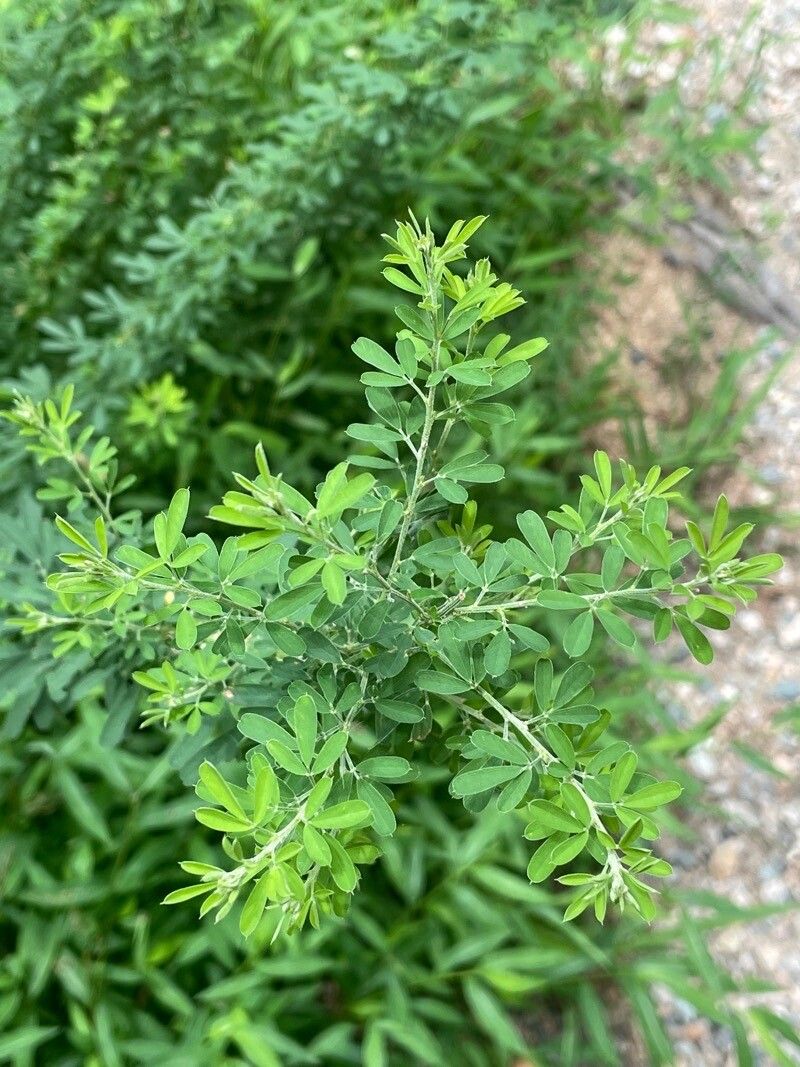
Lespedeza thunbergii is a species of flowering plant in the legume family known by the common names Thunberg's bushclover, Thunberg's lespedeza, and shrub lespedeza. It is native to China and Japan.This species produces annual stems up to 2 m (7 ft) tall and 0.5 in (1.3 cm) in diameter. They die back completely at the end of the season. The abundant pink to purplish flowers bloom in late summer. The fruit is a legume pod containing black seeds.The specific epithet thunbergii refers to the 18th-century Swedish botanist Carl Peter Thunberg.In cultivation this plant has gained the Royal Horticultural Society's Award of Garden Merit. It has been used to provide habitat for game animals, often alongside switchgrass. Cultivars include 'VA-70', 'Amquail', 'White Fountain', and 'Gibraltar'. This species has the capacity to become invasive.
Bush clover shows good resistance to disease and is generally not susceptible to it. In terms of care, this plant is fairly low-maintenance. When grown outdoors it needs little watering, and larger plants usually do not require pruning. Smaller plants, however, should be pruned after they finish blooming. Bush clover is suitable for anyone with an outdoor area, like a garden or deck, and does not demand extensive care experience.
How to keep Lespedeza Thunbergii.
Light
Bush clover does well in places with plenty of sunlight, though it can adapt to sites with less continuous light. Native to sunny habitats, the plant grows best under those conditions. Excessive or insufficient light can impede its growth, leaving it less vigorous and lively.
Water
Bush clover, a plant native to East Asia, thrives in semi-humid environments. It has moderate moisture needs and is also tolerant of drought. For best results, water the plant every 1-2 weeks, allowing the soil to dry out slightly between waterings. Usually grown outdoors, bush clover benefits from rainwater during its active growth period, which mirrors the rainfall patterns of its natural habitat.
Temperature
Bush clover comes from a climate with temperatures between 41 and 95 °F (5 to 35 ℃), which implies it prefers warmth but can endure cooler conditions. In particularly cool seasons, consider supplying extra warmth to preserve vibrant growth.
Fertilizer
The timing of fertilizing Bush clover is important. Apply fertilizer in early spring and continue monthly until early summer. Fertilizer promotes attractive blooms and supplies energy during both dormant and active growth phases.
Pruning
For optimal growth and flowering, prune bush clover in early spring, ideally cutting it back to 6-12 inches above the soil. Removing dead or weak stems improves the plant's overall health. Regular pruning also helps maintain the desired shape and size, encouraging a bushier appearance. However, avoid pruning late in the season to protect new growth.
Botanical profile.
- Plant Type
- Shrub
- Life Cycle
- Perennial
- Genus
- Lespedeza
- Family
- Fabaceae
- Hardiness Zone
- 4-9
- Mature Height
- 0.91 m to 1.83 m
- Mature Spread
- 0.91 m to 1.83 m
- Leaf Color
- Blue, Green
- Leaf Type
- Deciduous
- Flower Color
- Purple, Lavender
- Flower Size
- 15.24 cm
- Bloom Time
- Late summer, Early fall, Mid fall
- Planting Time
- Spring, Summer, Winter
- Harvest Time
- Mid fall, Late fall
Other names.