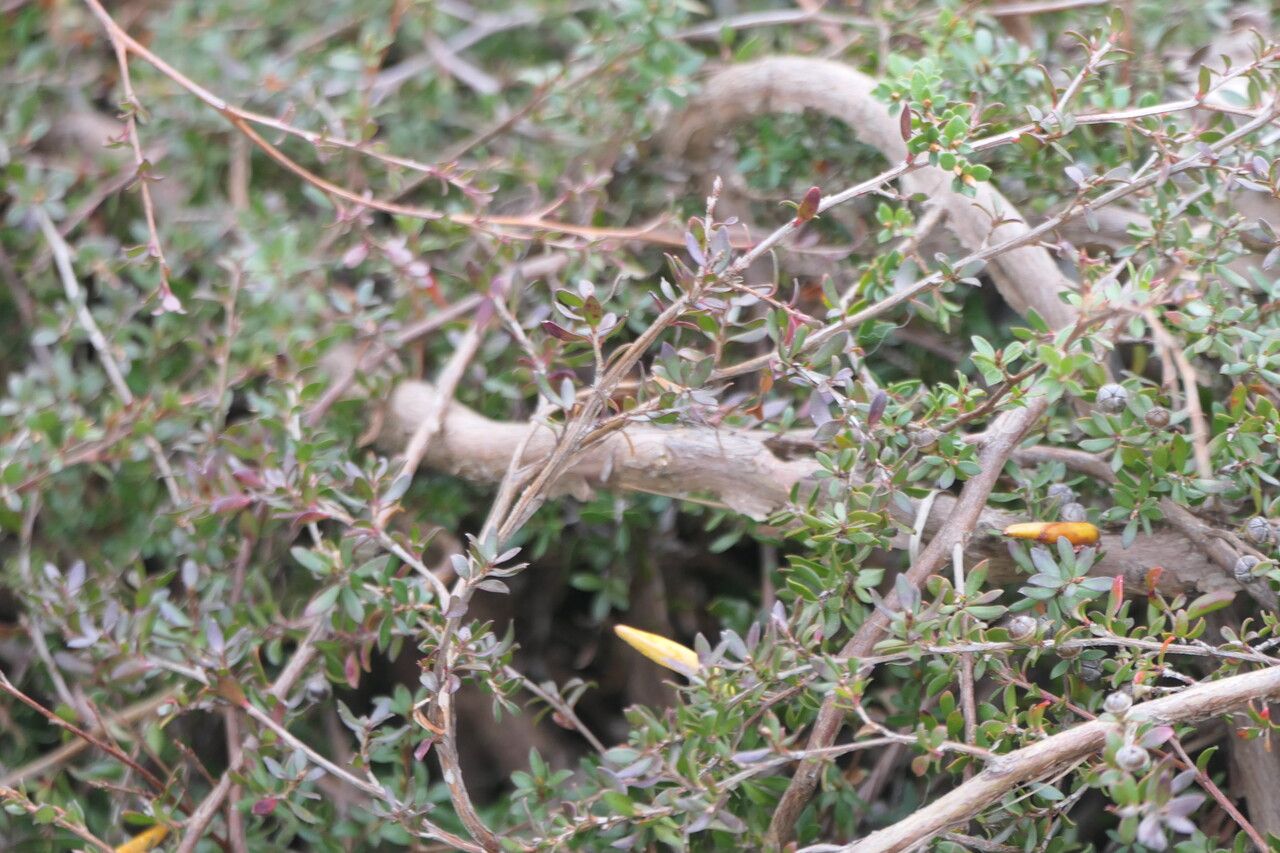
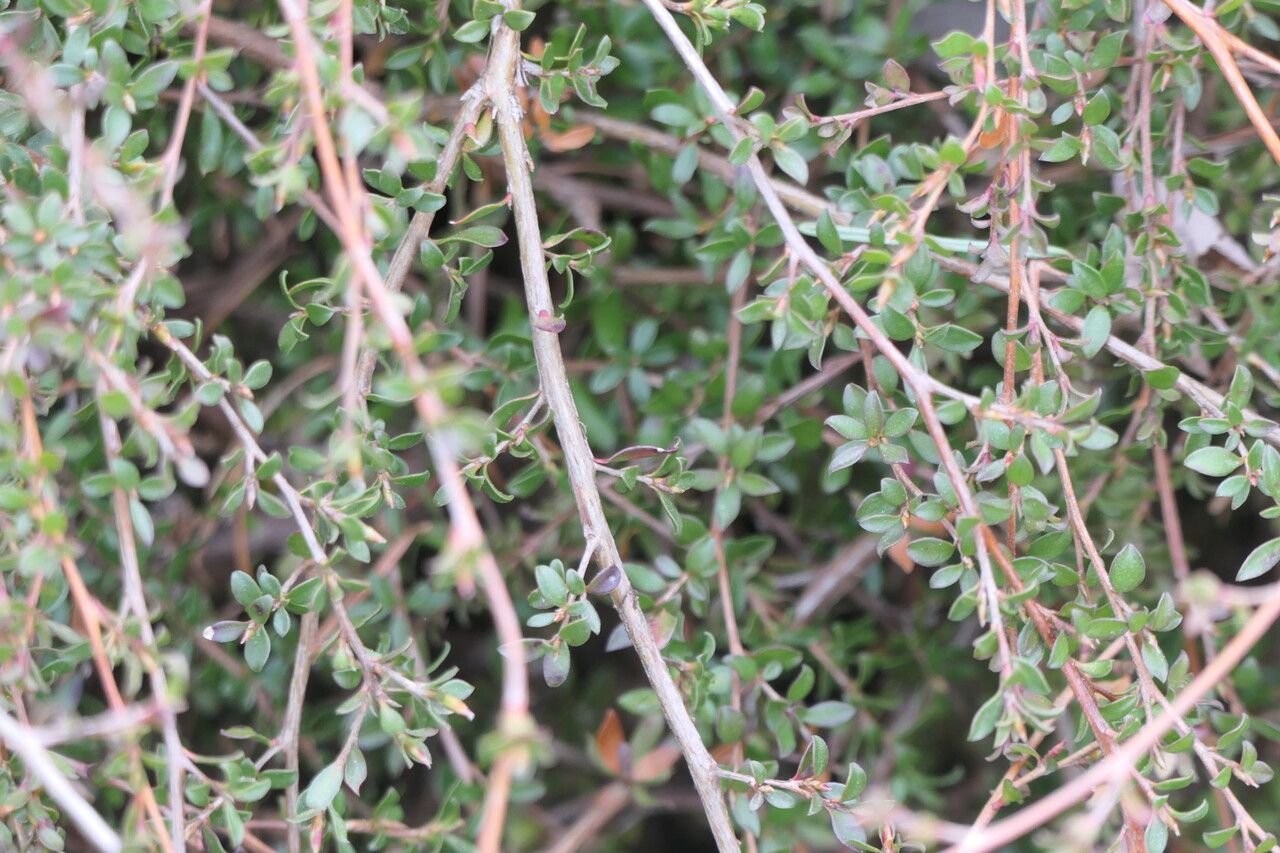
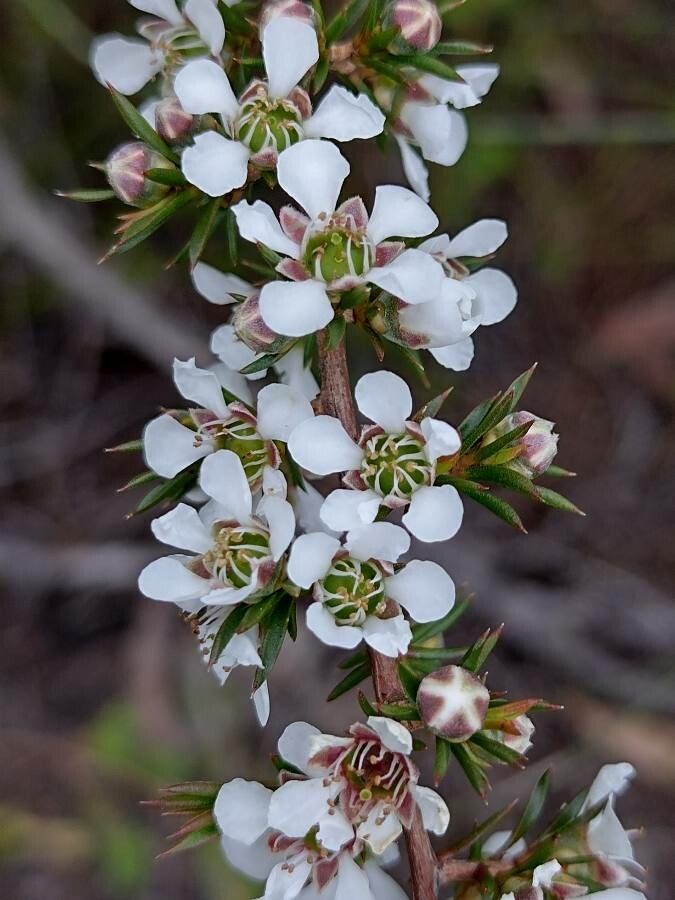
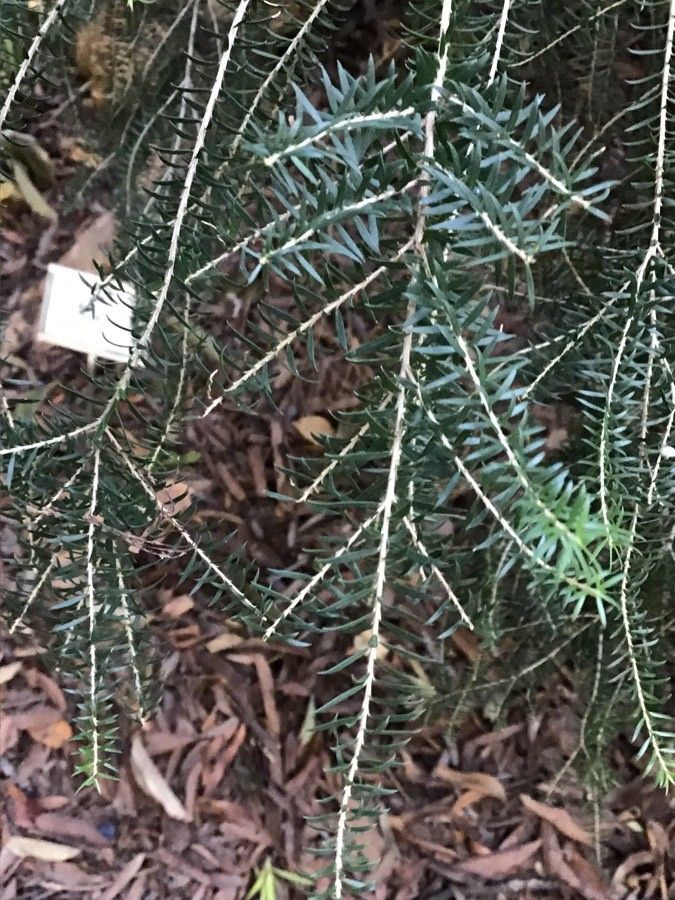
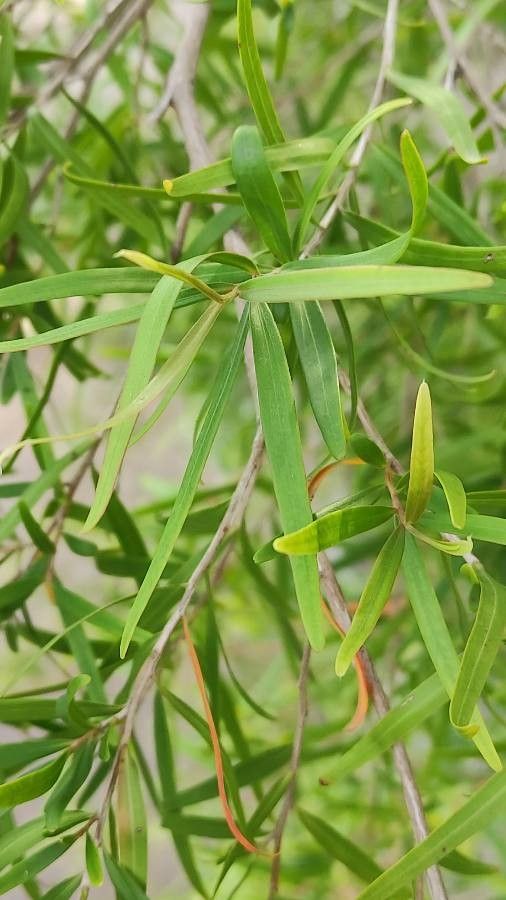
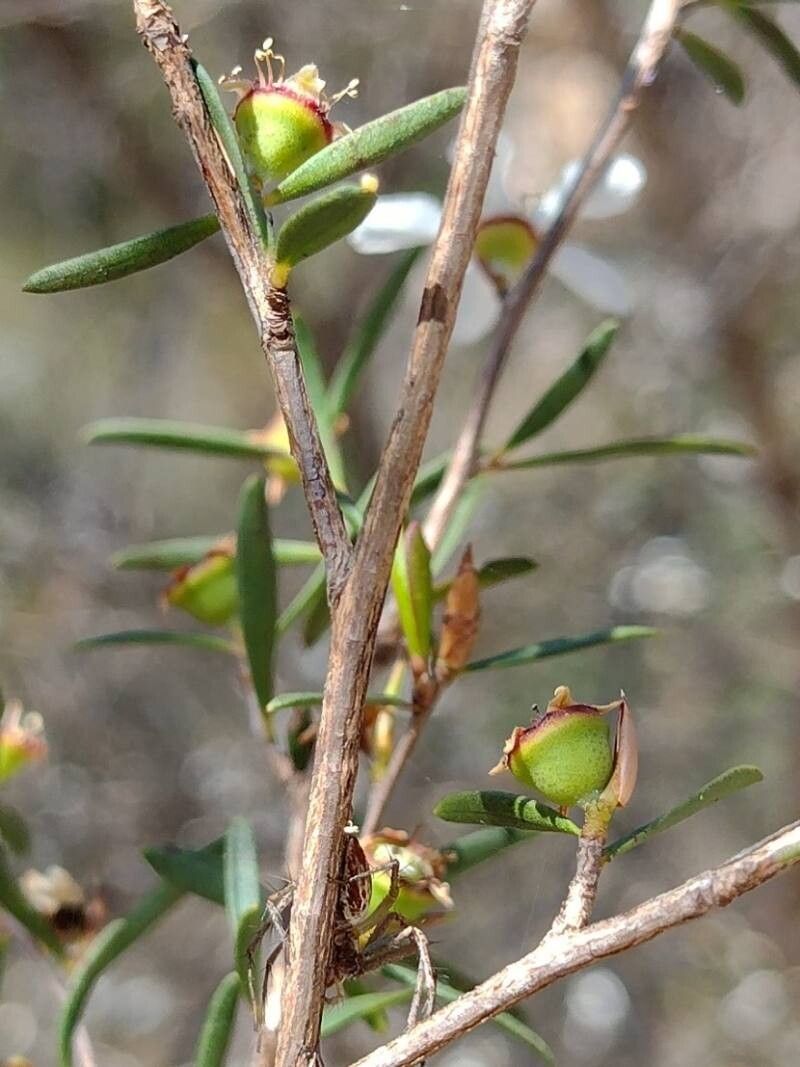
Leptospermum rupestre, commonly known as alpine tea-tree or prostrate tea-tree, is a flowering shrub in the myrtle family, Myrtaceae. It is endemic to Tasmania. In alpine areas it assumes a prostrate habit while in subalpine areas it appears as a large shrub.
The Alpine tea-tree is well resistant to disease and typically isn’t susceptible to illnesses. In terms of maintenance, this plant is fairly low-maintenance. When grown outdoors it needs only light watering, and larger specimens usually don’t require pruning. Smaller plants, however, should be trimmed after they finish blooming. The Alpine tea-tree is suitable for anyone with outdoor space, such as a garden or a deck, and does not demand much gardening experience.
How to keep Leptospermum Rupestre.
Light
Alpine tea-tree is native to open habitats like sunny meadows and forest edges, where light is abundant. It does best in full sun but can tolerate partial sun, adjusting well to different light conditions.
Fertilizer
Fertilize your Alpine tea-tree in early spring to encourage healthy growth. Regular feeding improves its overall health, leading to vigorous development, increased tolerance of harsh conditions, and enhanced resistance to pests and disease. Keep a consistent fertilization schedule for your Alpine tea-tree to preserve foliage that is richly colored and lush.
Pruning
The hardy alpine tea-tree, a small shrub, thrives when pruned in early spring. To maintain its health, remove any dead branches and thin out dense areas to improve airflow. Lightly shaping the shrub encourages a bushy form, which enhances the health of the foliage and reduces the risk of disease. Be sure to use clean tools when cutting to prevent infections.
Botanical profile.
- Plant Type
- Shrub
- Life Cycle
- Perennial
- Genus
- Leptospermum
- Family
- Myrtaceae
- Hardiness Zone
- 8-10
- Mature Height
- 49 cm to 91 cm
- Mature Spread
- 0.91 m to 2.13 m
- Leaf Color
- Dark Green
- Leaf Type
- Evergreen
- Flower Color
- White
- Flower Size
- 1.02 cm to 1.52 cm
- Bloom Time
- Mid spring, Late spring
- Planting Time
- Spring, Summer, Autumn
- Harvest Time
- Summer
Reader questions.
What are the sunlight requirements for an Alpine tea-tree?
The Alpine tea-tree, or Leptospermum rupestre, thrives in varying amounts of sunlight. For optimal growth, it requires full sun, which is defined as receiving more than 6 hours of sunlight daily. Alternatively, it can also grow well in partial sun, which means it should get about 3-6 hours of sunlight each day. It's important to observe the patterns of sunlight movement through your garden to identify spots that offer the ideal mix of light and shade. This careful selection helps ensure that your Alpine tea-tree plants remain healthy and happy.
What is the Alpine tea-tree?
The Alpine tea-tree is known botanically as Leptospermum rupestre. It is a plant species identified by its unique characteristics, though specific details about its essentials, such as its general description, content, and additional attributes, along with its symptoms, were not provided.