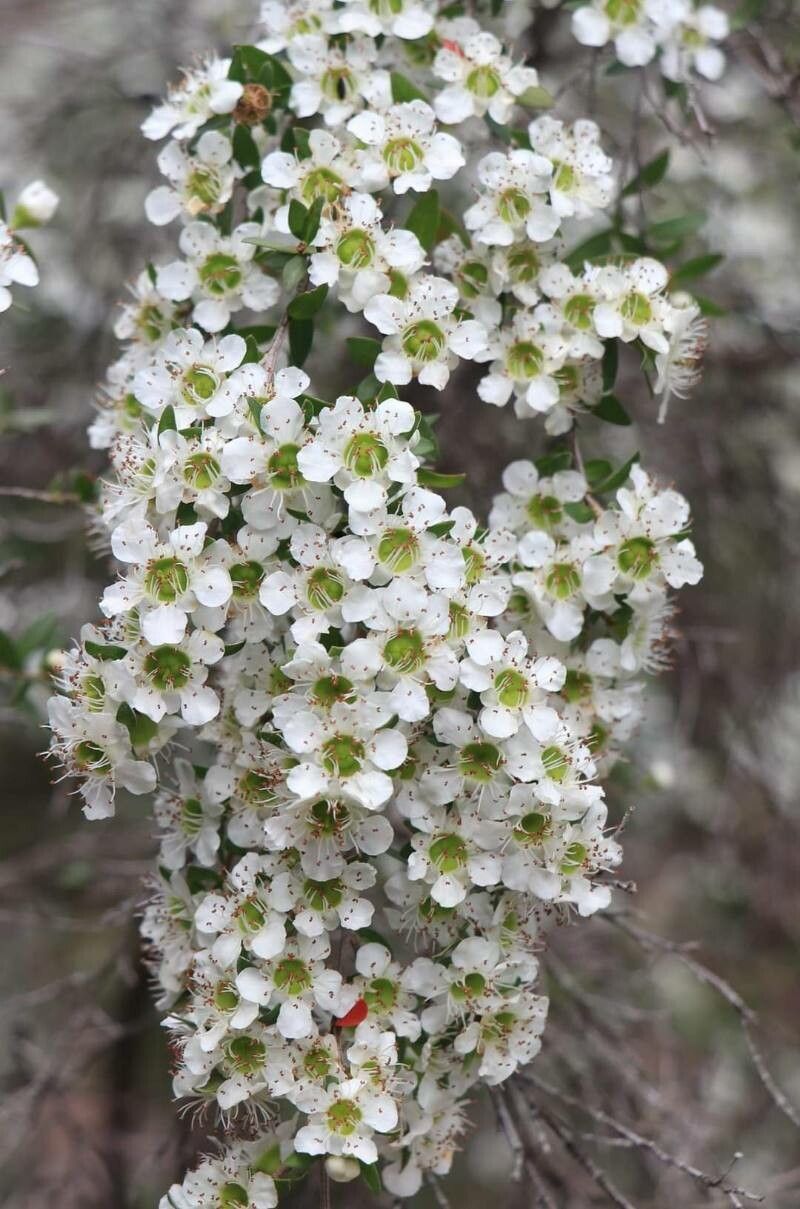
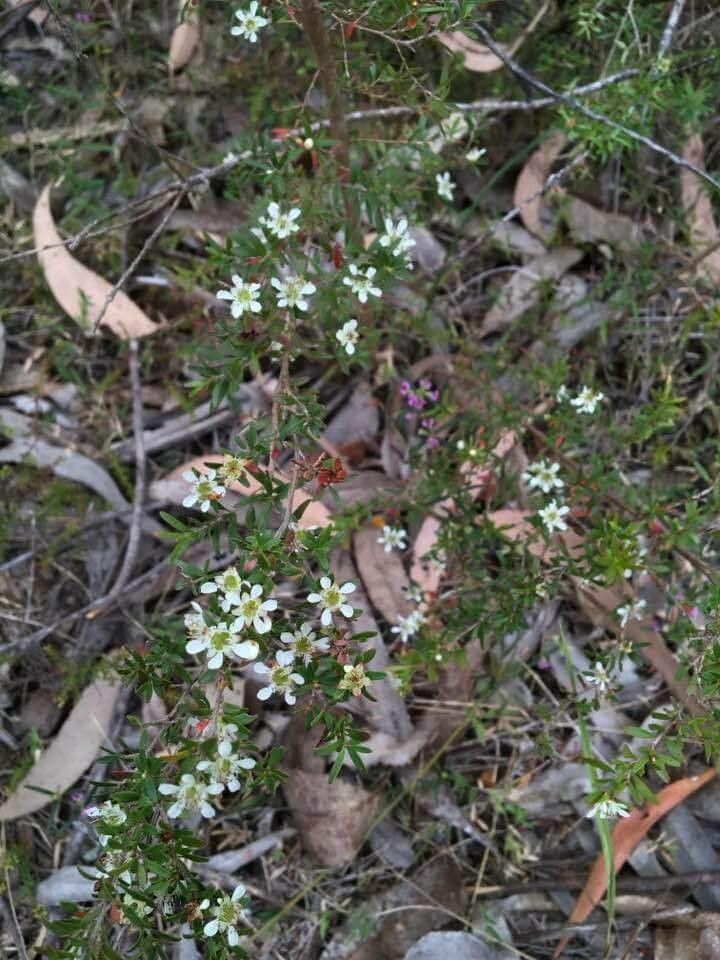
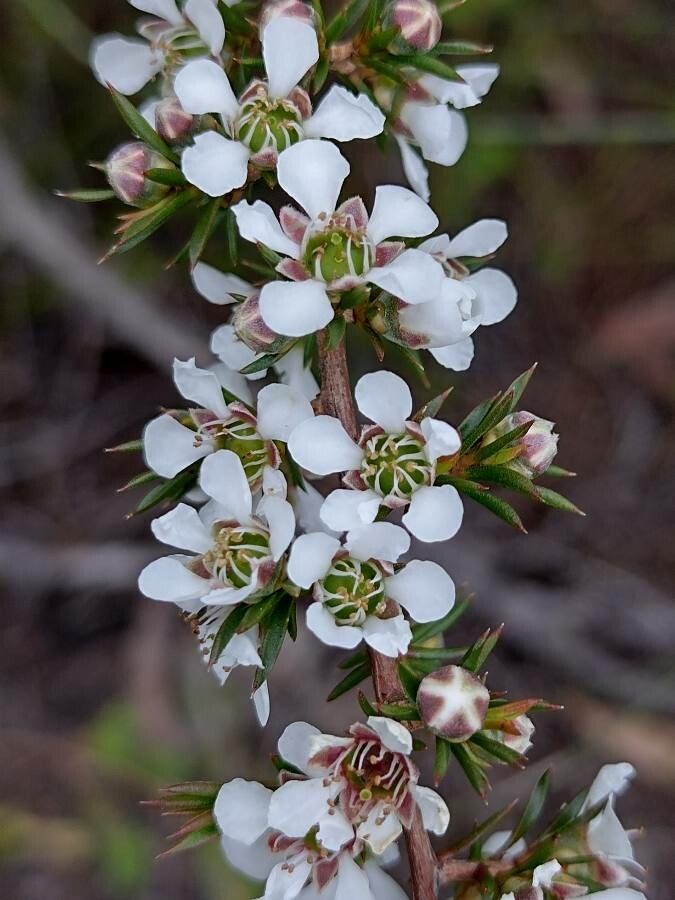
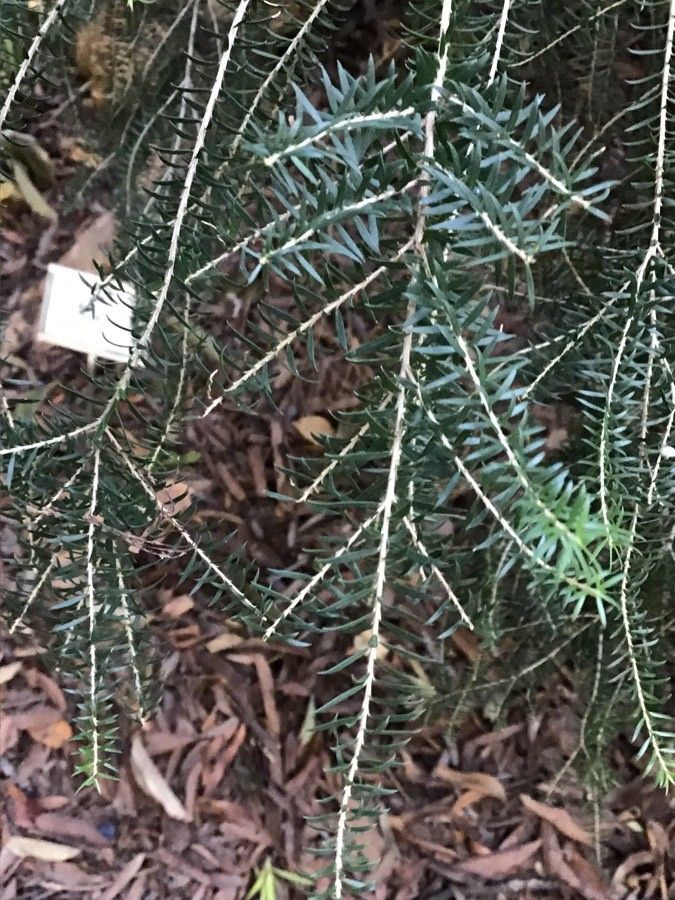
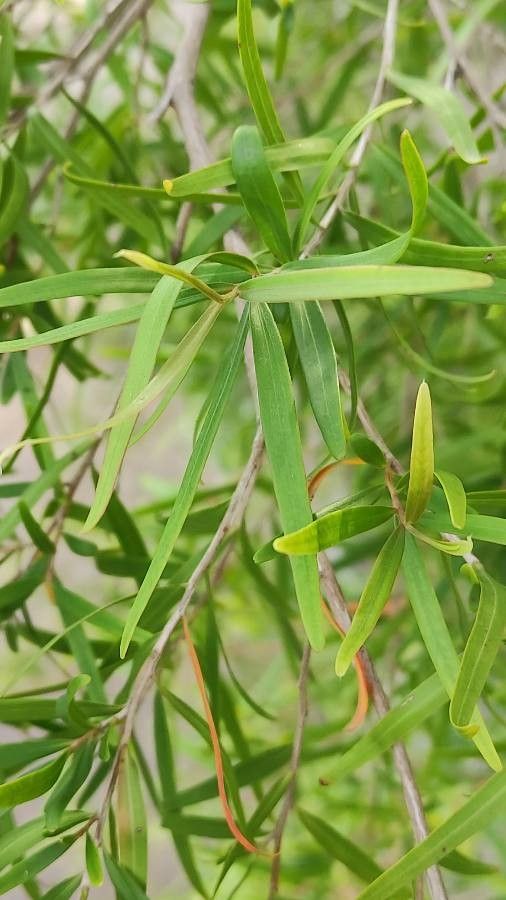
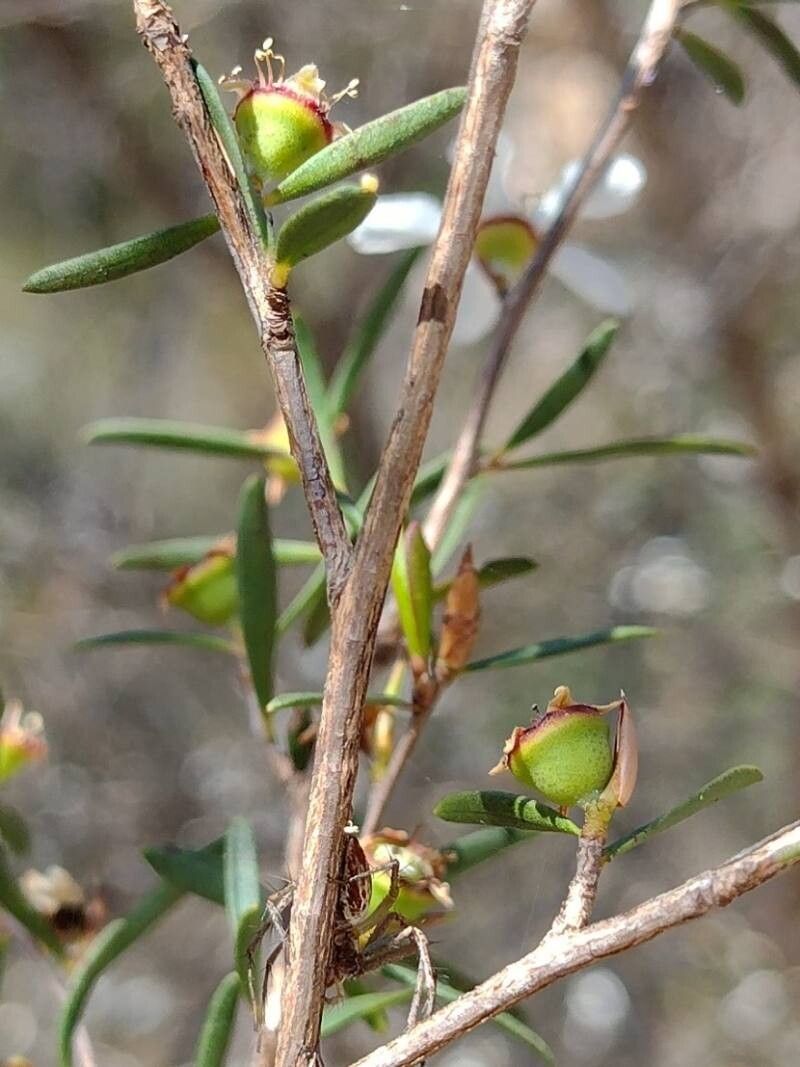
Leptospermum polygalifolium, commonly known as tantoon, jellybush or yellow tea tree, is a species of shrub or tree of the family Myrtaceae that is endemic to eastern Australia, including Lord Howe Island. It has thin bark, elliptical leaves, white flowers arranged singly on short side shoots and fruit that remain on the plant for a few years.
Leptospermum polygalifolium: The name of this plant is derived from Greek words. "Leptospermum" comes from the Greek words "leptos," meaning thin, and "sperma," meaning seed, which describes the small seeds produced by the plant. The species name "polygalifolium" is composed of Latin words: "folius," meaning leaf, and "polygala," which refers to another plant species. The leaves of Leptospermum polygalifolium resemble those of the Polygala plant.
How to keep Leptospermum Polygalifolium.
Light
The common tea tree grows best with plenty of sunlight, though it tolerates moderate sun fairly well. In its native habitat, ample sun exposure is important for healthy growth. Both too much and too little light can affect the plant's vigor.
Water
The common tea tree is well-suited for environments with varying moisture levels, demonstrating both drought tolerance and vigor even when water is scarce. Water it every 2-3 weeks and ensure it is planted in well-draining soil. This plant is ideal for xeriscaping and gardens that receive irregular rainfall. Its resilience and adaptability make it flourish in outdoor settings.
Temperature
The common tea tree is native to temperate regions and prefers temperatures of 59–95 °F (15–35 °C). In colder months, make sure the common tea tree is kept in a warmer spot, while during hotter seasons it may require shading.
Fertilizer
Timing is essential for fertilizing the Common tea tree. Apply fertilizer in early spring and continue monthly until early summer. The fertilizer promotes attractive blooms and supplies energy during both dormant and active growth periods.
Pruning
The common tea tree has needle-like leaves and blooms with white to pink flowers. To keep its shape and encourage dense growth, prune the tree in late spring after it has finished blooming. Be sure to remove any dead or crossing branches to improve air circulation and light penetration. This helps reduce the risk of disease and enhances flowering in the future.
Botanical profile.
- Plant Type
- Shrub
- Life Cycle
- Perennial
- Genus
- Leptospermum
- Family
- Myrtaceae
- Hardiness Zone
- 7-10
- Mature Height
- 0.49 m to 7.01 m
- Mature Spread
- 3.05 m
- Leaf Color
- Dark Green
- Leaf Type
- Evergreen
- Flower Color
- White, Pink, Cream, Purple, Red
- Flower Size
- 1.02 cm to 1.52 cm
- Bloom Time
- Mid spring, Late spring, Early summer, Mid summer
- Planting Time
- Spring
- Harvest Time
- Mid summer, Late summer, Early fall, Mid fall
Other names.
Reader questions.
How should I water my Common tea tree?
Your Common tea tree is not particular about how you water it. You can use various watering tools like watering cans, hoses, or even cups. It's best to water the plant by applying the water directly to the soil. Make sure to evenly moisten all areas of the soil to provide water to all parts of the root system. It's recommended to use filtered water to avoid harmful particles found in tap water. Additionally, using water at or slightly above room temperature is beneficial, as water that is too cold or too hot can shock the plant. However, the Common tea tree generally responds well to any type of water.
How many hours of sunlight per day does Common tea tree need to grow healthy?
To promote healthy growth, it is important to provide Common tea tree with a minimum of 3-6 hours of sunlight every day. While this is the minimum requirement, most plants that can tolerate partial sunlight can also do well in full sunlight. These plants are more adaptable because they need less light for photosynthesis compared to those that specifically require full sunlight or partial shade.
How can I make sure the Common tea tree stays warm during cold seasons?
Common tea tree can survive freezing temperatures in the ground as long as the temperature does not drop below 15℉ (-10℃). However, if the tree is planted in pots or containers, the roots need to be protected from the cold. This can be done by wrapping the container in a blanket or bringing it indoors for complete protection.
What should I do if I give my Common tea tree too much or too little water?
Outdoor plants, particularly newly planted ones or seedlings, can be prone to lack of watering. It's important to remember to water them adequately for a few months when they are small or have just been planted. After the roots are established, Common tea trees can rely on rain most of the time. When Common tea trees are planted in pots, overwatering is more likely to happen. If you accidentally overwater your Common tea tree, you should take immediate action to fix the situation. Firstly, stop watering the plant to minimize the effect of overwatering. Then, remove the tree from its pot to inspect the roots. If there is no root rot present, you can return the plant to its pot. However, if you find any signs of root rot, trim away the affected roots and consider applying a fungicide to prevent further damage. Finally, repot the Common tea tree in well-draining soil. On the other hand, if your Common tea tree is not getting enough water, you should simply water it more frequently. Underwatering is often an easy problem to fix. When a plant is underwatered, its leaves will droop, dry out, and fall off. But after sufficient watering, the leaves will quickly regain their fullness. So, remember to correct your watering frequency as soon as you notice underwatering.
What kind of sunlight does Common tea tree require?
Common tea tree thrives in full or part sun. It does exceptionally well with direct morning sunlight. However, during summer, it is important to shield the plant from the intense afternoon sun to prevent leaf burn and preserve the plant's overall health and appearance. This is especially crucial in temperate areas where excessive hot afternoon sun can cause damage.
How can I keep the Common tea tree warm without using a heat pad?
If the Common tea tree is planted in the ground outside, there is no need for heating pads because it can tolerate the cold. However, if the plant is in a pot outdoors, it is best to bring it inside a heated house during winter and put it near a sunny window.
How often do I need to water my Common tea tree?
Outdoor plants can generally rely on rainfall for their water needs. However, if your area doesn't receive enough rainfall, you should water your plants every 2 weeks in spring and fall. In summer, they will require more frequent watering, while in winter, when growth slows down, you can water them less often or not at all. Young or newly planted Common tea trees will need more frequent watering to help them establish and become drought tolerant. For potted Common tea trees, there are two ways to determine watering frequency. One is to follow a set schedule, such as once every week or every other week. However, this method may not consider the specific conditions of your plant's environment. Another approach is to check the moisture in the soil. It's best to wait until the top two to four inches of soil, about ⅓ to ½ the depth of the pot, have completely dried out before watering again. Keep in mind that during summer, your plant will likely need more water than the predetermined schedule suggests.
Can the sun harm Common tea trees? How can you prevent damage to Common tea trees from the sun and heat?
Common tea tree plants can be easily damaged by direct sunlight if they are moved from indoors to outdoors. To prevent sunburn, it is best to gradually move the pots from a shaded area to a brighter spot. However, even plants that are used to the sun can still be harmed by extreme heat. During a heatwave, it is crucial to keep the soil consistently moist so that the plants can handle the excessive heat. To protect Common tea tree plants from extreme weather, you can either move them to areas with afternoon shade or cover them with a shade cloth.
Do I need to change the temperature for Common tea tree in different seasons?
The common tea tree is a resilient plant that can withstand seasonal changes without any issues when grown outdoors or in pots. This means that you don't need to adjust the temperature for its growth. However, if the flowering is not happening as expected, exposing the plant to a period of winter freeze may help to rejuvenate the flowering process.
How much water does my tea tree need?
When watering your Common tea tree, it's important to keep in mind that it doesn't always require a large amount of water. If only a small portion of the soil has dried out since the last watering, giving the plant about five to ten ounces of water is sufficient to promote healthy growth. To determine the amount of water needed, you can assess the moisture level of the soil by observing how many inches have dried out. To ensure the plant receives adequate moisture, it is recommended to water enough to moisten all the dry soil layers since the last watering. If more than half of the soil has dried out, it's advisable to provide extra water until you see excess water draining from the pot's holes. If your Common tea tree is planted outdoors in a location with ample rainfall, additional watering may not be necessary. However, for young or newly established trees, it's recommended to provide 1-2 inches of rain per week. As the tree grows and becomes established, it can rely solely on rainwater. Only during hot weather conditions or extended periods without rainfall of 2-3 weeks should you consider giving the tree a thorough watering to prevent stress.
Should I keep Common tea tree out of the sun?
Common tea tree benefits from bright morning sun and some full sun exposure. However, it cannot handle the harsh, hot midday sun in summer. If it is planted in the ground, it can gradually adapt to the increasing intensity of the summer sun. On the other hand, potted plants that have been indoors or in a protected location are more likely to be injured if suddenly exposed to direct summer sun in the hottest part of the day. To protect the plant from the intense afternoon sun, it is best to plant or place it in an area with shade at midday, such as an understory location with taller trees and plants or next to a building or landscape feature.
What is the best temperature for growing Common tea tree?
The ideal temperature range for Common tea tree to thrive is 65~80℉(18~27℃). During the primary growing phase, the highest tolerable temperature is 95℉(35℃), while the lowest tolerable temperature is 15℉(-10℃). This species can tolerate low temperatures and survive freezing winters. The recommended temperature ranges are: - Perfect: 65~80℉(18~27℃) - Highest: 85~95℉(30~35℃) - Lowest: -5~15℉(-20~-10℃) or below.