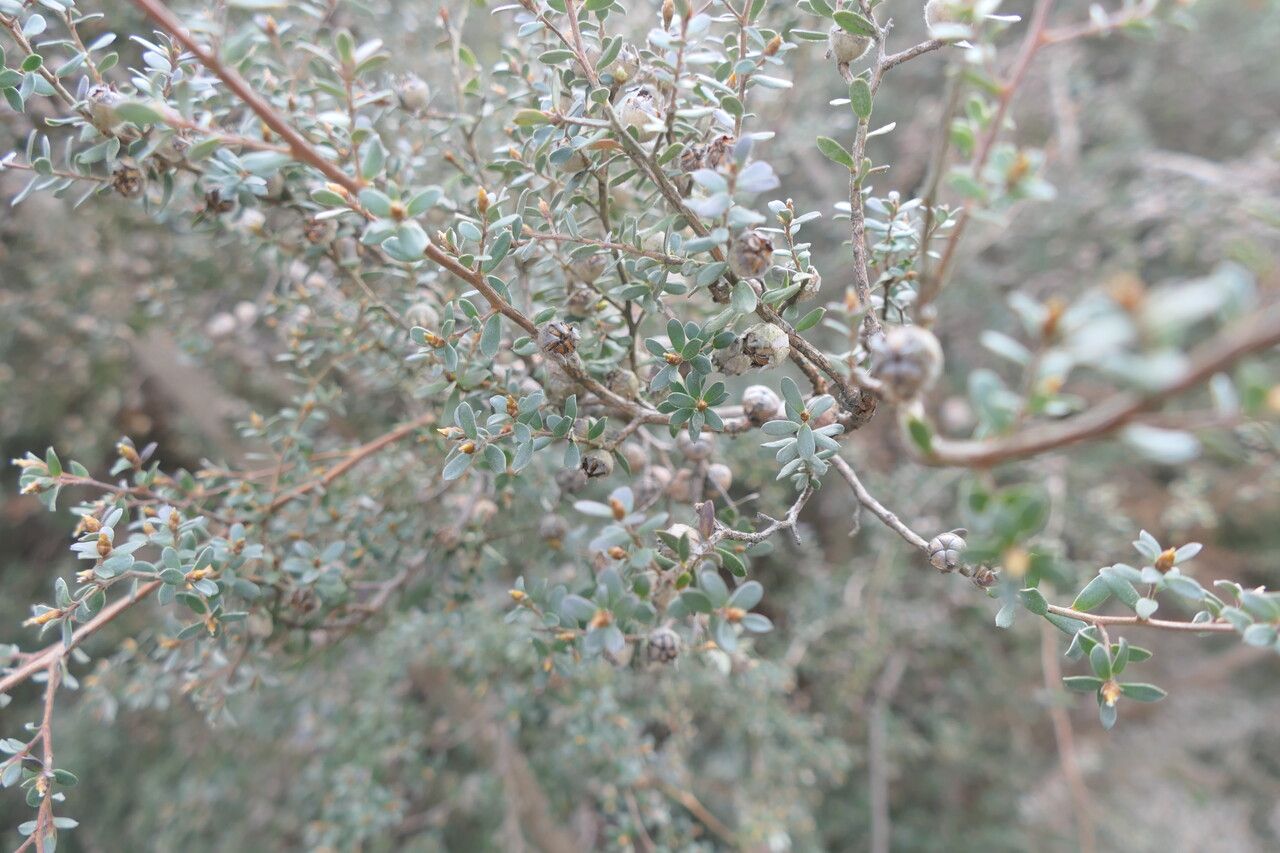
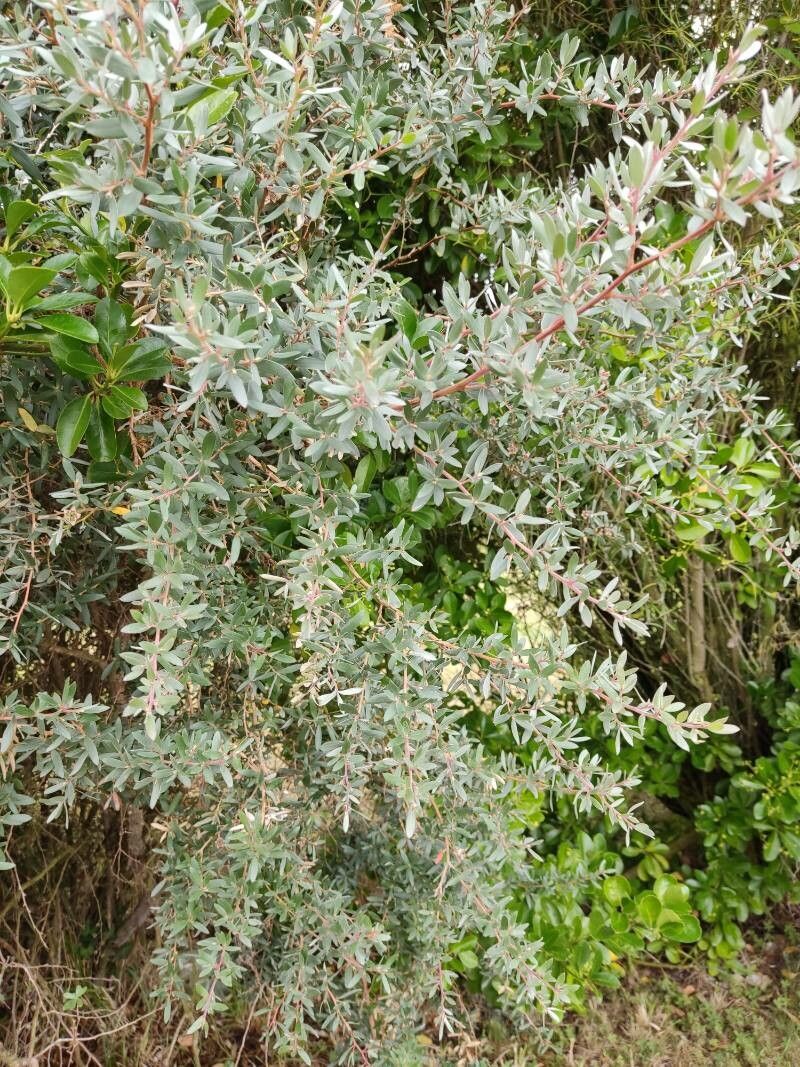
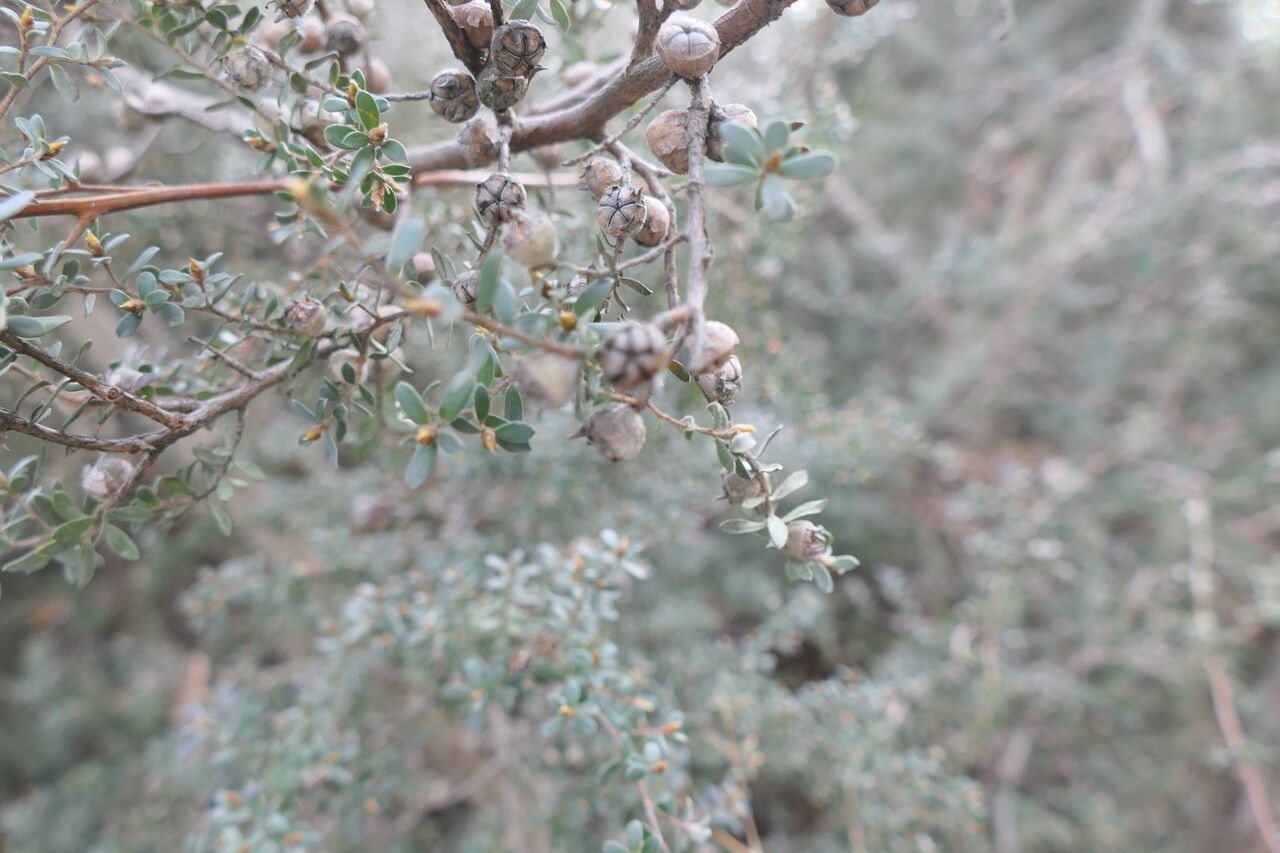
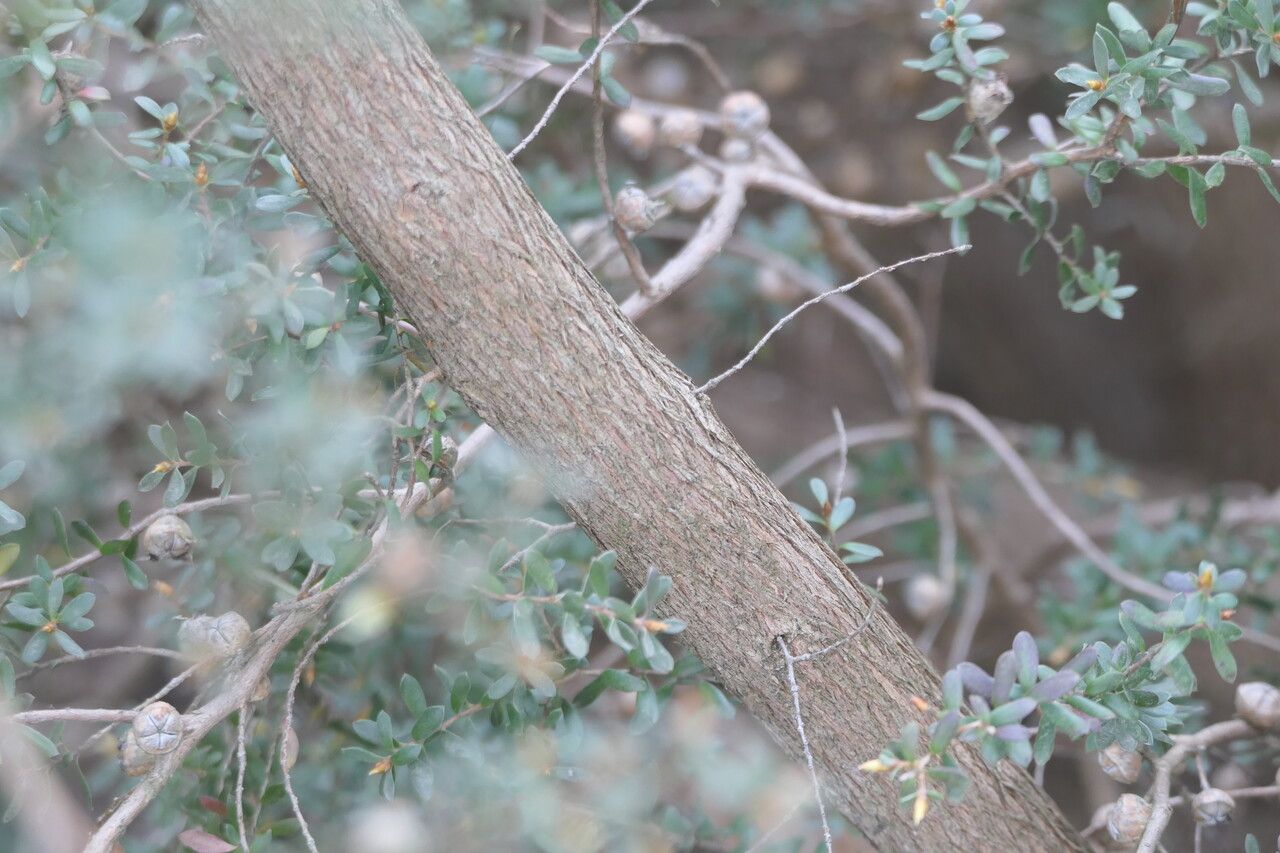
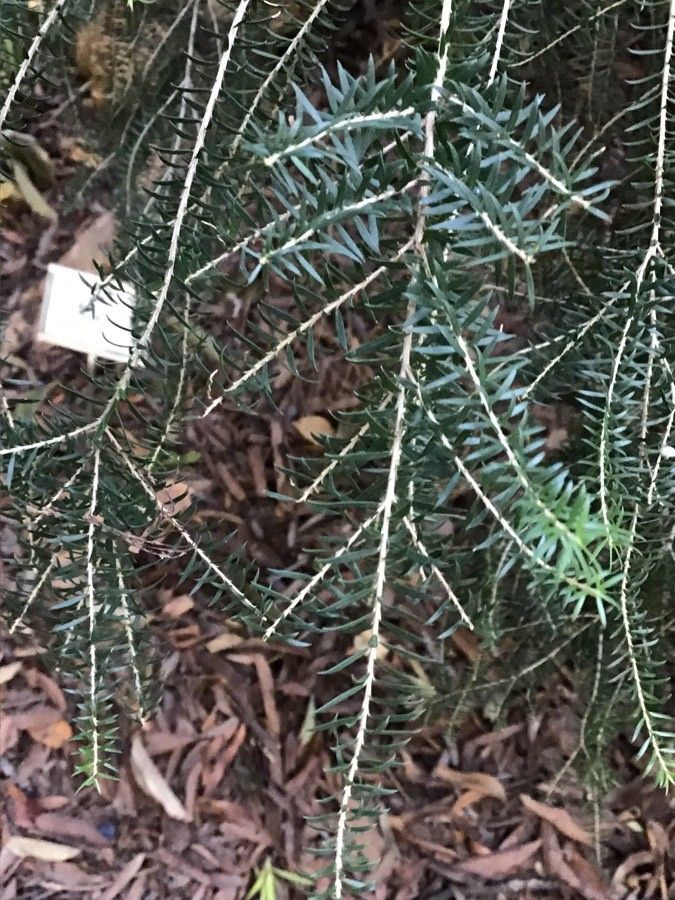
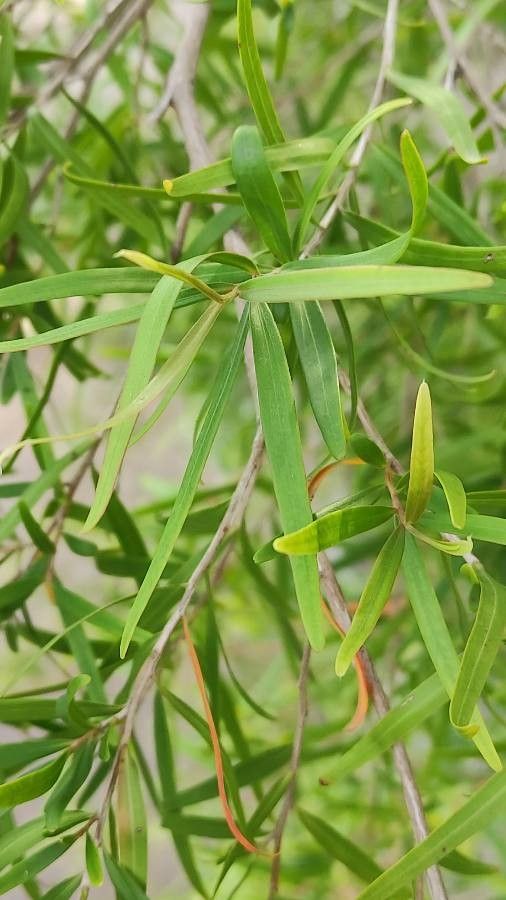
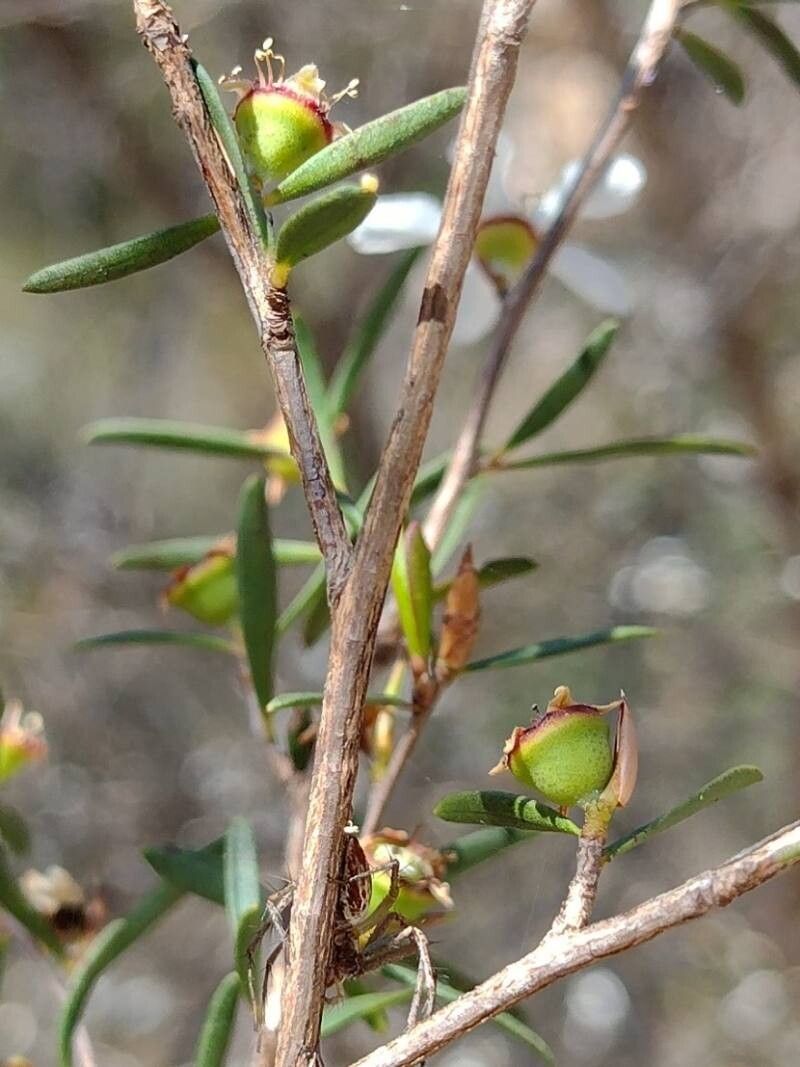
Leptospermum lanigerum, commonly known as Woolly Tea Tree, is a small evergreen shrub that belongs to the Myrtaceae family. Native to Australia, it thrives in various habitats such as heathlands, woodlands, and forests. This plant can grow up to 3 meters in height and has a dense growth habit. Its small leaves are covered with fine hairs, giving it a woolly appearance.
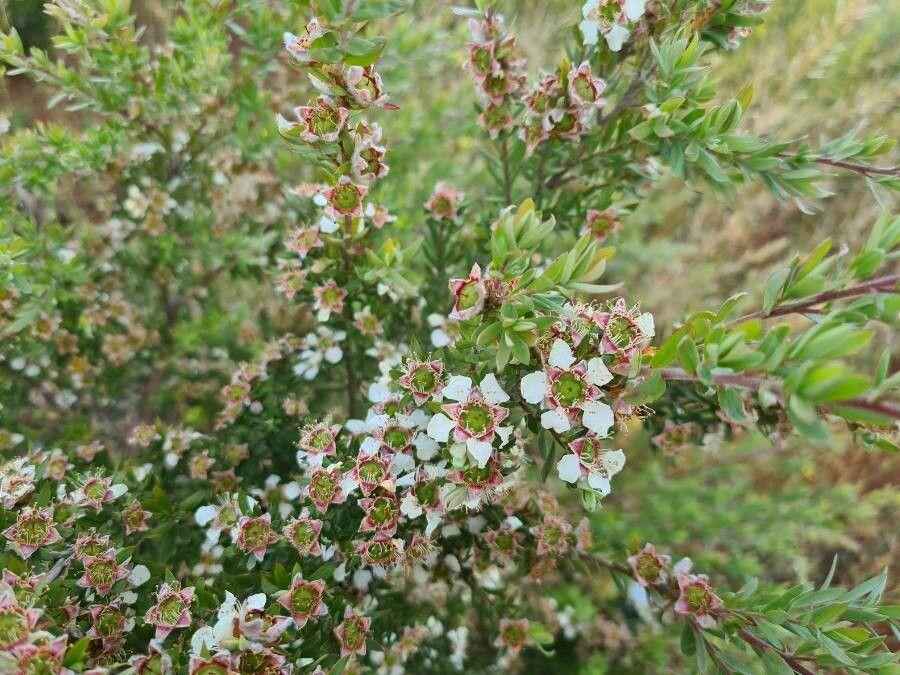
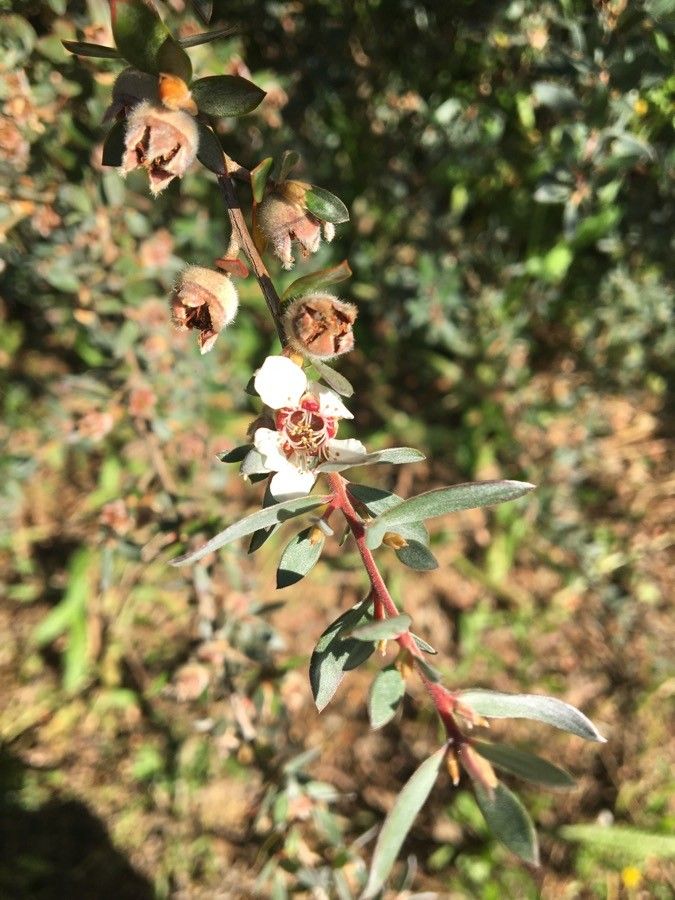
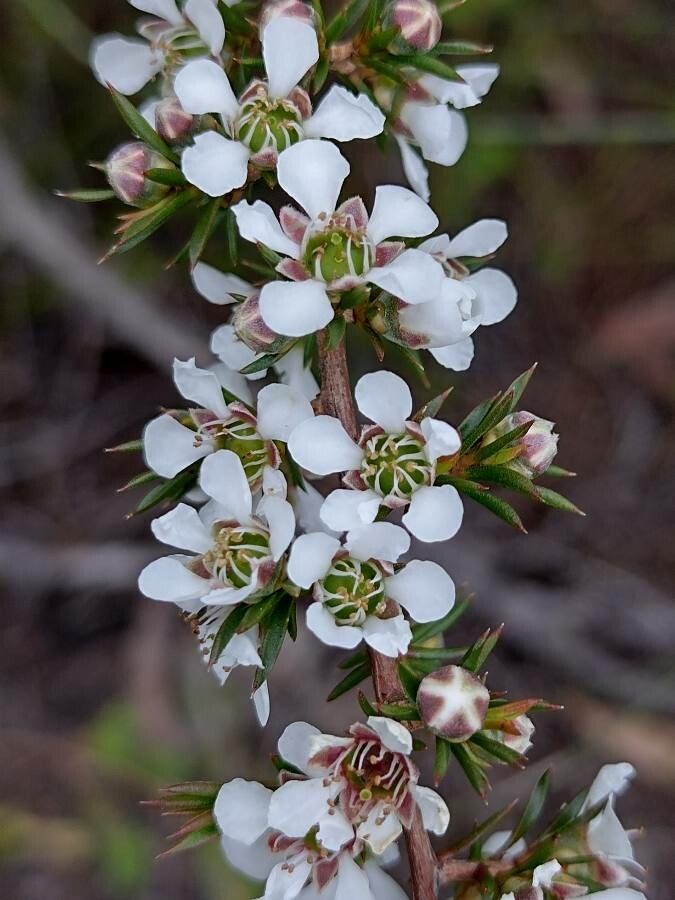
The Woolly Tea Tree produces white or pink flowers that bloom from late winter through spring. These flowers are rich in nectar, attracting bees and other pollinators, making it an important plant for honey production.
Traditionally, indigenous Australians have used this plant for medicinal purposes, such as treating coughs, colds, and skin infections, thanks to its antibacterial properties. The leaves are also used to make tea, which is known for its calming effects on the body.
Leptospermum lanigerum is an easy-to-grow plant that requires well-drained soil and either full sun exposure or partial shade. While it can tolerate drought conditions, it needs regular watering during its initial growth period.
Overall, Leptospermum lanigerum is an attractive shrub with beautiful flowers that provide important ecological benefits. Its medicinal properties make it a valuable addition to any garden or landscape design project.
The woolly tea-tree is highly disease-resistant and generally not susceptible to illnesses. In terms of care, this plant is fairly low-maintenance. When grown outdoors it needs little watering, and larger specimens typically do not require pruning. However, smaller plants should be pruned after they finish flowering. The woolly tea-tree is suitable for anyone who has an outdoor area, such as a garden or a deck, and does not demand much gardening experience.
How to keep Leptospermum Lanigerum.
Light
Woolly tea-tree is native to open habitats, such as sunny meadows and forest edges, which offer abundant light. It does best in Full Sun but can also tolerate Partial Sun, adjusting well to various sunlight conditions.
Temperature
Woolly tea-tree is highly adaptable to a wide range of climatic conditions, from blazing summers to frosty winters. However, it does have a preferred temperature range for healthy growth. If temperatures climb too high, the plant can suffer from heat and humidity stress, which may cause it to die. In locations where temperatures approach the lower limit of its cold tolerance, it is important to use insulation to protect the plant.
Fertilizer
Timing is important for fertilizing Woolly tea-tree. Fertilize in early spring and continue monthly until early summer. Fertilizer promotes attractive blooms and supplies energy during both dormant and active growth periods.
Pruning
The woolly tea-tree is known for its fuzzy foliage and white flowers. To encourage growth and improve its shape, prune it in early spring. Start by removing any dead branches and thin out the plant to improve air circulation. Use clean, sharp tools to make precise cuts, keeping in mind the plant's natural growth pattern for optimal health and appearance.
Botanical profile.
- Plant Type
- Tree, Shrub
- Life Cycle
- Perennial
- Genus
- Leptospermum
- Family
- Myrtaceae
- Hardiness Zone
- 8-11
- Mature Height
- 4.88 m
- Mature Spread
- 3.05 m
- Leaf Color
- Dark Green, Gray
- Leaf Type
- Evergreen
- Flower Color
- White
- Flower Size
- 1.02 cm to 1.52 cm
- Bloom Time
- Winter
- Planting Time
- Spring, Summer
- Harvest Time
- Spring
Other names.
Reader questions.
What are the sunlight requirements for Woolly tea-tree (Leptospermum lanigerum)?
The Woolly tea-tree (Leptospermum lanigerum) requires specific sunlight conditions to thrive. For 'Full sun,' it needs above 6 hours of sunlight, which is ideal for its growth and health. If 'Partial sun' is what your garden provides, then about 3-6 hours of sunlight will suffice. It's important to watch how sunlight moves through your garden to ensure that you choose spots that provide the perfect balance of light and shade for your Woolly tea-tree, ensuring its happiness.
What is the botanic name of the Woolly tea-tree?
The botanic name of the Woolly tea-tree is Leptospermum lanigerum.