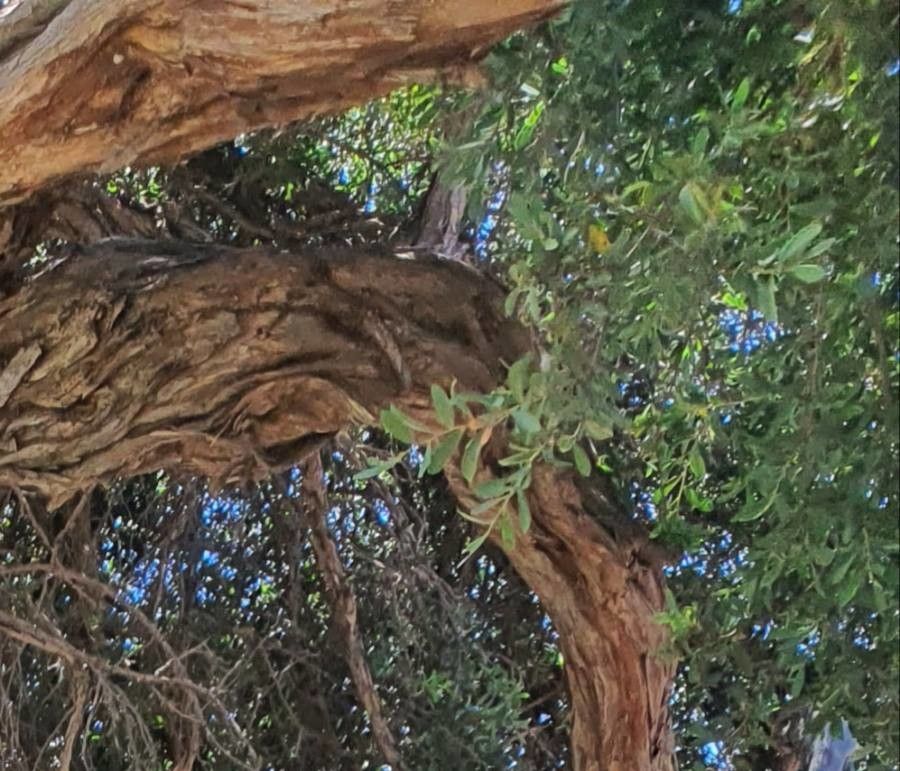
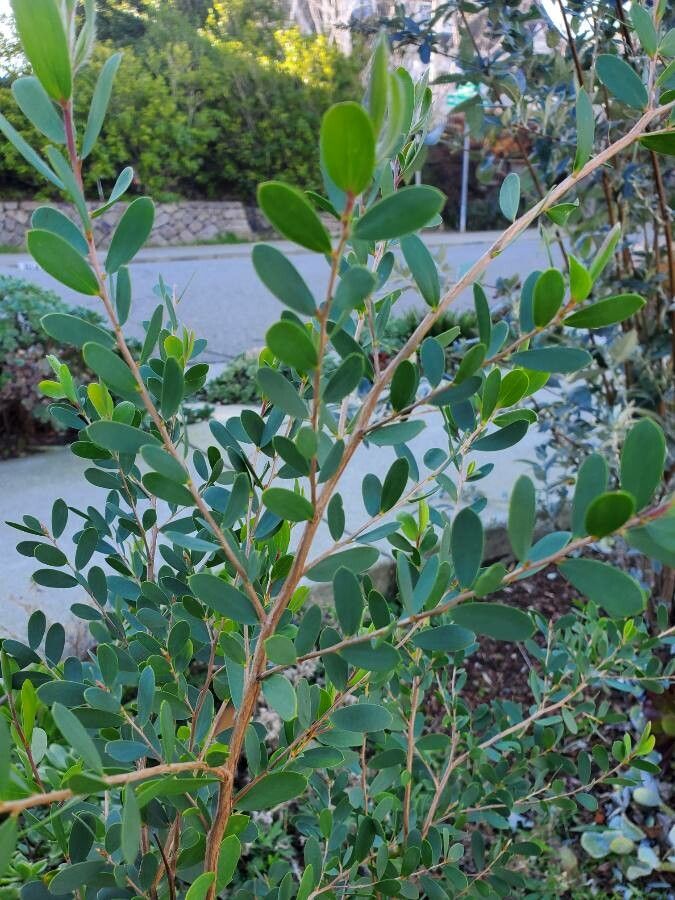
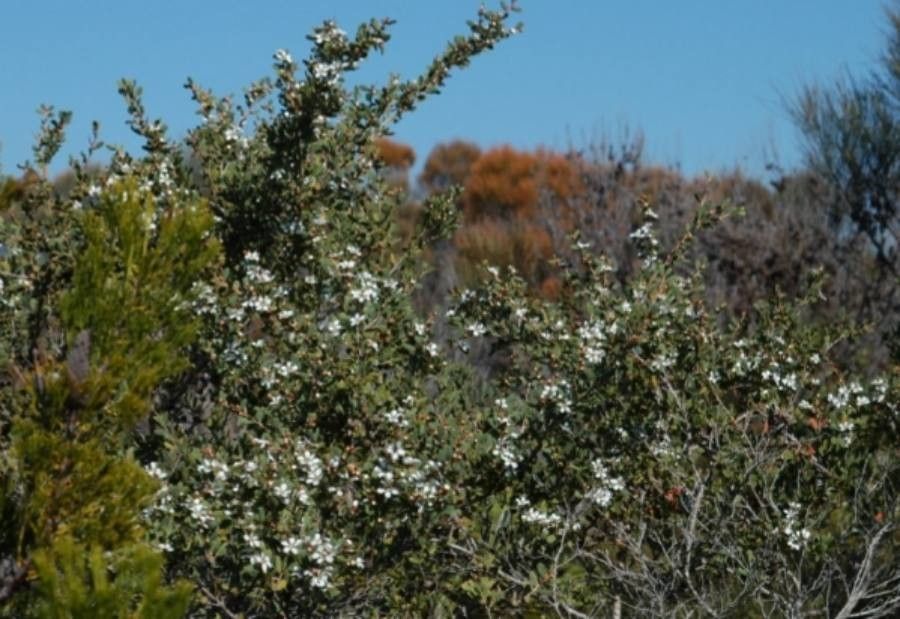
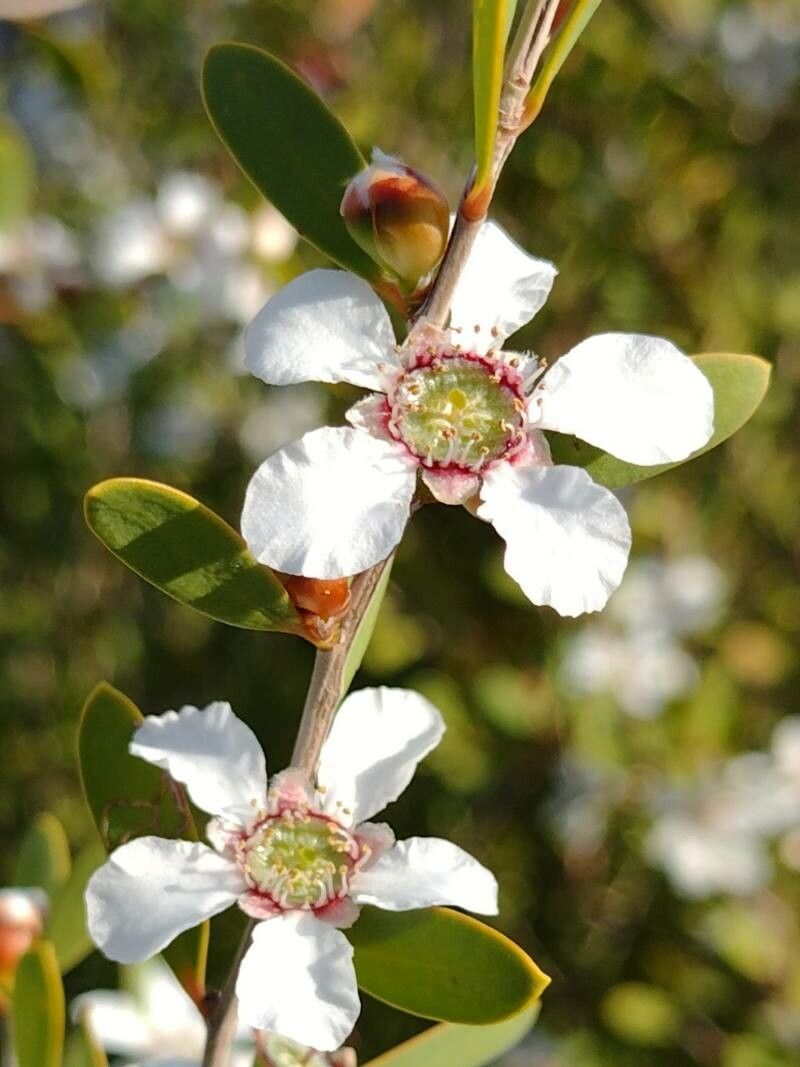
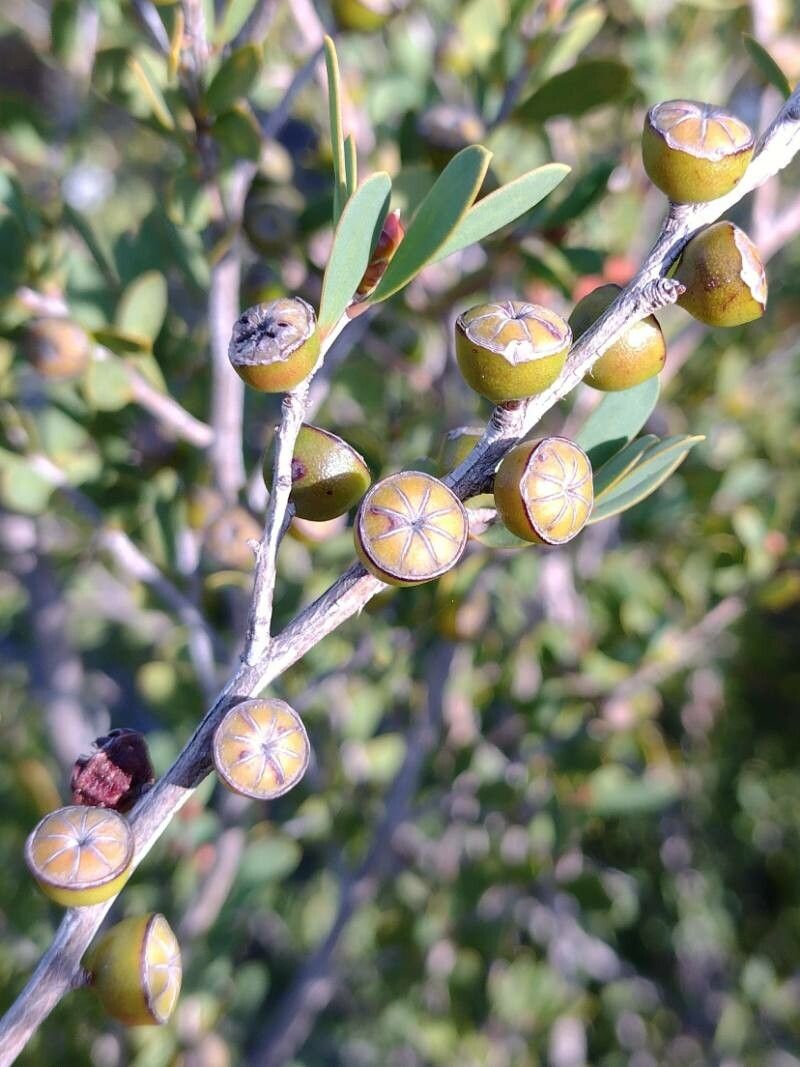
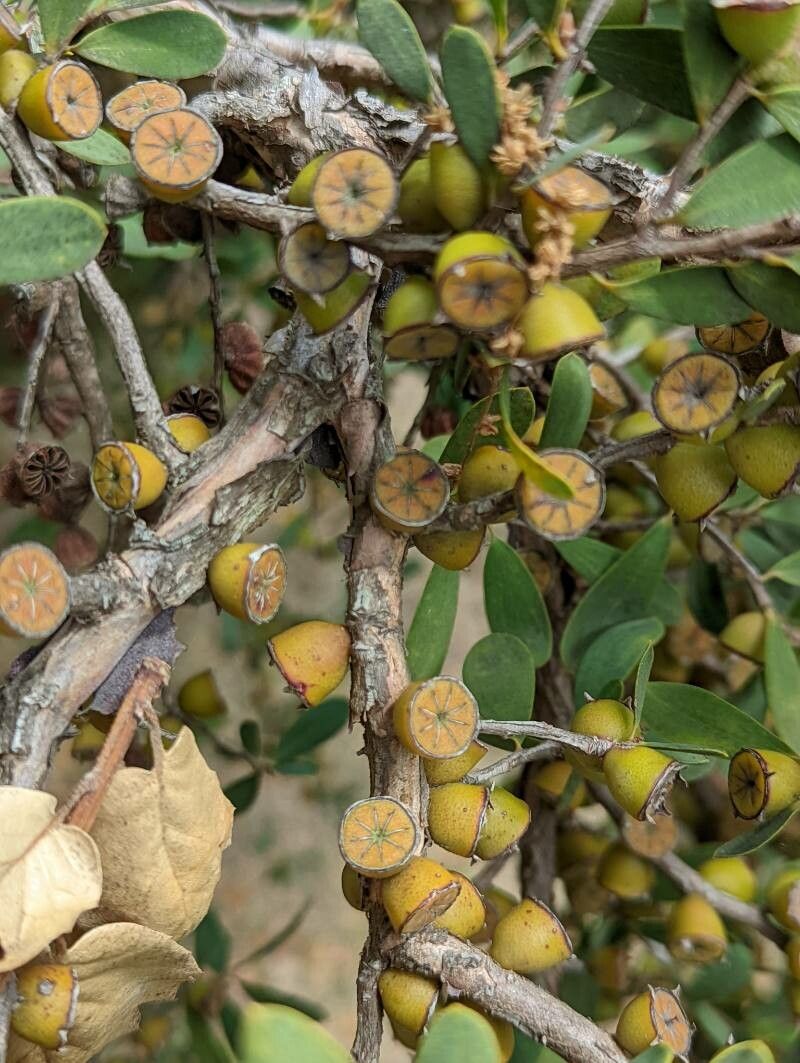
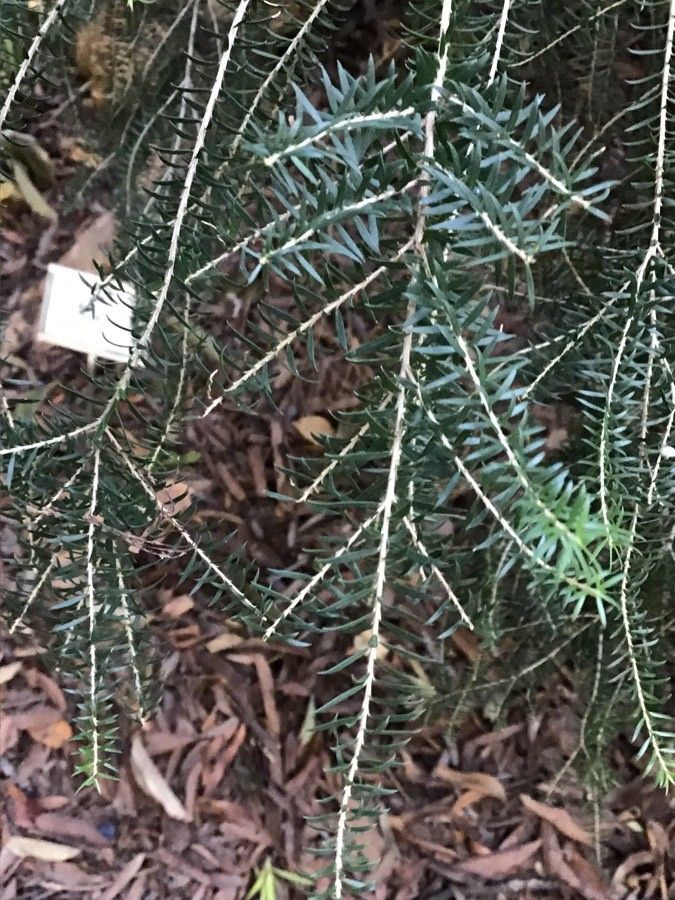
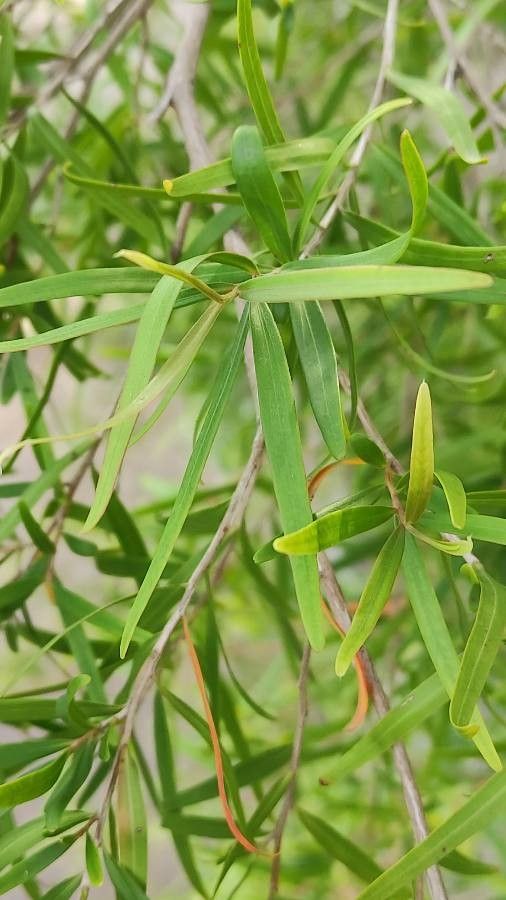
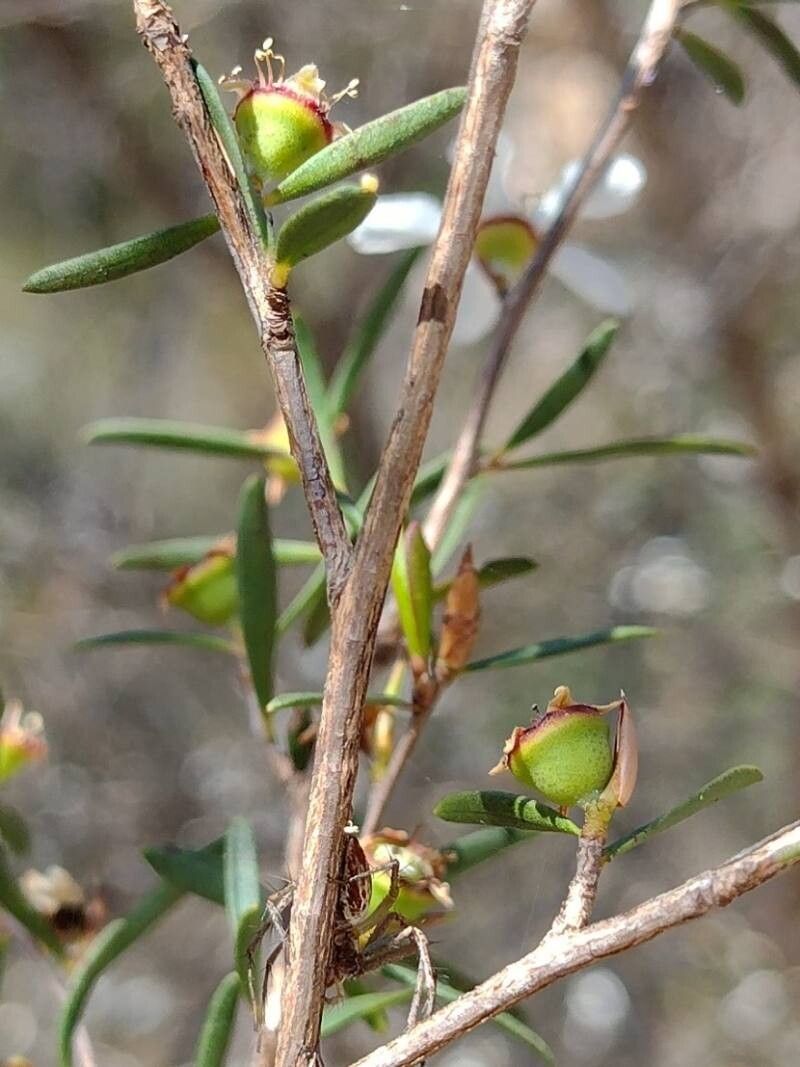
Leptospermum laevigatum, commonly known as the Coastal Tea Tree or Australian Myrtle, is a small to medium-sized evergreen tree or shrub native to the coastal regions of eastern Australia. It typically grows up to 10 meters tall and features a dense, bushy habit with slender branches and small, dark green leaves.
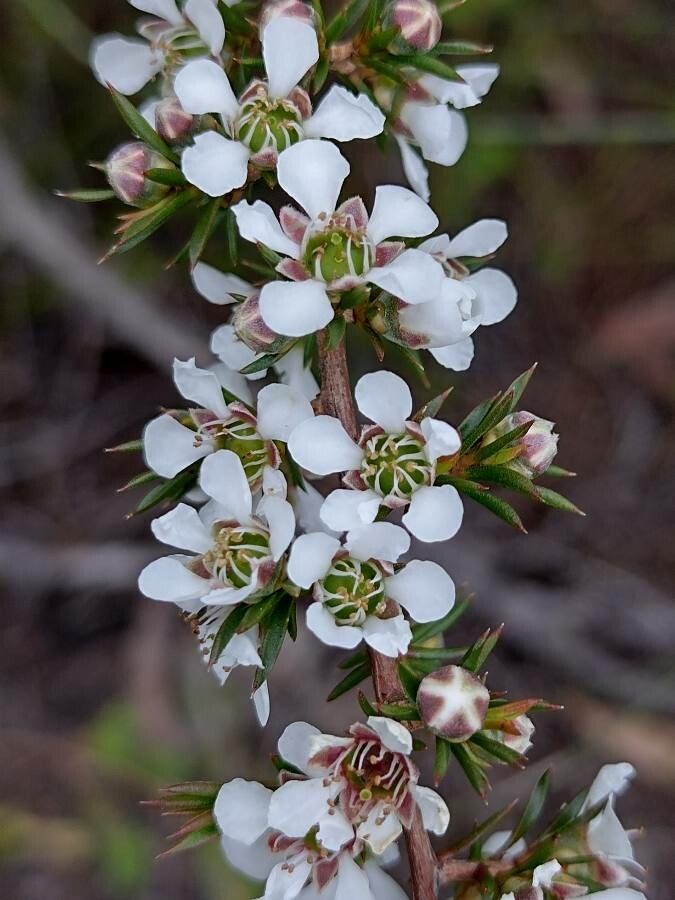
In late spring and early summer, the plant produces an abundance of white or pink flowers that are highly attractive to bees and other pollinators, making it an important species for supporting local ecosystems.
Leptospermum laevigatum is highly adaptable and can thrive in a wide range of soil types. While it prefers well-drained soils, it can tolerate some degree of waterlogging. Additionally, it withstands salt spray from coastal winds, making it an ideal choice for seaside gardens.
Traditionally, Indigenous Australians have used the plant for medicinal purposes, such as treating coughs, colds, sore throats, and skin infections, due to its antibacterial properties.
Overall, Leptospermum laevigatum is a hardy ornamental tree that offers year-round interest with its attractive foliage and showy flowers. It also supports local wildlife populations through its nectar-rich blooms.
The coast tea tree is quite disease-resistant and is generally not liable to illnesses. Regarding maintenance, this plant is fairly low-maintenance. When grown outdoors it needs only light watering, and larger specimens typically do not require pruning. Smaller plants, however, should be pruned after they finish blooming. The coast tea tree is suitable for anyone who has an outdoor area, such as a garden or deck, and does not call for a lot of gardening experience.
How to keep Leptospermum Laevigatum.
Light
The coast tea tree is a sturdy plant that thrives in plentiful sunshine. It typically grows in open areas where it gets a great deal of light. It can, however, tolerate reduced sun exposure without significant harm. Both too much sun and too little sun can affect its vibrant flowering and overall health.
Water
The coast tea tree, native to coastal regions, is drought-tolerant and thrives in sandy, well-draining soils. To keep it healthy, it needs to be watered every two weeks. As an evergreen plant, it requires consistent hydration to maintain its lush appearance, especially when grown outdoors.
Humidity
This plant will thrive in moderate humidity, which is probably the level in your home. However, misting it a few times a week can be very beneficial. Make sure the room has good ventilation.
Temperature
Coast tea tree originates from habitats where temperatures commonly range between 59 and 100°F (15 to 38°C). It grows most successfully in these temperate conditions. Depending on the season, you may need to adjust greenhouse heating or shading to maintain its preferred temperatures.
Fertilizer
Timing is important when fertilizing Coast tea tree. Feed it in early spring and continue monthly through to early summer. Fertilizer promotes attractive blooms and supplies energy during both dormant periods and active growth.
Pruning
The coast tea tree benefits from occasional pruning to maintain its shape and health. For best results, prune during the tree's dormant period, from early to late winter. Focus on removing dead branches and thinning out dense areas. This will improve air circulation, reduce stress, and encourage vigorous blooms in the spring. Regular pruning ensures robust growth and enhances the tree's overall aesthetic appeal.
Botanical profile.
- Plant Type
- Tree, Shrub
- Life Cycle
- Perennial
- Genus
- Leptospermum
- Family
- Myrtaceae
- Hardiness Zone
- 8-11
- Mature Height
- 1.52 m to 6.1 m
- Mature Spread
- 4.57 m to 7.62 m
- Leaf Color
- Green, Gray
- Leaf Type
- Evergreen
- Flower Color
- White
- Flower Size
- 1.52 cm to 2.03 cm
- Bloom Time
- Spring
- Planting Time
- Spring, Summer
- Harvest Time
- Summer
Other names.
Reader questions.
How frequently should I water my Coast tea tree?
Most outdoor plants can grow naturally with rainfall. However, if your area lacks rainfall, you'll need to water your plants adequately every 2 weeks in the spring and fall. In the summer, you'll need to water them more often. In the winter, when growth is slower and plants need less water, water sparingly. You may not need to water at all during the winter. If your Coast tea tree is young or newly planted, you should water it more frequently to help it establish and grow. This will make it more adaptable and drought tolerant as it matures. For potted plants like the Coast tea tree, there are two main ways to determine watering frequency. One option is to follow a set watering schedule, such as once a week or once every other week. However, this may not always be effective as it doesn't consider the specific conditions of your growing environment. Another approach is to water based on soil moisture. It's best to wait until the top 2 to 4 inches of soil (about ⅓ to ½ of the pot's depth) have completely dried out before watering again. Adjust your watering frequency based on the season, especially in the summer when the plant's water needs are highest.
What is the ideal time to fertilize my Coast tea tree?
When fertilizing Coast tea tree, timing is crucial. If you apply fertilizer too early while the tree is still dormant, it will not be effective and will be washed away by rainwater, causing waste and pollution. The first application of fertilizer should be in early spring, and then continue fertilizing once a month until early summer.
What are the sunlight requirements for Coast tea tree?
The Coast tea tree requires full sun, meaning it thrives in locations that receive more than 6 hours of sunlight per day. However, it can also tolerate partial sun conditions, with about 3-6 hours of sunlight daily. It's essential to observe your garden's sunlight patterns to find the ideal spot that ensures the plant's happiness by providing the right balance of light and shade.
What is the ideal temperature range for Coast tea tree?
Coast tea tree (Leptospermum laevigatum) thrives best in temperatures that range from 59 to 100°F (15 to 38°C). It is native to environments that typically fall within these temperate conditions, indicating its preference for such climates. To maintain the optimal temperature for Coast tea tree, especially in varying seasons, one may need to adjust greenhouse heating or shading accordingly.
How does watering my Coast tea tree inside compare to watering it outside?
Your Coast tea tree may not need extra watering when it grows outside and relies on rainwater. However, if you live in an area with minimal rain, water the plant every two weeks. If you live outside the plant's natural hardiness zone, grow it indoors. Indoors, check the soil frequently as it can dry out faster in containers or near HVAC units like air conditioners. Due to these drying factors, water the plant more frequently compared to when it is grown outdoors.
Why is it important to apply fertilizer to my Coast tea tree?
Fertilizing a Coast tea tree is crucial for multiple reasons. Firstly, it promotes the production of beautiful blooms. By fertilizing in early spring, you can guarantee exceptional flowers during that season. Additionally, fertilizer provides ample energy to the tree, which it can store in the ground during its dormancy. Supplementing nutrients during fall or late spring planting aids in storing more energy, which can then be utilized once the tree resumes active growth.
What are the essentials for growing a healthy Coast tea tree?
A healthy Coast tea tree flourishes under ample sunshine, typical of its natural, open habitat which allows for considerable light exposure. Despite this, the tree can withstand lower sunlit conditions without significant harm. However, both overexposure and limited exposure to sunlight might influence its vibrant bloom and overall vitality. In cases where natural sunlight is insufficient, especially indoors, artificial lighting, such as LED lights providing 30-50W/sq ft for full sun plants, can play a crucial role in promoting healthier growth. The correct artificial lighting setup involves selecting the right type of light, adjusting the distance (12-36 inches above the plant), and ensuring the plants receive 8-12 hours of light per day.
How does Coast tea tree tolerate cold temperatures?
Coast tea tree has a moderate tolerance to cold temperatures and generally does not require any additional cold protection measures when the temperature is above -5°C. However, if temperatures are expected to drop below -5°C, it's necessary to take temporary measures to protect the plant from cold. This can include wrapping the plant in plastic film, fabric, or using other suitable materials for cold protection. Once temperatures rise again, these protective measures should be promptly removed to avoid any potential harm to the plant.
How should I water my Coast tea tree to keep it healthy?
Watering your Coast tea tree is not a difficult task, as it is not very particular about the method used. You can use various common watering tools, such as watering cans, hoses, or even cups, to ensure the soil remains moist. It is best to water the plant by directing the water onto the soil. Make sure to evenly moisten all areas of the soil to support the root system. Filtered water is preferable, as tap water may contain harmful particles. Additionally, using water at or slightly above room temperature is beneficial, as extremely cold or hot water can be a shock to the plant. However, the Coast tea tree generally responds well to any type of water given to it.
When is the best time to not put fertilizer on my Coast tea tree?
To ensure optimal growth and flowering of Coast tea tree, it is important to be mindful of the nitrogen content in the fertilizer. Excessive nitrogen can result in an abundance of leaves but fewer blooms. Therefore, it is advisable to choose a fertilizer with a lower nitrogen level compared to other nutrients. Timing is also crucial when it comes to fertilization. It is recommended to refrain from fertilizing after early autumn, as this can prompt excessive growth right before winter. Additionally, avoid fertilizing Coast tea tree during hot, dry periods, as dry soil does not effectively deliver fertilizer to the plant. Moreover, fertilization during these times can stimulate growth, which requires additional water that may not be readily available. It is best to apply fertilizer earlier in the season when temperatures are cooler. Lastly, it is important to be cautious about inadvertently providing the tree or shrub with an excessive amount of fertilizer. Coast tea tree can absorb fertilizer that has been applied to nearby plants or lawns, so care should be taken to avoid a double-dose of fertilizer.
What symptoms indicate light deficiency or overexposure in Coast tea trees?
Coast tea tree shows various symptoms when dealing with suboptimal light conditions. Light deficiency can lead to smaller leaves, leggy or sparse growth, faster leaf drop, slower or no new growth, and lighter-colored or yellowing leaves (chlorosis). On the other hand, overexposure to light can cause symptoms such as sunscald, leaf curling, wilting, and leaf scorching. These symptoms highlight the plant's struggle with either too much or too little light, impacting its overall health.
What should I do if the Coast tea tree is exposed to temperatures below -10°C?
When the temperature falls below -10°C, Coast tea tree leaves may start to droop, and in severe cases, wilt and eventually fall off. To address frost damage, trim off the frost-damaged parts of the plant. To prevent further damage from low temperatures, wrap the plant with non-woven fabric or cloth, and construct a wind barrier to protect it from the cold wind. These steps can help the Coast tea tree recover from mild frost damage and protect it from future cold spells.