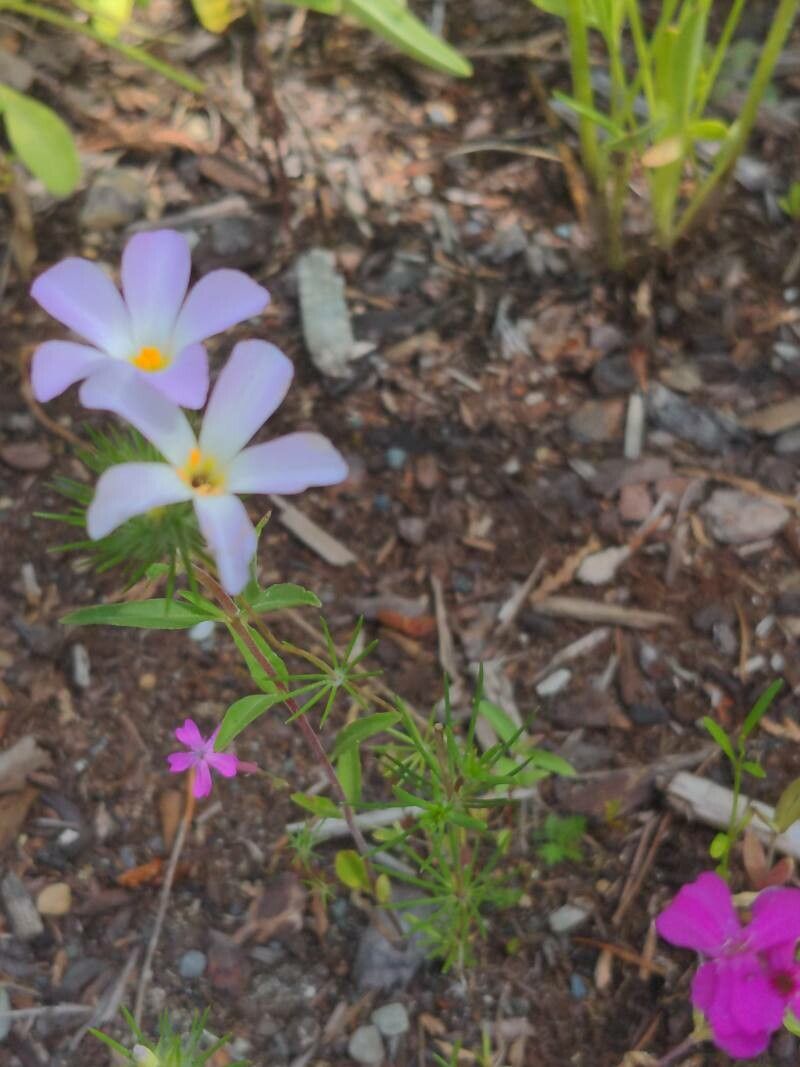
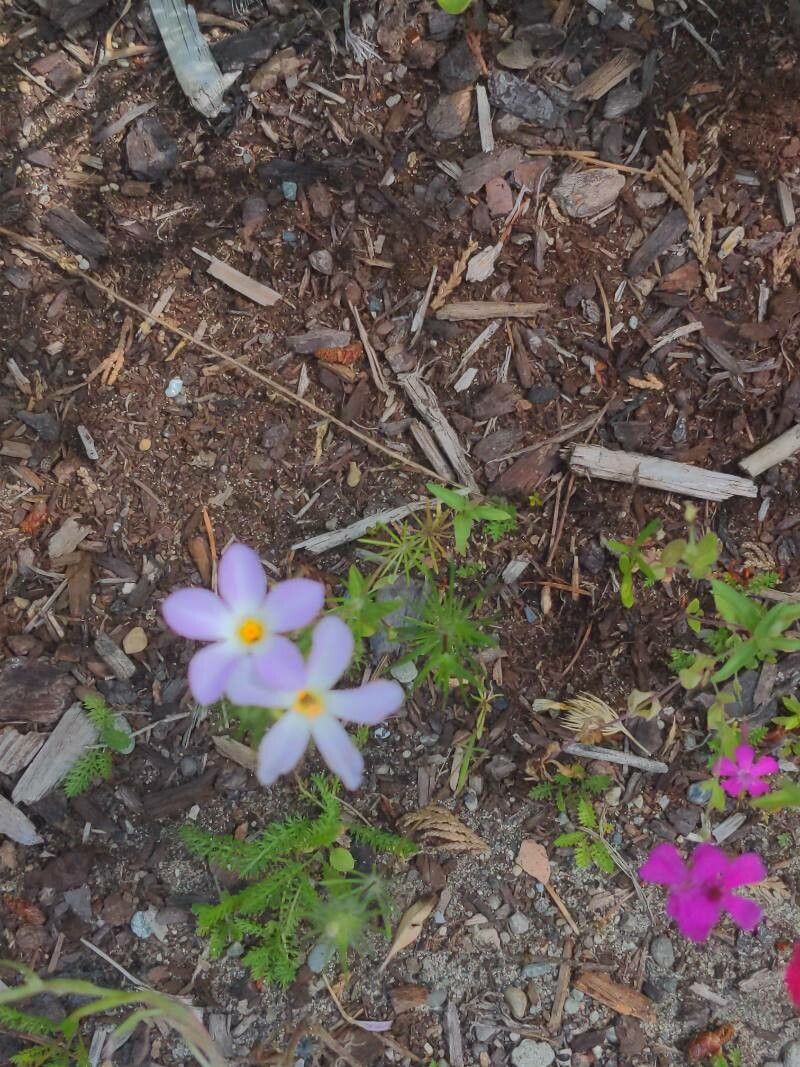
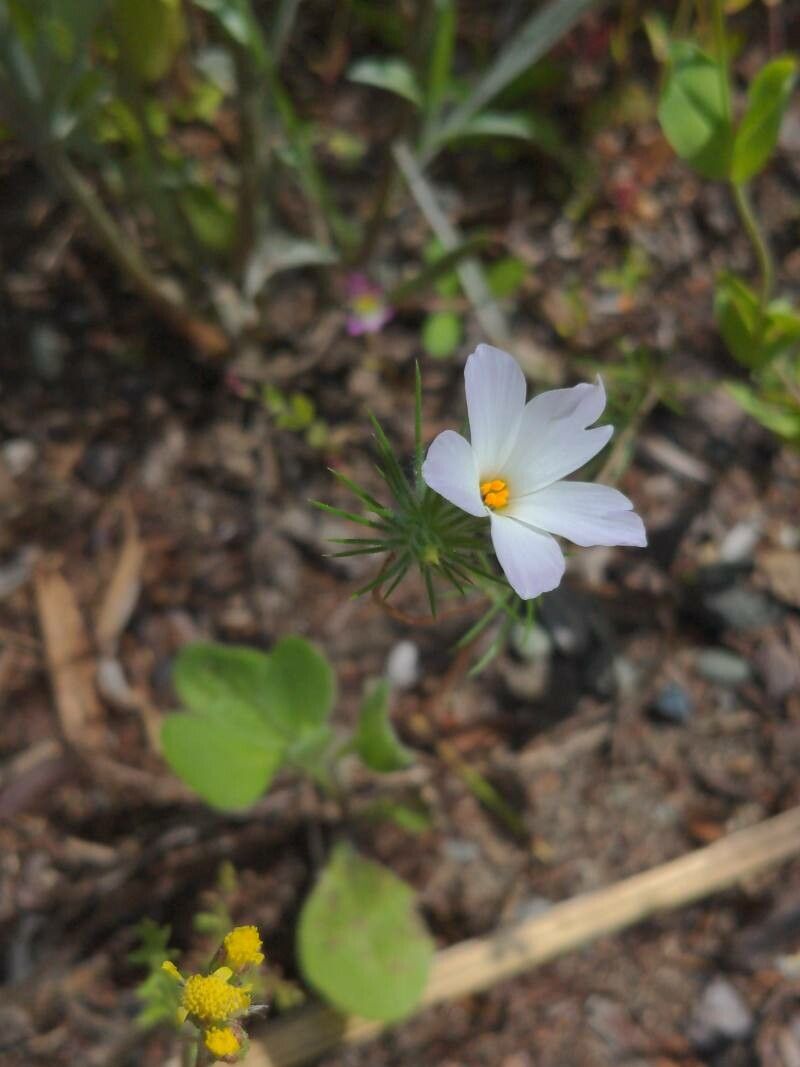
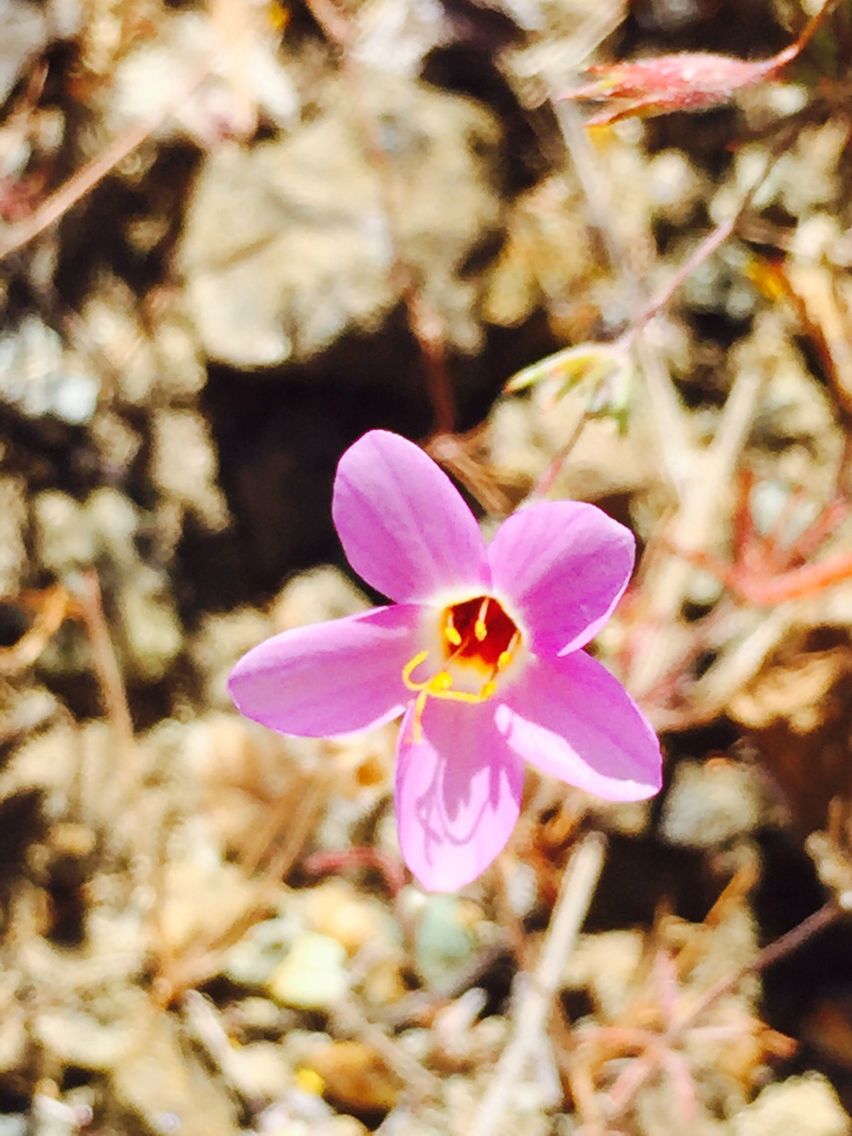
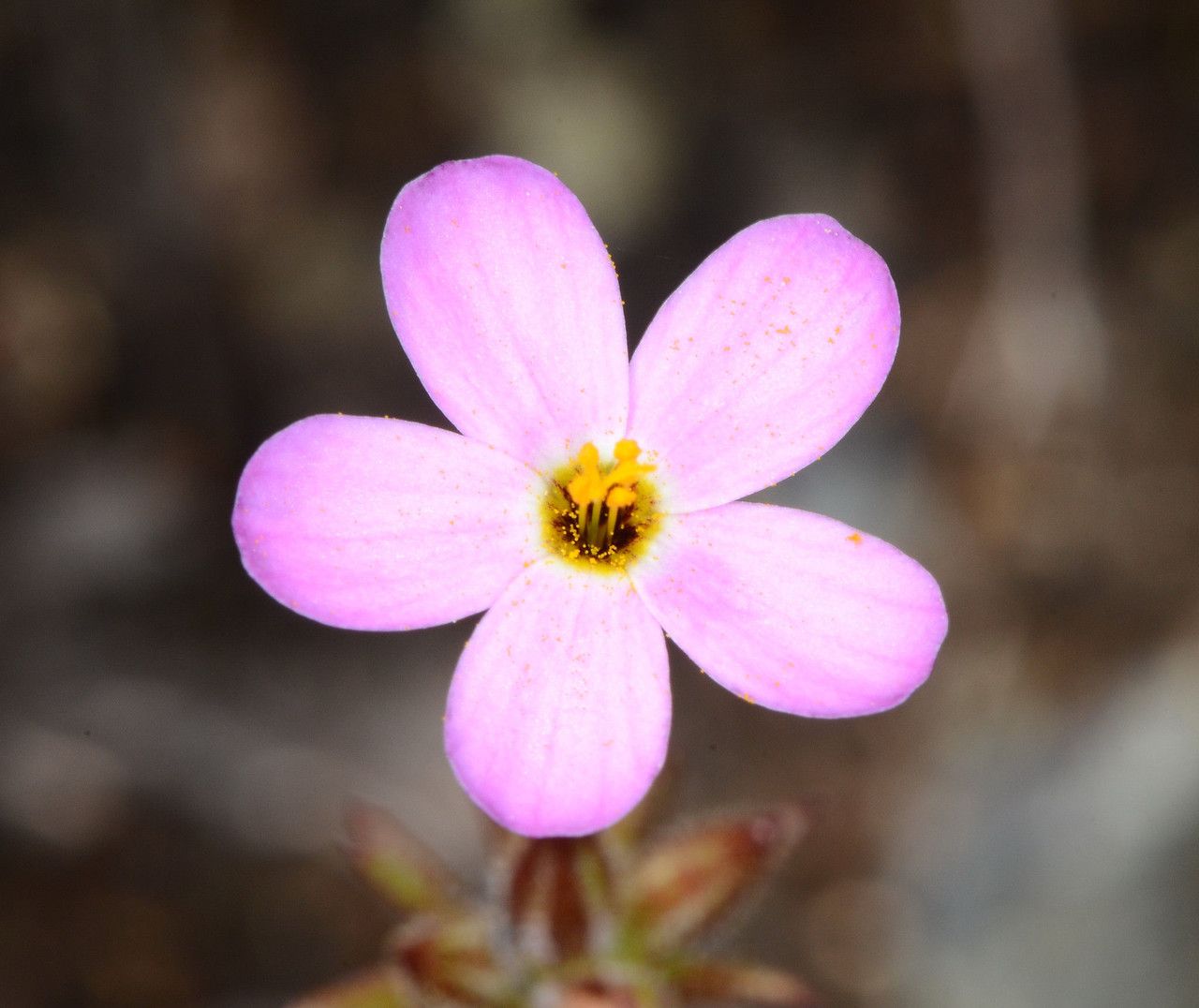
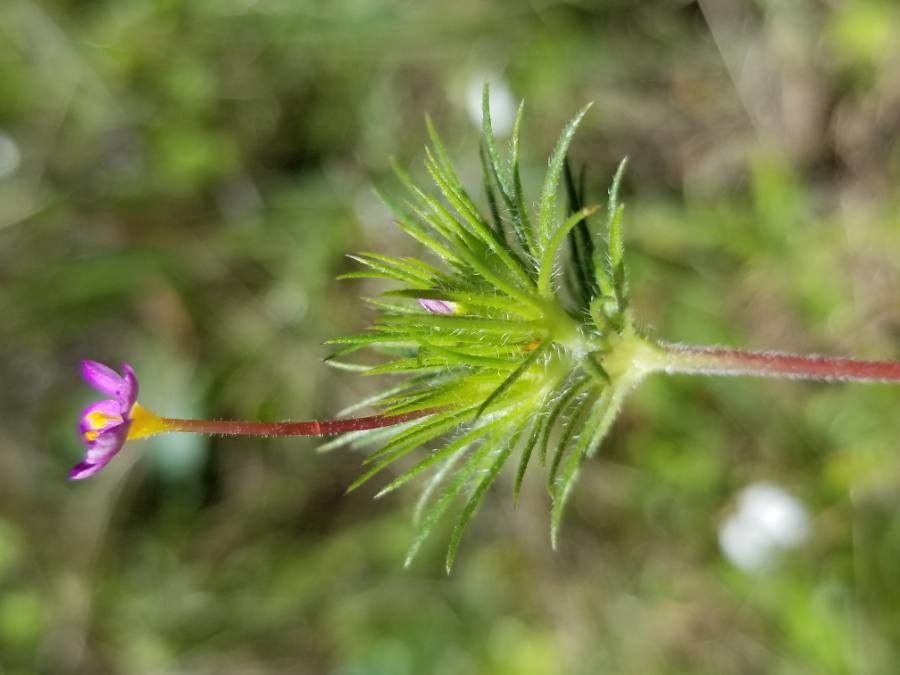
Leptosiphon grandiflorus (syn. Linanthus grandiflorus) is a species of flowering plant in the phlox family known by the common names large-flower linanthus and large flowered leptosiphon.
Largeflower linanthus is fairly resistant to disease and generally not prone to illnesses. However, it can be vulnerable to pests and diseases present in its surroundings. These infestations are usually not serious. In terms of care, this plant requires moderate maintenance. It should be pruned regularly to maintain a neat appearance and healthy growth. Fertilizing can also help encourage flowering. Largeflower linanthus is suitable for anyone with outdoor space, such as a garden or patio, and does not demand extensive care experience. It may need more attention when grown indoors.
How to keep Leptosiphon Grandiflorus.
Light
Largeflower linanthus comes from bright, open habitats where it does best in full sun. It will tolerate some partial shade but prefers direct sunlight for optimal growth. This annual or biennial plant is recognized for being sun-loving.
Temperature
Largeflower linanthus can tolerate a wide range of temperatures, but its distribution may still be restricted by different combinations of water and heat conditions. It does best in warm summer climates with adequate rainfall or watering. Extended stretches of cloudy, rainy weather, as well as prolonged high temperatures, can raise the likelihood of Largeflower linanthus dying. In winter, providing proper protection from the cold can improve the plant's survival rate.
Fertilizer
After Largeflower linanthus has opened most of its flowers to full size, resume fertilizing. When blooms are at their peak production, apply fertilizer every three to four weeks, weather permitting. Once the plant begins producing fewer new flowers, cease fertilizing; there's no need to fertilize when it can no longer set more blooms.
Pruning
Largeflower linanthus is known for its impressive, showy blooms and thrives best in well-drained soil. To promote growth and blooming, prune the plant from early to late spring. Be sure to remove any dead stems and trim back overgrown areas to maintain a compact shape. Always use clean tools when pruning to minimize the risk of disease and improve the plant's appearance.
Pot & Repot
When repotting Largeflower linanthus, choose a pot 1–2 inches (2.5–5.1 cm) larger in diameter that provides good drainage. Use a well-draining potting mix and consider adding perlite to improve drainage. Repot in spring or early summer, water thoroughly afterward, and keep the plant in a shaded spot at first.
Botanical profile.
- Plant Type
- Herb
- Life Cycle
- Annual
- Genus
- Leptosiphon
- Family
- Polemoniaceae
- Hardiness Zone
- 8-10
- Mature Height
- 30 cm to 91 cm
- Mature Spread
- 25 cm
- Leaf Color
- Green
- Leaf Type
- Deciduous
- Flower Size
- 2.03 cm to 3.05 cm
- Bloom Time
- Mid spring, Late spring, Early summer
- Planting Time
- Spring, Summer, Autumn
- Harvest Time
- Summer
Other names.