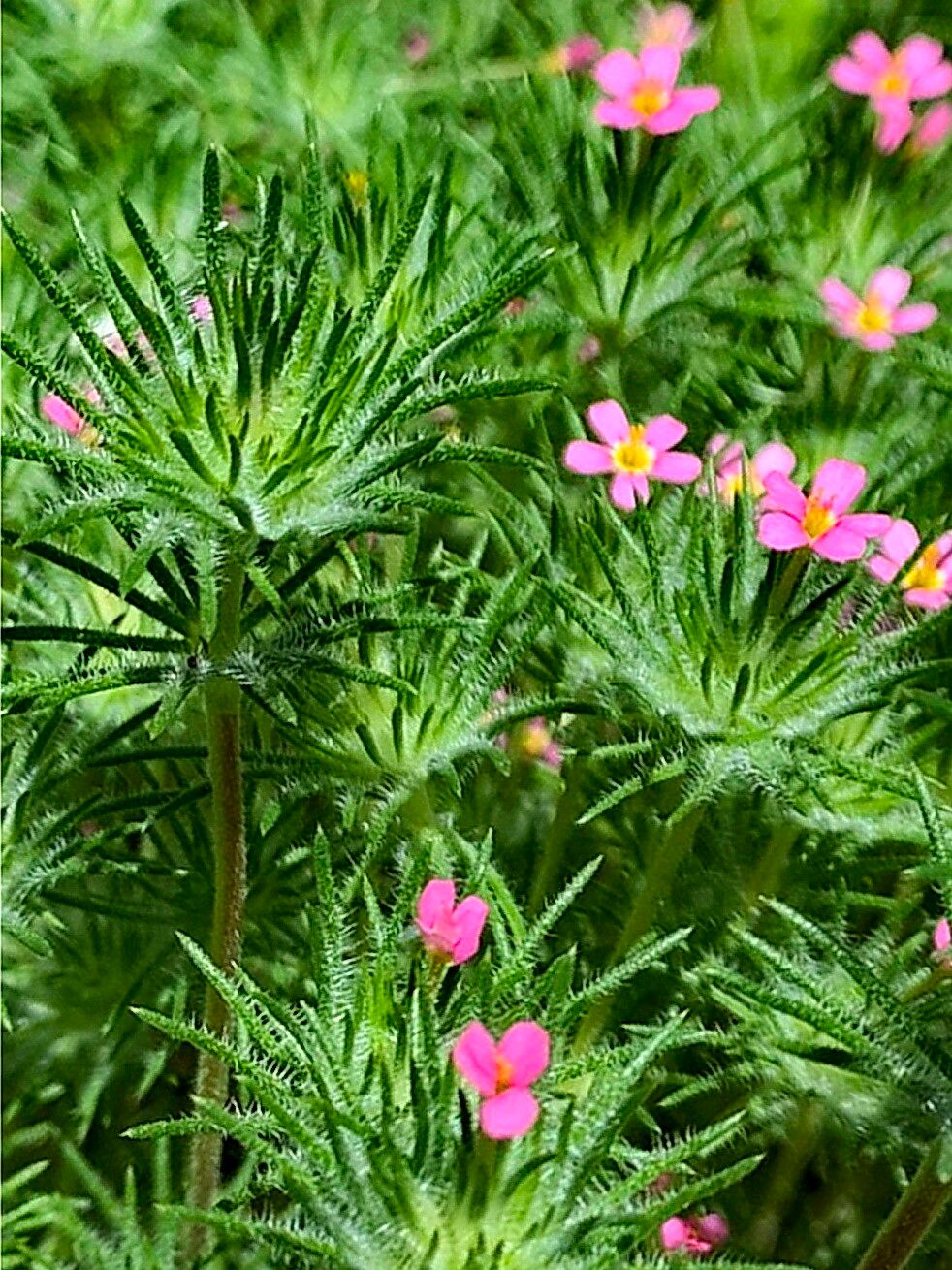
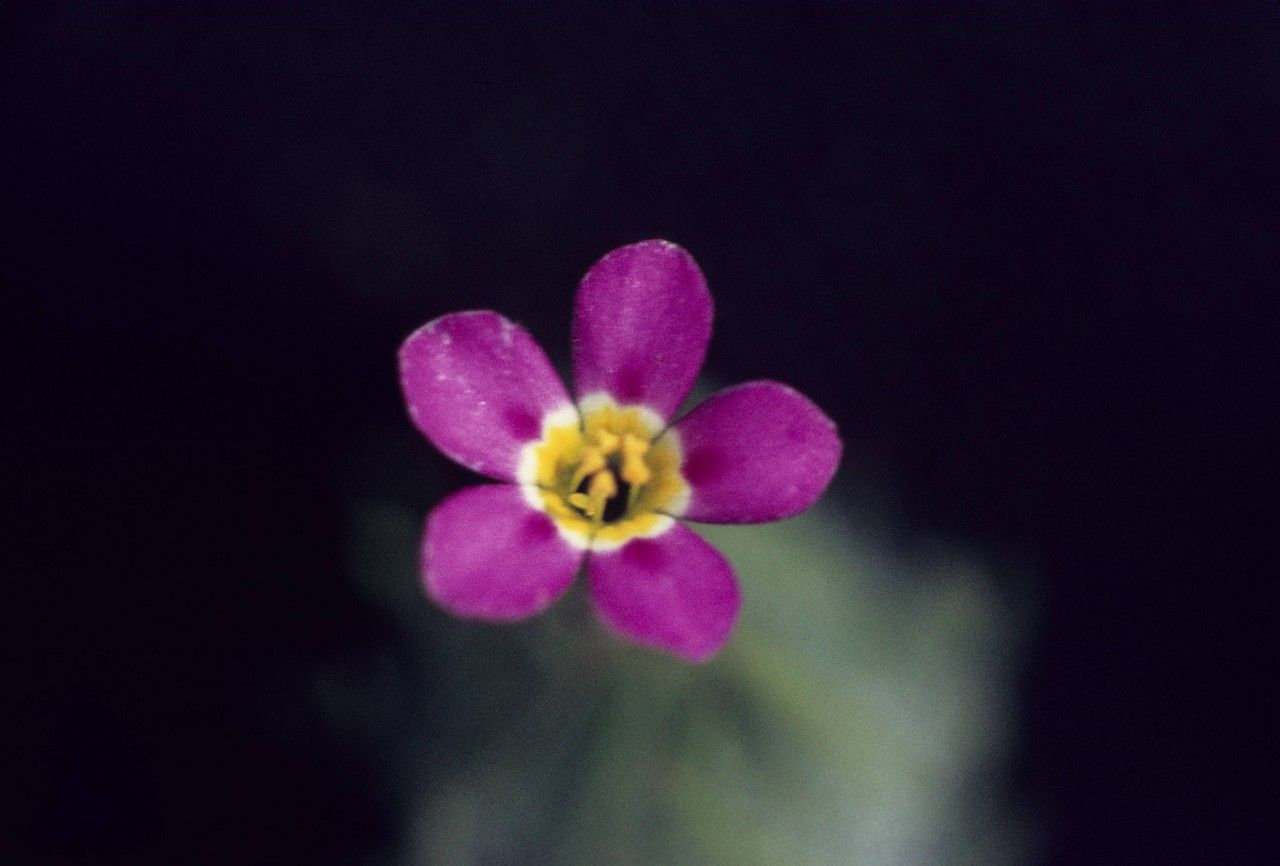
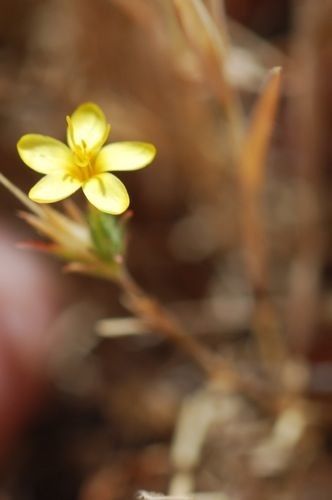
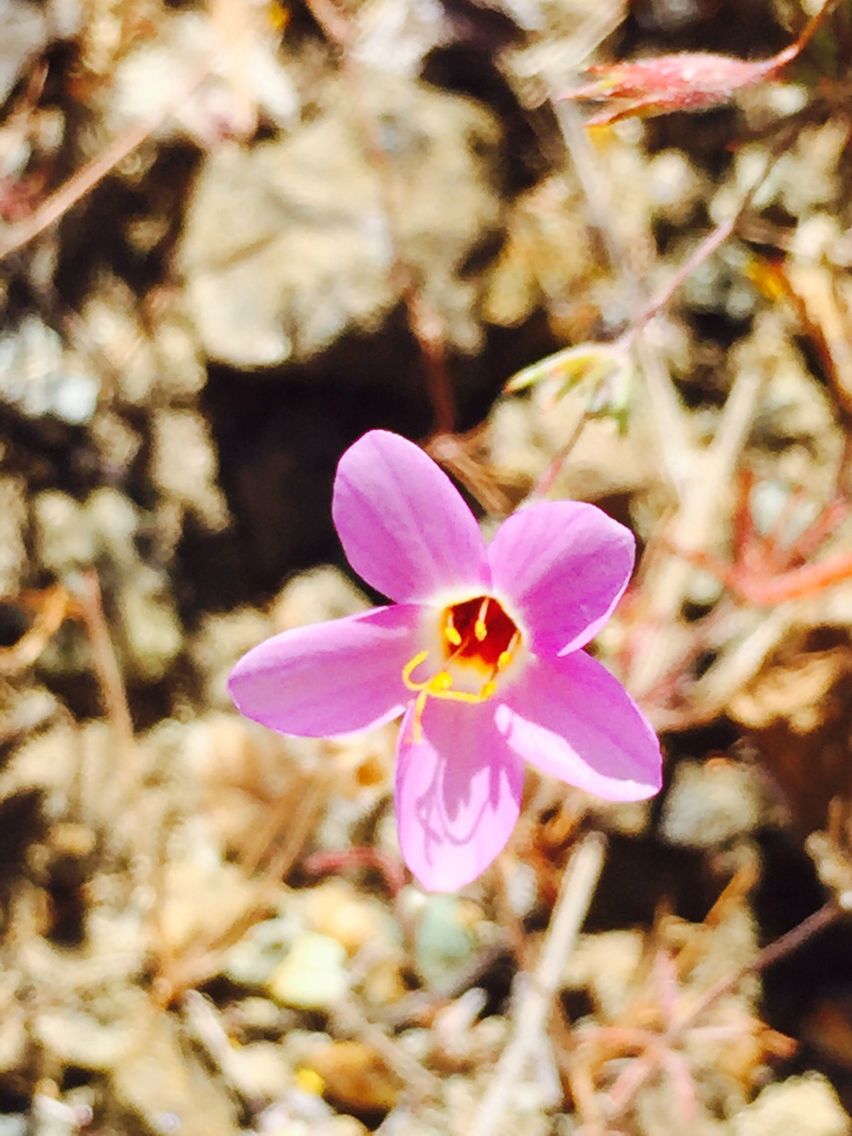
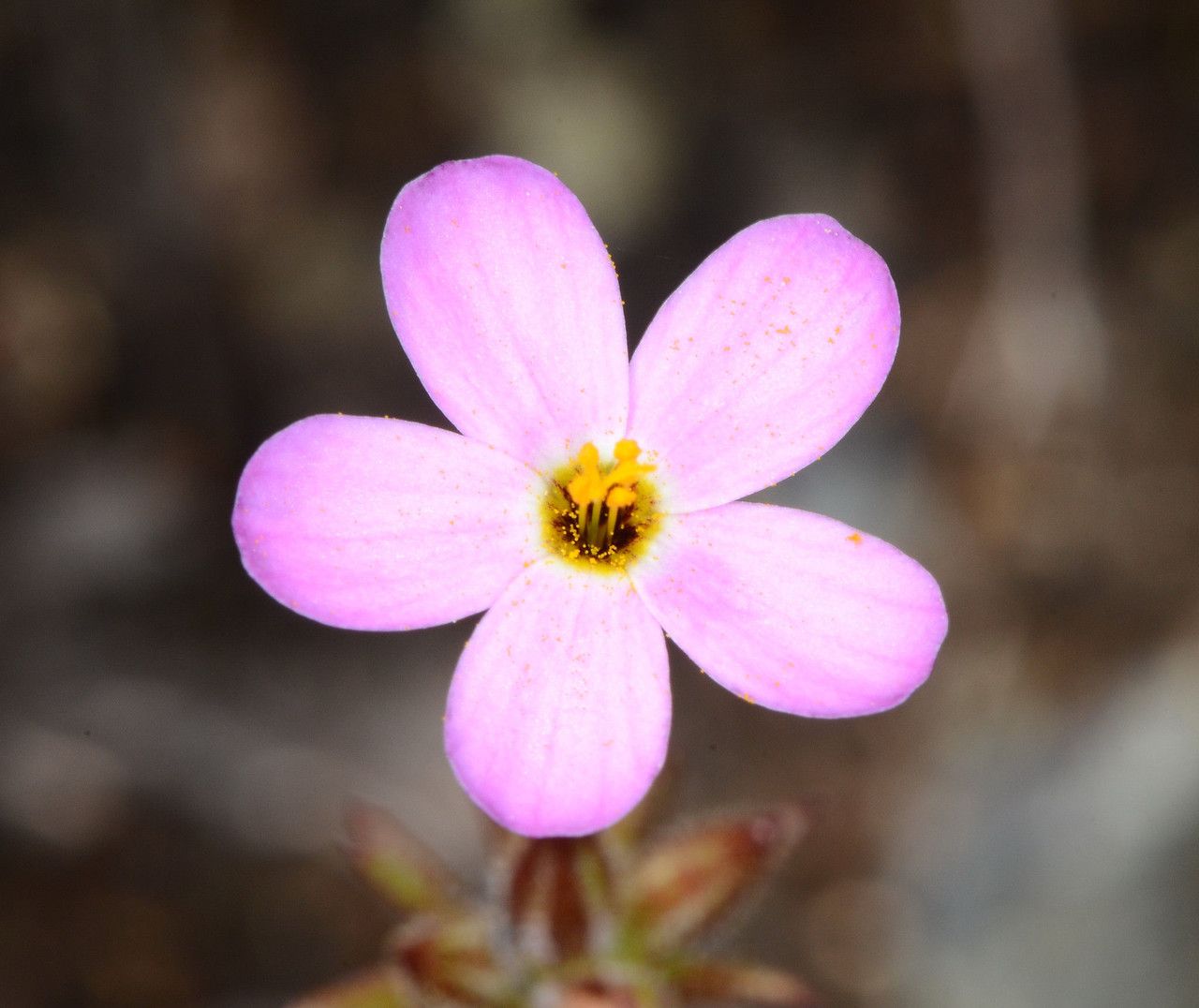
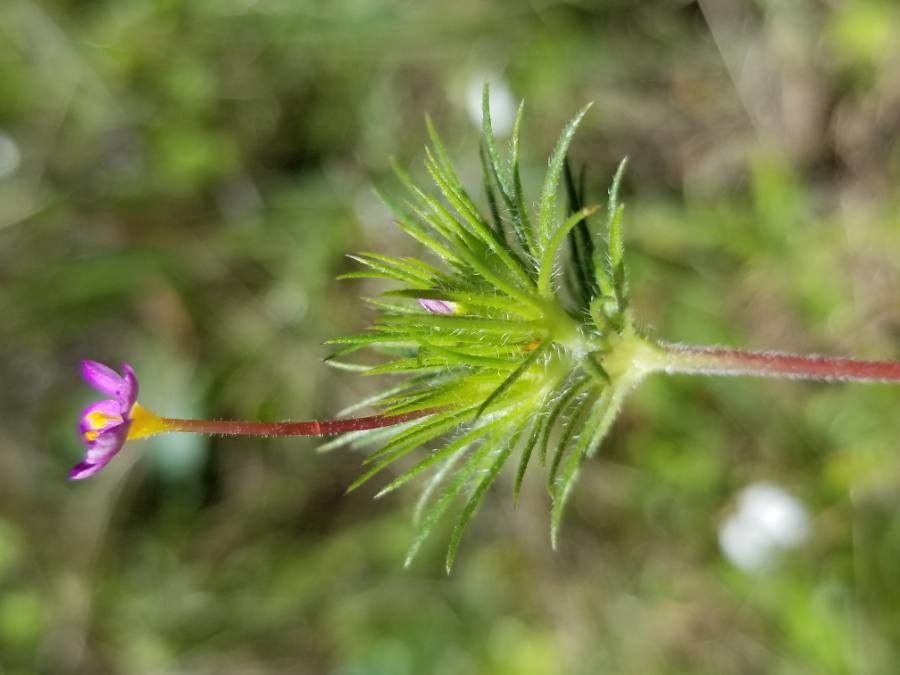
Leptosiphon ciliatus (syn. Linanthus ciliatus) is a species of flowering plant in the phlox family known by the common name whiskerbrush.
Whisker brush is fairly disease-resistant and generally not prone to illnesses. Nevertheless, it can be vulnerable to pests and diseases present in its environment, though these problems are usually mild. Regarding care, this plant needs moderate maintenance. It should be pruned regularly to keep a neat appearance and support healthy growth. Applying fertilizer can also encourage blooming. Whisker brush is well suited for anyone with outdoor space, such as a garden or patio, and does not demand extensive gardening experience. It may require more attention if grown indoors.
How to keep Leptosiphon Ciliatus.
Fertilizer
Regular, mild applications of fertilizer can aid in the robust growth of Whisker brush leaves. It's recommended to nourish Whisker brush with fertilizer about once a month throughout the summer period. Nitrogen plays a key role in promoting leaf growth, and using sources loaded with nitrogen supports the Whisker brush to flourish.
Pruning
The whisker brush plant has delicate, hairy leaves and small flowers. To keep it in shape and manage its height, pruning in the spring is beneficial. This not only encourages bushier growth but also improves air circulation and helps reduce pests. For the best results, use clean, sharp tools, and avoid heavy pruning when the plant is dormant to ensure its health.
Botanical profile.
- Plant Type
- Herb
- Life Cycle
- Annual
- Genus
- Leptosiphon
- Family
- Polemoniaceae
- Hardiness Zone
- 4-9
Other names.