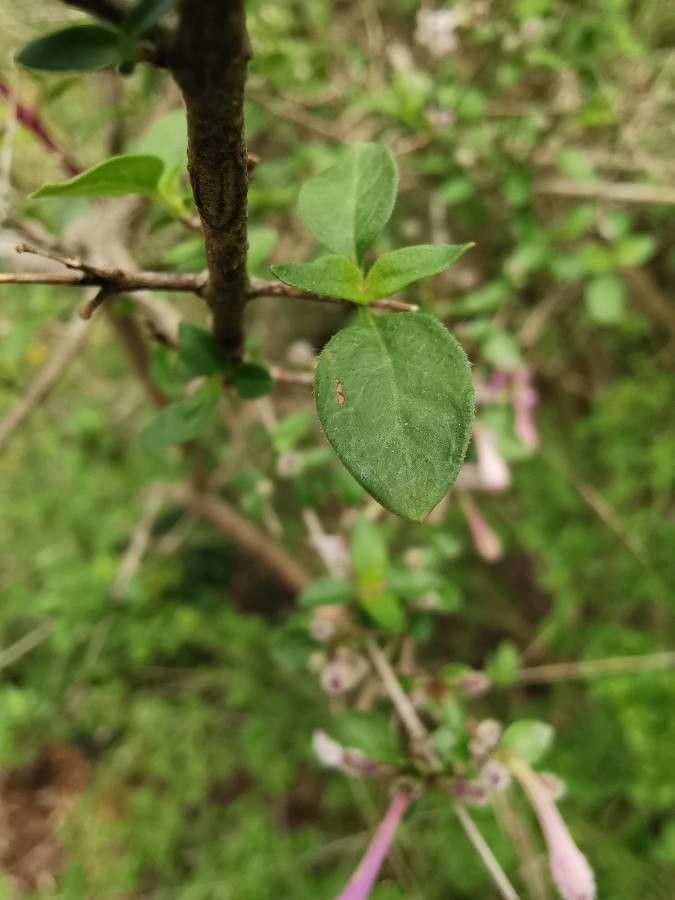
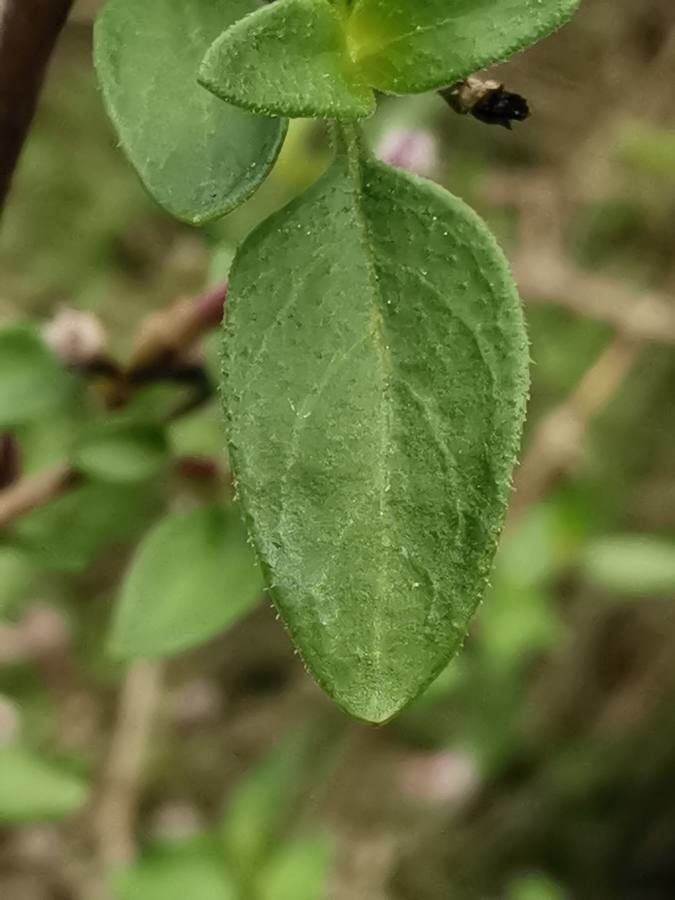
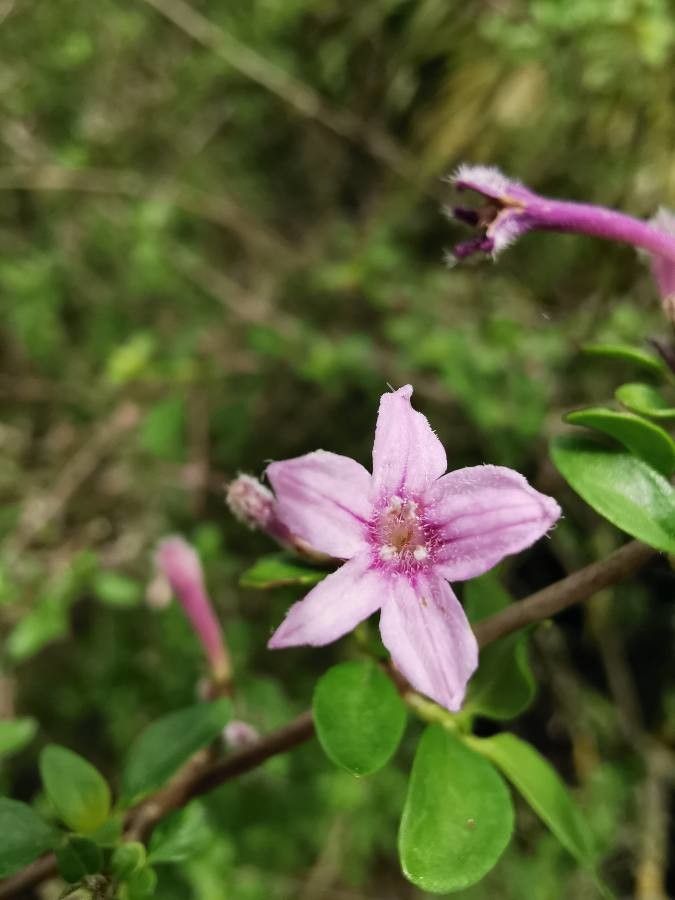
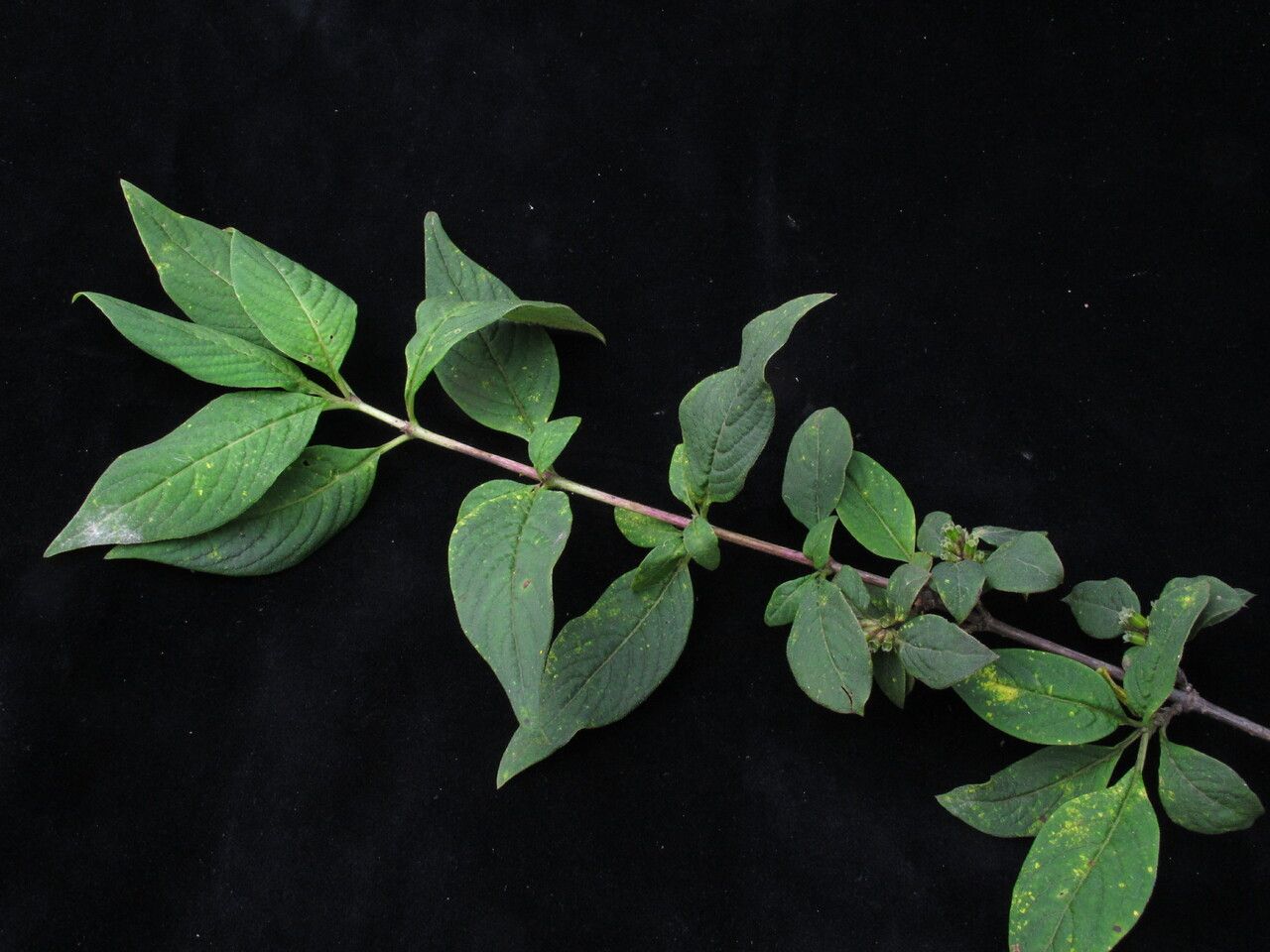
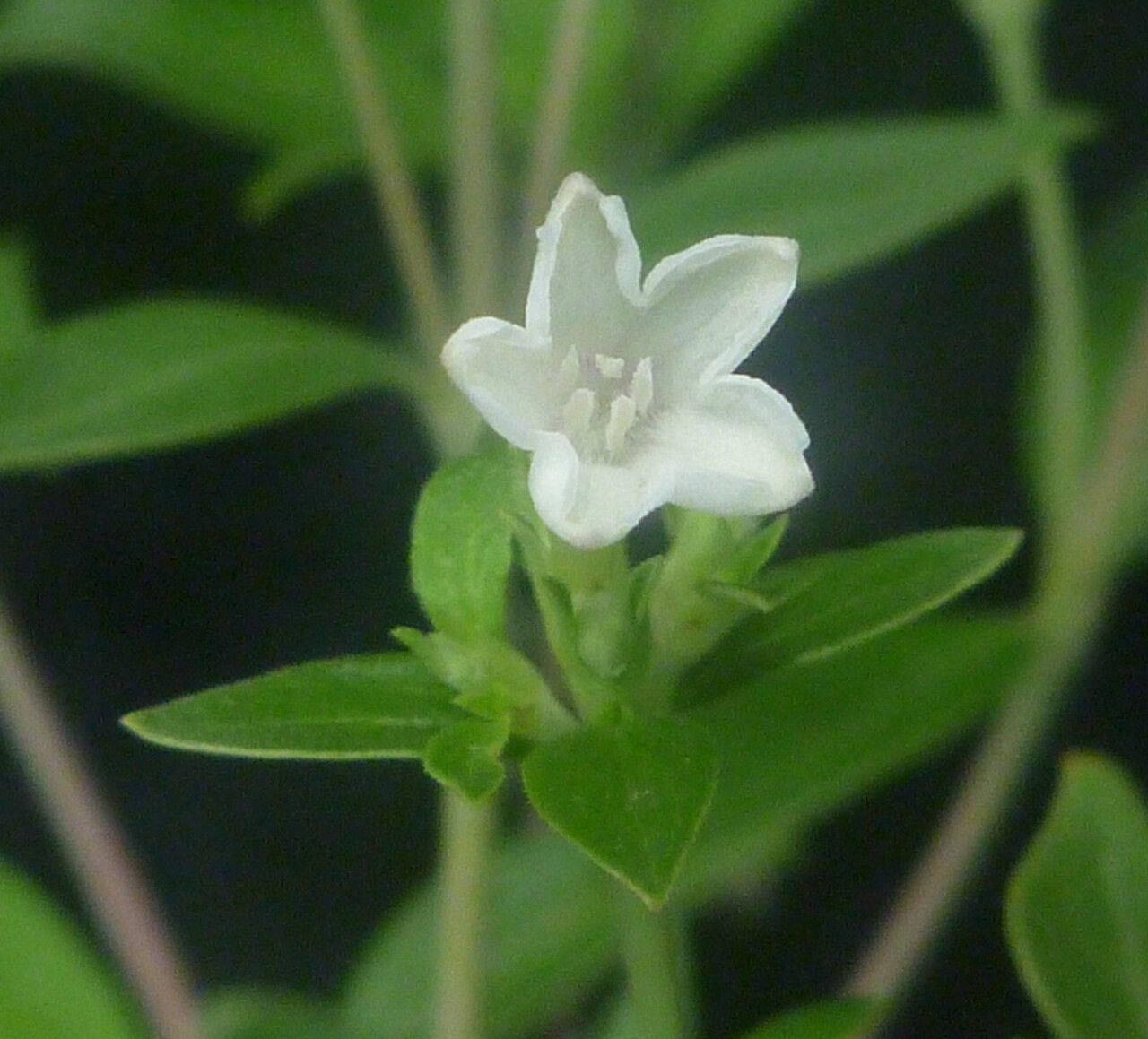
Leptodermis pilosa has good resistance to disease and is generally not susceptible to illnesses. Regarding care, this plant is fairly low-maintenance. When grown outdoors it needs minimal watering, and larger specimens typically do not need pruning. Smaller plants, however, should be pruned after they have bloomed. Leptodermis pilosat is suitable for anyone with an outdoor area, such as a garden or deck, and does not require much gardening experience.
How to keep Leptodermis Pilosa.
Light
Leptodermis pilosa is native to habitats such as forest understories and rocky areas, where it grows in natural shade. It prefers partial sun but can adapt to full sun or full shade, demonstrating its versatility and hardiness.
Water
Leptodermis pilosa, native to arid regions, is incredibly drought-tolerant. To prevent overwatering, it is best to water it every 2-3 weeks. Its capacity to flourish with little rainfall makes leptodermis pilosa an excellent choice for xeriscaping and low-water garden designs.
Temperature
Leptodermis pilosa is highly adaptable to different climate conditions, whether facing hot summers or cold winters. It does, however, have a preferred temperature range for growth. When temperatures become too high, the plant can undergo heat and humidity stress that may lead to its death. In areas where temperatures near the lower limit of its cold tolerance, it is necessary to provide insulation to protect the plant.
Fertilizer
Proper timing matters when fertilizing Leptodermis pilosa. Apply fertilizer in early spring and continue once a month until early summer. Fertilizer encourages lovely blooms and supplies energy during both dormant and active growth phases.
Pruning
Leptodermis pilosa is a woody shrub that is highly valued for its beautiful flowers and lush foliage. To promote growth and better air circulation, prune the shrub in early spring by removing any dead or overcrowded branches. Be sure to make clean cuts close to the buds to encourage quick healing. Regular pruning not only enhances the plant's health and appearance but also improves its flowering.
Botanical profile.
- Plant Type
- Shrub
- Life Cycle
- Perennial
- Genus
- Leptodermis
- Family
- Rubiaceae
- Hardiness Zone
- 7-9
- Mature Height
- 3.05 m
- Mature Spread
- 30 cm to 49 cm
- Leaf Color
- Green, Dark Green
- Leaf Type
- Deciduous
- Flower Color
- White
- Flower Size
- 1.02 cm to 1.52 cm
- Bloom Time
- Early summer, Mid summer
- Planting Time
- Spring, Summer, Autumn
- Harvest Time
- Late summer, Early fall
- Native Area
- China
Reader questions.
Do I need to change how often I water my Leptodermis pilosa plant depending on the time of year or the weather?
When caring for the Leptodermis pilosa, it is important to provide outdoor conditions that include rain, unless the weather is consistently dry, in which case you will need to water it. During the spring and fall, the soil should be kept moist but not soggy, and alternating between dry and moist soil conditions will promote healthy growth. In the summer, hot weather and lack of rainfall can cause the water to evaporate quickly, so you will need to water more frequently to keep the plant moist. During the winter, the Leptodermis pilosa needs less water as it will drop its leaves and go dormant. To help the water evaporate faster, you can use a well-draining soil mixture like terracotta. Once the plant is dormant, you can skip watering it and rely on fall and winter rains. When the temperature becomes warmer in the spring, you can encourage the Leptodermis pilosa to grow and bloom. It is important to provide good drainage at all times, especially during winter, to prevent ponding or drought. If the plant is in a pot, the root growth is limited, so it is important to keep it well-watered, especially in summer. Avoid cold and wet roots by ensuring adequate drainage. For watering, it is best to deep soak the entire root system once or twice a week, depending on the weather, and avoid shallow sprinkles that reach the leaves. Don't let the Leptodermis pilosa dry out completely in the fall or winter, even during dormancy. Avoid drowning the plants by ensuring good soil drainage, as they can die during winter if the soil is not draining well. Applying mulch can help reduce stress, conserve water, and promote healthy blooms.