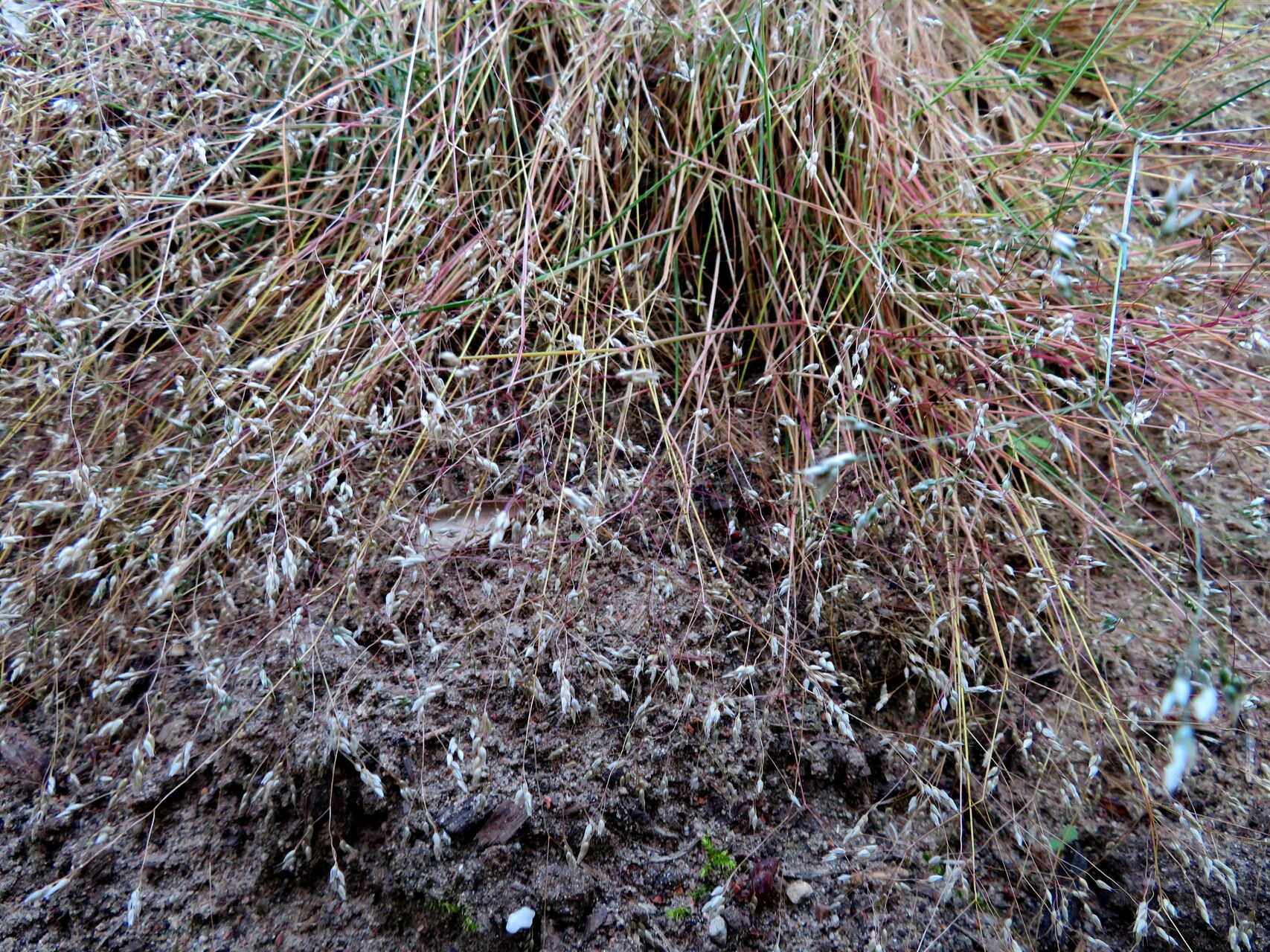
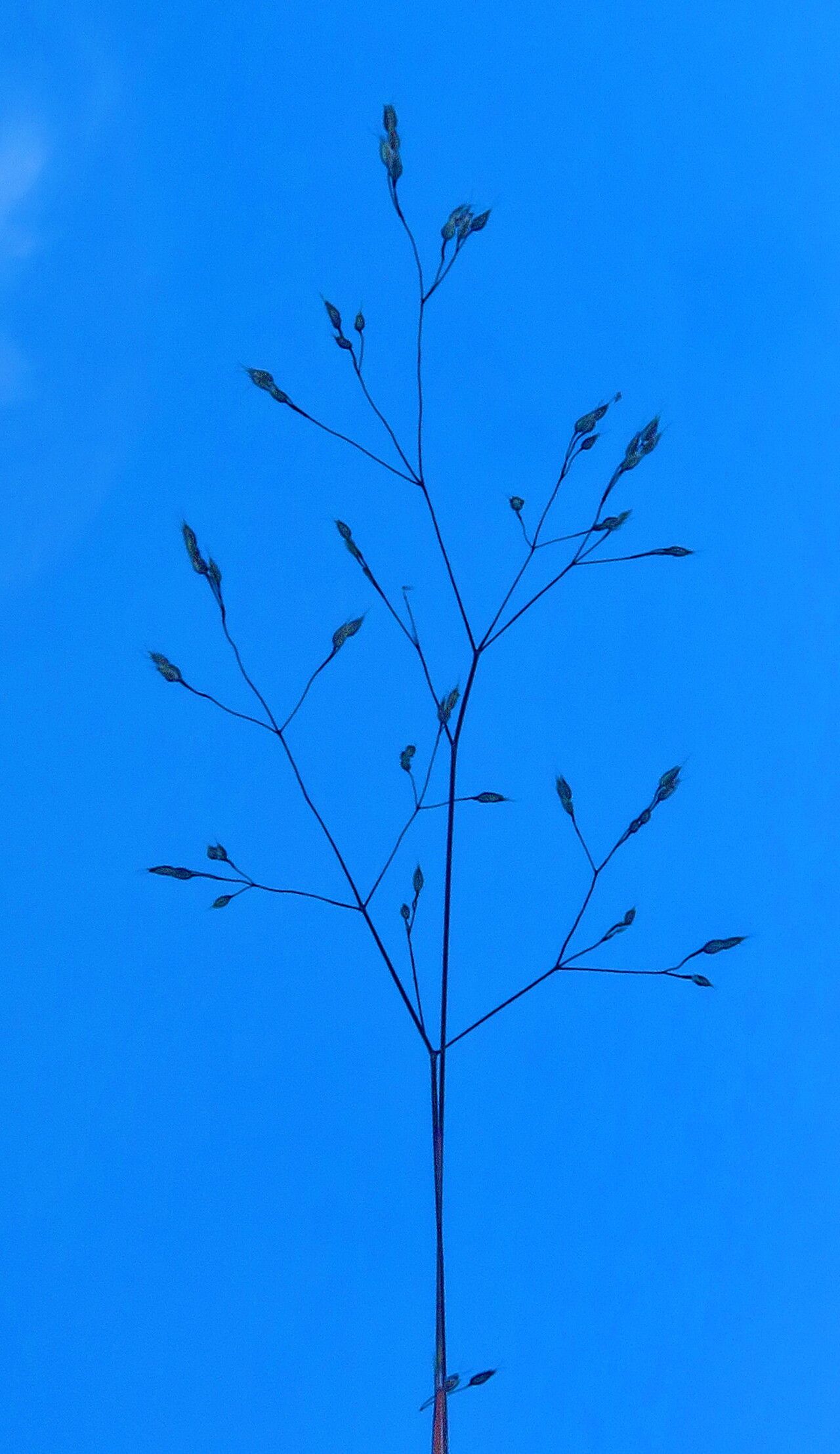
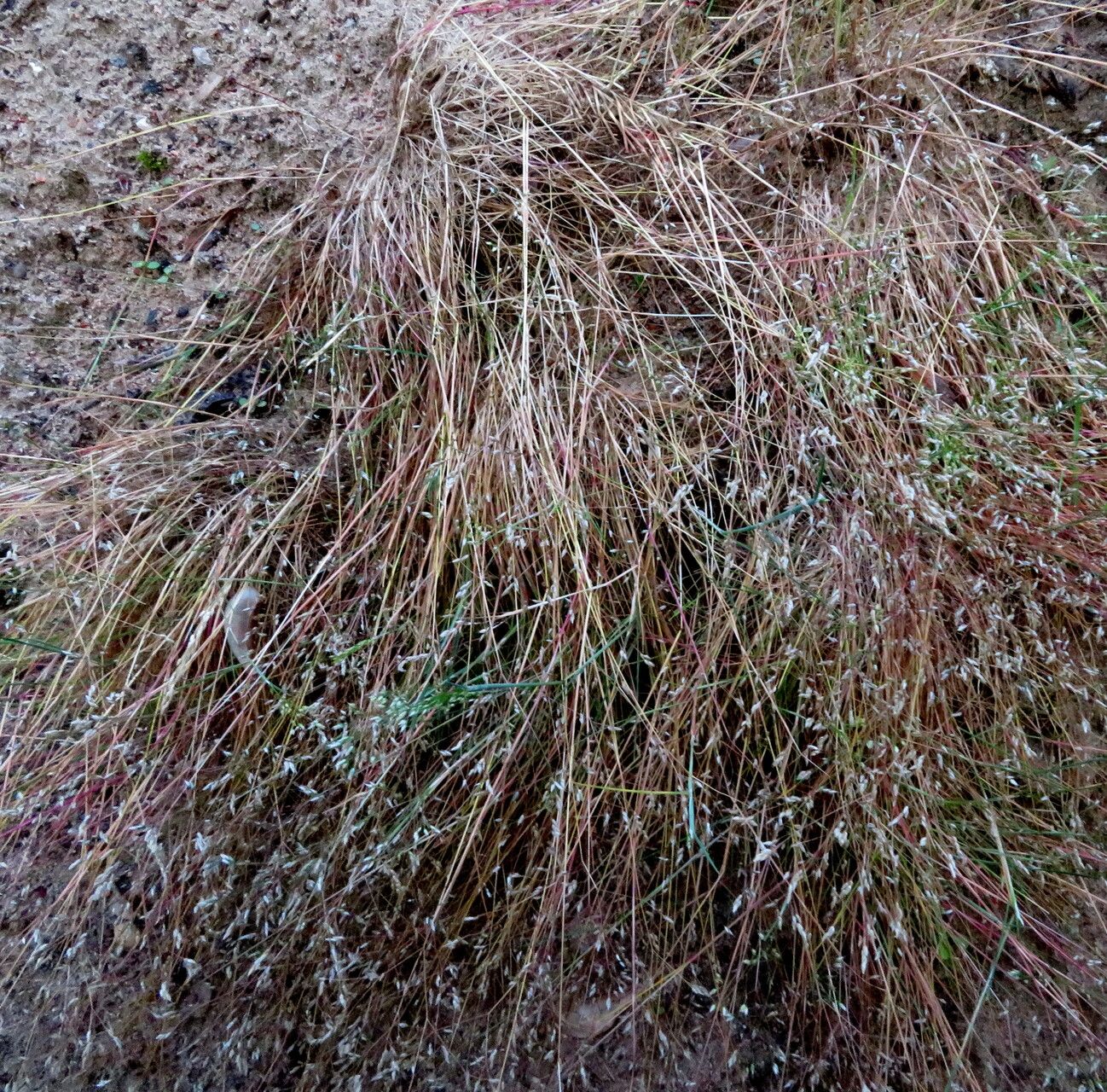
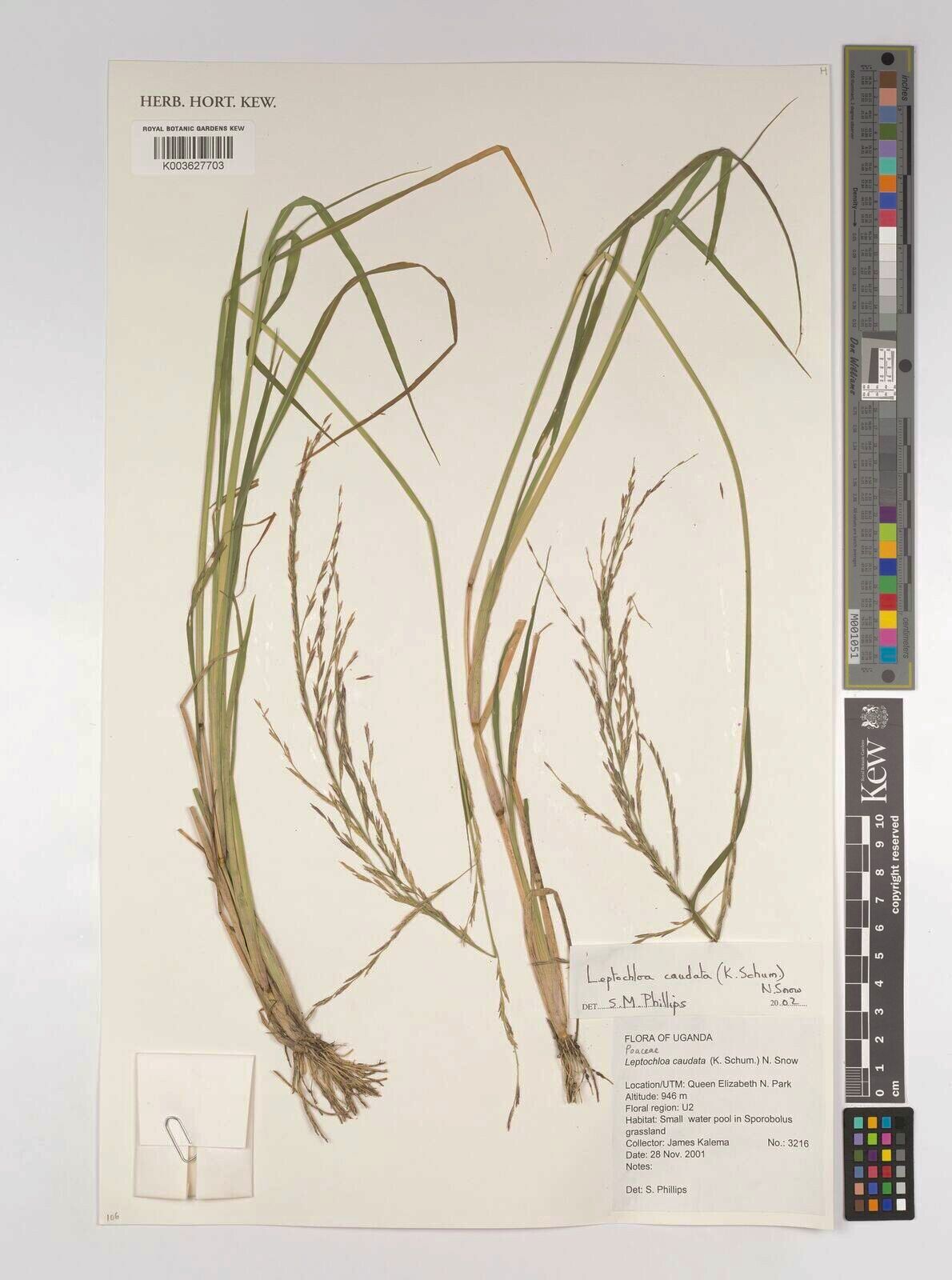
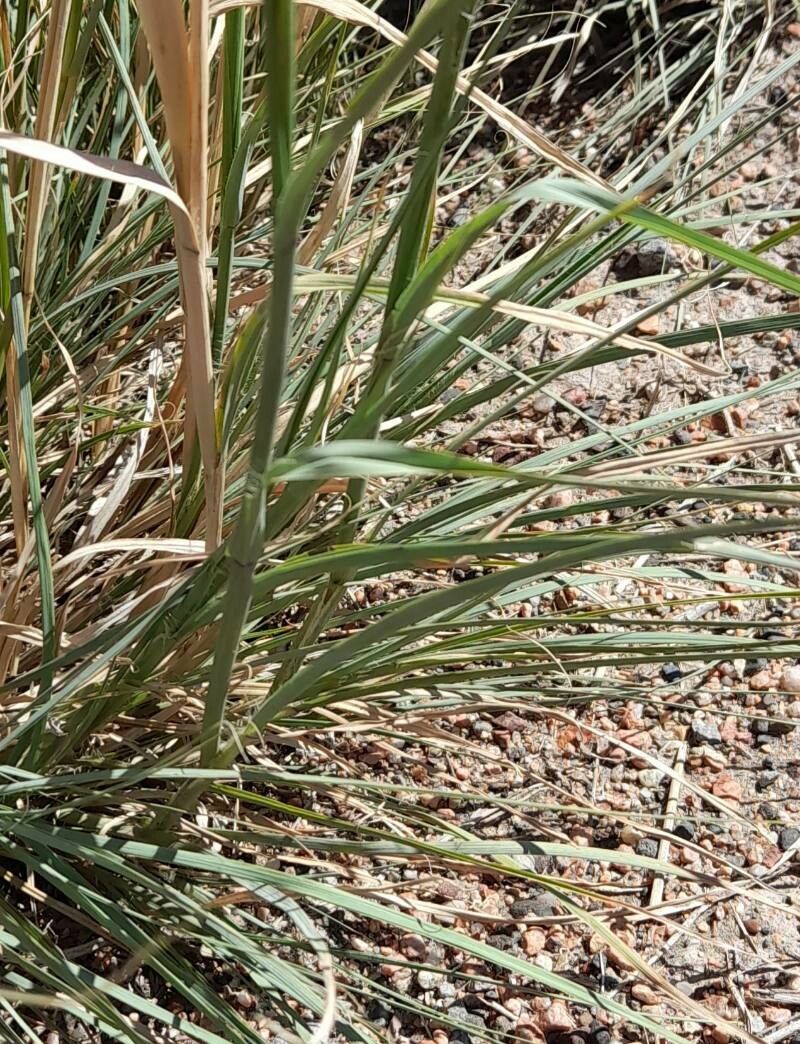
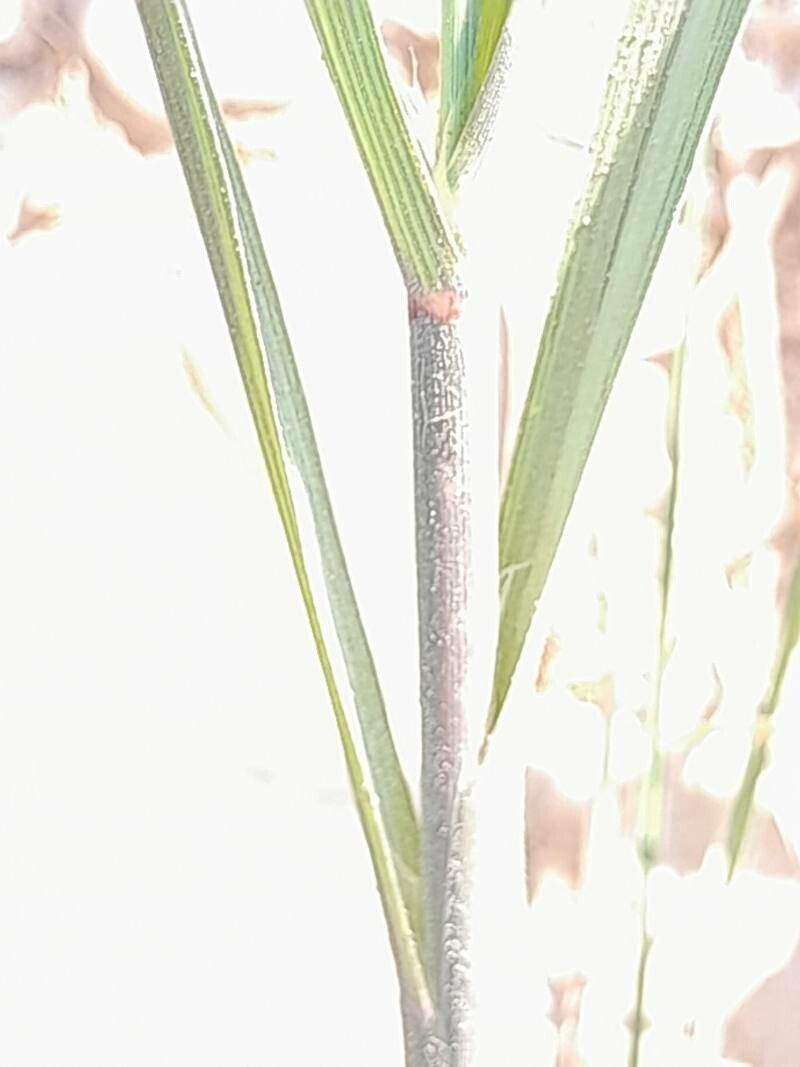
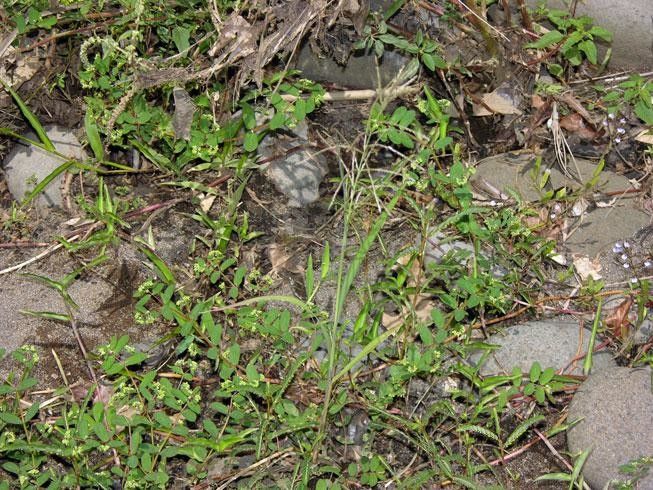
Mucronate sprangletop is highly disease-resistant and generally not prone to disease. In terms of care, the plant is fairly low-maintenance. Planted outdoors it needs only minimal watering, and larger specimens typically do not need pruning. Smaller plants, however, should be pruned after they have finished blooming. Mucronate sprangletop is appropriate for anyone with an outdoor area, such as a garden or deck, and does not require much care experience.
How to keep Leptochloa Panicea.
Light
Mucronate sprangletop comes from bright, open habitats where it does best in full sun. It can tolerate some shade but prefers direct sunlight for optimal growth. This plant, which can be annual or biennial, is recognized for its sun-loving habit.
Water
Mucronate sprangletop flourishes in moist environments and responds well to regular watering. By watering it weekly, you can keep the soil consistently moist without causing waterlogging. This resilient grass is also capable of withstanding different rainfall patterns, making it ideal for various climates with changing water availability.
Temperature
Mucronate sprangletop comes from tropical areas, where the climate is generally warm and humid. As a result, it is adapted to high temperatures and humidity. It is sensitive to sudden temperature changes and prefers a stable temperature environment, so avoiding temperature fluctuations indoors is important. It usually cannot tolerate cold and requires warmer conditions to grow. If the ambient temperature falls too low, the plant may stop growing or even die.
Pruning
Mucronate sprangletop is a warm-season grass that benefits from pruning between early and late spring. This helps promote healthy growth and maintains its shape. To enhance air circulation, which prevents disease and improves its ornamental appeal, remove dead stems and thin out crowded areas during its active growth period.
Botanical profile.
- Plant Type
- Grass
- Life Cycle
- Annual, Perennial
- Genus
- Leptochloa
- Family
- Poaceae
- Hardiness Zone
- 8-11
- Mature Height
- 0.05 m to 1.52 m
- Mature Spread
- 20 cm to 40 cm
- Leaf Color
- Green, Dark Green
- Leaf Type
- Semi-evergreen
- Flower Color
- Yellow, Green, Purple, Brown
- Bloom Time
- Summer, Early fall
- Planting Time
- Spring, Summer, Autumn
- Harvest Time
- Late summer, Fall
Other names.
Reader questions.
What do I need to be cautious about when watering my Mucronate sprangletop in different seasons, climates, or during different stages of growth?
To determine if you are watering enough, observe the rate of growth of your grass. Mucronate sprangletop, for example, tends to double in size during the hottest months. If the weather is hot but the grass is not growing vigorously, consider adjusting your watering schedule. In winter, you may only need to water once a month, but check the soil for moisture. During the growth cycle in warm months, the grass will require more water, while in winter and cooler months, the water needs will decrease significantly. Keep in mind that it is crucial to let the soil dry completely before watering Mucronate sprangletop.
Is sunlight bad for plants? How can we keep Mucronate sprangletop safe from the sun and heat?
When the temperature rises above 90℉(32℃), the Mucronate sprangletop can be damaged by extreme temperatures, especially if they are exposed to many hours of sun. To prevent this, it is best to provide some shade in the afternoon during the summer. It's important to remember that the sun is stronger in the summer and sunlight exposure is 50% longer than in the winter. If the Mucronate sprangletop is stressed from too much sunlight, it's a good idea to ensure they are well hydrated. Water the plants when the top of the soil is about 2 inches dry and consider moving them indoors if the weather is too hot, especially if they are planted in containers. It is normal for the plant leaves to wilt during the day, but they usually recover at night. However, if the Mucronate sprangletop is consistently drooping, it means the plant is losing water quickly and needs to be watered.
Are there any warnings or advice for being in the sun and Mucronate sprangletop?
When transplanting the plants, it is important to avoid sudden exposure to sunlight. Before transplanting outside, allow the Mucronate sprangletop to grow and mature. Some herbaceous plant species can grow taller and potentially create shade for other young plants. To ensure that each plant receives ample sunlight for at least 6 hours a day, allow for a growing season of 80 to 100 days before planting another batch. For optimal growth, especially in a nursery, ensure that the Mucronate sprangletop receives the best possible light. While these plants thrive in sunlight, excessive heat can be harmful to their growth. Whenever possible, replace indoor lights with natural sunlight, as these species benefit from daily exposure to it.