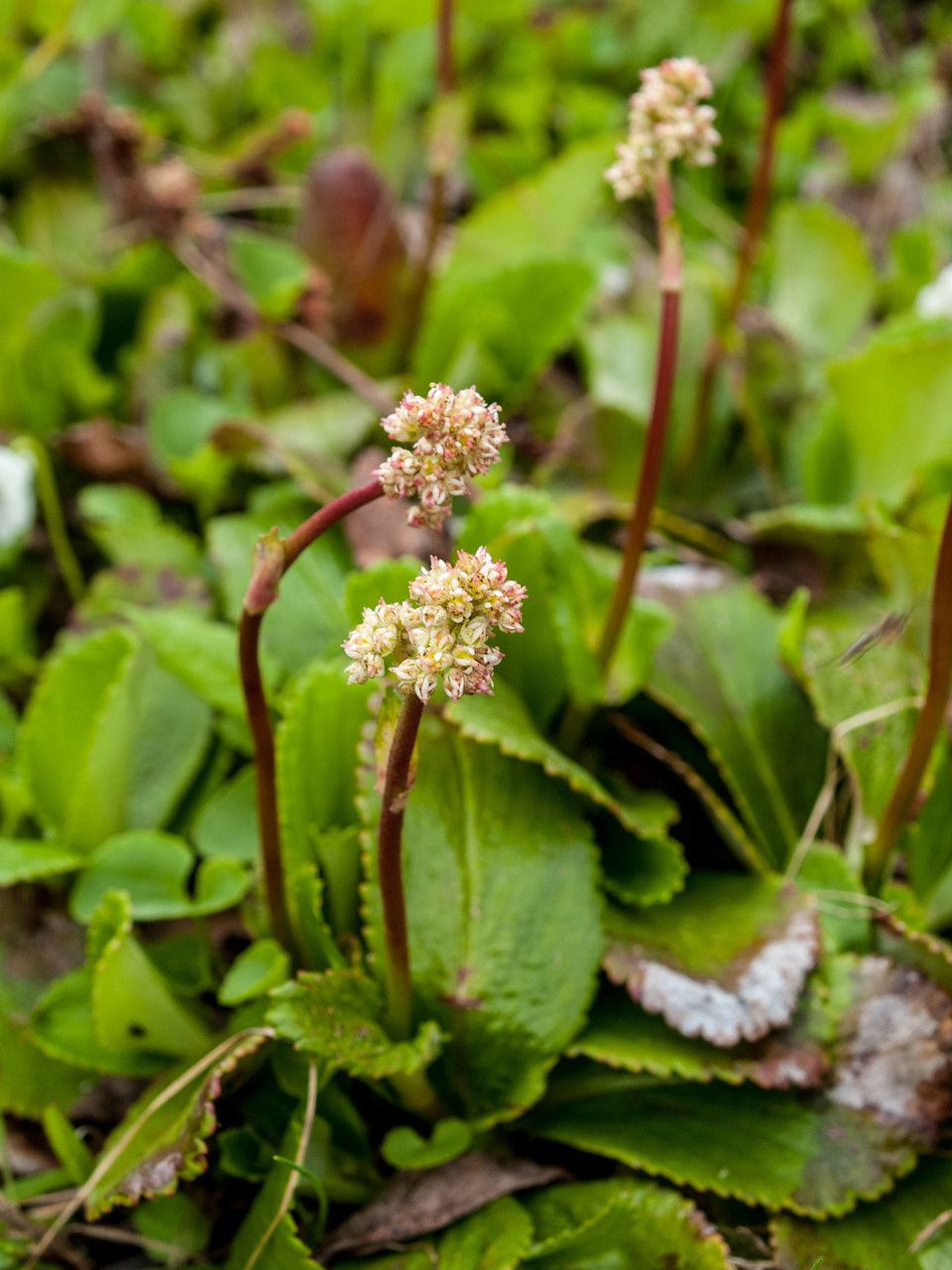
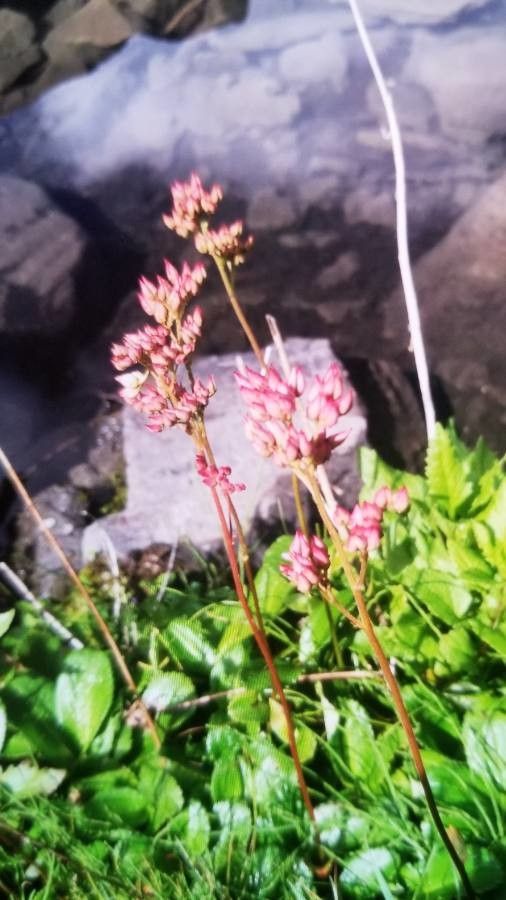
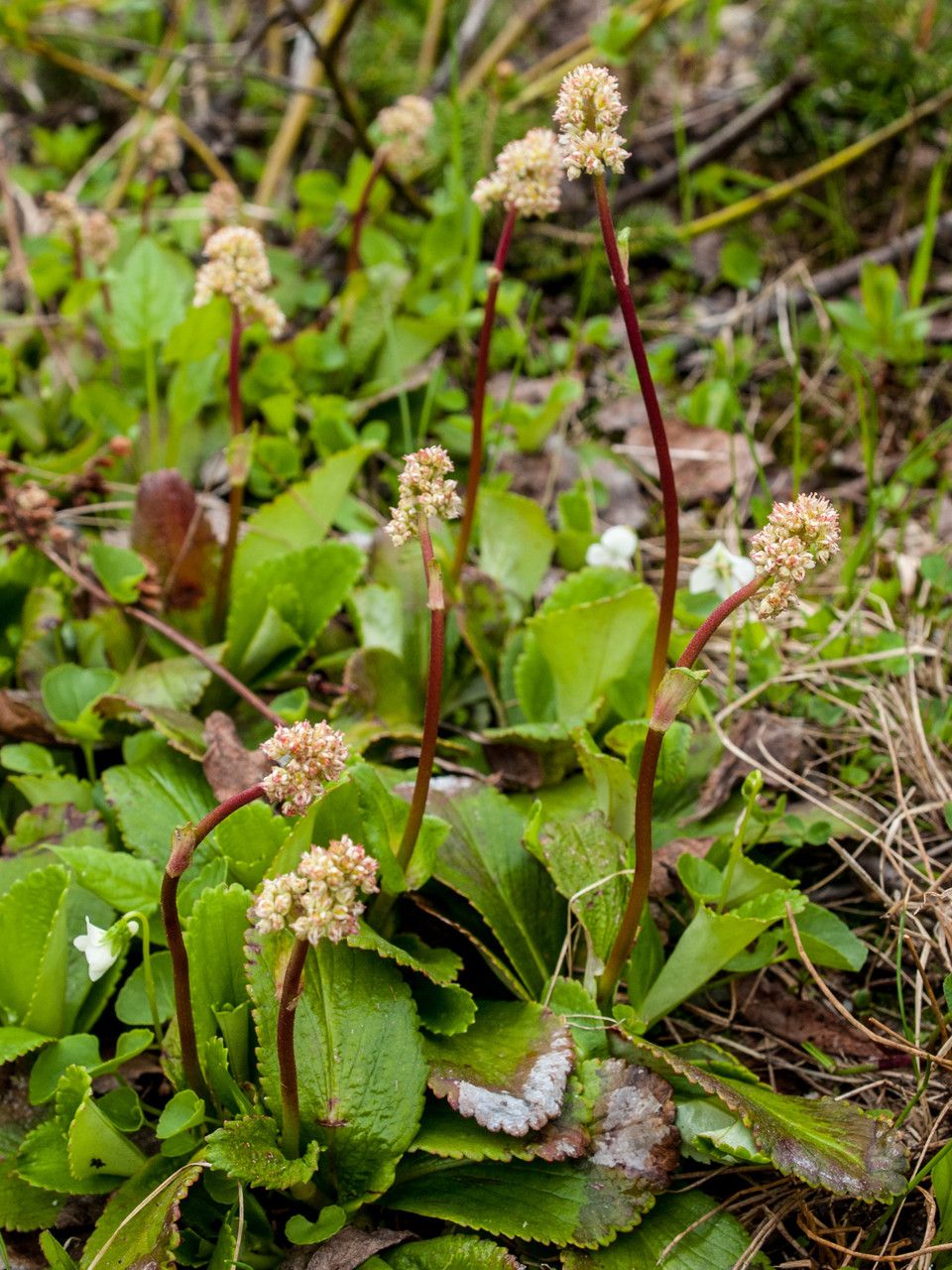
Leptarrhena pyrolifolia is a species of flowering plants belonging to the family Saxifragaceae. It is the sole species in genus Leptarrhena.
Fireleaf leptarrhena has strong disease resistance and is generally not prone to illness. However, it can be affected by pests and diseases present in its surroundings. These infections are typically not severe. For care, this plant requires moderate maintenance. It should be pruned regularly to preserve a good appearance and healthy growth. Fertilizing can also help encourage flowering. Fireleaf leptarrhena is suitable for anyone with an outdoor area, such as a garden or patio, and does not demand extensive gardening experience. It may need more attention when grown indoors.
How to keep Leptarrhena Pyrolifolia.
Light
Fireleaf leptarrhena occurs naturally in places like forest understories and rocky areas, where it is subject to natural shade. It favors partial sun but can tolerate full sun or full shade, illustrating its versatile and hardy character.
Temperature
Fireleaf leptarrhena is a plant that grows best in moderate climates, favoring a temperature range of 41 to 77 °F (5 to 25 ℃). Native to temperate forests, it requires cooler conditions in summer and warmer conditions in winter for optimum growth.
Fertilizer
For Fireleaf leptarrhena, the main time to apply fertilizer is in early spring when the flowers are beginning to form. The proper fertilizer boosts bloom quality and helps Fireleaf leptarrhena produce attractive flowers. Fertilizing in early spring ensures strong flowering during the season and gives energy for its dormant growth phases.
Pruning
Fireleaf leptarrhena is known for its leathery, evergreen leaves and delicate white to pinkish flowers. To keep it healthy and well-shaped, it's best to prune it from early to late spring. Pruning helps remove damaged stems and thin out dense areas, which in turn promotes better airflow and healthier growth. This practice not only enhances the plant's shape but also helps prevent disease and manage its size effectively.
Botanical profile.
- Plant Type
- Herb
- Life Cycle
- Perennial
- Genus
- Leptarrhena
- Family
- Saxifragaceae
- Hardiness Zone
- 5-6
- Mature Height
- 20 cm to 40 cm
- Mature Spread
- 15 cm to 25 cm
- Leaf Color
- Dark Green, Forest Green
- Leaf Type
- Deciduous
- Flower Color
- White
- Flower Size
- 0.51 cm to 0.76 cm
- Bloom Time
- Mid spring, Late spring
- Planting Time
- Spring, Summer, Autumn
- Harvest Time
- Early summer, Mid summer
- Native Area
- Russia
Other names.
Reader questions.
How do I water my Fireleaf leptarrhena plant properly?
To properly water the Fireleaf leptarrhena plant, use filtered water at room temperature or slightly warmer. Tap water may contain harmful particles, so filtered water is preferred. The plant prefers warm temperatures, so avoid using cold water, which can shock it. Instead of overhead watering, apply the filtered room temperature water directly to the soil until it is completely soaked. This helps to moisten the roots and promote their spread for absorbing nutrients.
What is the ideal climate for growing Fireleaf leptarrhena?
Fireleaf leptarrhena, botanically known as Leptarrhena pyrolifolia, thrives best in moderate climates, with a preferred temperature range of 41 to 77 °F (5 to 25 °C). Native to temperate forests, this plant requires adjustments to cooler settings in summer and warmer environments in winter for optimal growth. It is highly cold-tolerant and does not need additional frost protection measures during winter. However, to prepare for winter, it is advisable to water the plant generously before the first freeze in autumn, to ensure the soil remains moist and enters a frozen state. This preparation helps prevent drought and water scarcity for the plant during the colder months and early spring.
What's the difference between watering my Fireleaf leptarrhena inside and outside?
For gardeners who live in non-temperate and non-tropical regions, it is most common to grow the Fireleaf leptarrhena indoors. However, it is important to consider that soil in a container can dry out faster compared to ground soil. Additionally, if there are drying elements like air conditioning units nearby, the Fireleaf leptarrhena may require more frequent watering compared to if it were planted outdoors. If you have planted it outside and regularly receive rainfall, you may not need to water your Fireleaf leptarrhena much at all as the rainfall may be sufficient to keep it alive. On the other hand, if you are growing this plant indoors, you will need to water it more often as the option of allowing rainwater to soak the soil is not available.
How does Fireleaf leptarrhena react to very low temperatures?
Fireleaf leptarrhena is extremely cold-tolerant and can withstand winter temperatures above -25°C (-13°F). However, if the temperature drops below this threshold, there may not be noticeable changes during the winter, but a decrease in sprouting, or even a complete lack of sprouting, can occur in spring. The solution for plants affected by such extreme cold is to remove any parts that have failed to sprout once spring arrives. This allows the plant to focus its energy on the healthy, viable sections.
What should I do if Fireleaf leptarrhena is exposed to high temperatures?
Fireleaf leptarrhena is not tolerant of high temperatures. Growth will halt, and the plant becomes more susceptible to rot if temperatures exceed 25°C (77°F). To mitigate damage from high temperatures, trim away the sunburned and dried-up parts of the plant. Relocate the plant to a cooler location that provides shade during the midday and afternoon sun, or use a shade cloth to protect it. Ensure to water the plant in the morning and evening to maintain soil moisture, helping it cope with the stress from high temperatures.