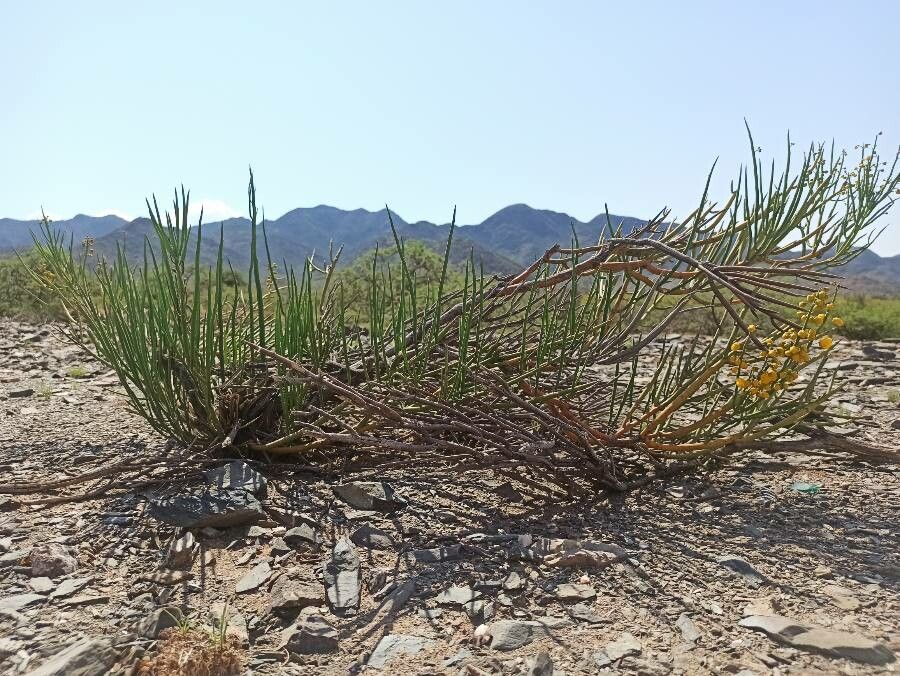
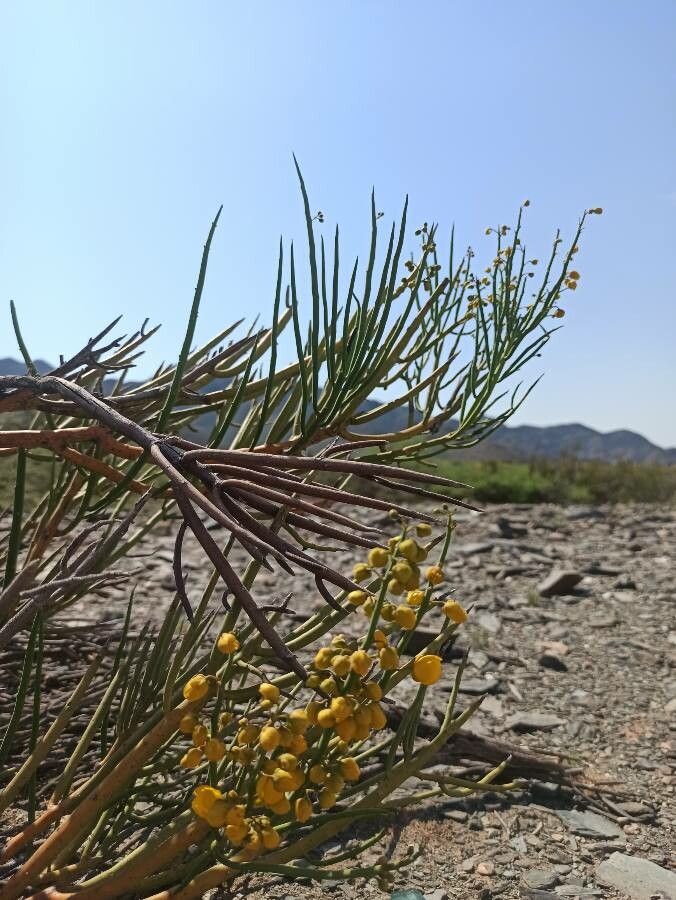
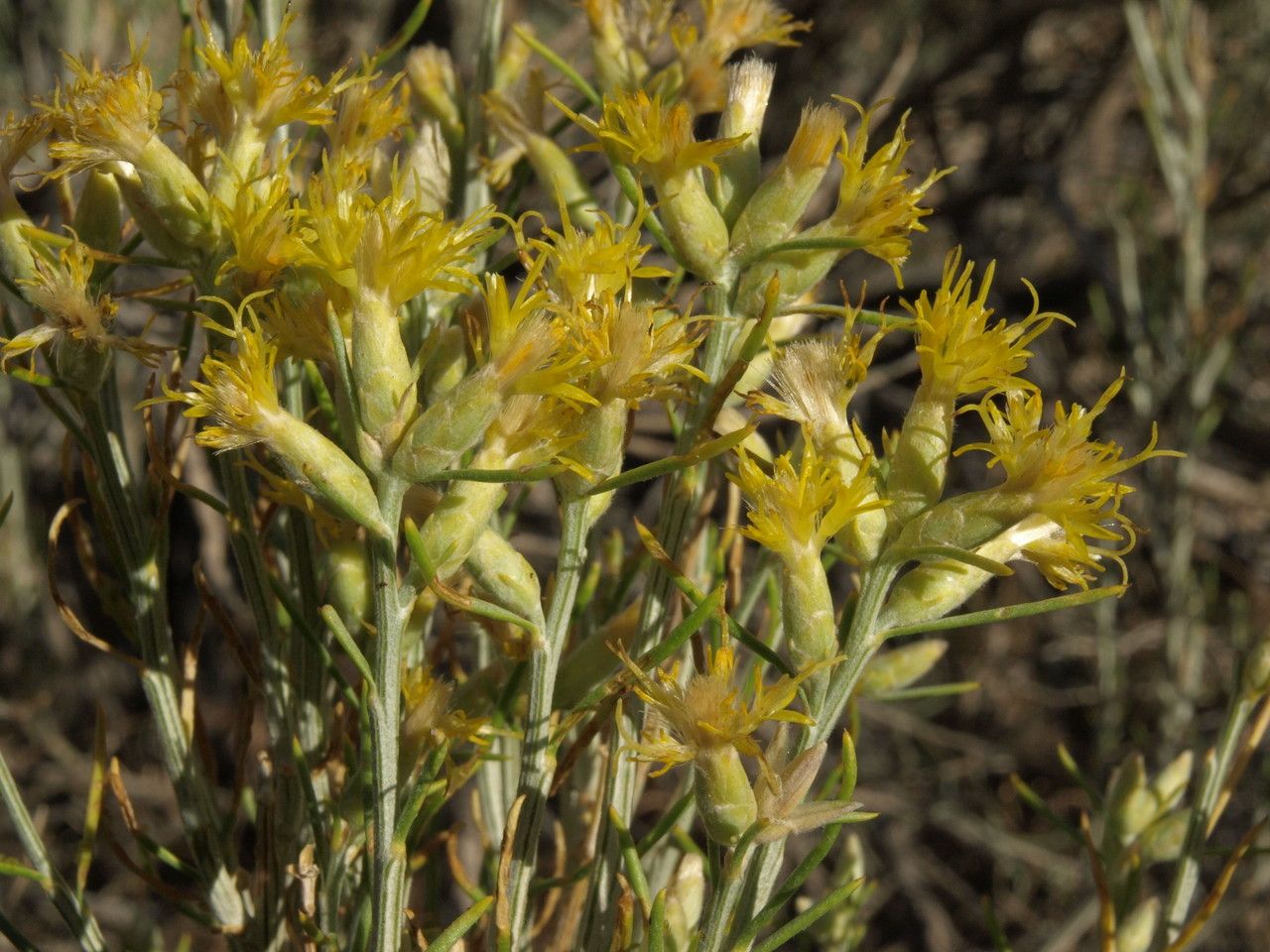
Lepidospartum squamatum is a species of flowering shrub in the daisy family known by the common names California broomsage and scale broom.
California broomsage has strong resistance to disease and is generally not susceptible to illnesses. In terms of care, this plant is fairly low-maintenance. Planted outdoors, it needs only minimal watering, and larger plants typically do not require pruning. Smaller plants, however, should be pruned after they have finished blooming. California broomsage is suitable for anyone with an outdoor area, such as a garden or deck, and does not demand extensive gardening experience.
How to keep Lepidospartum Squamatum.
Light
California broomsage comes from open habitats, such as sunny meadows and forest edges, where plentiful light is available. It does best in full sun but can also tolerate partial sun, showing good adaptability to different light conditions.
Water
California broomsage is well adapted to arid regions, demonstrating excellent drought tolerance. It thrives with a watering schedule of every 2-3 weeks, requiring minimal hydration. This makes it ideal for xeric landscapes, as it naturally aligns with the sporadic rainfall typical of its native climate.
Temperature
California broomsage flourishes in its native habitat under moderate temperatures of 50 to 95 °F (10 to 35 °C). Adjust warmth as the seasons change to maintain optimal growth.
Fertilizer
Fertilize your California broomsage in early spring to encourage healthy growth. Regular feeding boosts overall plant health, producing vigorous growth, increased resilience in harsh conditions, and improved resistance to pests and diseases. Stick to a consistent fertilization schedule for your California broomsage to maintain lush, deeply colored, and vibrant foliage.
Pruning
California broomsage is a resilient shrub characterized by its slender branches and vibrant yellow flowers. To maintain its health, prune the plant in winter. Focus on removing dead, damaged, or overly dense growth to improve air circulation. Make sure to use clean tools to prevent the spread of disease. Proper pruning not only enhances the plant's vigor and floral display but also improves the overall aesthetics of your garden.
Botanical profile.
- Plant Type
- Shrub
- Life Cycle
- Perennial
- Genus
- Lepidospartum
- Family
- Asteraceae
- Hardiness Zone
- 6-10
- Mature Height
- 61 cm
- Mature Spread
- 61 cm
- Leaf Color
- Gray, Light Gray
- Leaf Type
- Evergreen
- Flower Color
- Yellow
- Flower Size
- 2.54 cm to 5.08 cm
- Bloom Time
- Late summer, Early fall, Mid fall
- Planting Time
- Spring, Summer, Autumn
- Harvest Time
- Mid fall, Late fall, Early winter
- Native Area
- Mexico
Other names.
Reader questions.
How should I water my California broomsage plant?
Your California broomsage is not picky about how you water it. You can use common watering tools like watering cans, hoses, or even cups. It's best to water the plant directly on the soil and make sure all parts of the root system get equal moisture. Filtering the water is a good idea as tap water can have harmful particles. The water should be at or slightly above room temperature, as very cold or hot water might shock the plant. However, California broomsage generally does well with any kind of water.
How many hours of sunlight per day does California broomsage need to grow well?
To ensure healthy growth, California broomsage needs a minimum of 3-6 hours of sun daily. While most plants that can tolerate part sun can also flourish in full sun, California broomsage is more adaptable due to its lower light requirement for photosynthesis.
What temperature is best for California broomsage to grow?
To ensure that California broomsage thrives, it is best to maintain a temperature range of 65~80℉(18~27℃). During the main growing phase, the highest tolerable temperature is 95℉(35℃), while the lowest tolerable temperature is 15℉(-10℃). This species can tolerate low temperatures and survive freezing winters. For optimal conditions, the perfect temperature range is 65~80℉(18~27℃), the highest range is 85~95℉(30~35℃), and the lowest range is -5~15℉(-20~-10℃) or below.
What do I do if I give my California broomsage too much or too little water?
If you have outdoor plants, especially newly planted ones or plant seedlings, they can easily suffer from lack of watering. It's important to remember that you need to water them enough for a few months when they are still small or newly planted. Once the roots are established, California broomsage can usually rely on rain for most of its water needs. However, if your California broomsage is planted in pots, overwatering is more likely to occur. If you accidentally overwater your plant, you should take immediate action to correct the situation. First, stop watering your plant right away to minimize the impact of overwatering. Then, inspect the roots by removing your California broomsage from its pot. If you don't see any signs of root rot, you can return your plant to its container. But if you do find evidence of root rot, trim away any affected roots and consider applying a fungicide to prevent further damage. Finally, repot your California broomsage using well-draining soil. On the other hand, if your California broomsage is underwatered, the solution is much simpler. Just water the plant more frequently. When underwatered, the plant's leaves will droop, dry out, and fall off. However, they will quickly recover and regain fullness after receiving sufficient water. So, be sure to adjust your watering frequency as soon as you notice signs of underwatering.
What will happen if California broomsage doesn't get enough sunlight?
When California broomsage doesn't receive enough sunlight, it may turn pale green or develop drooping, yellow leaves. While a little bit of leaf drop is normal, if the leaves are falling off but no new ones are growing in their place, it means something is not right. In cases where California broomsage manages to grow despite inadequate light, the new growth tends to be weak, pale, and vulnerable to insects. By noticing these signs and adjusting the plant's lighting conditions, you can make a big difference.
If the temperature gets too high/low, what harm will California broomsage plants experience?
Consistently high temperatures pose a greater threat to California broomsage compared to consistently low temperatures. When it gets too hot, heat stress triggers hormone changes that reduce seed germination and photosynthesis efficiency. This can be seen through signs like wilting, leaf browning, and potential plant death. On the other hand, if it gets too cold, the plant's nutrient uptake and photosynthesis functions will stop, possibly resulting in plant death. Even a single freezing event during the growing season can cause a membrane phase transition, leading to a halt in plant functions and plant death.
How frequently should I give water to my California broomsage?
Most outdoor plants grow well with natural rainfall. However, if you have a lack of rainfall in your area, you should provide adequate watering every 2 weeks during spring and fall. In the summer, you will need to water more frequently. In the slower growth period of winter, water sparingly and you may not need to water at all. Young or newly planted California broomsage should be watered more frequently to help it establish and grow. For potted plants, there are two main ways to determine watering frequency for California broomsage. The first option is to follow a predetermined watering schedule, either once a week or once every other week. However, this may not always work as it doesn't account for the specific growing conditions of your broomsage. Another approach is to adjust watering frequency based on soil moisture. Wait until the top 2 to 4 inches of soil (around ⅓ to ½ depth of the pots) have completely dried out before giving more water. This method takes into consideration the plant's needs during different seasons, especially in the summer when it requires more water.
What kind of sunlight does California broomsage require?
California broomsage prefers full or partial sun, ideally receiving direct morning light. However, during summer, it should be shielded from the intense afternoon sun to prevent leaf burn and maintain its attractive appearance and overall health.
Do I need to change the temperature for California broomsage in different seasons?
California broomsage is a versatile plant that can withstand the variations in seasonal temperatures, making it a sturdy choice for both outdoor and indoor cultivation in maintained landscapes or containers. Consequently, there is no need to adjust the temperature for its growth during different seasons. However, if you notice that the plant's flowering is being hindered or slowed down, exposing it to a winter freeze could potentially help revive its blooms.
How much water does my California broomsage plant need?
When watering your California broomsage, remember that it doesn't always require a lot of water. If only a few inches of soil have dried since your last watering, give it about five to ten ounces of water. You can also adjust the amount based on the dryness of the soil. If more than half of the soil is dry, it might need more water. Water until excess water drains from the pot's holes. If your broomsage receives enough rain outdoors, it may not need additional watering. For young or newly established broomsage, provide 1-2 inches of rain per week. Once it's fully established, it can rely on rainwater, except during hot, rainless periods of 2-3 weeks, when a full watering will prevent stress.
Can the sun harm California broomsage? How can I protect California broomsage from the sun and heat damage?
When moving California broomsage from indoors to outdoors, direct sunlight can easily damage it. To prevent sunburn from overexposure, it is best to move the pots gradually from a shaded area to a brighter spot. However, even if the plants are accustomed to the summer sun, they can still suffer damage from extreme heat. During a heatwave, it is crucial to keep the soil consistently moist to help the plants handle excessive heat levels. To protect sensitive California broomsage during extreme weather events, consider moving plants in containers to areas with afternoon shade or using a shade cloth to provide additional protection.
Do I need to change the temperature for California broomsage when it is growing at different stages?
Research indicates that California broomsage experiences stunted growth when exposed to prolonged periods of higher temperatures, particularly during the development of axillary buds and the growth of main shoots. To promote robust growth after germination or transplanting, it is recommended to maintain temperatures consistently cooler at around 65℉(18℃).