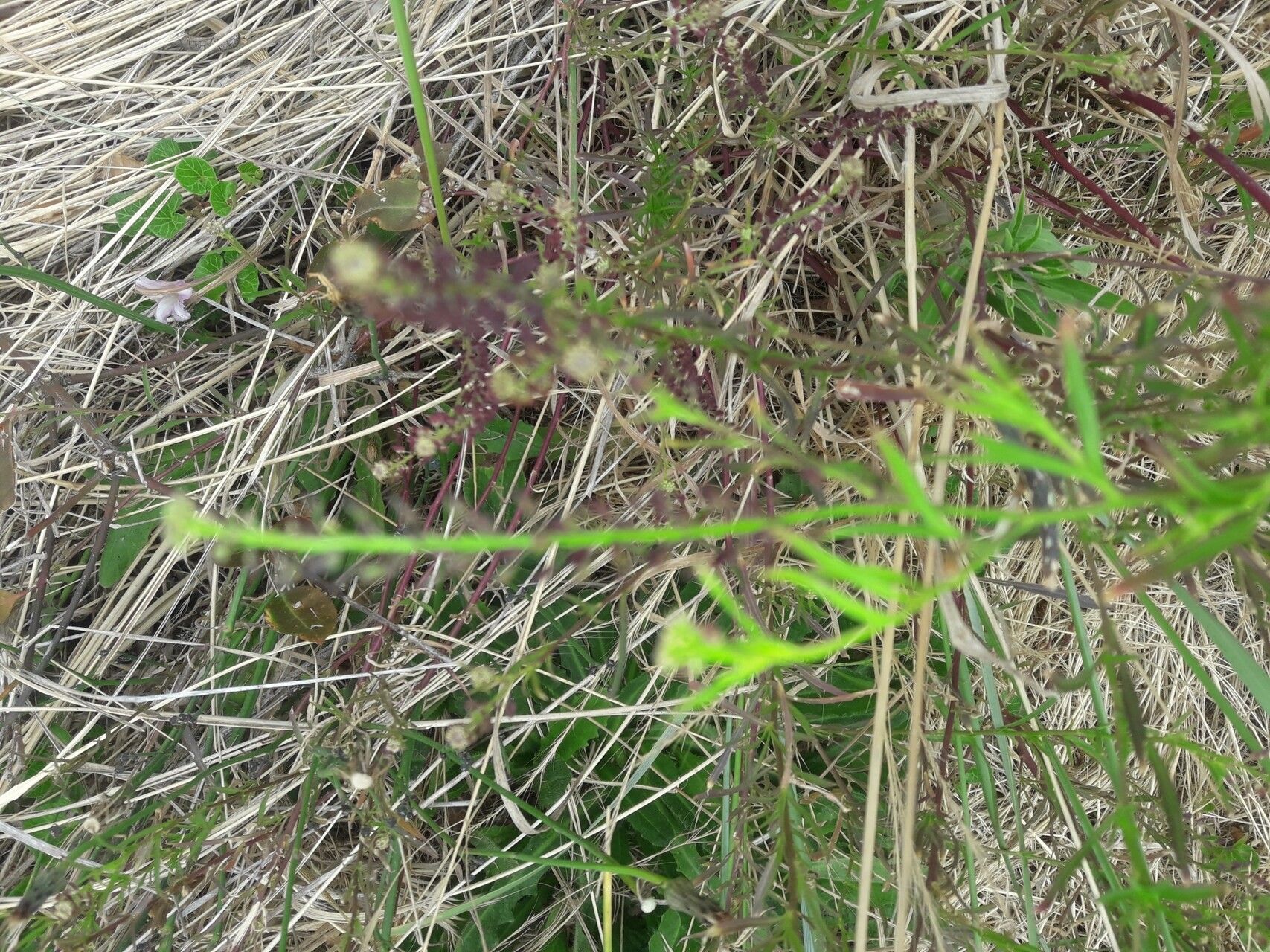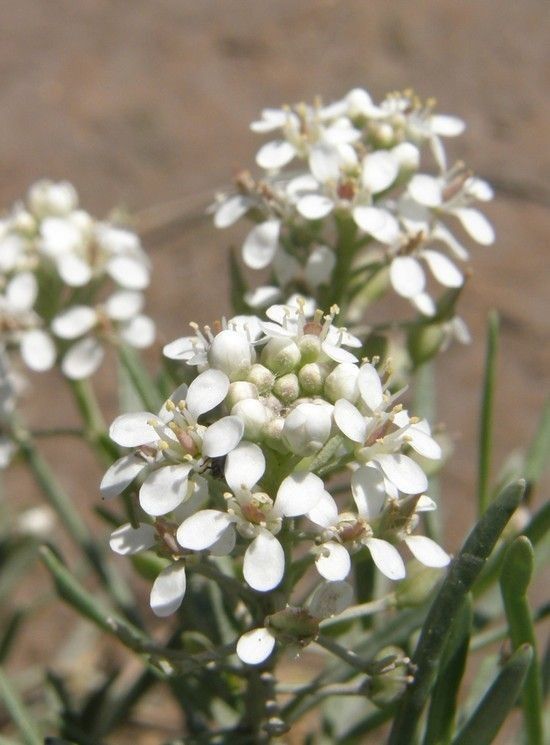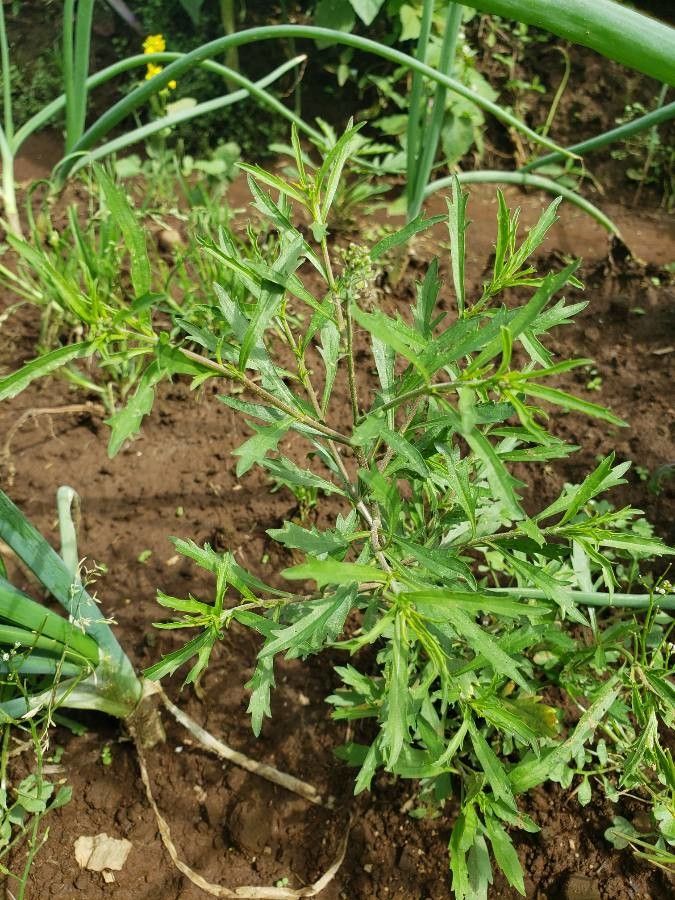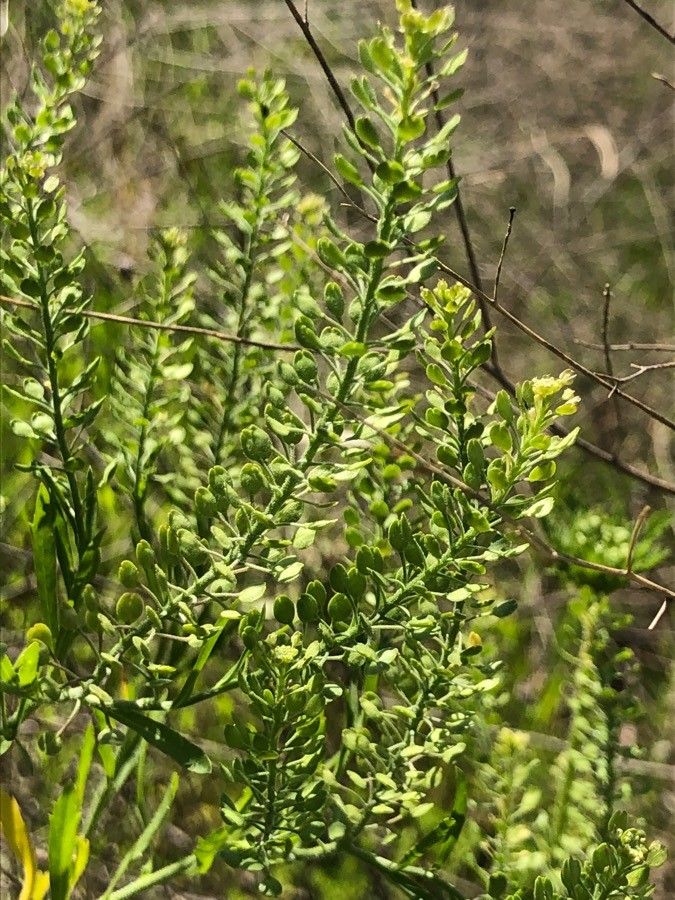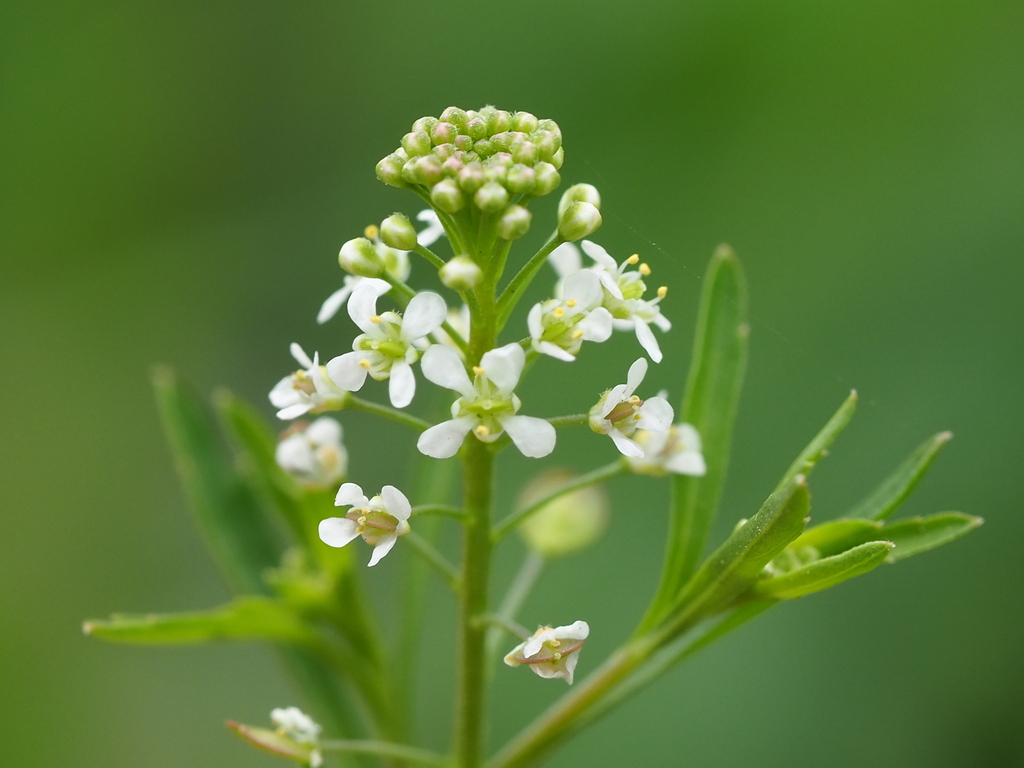
Lepidium virginicum, commonly known as Virginia pepperweed, is a herbaceous annual plant in the Brassicaceae family. Native to North America, it thrives in various habitats including fields, roadsides, and disturbed areas. The plant can grow up to 1 meter tall and features slender stems with small white flowers that typically bloom from June to September.
The leaves of Virginia pepperweed are lance-shaped with toothed edges, reaching up to 10 cm in length. The plant produces small, oval-shaped fruits containing numerous seeds. Historically, Native Americans have utilized Virginia pepperweed for its medicinal properties, treating ailments such as coughs, colds, fever, and digestive issues.
In addition to its medicinal uses, Virginia pepperweed is valued in culinary applications for its pungent flavor, which is similar to black pepper. It can be used either fresh or dried, adding zest to salads or serving as a seasoning for meats and vegetables.
Research has also explored the plant's potential in phytoremediation, as it has the capability to absorb heavy metals from contaminated soil.
In summary, Lepidium virginicum is a versatile herbaceous annual with a range of applications from medicinal and culinary uses to environmental remediation, making it a significant component of North American flora and biodiversity conservation efforts.
Virginia pepperweed is commonly considered a weed in most crops and can be found along roadsides, in gardens, and in waste areas. The plant is named Virginia pepperweed because all of its parts have a peppery taste, and the name "Virginia" comes from its Latin name.
Virginia pepperweed has strong disease resistance and is usually not prone to illnesses. However, it can be susceptible to pests and diseases present in its environment, and these infections are generally not severe. For care, this plant requires moderate maintenance. It should be pruned regularly to maintain an attractive appearance and healthy growth. Fertilizing can also help encourage flowering. Virginia pepperweed is appropriate for anyone with outdoor space, such as a garden or patio, and does not require extensive care experience. It may need more attention when grown indoors.
How to keep Lepidium Virginicum.
Light
Virginia pepperweed prefers abundant sunlight and performs best where rays are plentiful. It can also withstand conditions with less-than-full sun, demonstrating resilience in those situations. Its need for light comes from its native environment, which features a strong light spectrum. Both excessive and insufficient exposure can hinder its growth.
Water
Virginia pepperweed thrives with moderate moisture levels, preferring soil that remains consistently damp but not waterlogged. For best results, water the plants weekly, aiming to mimic natural rainfall patterns: provide a deep irrigation followed by a period of slight drying. When grown outdoors, it's important to adjust your watering routine with the changing seasons to prevent overwatering.
Temperature
Virginia pepperweed originates from habitats where temperatures range from 68 to 100 °F (20 to 38 ℃). It favors warm conditions and can acclimate to seasonal fluctuations.
Fertilizer
Virginia pepperweed benefits from regular, light applications of fertilizer to encourage healthy foliage. Fertilize Virginia pepperweed about once a month throughout the summer. Nitrogen is essential for leaf growth, so adding nitrogen-rich sources helps Virginia pepperweed thrive.
Botanical profile.
- Plant Type
- Herb
- Life Cycle
- Annual, Biennial, Perennial
- Genus
- Lepidium
- Family
- Brassicaceae
- Hardiness Zone
- 3-11
- Mature Height
- 10 cm to 49 cm
- Mature Spread
- 15 cm to 23 cm
- Leaf Color
- Green, Yellow
- Leaf Type
- Deciduous
- Flower Color
- White
- Flower Size
- 0.05 cm to 0.08 cm
- Bloom Time
- Late spring, Early summer, Mid summer
- Planting Time
- Spring
- Harvest Time
- Early summer, Mid summer
- Native Area
- Belize, Honduras, Haiti, Mexico, Guatemala, Bolivia, Venezuela, El Salvador, Nicaragua, Dominican Republic, Costa Rica, Panama, Jamaica
Other names.
Reader questions.
How much water does my Virginia pepperweed require?
Determining how much water to give your Virginia pepperweed can be approached in a few different ways. Some gardeners prefer to rely on soil moisture as an indicator, watering until the top six inches feel moist. Another approach is to use a set measurement of around two gallons per week, adjusting based on temperature and soil dryness. However, following strict guidelines may result in overwatering if the plant requires less water. When growing in a container, a different method is necessary. Ensuring all layers of soil are moist, you can check for moisture by inserting your finger into the soil or look for excess water drainage.
What are the sunlight requirements for Virginia pepperweed?
Virginia pepperweed thrives best in locations that offer substantial exposure to sunlight, as it is accustomed to thriving in areas where sunlight is abundant. The plant requires full sun, which means it needs above 6 hours of sunlight daily, but it can also survive with partial sun, about 3-6 hours of sunlight. Its resilience in various light conditions showcases its adaptability, though both overexposure to sunlight and insufficient light can negatively affect its growth.
What are the essential growing conditions for Virginia pepperweed?
Virginia pepperweed (Lepidium virginicum) thrives in environments where the temperature ranges between 68 to 100 °F (20 to 38 °C), favoring warm temperatures but can also adjust to seasonal variations. It has strong cold resistance, meaning special frost protection is generally unnecessary. However, if winter temperatures are expected to fall below -35°C, it's crucial to protect the plant by covering it with soil or straw. It's also advised to water the plant abundantly before the first freeze of autumn to keep the soil moist, which helps prevent the plant from drought and water scarcity during winter and early spring.
How should I water my Virginia pepperweed plant?
To water Virginia pepperweed, you have several options. You can use a garden hose with a spray nozzle, a watering can, or any other common watering tool. This plant is not too particular about the type of water it receives, so rainwater, tap water, or filtered water will all work fine. It's best to avoid watering from overhead as it can harm the leaves and flowers and potentially lead to disease. For optimal watering, consider setting up a drip irrigation system, which will evenly and directly apply water to the soil. If you have a container-grown Virginia pepperweed, use a cup, watering can, or tap water to water it directly at the soil level.
What are some solutions for Virginia pepperweed facing inadequate sun exposure?
For indoor plants, gradually increasing exposure to sunlight by moving them closer to a south-facing window or using artificial light sources can help. Artificial lighting should mimic natural sunlight in intensity and duration, with LED lights being a recommended option. Outdoor plants should be moved to sunnier spots gradually to avoid sunburn. Additionally, removing obstructions that block sunlight, such as pruning trees, or transplanting to a location with better sunlight and drainage, can also benefit the plant. It's important to introduce these changes gradually to ensure the plant adapts well.
How does Virginia pepperweed respond to low temperatures?
Virginia pepperweed is cold-tolerant and performs best when temperatures remain above 20°C. Over the winter, it's important to ensure temperatures stay above 0°C to facilitate its survival. If temperatures drop below -35°C, the plant may exhibit decreased sprouting or fail to sprout at all in the spring. In cases where parts of the plant fail to sprout due to extreme cold, these parts should be removed in the spring to allow for new growth.
What should I do if I give too much or too little water to my Virginia pepperweed?
The solution for underwatering Virginia pepperweed is simple: if you notice it lacks moisture, water it more regularly. On the other hand, overwatering can be a more serious problem, potentially leading to diseases and death. To prevent this, choose a suitable location with ample sunlight and proper drainage. If your pepperweed is in a pot and you have overwatered it, consider changing to a new pot with better drainage and loose soils for repotting.
What are the symptoms of inadequate sunlight exposure in Virginia pepperweed?
When Virginia pepperweed receives inadequate sunlight, it may display various symptoms indicating stress or poor health. These symptoms include smaller new leaves, leggy or sparse growth, faster leaf drop, slower or no new growth, lighter-colored new leaves, chlorosis (yellowing of leaves), sunscald, leaf curling, wilting, and leaf scorching. Each of these symptoms reflects the plant's struggle to adapt to insufficient light conditions, highlighting the importance of proper sunlight exposure for its health and vitality.
What should I do if Virginia pepperweed experiences high temperatures?
During summer, it's essential to keep Virginia pepperweed in conditions cooler than 38°C to prevent stress from high temperatures. If temperatures rise above 43°C, you might observe the plant's leaves becoming lighter in color, curling, getting sunburned, and in severe cases, wilting and drying out entirely. To manage this, trim away the sunburned and dried-up parts of the plant. It's advisable to move the plant to a location with shade during midday and afternoon or use a shade cloth. Ensure the soil remains moist by watering the plant in the morning and evening.
How many times should I water my Virginia pepperweed?
Virginia pepperweed requires regular watering throughout the growing season. In the spring, it is recommended to water the plant once a week. As the season progresses and temperatures rise, you may need to increase watering to two or three times per week. However, overwatering can be harmful to the plant. It is important to maintain relatively moist, but not wet, soil. Watering Virginia pepperweed in a pot requires more frequent watering. The soil in a pot tends to heat up and dry out faster than ground soil. Typically, container-grown Virginia pepperweed should be watered a few times per week, compared to just once per week for plants in the ground.
How does artificial lighting benefit plants, and what are some guidelines when using it for Virginia pepperweed?
Artificial lighting is critical for plant growth, especially in conditions where natural sunlight is insufficient. It promotes faster, healthier growth by providing the necessary wavelengths of light. For Virginia pepperweed and similar plants, LED lights are beneficial as they can be customized to offer specific light needs. Full sun plants require 30-50W/sq ft of artificial light, while partial sun plants need 20-30W/sq ft, and full shade plants need 10-20W/sq ft. The light source should ideally be placed 12-36 inches above the plant to mimic sunlight effectively, and the duration should match the natural daylight hours — generally, 8-12 hours per day depending on the plant's needs.
How do I know if I'm giving enough water to my Virginia pepperweed?
Avoiding overwatering your Virginia pepperweed can be challenging due to its unique watering needs. While these plants have deep roots that require regular watering, they are also highly susceptible to root rot. Overwatering can lead to browning and other issues. Underwatering is less common as Virginia pepperweed can survive for some time without extra watering. However, prolonged periods without water can result in wilting and dry leaves.