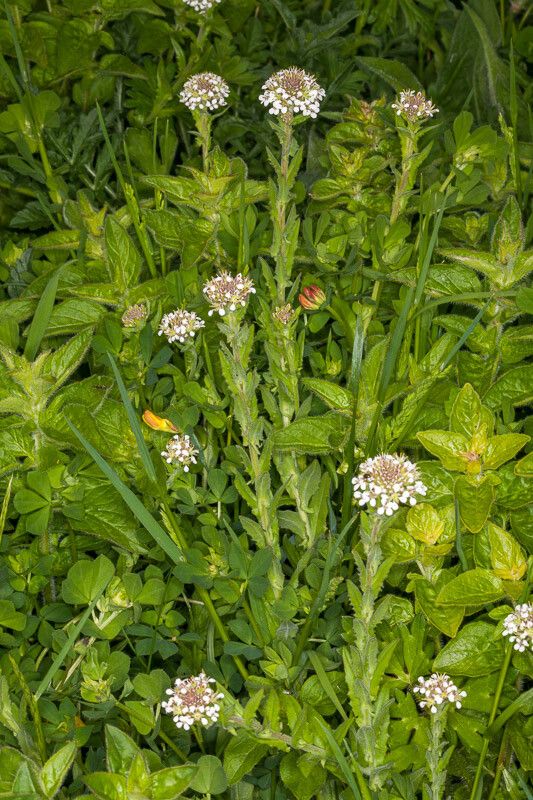
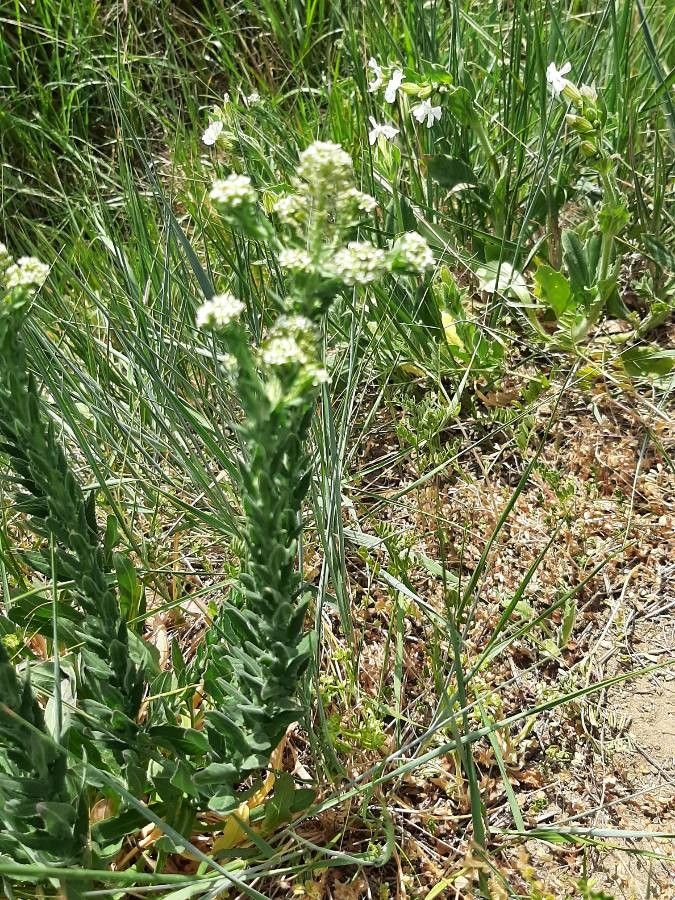
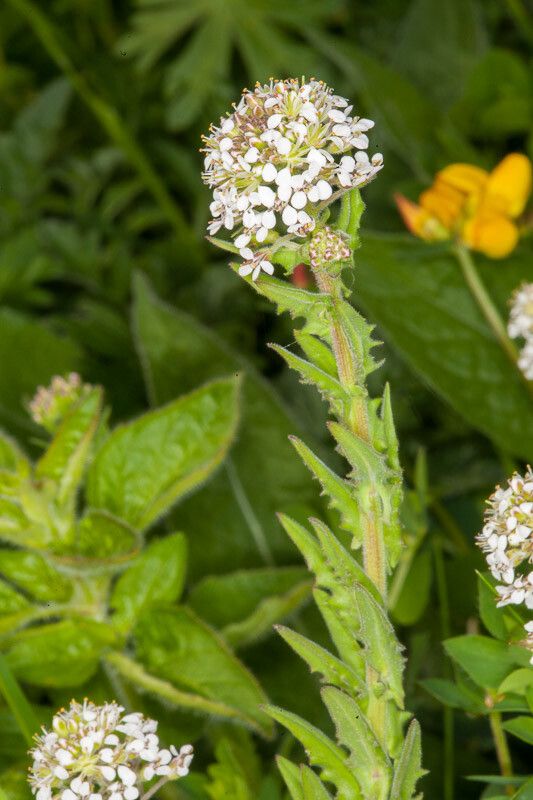
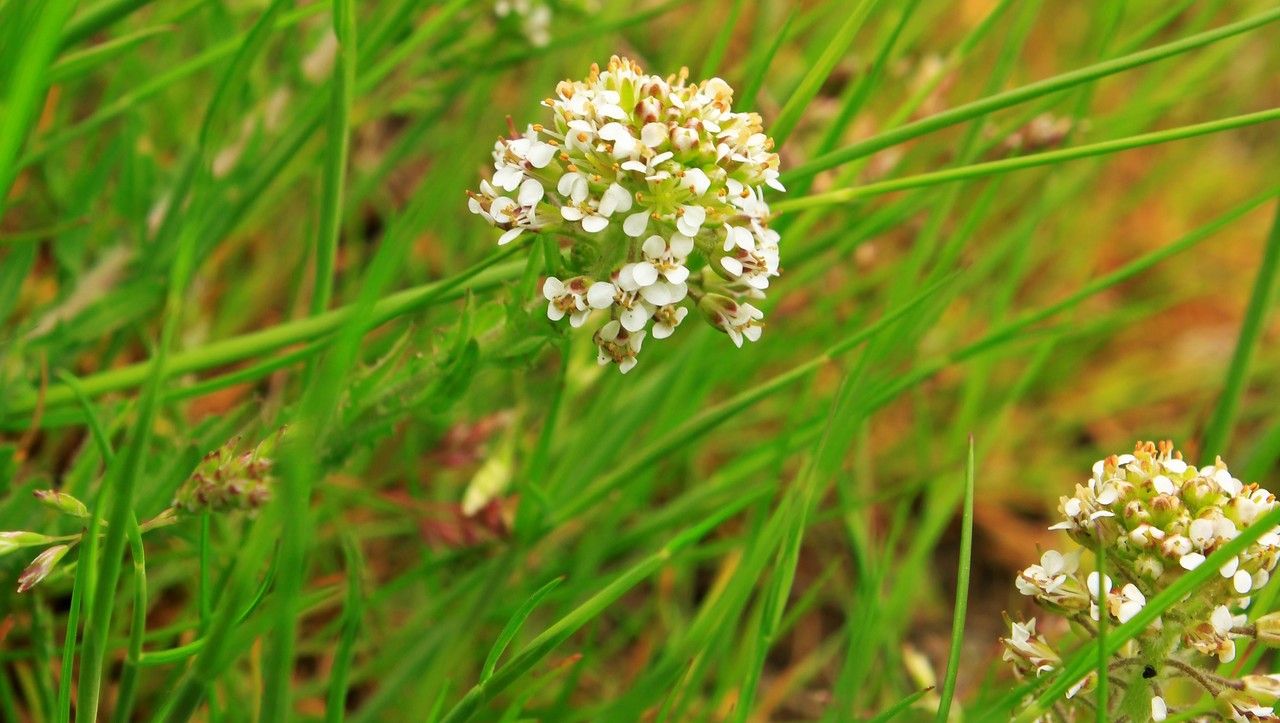
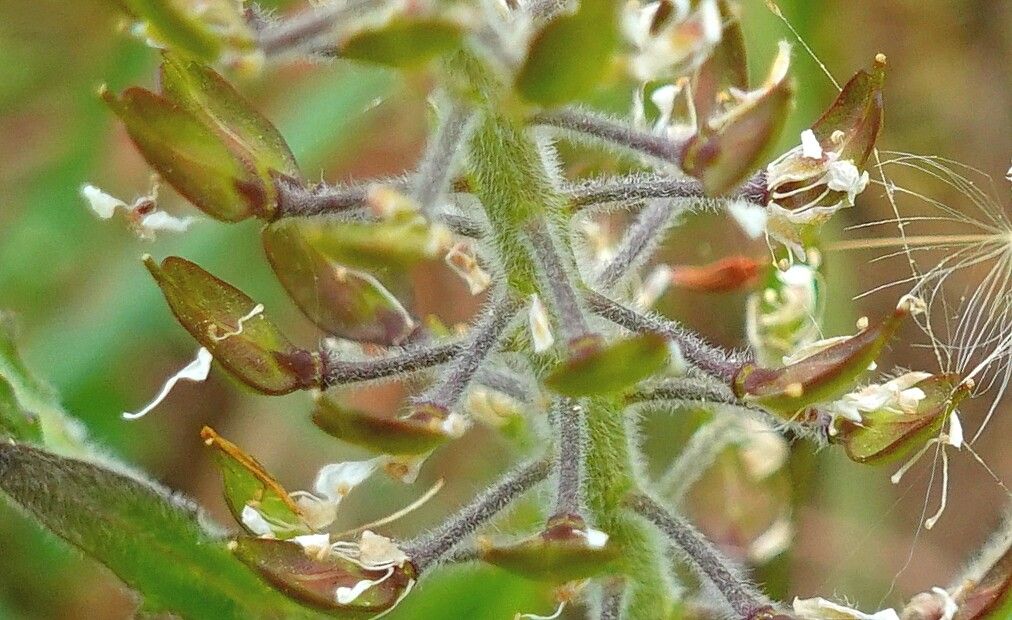
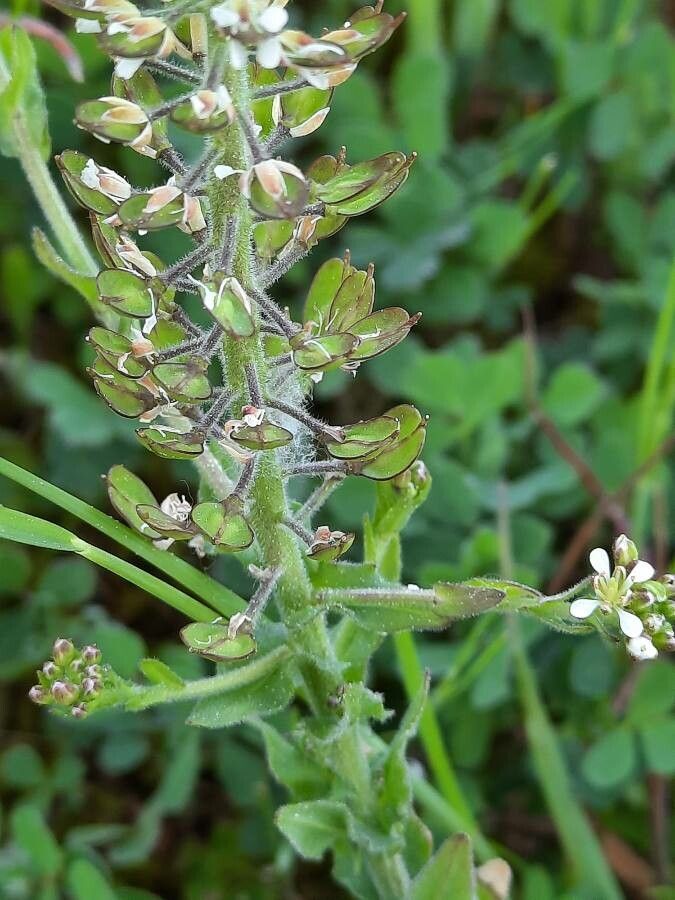
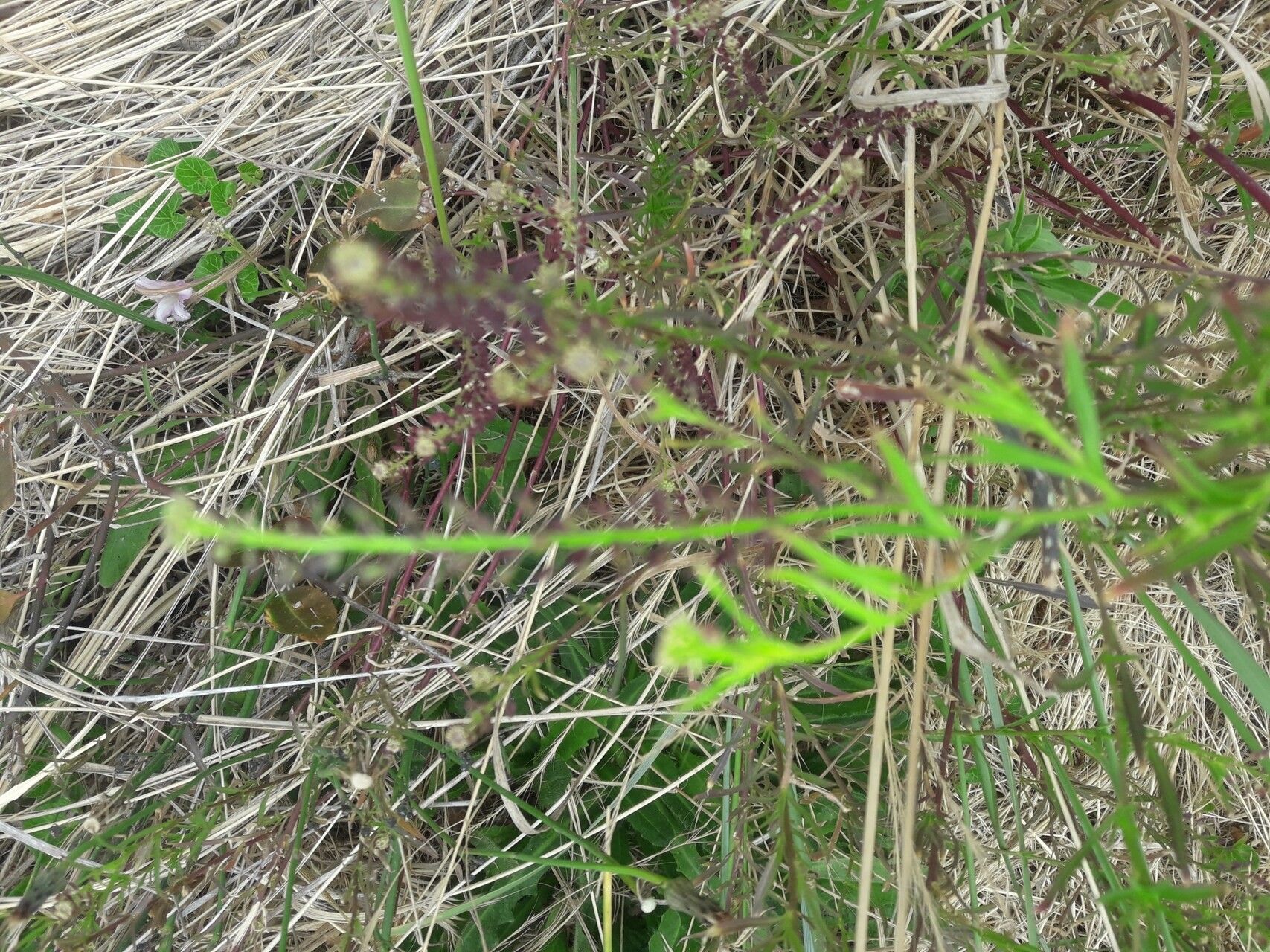
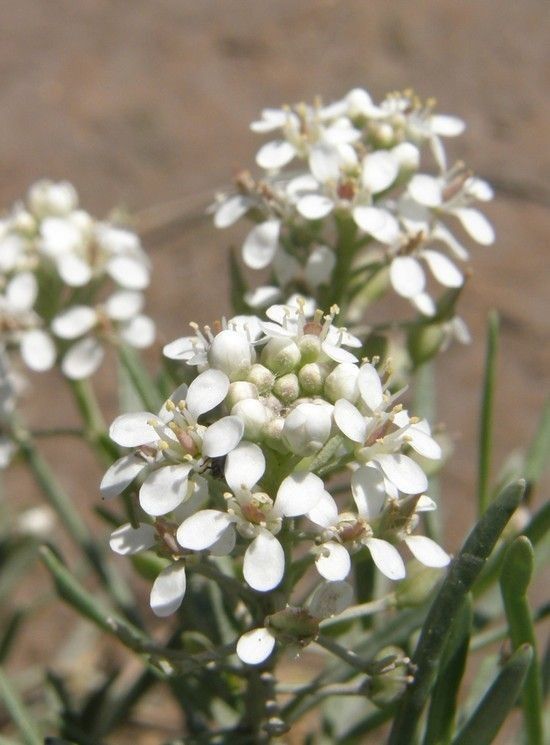
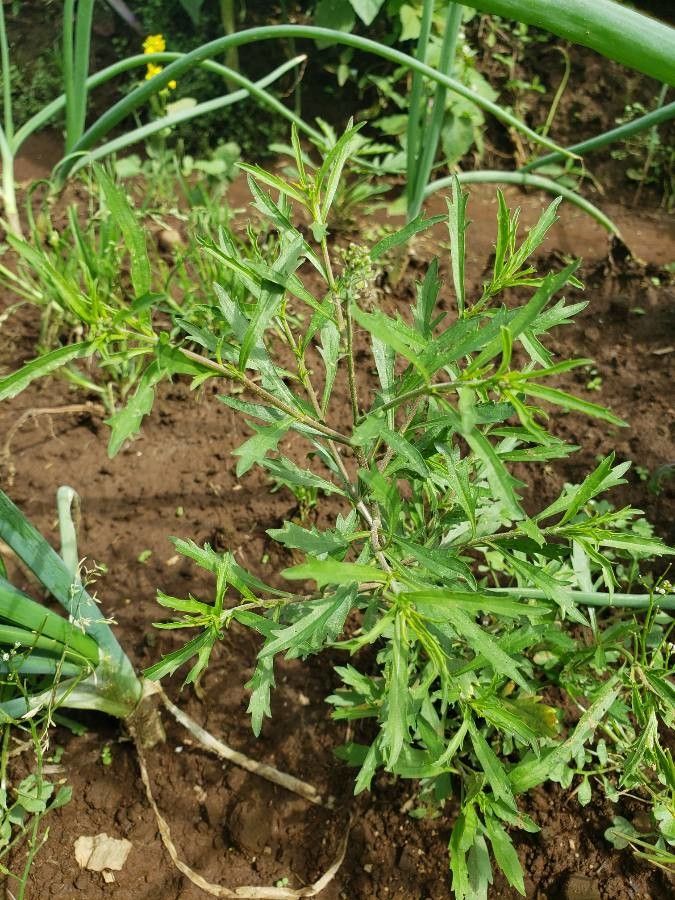
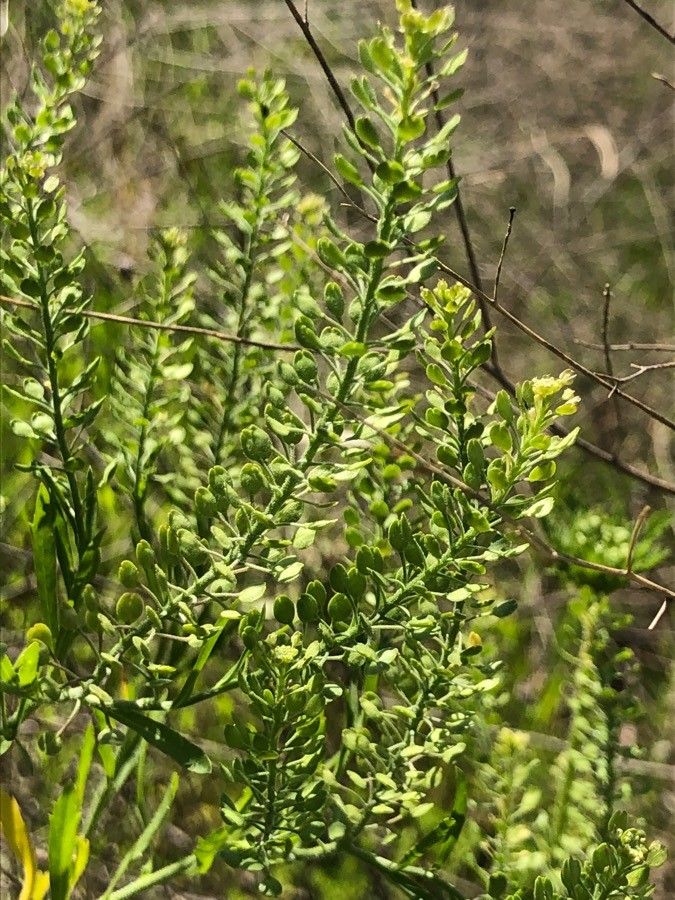
Lepidium heterophyllum, (Smith's cress or Smith's pepperwort), is a species of flowering plant in the mustard family which is native to parts of western Europe, growing in shingle banks, wasteland or cultivated fields.
Smith's pepperwort has strong disease resistance and generally does not tend to get sick. However, it can be vulnerable to pests and diseases present in its environment. These infections are typically mild. Regarding care, the plant requires moderate maintenance. It should be pruned regularly to keep a neat appearance and support healthy growth. Fertilizing can also help encourage flowering. Smith's pepperwort is suitable for anyone with an outdoor area, such as a garden or patio, and does not demand much prior care experience. It may need extra attention when kept indoors.
How to keep Lepidium Heterophyllum.
Light
Smith's pepperwort comes from sunny, open habitats and does best in full sun. While it can tolerate some partial shade, it prefers direct sunlight for ideal growth. This plant, which can be annual or biennial, is noted for its sun-loving habit.
Water
Smith's pepperwort, native to temperate regions, thrives in moderate soil moisture and should be watered twice a week. It grows best outdoors in soil conditions that resemble periodic rainfall, which supports healthy growth cycles and resilience.
Temperature
Smith's pepperwort can tolerate a broad range of temperatures, but its distribution may still be restricted by particular combinations of moisture and heat. It does best in warm summer conditions with sufficient rainfall or watering. Extended stretches of cloudy, rainy weather or prolonged high temperatures can raise the likelihood of Smith's pepperwort dying. In winter, protecting the plant from cold can increase its survival rate.
Fertilizer
Smith's pepperwort does well with regular, light applications of fertilizer to encourage healthy leaf growth. You should feed Smith's pepperwort about once a month during the summer months. Nitrogen is vital for foliage, and adding nitrogen-rich sources helps Smith's pepperwort thrive.
Pruning
Smith's pepperwort features rosette leaves and small white flowers. Prune it from early to late spring to remove dead stems, encourage growth, and enhance air circulation. Regular pruning helps maintain a neat appearance, reduces the risk of disease, and boosts the plant's resilience and attractiveness in the garden.
Botanical profile.
- Plant Type
- Herb
- Life Cycle
- Annual
- Genus
- Lepidium
- Family
- Brassicaceae
- Hardiness Zone
- 5-9
- Mature Height
- 10 cm to 91 cm
- Mature Spread
- 15 cm to 30 cm
- Leaf Color
- Green, Dark Green
- Leaf Type
- Semi-evergreen
- Flower Color
- White
- Flower Size
- 0.51 cm
- Bloom Time
- Mid spring, Late spring, Early summer
- Planting Time
- Spring
- Harvest Time
- Summer
Other names.
Reader questions.
What type of sunlight does Smith's pepperwort require?
Smith's pepperwort, botanically known as Lepidium heterophyllum, thrives under specific sunlight conditions. It requires 'Full sun' meaning it needs above 6 hours of sunlight or 'Partial sun' which is about 3-6 hours of sunlight. It's important to observe the sunlight movement in your garden to ensure that you find a location that offers the right balance of light and shade to meet the needs of your Smith's pepperwort, ensuring its growth and happiness.
What is the botanical name of Smith's pepperwort?
The botanical name of Smith's pepperwort is Lepidium heterophyllum.