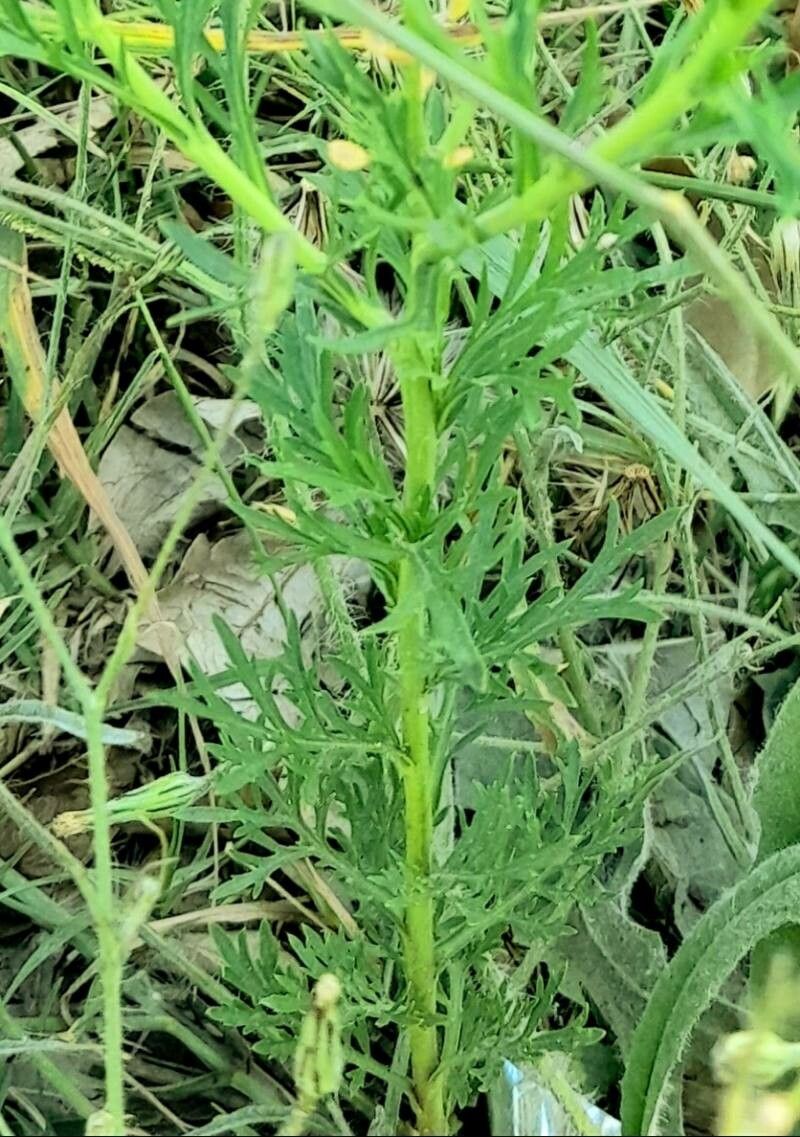
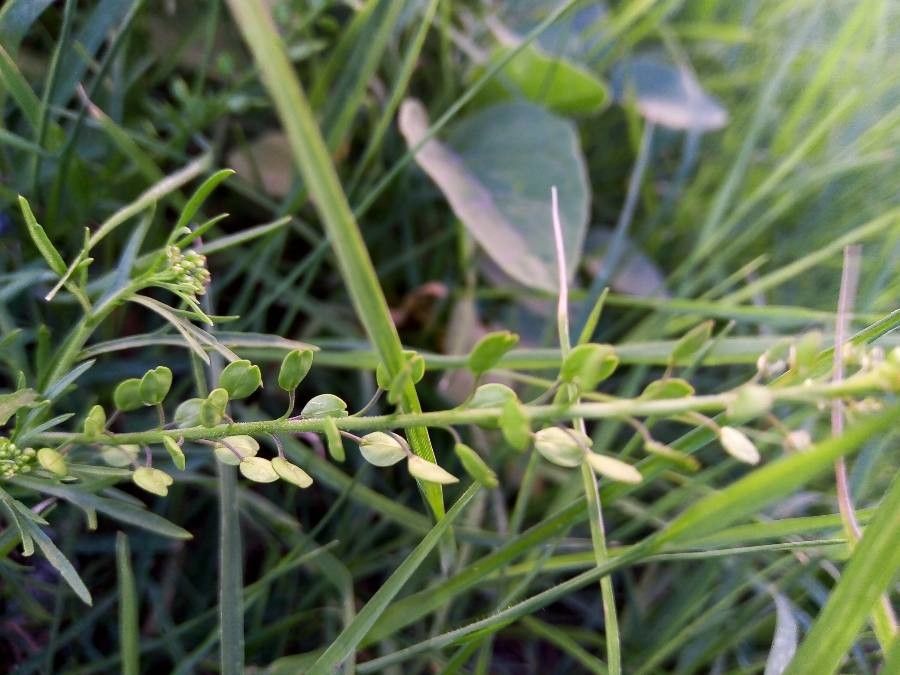
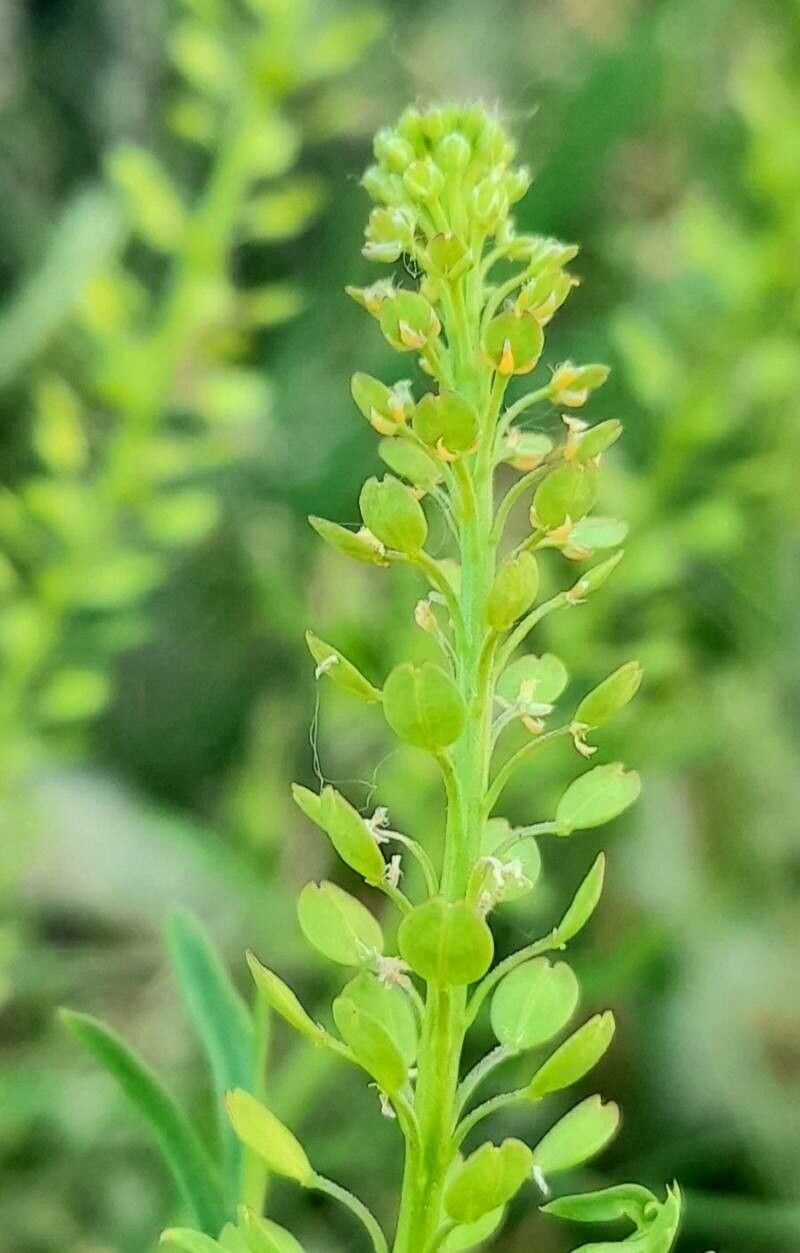
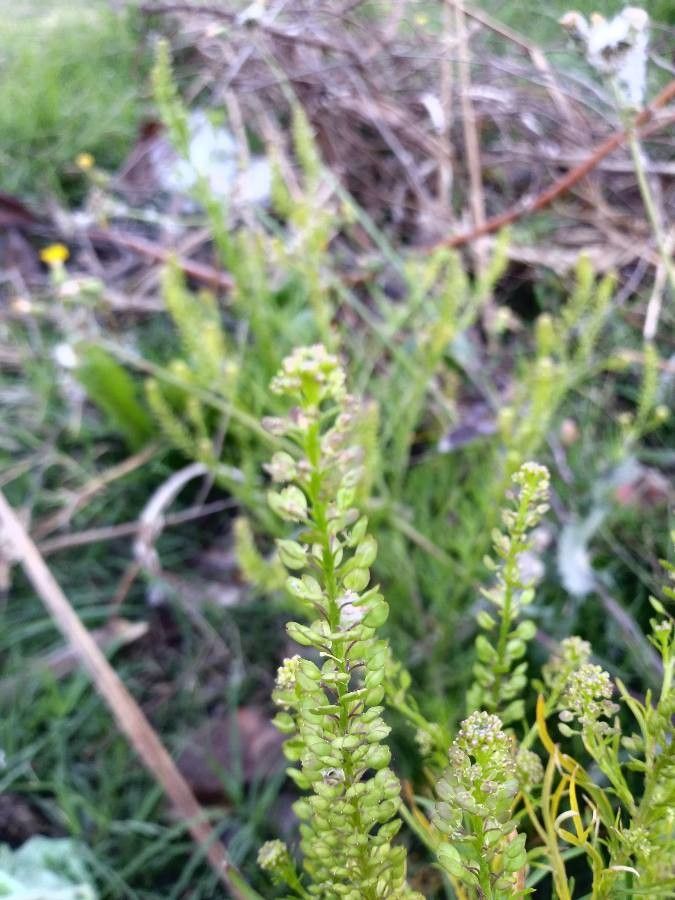
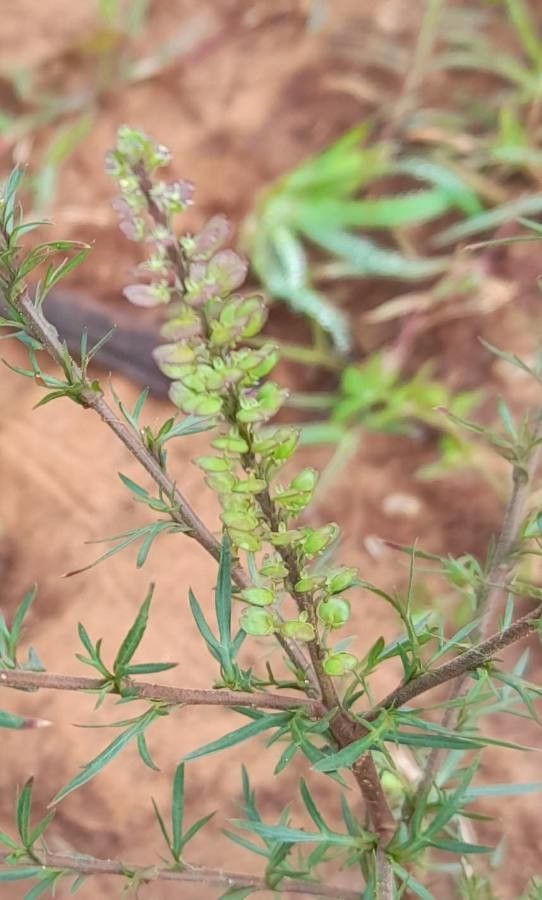
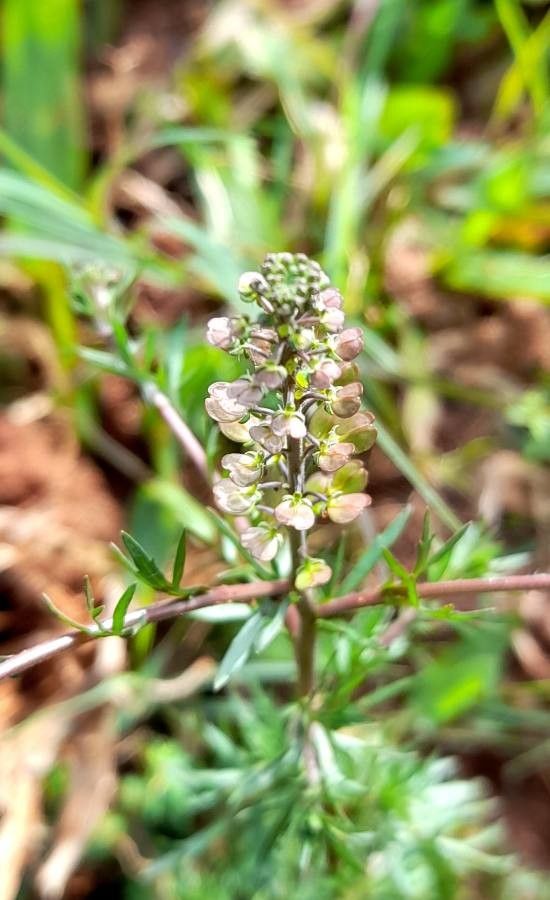
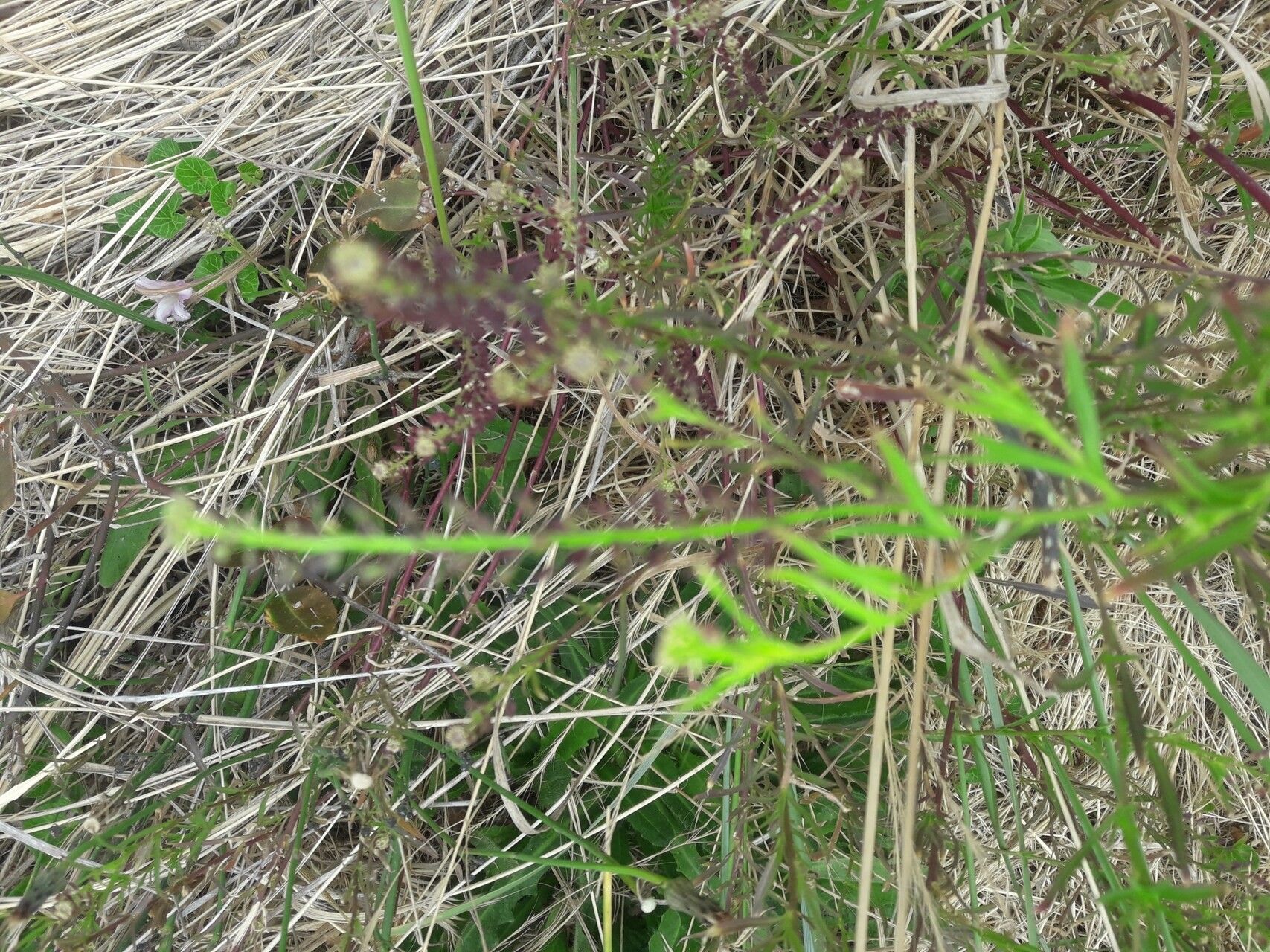
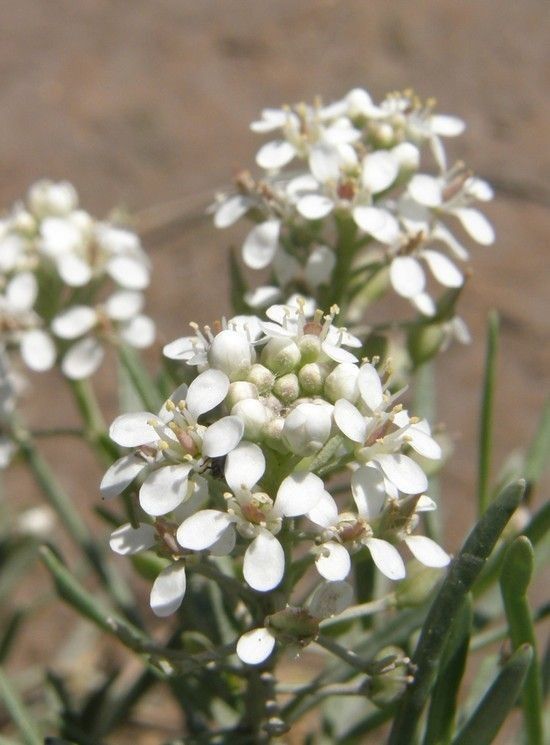
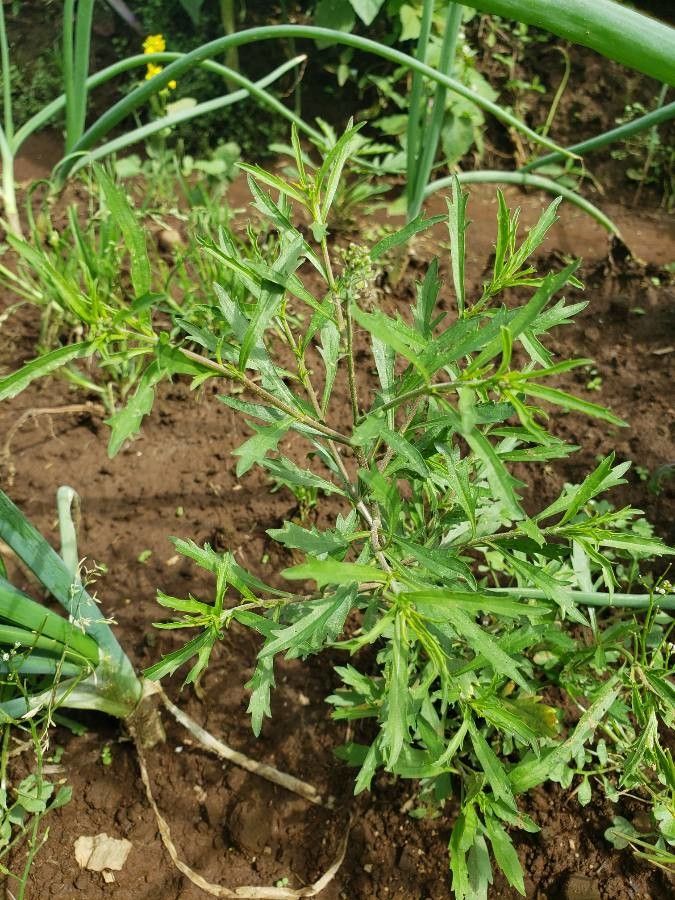
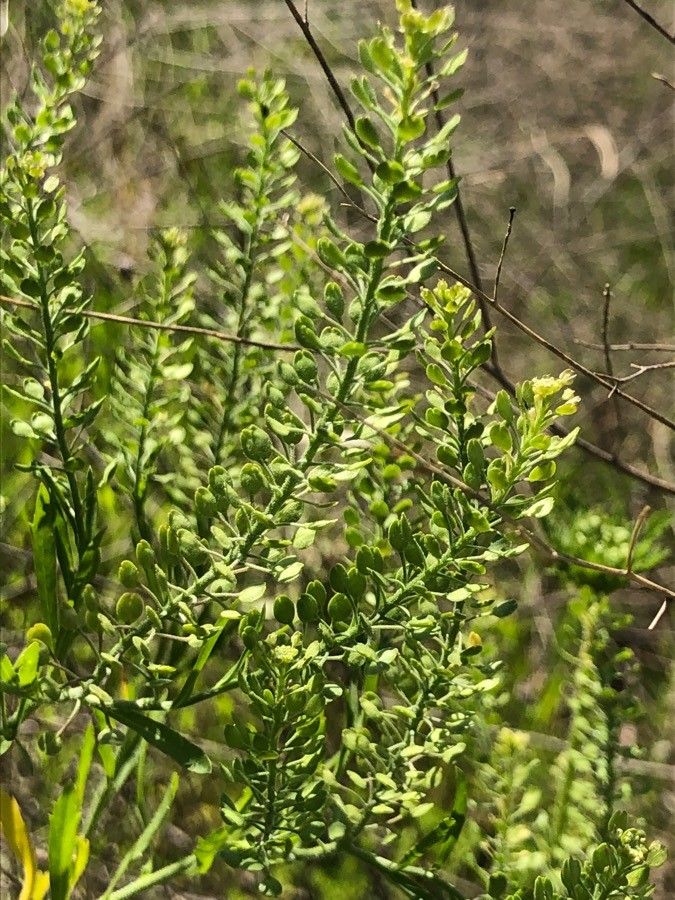
Lepidium bonariense, commonly known as Argentine peppercress, is a species of flowering plant in the Brassicaceae family. Native to South America, it has also been introduced to other regions as an ornamental plant. The plant typically reaches a height of up to 60 cm and produces small white flowers that bloom in clusters. Its green leaves have a distinctive peppery taste, making them a popular addition to salads or as a garnish for various dishes.
Argentine peppercress is also noted for its medicinal properties and has traditionally been used to treat ailments such as coughs, colds, and digestive issues. However, it is important to note that some parts of the plant can be toxic if consumed in large quantities.
Overall, Lepidium bonariense is an intriguing species with both culinary and medicinal applications, making it worth further exploration.
Argentine cress is fairly resistant to diseases and typically not highly vulnerable to them. Still, it can be affected by pests and diseases present in its environment, though such infections tend to be mild. Regarding care, the plant needs a moderate level of maintenance. Regular pruning is necessary to keep it looking good and to support healthy growth. Applying fertilizer can also encourage it to produce more flowers. Argentine cress is appropriate for anyone who has an outdoor area, like a garden or patio, and does not demand extensive gardening experience. If cultivated indoors, it may need a greater amount of attention.
How to keep Lepidium Bonariense.
Light
Argentine cress comes from sunny, open habitats and does best in full sun. It can tolerate some partial shade but favors direct sunlight for optimal growth. This plant, which can be annual or biennial, is noted for its sun-loving character.
Water
Argentine cress grows best in consistently moist conditions, though it does show moderate drought tolerance. To meet its natural needs, it should be watered weekly. This plant is most suitable for outdoor environments, where it can benefit from natural rainfall. However, during prolonged dry spells, it is important to monitor its water levels to ensure healthy growth.
Temperature
Argentine cress can tolerate a wide range of temperatures, but its distribution may still be constrained by different combinations of moisture and heat. It grows best in warm summer conditions with sufficient rainfall or watering. Extended periods of cloudy, rainy weather or prolonged high temperatures can increase the chance of Argentine cress dying. In winter, adequate protection from the cold can improve the plant’s survival.
Fertilizer
Argentine cress benefits from regular, mild applications of fertilizer to encourage healthy leaf growth. You should fertilize Argentine cress about once a month during the summer. Nitrogen is essential for foliage, and supplying nitrogen-rich sources helps Argentine cress thrive.
Pruning
To maintain the health and vitality of Argentine cress, it's important to prune it carefully. This includes removing dead stems and thinning the plant to improve air circulation. The best time for pruning is from early to late spring. Doing so not only encourages healthy growth but also prevents overgrowth, thus enhancing the plant's overall well-being.
Botanical profile.
- Plant Type
- Herb
- Life Cycle
- Annual, Biennial
- Genus
- Lepidium
- Family
- Brassicaceae
- Hardiness Zone
- 7-10
- Mature Height
- 15 cm to 61 cm
- Mature Spread
- 15 cm to 30 cm
- Leaf Color
- Green, Dark Green
- Leaf Type
- Semi-evergreen
- Flower Color
- White
- Flower Size
- 0.25 cm
- Bloom Time
- Mid spring, Late spring, Summer, Early fall
- Planting Time
- Spring, Autumn
- Harvest Time
- Summer, Fall
- Native Area
- Brazil, Bolivia
Other names.
Reader questions.
How should I water my Argentine cress?
Watering Argentine cress is easy and flexible. You can use a garden hose, watering can, or any other watering tool. This plant is not picky about the source of water and can thrive with rainwater, tap water, or filtered water. However, it is best to avoid overhead watering as it can damage leaves and flowers and even lead to disease. A drip irrigation system is often the most effective way to water Argentine cress, as it provides even and direct watering to the soil. If you have a container-grown Argentine cress, you can follow a similar approach but use a cup, watering can, or tap to water the soil directly.
What are the sun requirements for Argentine Cress?
Argentine cress thrives in environments with full sun, requiring above 6 hours of sunlight, but can tolerate partial sun, about 3-6 hours of sunlight. It's beneficial to observe sunlight's movement through your garden to find spots providing a good balance of light and shade, ensuring the plants' well-being. Originating from bright, open environments, Argentine cress prefers direct sunlight for optimal growth, although it can manage in partial sun.
What should I do if I give my Argentine cress too much or too little water?
Underwatering Argentine cress is easily remedied by increasing the frequency of watering when you notice the plant lacks moisture. On the other hand, overwatering can be a more serious problem if left unnoticed. Overwatered Argentine cress can acquire diseases that can cause it to decline and eventually die. To prevent this, it's important to select a suitable location for growing the plant. This includes choosing a spot that receives ample sunlight to help dry the soil and ensuring there is proper drainage to prevent water from pooling and causing waterlogged soil. If you have overwatered Argentine cress in a pot, it may be necessary to move it to a new pot if the previous container did not have good drainage or enough drainage holes. When repotting the overwatered plant, it is important to use loose soil and a pot that drains effectively.
How can artificial lighting be used for Argentine Cress indoors?
When natural sunlight is insufficient, especially during winter or in less sunny spaces, artificial lighting becomes essential for Argentine cress's growth indoors. LED lights are preferred for their ability to mimic specific wavelengths needed by the plant. Full sun plants require 30-50W/sq ft, partial sun plants need 20-30W/sq ft, and full shade plants 10-20W/sq ft of artificial light. The lights should be placed 12-36 inches above the plant to mimic natural sunlight and turned on for 8-12 hours daily according to the plant's natural daylight needs.
How many times a week should I give water to my Argentine cress?
To keep your Argentine cress healthy, it's important to water it regularly throughout the growing season. In the spring, watering once a week should be sufficient. However, as the season progresses and it gets warmer, you may need to water it two to three times a week. Be careful not to overwater, as this can be harmful to the plant. Regardless of how often you water, make sure the soil remains moist but not soaking wet. If your Argentine cress is in a pot, you'll need to water it more frequently. Soil in pots tends to heat up and dry out faster than ground soil. In most cases, watering a potted Argentine cress a few times a week should do the trick, as opposed to just once a week for an in-ground plant.
What are the signs of light deficiency in Argentine Cress?
Signs of light deficiency in Argentine cress include smaller new leaves, leggy or sparse growth, faster leaf drop, slower or halted growth, pale or irregularly colored new leaves due to lack of chlorophyll and nutrients, chlorosis or yellowing of leaves, sunscald resulting in pale or necrotic areas on plant tissue, leaf curling as a means to reduce surface area exposed to intense sunlight, wilting due to loss of turgor pressure, and leaf scorching characterized by brown, crispy edges or patches on leaves.
How much water should I give my Argentine cress?
Determining the appropriate amount of water for your Argentine cress can be approached in a few ways. Some gardeners prefer to gauge the soil's moisture level by feeling it, suggesting that watering should continue until the first six inches of soil feel damp. Another option is to use a specific measurement, such as around two gallons per week, while considering factors like heat and soil dryness. However, adhering strictly to these guidelines without considering individual plant needs may result in overwatering. When growing Argentine cress in a container, a different method is needed. In this case, you should water until all layers of dry soil are moistened, which can be checked by feeling the soil with your finger or observing a slight trickle of excess water from the pot's drainage holes.
What are the solutions for Argentine Cress facing insufficient light?
For indoor plants struggling with insufficient light, gradually move them each week towards a sunnier location until they receive at least 6 hours of direct sunlight daily, utilizing a south-facing window and keeping curtains open. If moving the plant isn't feasible, use artificial lighting such as desk or ceiling lamps for at least 8 hours daily or invest in professional grow lights. Outdoors, adapt plants to more sunlight gradually to prevent sunburn. Removing obstructions and transplanting to sunnier locations can also aid in exposure. Note that parts of the plant already affected may not recover, but new growth will be healthy with increased light.
How do I know if I'm giving enough water to my Argentine cress?
Avoiding overwatering your Argentine cress can be a bit challenging. On one hand, these plants need to have their deep roots moistened weekly. But on the other hand, they are highly prone to root rot and may turn brown if overwatered. Underwatering is less of a concern as Argentine cress can survive for a while without extra watering, but prolonged lack of water will cause wilting and dry leaves.
How do I water my Argentine cress during different seasons?
As the season progresses, the water needs of your Argentine cress will increase. In spring, watering once a week should be sufficient. However, as summer arrives and temperatures rise, you may need to water your Argentine cress more frequently, even up to three times a week. This is especially important if your Argentine cress is growing in a container, as the soil in containers tends to dry out faster in warm weather. In autumn, when your Argentine cress is still blooming, it may require less water since the temperature has likely cooled down and the sun is not as intense as it was in summer.
How do I water my Argentine cress at different times as it grows?
Throughout the year, Argentine cress goes through various growth stages, each with different water requirements. When starting with seeds, give more water during germination to maintain soil moisture. As the plant grows above the soil, slightly reduce watering. Once mature, water once a week, but consider giving slightly more water during flower development.
What's the difference in how you should water Argentine cress inside versus outside?
Argentine cress is primarily grown outdoors for a few reasons. Firstly, these plants tend to grow tall, making them more suitable for outdoor spaces. Additionally, Argentine cress requires more daily sunlight than most indoor locations can provide. If you do manage to create a suitable indoor growing environment, you may need to water your Argentine cress more frequently compared to outdoor growing. This is mainly due to indoor locations being drier because of HVAC units, as well as soil in containers drying out quicker than soil in the ground.