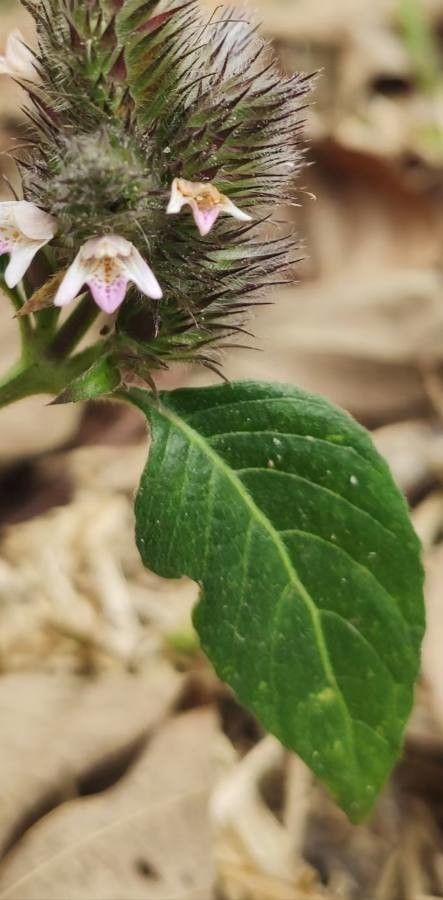
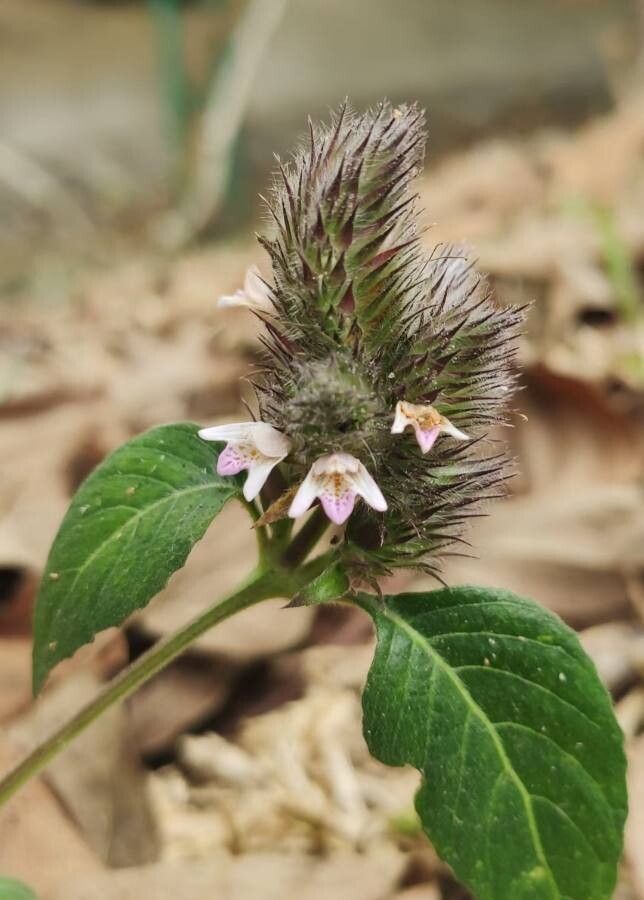
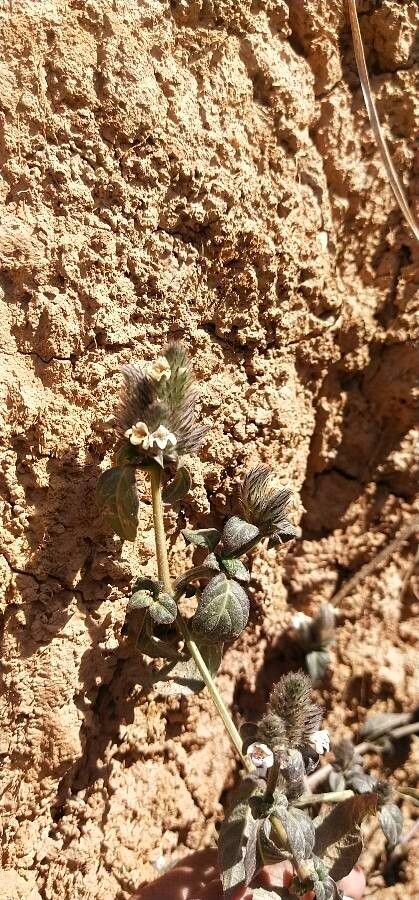
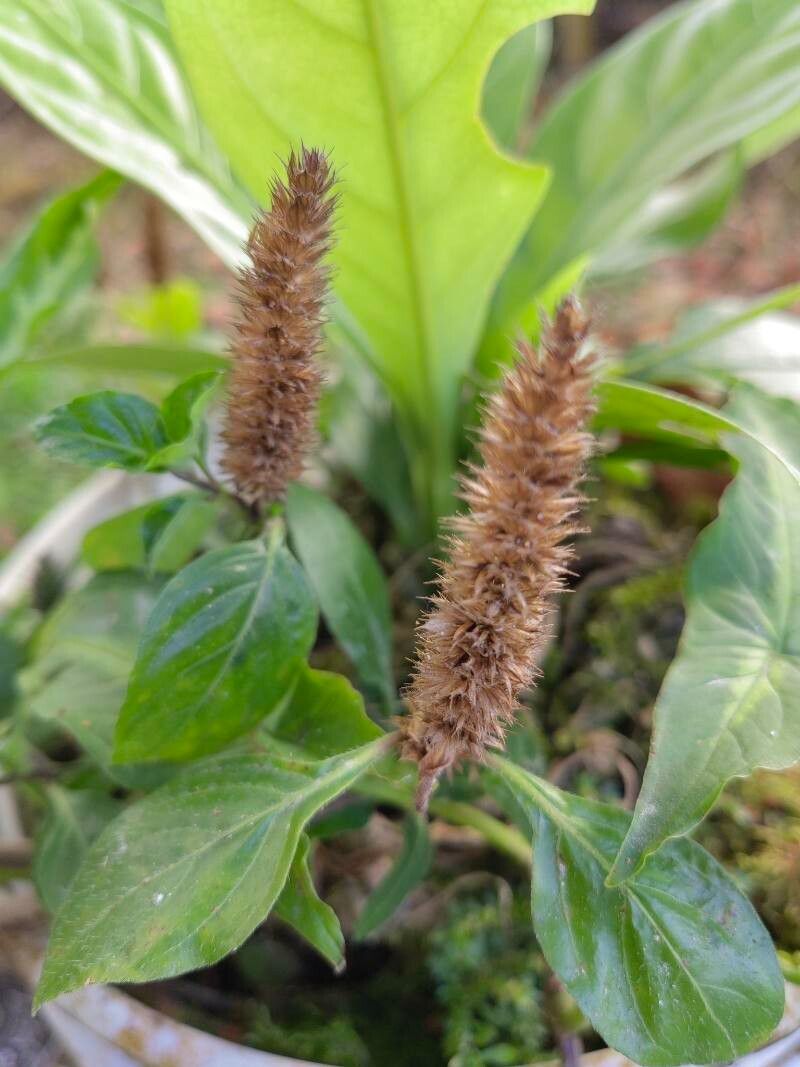
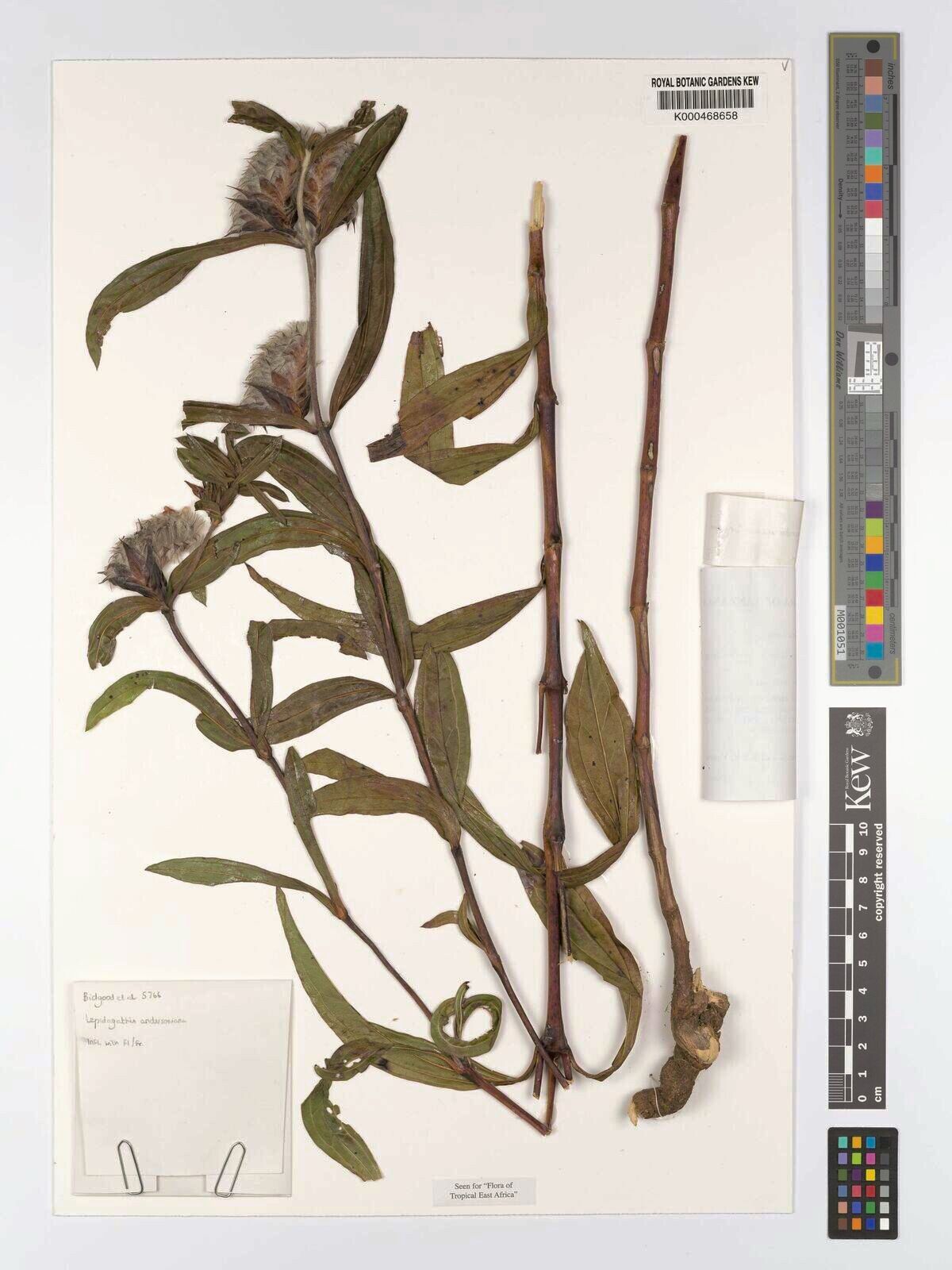
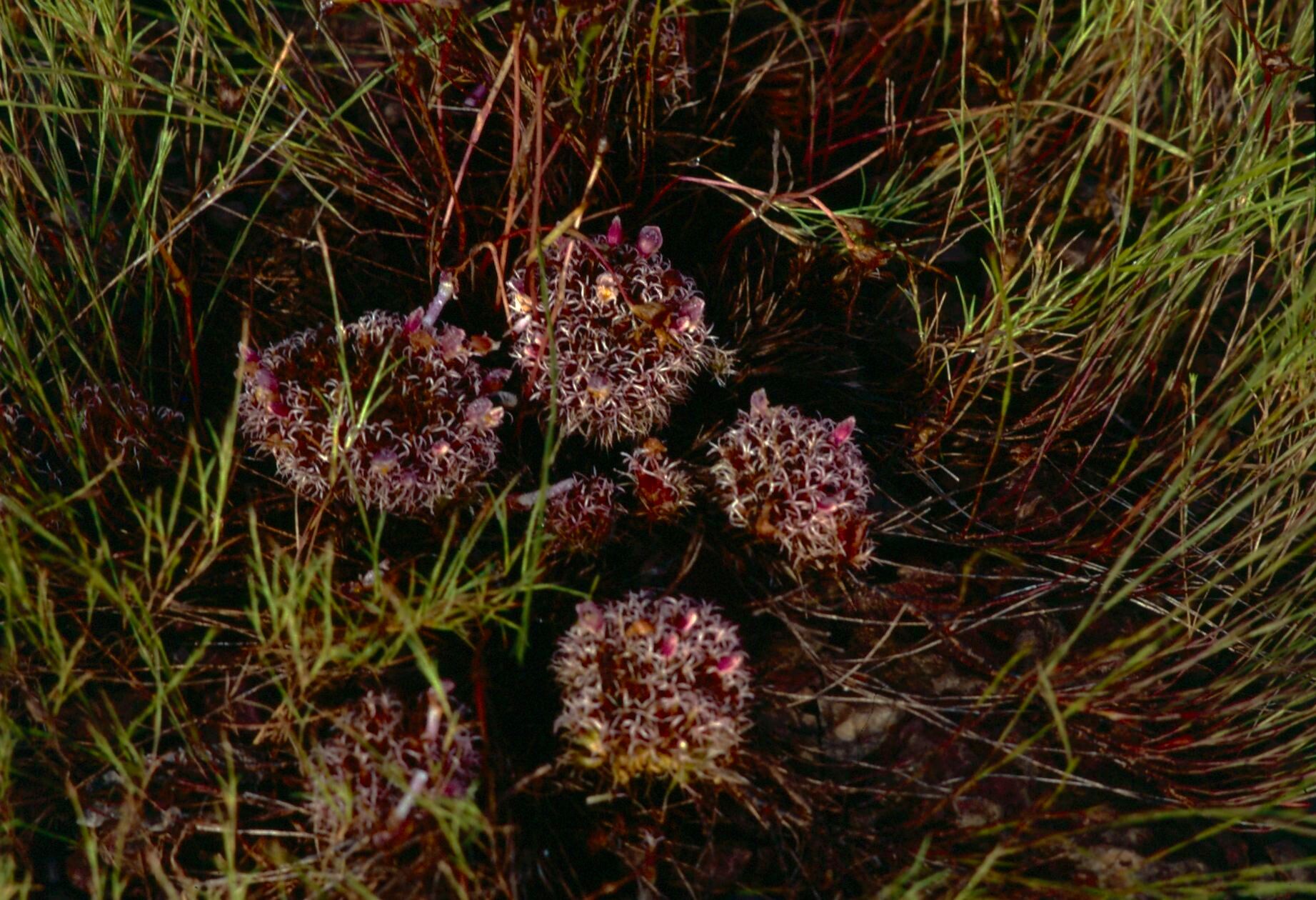
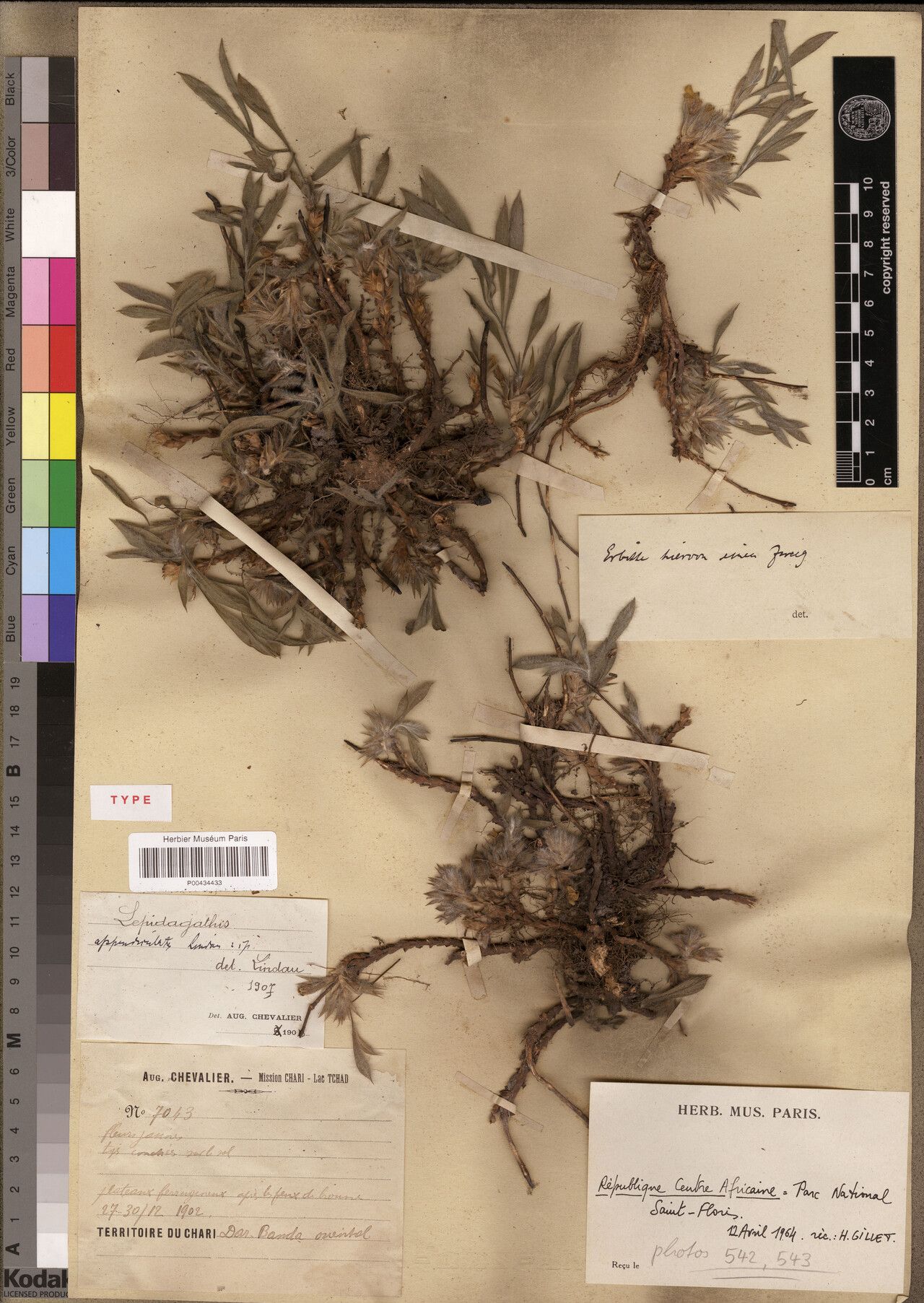
Curved lepidagathis is fairly disease-resistant and usually not prone to illnesses. However, it can be vulnerable to pests and diseases present in its environment. These infections are typically mild. In terms of care, the plant requires moderate maintenance. It should be pruned regularly to keep a good appearance and encourage healthy growth. Fertilizing can also help increase flowering. Curved lepidagathis is suitable for anyone with outdoor space, such as a garden or patio, and does not demand extensive care experience. It may need more attention when grown indoors.
How to keep Lepidagathis Incurva.
Light
Originating from open terrains, curved lepidagathis is a perennial herbaceous plant that enjoys the sun. Often, it thrives in locations like meadows and grasslands. It prefers to be under full sun, but it's also capable of tolerating conditions with only partial sunlight.
Water
Curved lepidagathis thrives in tropical environments where it needs consistent moisture, but care should be taken to avoid oversaturation. For optimal growth, it requires weekly watering and prefers high humidity. Typically grown indoors, this plant flourishes in stable conditions that replicate its rainforest origins, enhancing its vitality as an evergreen.
Temperature
The plant known as curved lepidagathis comes principally from areas that are tropical, characterized by warm, damp weather conditions. It, therefore, has evolved to thrive in high-heat, high-humidity environments. The plant does not respond well to abrupt shifts in temperature, favoring a constant thermal ambience instead. Therefore, maintaining consistent indoor temperature is crucial. Generally, the plant is not cold resistant and needs relatively higher temperatures to grow. Exposure to too low a temperature may result in the plant stalling its growth or potentially even dying.
Fertilizer
The period in which the curved lepidagathis demands the greatest amount of fertilizer coincides with its key growth stages, mainly throughout spring, summer, and the start of autumn. Fertilizer application is required to compensate for potential nutrient deficiencies in the soil, thereby encouraging the development of robust roots and stems, as well as appealing leaves, a significant characteristic of this specific plant.
Pruning
The curved lepidagathis plant is known for its distinctive arched leaves and blossoms. To encourage bushier growth and enhanced flowering, prune the plant from early to late spring. Trim away any dead stems and gently shape the plant, making sure to avoid heavy cuts. Always use clean, sharp tools to promote quick healing and prevent disease.
Botanical profile.
- Plant Type
- Herb
- Life Cycle
- Perennial
- Genus
- Lepidagathis
- Family
- Acanthaceae
- Hardiness Zone
- 10-12
- Mature Height
- 91 cm
- Mature Spread
- 30 cm to 46 cm
- Leaf Color
- Green, Dark Green
- Leaf Type
- Semi-evergreen
- Flower Color
- Purple, Lavender
- Flower Size
- 1.02 cm to 3.05 cm
- Bloom Time
- Winter, Early spring
- Planting Time
- Spring, Summer, Autumn
- Harvest Time
- Spring, Early summer
- Native Area
- Nepal, Sri Lanka, India, Malaysia, Indonesia, Cambodia, Vietnam, Myanmar, Philippines, Bhutan, Bangladesh, Pakistan, Laos, Thailand, China
Reader questions.
What's the difference between watering my Curved lepidagathis inside and outside?
For gardeners who don't live in temperate or tropical regions, it's common to grow Curved lepidagathis indoors. However, it's important to note that the soil in containers can dry out faster than ground soil. Additionally, if you have drying elements like air conditioning units, your Curved lepidagathis will need more frequent watering compared to if it were planted outside. In such cases, you may not need to water this plant much at all if you receive regular rainfall. On the other hand, if you're growing Curved lepidagathis indoors, you'll need to water it more often because relying on rainwater to moisten the soil isn't an option.
What kind of sunlight does Curved lepidagathis require?
Curved lepidagathis, Orange Daylily, and Giant Coreopsis are all perennial flowering plants. Curved lepidagathis should receive a full day of sun, ideally at least six hours, to maintain healthy leaves, roots, and blooms. While most perennials require six hours of sunlight, the Orange Daylily and Giant Coreopsis can survive on as little as three hours of direct sunlight per day. However, these plants won't thrive as well as they would in sunnier conditions.
How should I water my Curved lepidagathis plant to ensure it stays healthy?
To properly care for the Curved lepidagathis plant, it is recommended to use filtered water at room temperature. Tap water may have harmful particles, so filtered water is preferred. The plant should be watered with room temperature water as it is accustomed to a warm climate and cold water could shock its system. It is best to avoid overhead watering as it can cause problems with the foliage. Instead, gently apply filtered room temperature water to the soil until it is fully soaked. This will benefit the plant by moistening the roots and aiding in the spread and absorption of nutrients.
Can the sun harm Curved lepidagathis plants? How can I prevent damage from the sun and heat on Curved lepidagathis?
In warm climates, some Perennial Flowering Plants may struggle with excessive heat and suffer from sun damage. They can wilt, dry out, or even experience growth problems if they are consistently exposed to the intense afternoon sun. However, not all plants require protection from the light afternoon sun. For those that are harmed by intense afternoon exposure, it is recommended to provide them with some shade in warmer climates. Gardeners can achieve this by planting these plants in areas that do not receive direct heat during the afternoon, such as under trees or behind bushes.
What should I do if I give too much or too little water to my Curved lepidagathis?
Overwatering is a more common problem for Curved lepidagathis than underwatering. When this plant gets too much water, its stems and leaves wilt and turn yellow. Prolonged overwatering can lead to diseases like root rot, mold, and mildew, which can be fatal. Underwatering is less likely, but if it happens, the leaves become brittle and brown. It's important to recognize the signs of overwatering early. Some diseases caused by overwatering, like root rot, may not be fixable if not addressed promptly. Reduce your watering schedule immediately if you notice early signs of overwatering. Check the soil drainage; if it's poor, replace it with a well-draining potting mix. In case of underwatering, simply water more regularly until the signs subside.
Do I need to shelter Curved lepidagathis from the sun?
Certain perennial plants require ample sunlight to reach their maximum bloom. However, in warmer climates, some of these plants actually benefit from less sun. For instance, individuals residing in hotter regions might find it beneficial to shade their flowering perennials during the intense afternoon sun, especially during summer months. Although many perennial flowering plants prefer partial shade in the hottest climates, there are exceptions. Take the Giant Coreopsis, for example, as it is not bothered by excessive sun exposure. These plants can flourish even when placed in the full sun during scorching weather.
How often should I water my Curved lepidagathis plant?
If your Curved lepidagathis plant is in a pot, the most precise way to check if it needs water is by inserting your finger into the soil. If the first two to three inches of soil feel dry, then it's time to water it. The same method can be used if you're growing your Curved lepidagathis outdoors in the ground. Once the top few inches of soil have dried out, it's time to add water. Typically, this means watering the plant about once a week during spring and early fall. However, in extremely hot weather, you may need to water it twice or more per week. It's worth noting that mature, well-established Curved lepidagathis plants can tolerate drought well.
What will happen if Curved lepidagathis doesn't get enough sunlight?
If your Curved lepidagathis plants aren't receiving sufficient sunlight, you will see notable signs of their insufficient needs. In general, these plants will produce fewer blooms compared to when they receive full sun exposure. While some plants may develop dry spots on their leaves, most of them will still bloom, albeit with smaller and less full flowers.
How much water should I give my Curved lepidagathis plant?
When watering your Curved lepidagathis, it's important to be generous with the amount of water you give. Make sure the top 2-3 inches of soil are dry before watering, and then thoroughly soak the soil. The water should be enough to cause excess to flow out of the drainage holes at the bottom of the pot. If you don't see excess water draining, you may not have given enough water. However, be careful not to let water accumulate in the soil, as this can be harmful to the plant. On the other hand, if water doesn't drain properly, it could indicate poorly draining soil, which is not good for the plant's health. If the plant is outside, it typically needs about 1 inch of rain per week.
Does the Curved lepidagathis plant require special care regarding sunlight at different stages of its growth?
Curved lepidagathis, a beautiful flower often found in gardens, thrives with a minimum of six hours of sunlight each day. However, it may be beneficial to provide partial shade during the hottest parts of the day to maintain freshness. When this flower is young, it's important to strike a balance between ample sunlight and protection from intense afternoon heat. On the other hand, fully mature plants require plenty of sun to continue growing strong.
How do I water my Curved lepidagathis when it is growing at different stages?
The water needs of the Curved lepidagathis plant can vary throughout its growth stages. In the first few years and after transplanting to a new location, it will require more water. During this time, the plant focuses on developing new roots to support future growth, which thrive with higher moisture levels. As the plant matures, it will require less water. Additionally, during the blooming period, the plant will need more water to support flower development.
How much light does Curved lepidagathis need to make food using sunlight?
Some plants, like curved lepidagathis, require at least six hours of light for their photosynthesis cycles to work optimally. These flowering plants rely on the sun to promote the growth of their foliage and blooms. On the other hand, perennial flowering plants such as the Giant Coreopsis might need a longer duration of sunlight, ranging from eight to twelve hours daily, in order to sustain their impressive flowers and maintain healthy foliage.