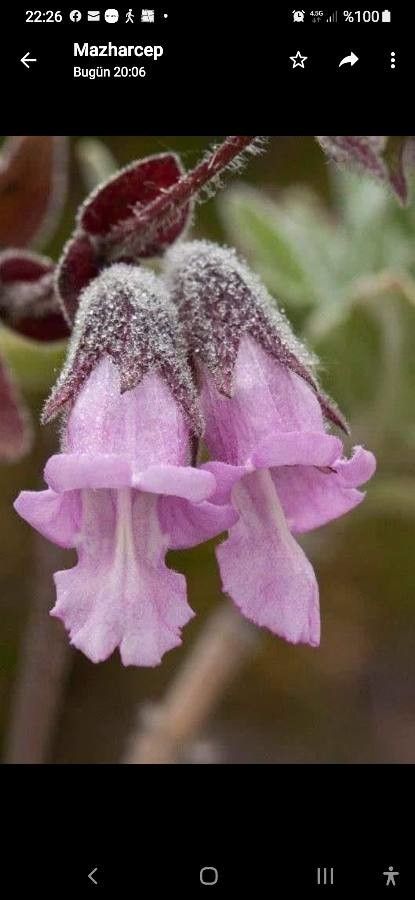
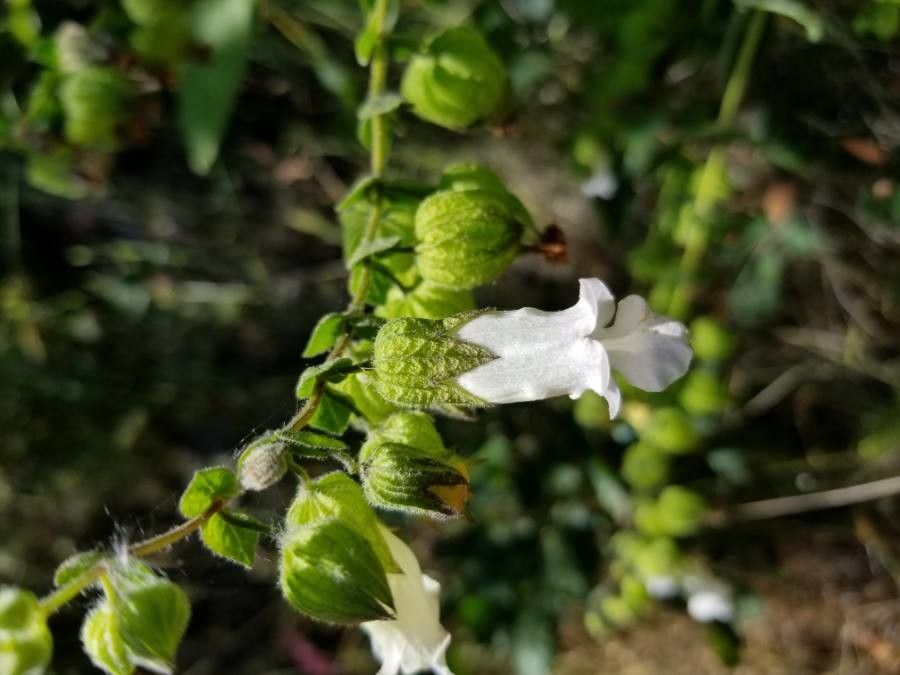
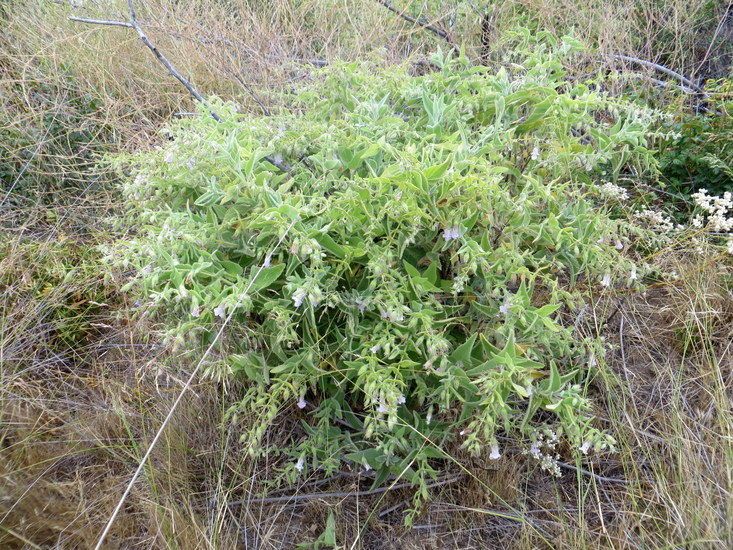
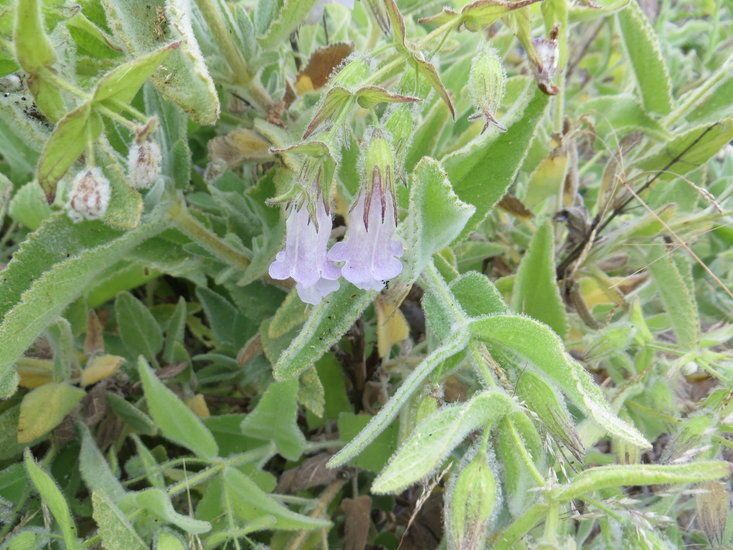
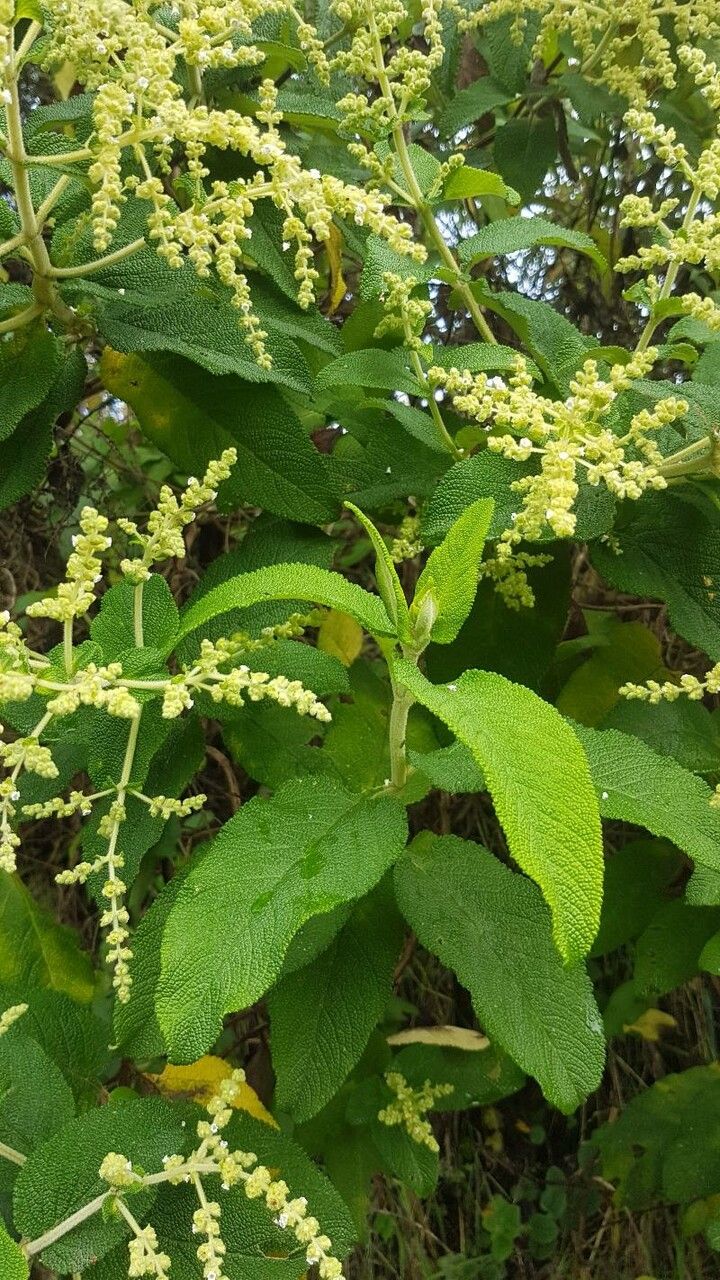
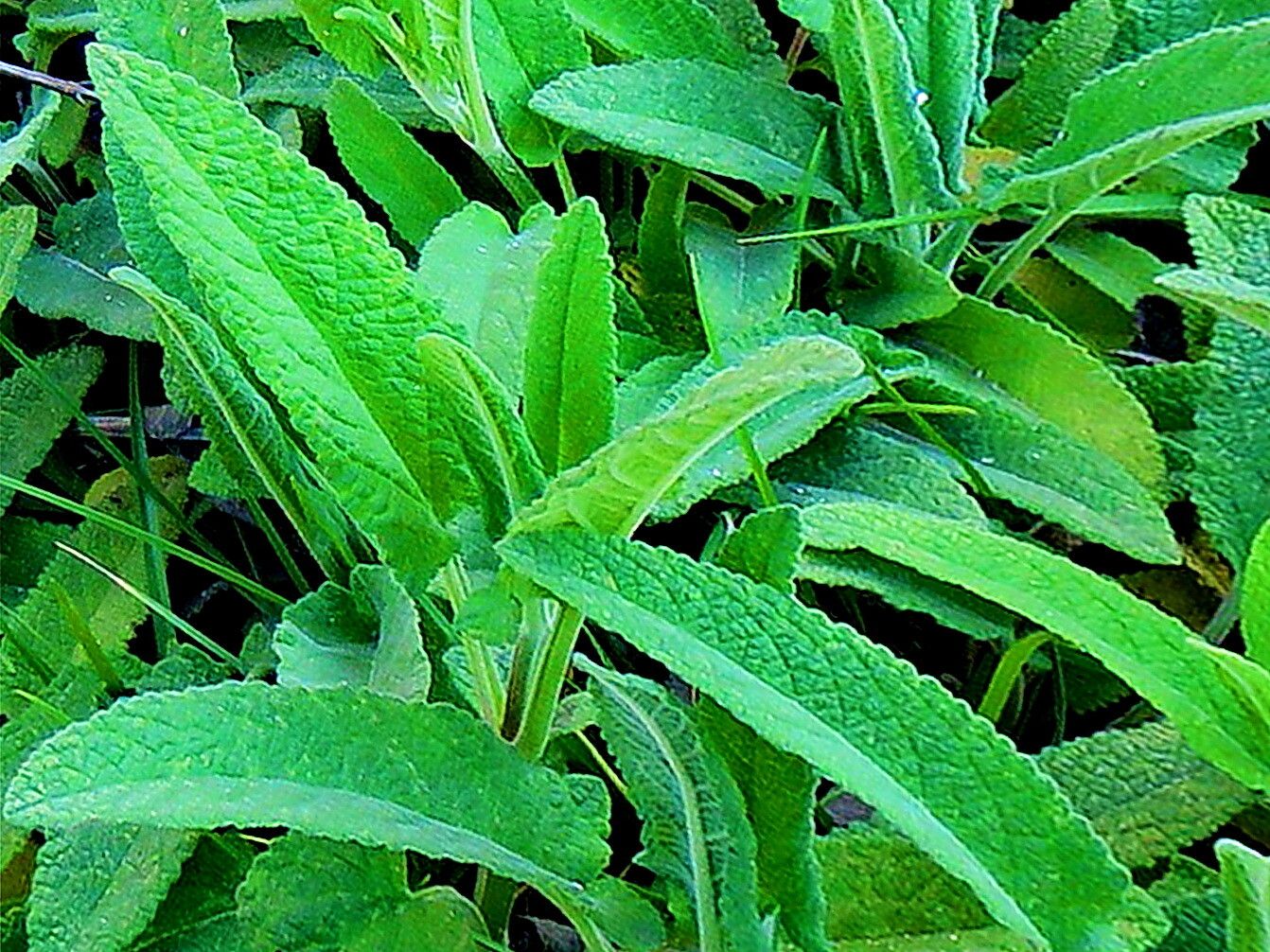
Lepechinia fragrans, commonly known as fragrant pitcher sage, is a perennial herbaceous plant in the mint family. Native to California, it thrives in coastal sage scrub and chaparral habitats. This plant can reach heights of 3 to 4 feet and features a woody stem with green, aromatic leaves that release a fragrance when crushed.
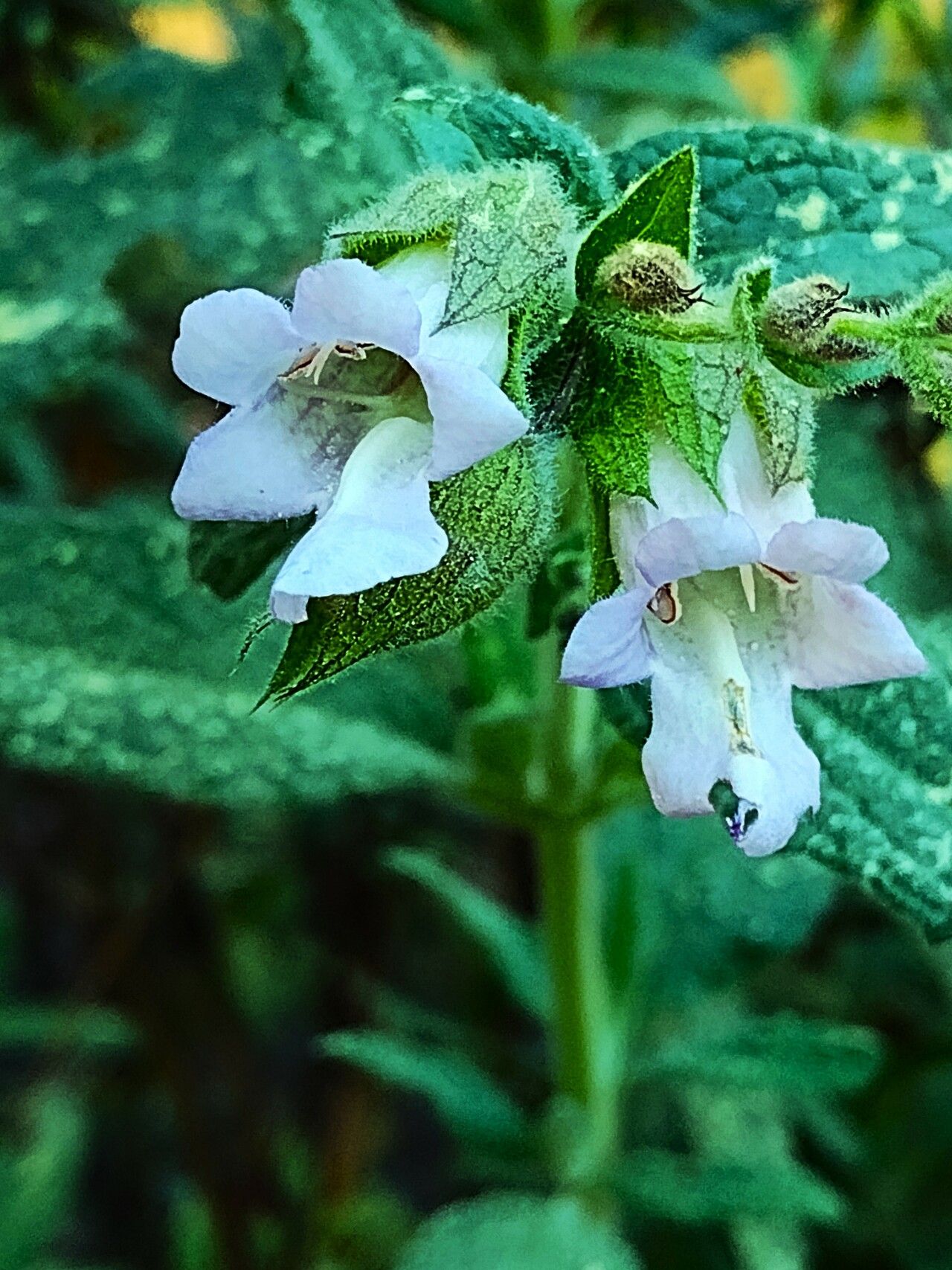
The flowers of Lepechinia fragrans are tubular and display a pinkish-purple hue, blooming from late spring through the summer. These vibrant flowers attract a variety of pollinators, including bees, butterflies, and hummingbirds.
Lepechinia fragrans prefers well-drained soil and can grow in both full sun and partial shade. While it is drought-tolerant once established, occasional watering during extended dry periods can be beneficial.
Historically, Native Americans have used the leaves of Lepechinia fragrans for their antiseptic properties. Additionally, the aromatic leaves have found use as a culinary ingredient.
Overall, Lepechinia fragrans is an attractive ornamental plant that not only enhances visual appeal but also provides ecological benefits by drawing pollinators to gardens and landscape areas.
Island pitchersage is resistant to disease and is generally not susceptible to illnesses. In terms of care, this plant is fairly low maintenance. When grown outdoors, it needs little watering, and larger plants usually do not require pruning. Smaller plants, however, should be pruned after they have bloomed. Island pitchersage is suitable for anyone with outdoor space, such as a garden or deck, and does not require much care experience.
How to keep Lepechinia Fragrans.
Light
Island pitchersage does best in places with moderate sunlight but can also cope with less ideal situations like very sunny locations or fairly shady spots. Although it is most commonly found in areas with filtered light, it tolerates both bright, sunlit sites and places with reduced sun. Too much sun can cause mild stress, while too little light can hinder its growth.
Water
Island pitchersage is well-suited for arid regions due to its excellent drought tolerance. It requires only infrequent watering, about once a week. This plant thrives best when the soil moisture mimics natural rainfall patterns, providing deep and infrequent hydration that aligns with its growth cycles.
Temperature
Island pitchersage is indigenous to regions with a moderately temperate climate and prefers temperatures of 68 to 95 °F (20 to 35 °C). For best growth, seasonal temperature shifts should replicate its native conditions.
Fertilizer
Proper timing is essential for fertilizing Island pitchersage. Begin fertilizing in early spring and continue once a month through early summer. Fertilizer encourages attractive blooms and supplies energy during both dormant and active growth stages.
Pruning
To promote health and encourage growth in island pitchersage, prune the plant in late spring by removing dead branches and shaping its overall form. Thinning the center of the plant improves air circulation, which supports vigorous blooms and helps prevent disease. Regular, moderate pruning will ensure the plant remains robust and attractive throughout the growing season.
Botanical profile.
- Plant Type
- Shrub
- Life Cycle
- Perennial
- Genus
- Lepechinia
- Family
- Lamiaceae
- Hardiness Zone
- 9-10
- Mature Height
- 0.61 m to 2.13 m
- Mature Spread
- 0.61 m to 1.83 m
- Leaf Color
- Green, Dark Green
- Leaf Type
- Semi-evergreen
- Flower Color
- Lavender
- Flower Size
- 1.02 cm to 2.03 cm
- Bloom Time
- Mid spring, Late spring, Early summer
- Planting Time
- Spring, Summer
- Harvest Time
- Summer
Other names.
Reader questions.
What is the easiest way to water my Island pitchersage?
To promote excellent root development, consider using a garden hose placed at the base of the plant. When watering, avoid directly spraying the leaves. Keep in mind that if the leaves are outdoors and exposed to direct sunlight, they may require more water. To moisten the roots more effectively, you can use bubblers or soaker hoses for each plant. If you are adding or removing plants, consider using soaker hoses that cover the entire garden or bed to ensure deep root penetration. After watering, remember to drain any excess water and allow the soil to dry before watering again. To prevent diseases, it is best to water at ground level rather than overhead. On sunny days, it can be beneficial to spray the entire bush with water. Regardless of whether the plant is potted or in-ground, please remember that Island pitchersage prefers deep watering rather than light sprinkling.
Why should I add fertilizer to my Island pitchersage?
Fertilizing your Island pitchersage is essential for several reasons. Firstly, it helps the plant produce beautiful blooms. To achieve this, it is recommended to fertilize in early spring, ensuring excellent flowers during that season. Additionally, fertilizer provides the plant with a sufficient energy supply that it can store in the ground during its dormant growth phases. By giving your Island pitchersage extra nutrients during fall planting or late spring, it can retain more energy to utilize when active growth resumes.
Do Island pitchers need to stay out of the sun?
Island pitchersage can tolerate some sun exposure as long as it is the right kind of sunlight. It is best to limit their direct sun exposure to no more than 6 hours a day. Direct sun is when the sunlight hits the plant directly. If the light is reflected off other objects or filtered by something like a sheer curtain, it is considered indirect light. Therefore, it is important to shield Island pitchersage from too much direct sun.
What temperature is best for Island pitchersage?
Plants, like the Island pitchersage, can be affected by colder temperatures since they have the same temperature as the air around them. While being exposed to sunlight helps plants warm up, this is not the case during winter. The Island pitchersage thrives in temperatures ranging from 70~85℉(21~30℃), and although they can tolerate 20~30℉(-6~0℃) or even 15℉(-10℃), prolonged exposure to these temperatures can result in frost damage. It is important to keep the maximum temperatures around 70~85℉(21~30℃) and make sure to water the plants regularly and provide some shade to prevent wilting.
What do I need to do if I give Island pitchersage too much or too little water?
An overwatered Island pitchersage can show signs of yellowing, dropping leaves, and wilting. The plant may also appear dull and unhealthy, with mushy stems. Adjusting your watering schedule when these signs appear is recommended. Wilting can also indicate under watering, which causes crispy and dry leaves. Overwatered leaves, on the other hand, will be soft and wilted. If the soil is dry and watering alone is insufficient, give the plant a thorough watering. Although enough water will help the Island pitchersage recover, it may still have dry and yellow leaves due to root damage. Once the plant returns to normal, the yellowing of leaves will stop. When growing an Island pitchersage indoors, always check the moisture levels and avoid overwatering. Look for black spots, which indicate a need for the soil to dry out for a few days. Overwatering can lead to root rot, so transfer the plant to a different pot if you notice discolored and slimy roots. Preventing root rot and avoiding overly soggy soil are important. When planting the Island pitchersage outdoors, ensure the soil is adequately moistened. If the soil feels too dry to touch, it may indicate a need for more watering. Providing sufficient water is crucial for the plant's recovery.
When should I fertilize my Island pitchersage plant?
Timing is essential for fertilizing Island pitchersage. If you apply fertilizer too early while the plant is still dormant, it won't be effective and will get washed away by rainwater. This not only leads to waste but also causes pollution. To ensure proper fertilization, the first application should be done in the early spring, followed by monthly applications until early summer.
How can I keep Island pitchers from getting damaged by the sun and heat?
Island pitchersage, if not adapted to direct sun, can be harmed by sunlight. To prevent this, there are a few ways to protect them. Initially, select a spot with indirect light for the majority of the day. If the spot is too bright, move the plant further into the room away from the window. Alternatively, you can cover the window with a light curtain or blinds. Any of these methods will shield your Island pitchersage from sun scorching and excessive heat.
Do I need to change the temperature for Island pitchers plant at different stages of growth?
Before growing Island pitchersage, it is important to do proper research and ensure that the temperature is suitable. Some growers may choose to lower the plants' thermostats during the growing season to save on HVAC costs. However, it is crucial to understand that temperature can have an impact on flowering, pest management, and overall plant quality. Additionally, there is a specific temperature threshold at which Island pitchersage will cease to grow, often occurring during the winter when certain species may enter a dormant state. As the seasons change and the base temperature rises, Island pitchersage will experience accelerated growth. It is worth noting that species naturally found in warm habitats have higher optimal temperatures compared to those that thrive in cooler climates. When the seeds of Island pitchersage are exposed to cooler temperatures, it can lead to reduced uniformity and delays in growth. Lowering the temperature during flowering is advisable, while other phases may not require this adjustment. Furthermore, cooler nighttime temperatures will necessitate less watering, so irrigation should be adjusted accordingly.
How often should I water my Island pitchersage?
The Island pitchersage prefers deep and infrequent watering, especially when planted in pots. It is recommended to soak them in a gallon of water each time to ensure proper hydration. Potted plants have limited water storage, so the soil tends to dry out faster. In cold regions, watering is needed every 3 to 5 days. It's best to water in the morning when the soil is dry, both indoors and outdoors. You can check if watering is needed by examining the soil. If the top 2-3 inches are dry, it's time for a full watering. On hot days, you may need to check the moisture daily as the heat can quickly dry out the pot's soil. For garden plants, irrigation is necessary. In hot climates, watering once a week is sufficient. Only water when you notice the top 2 to 3 inches of soil are too dry. Take into account rainfall, as additional watering may not be necessary. Island pitchersage mainly grows during spring and fall. When outdoors, adding 3 to 4 inches of mulch helps conserve water. Sandy soil requires more frequent watering due to its faster drainage, while clay soil can go 2-3 days without watering to prevent root rot. To keep track, mark the watering dates on a calendar. If you notice drooping leaves, it might indicate a delay in watering.
When is it best to not fertilize my Island pitchersage?
To ensure optimal growth of Island pitchersage, be mindful of the nitrogen content in the fertilizer. Too much nitrogen can result in an abundance of leaves but fewer blooms. Instead, choose a fertilizer with a lower nitrogen level compared to other nutrients. Additionally, avoid fertilizing after early autumn as this can lead to excessive growth before winter. Similarly, refrain from fertilizing during hot and dry periods, as dry soil is not as effective in delivering nutrients, and the resulting growth may require more water, which might not be readily available. It is best to apply fertilizer earlier in the season when temperatures are cooler. Lastly, be cautious about accidentally providing nearby plants or lawns with a double-dose of fertilizer, as Island pitchersage can absorb fertilizer from its surroundings.
What happens to Island pitchersage when it gets too much sunlight?
Direct sunlight can be harmful to the plant's leaves, especially the upper leaves that receive the most sun. When leaves get scorched, they develop brown and dry spots. Entire leaves may also wilt and turn brown. Growing the plant in full sun can lead to the soil drying out too quickly. In extreme situations, excessive sun exposure can even result in the plant dying.
How do I keep my Island pitcher plants warm during the cold seasons?
To help the plant adapt better to colder temperatures, stop adding fertilizer, which will prevent new growth and encourage the existing growth to become stronger. To protect the plant and keep it warm, you can create structures like cages or trellises around it. Another option is to use heat mats, which provide a gentle and consistent heating source for the soil, maintaining the ideal temperature range for the plant.