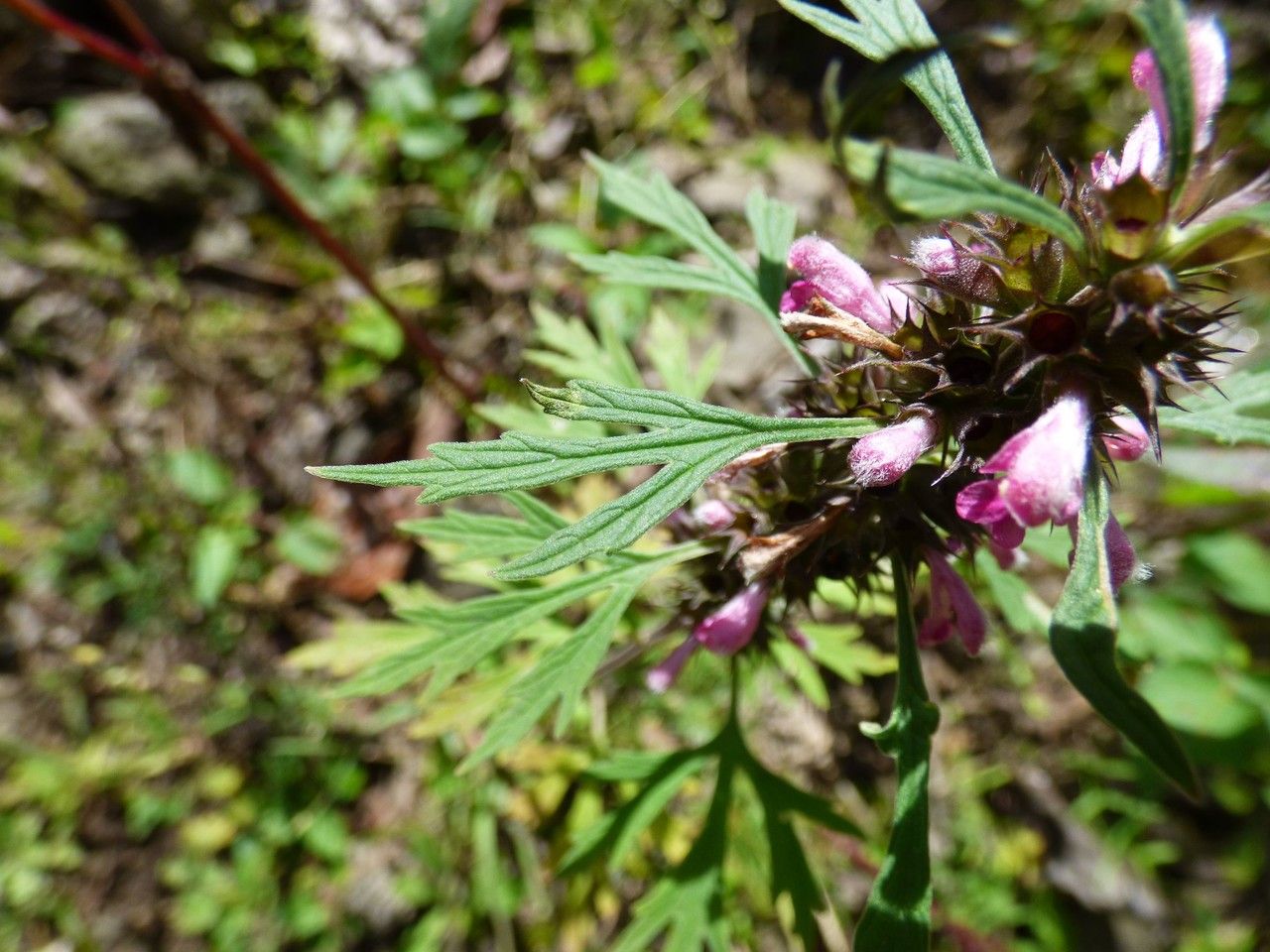
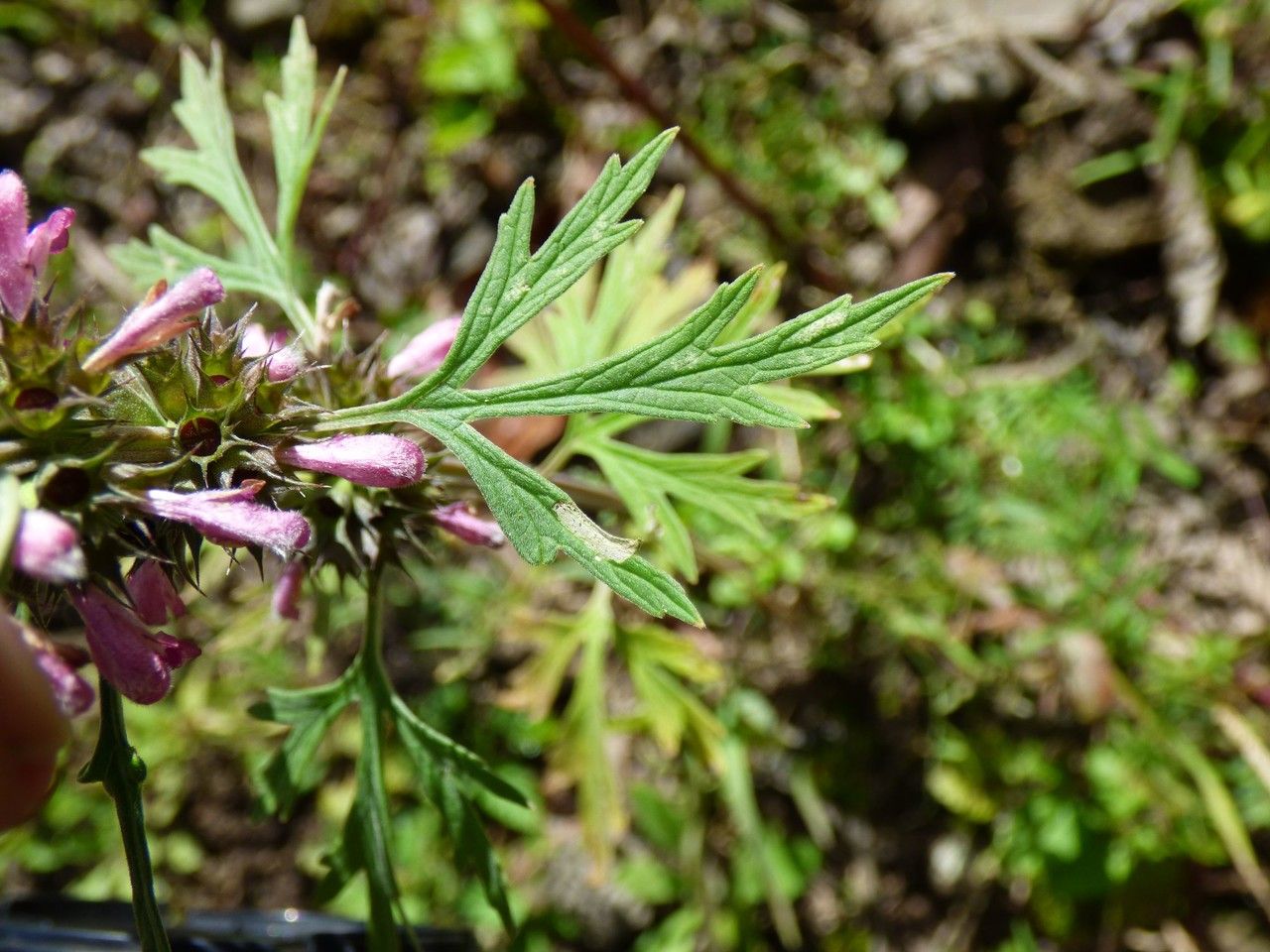
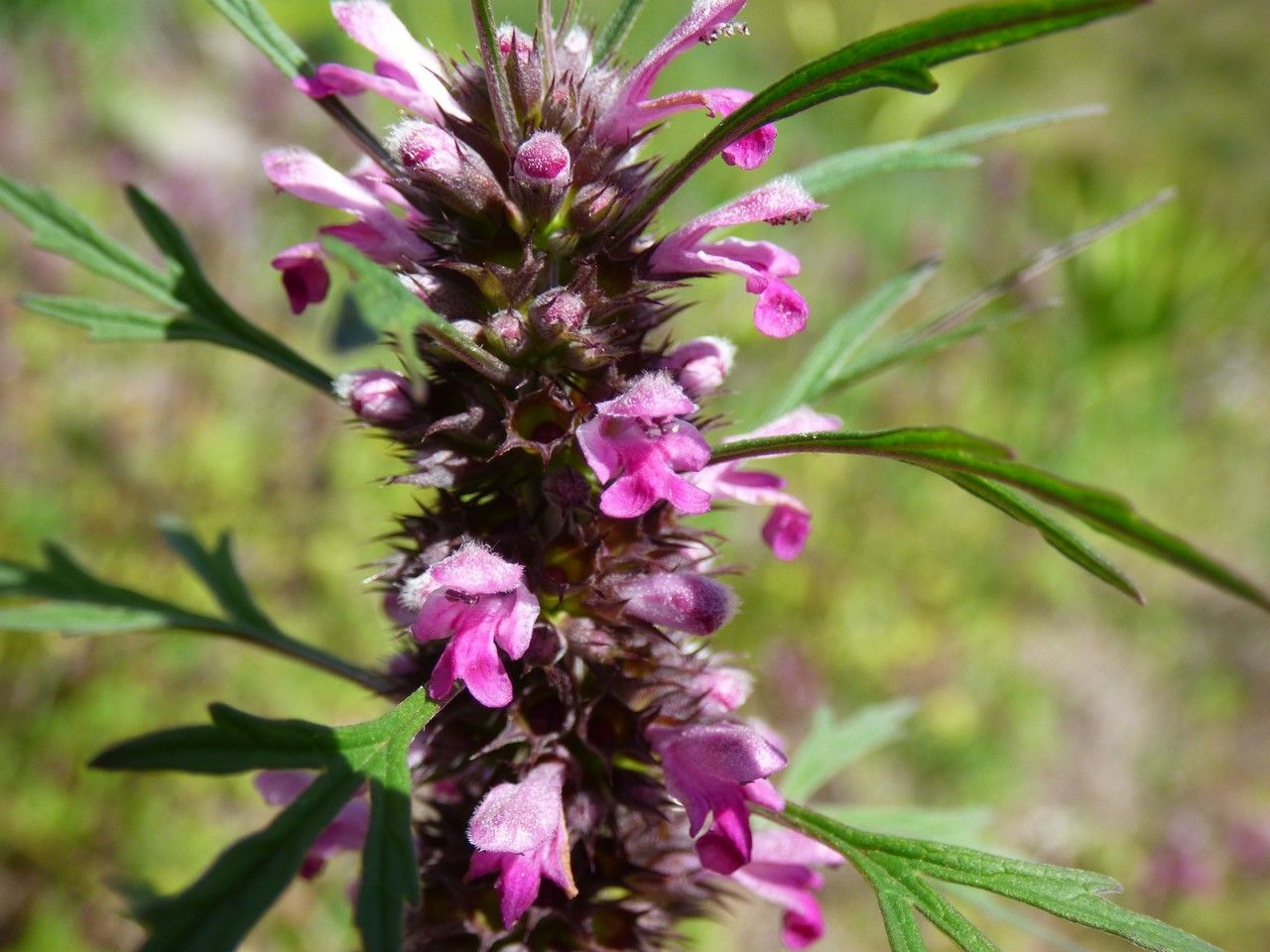
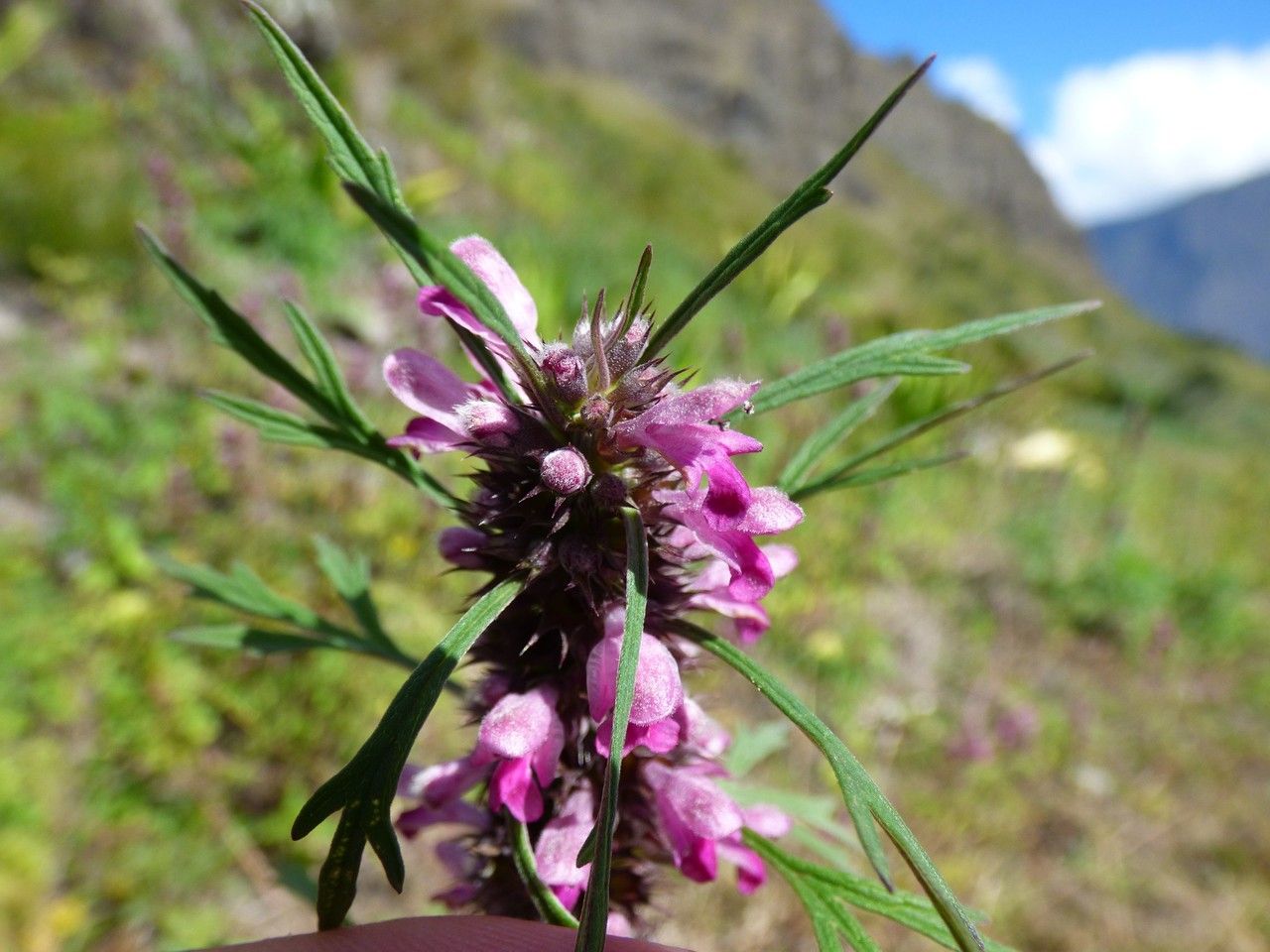
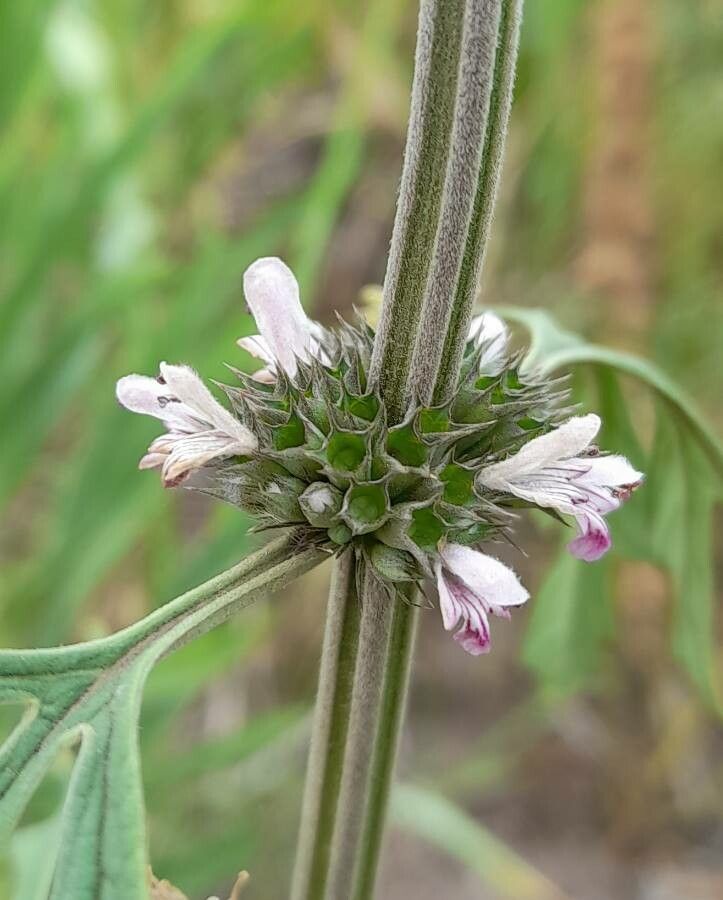
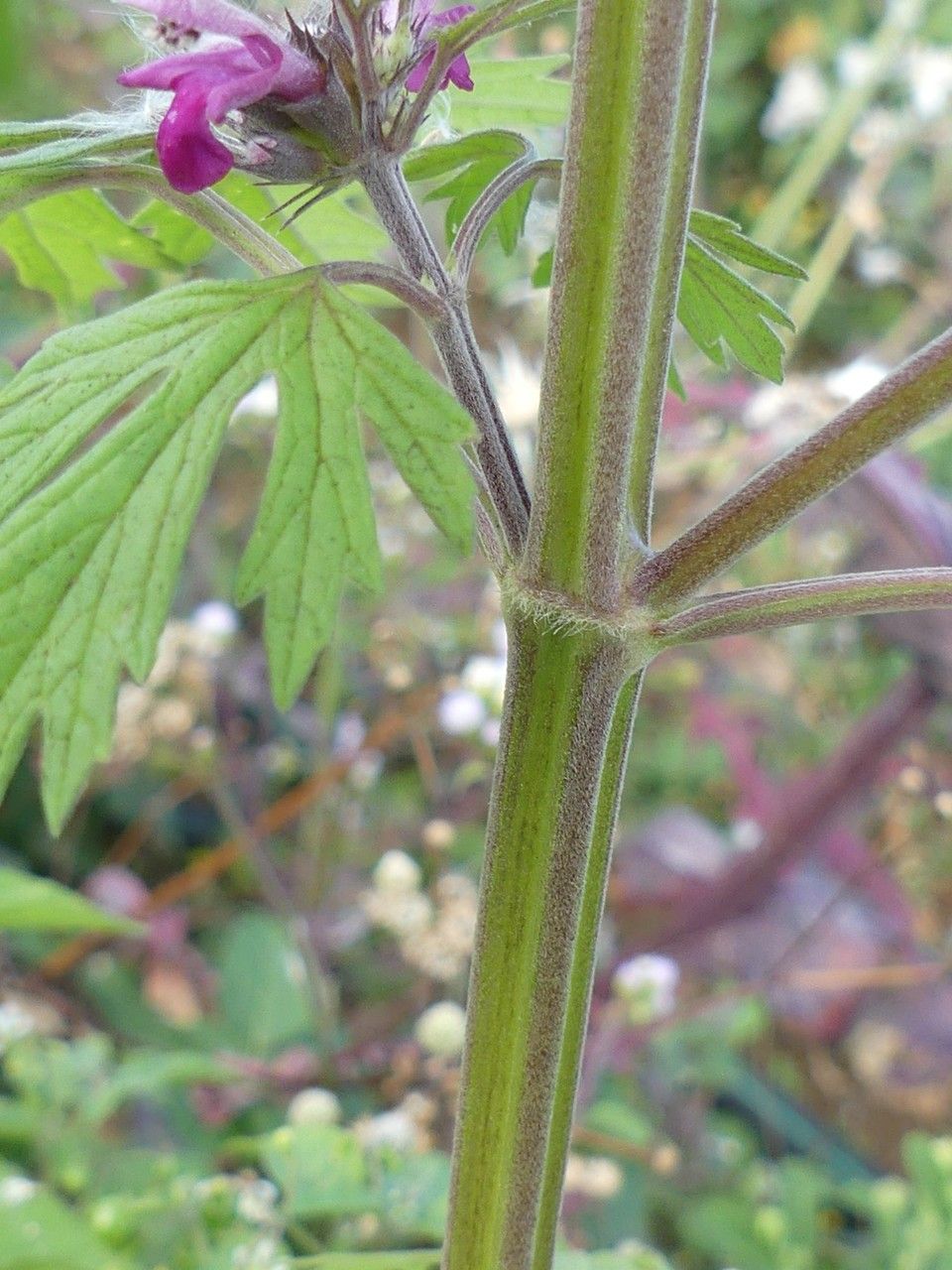
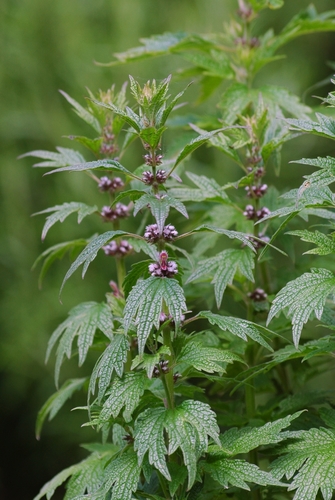
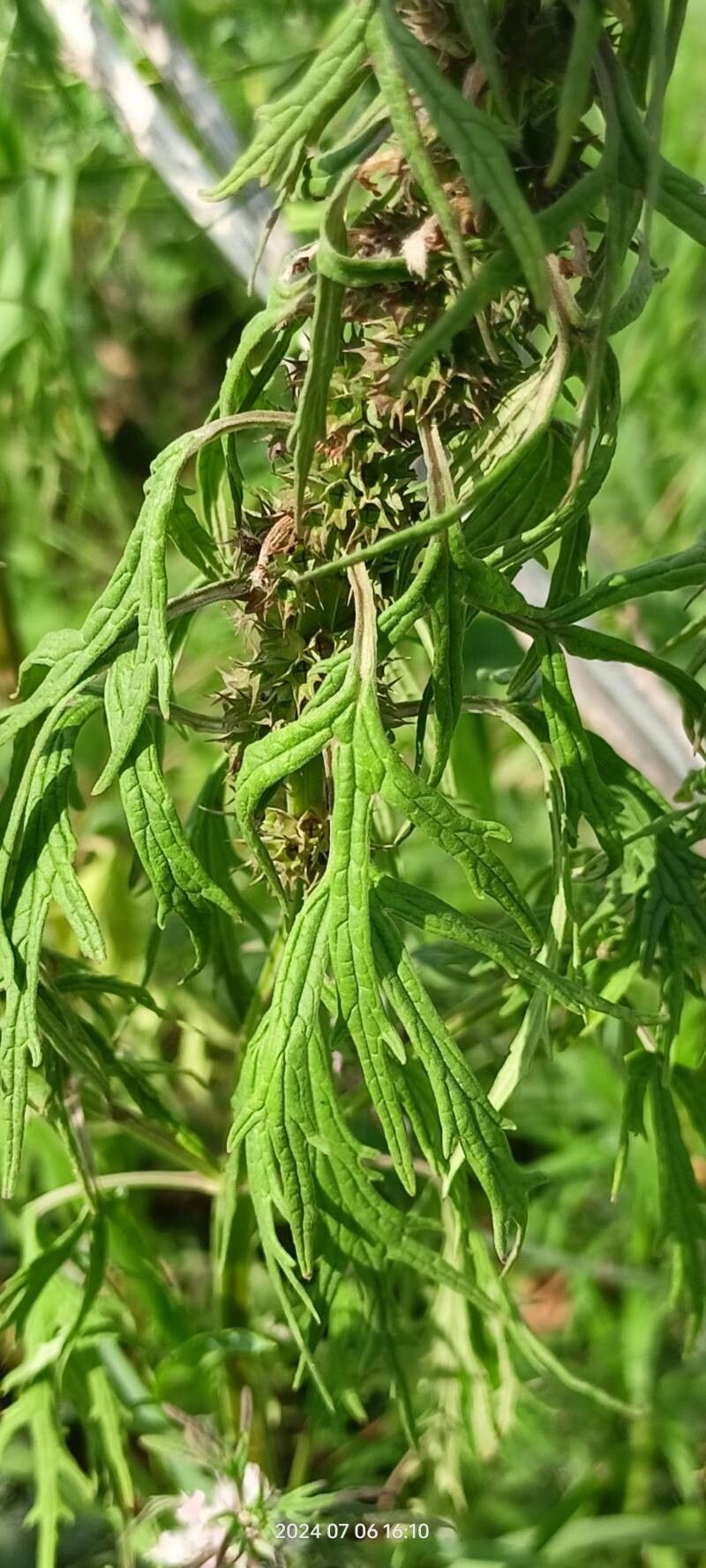
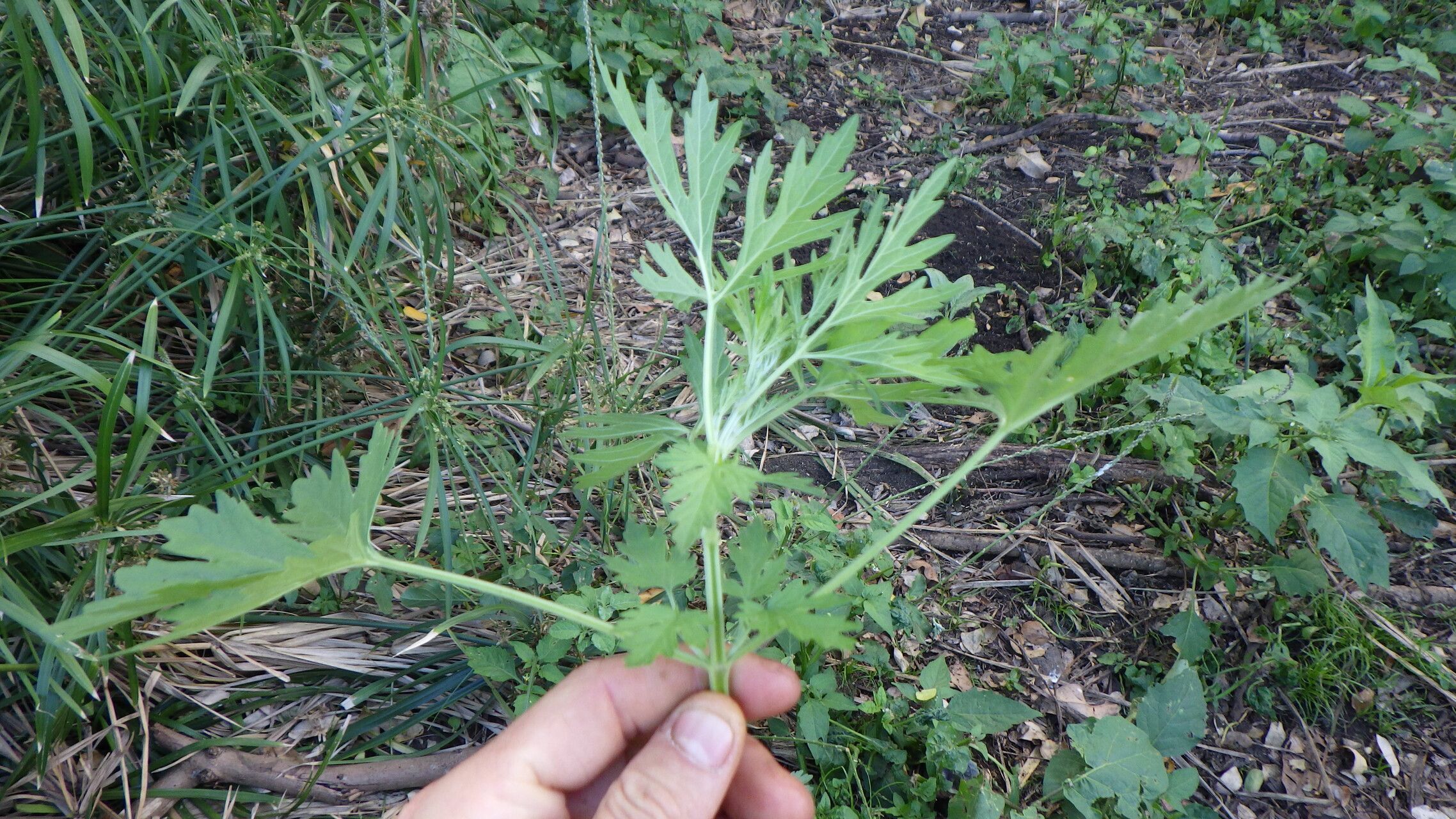
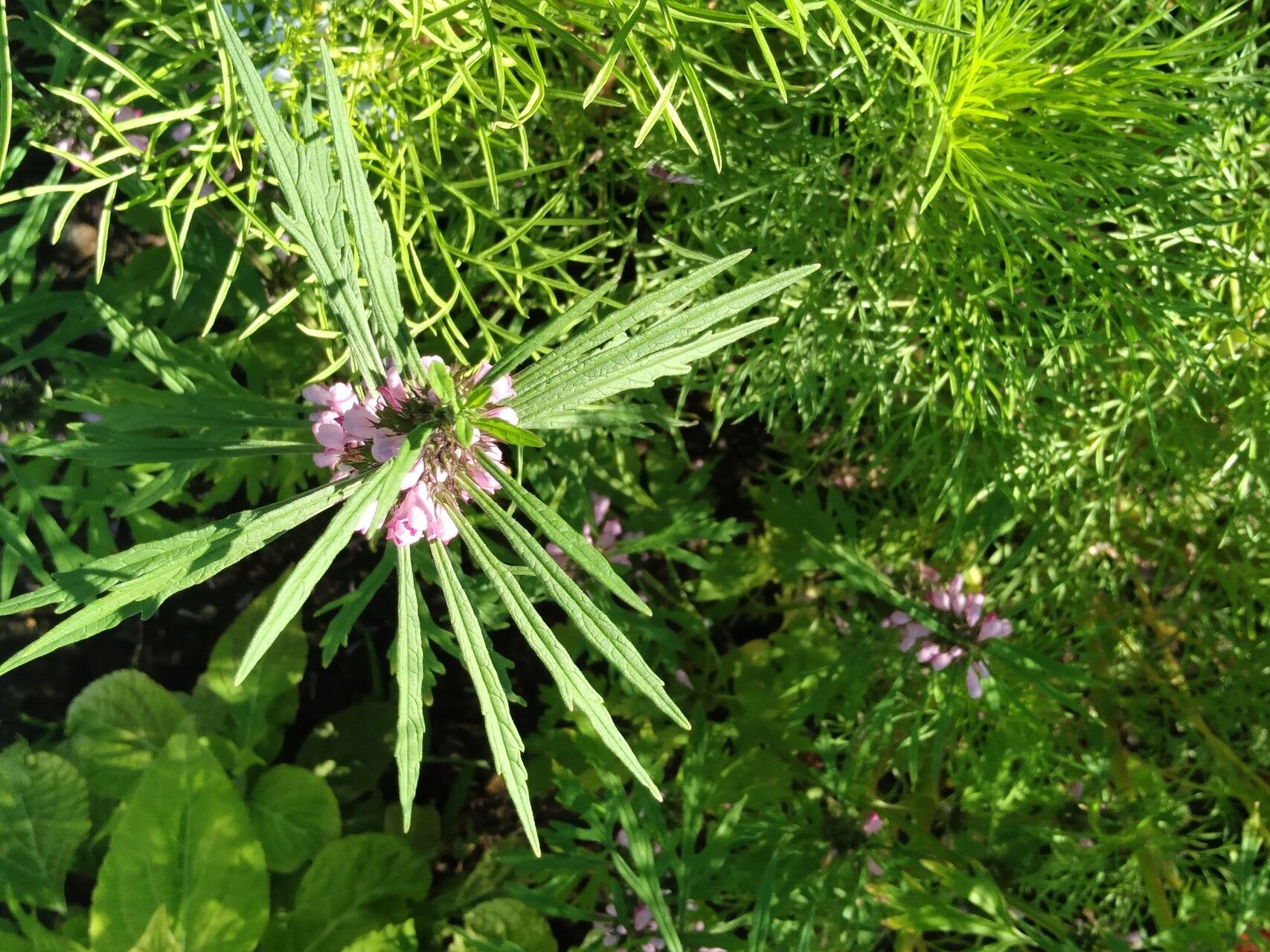
Leonurus sibiricus, commonly called honeyweed or Siberian motherwort, is an herbaceous plant species native to China, Mongolia, and Siberia. It has verticillaster inflorescence. It is naturalized in many other parts of the world, including South, Central and North Americas.
Honeyweed is fairly resistant to disease and typically does not suffer from illnesses. However, it can be vulnerable to pests and diseases present in its surroundings. These problems are generally minor. For care, this plant requires moderate maintenance. It should be pruned regularly to preserve a neat appearance and encourage healthy growth. Fertilizing can also aid in promoting blooms. Honeyweed is well suited for anyone with outdoor space, such as a garden or patio, and does not demand extensive care experience. It may need more attention when grown indoors.
How to keep Leonurus Sibiricus.
Light
Honeyweed grows best when exposed to uninterrupted sunlight, as is typical in its native habitat. Insufficient light can slow or hinder its growth. Likewise, it performs poorly under excessively strong light and has no special tolerance for such conditions.
Water
Honeyweed is moderately drought-tolerant and thrives with consistent moisture, ideally through weekly watering. It can adapt to varying rainfall conditions and will enter dormancy during prolonged dry periods. This dormancy is particularly important to consider when caring for the plant outdoors.
Temperature
Honeyweed is adapted to flourish in its native growing environment where temperatures range from 68 to 95 °F (20 to 35 ℃). For best growth, keep temperatures within this range and adjust them as the seasons change.
Fertilizer
When most Honeyweed flowers have fully opened, resume fertilizing. During peak bloom, apply fertilizer every three to four weeks, as weather allows. Then, once Honeyweed begins producing fewer new flowers, stop fertilizing; there's no need to feed the plant when it can no longer form additional blooms.
Pruning
Honeyweed is known for its aromatic leaves and upright growth. For bushier development and to remove any damaged stems, it is best to prune the plant from early to late spring. Regular pruning not only boosts growth and flowering but also helps maintain the plant's health. Additionally, using sterilized tools prevents disease, enhancing both the health of the plant and the overall aesthetics of your garden.
Botanical profile.
- Plant Type
- Herb
- Life Cycle
- Annual, Biennial, Perennial
- Genus
- Leonurus
- Family
- Lamiaceae
- Hardiness Zone
- 6
- Mature Height
- 20 cm to 76 cm
- Mature Spread
- 30 cm to 61 cm
- Leaf Color
- Green, Dark Green
- Leaf Type
- Deciduous
- Flower Color
- Pink
- Flower Size
- 1.02 cm to 1.52 cm
- Bloom Time
- Summer, Early fall, Mid fall
- Planting Time
- Spring, Summer, Autumn
- Harvest Time
- Late summer, Fall, Early winter
- Native Area
- Russia, Indonesia, Mongolia, China
Other names.
Reader questions.
What should I do if I give my Honeyweed too much water or too little water?
To prevent underwatering Honeyweed, simply water it more regularly when you notice it lacks moisture. Overwatering, on the other hand, can be more dangerous as it can lead to diseases and the decline of the plant. To avoid this, choose a sunny location with good drainage for your Honeyweed. If you overwater a potted Honeyweed, consider changing the pot to one with better drainage and using loose soil during repotting.
Should I keep Honeyweed safe from the sun?
The Honeyweed thrives in the sun and is even heliotropic, meaning it seeks out the sun. If possible, plant the Honeyweed in south-facing gardens to ensure they receive sun exposure from morning to afternoon. However, it's important to note that while they benefit from the sun, some species may experience sunburn. To protect them, consider providing shade in the form of a tree or wall during the afternoon and midday sun. It's not recommended to grow the Honeyweed in shady areas as the larger flowers require a lot of energy to grow and produce. For optimal results, always provide full sun conditions when choosing a location for the Honeyweed.
What are the ideal temperature conditions for growing Honeyweed?
Honeyweed (Leonurus sibiricus) thrives best in its native environment where the temperature ranges between 68 to 95 °F (20 to 35 °C). To ensure optimal growth, it is crucial to maintain temperatures within this range, making necessary adjustments with the seasonal changes. The plant is exceptionally cold-tolerant and does not require extra protection against frost during the winter. However, it is advised to water the plant generously before the first freeze in autumn to keep the soil moist. This preparation helps prevent drought and water scarcity for the plant during the colder months and early spring.
How much water does my Honeyweed plant need?
Determining the right amount of water for your Honeyweed can be done in a couple of ways. One option is to feel the soil and water until the top six inches are moist. Another approach is to use a standard measurement, such as two gallons per week, depending on the temperature and soil dryness. However, be careful not to overwater if your plant doesn't require that much. When growing Honeyweed in a container, you should water until all layers of soil are moist or until you see water draining from the pot's holes.
How much sunlight does Honeyweed need each day to grow well?
To ensure proper growth and survival, it is important to provide the plants with a minimum of 6 to 8 hours of sunlight each day. Particularly during the summer, they thrive with an emphasis on morning light. The Honeyweed specifically requires abundant sunlight, as it enables them to produce food, develop beautiful blooms, and ultimately survive. Remember, the more light these species receive, the better their chances of thriving.
How does Honeyweed react to temperatures below its tolerance level, and what are the solutions?
Despite Honeyweed's high cold tolerance, it should not be exposed to temperatures below -25°C (-13°F). Dropping below this temperature may not exhibit immediate visible damage during the winter. However, this could lead to reduced sprouting or even a total lack of sprouting in the spring. The recommended solution for this issue is to remove any parts of the plant that have failed to sprout as the warmer weather arrives.
How often should I give water to my Honeyweed plant during different seasons?
As the season progresses, your Honeyweed's water requirements will increase. In the spring, watering once a week should be sufficient. However, as the summer heat sets in, you will need to provide more water to your Honeyweed, sometimes up to three times a week. This is especially important for Honeyweed in containers, as the soil in containers tends to dry out faster in warm weather. In autumn, when your Honeyweed is still blooming, it may need less water due to lower temperatures and weaker sunlight compared to the summer.
What kind of sunlight does Honeyweed need?
For optimal growth, the Honeyweed thrives in full sunlight. To ensure even sun exposure, avoid crowding them together. It is important that the leaves receive ample sunlight. If planted in pots, position the herbaceous flowers in windows that receive direct sun and make sure they always have access to full sunlight, regardless of the season. Avoid placing them in areas with only partial or filtered light, as this may result in weak stems and unhealthy flowers. It is recommended to keep the Honeyweed constantly exposed to the sun.
What should I do if Honeyweed is exposed to excessively high temperatures?
Honeyweed struggles to tolerate high temperatures above 35°C (95°F), which can halt its growth and increase susceptibility to rot. To mitigate damage from excessive heat, you should trim away any sunburned or dried-up parts. Relocate the plant to a shaded area during the midday and afternoon sun, or use a shade cloth for protection. Ensuring the soil remains moist by watering the plant in the morning and evening can also help the plant cope with the high temperatures.
How is watering Honeyweed different inside and outside?
Most Honeyweed plants are grown outdoors rather than indoors for several reasons. Firstly, these plants have a tendency to grow tall, which may not be suitable for indoor spaces. Secondly, Honeyweed requires more daily sunlight than most indoor growing areas can provide. If you are able to create an appropriate indoor growing environment, you may need to water your Honeyweed more frequently compared to an outdoor setting. This is because indoor spaces are usually drier due to HVAC units, and soil in containers can dry out faster than soil in the ground.
Does sunlight harm plants? How can Honeyweed be protected from sun and heat damage?
When the temperature goes above 90℉ (32℃), the Honeyweed can be damaged by the extreme heat, especially if it's exposed to many hours of direct sunlight. To protect against this, it's best to provide some shade from the intense afternoon sunlight during the summer. It's also important to keep in mind that the sunlight in the summer is stronger and lasts 50% longer than in the winter. If the Honeyweed is overly stressed from too much sunlight, it's a good idea to ensure they are well hydrated. Water the plants when the top 2 inches of soil have dried out, and if it's too hot outside, consider moving the plants indoors, especially if they are in containers. During the day, it is normal for the leaves of the plant to wilt, but typically, they will recover overnight. However, if you notice that the Honeyweed is still drooping, it means that the plant is losing water quickly and needs to be watered.
How should I water my Honeyweed plant?
To water Honeyweed, you have several options. You can use a garden hose with a spray nozzle, a watering can, or any other common watering tool. Honeyweed isn't too picky about the type of water it receives, so rainwater, tap water, or filtered water will suffice. However, it's best to avoid watering the plant from overhead as it can harm the leaves and flowers and potentially cause disease. Instead, a drip irrigation system is ideal for watering Honeyweed as it provides even and direct water to the soil. If you have a container-grown Honeyweed, simply switch to a cup, watering can, or tap to directly water the soil.