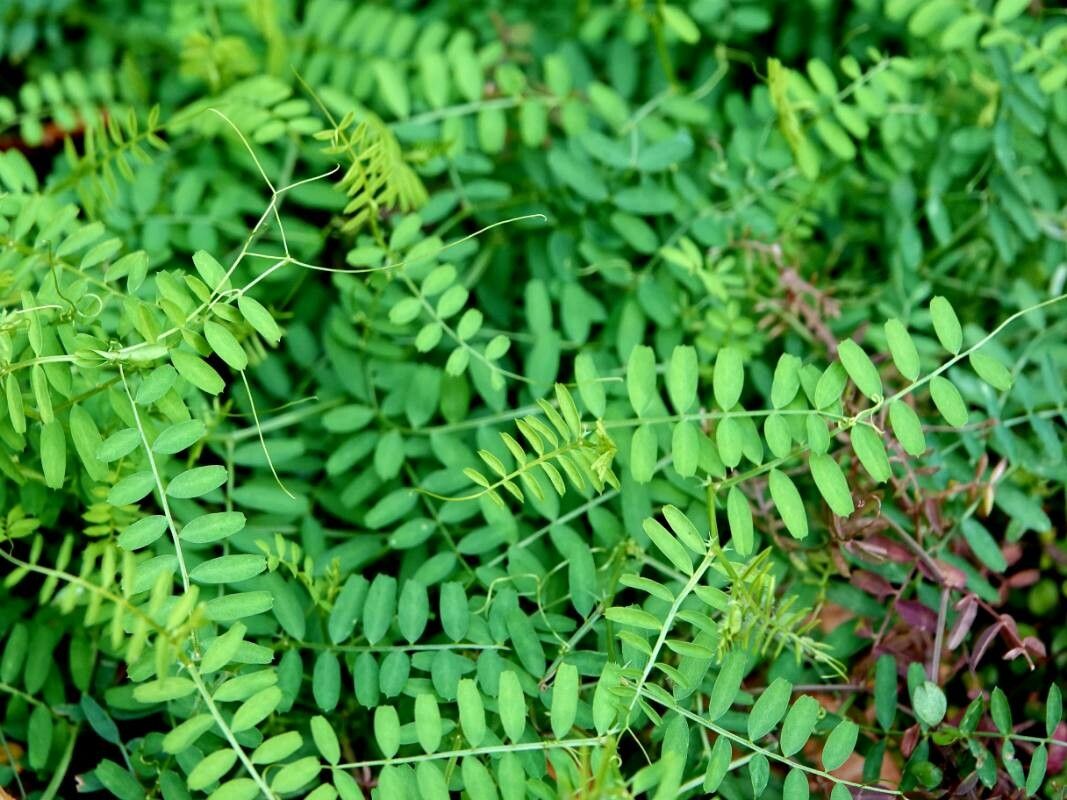
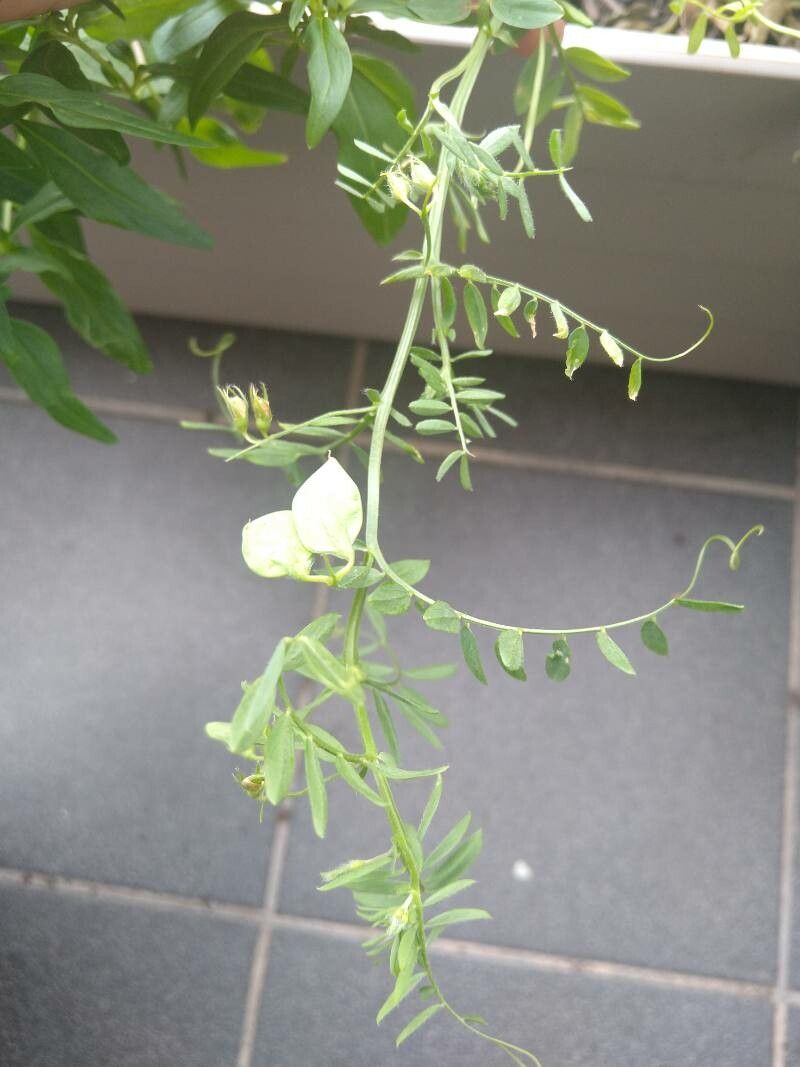
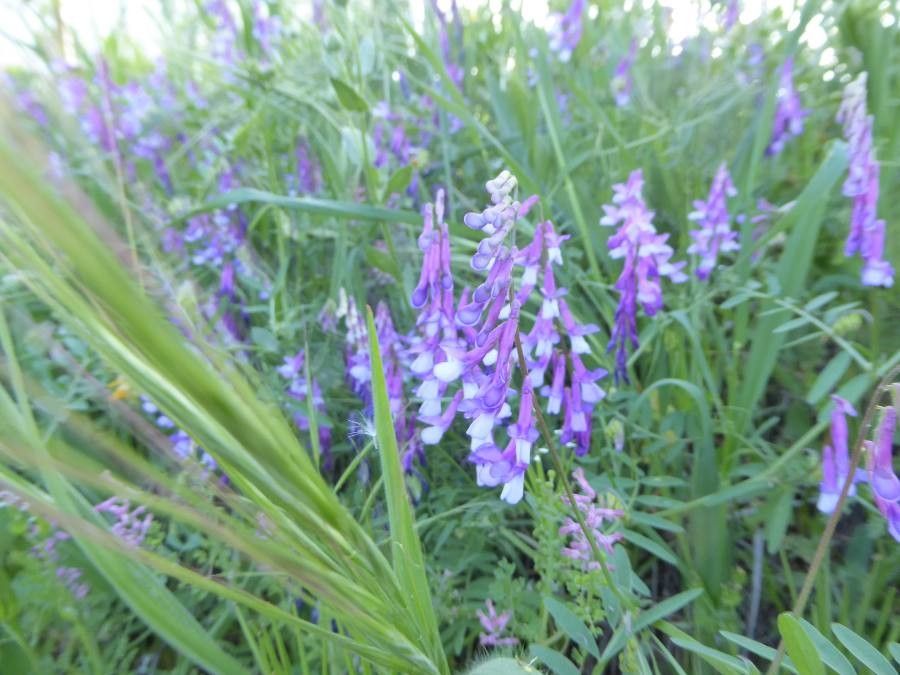
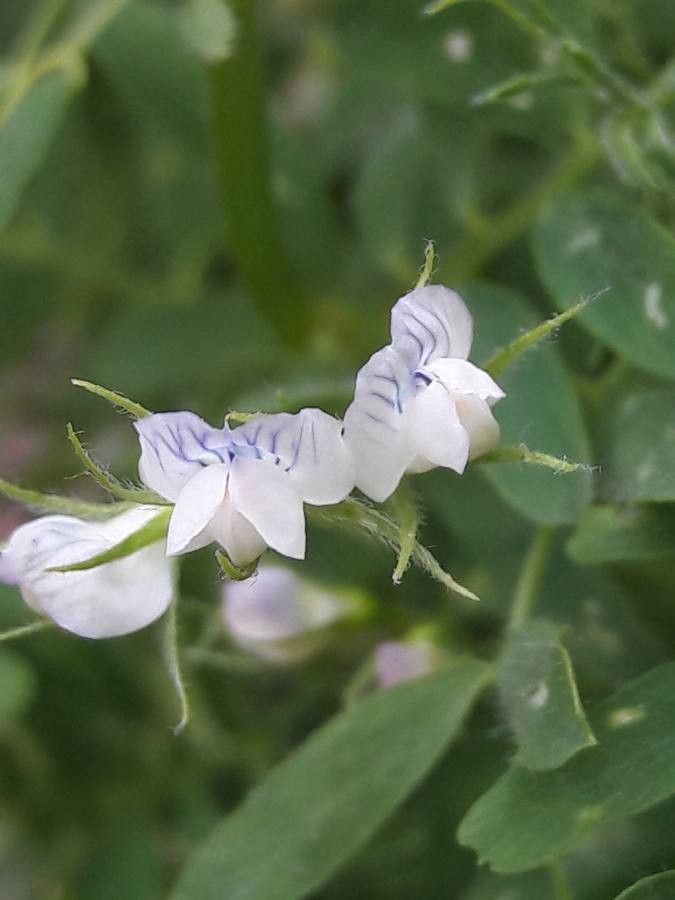
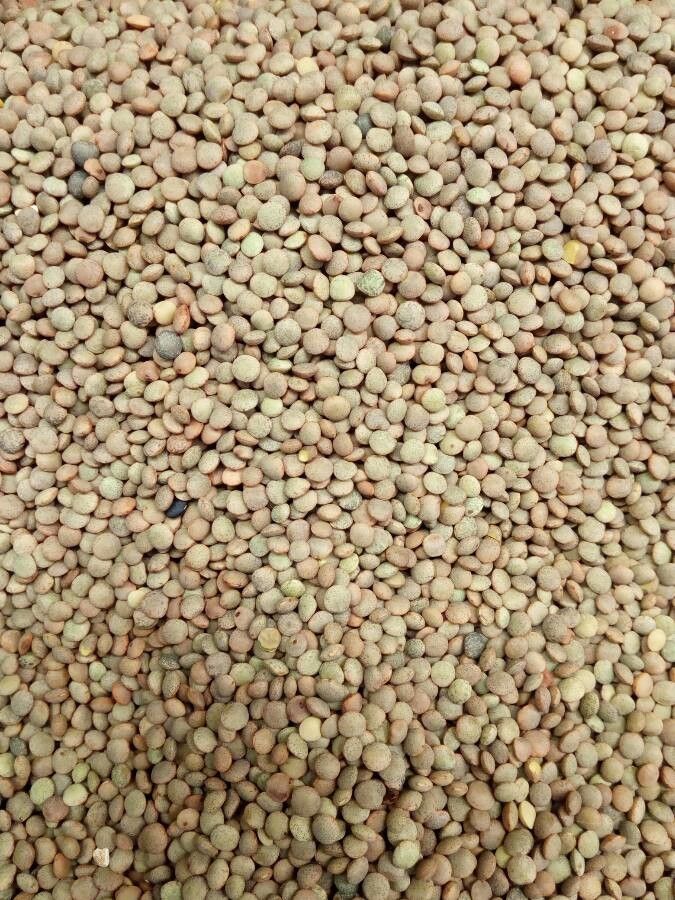
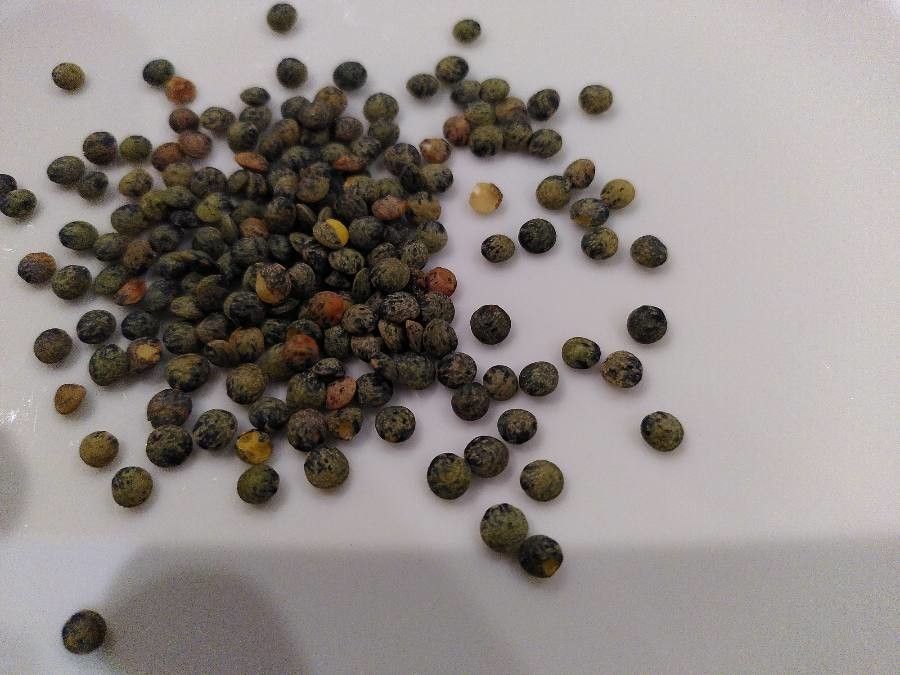
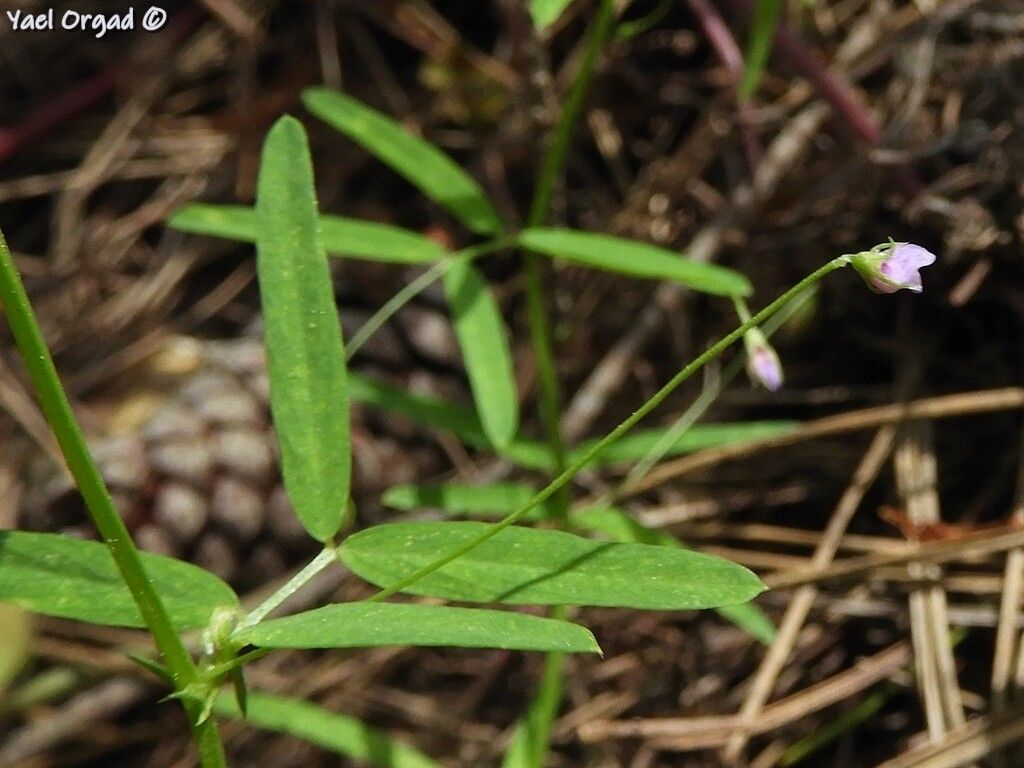
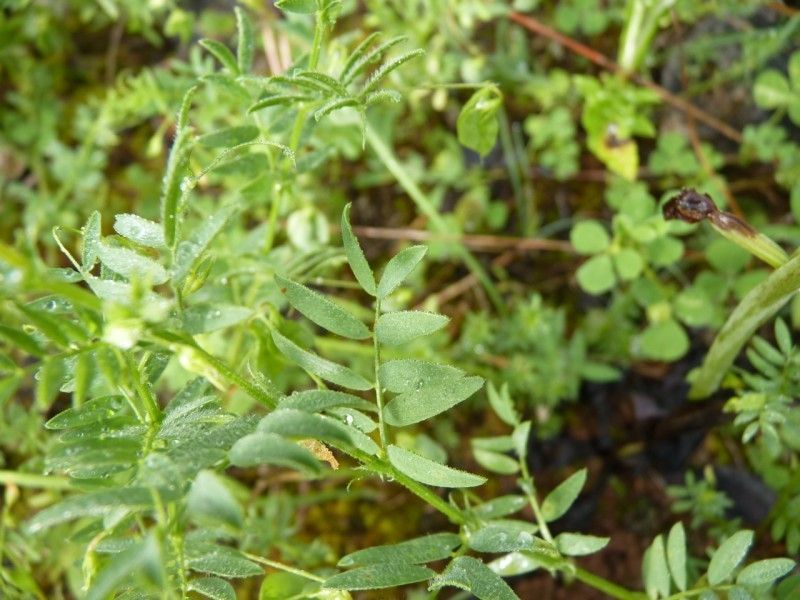
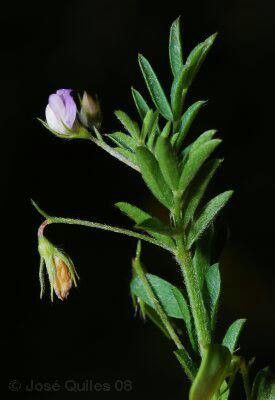
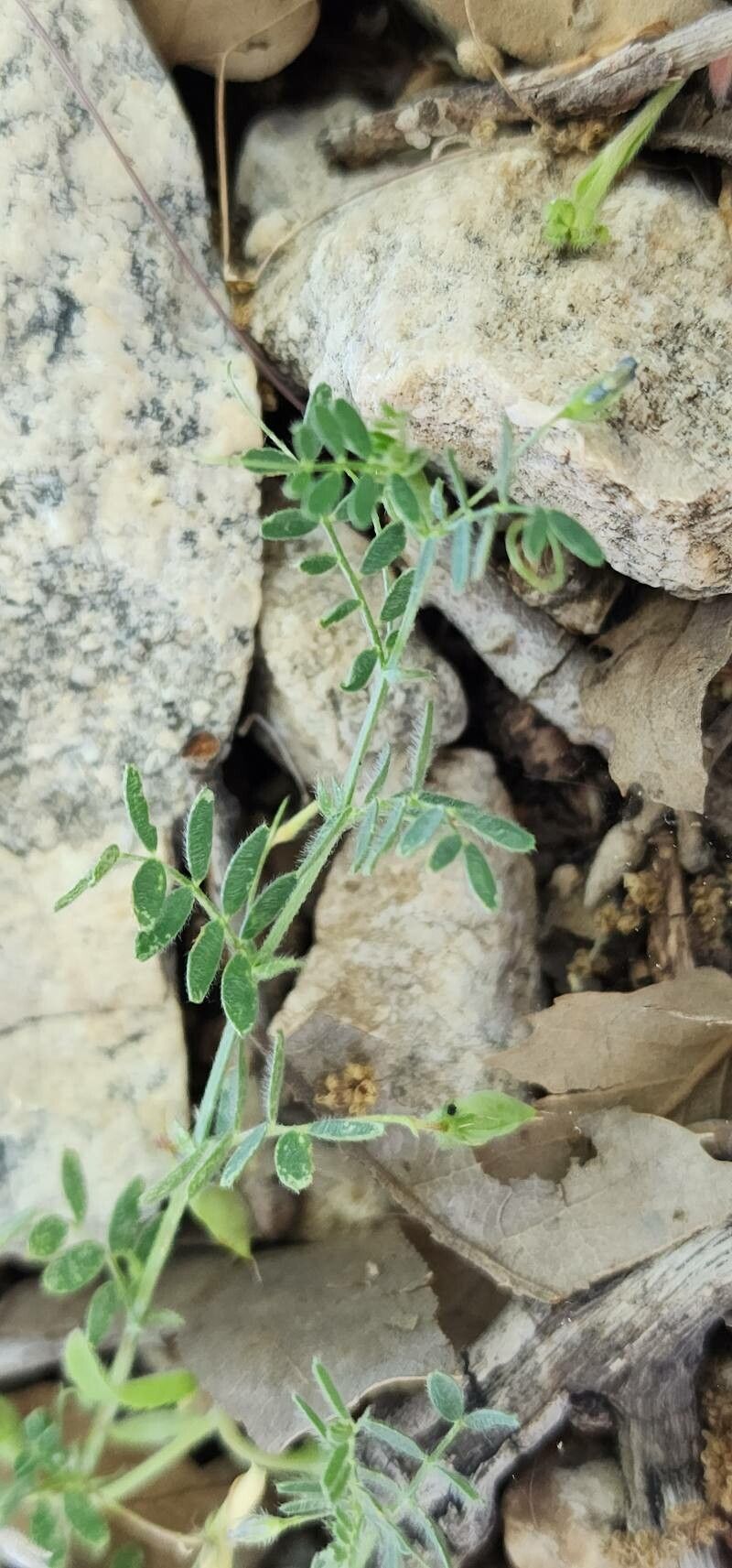
Lens culinaris, commonly known as lentil, is a legume plant in the Fabaceae family. It is an annual plant that grows up to 40 cm tall with a bushy appearance. The leaves are pinnately compound, featuring 6-8 pairs of leaflets, and the flowers are small and inconspicuous, usually white or pale blue. Lentils are widely cultivated for their edible seeds, which are rich in protein, fiber, vitamins, and minerals. The seeds come in various colors, such as green, brown, or black, depending on the variety. Lentils are used extensively in cooking worldwide for making soups, stews, and salads. Lentil plants prefer well-drained soils with moderate moisture and can tolerate a wide range of temperatures from cool to warm climates. They can be grown both as rain-fed or irrigated crops, depending on water availability. Lentils offer several health benefits, including reducing cholesterol levels, improving heart health, and aiding digestion due to their high fiber content. They also have a low glycemic index, making them suitable for people with diabetes. In conclusion, Lens culinaris (lentil) is an important crop that provides nutritious food and contributes positively to soil fertility through nitrogen fixation by its roots during its growth cycle. This makes it a valuable global crop, especially among vegetarians, due to its high protein content.
Lentil, scientifically known as Lens culinaris, is a plant in the legume family that produces edible seeds. The Latin name might be linked to the Old French word "lentille," which means "freckle," highlighting the seed's small size. The term "culinaris" emphasizes the plant's use in cooking.
Lentil has moderate disease resistance but can be prone to issues like leaf spot. Its vulnerability to insect pests varies by variety, though most varieties are relatively less resistant to pests. For care, Lentil requires regular watering and fertilization, along with frequent removal of yellow leaves. It is important to manage pests and diseases when they appear and to harvest the plant promptly. Lentil is appropriate for those who can devote some time and effort to routine care.
How to keep Lens Culinaris.
Light
Lentil thrives with clear, unobstructed exposure to sunlight and requires abundant solar resources for successful development. Its native habitat is open landscapes with plenty of sunny areas. Excessive or insufficient light can harm the plant. Different periods of growth do not affect its sunlight requirements.
Water
Lentils thrive with consistent moisture and should be watered weekly, ensuring they do not become waterlogged. They grow best outdoors, where they can take advantage of natural rainfall. To prevent root rot during heavy rains, providing adequate drainage is essential.
Temperature
Lentil comes from regions where temperatures range from 68 to 95 °F (20 to 35 °C). It grows best in moderate warmth. Therefore, during periods that are hotter or cooler, consider adjusting your plant's temperature to these optimal levels.
Fertilizer
For optimal growth, Lentil needs three fertilizer applications: one before planting, one one month after seedling emergence, and a final application 1 to 1.5 months after the second. Some Lentil types benefit from additional fertilizer applied at planting to support rapid growth.
Pruning
The lentil is an annual herbaceous plant prized for its edible seeds and delicate, feathery leaves. To ensure healthy growth and improve yield, it is important to prune the plant by removing any damaged leaves and excess growth from early to late spring. Additionally, make sure to sterilize your tools before pruning to prevent any infections.
Botanical profile.
- Plant Type
- Herb
- Life Cycle
- Annual
- Genus
- Lens
- Family
- Leguminosae
- Hardiness Zone
- 7-10
- Mature Height
- 30 cm to 49 cm
- Mature Spread
- 76 cm
- Leaf Color
- Green
- Leaf Type
- Deciduous
- Flower Color
- White
- Flower Size
- 0.51 cm
- Bloom Time
- Mid spring, Late spring
- Planting Time
- Spring
- Harvest Time
- Early summer, Mid summer
- Native Area
- Egypt, Greece and Rome
Other names.
Reader questions.
How much water does my lentil plant require?
Lentils are very popular plants, and both professional and amateur gardeners have successfully grown them. We know exactly how to take care of these plants, including how much water they need. In general, Lentils require about 1 - 1.5 inches of water per week. It's important to evenly distribute this volume of water when you water them each week. As the weather gets warmer, you may need to provide more water, but in most cases, two inches per week is a good starting point.
Why should I put fertilizer on my lentil plant?
The need for fertilizing your Lentil crop depends on the soil conditions in your garden. A successful harvest without fertilizer suggests it may not be necessary. To be sure, you can test the soil yourself using a kit or send it to a lab for analysis. By understanding the nutrient levels, you can easily decide if additional fertilizer is needed.
What are the sunlight requirements for Lentil plants?
Lentil plants, known botanically as Lens culinaris, thrive in areas with clear, unobstructed exposure to sunlight, requiring more than 6 hours of sunlight daily to flourish. They are best suited to open landscapes abundant in sunny spaces. Both excessive and insufficient sunlight can harm the plant's health, emphasizing the need for a perfect balance between light and shade in your garden to ensure the plant's happiness and successful development.
What is the ideal temperature range for growing Lentil (Lens culinaris)?
Lentil (Lens culinaris) thrives in moderate warmth, with an ideal temperature range between 68 to 95 °F (20 to 35 °C). It is important to maintain temperatures above 20°C, especially during winter, to support the plant's growth. Efforts should be made to keep the plant above freezing point to avoid damage, and when temperatures drop to -5°C (25°F) or lower, it is advisable to bring the plant indoors or provide protection to prevent cold damage.
How do I water my Lentil plant throughout the year?
Your Lentil's water needs will change throughout the seasons. In spring and summer, water once a week. In hot summer, water once or twice a day. In late summer and fall, water once a week. After harvest, stop watering as Lentil no longer needs moisture. The amount of water needed depends on Lentil's growth stage. Water frequently in the early stage to encourage root development. Water even more when it starts flowering. During fruit development, water the most, sometimes twice a day. After that, water needs decrease significantly.
When should I put fertilizer on my lentil plant for the best results?
To ensure a successful Lentil harvest, follow these steps: 1) Mix organic fertilizer into the soil a week before planting. 2) Apply another layer of fertilizer on top of the soil during spring to give young plants a boost. 3) Generally, one to two fertilizer applications during the growing season should be enough.
How does artificial lighting support Lentil plant growth indoors?
When natural sunlight is insufficient, especially during winter or in less sunny indoor spaces, artificial lighting becomes crucial for Lentil plants' growth. Adequate lighting is essential for optimal growth, with LED lights being a popular choice because they can provide specific wavelengths needed by plants. For full sun plants, 30-50W/sq ft of artificial light is necessary, 20-30W/sq ft for partial sun plants, and 10-20W/sq ft for full shade plants. The light source should be placed 12-36 inches above the plant to mimic natural sunlight, and most plants require 8-12 hours of light per day.
How does low temperature affect Lentil plants, and what are the remedies?
Lentil plants have a moderate tolerance to low temperatures but thrive best between 20°C and 35°C. Exposure to temperatures below 0°C can cause the leaves to darken and, if temperatures fall below -15°C, lead to water-soaked necrosis, wilting, and eventually a brown discoloration of the leaves. To protect the plant from frost damage, trim the frost-damaged parts and move the plant to a warmer indoor environment or a makeshift greenhouse. Ensure the plant is placed near a south-facing window for sufficient sunlight, and consider supplemental lighting if natural light is inadequate.
How should I water my Lentil plant?
The Lentil has specific preferences for water, including the watering technique used. If you don't water it properly, your tomatoes could be at risk. To water Lentil effectively, apply water directly to the soil in a slow and gentle manner. Avoid pouring all the water at once or using overhead watering. Although it should be done slowly, make sure to water deeply to ensure the entire Lentil growing area is adequately moist.
When is the best time to not fertilize my Lentil plant?
If you have already harvested most of your vegetables, don't waste your fertilizer and energy by fertilizing your Lentil crop. Lentils need to be replanted every year, so fertilizing them at this point would not be beneficial. Additionally, if you are gardening in an area with nutrient-rich soil, there is no need to fertilize Lentils. These crops do not require a lot of fertilizer to grow well and produce flavorful, abundant vegetables. In most cases, fertilization is not necessary. Only consider fertilizing your Lentils if a soil test reveals a deficiency in one or more nutrients in your garden soil.
What symptoms indicate a Lentil plant is receiving insufficient light?
When Lentil plants grown indoors receive limited light, they may show subtle symptoms like smaller new leaves, leggy or sparse growth, faster leaf drop, slower or no new growth, and lighter-colored new leaves. These symptoms can easily go unnoticed but indicate that the plant is struggling with light deficiency. Additionally, excessive sunlight can cause symptoms like chlorosis, sunscald, leaf curling, wilting, and leaf scorching, negatively affecting the plant's health.
How does high temperature affect Lentil plants, and what are the remedies?
High temperatures, especially above 35°C, can negatively impact Lentil plants by slowing down their growth, lightening the color of their leaves, and increasing susceptibility to sunburn. When temperatures exceed 41°C, it's important to trim sunburned or dried-up parts of the plant, move the plant to a shaded location to protect it from the afternoon sun, and ensure the soil is kept moist by watering in the morning and evening.