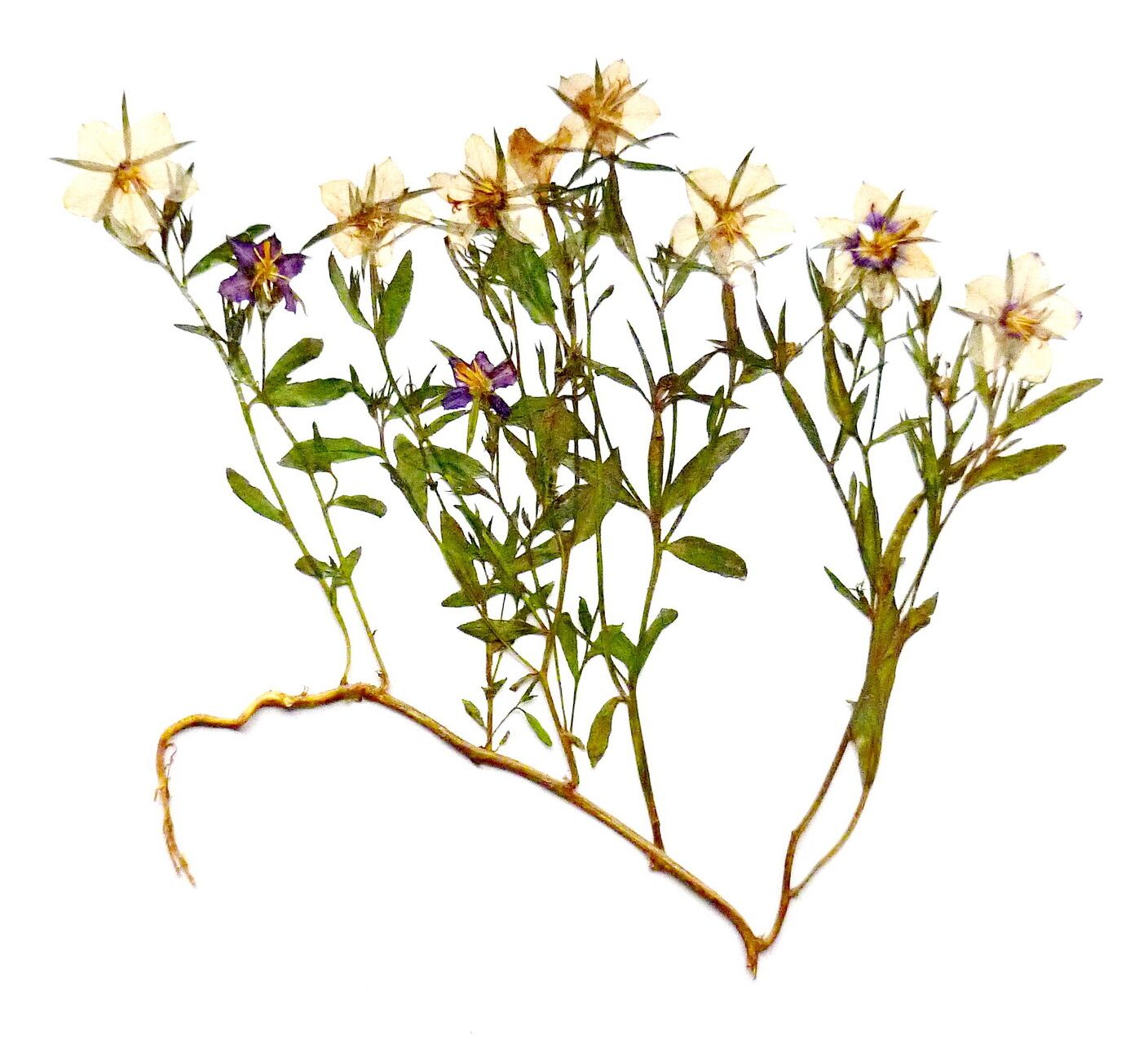
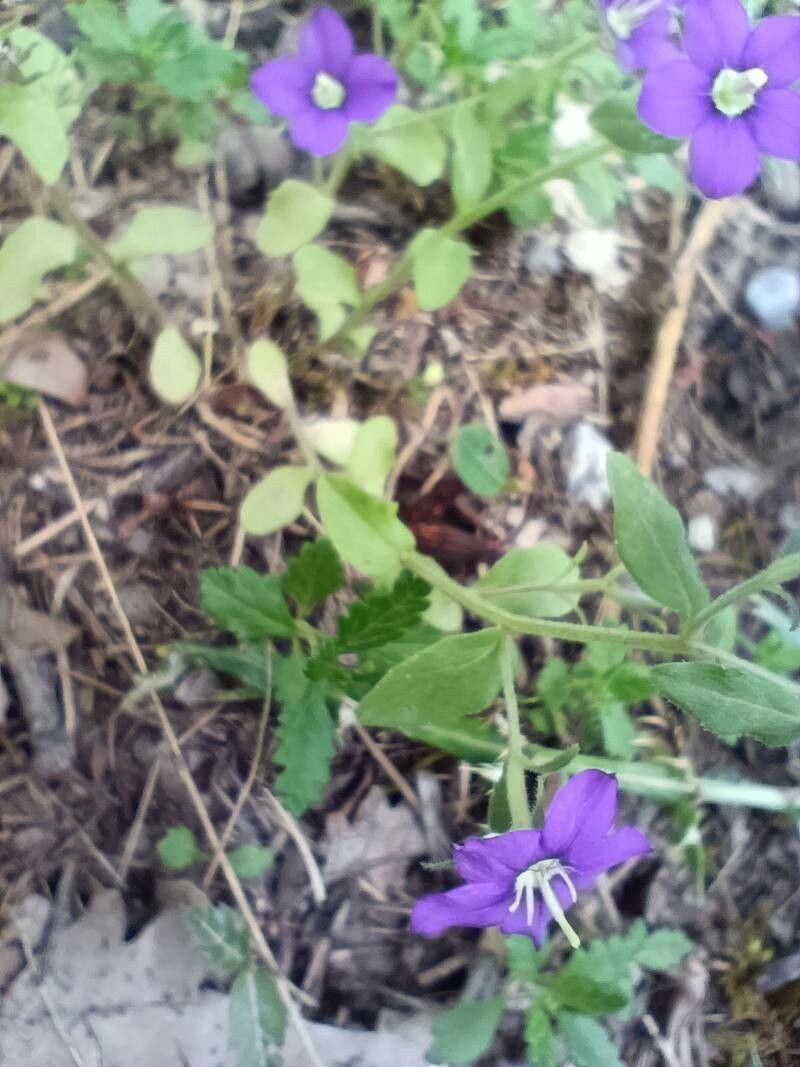
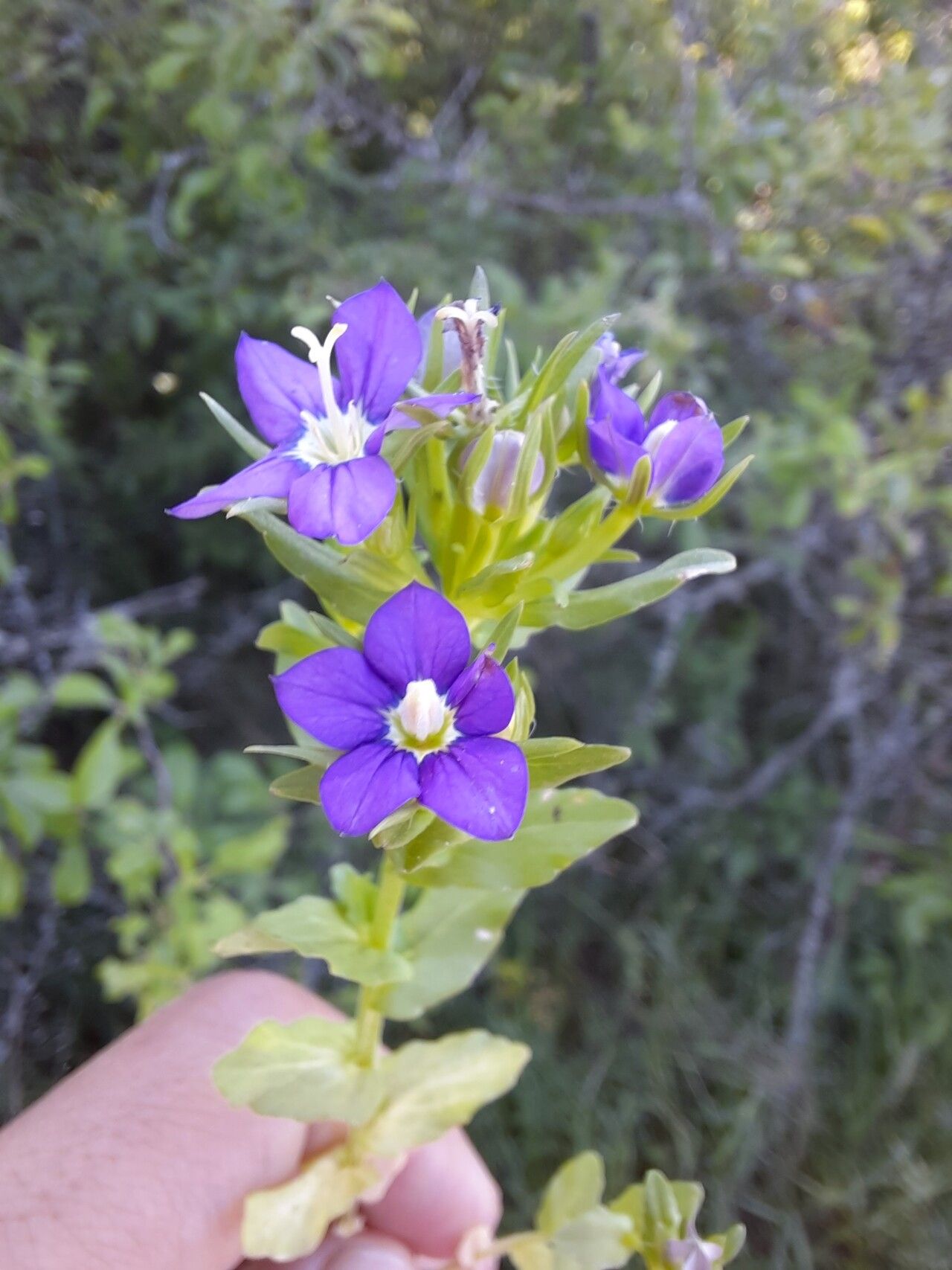
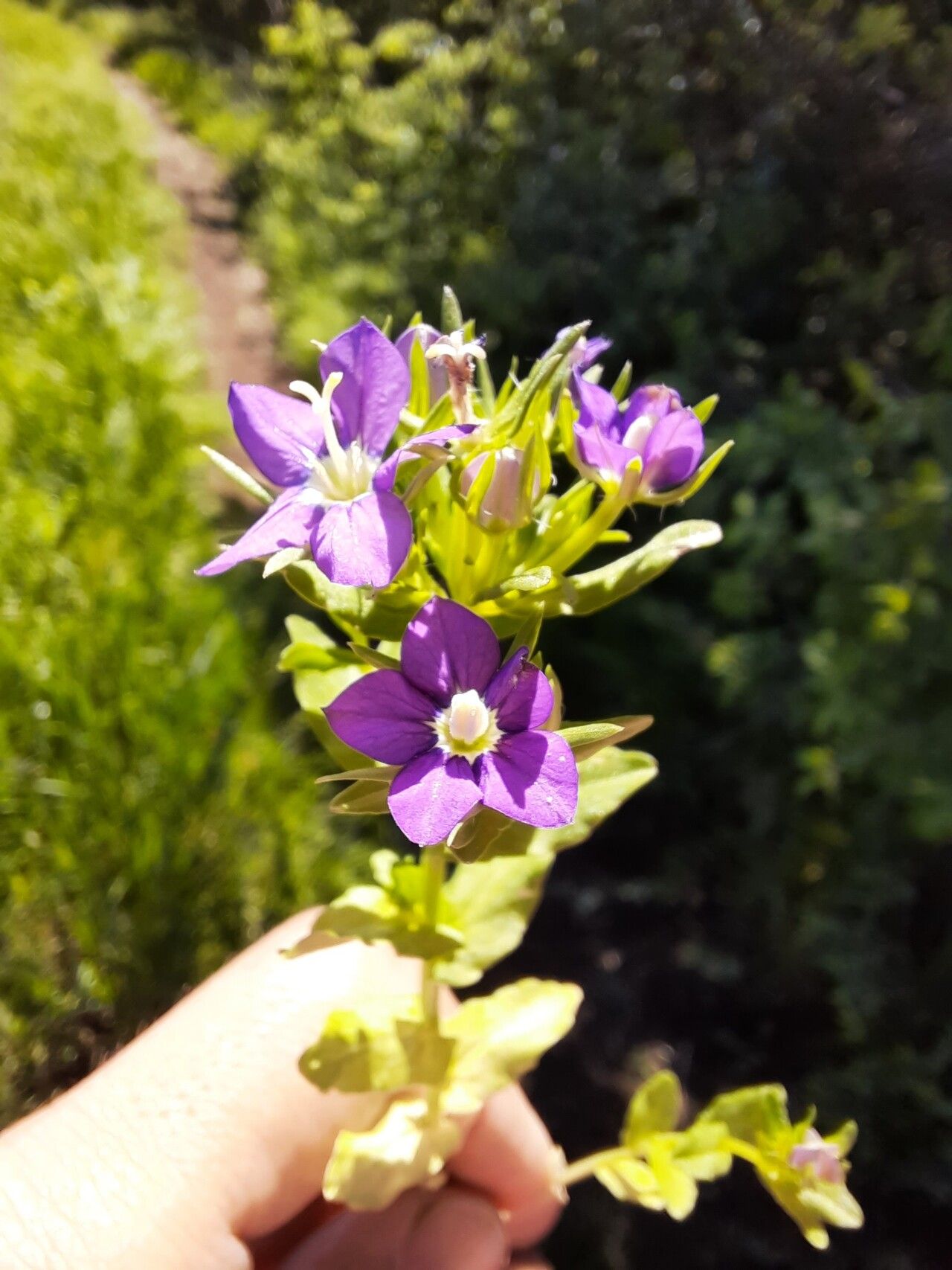
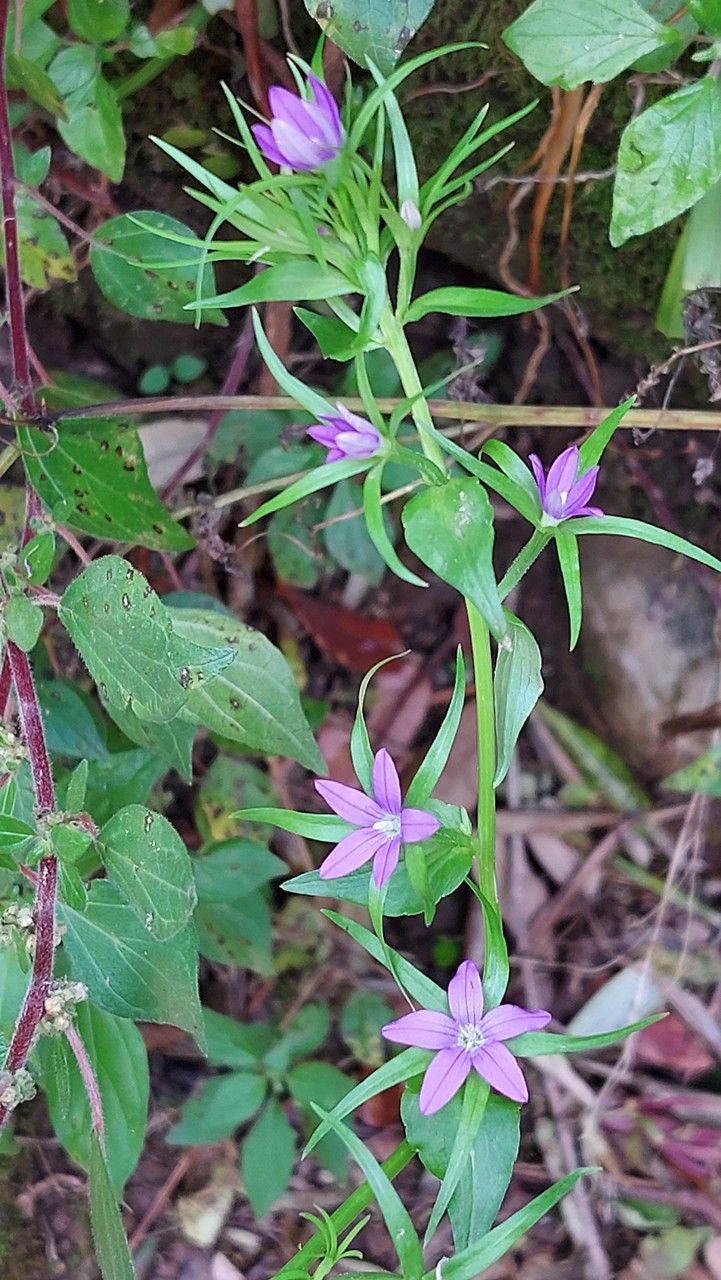
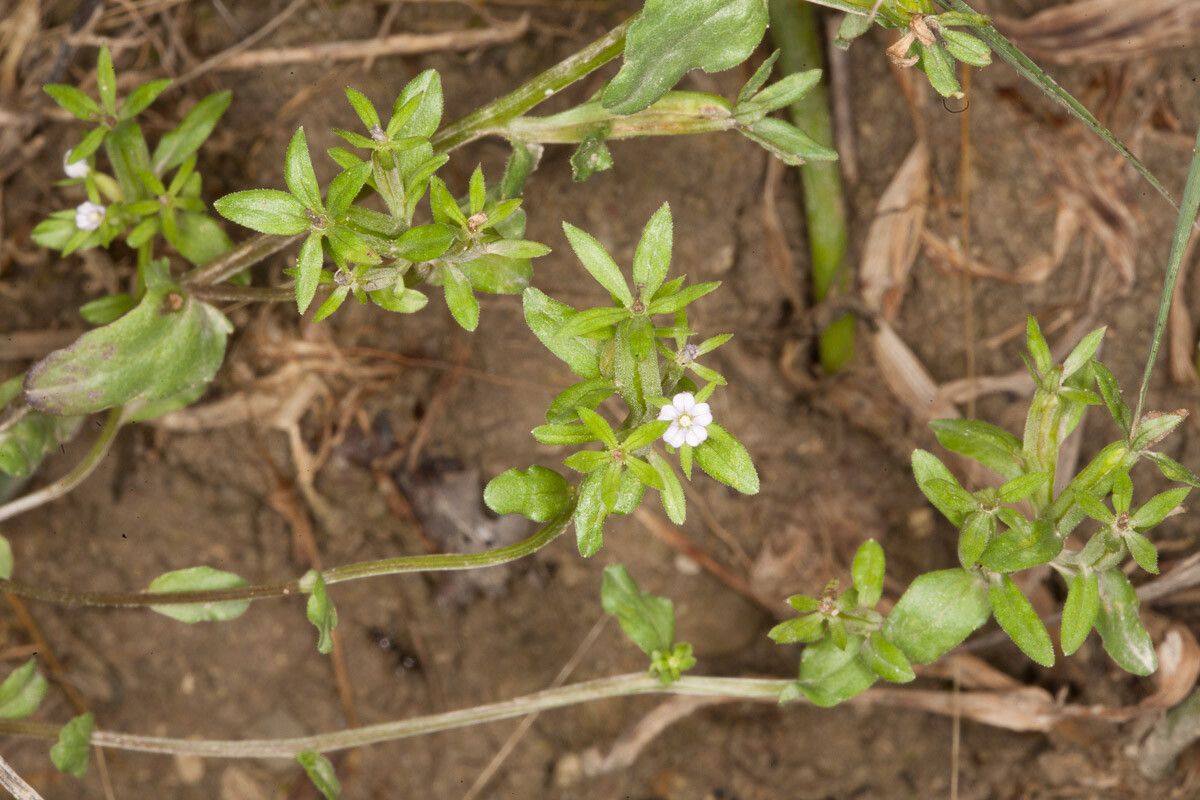
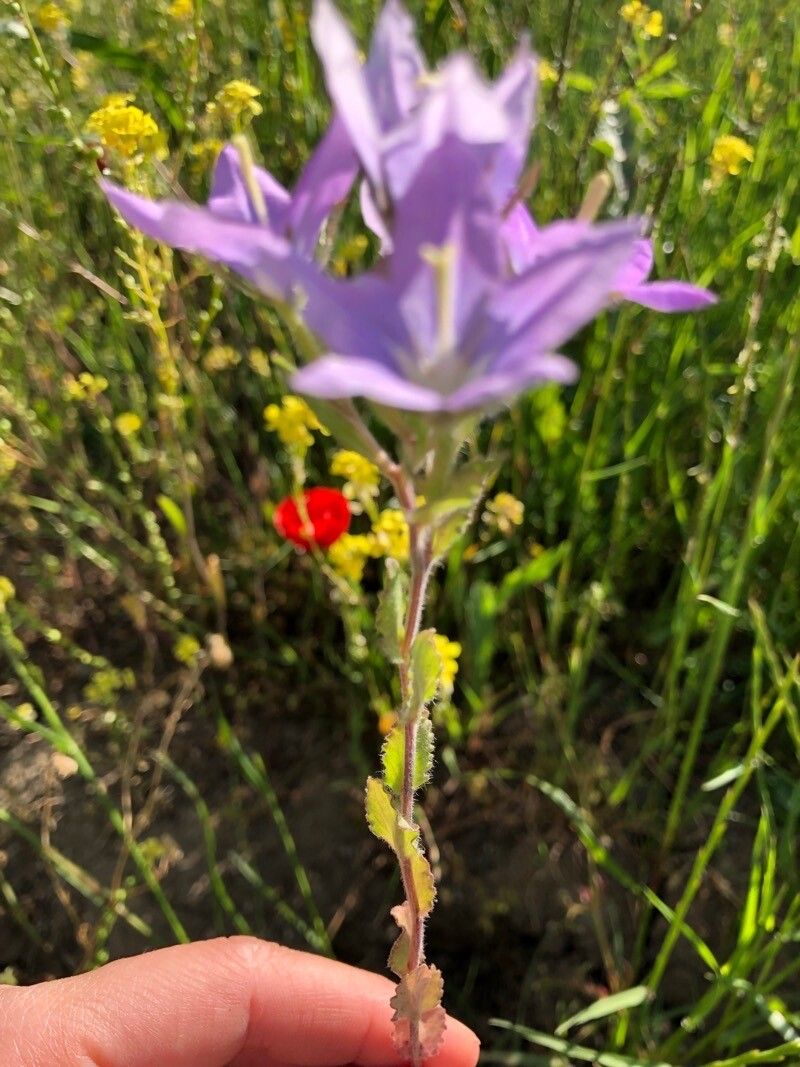
Legousia speculum-veneris, commonly known as Venus' looking glass, is a delicate annual plant belonging to the Campanulaceae family. Native to Europe, it thrives in meadows, grasslands, and open woodlands. The plant can grow up to 30 cm tall and features slender stems with small, alternately arranged leaves.
The most striking characteristic of Legousia speculum-veneris is its bell-shaped flowers, which can be blue-purple, pink, or white, each with a distinctive white center resembling a mirror or "looking glass," hence the common name.
Venus' looking glass blooms from May through August and attracts bees and butterflies with its nectar-rich flowers. Its visually appealing blooms make it a popular ornamental plant for gardens.
In traditional medicine, Legousia speculum-veneris has been used to treat various ailments, including coughs, colds, and fevers, due to its anti-inflammatory properties.
Overall, Legousia speculum-veneris is an attractive wildflower that not only enhances the beauty of its surroundings but also offers medicinal benefits, making it valuable both aesthetically and health-wise.
European venus's-looking-glass has strong disease resistance and is generally not prone to illnesses. It can, however, be vulnerable to pests and diseases present in its environment. Such infections are typically mild. Regarding care, this plant needs moderate maintenance. It should be trimmed regularly to preserve an attractive appearance and healthy growth. Applying fertilizer can also encourage flowering. European venus's-looking-glass is appropriate for anyone with outdoor space, like a garden or patio, and does not demand extensive gardening experience. When grown indoors, it may require additional attention.
How to keep Legousia Speculum Veneris.
Light
European venus's-looking-glass thrives with plenty of unfiltered natural light. Coming from areas where full sun is typical, steady sunlight supports its health and growth. Insufficient light can restrict its development, while excessive light may cause leaf color to fade or leaves to burn.
Water
Native to the Mediterranean regions, the European venus's-looking-glass thrives in well-drained soils and requires weekly watering to stay optimally hydrated. This annual herb flourishes in dry summers and wet winters, relying on seasonal rains to influence its growth cycle, which makes it moderately drought-tolerant.
Temperature
European venus's-looking-glass grows best in temperatures from 68 to 95 °F (20 to 35 ℃). It is native to temperate regions and prefers milder climates. In colder seasons, consider shielding the plant from frost, and in hotter months provide ample shade.
Fertilizer
When most of the European venus's-looking-glass blooms have opened fully, resume fertilizing. At the time when the flowers are at their peak, start fertilizing again about once every three to four weeks, depending on the weather. Then, when the European venus's-looking-glass begins to produce fewer new blooms, stop fertilizing; there's no reason to fertilize if the plant can no longer produce additional blooms.
Pruning
The European Venus's-looking-glass is a plant characterized by its bell-shaped blue to purple flowers. To encourage optimal growth and blooming, it's beneficial to prune the plant in early spring. When pruning, use sharp tools to make clean cuts, avoid removing too much of the plant, and ensure there is good airflow around it. This will help reduce the risk of disease and maintain the plant's natural shape.
Botanical profile.
- Plant Type
- Herb
- Life Cycle
- Annual, Perennial
- Genus
- Legousia
- Family
- Campanulaceae
- Hardiness Zone
- 6
- Mature Height
- 10 cm to 40 cm
- Mature Spread
- 10 cm
- Leaf Color
- Green
- Leaf Type
- Semi-evergreen
- Flower Color
- Violet, Purple, Blue, Mauve
- Flower Size
- 1.52 cm to 2.54 cm
- Bloom Time
- Late spring, Early summer, Mid summer
- Planting Time
- Spring
- Harvest Time
- Mid summer, Late summer, Early fall
Other names.
Reader questions.
How should I water my European venus's-looking-glass plant to make sure it stays healthy?
To water European venus's-looking-glass, you have multiple options. You can use a garden hose with a spray nozzle, a watering can, or any other common watering tool. This plant is not too particular about the type of water it receives, whether it's rainwater, tap water, or filtered water. However, it's best to avoid watering this plant from overhead as it can damage the leaves and flowers and make it more prone to disease. Instead, setting up a drip irrigation system works well for European venus's-looking-glass as it ensures even and direct watering of the soil. If you have a container-grown plant, you can follow a similar approach but change the tools you use. A cup, watering can, or tap water can be used to water the soil directly.
When should I fertilize my European Venus's-looking-glass plant?
European venus's-looking-glass experiences rapid growth in the beginning of the growing season, after the threat of frost has passed. It is best to fertilize the plant during this time, specifically when planting it in the ground or in planters. This initial dose of fertilizer will be sufficient until later in the year when the plant is fully blooming. Once the plant is in full bloom, it is time to resume fertilizing every three to four weeks, depending on the weather. However, when the plant starts producing fewer blooms, it is no longer necessary to fertilize as it cannot produce any more blooms.
What are the sunlight requirements for European venus's-looking-glass?
European venus's-looking-glass requires full sun, meaning it needs above 6 hours of sunlight daily. Observing how sunlight moves through your garden helps in choosing spots that balance light and shade, ensuring the plants' well-being. This plant thrives in its native environment with ample unfiltered, natural light, influencing its health and growth positively. Insufficient light can hamper its development, while excessive exposure can lead to issues like faded leaf color or leaf burn.
What is the ideal temperature range for European venus's-looking-glass?
European venus's-looking-glass thrives best in temperatures ranging from 68 to 95 °F (20 to 35 °C). Originating from temperate regions, it prefers milder climates. Although the plant is highly cold-tolerant, it's important to protect it from extreme weather. During the colder months, ensuring the plant is sufficiently protected from frost is advisable, whereas, in the hotter months, providing ample shade is beneficial to its growth. Before the onset of the first freeze in autumn, it is also recommended to water the plant generously to keep the soil moist, which helps in preventing drought and water scarcity during the winter and early spring months.
What should I do if I give too much or too little water to my European venus's-looking-glass?
To prevent underwatering European Venus's looking glass, the solution is simple: water it more regularly when you notice it lacking moisture. However, overwatering can be a more serious problem, possibly leading to diseases, decline, and death if not detected early. To avoid this, choose a suitable location with ample sunlight to dry the soil and proper drainage to prevent waterlogging. When dealing with an overwatered Venus's looking glass in a pot, consider transferring it to a new pot with good soil drainage and enough drainage holes. When repotting, use loose soil and an efficiently draining pot.
How should I fertilize my European venus's-looking-glass plant?
Applying fertilizer to European venus's-looking-glass may vary depending on the type of fertilizer you have. However, here are some general tips to follow. When first planting European venus's-looking-glass, mix the recommended amount of fertilizer into the soil before planting and water the plant. For subsequent fertilizing with pellet fertilizers, mix the pellets into the top inch of soil around the outer edge of the plant where the roots are. Ensure thorough watering initially and then water regularly thereafter. For other fertilizers, mix them into a watering can and apply them like regular watering. Follow any instructions on the fertilizer packaging for consistency. If you prefer a regular schedule, aim to fertilize every three to four weeks.
How can artificial lighting be used for indoor European venus's-looking-glass plants?
Indoor plants like the European venus's-looking-glass require adequate lighting for optimal growth, particularly when natural sunlight is insufficient. Artificial lights, such as LED lights, are beneficial as they can be customized to provide specific wavelengths needed by plants. For full sun plants, 30-50W/sq ft of artificial light is advised, partial sun plants need 20-30W/sq ft, while full shade plants require 10-20W/sq ft. The light source should be placed 12-36 inches above the plant, mimicking natural sunlight, and most plants need 8-12 hours of light per day.
How does European venus's-looking-glass react to extremely low temperatures?
European venus's-looking-glass is notable for its considerable cold tolerance, capable of withstanding winter temperatures above -25°C. However, if temperatures drop below this threshold, there might not be noticeable impact during the winter, but issues could arise with the plant's ability to sprout in spring. To address this, it is recommended to remove any parts of the plant that have failed to sprout as spring arrives, ensuring the plant remains healthy and free of potentially damaged sections.
How much water does my European venus's-looking-glass need?
European venus's-looking-glass needs regular watering throughout the growing season. In the beginning of spring, water this plant once a week. As the season progresses and it gets warmer, you may need to increase watering to two to three times a week. However, be careful not to exceed this rate as it can harm the plant. Regardless of watering frequency, make sure the soil remains moist but not wet. Watering European venus's-looking-glass in a pot requires more frequent watering as the soil can dry out faster. Generally, water a potted plant a few times a week compared to once a week for plants in the ground.
Why should I add fertilizer to my European venus's-looking-glass plant?
Plants, including the European Venus's-looking-glass, require nutrients to survive and gardeners are aware of this. If the plant doesn't receive enough food, it will die soon after flowering. To keep the European Venus's-looking-glass thriving and producing beautiful flowers throughout the blooming season, it is important to provide the right type and amount of nutrients. Fertilizer is especially beneficial as it helps the plant develop a healthy root system. Since the European Venus's-looking-glass has a delicate root system, fertilizing at planting is crucial for establishing a sturdy root structure that provides stability and supports impressive flowering. Properly timed fertilization can also significantly prolong the plant's flowering period.
What symptoms indicate light deficiency in European venus's-looking-glass?
Symptoms of light deficiency in European venus's-looking-glass when grown indoors include smaller new leaves, leggy or sparse growth, faster leaf drop, slower or no new growth, lighter-colored new leaves, and chlorosis. Excessive sunlight can also lead to conditions such as sunscald, leaf curling, wilting, leaf scorching, and chlorosis, indicating the plant's discomfort due to inappropriate light exposure.
What should I do if my European venus's-looking-glass experiences high temperatures?
European venus's-looking-glass struggles with high temperatures exceeding 35°C, which can halt its growth and make it more prone to rot. To manage this, first, trim away any parts of the plant that are sunburned or have dried up. Then, move the plant to a cooler location where it can enjoy shade during the intense midday and afternoon sun. Utilizing a shade cloth can also be effective in creating the necessary shade. Additionally, watering the plant in the morning and evening can help maintain the moisture level of the soil, providing a better growing environment for the plant under high temperature conditions.