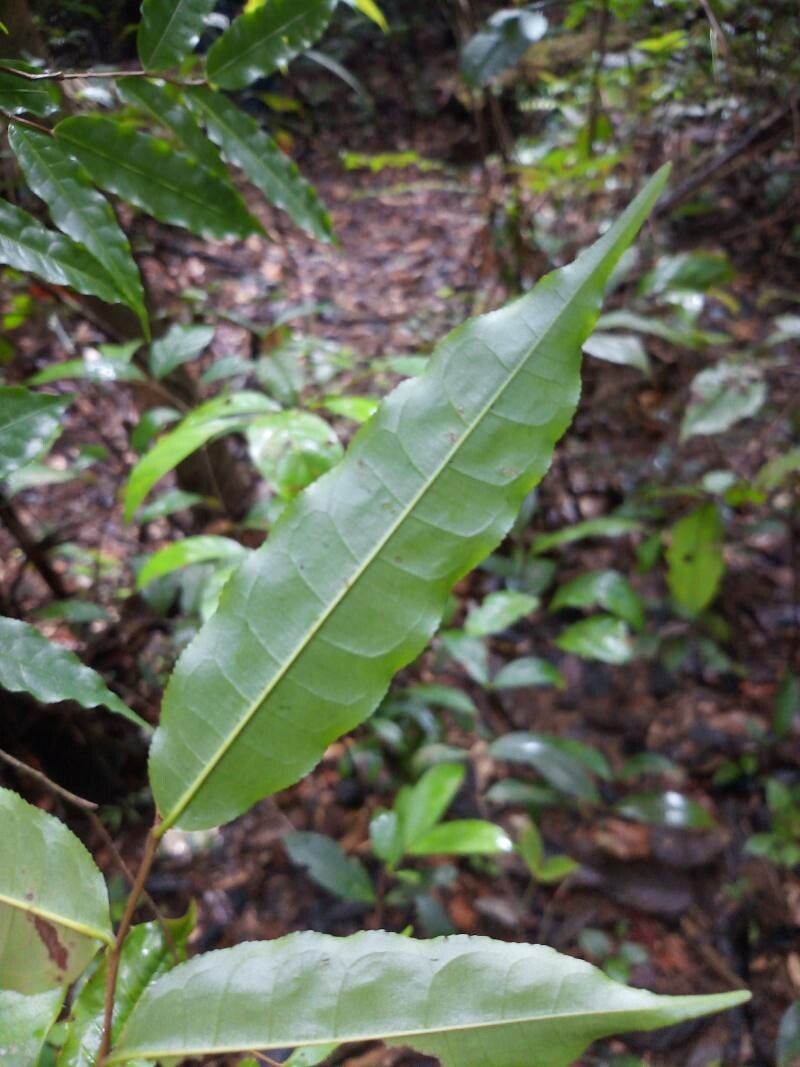
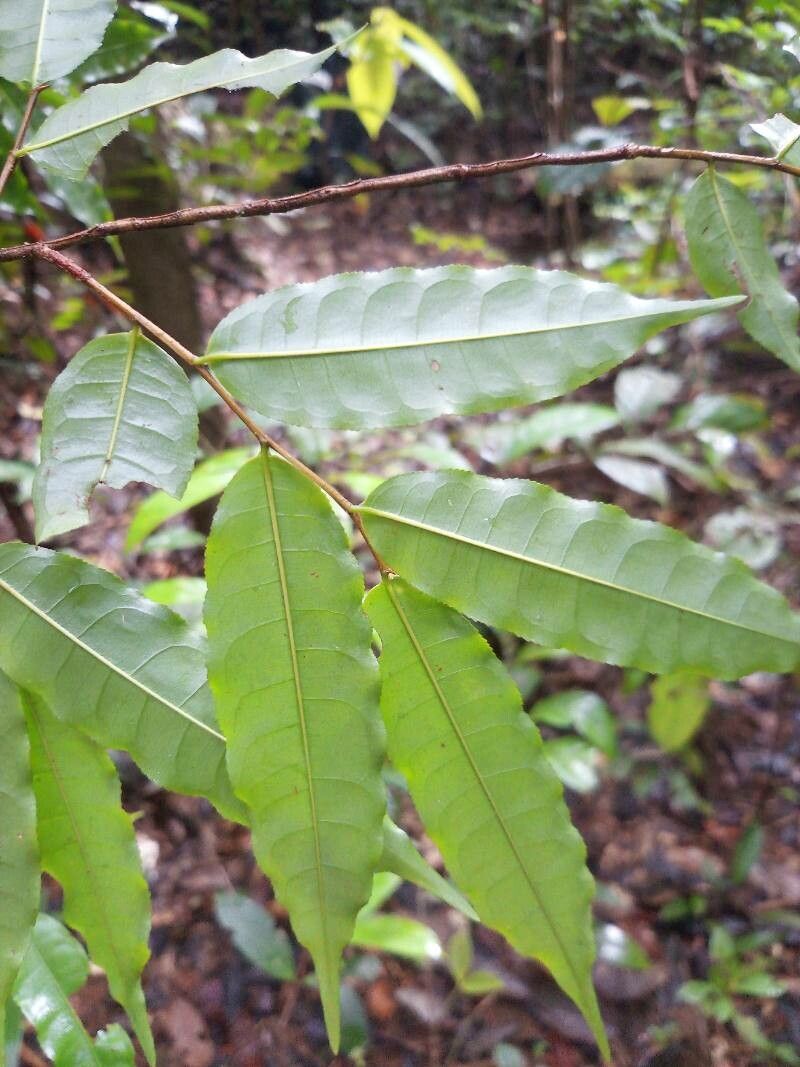
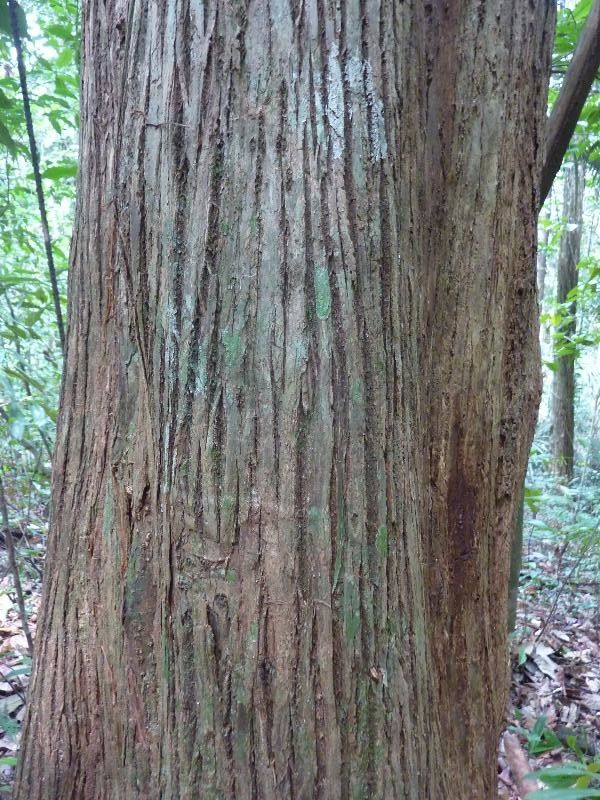
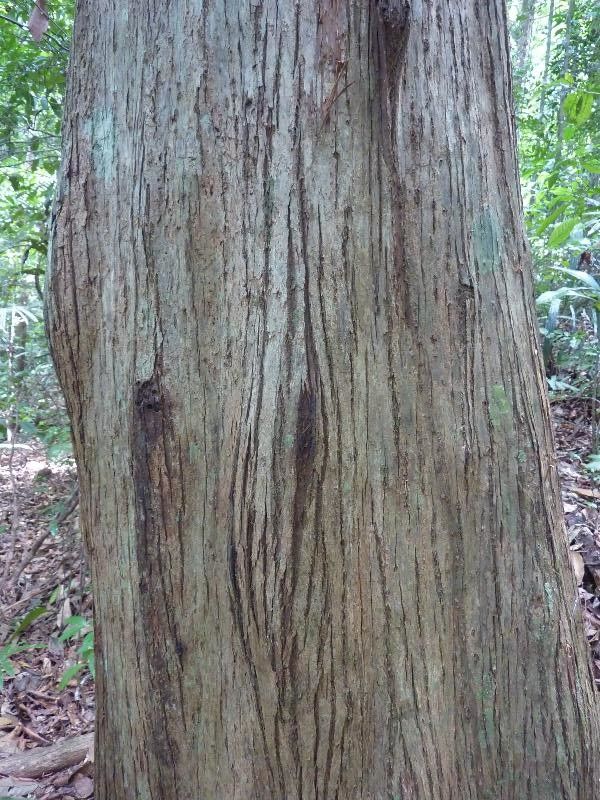
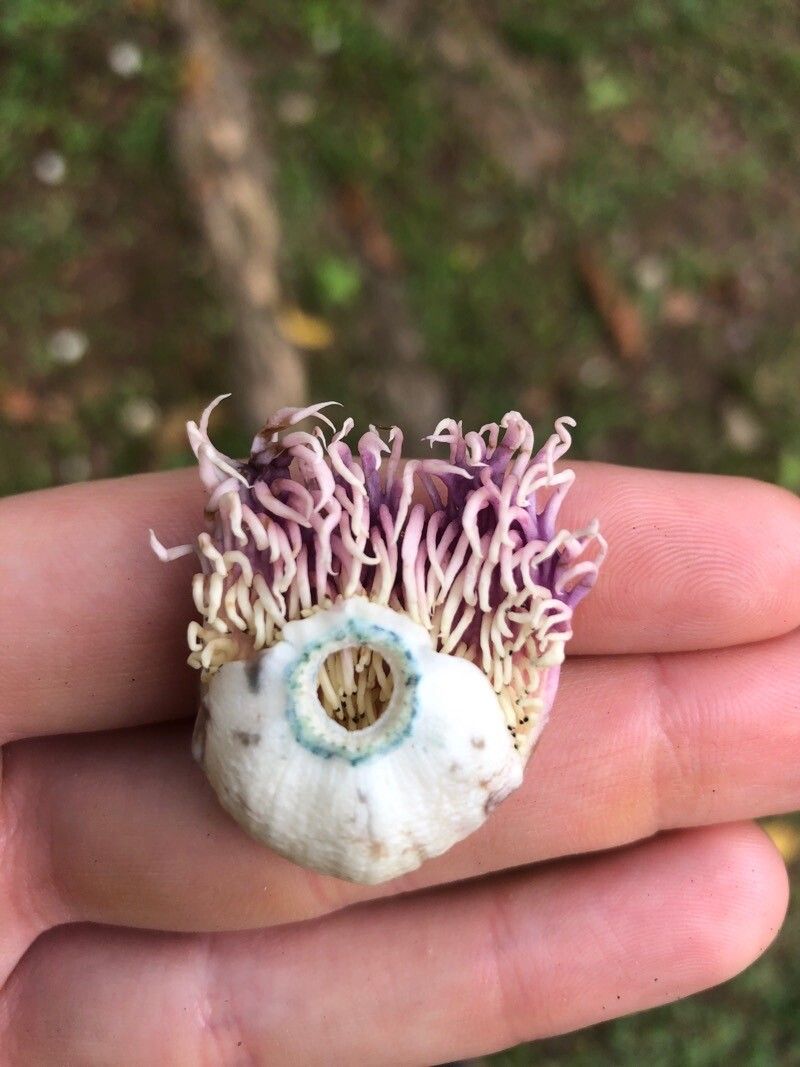
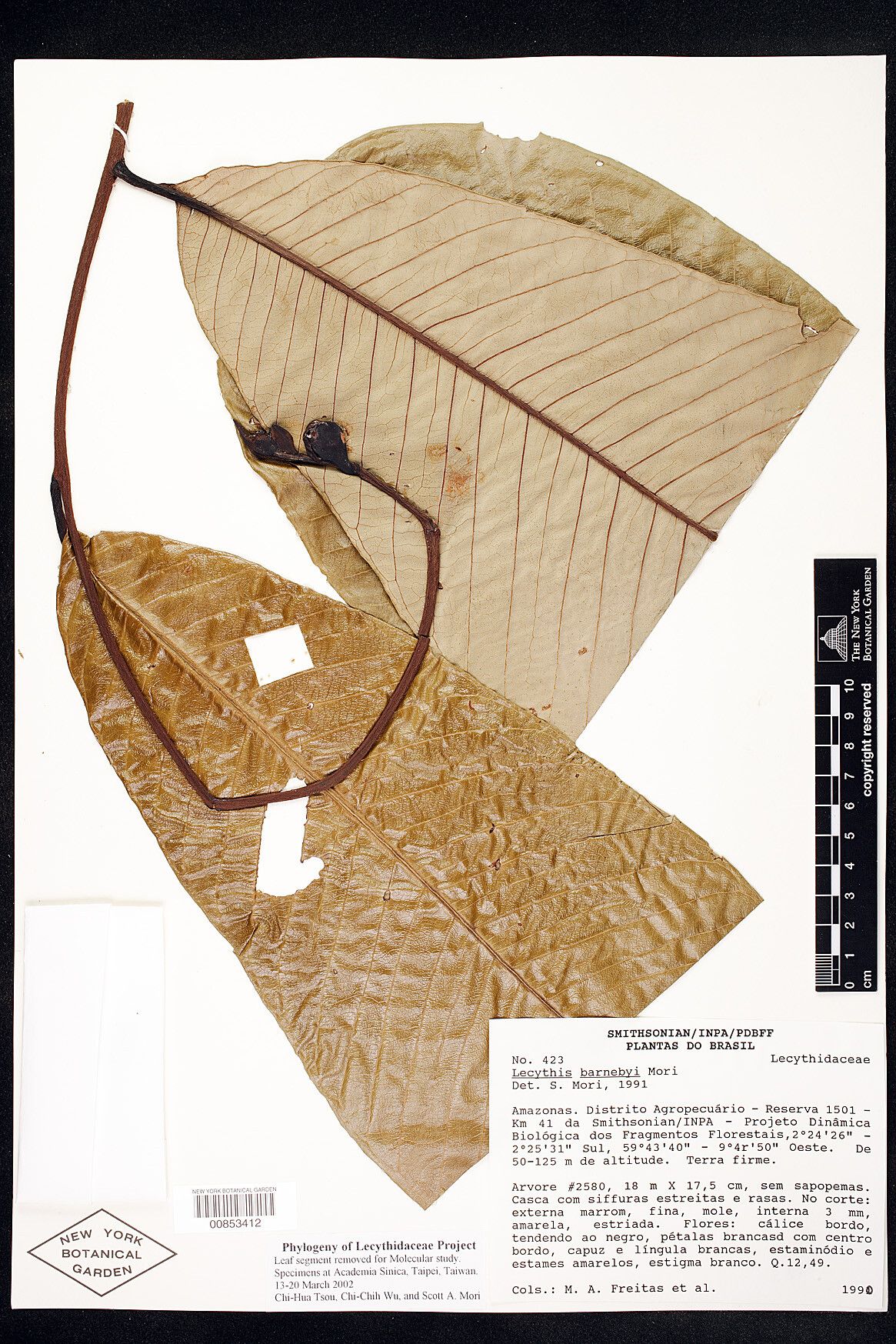
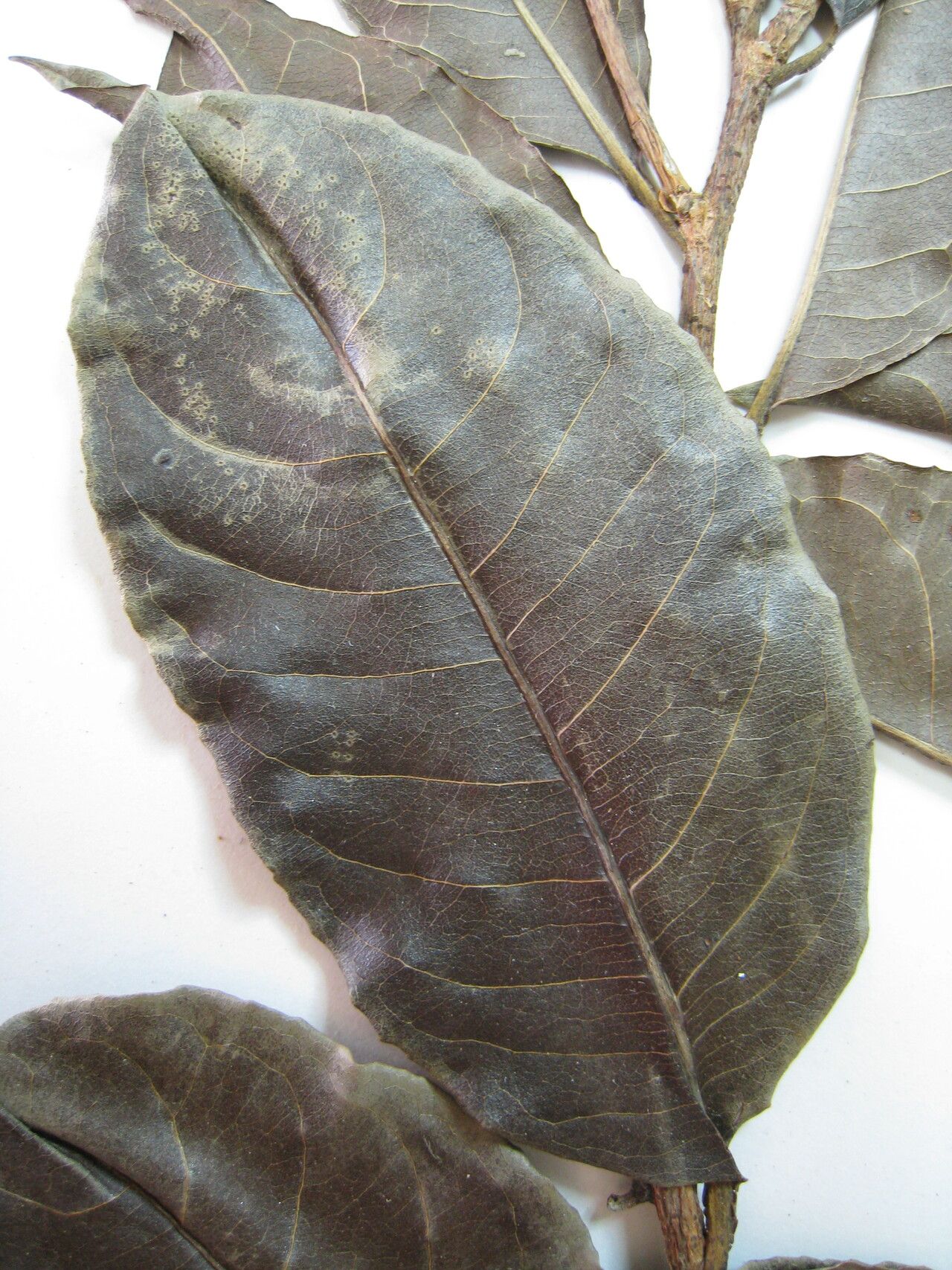
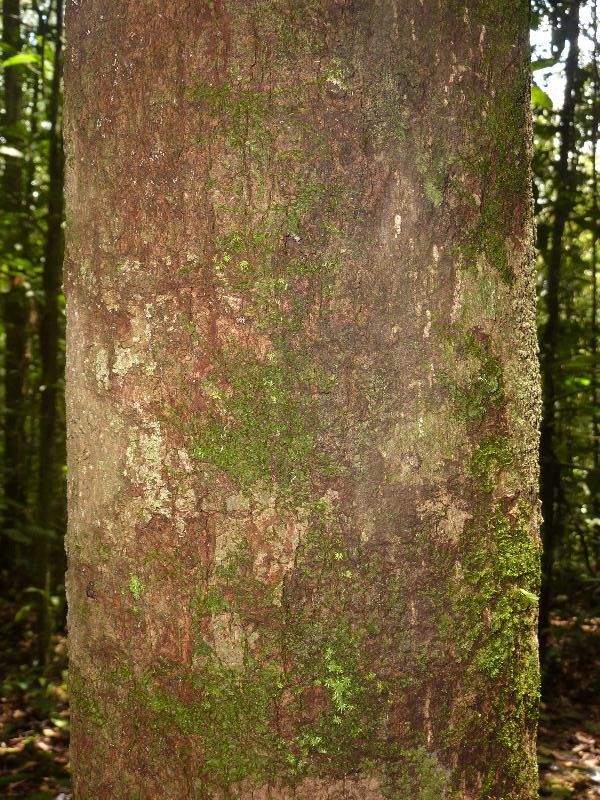
Lecythis zabucajo, commonly known as the Paradise Nut or Monkey Pot, is a large tree species belonging to the Lecythidaceae family. Native to South America, it thrives in countries such as Brazil, Colombia, and Venezuela. This tree can reach impressive heights of up to 45 meters and has a distinctive broad crown of leaves at its top.
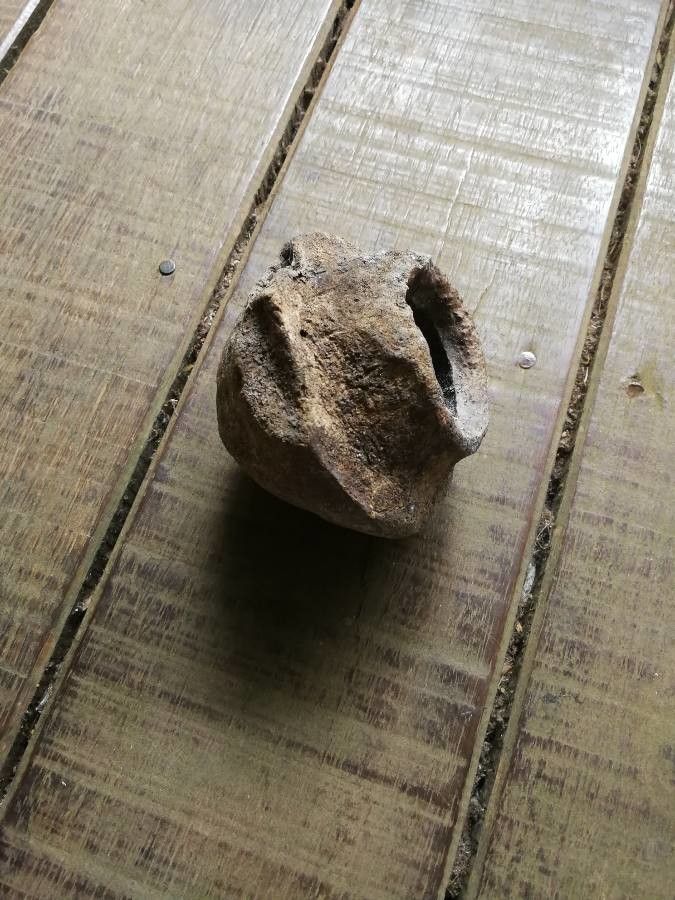
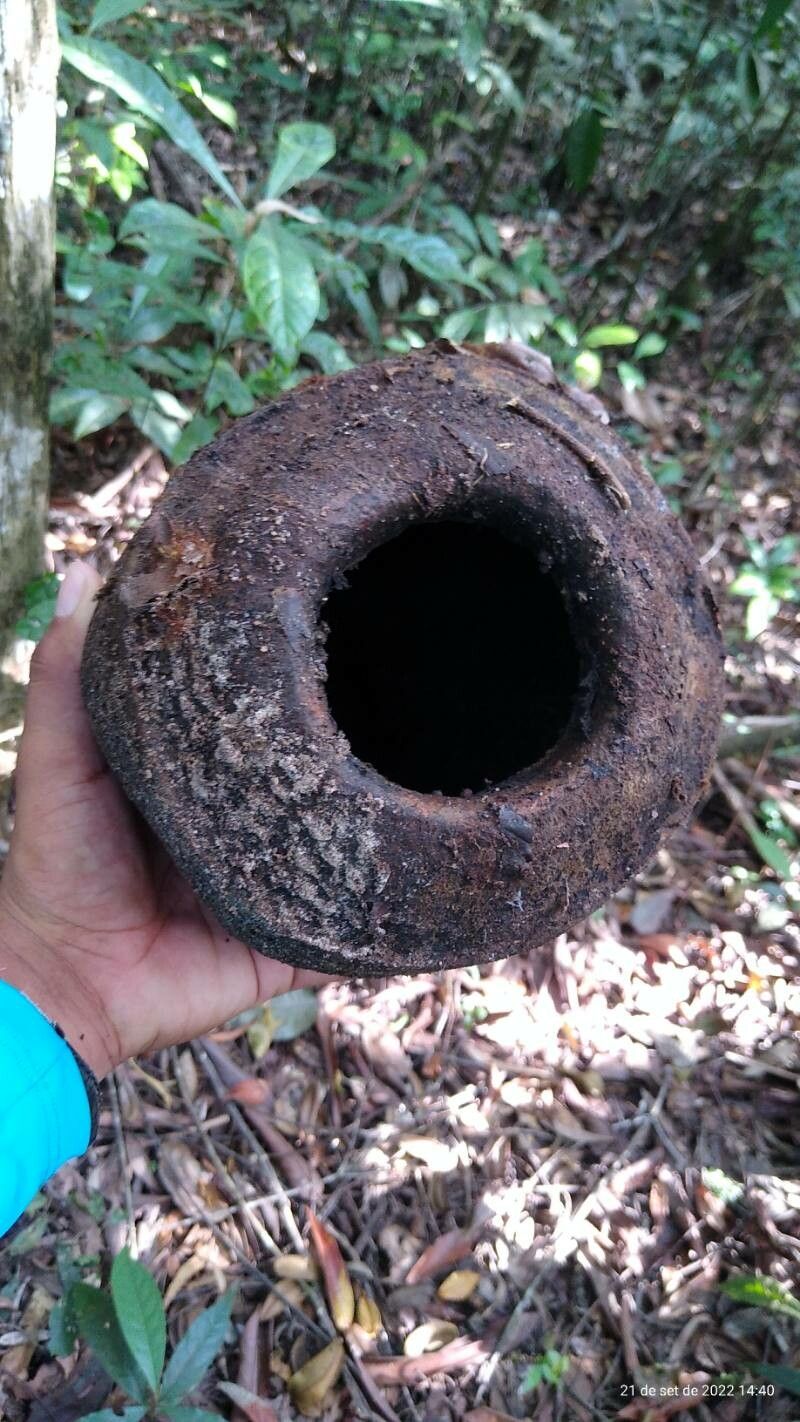
The Paradise Nut tree produces large, woody fruits shaped like pots or bowls, which can grow up to 25 centimeters in diameter. Monkeys often use these fruits for storing food. The nuts inside are edible but encased in hard shells that require cracking before consumption.
The wood of Lecythis zabucajo is highly prized for its durability and resistance to decay, making it valuable for crafting furniture, boats, and musical instruments such as drums and maracas.
In traditional South American medicine, various parts of the Paradise Nut tree have been used to treat ailments like fever, coughs, and colds.
Ecologically, Lecythis zabucajo plays a crucial role in its ecosystem. It provides essential food sources for animals like monkeys and helps maintain soil fertility through leaf litter decomposition when it sheds its leaves annually during dry seasons.
Overall, this plant species holds significant cultural importance and provides substantial ecological benefits, making it a vital part of South American biodiversity conservation efforts today.
Paradise nut has strong resistance to disease and is generally not likely to suffer from illnesses. In terms of care, this plant is fairly low maintenance. When grown outdoors it needs only light watering, and larger specimens typically do not require pruning. Smaller plants, however, should be pruned after they have finished blooming. Paradise nut is well suited to anyone with outdoor space, such as a garden or deck, and does not demand much experience in plant care.
How to keep Lecythis Zabucajo.
Light
Paradise nut comes from open habitats, like sunlit meadows and forest edges, which supply abundant light. It grows best in Full Sun but can tolerate Partial Sun, adapting well to a range of sunlight conditions.
Temperature
Paradise nut comes from tropical areas, where the climate is usually warm and humid. Therefore, it is well suited to high temperatures and moisture. It does not tolerate sudden temperature swings and favors a steady thermal environment, so avoiding temperature fluctuations indoors is important. It typically cannot endure cold and needs warmer conditions to grow. If the surrounding temperature becomes too low, the plant may stop growing or even die.
Fertilizer
Use organic fertilizers (e.g., fish emulsion, compost) rather than chemical ones for Paradise nut. Give young plants higher nitrogen and phosphorus in spring. Incorporate compost or fertilizer before or after planting. For mature plants, supplement with a balanced or deficiency-specific fertilizer in spring. Nutrient deficiency leads to small leaves, short branches, yellow or bronze foliage, acidic fruits, premature fruit drop, and splitting.
Botanical profile.
- Plant Type
- Tree
- Life Cycle
- Perennial
- Genus
- Lecythis
- Family
- Lecythidaceae
- Hardiness Zone
- 10-12
- Mature Height
- 20.12 m to 39.93 m
- Mature Spread
- 14.94 m to 24.99 m
- Leaf Color
- Dark Green
- Leaf Type
- Evergreen
- Flower Color
- White, Cream
- Flower Size
- 3.05 cm to 5.08 cm
- Bloom Time
- Late spring, Early summer, Mid summer
- Planting Time
- Spring, Summer
- Harvest Time
- Late summer, Early fall, Mid fall
- Native Area
- Bolivia, Venezuela, Peru, Guyana, Ecuador
Other names.