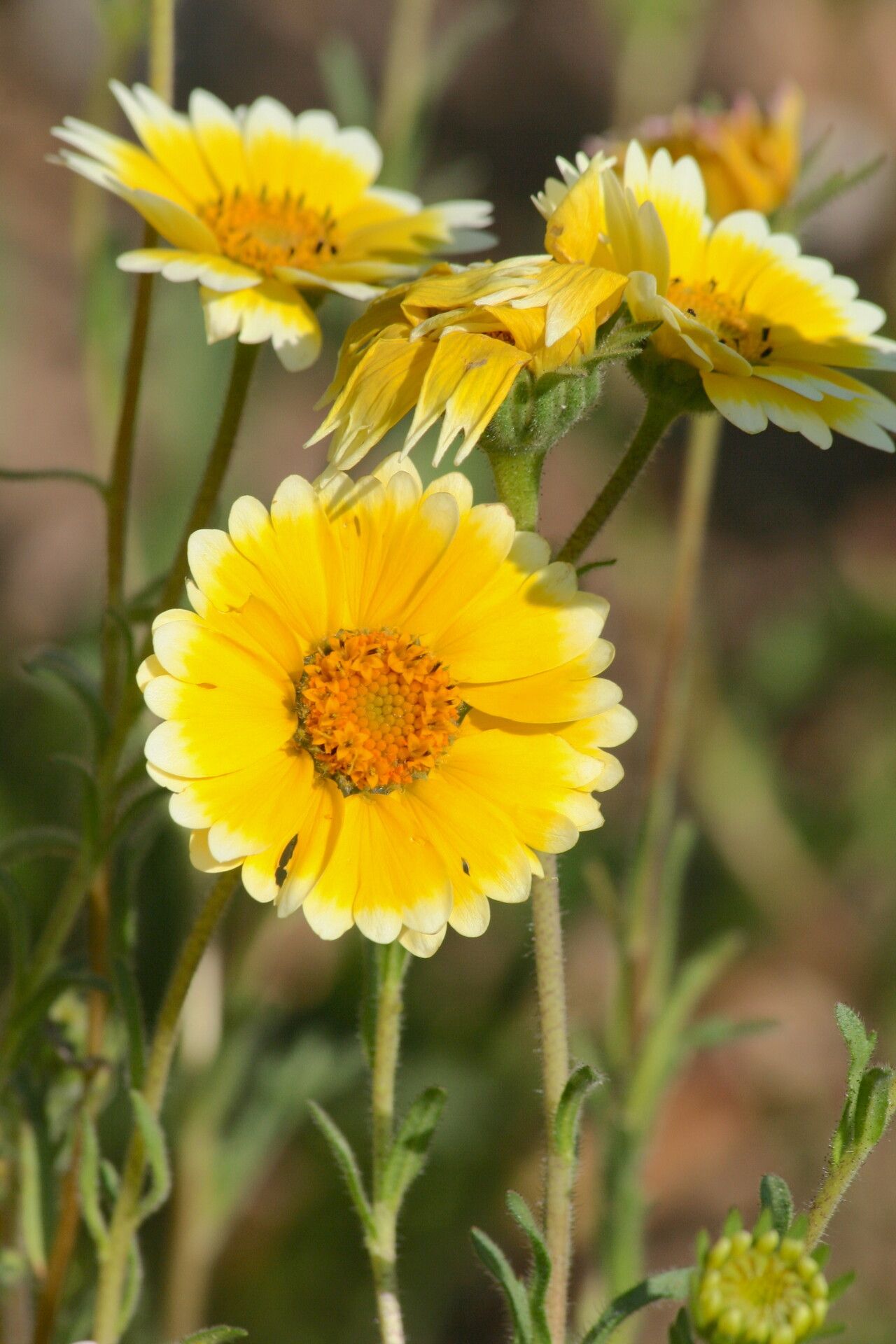
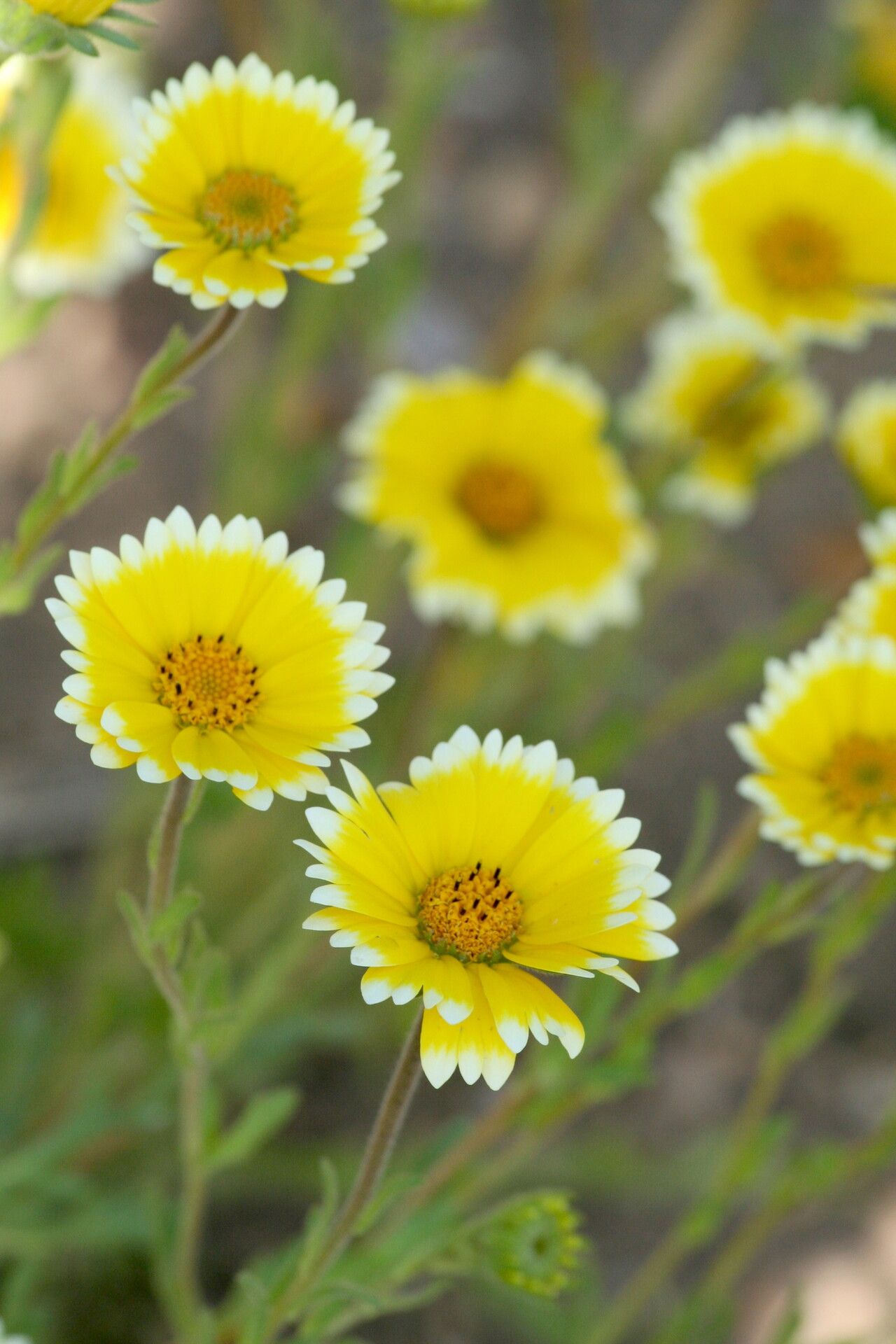
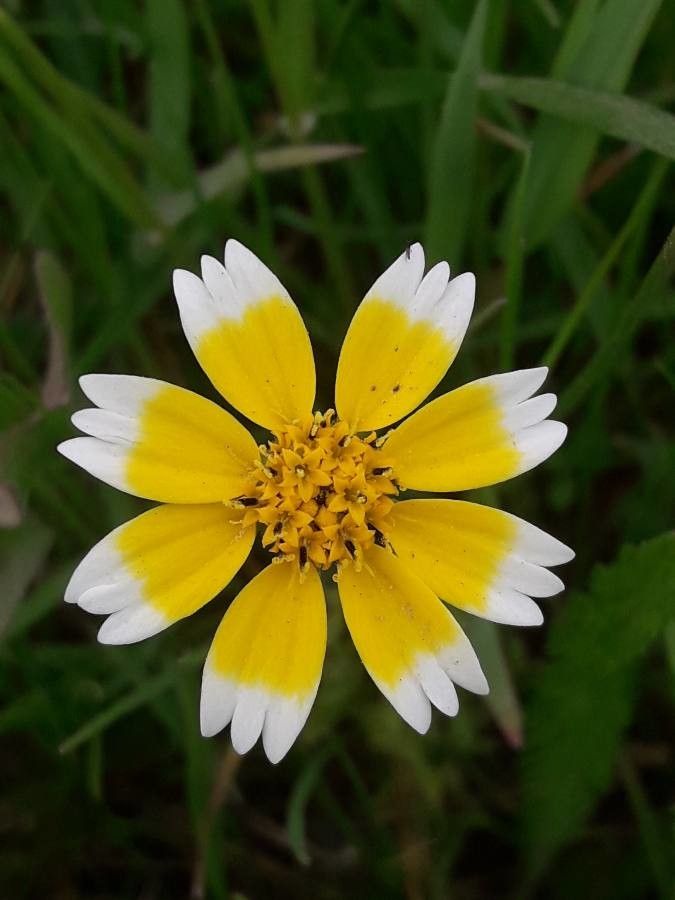
Layia platyglossa, commonly called coastal tidytips, is an annual wildflower of the family Asteraceae, native to western North America.
Coastal Tidytips has strong disease resistance and is typically not vulnerable to illnesses. Still, it can be affected by pests and diseases that exist in its vicinity. These outbreaks are generally mild. Regarding upkeep, this plant needs a moderate amount of care. It should be pruned on a regular basis to preserve its appearance and encourage healthy growth. Applying fertilizer can also aid in boosting its flowering. Coastal Tidytips is appropriate for anyone with outdoor areas, such as a garden or patio, and does not demand extensive gardening experience. It may need more attention when cultivated indoors.
How to keep Layia Platyglossa.
Light
Coastal Tidytips does best in strong sunlight throughout the day, which is essential for its optimal growth. Strong light promotes the production of its attractive flowers. However, insufficient sunlight can limit its growth and flowering. Reflecting its native habitat, this species is well adapted to withstand harsh, intense solar exposure.
Water
Coastal Tidytips thrives in coastal scrub and grassland environments, preferring well-drained soil and showing a moderate tolerance to drought. It should be watered weekly, in alignment with its natural rainfall patterns. As an annual herbaceous plant, Coastal Tidytips grows best outdoors, benefiting from adequate moisture and sunlight during its active growing season.
Temperature
Coastal Tidytips is native to temperate climates and thrives at temperatures between 68 and 95 °F (20 and 35 °C). To ensure optimal growth, maintain those temperature conditions year-round, adjusting heating or shading as necessary.
Fertilizer
When most of Coastal Tidytips' blooms have fully opened, resume fertilizing. At the peak of blooming, feed the plant every three to four weeks, weather permitting. Once Coastal Tidytips begins producing fewer new blooms, discontinue fertilizing; there is no need to feed it when it can no longer set additional flowers.
Pruning
Coastal Tidytips is an annual wildflower known for its bright yellow and white blooms. To maintain its health and appearance, prune the plant by deadheading any spent flowers and trimming any leggy growth. This should be done from early to late spring. These practices encourage bushier growth, improve air circulation, and reduce the risk of disease, ensuring a vibrant display throughout the growing season.
Botanical profile.
- Plant Type
- Herb
- Life Cycle
- Annual
- Genus
- Layia
- Family
- Asteraceae
- Hardiness Zone
- 3-10
- Mature Height
- 46 cm
- Mature Spread
- 46 cm
- Leaf Color
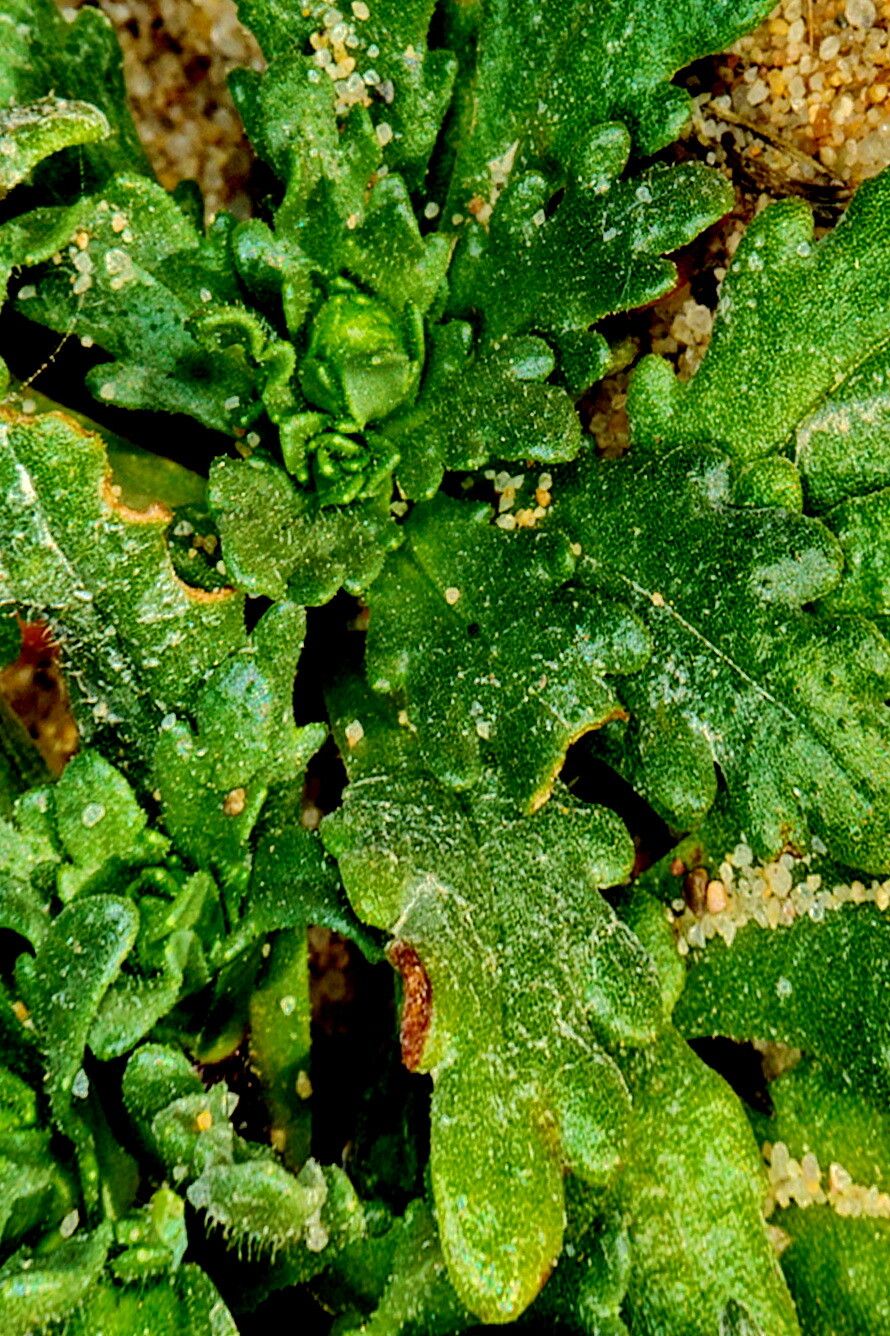
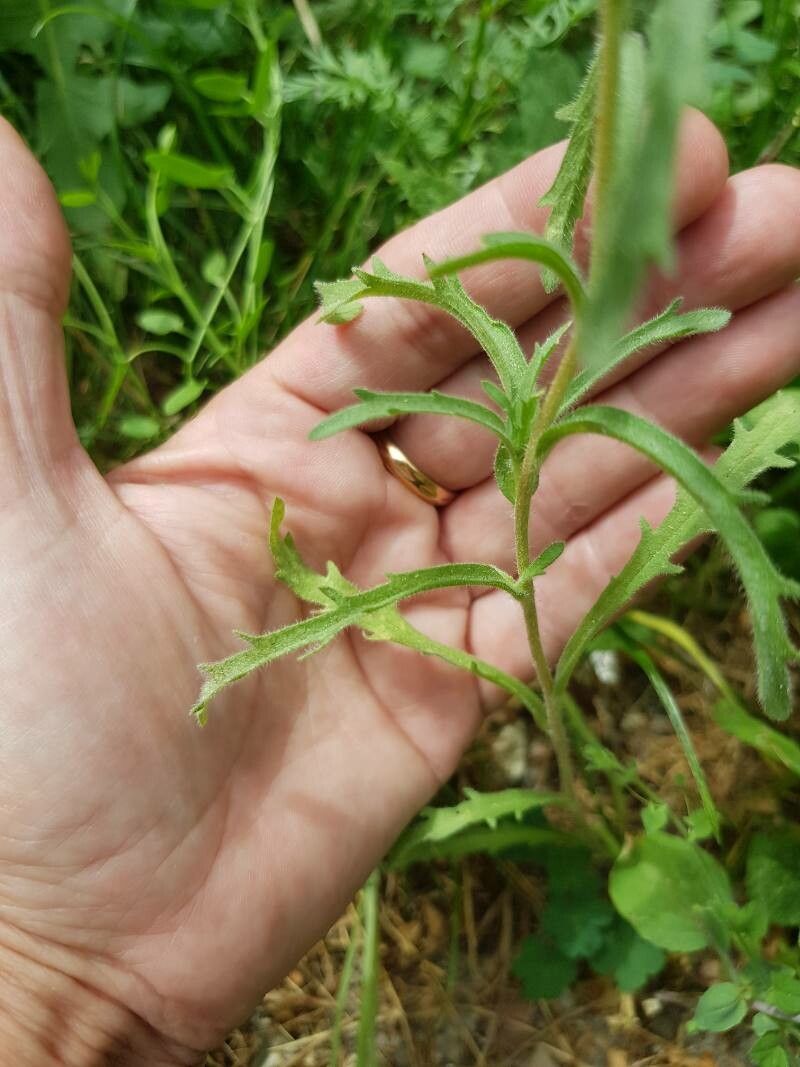
- Green, Gray
- Leaf Type
- Deciduous
- Flower Color
- Yellow, White
- Flower Size
- 1.27 cm to 5.08 cm
- Bloom Time
- Spring
- Planting Time
- Spring
- Harvest Time
- Late spring, Early summer, Mid summer
- Native Area
- Mexico
Other names.
Reader questions.
How should I water my Coastal Tidytips?
Coastal Tidytips can be watered using various tools such as a garden hose with a spray nozzle, a watering can, or any common watering tool. They are not particularly selective about the source of water, as they can thrive on rainwater, tap water, or filtered water. It's generally recommended to avoid watering this plant from above, as it can harm the leaves and flowers and potentially cause disease. Instead, drip irrigation systems are often the most effective watering method for Coastal Tidytips. These systems distribute water evenly and directly to the soil. For container-grown Coastal Tidytips, a similar approach can be used, but you can switch to using a cup, watering can, or tap water to water the plant's soil directly.
Why should I put fertilizer on my Coastal Tidytips?
Plants, including Coastal Tidytips, require nutrients to survive. This is a well-known fact among gardeners, regardless of their experience. Without the necessary nutrients, Coastal Tidytips will quickly die out after their first pollination. To ensure the plant thrives and produces beautiful flowers throughout the blooming season, it is important to provide the right type and amount of nutrients. Fertilizer plays a crucial role in helping Coastal Tidytips develop a strong and healthy root system. Because the plant's root system is thin and fragile, it requires all the support it can get. By fertilizing during planting, Coastal Tidytips can establish a sturdy root structure that not only provides stability but also sets the stage for outstanding flowering. Furthermore, proper timing of fertilization can significantly prolong the plant's flowering period.
How many hours of sunlight do Coastal Tidytips need each day to grow well?
To ensure the optimal growth and survival of your plants, it is important to provide them with a minimum of 6 to 8 hours of sunlight each day. Particularly during the summer months, they thrive when exposed to more morning light. The Coastal Tidytips, in particular, requires abundant sunlight. The more light these plants receive, the better they can generate food, showcase stunning blooms, and endure.
What temperature is best for Coastal Tidytips?
Coastal Tidytips has different temperature preferences depending on the time of year. There are two main seasons to consider: the growing season and the dormancy season. During the growing season, when the plant is sprouting, the ideal temperature range is between 65-80℉ (18-27℃). Temperatures colder than 15℉ (-10℃) will harm the plant and cause the leaves to turn brown and wilt. However, if it's a short cold snap, the plant may survive with some assistance. Similarly, during the warmer parts of the year, Coastal Tidytips should be protected from excessively high temperatures. The top temperature range for this plant is 95-105℉ (35-40℃), and anything beyond that will damage the leaves and blooms. Hotter temperatures can lead to wilting, drooping, and even sunburn on the leaves, which can be difficult for the plant to recover from. Thankfully, there are several quick and easy ways to address this issue.
What should I do if I give my Coastal Tidytips too much or too little water?
To avoid underwatering your Coastal Tidytips, simply water it more regularly when you notice it lacks moisture. Overwatering, on the other hand, can be a more serious problem. It can lead to diseases and ultimately the decline and death of your plant. To prevent this, choose a growing location with plenty of sunlight to dry the soil and good drainage to avoid waterlogged soil. If your Coastal Tidytips is in a pot and you overwater it, consider transferring it to a new pot with better drainage. Make sure to add loose soil and use a pot that drains efficiently.
When should I fertilize my Coastal Tidytips flowers?
Coastal Tidytips experiences rapid growth in the early growing season, after the risk of frost has passed. It is best to fertilize Coastal Tidytips during this time, specifically during planting. Apply the fertilizer when the plant is first placed in the ground or in planters. This initial dose of fertilizer will be sufficient until later in the year when the blooms are fully developed. Once the season is in full swing and the Coastal Tidytips has opened most of its blooms, it is time to resume fertilizing. Begin fertilizing once every three to four weeks, depending on the weather, when the blooms are at peak output. As the Coastal Tidytips starts to produce fewer new blooms, stop fertilizing as there is no need to continue when the plant's bloom production has decreased.
Coastal Tidytips need what kind of sunlight?
The Coastal Tidytips thrive in full sunlight, so it's important not to crowd them together. This way, they can evenly absorb the sun's rays and prevent the leaves from being starved of sunlight. If you plant them in pots, try to place the herbaceous flowers in windows with direct sun exposure, ensuring they receive full sunlight all year round. They do not do well in partial or filtered light, as this can weaken the stems and affect the health of the flowers. For optimal growth, it's best to keep the Coastal Tidytips consistently exposed to the sun.
The Coastal Tidytips plants that are in their first year or are seedlings, have specific temperature needs.
If this is the first year of your Coastal Tidytips plant being outdoors, it may need extra care during the coldest months. Frost can be especially harmful to a first-year plant and can prevent it from growing back healthy in the spring. To protect your Coastal Tidytips, keep it at a temperature of 40℉(5℃) or above when it's not yet established. This can be achieved by either bringing the plant inside for a month or two or using mulch or fabric barriers to shield it from frost. During the first year, it's recommended to plant Coastal Tidytips in a shadier spot. Smaller and weaker plants have difficulty regulating their own temperature in hot weather. Therefore, limit direct sunlight to no more than five hours per day, especially if the temperature rises above 80℉(27℃). To control the summer heat, use shadecloth and water or mist the plant frequently.
How frequently do I need to water my Coastal Tidytips?
Coastal Tidytips requires regular watering throughout the growing season. In the spring, water the plant once a week. As the season progresses and it gets warmer, you may have to increase watering to two or three times a week. However, be careful not to exceed this rate as it can harm the plant. Regardless of watering frequency, make sure the soil remains moist but not wet. Watering Coastal Tidytips in a pot is different. Potted plants tend to dry out faster, so you'll likely need to water a few times per week compared to once a week for plants in the ground.
When is it not a good time to fertilize my Coastal Tidytips?
Regular fertilizing is important for Coastal Tidytips, but it's crucial to apply it at the right time. In some cases, it's better to hold back on fertilizing. These situations are usually related to the climate, but there are also controllable factors to consider. Basically, if there is something wrong with the plant, soil, or climate, it's best to wait until everything has improved and the plant has recovered. For example, if there are severe or unexpected weather changes, like a sudden cold spell in the middle of summer, it's better to wait until it warms up before fertilizing. Similarly, if the soil is too dry or compacted to absorb the fertilizer properly, it's not a good time to apply it as it may not reach the roots effectively. Coastal Tidytips roots do not like direct exposure to fertilizer. Another situation to avoid fertilizing is when temperatures are extremely hot, particularly reaching 90 degrees Fahrenheit. High temperatures can break down the fertilizer too quickly, so it's best to wait until the heat subsides. Additionally, if there are pests or diseases present, it's important to treat and resolve those issues before fertilizing again.
Does sunlight harm plants? How can we keep Coastal Tidytips safe from the sun and heat?
When the temperature rises above 90℉(32℃), extreme temperatures can damage Coastal Tidytips, especially if they are exposed to intense sunlight for many hours. It's best to provide shade in the afternoon during the summer months. Keep in mind that sunlight is stronger and longer-lasting in summer than in winter. If the Coastal Tidytips are too stressed from sunlight, ensure they are well-watered by moistening the soil when the top layer is about 2 inches dry. If it's too hot outside, consider moving container-planted Coastal Tidytips indoors. It's normal for the plant leaves to wilt during the day and recover at night. However, if the Coastal Tidytips droop persistently, it means the plant is rapidly losing water and needs to be watered.
How can I keep Coastal Tidytips safe from very hot or very cold weather?
If cold temperatures below 15℉(-10℃) occur during the growing season, there are steps you can take to protect Coastal Tidytips from frost or cold damage. - If you're growing Coastal Tidytips in a container, bring the container inside with bright, indirect light until the temperatures rise above the lower threshold again. - For ground-planted Coastal Tidytips, use mulch or horticultural fabric to create a barrier that insulates the plant, protecting it from frost and cold wind. For temperatures hotter than 80℉(27℃) in the shade during the day: - Ensure Coastal Tidytips are exposed to six hours or less of sunlight per day, preferably in the morning hours. - Use shade cloth or a fine plastic mesh to reduce direct sunlight during the hottest parts of the day. - Set up a misting system that slowly releases cooling mist around the base of the plant during the day, lowering ground temperatures.