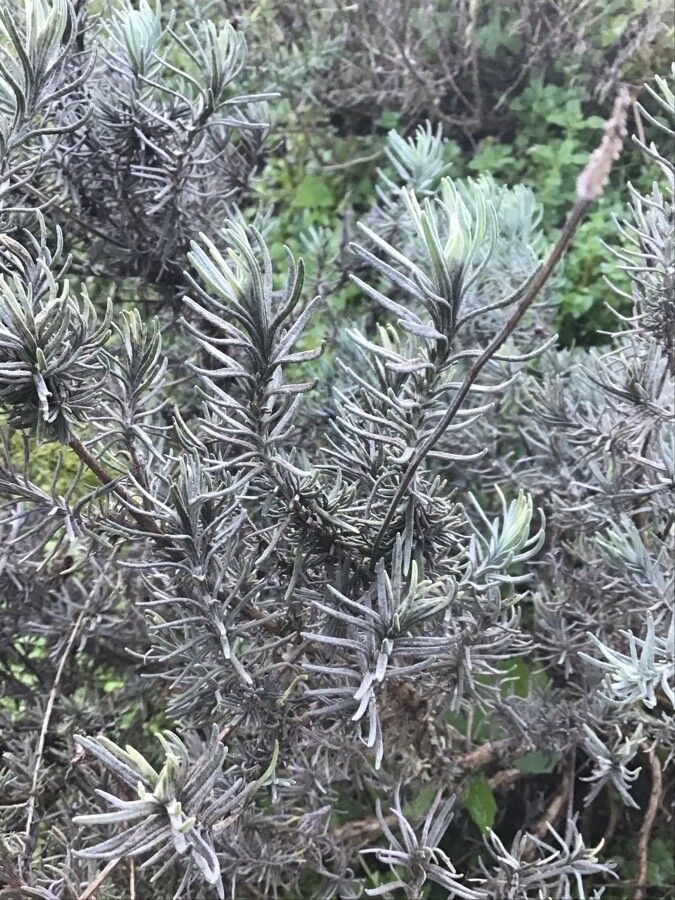
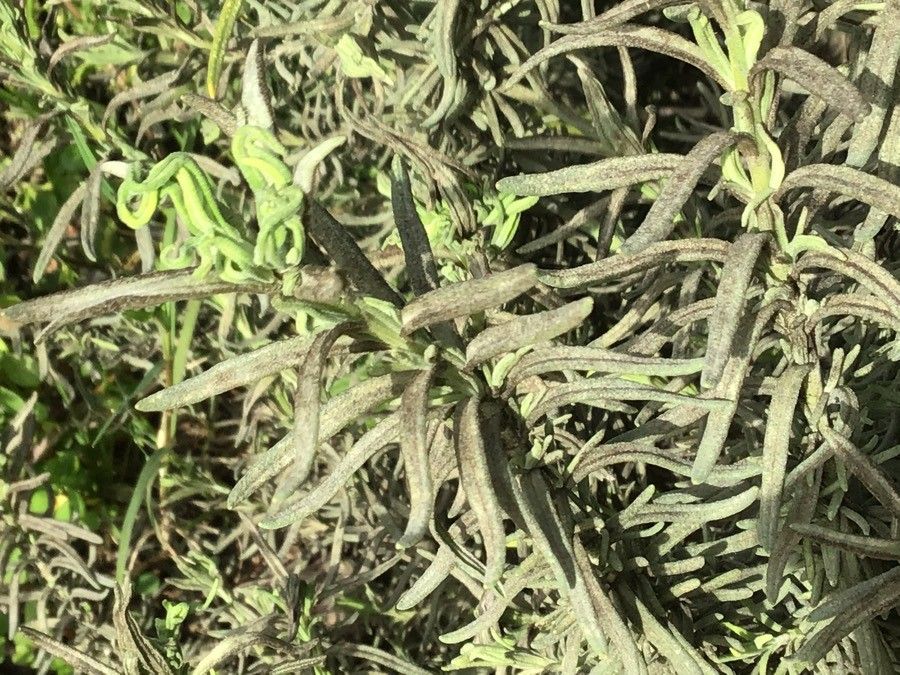
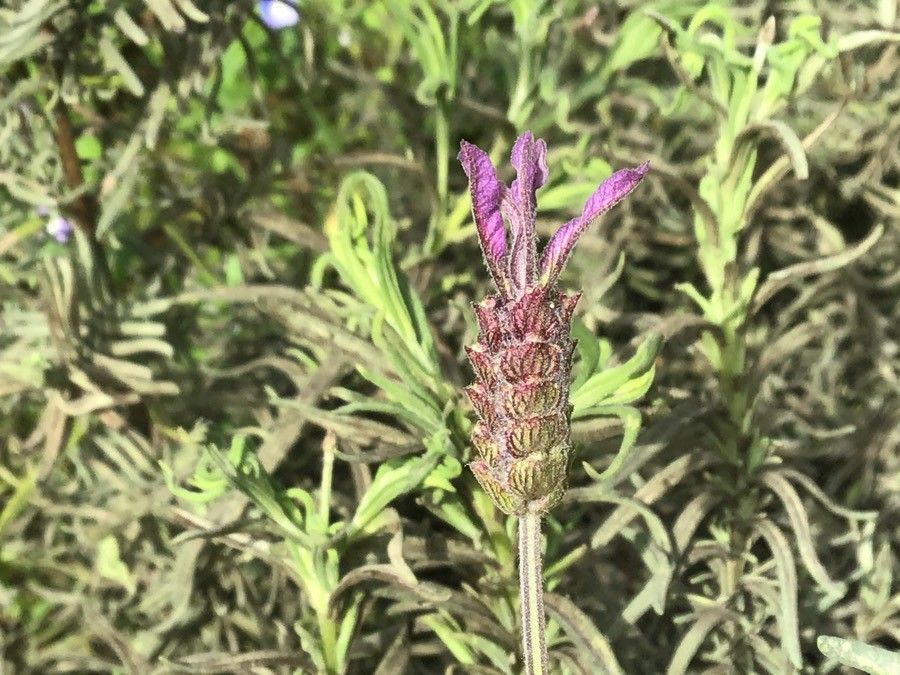
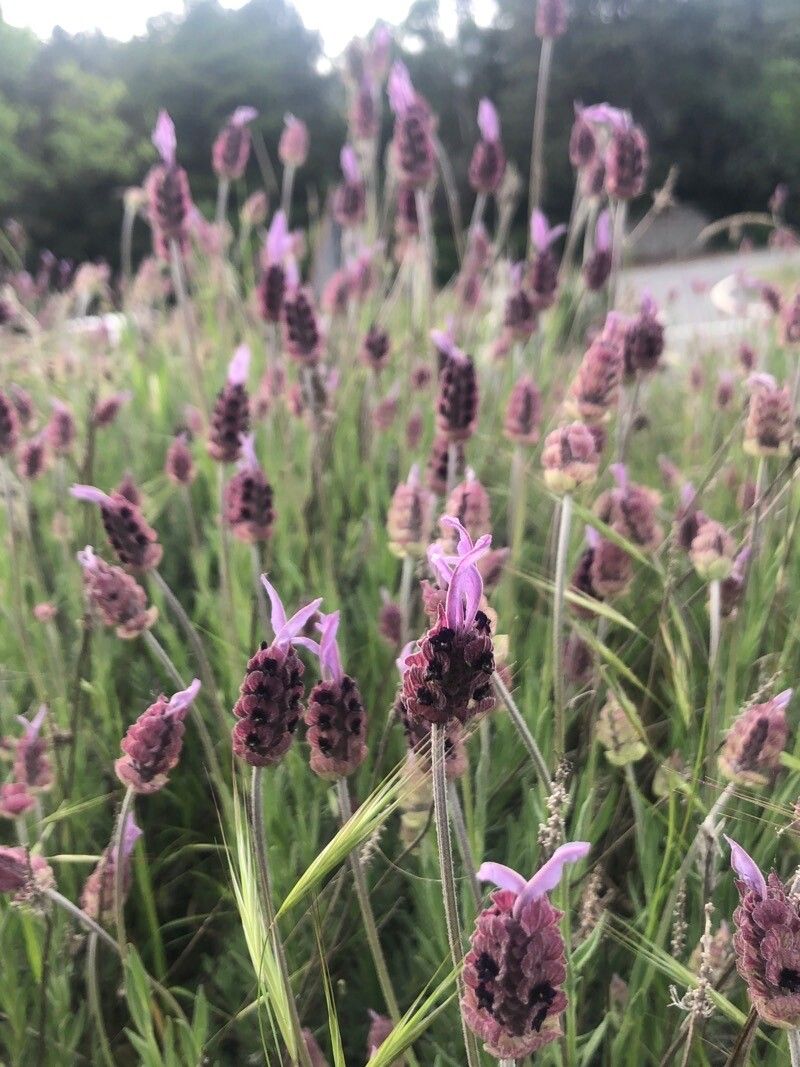
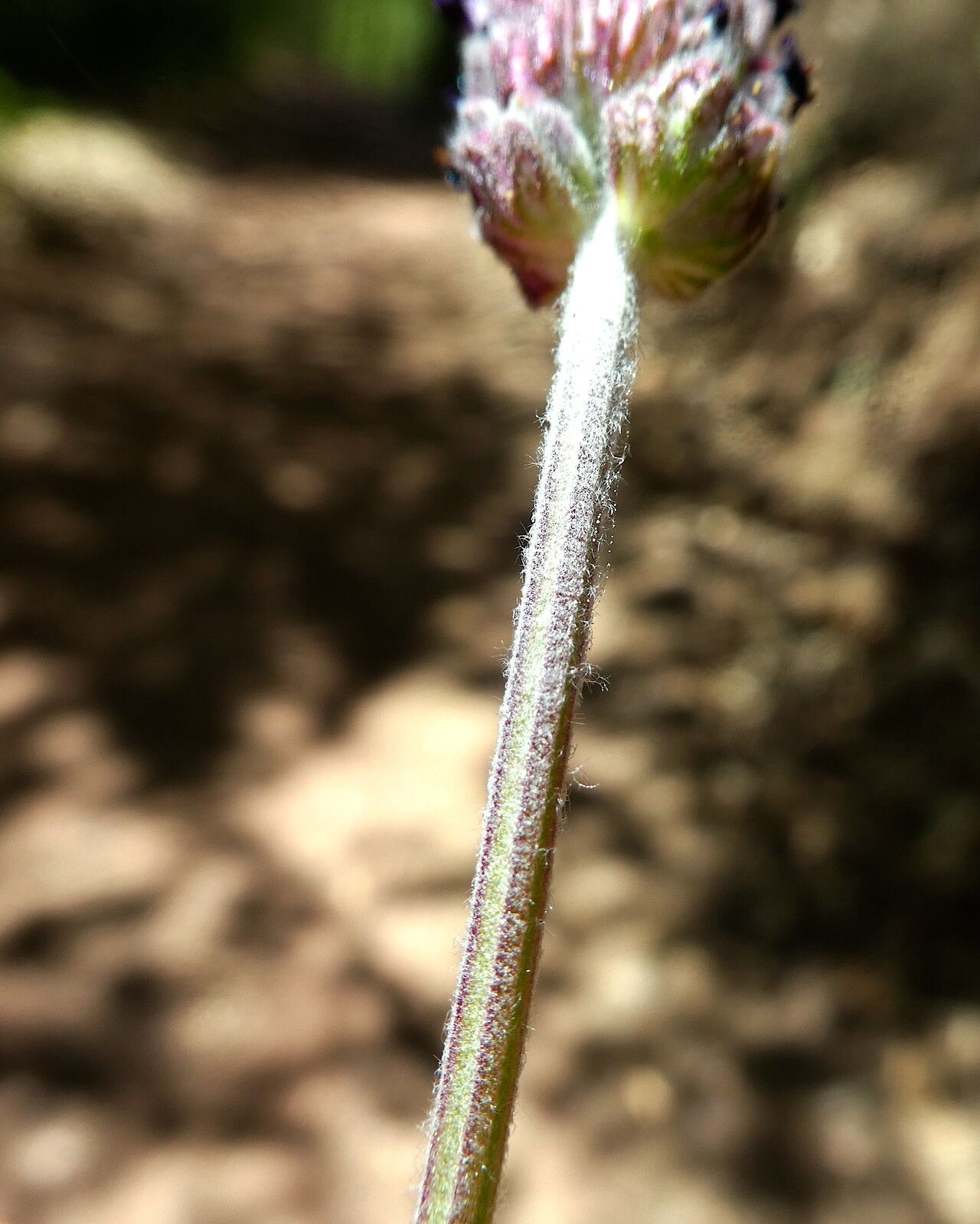
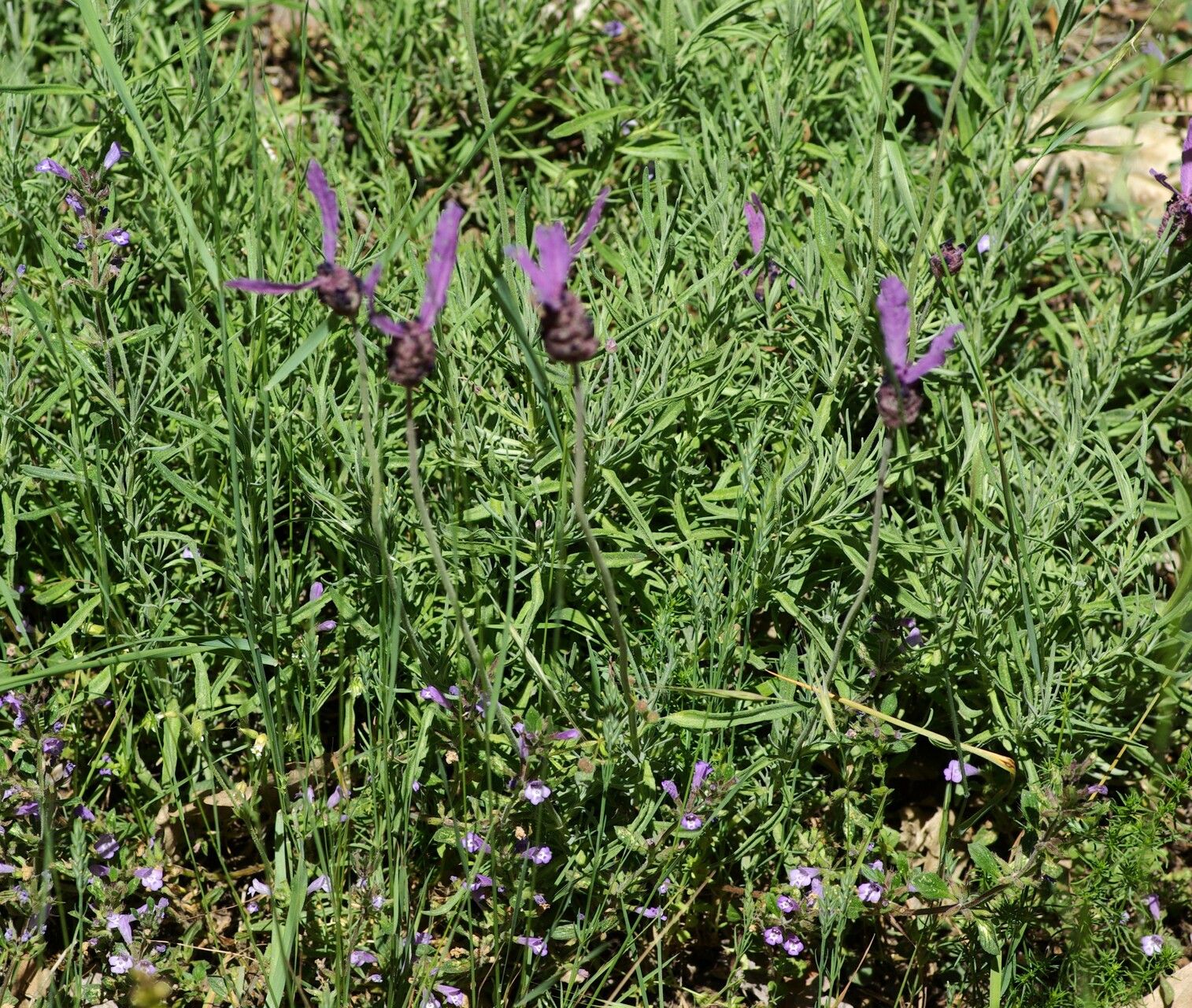
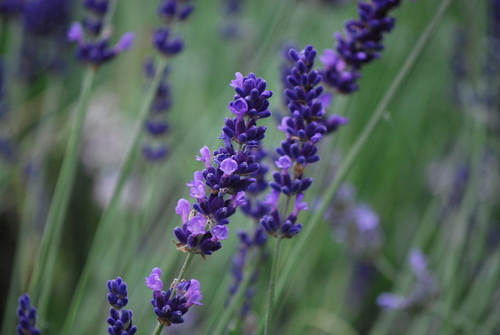
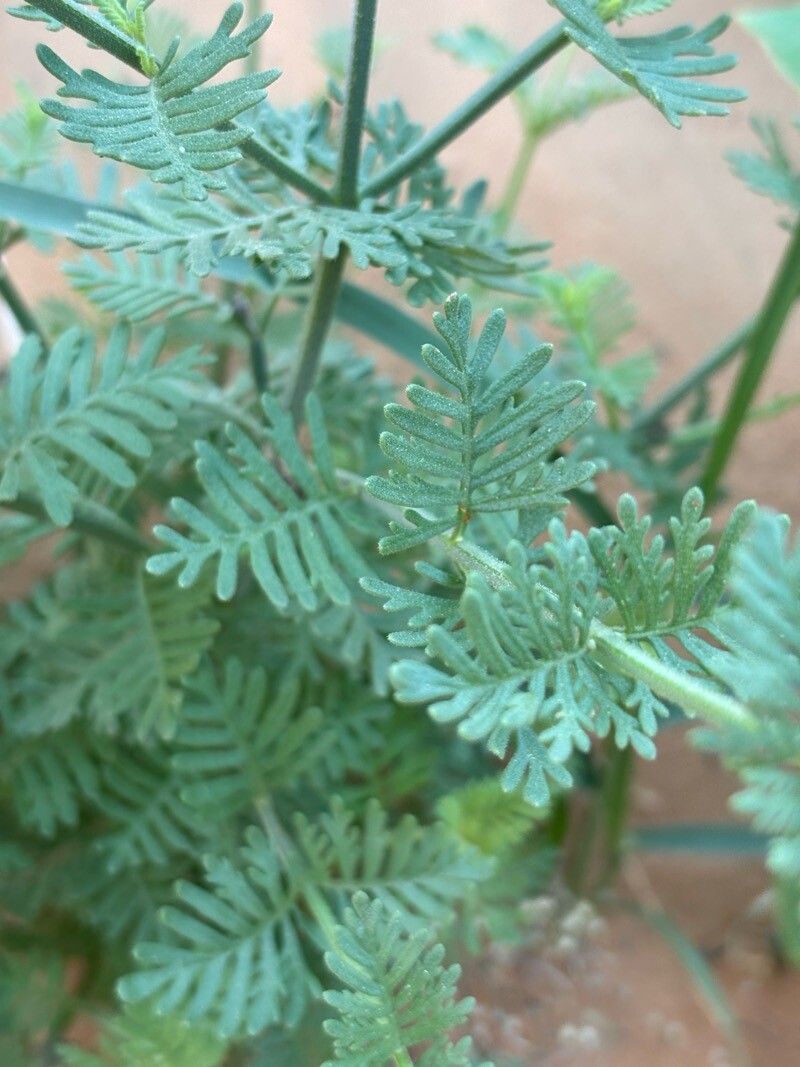
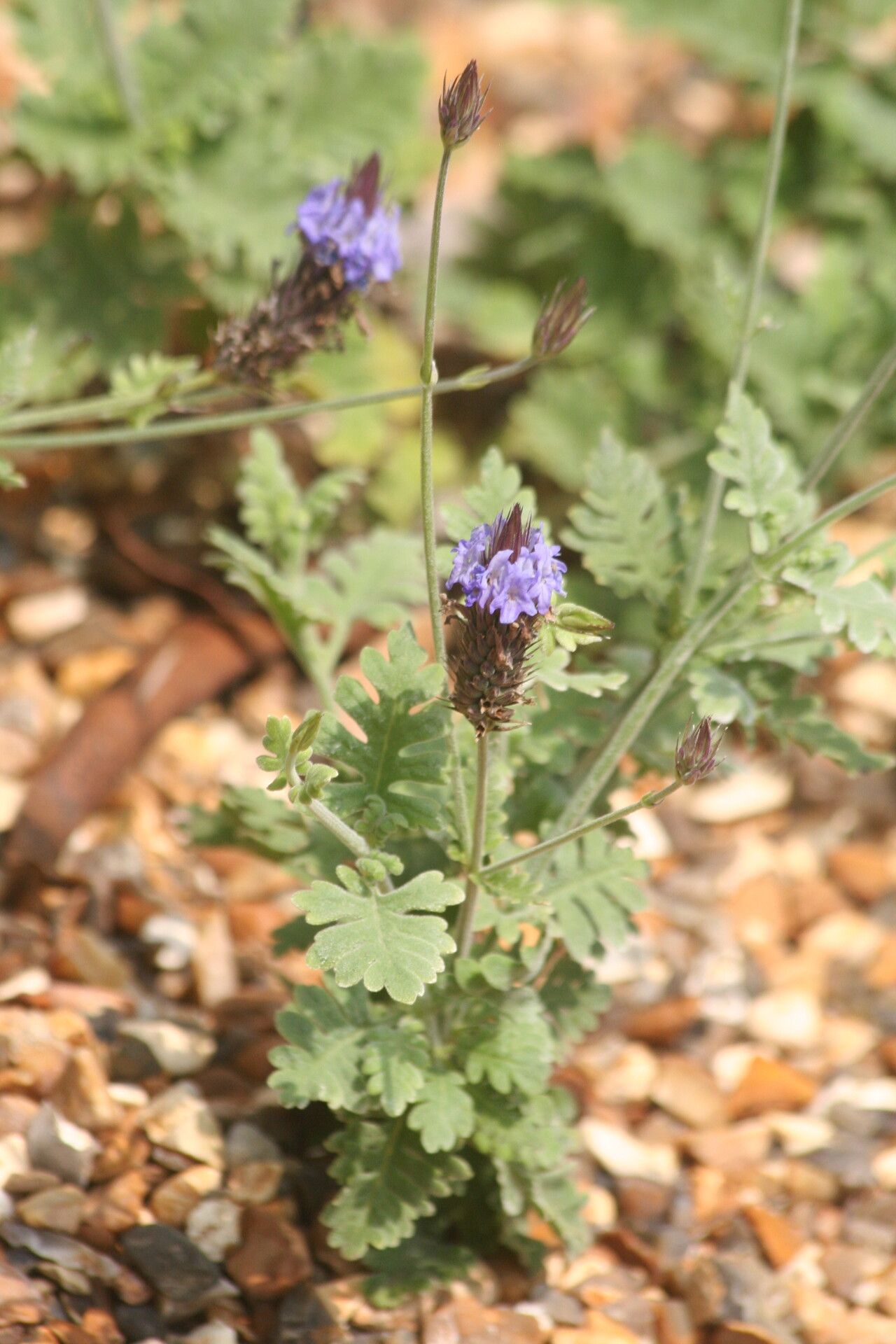
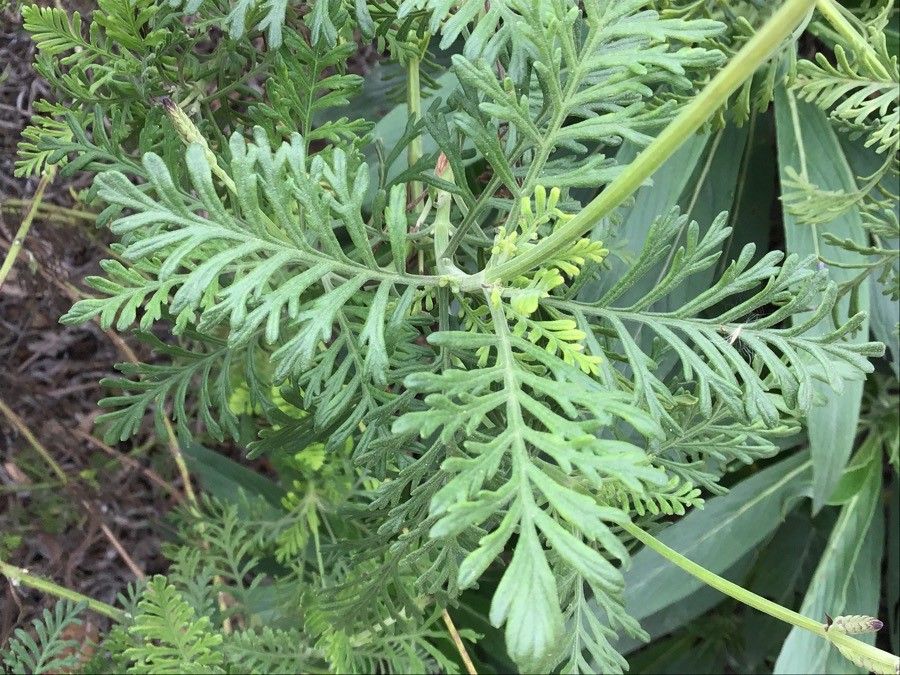
Lavandula pedunculata, commonly called French lavender, is a species of flowering plant in the family Lamiaceae. It is known for its butterfly-like, narrow petals that emerge from the top of its narrow stalk. L. pedunculata is native to Iberia, Morocco and western Turkey.There are five subspecies of L. pedunculata: Lavandula pedunculata subsp. atlantica (Braun-Blanq.) Romo Lavandula pedunculata subsp. cariensis (Boiss.) Upson & S.Andrews Lavandula pedunculata subsp. lusitanica (Chaytor) Franco Lavandula pedunculata subsp. pedunculata Lavandula pedunculata subsp. sampaiana (Rozeira) Franco
French lavender has strong resistance to disease and is generally unlikely to suffer from illnesses. Still, it can be affected by pests and diseases present nearby. Such infections are generally mild. Carewise, this plant needs a moderate level of maintenance. It should be pruned regularly to keep a neat appearance and support healthy growth. Fertilizing can also help encourage flowering. French lavender is appropriate for anyone with an outdoor area, like a garden or patio, and does not require much experience in plant care. It may demand more attention when kept indoors.
How to keep Lavandula Pedunculata.
Light
French lavender is a perennial herbaceous plant that favors sunny conditions and originates from open habitats, commonly growing in meadows and grasslands. It prefers full sun but can also tolerate partial sun.
Water
French lavender, native to the Mediterranean region, thrives in dry and sunny environments with low moisture levels. It grows best in well-drained soil and needs watering every one to two weeks, allowing the soil to dry out between waterings. Ideally cultivated outdoors in full sunlight, this plant flourishes with deep, infrequent watering that mimics natural rainfall patterns.
Temperature
French lavender is fairly adaptable to temperature, able to withstand higher heat and considerable temperature fluctuations. In hot weather, you should pay attention to watering and provide adequate shade to avoid sunburn. Conversely, French lavender has limited tolerance for low temperatures. It can endure some cold, but very low temperatures can cause frost damage.
Fertilizer
The best time to fertilize French lavender is in early spring, as it comes out of dormancy and begins active growth. Fertilizing supplies essential nutrients for healthy development. While French lavender requires relatively little fertilization, applying fertilizer once a year can improve its survival and encourage better, longer-lasting blooms.
Pruning
French lavender is known for its aromatic leaves and vibrant flowers. To promote dense growth and healthier blooms, prune the plant in early spring by trimming back the old stems by one-third. Make sure to use sharp and clean tools to prevent the spread of disease. For additional guidance, refer to reputable sources, such as the Royal Horticultural Society.
Botanical profile.
- Plant Type
- Herb
- Life Cycle
- Perennial
- Genus
- Lavandula
- Family
- Lamiaceae
- Hardiness Zone
- 7-9
- Mature Height
- 61 cm
- Mature Spread
- 61 cm
- Leaf Color
- Gray, Light Gray
- Leaf Type
- Evergreen
- Flower Color
- Purple, Lavender
- Flower Size
- 0.51 cm to 0.76 cm
- Bloom Time
- Mid spring, Late spring, Early summer
- Planting Time
- Spring, Summer
- Harvest Time
- Mid summer, Late summer, Early fall
Other names.
Reader questions.
What are the sunlight requirements for French lavender?
French lavender (Lavandula pedunculata) thrives in conditions where it can receive full sun, which means it needs above 6 hours of sunlight daily. However, it can also grow well in partial sun, requiring about 3-6 hours of sunlight each day. It's important to observe the way sunlight moves through your garden, allowing you to identify the ideal spots that offer the right balance of light and shade. Such careful placement ensures your French lavender plants will be happy and healthy.