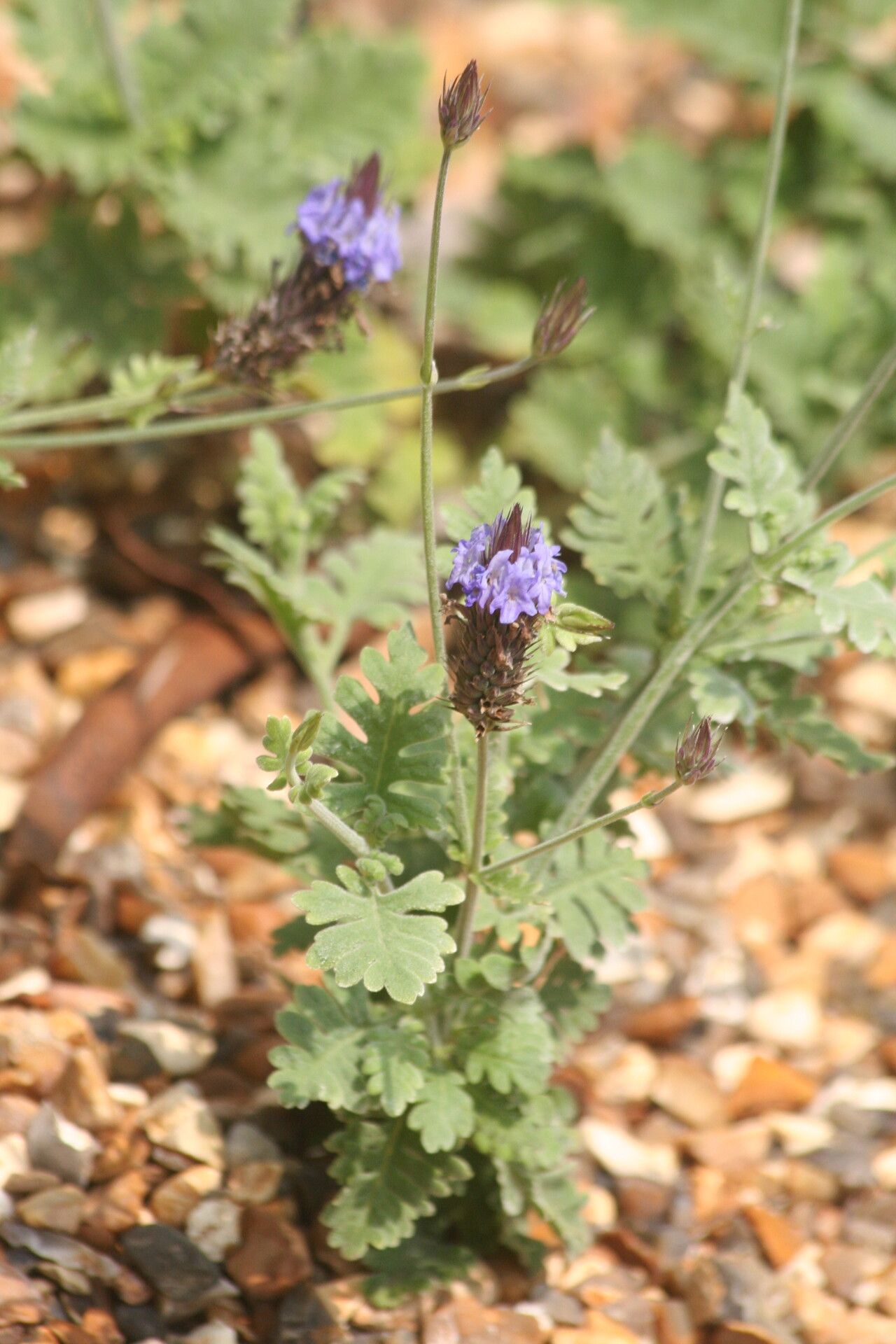
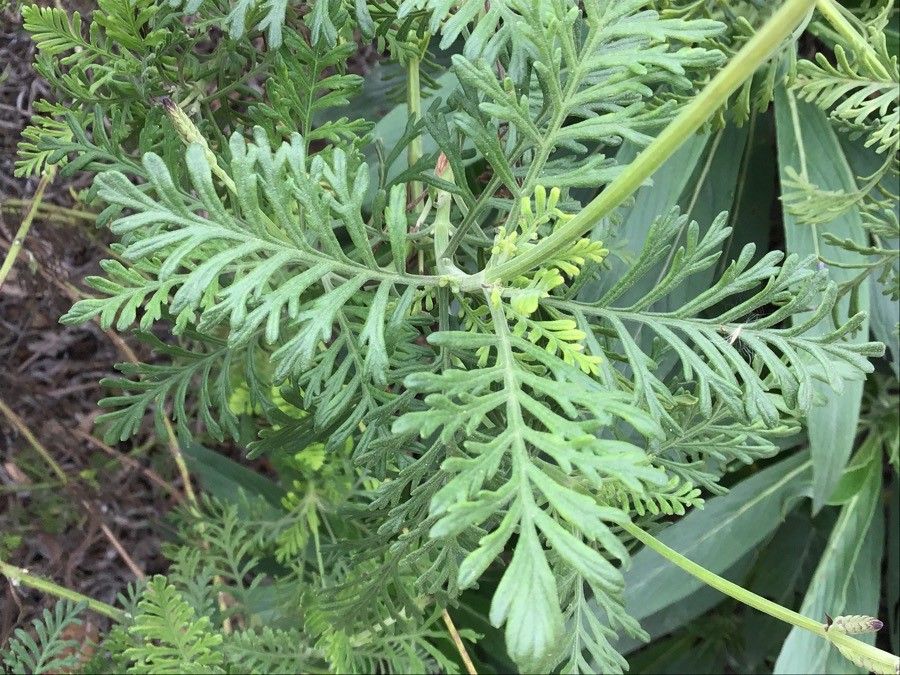
Lavandula multifida, commonly known as fernleaf lavender, is a perennial herbaceous plant belonging to the Lamiaceae family. Native to the Mediterranean region, it can be found in countries such as Spain, Portugal, Morocco, and Algeria.
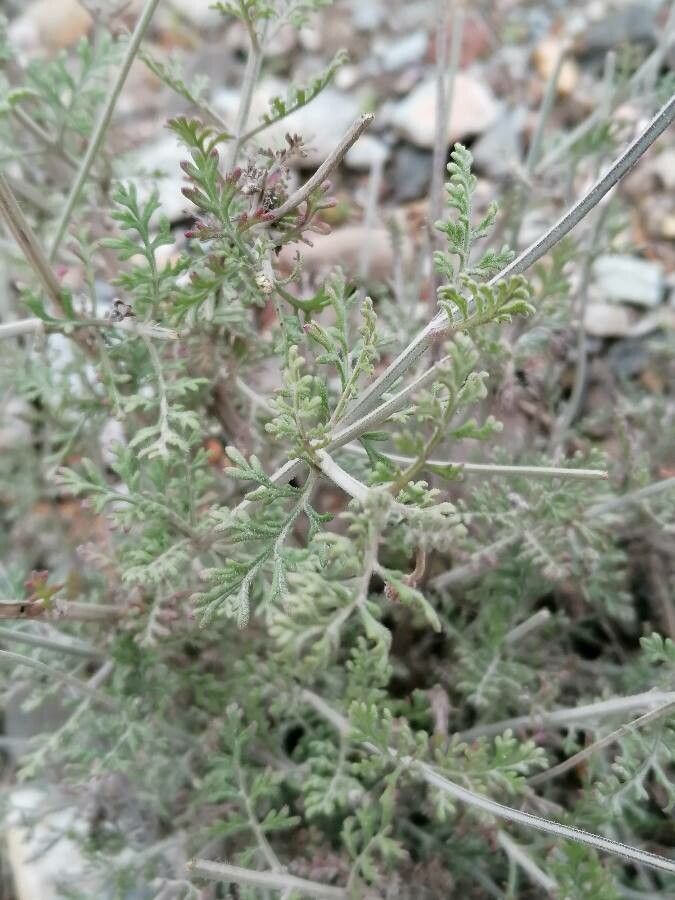
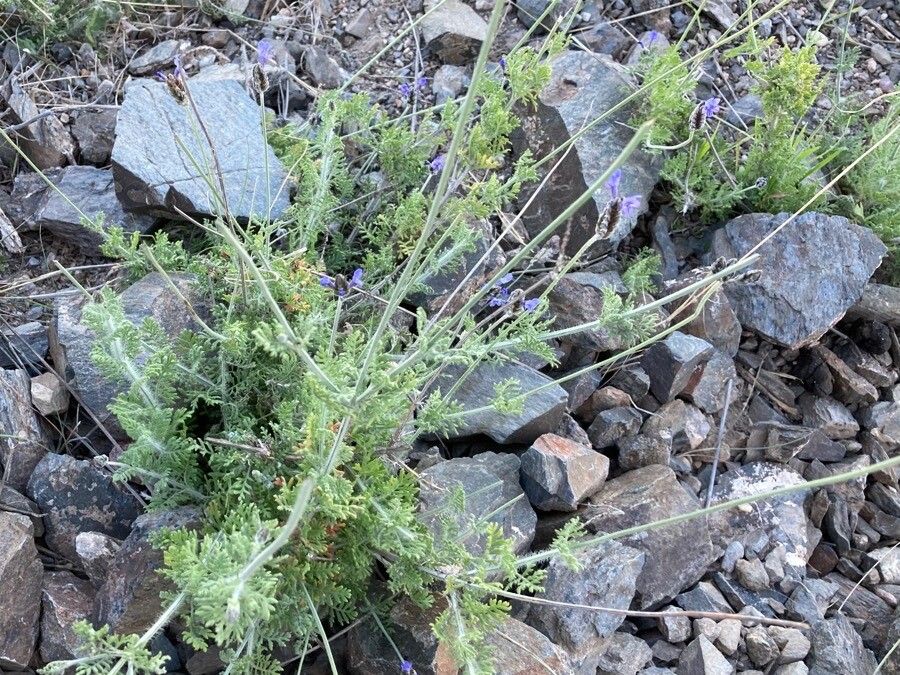
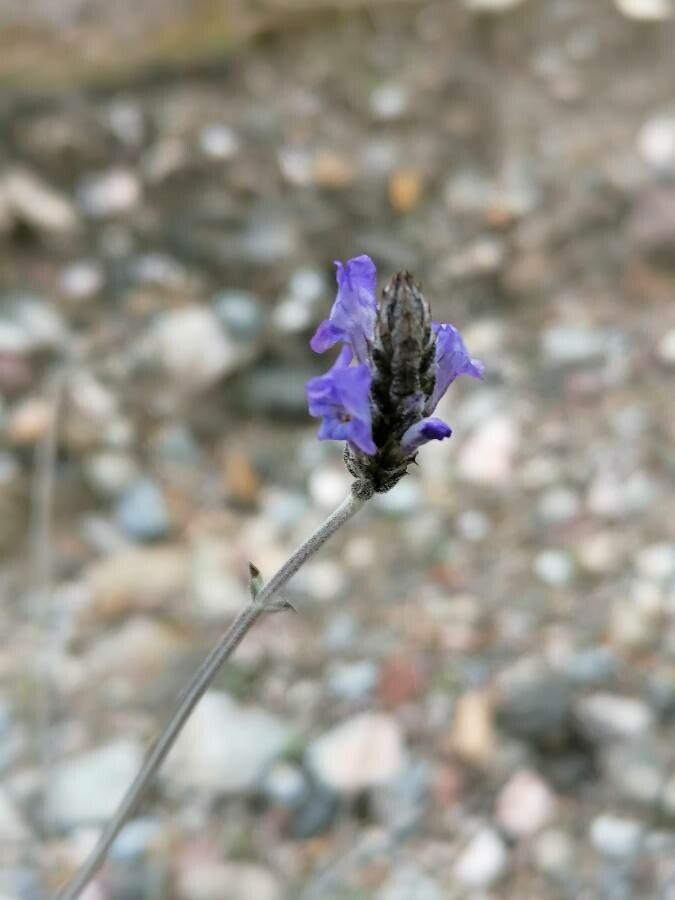
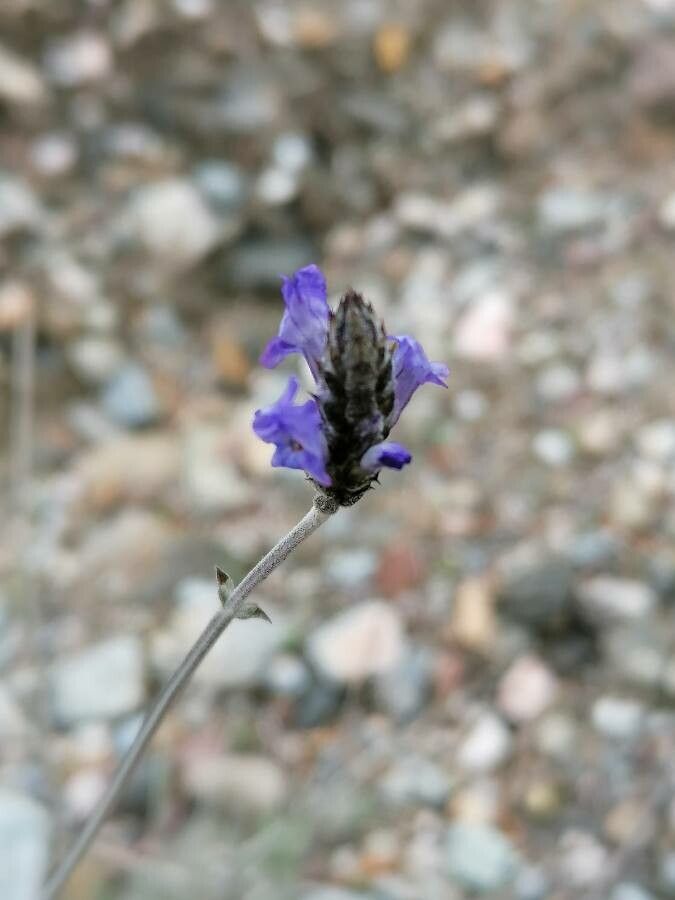
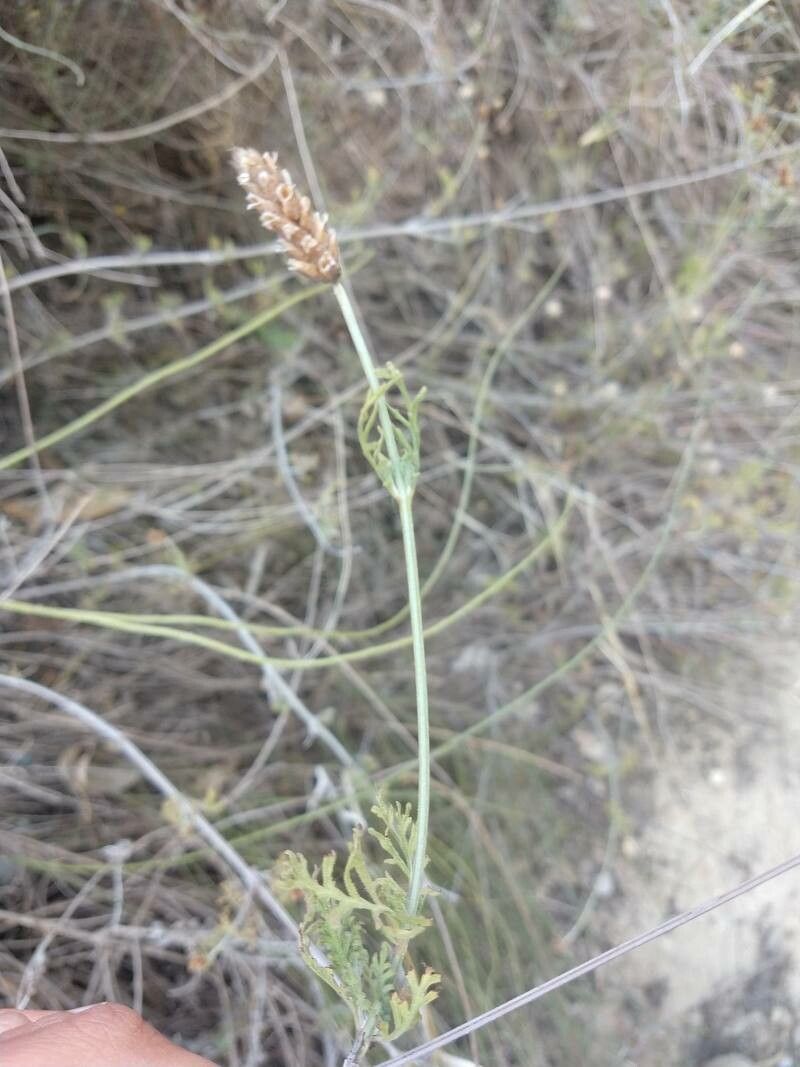
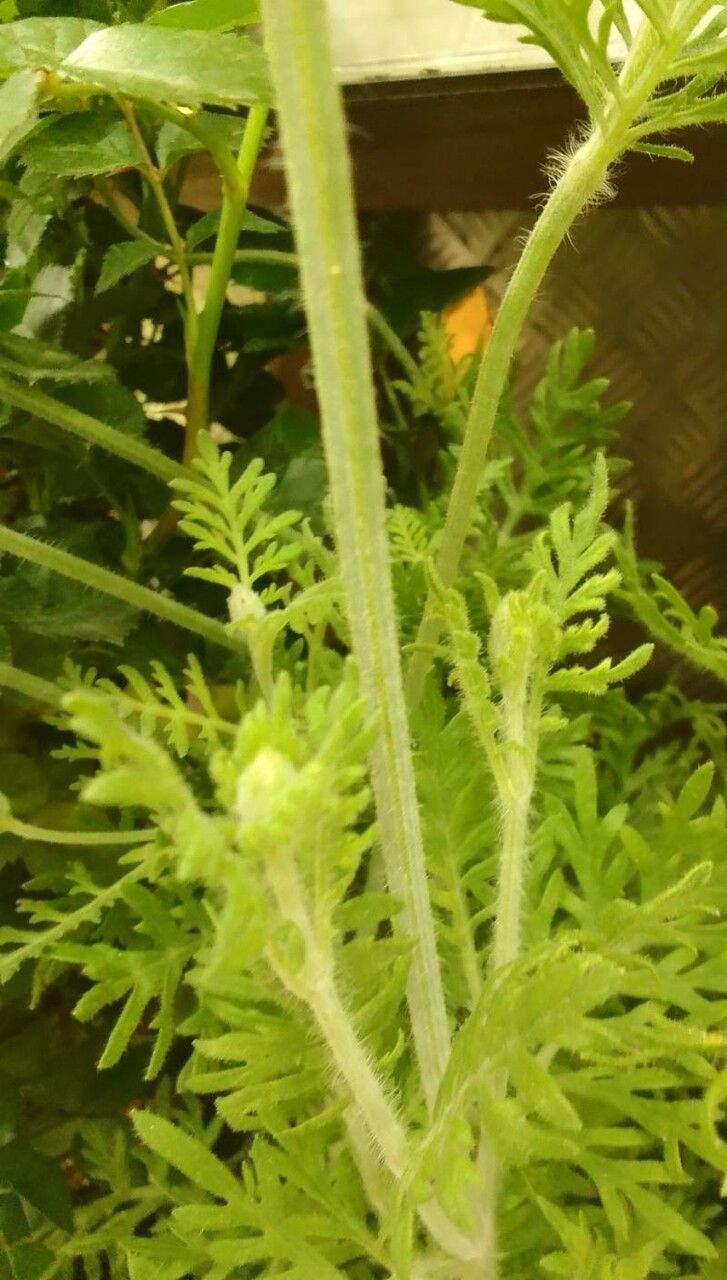
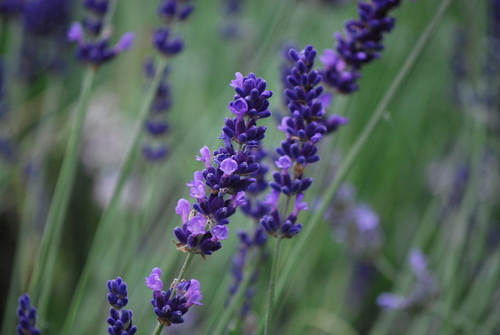
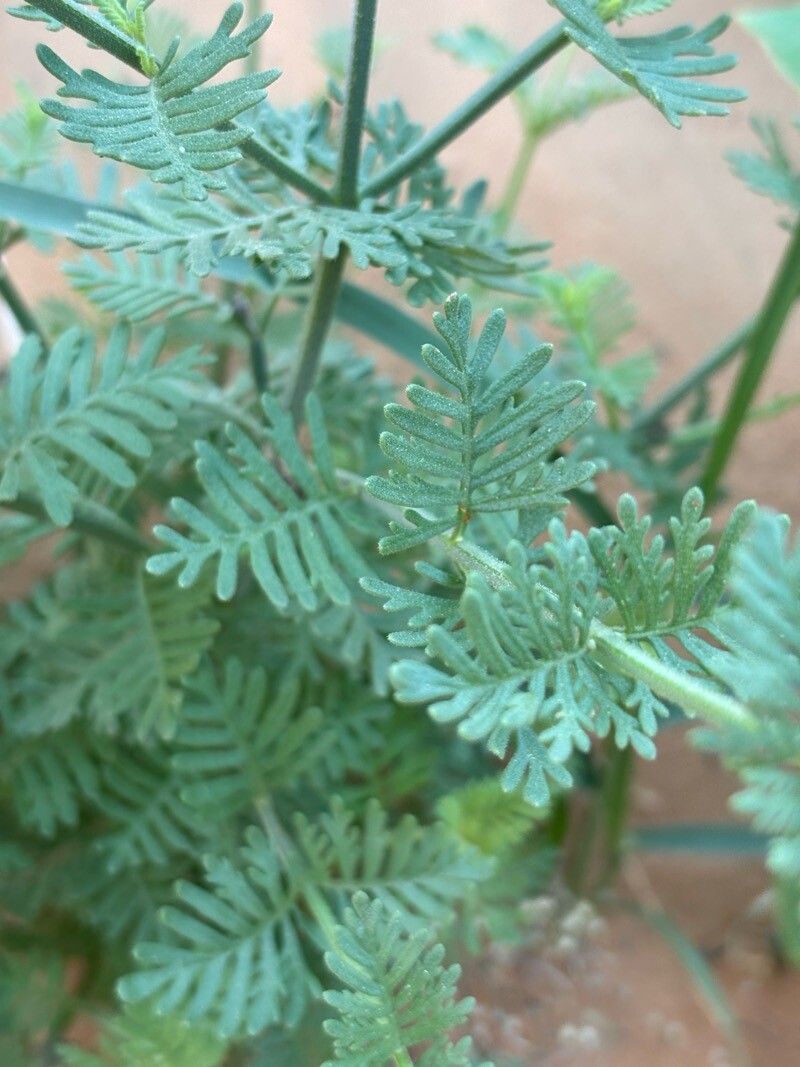
This plant grows up to 60 cm in height and features finely divided leaves that resemble fern fronds. The leaves are gray-green and emit a strong lavender scent when crushed. The flowers are small, tubular, and deep purple-blue, arranged in whorls on long spikes that rise above the foliage.
Fernleaf lavender is widely cultivated for its ornamental value, thanks to its attractive foliage and flowers. It's an excellent choice for borders or rock gardens. Additionally, its essential oils have been used for centuries as a natural remedy for various ailments, including headaches, anxiety, and insomnia.
The plant prefers well-drained soil and full sun exposure but can tolerate partial shade. It requires moderate watering during the summer months and should be kept dry during winter.
In summary, Lavandula multifida is an attractive herbaceous perennial with both ornamental and medicinal properties, making it a popular choice among gardeners worldwide.
Fern-leaf lavender is fairly disease-resistant and usually does not suffer from illnesses. Nevertheless, it can be vulnerable to pests and diseases present in its environment. Such infections are generally mild. In terms of care, the plant requires moderate maintenance. Regular pruning is needed to keep a neat appearance and support healthy growth. Fertilizing can also help encourage flowering. Fern-leaf lavender is well suited for anyone with outdoor space, like a garden or patio, and does not demand extensive gardening experience. It may need more attention when grown indoors.
How to keep Lavandula Multifida.
Light
Fern-leaf lavender prospers when it receives ample light throughout the day. This exposure to light is vital for vigorous growth. Insufficient light can harm the plant’s overall health, while too much light can stress it, resulting in stunted growth and poor foliage.
Water
Fern-leaf lavender flourishes in dry Mediterranean climates, as it is drought-tolerant and requires little water. It prefers well-drained soil and should be watered once a week for optimal growth. While typically grown outdoors, this plant needs full sun and has adapted to efficiently store water in its leaves.
Humidity
This plant will thrive in moderate humidity, which is probably the level in your home. However, misting it a few times a week can be very beneficial. Make sure the room has good ventilation.
Temperature
Fern-leaf lavender flourishes in its native subtropical habitat with temperatures of 68 to 95 °F (20 to 35 ℃). Although hardy, it prefers warmer conditions. Adjusting indoor heating during colder seasons is recommended to replicate those conditions.
Fertilizer
Early spring, when Fern-leaf lavender is leaving dormancy and beginning active growth, is the ideal time to fertilize it. Fertilization supplies essential nutrients for healthy growth. Although Fern-leaf lavender has relatively low fertilizer needs, annual feeding can improve its survival and encourage better, longer-lasting flowers.
Pruning
Fern-leaf lavender showcases elegant, fern-like foliage and benefits from regular pruning to enhance its shape and encourage dense growth. To maintain its health and appearance, prune it between late winter and early spring. During this time, remove any damaged stems and trim about one-third of the plant. Be careful to avoid heavy pruning into the old wood, as this helps stimulate vigorous new shoots and prevents the plant from becoming leggy.
Pot & Repot
Repot fern-leaf lavender every 2-3 years, ideally in early spring. Choose a pot that is slightly wider to encourage better root growth. After repotting, place the plant in a spot with plenty of sunlight. Water it sparingly to support its drought-tolerant nature, which will help ensure a smooth transition and healthy growth.
Botanical profile.
- Plant Type
- Herb, Shrub
- Life Cycle
- Perennial, Annual, Biennial
- Genus
- Lavandula
- Family
- Lamiaceae
- Hardiness Zone
- 8-10
- Mature Height
- 30 cm to 61 cm
- Mature Spread
- 46 cm to 61 cm
- Leaf Color
- Green, Gray, Silver
- Leaf Type
- Evergreen
- Flower Color
- Lavender, Purple
- Flower Size
- 0.51 cm to 0.76 cm
- Bloom Time
- Late spring, Summer
- Planting Time
- Spring
- Harvest Time
- Mid summer, Late summer, Early fall
- Native Area
- Libya, Egypt, Tunisia, Italy, Spain, Algeria, Morocco, Portugal
Other names.
Reader questions.
How should I water my Fern-leaf lavender plant in the best way?
To properly water the Fern-leaf lavender, it is recommended to use filtered water at room temperature. Tap water may contain harmful particles, so filtered water is preferred. It is important to use water at room temperature or slightly warmer because the Fern-leaf lavender is accustomed to warm environments and cold water can be shocking for it. Additionally, it is best to avoid overhead watering as it can cause issues with the plant's foliage. Instead, water the plant by applying filtered room temperature water directly to the soil until it is completely saturated. This helps to moisten the roots and support their growth and nutrient absorption.
Why should I put fertilizer on my Fern-leaf lavender?
Fertilization is important for Fern-leaf lavender because it provides essential nutrients for growth. While Fern-leaf lavender has low fertilization needs, annual fertilization can greatly benefit the plant. It helps in keeping the plant alive and can also result in better and longer-lasting flowers. Therefore, for optimal plant appearance, regular fertilization is recommended for Fern-leaf lavender.
What are the sun requirements for Fern-leaf lavender?
Fern-leaf lavender requires full sun to partial sun conditions for optimal growth. Full sun exposure means the plant should receive above 6 hours of sunlight daily, while partial sun refers to about 3-6 hours of sunlight each day. It's important to observe how sunlight moves through your garden to find spots that offer the right balance of light and shade, ensuring your plants grow healthy.
What is the optimal temperature range for Fern-leaf lavender?
Fern-leaf lavender, botanically known as Lavandula multifida, thrives best in its native subtropical environment, preferring temperatures between 68 to 95°F (20 to 35°C). While it is hardy and can tolerate some cold, it generally performs best in warmer climates. To maintain its optimal growth conditions indoors during colder seasons, it is recommended to adjust indoor heating to emulate a more subtropical climate.
What should I do if I give my Fern-leaf lavender too much water or not enough water?
Both overwatering and underwatering can harm the health of your Fern-leaf lavender, but overwatering is more common. Excess water can cause wilting, yellowing leaves, and even diseases like root rot, mold, and mildew that can kill your plant. Underwatering is less likely because Fern-leaf lavender can withstand drought. However, if it happens, the leaves may become brittle and brown. To prevent damage from overwatering, watch for early signs and reduce watering immediately. Replace poorly draining soil with a loose, well-draining mix. If your Fern-leaf lavender lacks water, increase watering until the symptoms improve.
When should I fertilize my Fern-leaf lavender for best results?
The best time to fertilize a Fern-leaf lavender is in late winter to early spring when it is transitioning from its dormant phase to active growth. Fertilizing during this time promotes healthy growth and sets the plant up for a good season. Although early spring is generally the most beneficial, fertilizing in the fall is also acceptable. However, it is not recommended to fertilize during the summer or winter.
Why is sunlight important for Fern-leaf lavender and how can artificial lighting help?
Sunlight is crucial for the robust growth of Fern-leaf lavender, impacting its health and foliage. In situations where natural light is insufficient, artificial lighting can be a lifesaver for indoor plants. Indoor plants benefit from artificial lights, especially in winter or less sunny spaces, as it aids in promoting faster and healthier growth. LED lights are beneficial because they can provide specific wavelengths needed by plants. For full sun plants, 30-50W per square foot is recommended, 20-30W per square foot for partial sun plants, and 10-20W per square foot for full shade plants. The artificial light source should be placed 12-36 inches above the plant for 8-12 hours a day to mimic natural sunlight.
How should Fern-leaf lavender be cared for in cold conditions?
Fern-leaf lavender displays some cold tolerance and does not usually require special measures if temperatures stay above 0°C. However, if temperatures are expected to drop below freezing, temporary cold protection measures should be taken. This can involve wrapping the plant in materials like plastic film, fabric, or other insulating materials. Once the temperature rises again, these protective measures must be promptly removed to avoid any potential damage to the plant.
How often do I need to water my Fern-leaf lavender plant?
If your Fern-leaf lavender plant is in a pot, the best way to determine if it needs water is by checking the soil moisture level. Simply insert your finger into the soil and feel for dryness in the top two to three inches. If it's dry, then it's time to water the plant. For those growing Fern-leaf lavender outdoors in the ground, you can also use a similar method. Check the first few inches of soil and if it's dry, water the plant. Typically, you'll need to water this plant about once a week during spring and early fall. However, in extremely hot weather, you may need to increase the frequency to two or more times per week. Nevertheless, mature and well-established Fern-leaf lavender plants have an admirable ability to tolerate drought.
When is not a good time to fertilize my Fern-leaf lavender?
To properly care for your Fern-leaf lavender, it is best to fertilize only in late winter and early spring. This plant has low fertilization needs, so one feeding per year is sufficient. Overfertilizing during spring, summer, and fall can cause complications. However, if you missed fertilizing in spring, it is acceptable to feed the plant in the fall. Additionally, it is unnecessary to fertilize during the winter when the Fern-leaf lavender is in a dormant phase and not experiencing new growth.
What are the symptoms of inadequate lighting for Fern-leaf lavender?
Inadequate lighting can lead to several issues for Fern-leaf lavender, such as smaller new leaves, leggy or sparse growth, faster leaf drop, slower or no new growth, lighter-colored new leaves, chlorosis (leaves turning yellow due to chlorophyll breakdown), sunscald, leaf curling as a defense against excessive sunlight, wilting from increased water loss, and leaf scorching characterized by brown, dry edges. These symptoms indicate the plant's struggle with the lighting conditions and its need for adjustment.
What are the signs of temperature stress in Fern-leaf lavender and how can it be managed?
Signs of temperature stress in Fern-leaf lavender include drooping leaves when temperatures fall below -10°C, indicating moderate tolerance to low temperatures. If temperatures exceed 41°C, leaves may become lighter in color, dry, and curled, increasing susceptibility to sunburn. Managing these temperature stresses involves trimming off frost-damaged or sunburned parts. For cold stress, wrap the plant in non-woven fabric or cloth and construct a wind barrier. For heat stress, relocate the plant to shaded areas during peak sun or use shade cloth, and water it in the morning and evening to keep the soil moist.