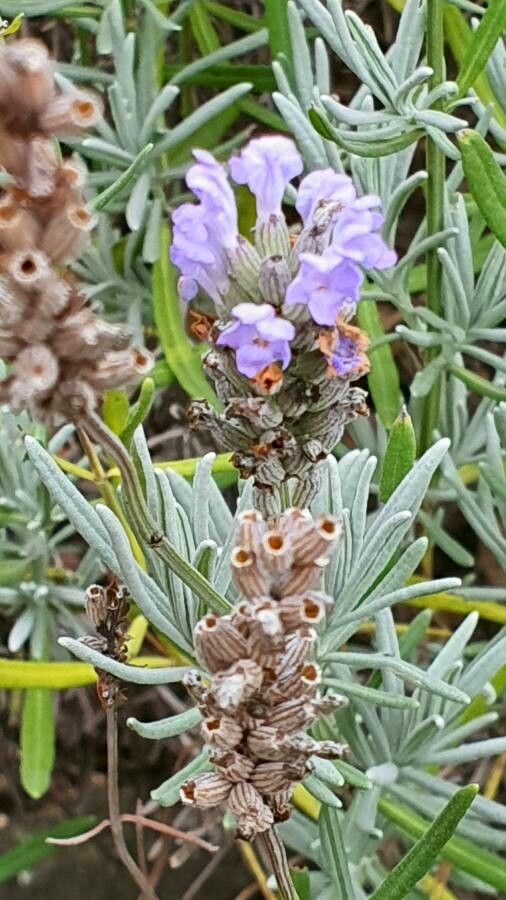
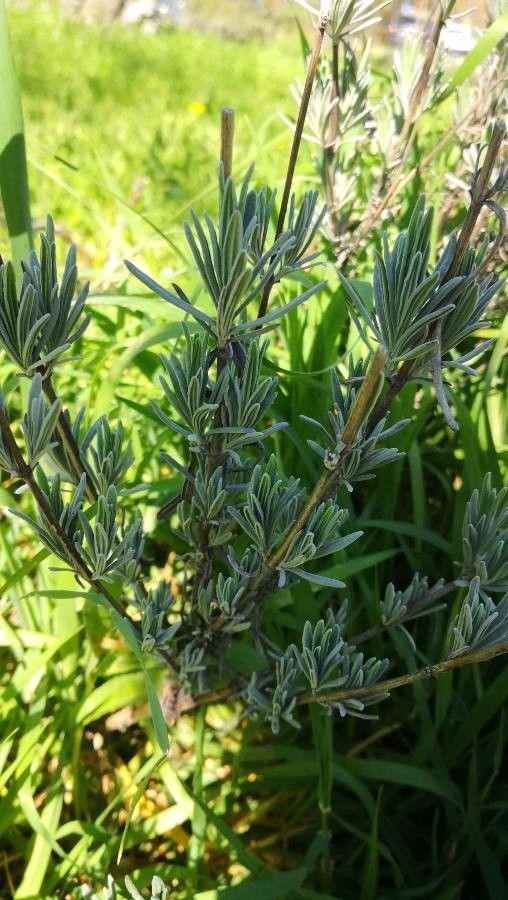
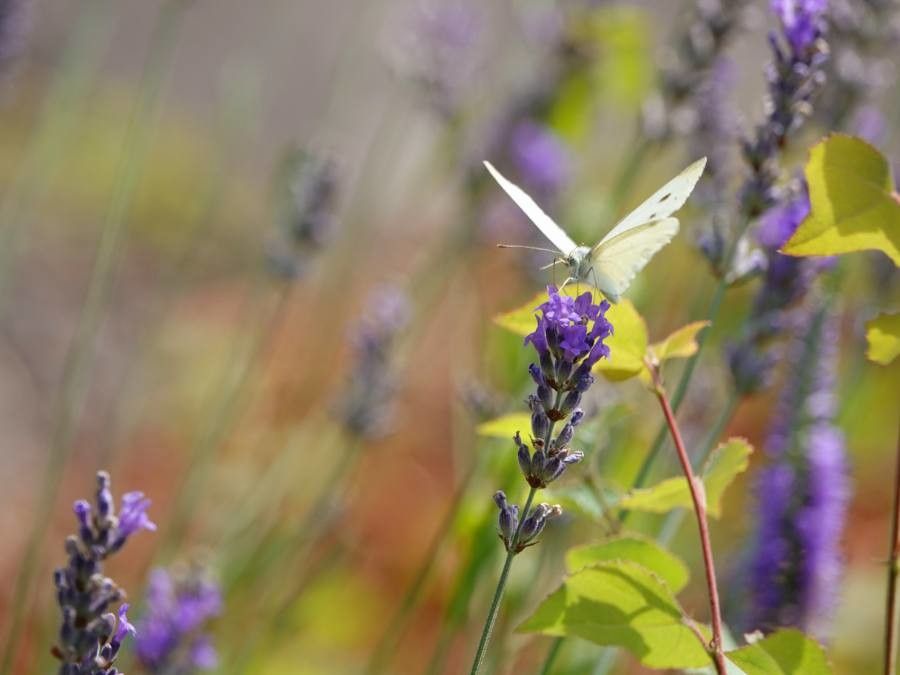
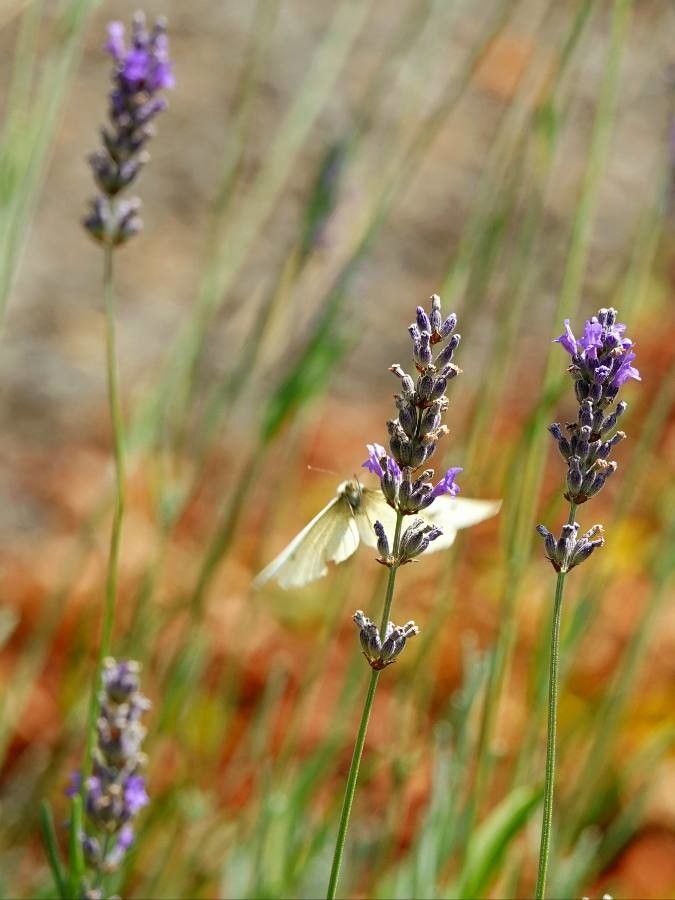
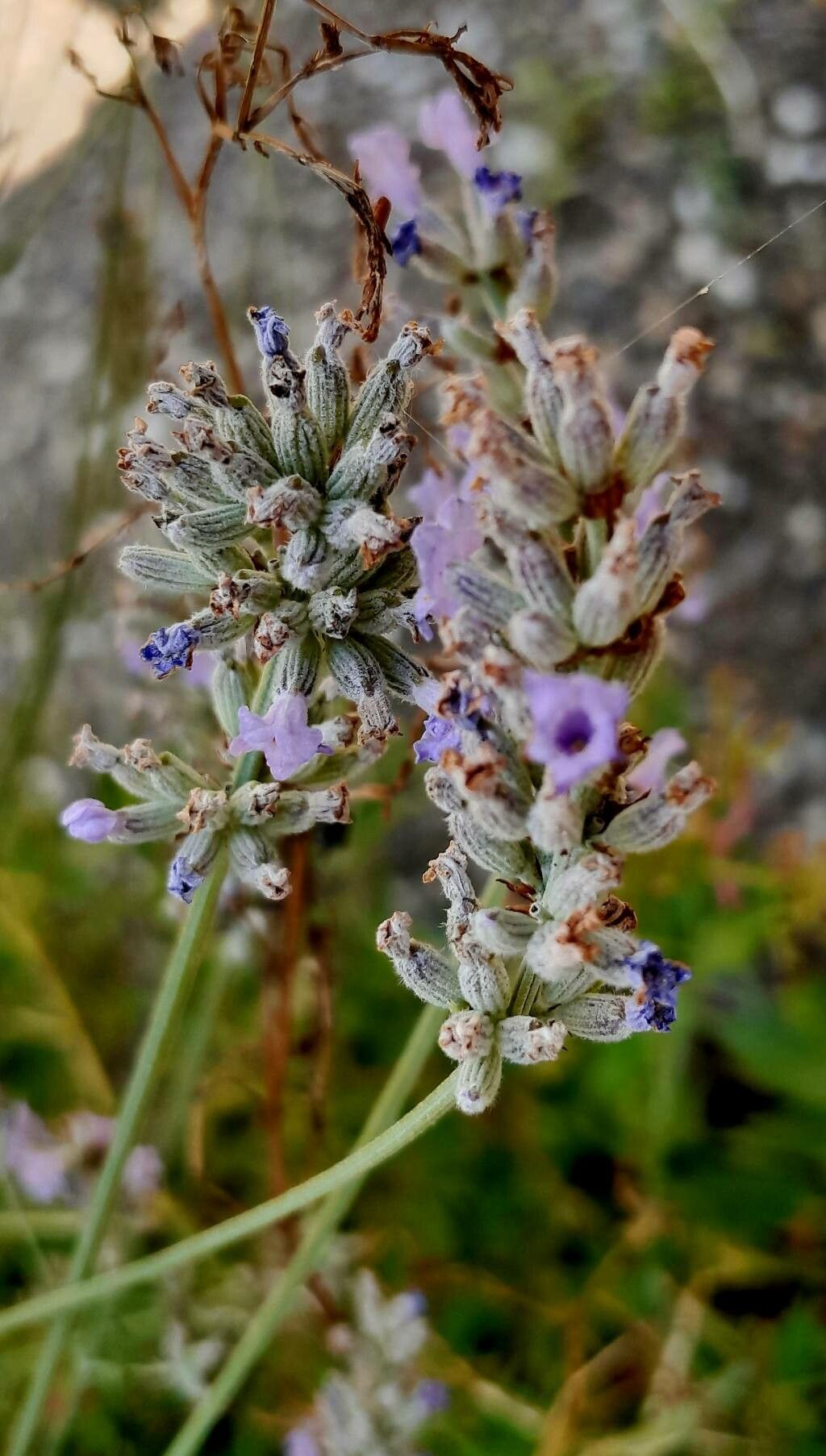
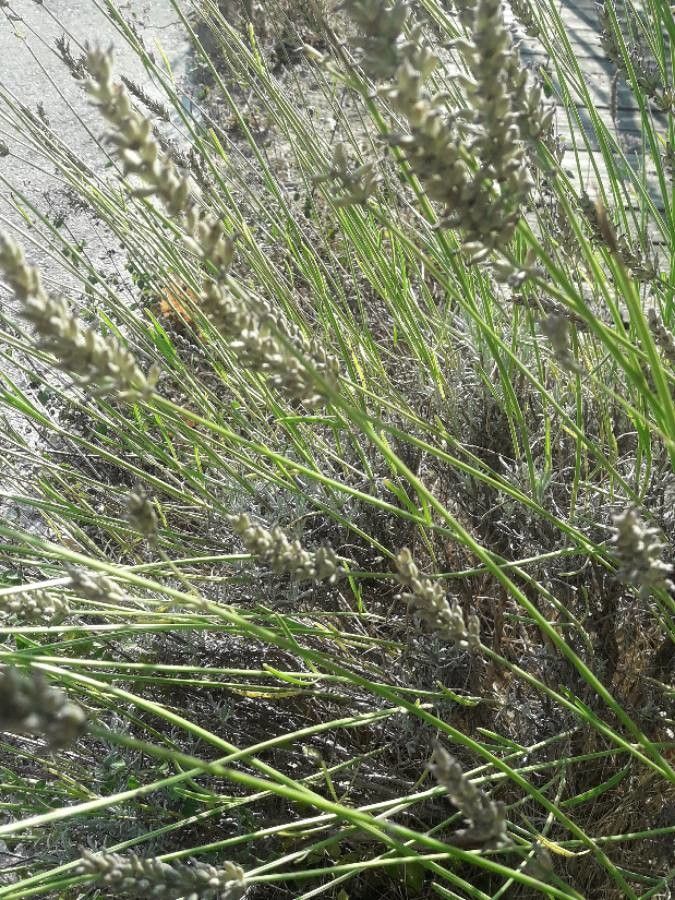
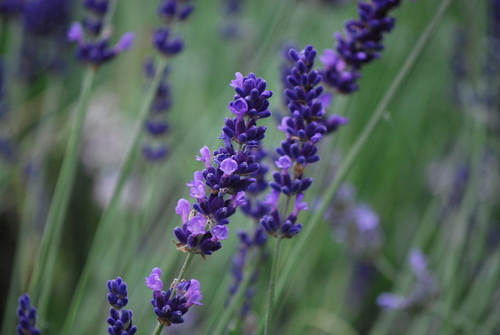
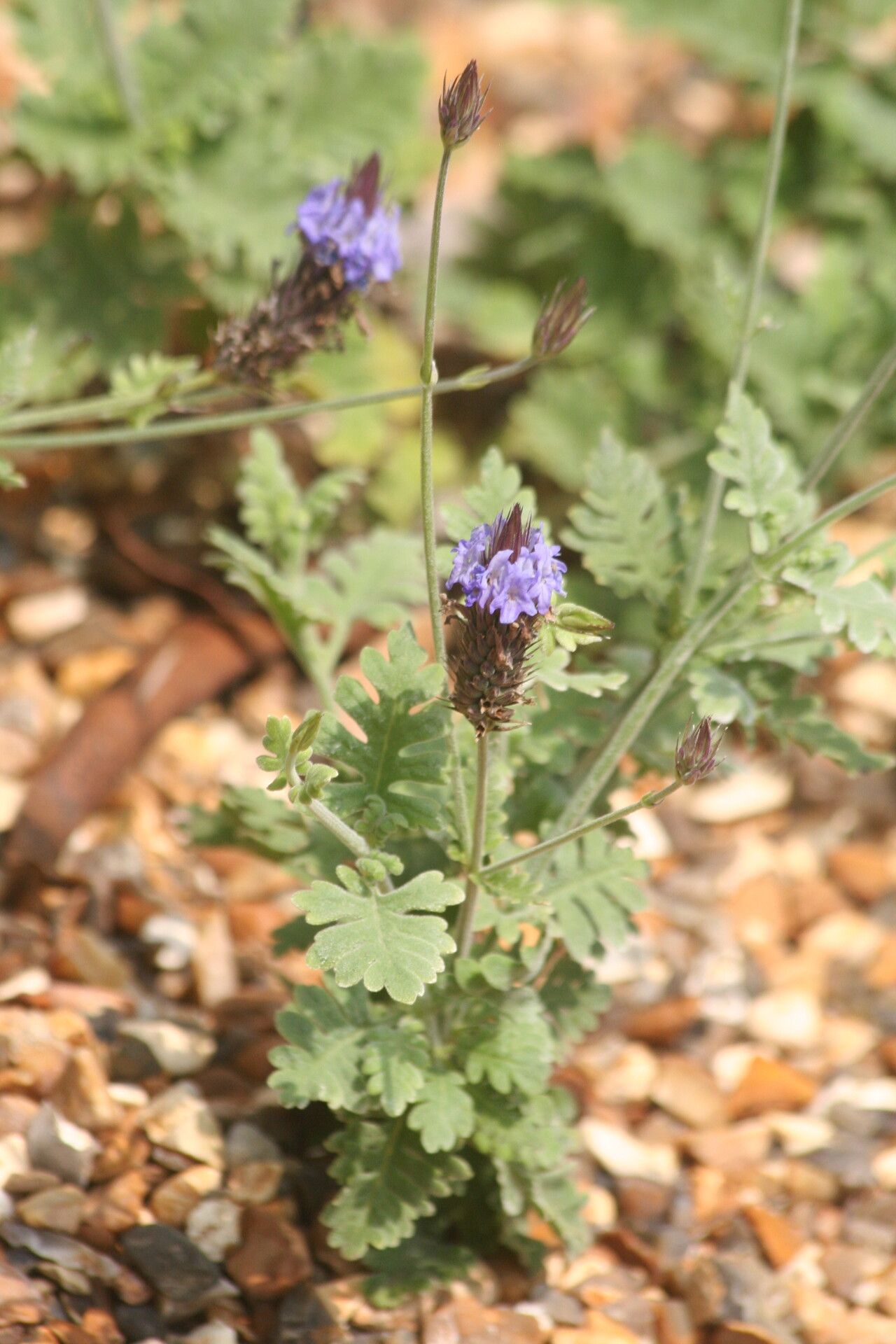
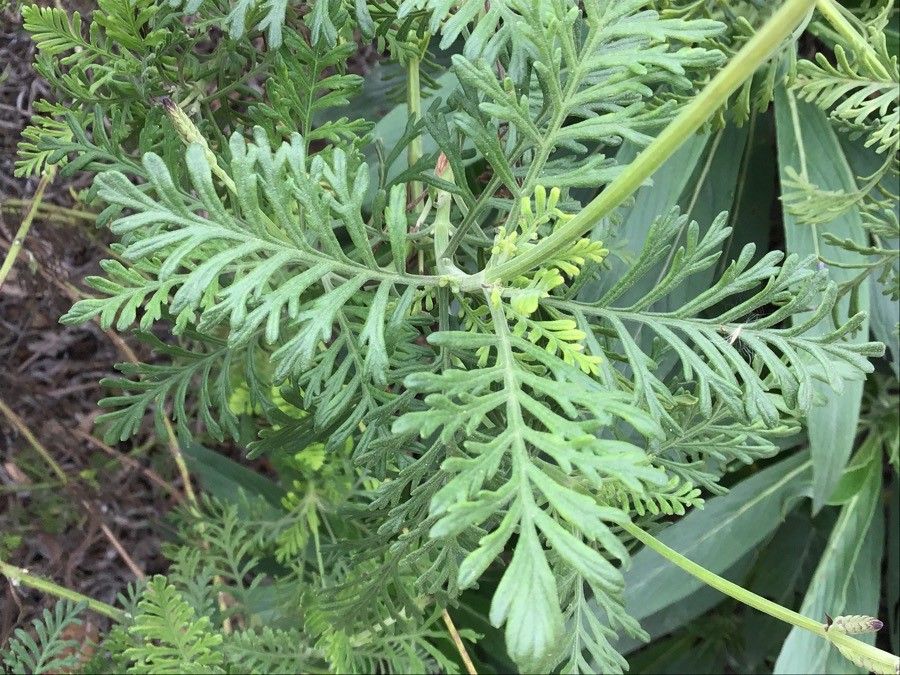
Lavandula latifolia, commonly known as spike lavender, is a species of flowering plant in the family Lamiaceae. It is native to the Mediterranean region and can be found in countries such as Spain, France, Italy, and Greece. The plant grows up to 1 meter tall, with narrow gray-green leaves that emit a strong aroma when crushed. The flowers are arranged on spikes that can reach up to 10 cm long and are typically blue or purple.
Spike lavender has been used for centuries for its medicinal properties, such as its ability to relieve pain, reduce inflammation, and promote relaxation. It is also commonly used in aromatherapy due to its calming scent, which has been shown to reduce anxiety levels.
In addition to its medicinal uses, spike lavender is cultivated for commercial purposes, including the production of essential oils that are used in perfumes, soaps, and other cosmetic products.
Overall, Lavandula latifolia, or spike lavender, is a versatile plant with many applications, ranging from medicine to cosmetics. This makes it an important part of many industries today.
Spike lavender is resistant to disease and typically does not suffer from illnesses. In terms of care, this plant is fairly low-maintenance. When grown outside it needs minimal watering, and larger specimens usually do not need pruning. Smaller plants, however, should be trimmed after they finish blooming. Spike lavendert is suitable for anyone with an outdoor area, such as a garden or deck, and does not require extensive gardening experience.
How to keep Lavandula Latifolia.
Light
Spike lavender does best in strong sunlight like that of its native habitat. Too little light can result in poor growth and reduced vigor. Too much light may not injure the plant, but a balanced amount of sun is needed for peak health. Its light needs remain constant throughout its growth.
Water
Spike lavender, native to the Mediterranean, is a drought-tolerant plant that thrives in well-drained soil. It generally needs water every 1-2 weeks. Being evergreen, it requires moderate hydration. Although it prefers full sun, it also benefits from extra watering during its active growing season to achieve optimal growth and flowering.
Temperature
Spike lavender is native to climates with temperatures between 50 to 95°F (10 to 35°C). It does best within this temperature range. Adjust care seasonally, making sure it receives warmth during cooler periods for optimal growth.
Fertilizer
The timing of fertilizing spike lavender is important. Apply fertilizer in early spring and continue monthly through early summer. Fertilizer encourages attractive blooms and supplies energy during both dormant and active growth periods.
Pruning
To keep spike lavender healthy and looking its best, it's important to prune it regularly. The best time to do this is in late spring, right after the plant has finished flowering. Pruning helps the plant become bushier and prevents it from becoming woody. Trim about one-third of the plant, focusing on removing spent blooms and dead stems. Be sure to avoid cutting into the old wood. This will encourage more blooms and help maintain a neat and tidy shape.
Pot & Repot
Repot spike lavender every 2 to 3 years in early spring, using a container that is 2 inches larger in diameter than the current one. After repotting, place the plant in bright light and water it sparingly, making sure the soil dries out between waterings. This will help ensure optimal health and blooming.
Botanical profile.
- Plant Type
- Shrub
- Life Cycle
- Perennial
- Genus
- Lavandula
- Family
- Lamiaceae
- Hardiness Zone
- 6-9
- Mature Height
- 30 cm to 76 cm
- Mature Spread
- 1.22 m
- Leaf Color
- Green, Gray
- Leaf Type
- Evergreen
- Flower Color
- Lavender, Purple
- Flower Size
- 0.51 cm to 0.76 cm
- Bloom Time
- Summer, Early fall
- Planting Time
- Spring
- Harvest Time
- Late summer, Fall
- Native Area
- France, Portugal, Spain, Italy
Other names.
Reader questions.
How should I water my Spike lavender?
Watering your Spike lavender is straightforward and flexible. You can choose from various watering tools such as watering cans, hoses, or even cups to hydrate the plant's soil. Regardless of the tool you use, it's important to water the soil directly. Make sure to evenly moisten all areas of the soil to provide sufficient water to the root system. If possible, using filtered water is recommended as tap water may contain harmful particles. Additionally, it's ideal to use water at or slightly above room temperature to avoid shocking the Spike lavender with cold or hot water. However, the plant generally responds well to any type of water you provide.
Why should I put fertilizer on my Spike lavender?
To help your Spike lavender produce beautiful blooms, it's important to fertilize it. One of the best times to do this is in early spring, which will ensure excellent flower production for that season. Additionally, fertilizing your Spike lavender during fall planting or late spring will provide it with extra nutrients to store in the ground during dormant growth phases. This stored energy will be used by the lavender when it resumes active growth.
What are the sunlight requirements for Spike lavender?
Spike lavender requires intense sunlight exposure to thrive, much like its natural habitat. Full sun exposure is defined as above 6 hours of sunlight per day, while partial sun refers to about 3-6 hours of sunlight. It's vital to watch how sunlight moves through your garden, choosing spots that offer the perfect balance of light and shade to ensure your plants' wellness. The sunlight requirement for Spike lavender remains consistent throughout its growth cycle, highlighting the need for adequate exposure to prevent stunted growth and diminished vitality.
What is the ideal temperature range for growing Spike Lavender?
Spike lavender, also known scientifically as Lavandula latifolia, thrives best in climates with temperatures ranging from 50 to 95 F (10 to 35 °C). To ensure optimal growth, it's important to adjust the plant's environment according to the season, providing additional warmth intake during cooler periods. Despite its strong cold resistance, extra precautions may be needed if winter temperatures are expected to drop below -25°C, including wrapping the trunk and branches with materials like non-woven fabric or cloth. Additionally, watering the plant abundantly before the first freeze in autumn helps keep the soil moist, preventing drought and water scarcity during winter and early spring.
What should I do if I give too much or too little water to my Spike lavender plant?
When caring for outdoor plants, especially newly planted ones or seedlings, it's important to ensure they receive enough water. This is particularly crucial during the first few months while the plant is still small or recently planted. Once the roots are established, Spike lavender can typically rely on rainwater. If you have Spike lavender planted in pots, be cautious of overwatering. In the event that you accidentally overwater your plant, take immediate action to address the situation. Stop watering the plant to minimize the impact of overwatering. Next, remove the Spike lavender from its pot to inspect the roots. If no root rot is found, you can return the plant to its container. However, if root rot is present, trim affected roots and consider using a fungicide to prevent further damage. Finally, repot the Spike lavender in well-draining soil. On the other hand, underwatering can also cause issues. If your Spike lavender is not receiving enough water, the leaves may droop, dry out, and fall off. Simply increase the frequency of watering to resolve this problem. Make sure to correct your watering routine as soon as you notice signs of underwatering.
When should I put fertilizer on my Spike lavender plant?
Timing is crucial for fertilizing Spike lavender. If you fertilize too early, while the Spike lavender is still dormant, the fertilizer will not be effective and will wash away with rainwater, leading to waste and pollution. It is recommended to apply the first round of fertilizer in early spring and continue fertilizing once a month until early summer.
How can artificial lighting benefit indoor Spike lavender plants?
Indoor Spike lavender plants require adequate lighting for optimal growth, especially when natural sunlight is insufficient, such as in winter or in less sunny spaces. Artificial lights are a valuable solution, promoting healthier, faster growth. LED lights are popular for providing specific wavelengths needed by plants. Full sun plants need 30-50W/sq ft of artificial light, partial sun plants require 20-30W/sq ft, and full shade plants should have 10-20W/sq ft. The appropriate distance for the light source is 12-36 inches above the plant, mimicking natural sunlight, while the duration should match the natural daylight hours for the plant species, typically 8-12 hours per day.
How does Spike Lavender react to low temperatures?
Spike lavender is cold-tolerant and performs best when the temperature stays above 10°C. During winter, it's recommended to keep the temperature above -15°C. If temperatures fall below -25°C, you might not notice immediate changes during the winter. However, in the spring, the branches may become brittle and dry, and the plant may fail to produce new shoots. To address this, it's advisable to prune away any dead branches that have failed to produce new leaves in the spring.
How frequently should I water my Spike lavender?
Most outdoor plants can grow well with natural rainfall. However, if your area doesn't get enough rain, you should water your plants adequately every 2 weeks in the spring and fall. In the summer, you'll need to water them more often, while in the winter, you should water them less frequently, and you might not need to water them at all. If you have a young or newly planted Spike lavender, you should water it more often to help it establish and grow. For potted plants, there are two main ways to determine how often to water your Spike lavender. The first way is to follow a set watering schedule, such as once a week or once every other week. However, this may not always work because it doesn't consider the specific conditions of your Spike lavender's environment. Another approach is to check the soil moisture before watering. Normally, it's best to wait until the top two to four inches of soil, which is about ⅓ to ½ the depth of the pots, have completely dried out. This will help you gauge whether your plant needs more water or not, especially during the summer when it requires more hydration.
When is the best time to not fertilize my Spike lavender?
To avoid excessive leaf growth but not enough blooms, it's recommended to avoid using a fertilizer with high nitrogen content on Spike lavender. Instead, look for a fertilizer that has a lower level of nitrogen compared to other nutrients. Additionally, fertilizing should be avoided in the late autumn as it can result in excessive growth just before winter. Similarly, during hot and dry seasons, fertilizing Spike lavender is not ideal because dry soil doesn't effectively deliver the fertilizer, and this can stimulate growth that requires more water which may not be available. It's preferable to apply fertilizer earlier in the season when temperatures are cooler. Lastly, be cautious about inadvertently giving nearby plants or lawns a double-dose of fertilizer, as Spike lavender can absorb fertilizers applied to them.
What are the symptoms of light deficiency in Spike lavender?
Spike lavender may exhibit signs of light deficiency when grown in suboptimal lighting conditions, including smaller new leaves, leggy or sparse growth, faster leaf drop, slower or halted growth, lighter-colored new leaves, and chlorosis. Overexposure to sunlight can lead to sunscald, leaf curling, wilting, and leaf scorching. These symptoms indicate the plant's struggle with insufficient or excessive sunlight, affecting their ability to photosynthesize and maintain healthy growth.
How should you care for Spike Lavender in high temperatures?
During the summer, Spike lavender should ideally be kept below 35°C. Temperatures exceeding 38°C can cause the leaves to lighten in color, tips to become dry and withered, and increase the plant's susceptibility to sunburn. To mitigate heat stress, trim away sunburned and dried-up parts. Moving the plant to a shaded location during midday and afternoon sun, or using a shade cloth, can protect it from excessive sunlight. Moreover, watering the plant in the morning and evening will help keep the soil moist and support the plant's overall health.