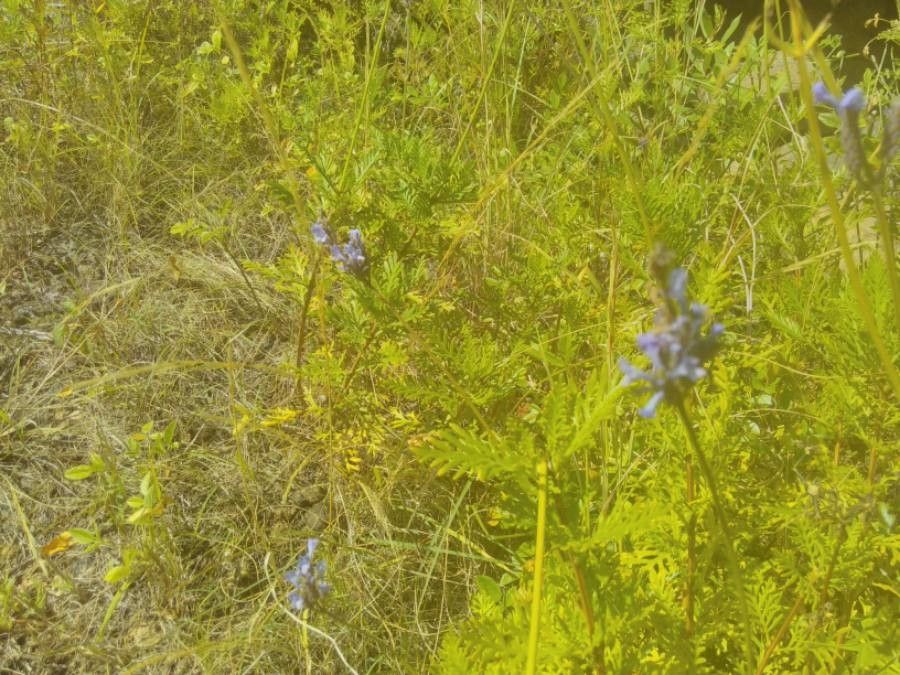
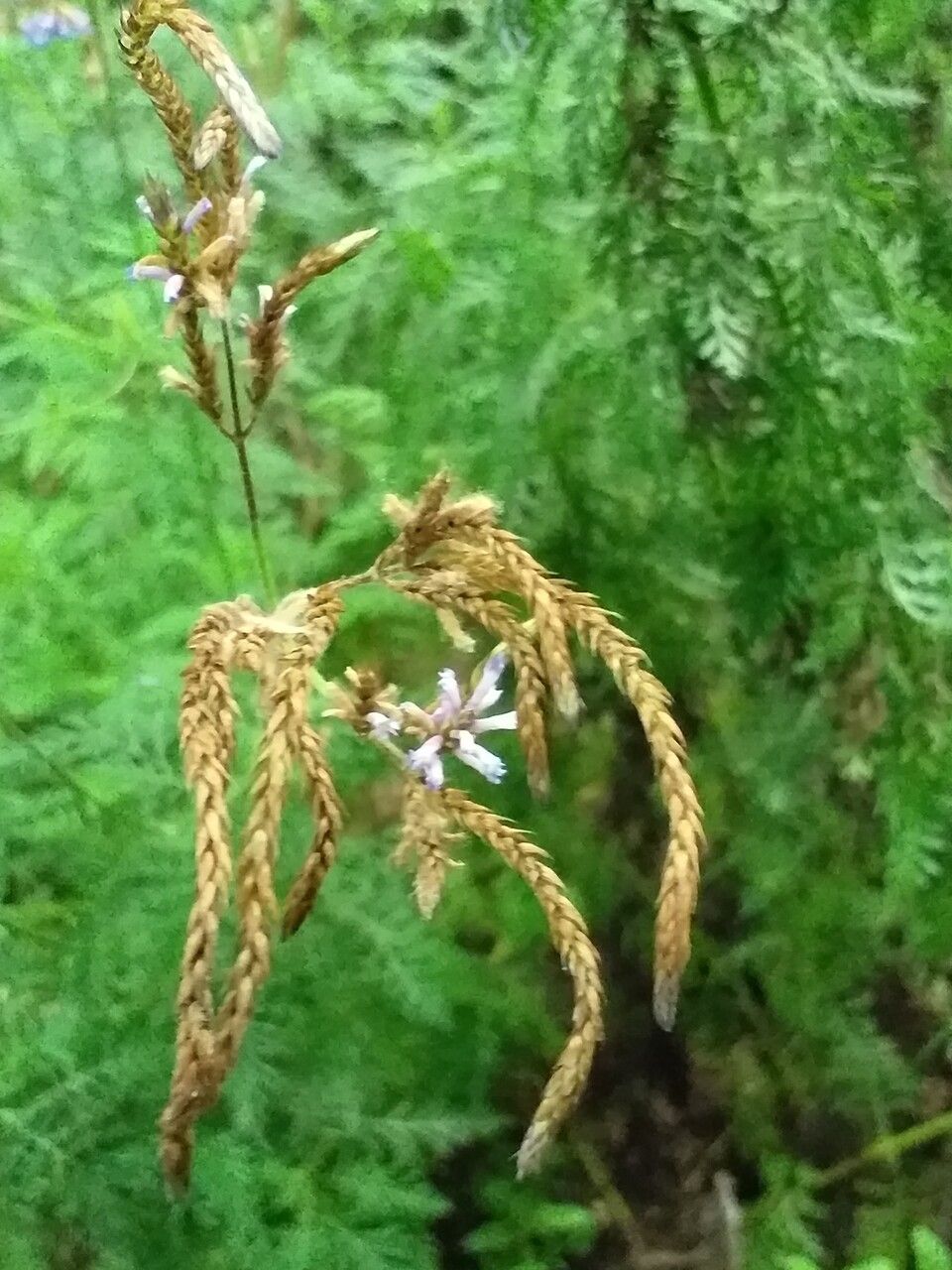
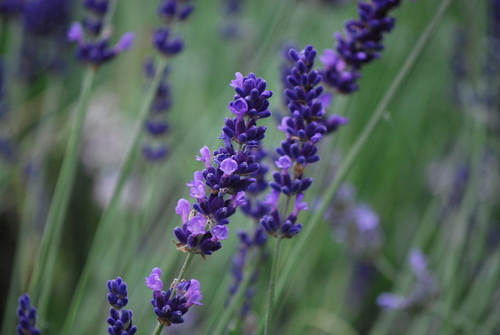
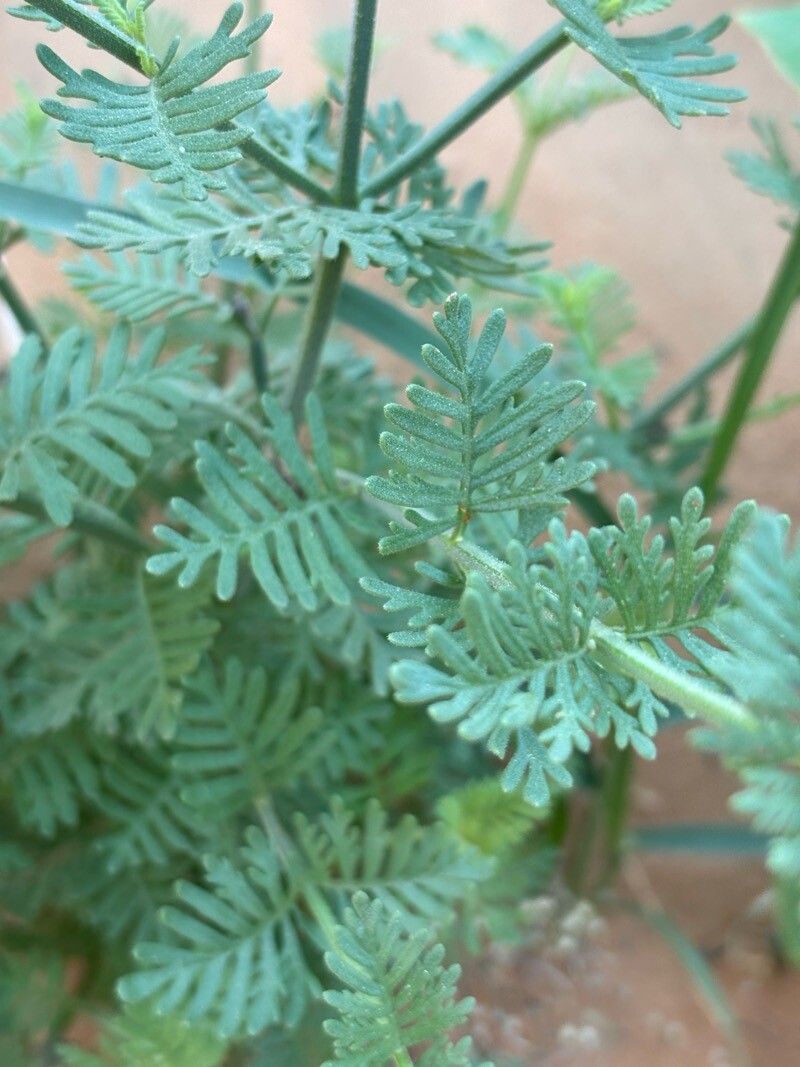
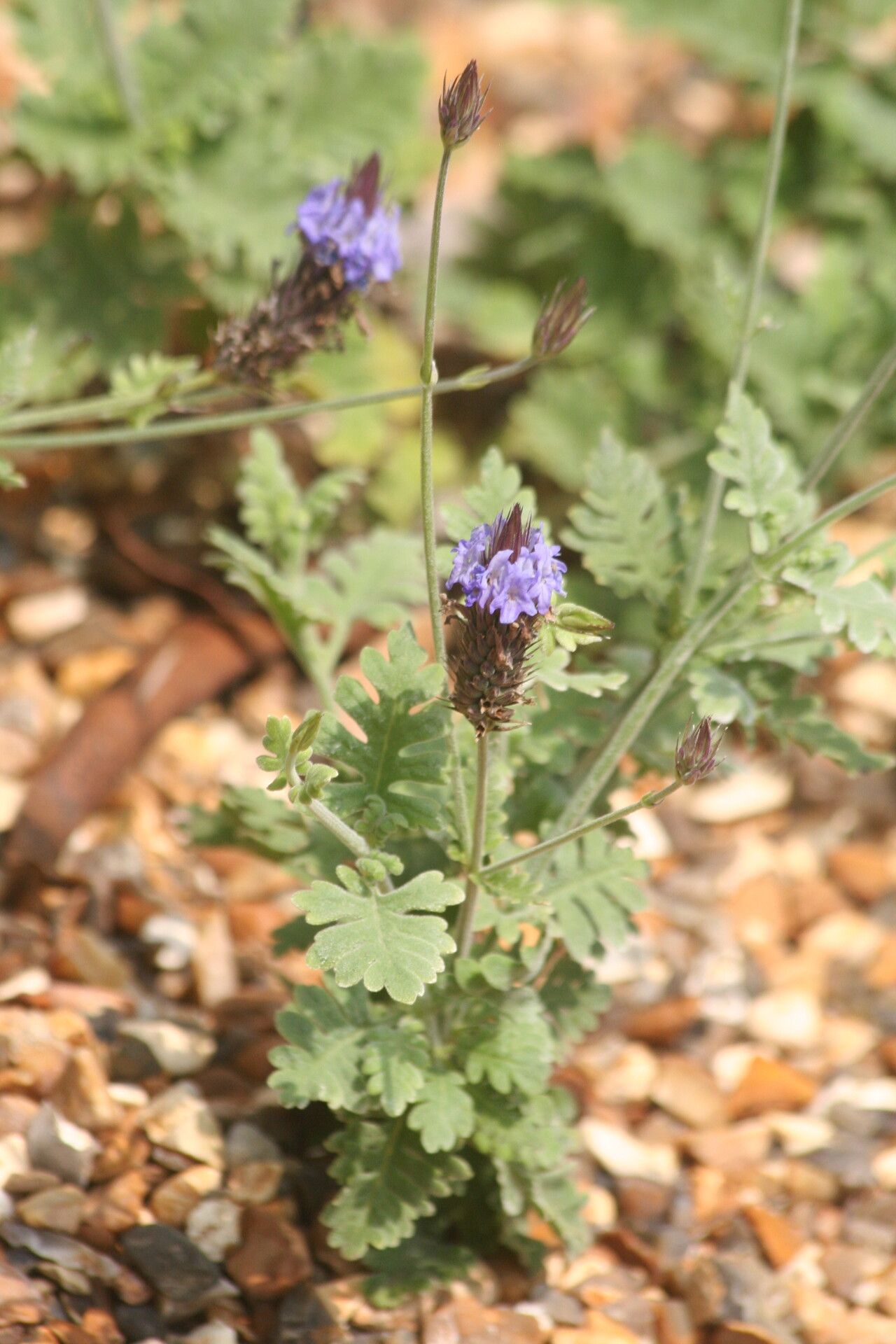
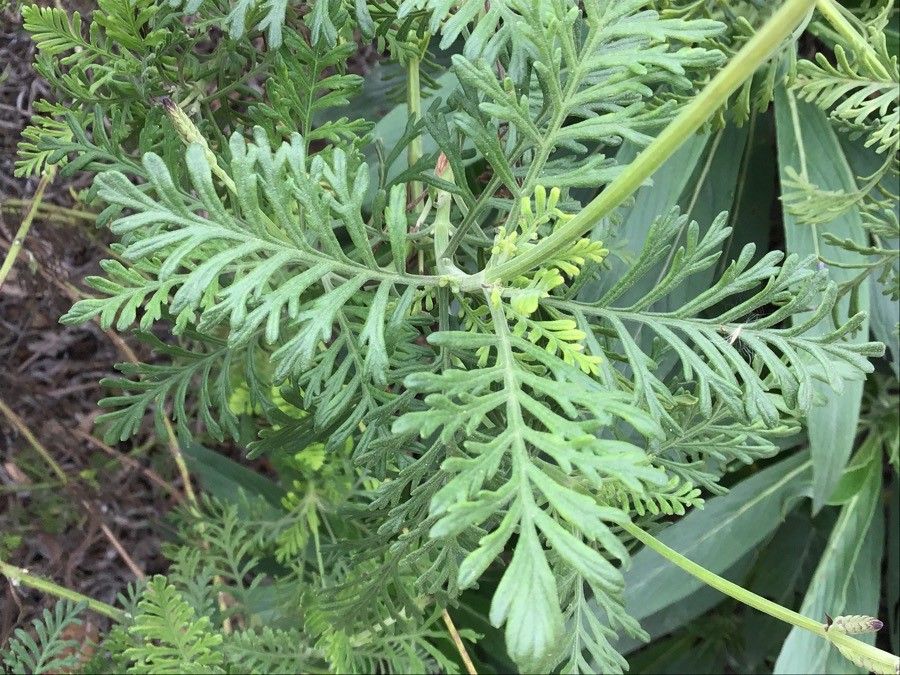
Lavandula canariensis is a species of flowering plant in the family Lamiaceae, native to the Canary Islands. It was first described by Philip Miller in 1768.
Canary Island Lavender has good resistance to disease and is generally unlikely to be affected by illnesses. As for maintenance, this plant is fairly low-maintenance. When grown outdoors it needs only minimal watering, and larger plants usually do not require pruning; however, smaller plants should be pruned after they have finished blooming. Canary Island Lavender is appropriate for anyone with outdoor space, such as a garden or deck, and does not demand much care experience.
How to keep Lavandula Canariensis.
Light
Canary Island Lavender comes from open habitats like sunny meadows and the edges of forests that provide plenty of light. It prefers Full Sun but can tolerate Partial Sun, making it adaptable to different sunlight levels.
Temperature
Canary Island Lavender demonstrates strong adaptability to temperature, capable of withstanding higher heat and larger temperature fluctuations. In hot weather, it’s important to monitor watering and offer suitable shade to avoid sunburn. Conversely, it has relatively low tolerance for cold; although it can endure some chill, very cold conditions may cause frost damage.
Fertilizer
The timing of fertilizing Canary Island Lavender is important. Apply fertilizer in early spring and repeat monthly through early summer. Fertilizer encourages attractive blooms and supplies energy during both dormant and active growth periods.
Botanical profile.
- Plant Type
- Shrub
- Life Cycle
- Perennial
- Genus
- Lavandula
- Family
- Lamiaceae
- Hardiness Zone
- 9-11
- Mature Height
- 91 cm
- Mature Spread
- 91 cm
- Leaf Color
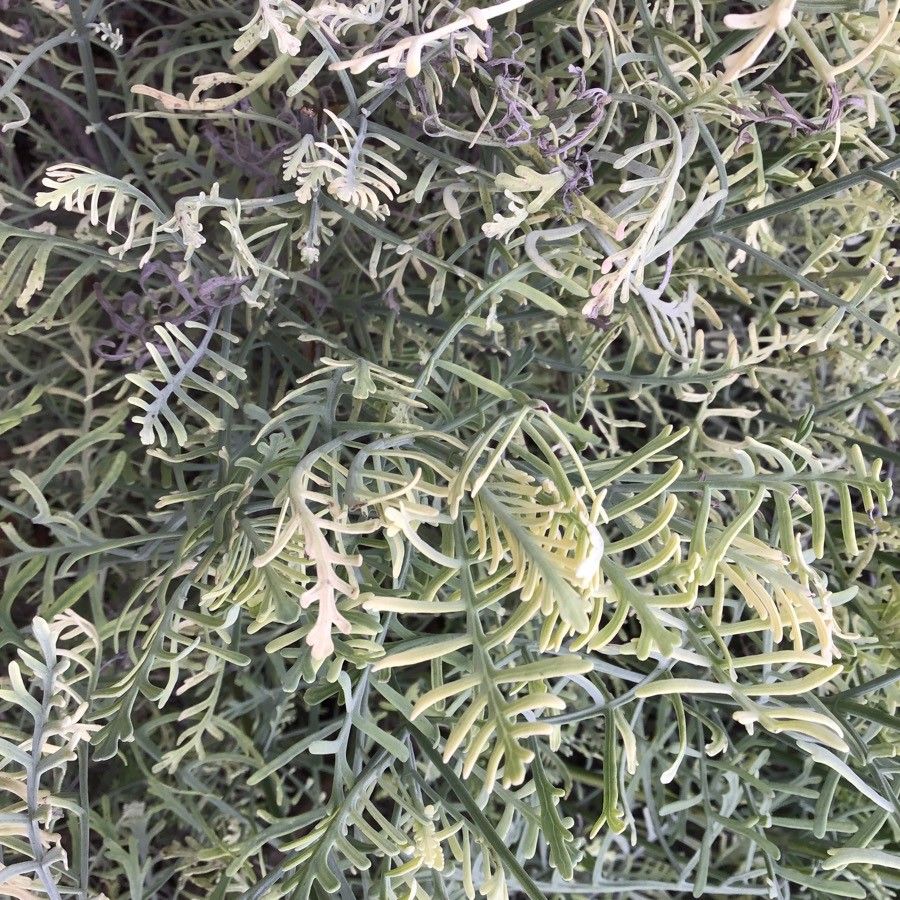
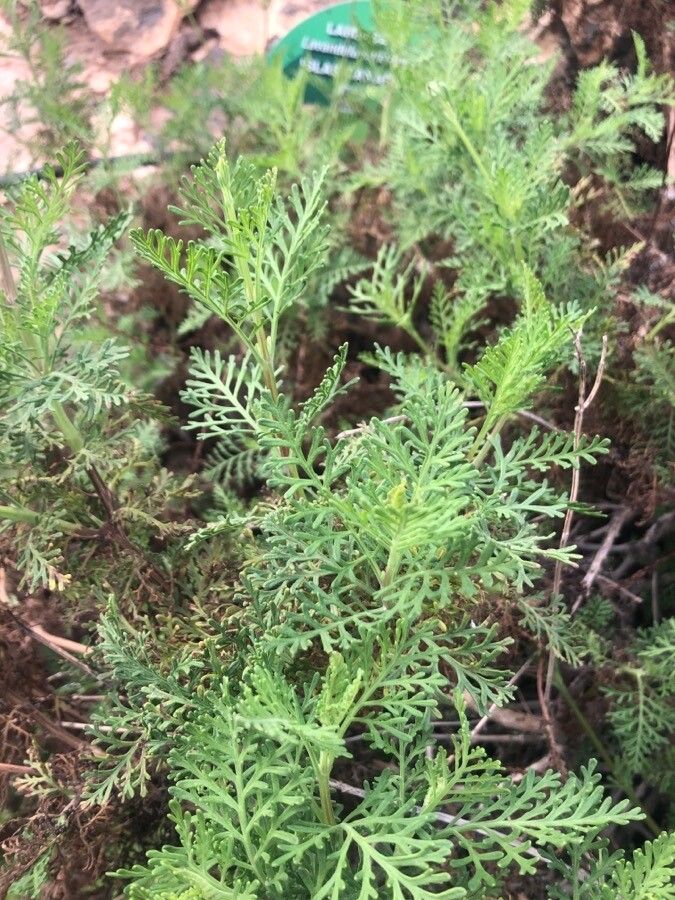
- Gray, Light Gray
- Leaf Type
- Evergreen
- Flower Color
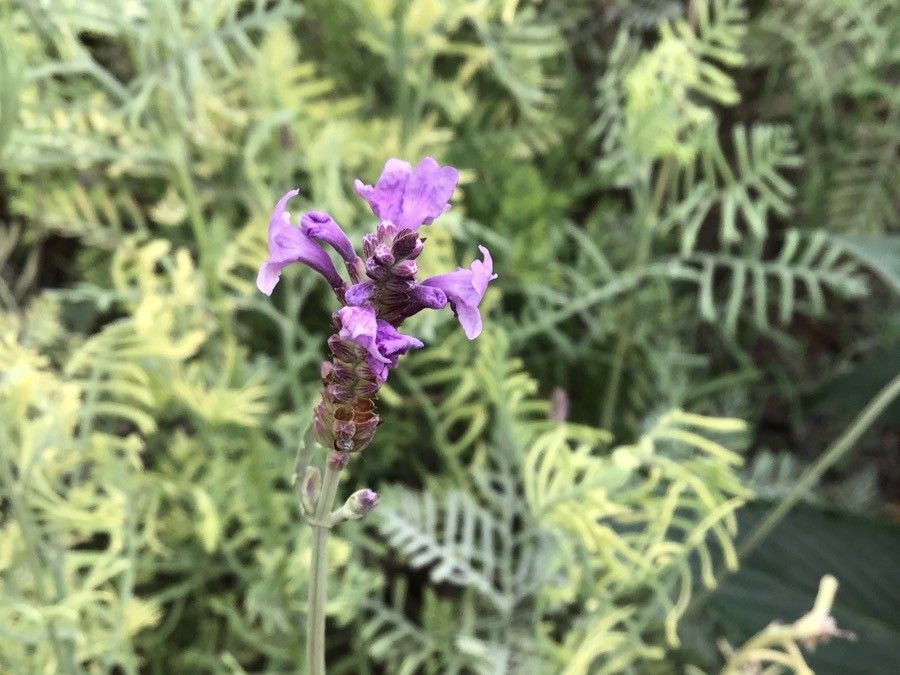
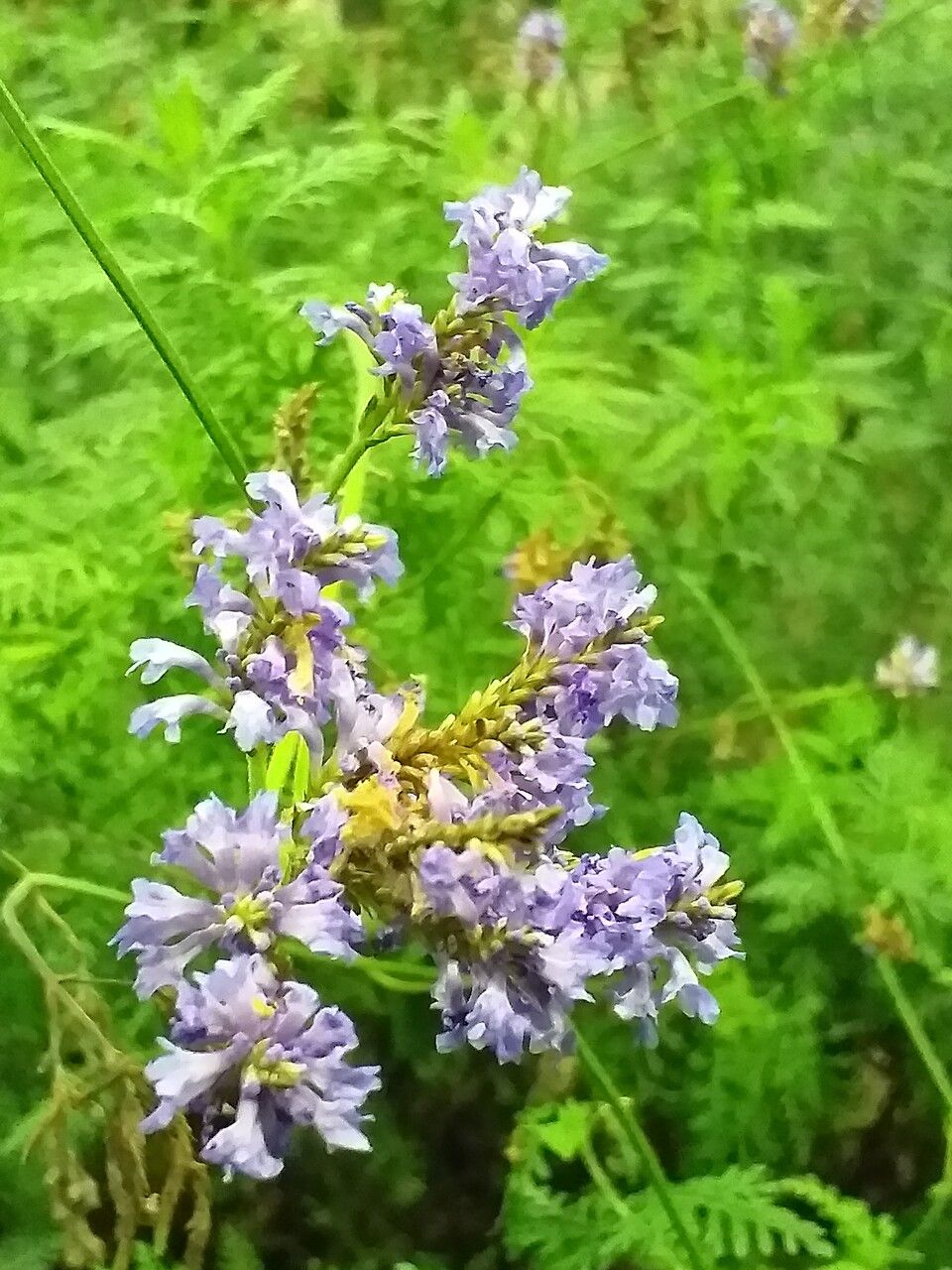
- Lavender, Purple
- Flower Size
- 1.02 cm to 1.52 cm
- Bloom Time
- Mid spring, Late spring, Summer
- Planting Time
- Spring, Summer, Autumn
- Harvest Time
- Summer, Early fall, Mid fall
Other names.