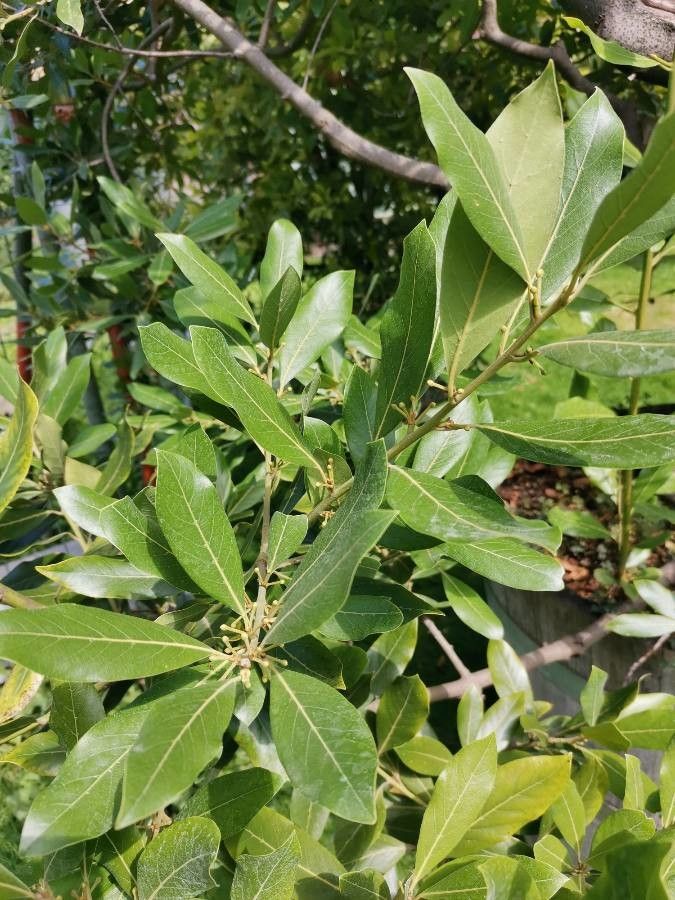
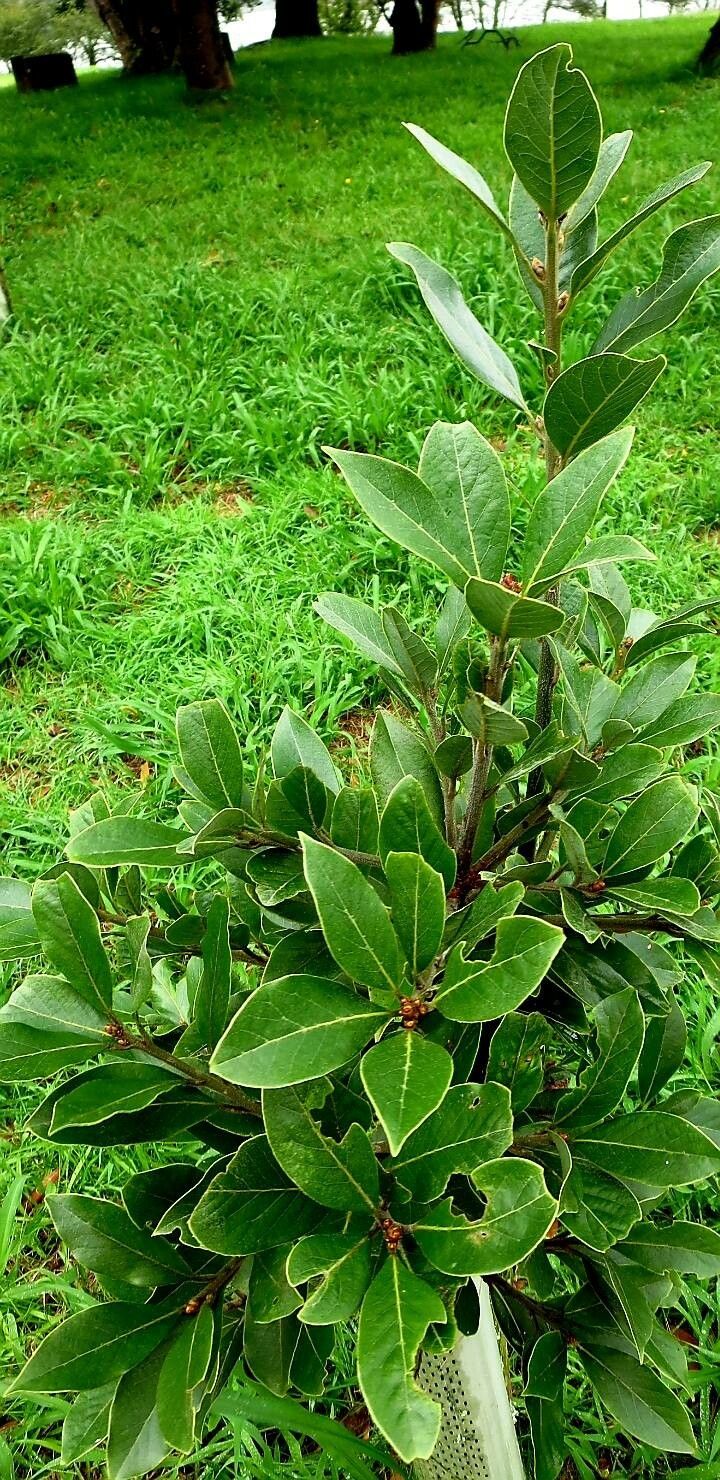
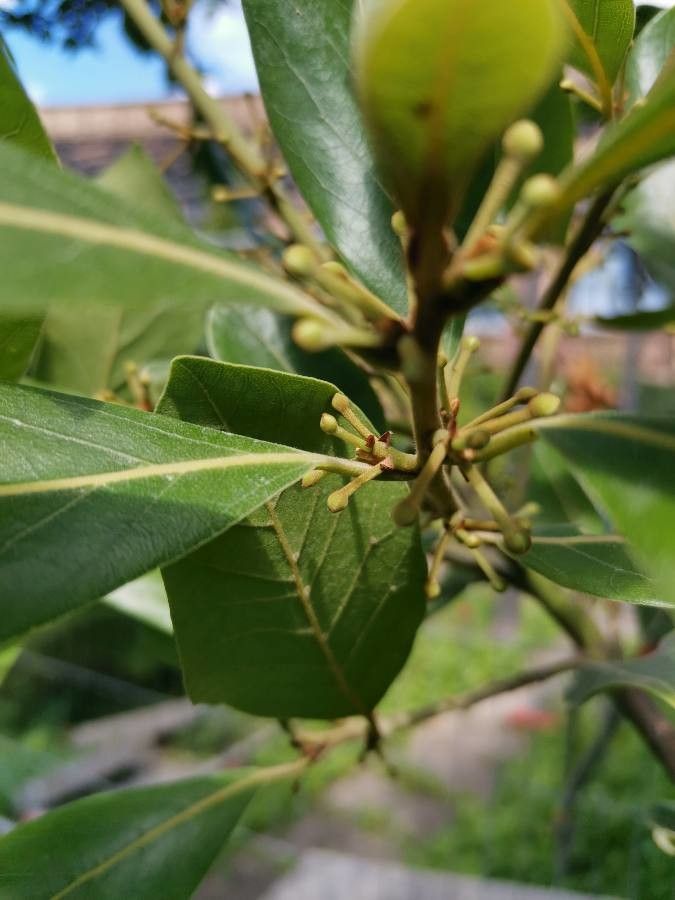
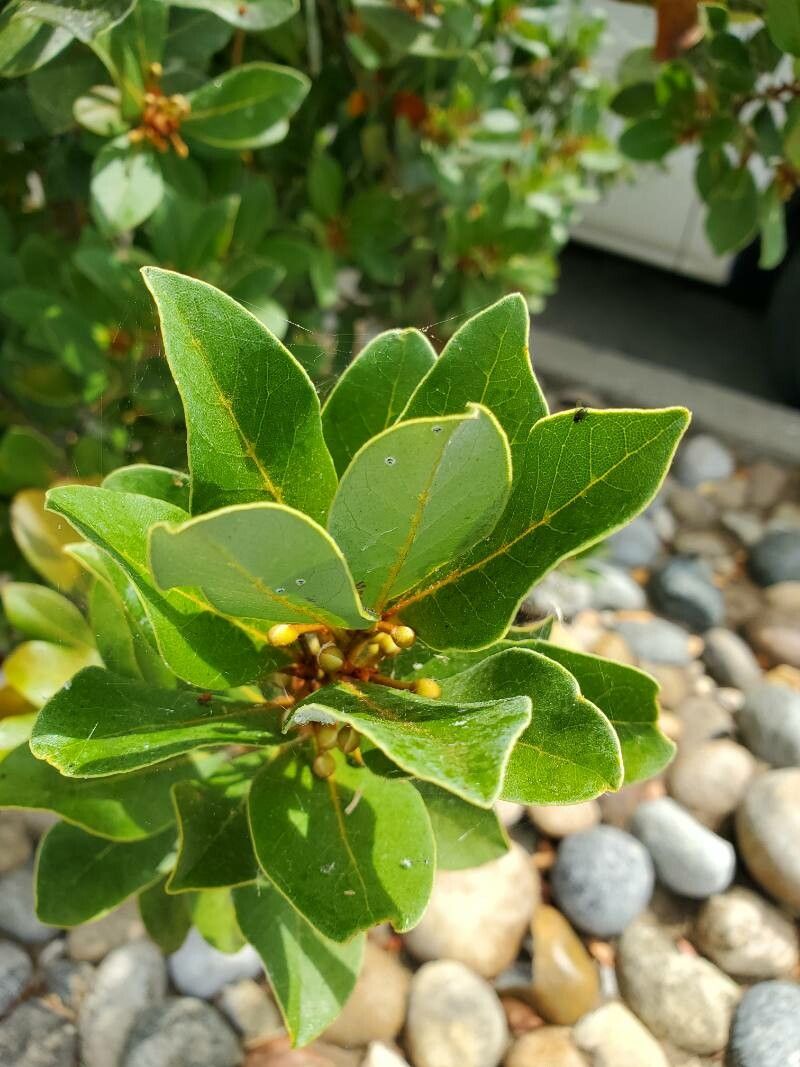
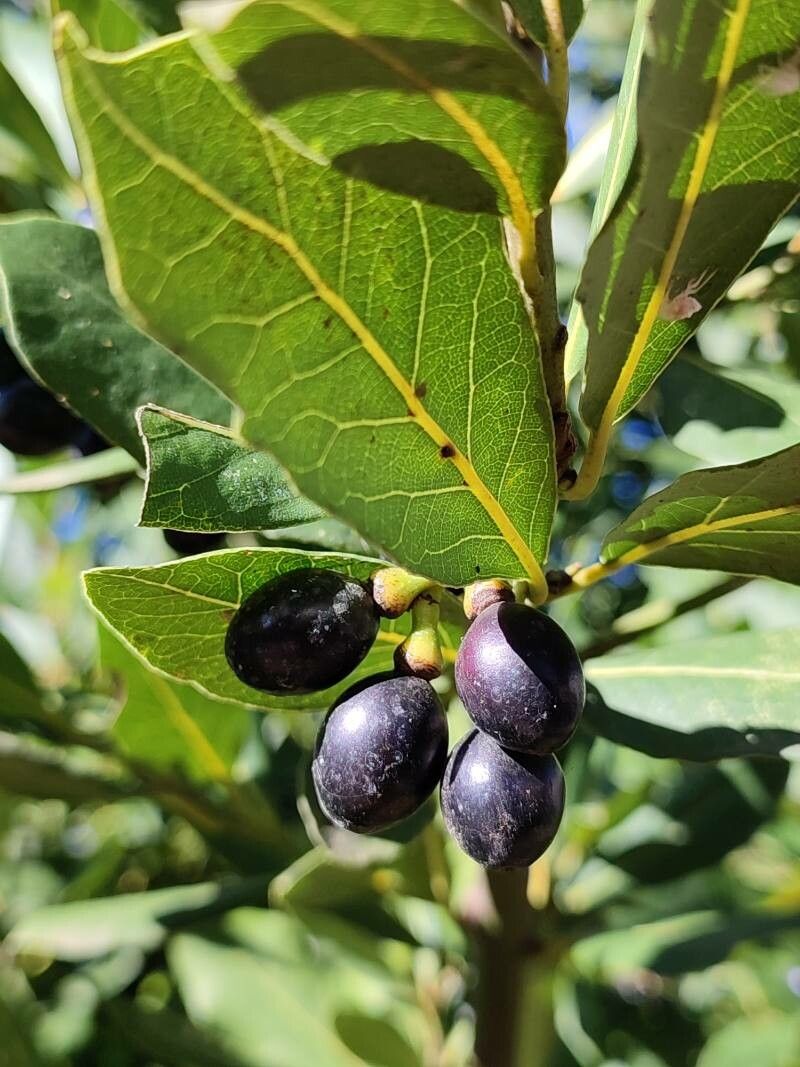
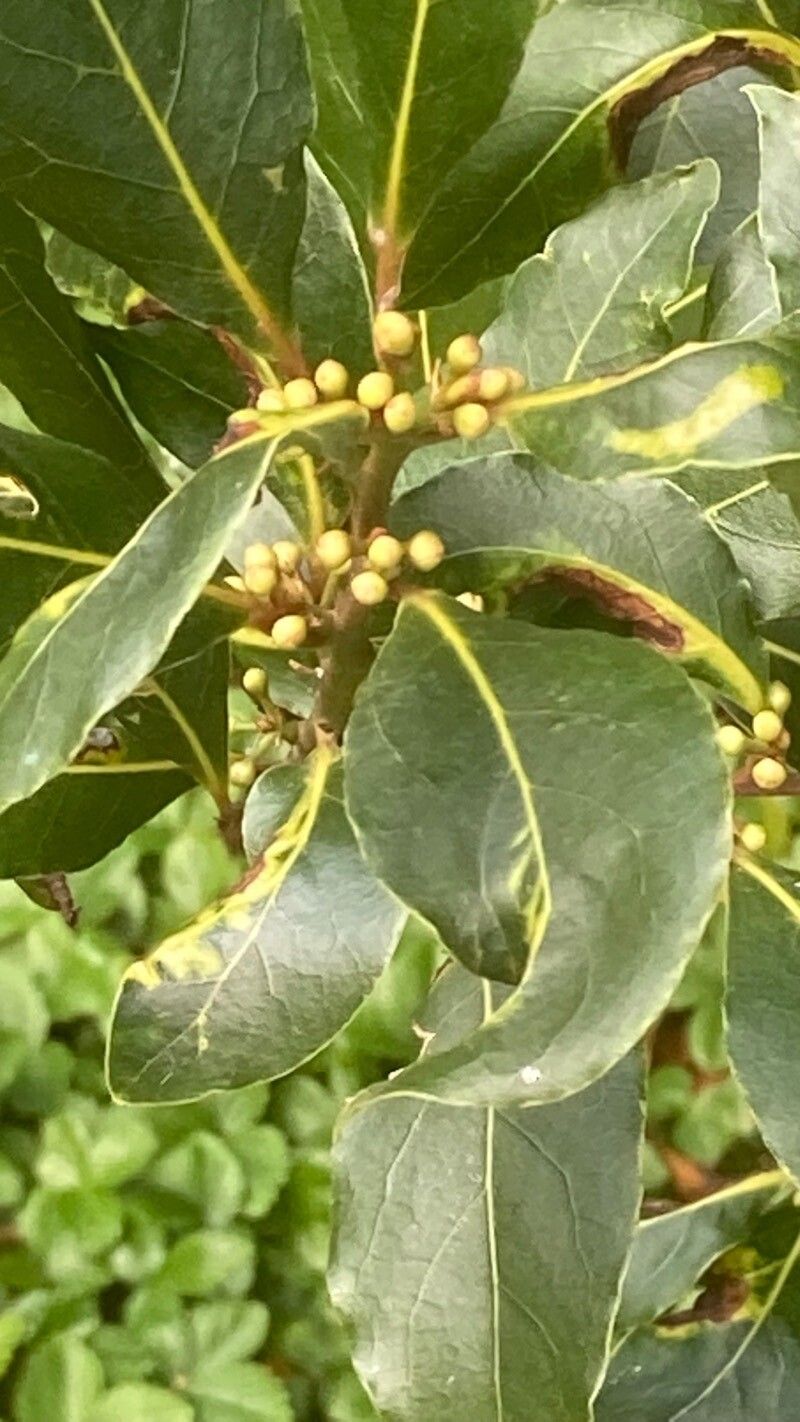
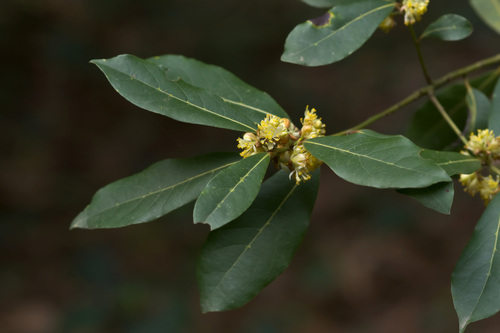
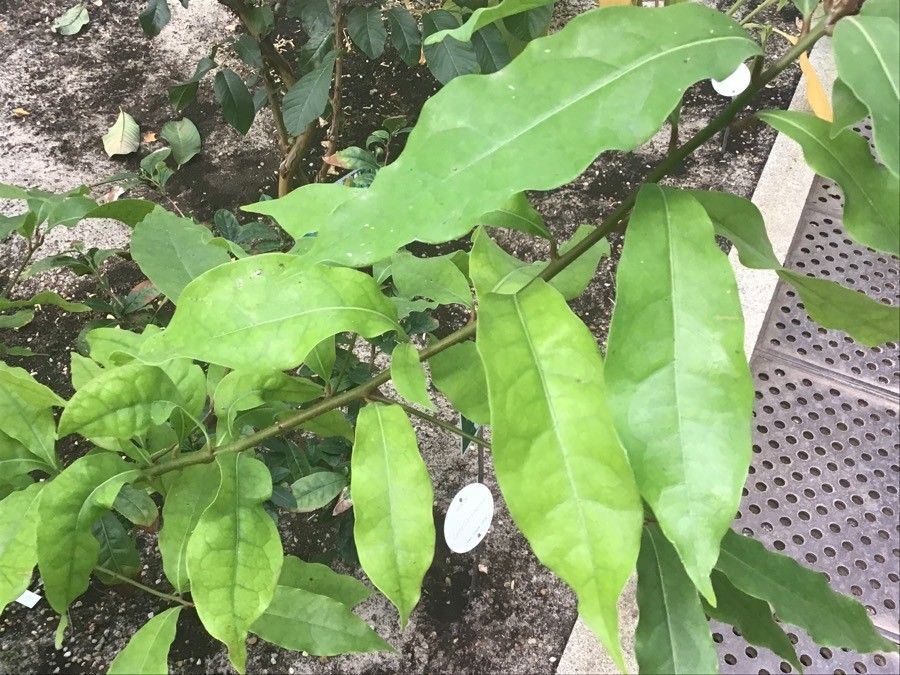
Laurus azorica, commonly known as Azores laurel, is a species of flowering plant in the Lauraceae family. Native to the Azores archipelago in Portugal, it is a small to medium-sized tree that can reach up to 15 meters in height. The leaves are glossy, dark green, and have a leathery texture, emitting an aromatic scent when crushed. In the spring, the plant produces small yellowish-green flowers, which are followed by blackish-blue berries that ripen in the fall.
For centuries, Azores laurel has been valued for its medicinal and culinary uses. Its leaves are commonly used as a spice or seasoning in soups, stews, and meat dishes due to their strong flavor. Medicinally, the plant has been traditionally used to treat respiratory problems such as coughs and bronchitis, owing to its expectorant properties.
Unfortunately, Laurus azorica is currently endangered, with only about 2% of its original population remaining. This decline is primarily due to habitat loss from deforestation on some of the islands where it naturally grows. In response, local authorities have implemented conservation efforts, including reforestation programs aimed at restoring the degraded habitats where this species occurs naturally.
The Azores laurel is highly resistant to disease and is generally not susceptible to illnesses. Regarding care, this plant is fairly low-maintenance. When grown outdoors it needs little watering, and larger specimens typically do not require pruning. Smaller specimens, however, should be pruned after they finish flowering. The Azores laurel is appropriate for anyone with outdoor space, such as a garden or deck, and does not demand extensive gardening experience.
How to keep Laurus Azorica.
Light
Azores laurel naturally occurs in habitats like forest understories or rocky areas, where it grows under natural shade. It prefers partial sun but can tolerate full sun or full shade, demonstrating its versatile and hardy nature.
Water
The Azores laurel needs regular watering, but it's important to let the soil dry out completely between watering sessions to prevent root rot. In the winter, you should water it less often. Check the top 3 inches of soil every few days, and if it's dry, water the plant deeply. It's better to underwater the Azores laurel than to overwater it, as this helps maintain optimal health.
Temperature
Azores laurel has good temperature adaptability, able to tolerate higher heat and wider temperature fluctuations. In hot conditions, care should be taken with watering and providing suitable shade to avoid sunburn. However, Azores laurel is relatively intolerant of low temperatures: it can endure some cold, but very cold conditions may cause frost damage.
Fertilizer
Timing is important when fertilizing Azores laurel. Apply fertilizer in early spring and continue monthly until early summer. Fertilizer encourages attractive blooms and supplies energy during both dormant and active growth periods.
Pruning
The Azores laurel is an evergreen plant with aromatic foliage. To encourage healthy growth, it's best to prune it in early spring. Use sharp tools to remove any dead branches, and thin out crowded areas to improve air circulation and light penetration. Avoid heavy pruning during extreme temperatures to minimize stress on the plant.
Botanical profile.
- Plant Type
- Tree
- Life Cycle
- Perennial
- Genus
- Laurus
- Family
- Lauraceae
- Hardiness Zone
- 8-11
- Mature Height
- 7.92 m to 14.94 m
- Mature Spread
- 3.96 m to 6.1 m
- Leaf Color
- Dark Green
- Leaf Type
- Evergreen
- Flower Size
- 0.51 cm to 0.51 cm
- Bloom Time
- Early spring, Mid spring
- Planting Time
- Spring, Summer
- Harvest Time
- Late summer, Early fall, Mid fall
Other names.
Reader questions.
What are the sunlight requirements for Azores laurel (Laurus azorica)?
Azores laurel (Laurus azorica) thrives in conditions that cater to its specific sunlight needs. For optimal growth, it requires 'full sun', which equates to receiving more than 6 hours of sunlight daily. However, it can also adjust to 'partial sun' conditions, meaning it should get about 3-6 hours of sunlight each day. It is important to observe the movement of sunlight through your garden throughout the day. This will help you choose locations that provide the perfect balance of light and shade, ensuring the health and happiness of your plants.