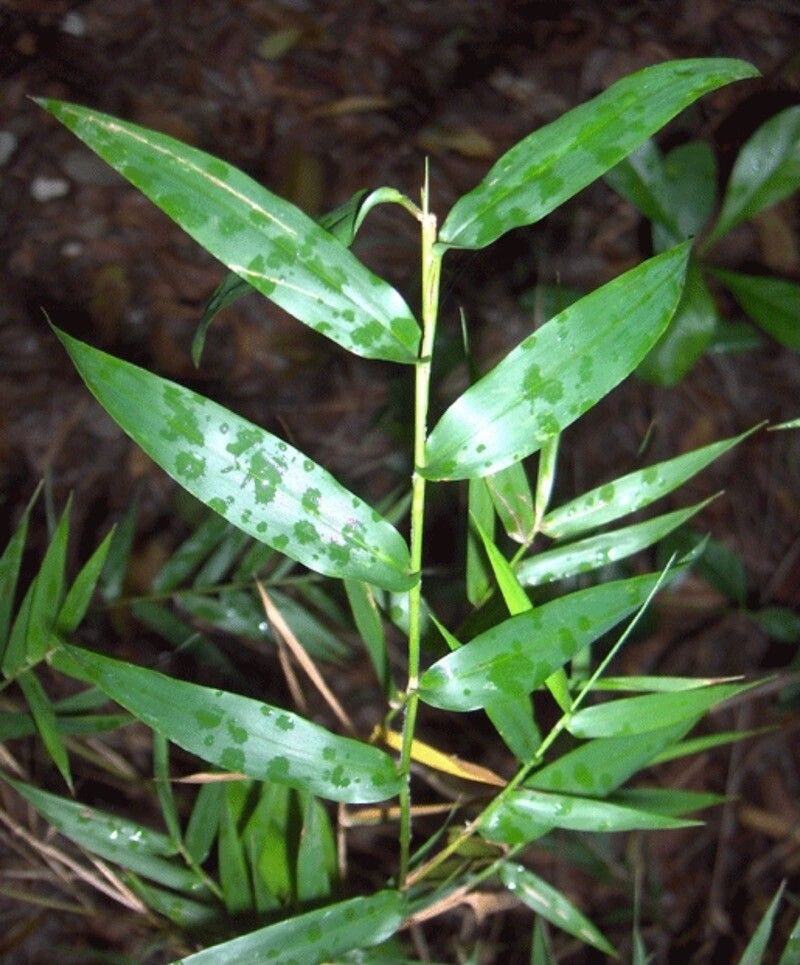
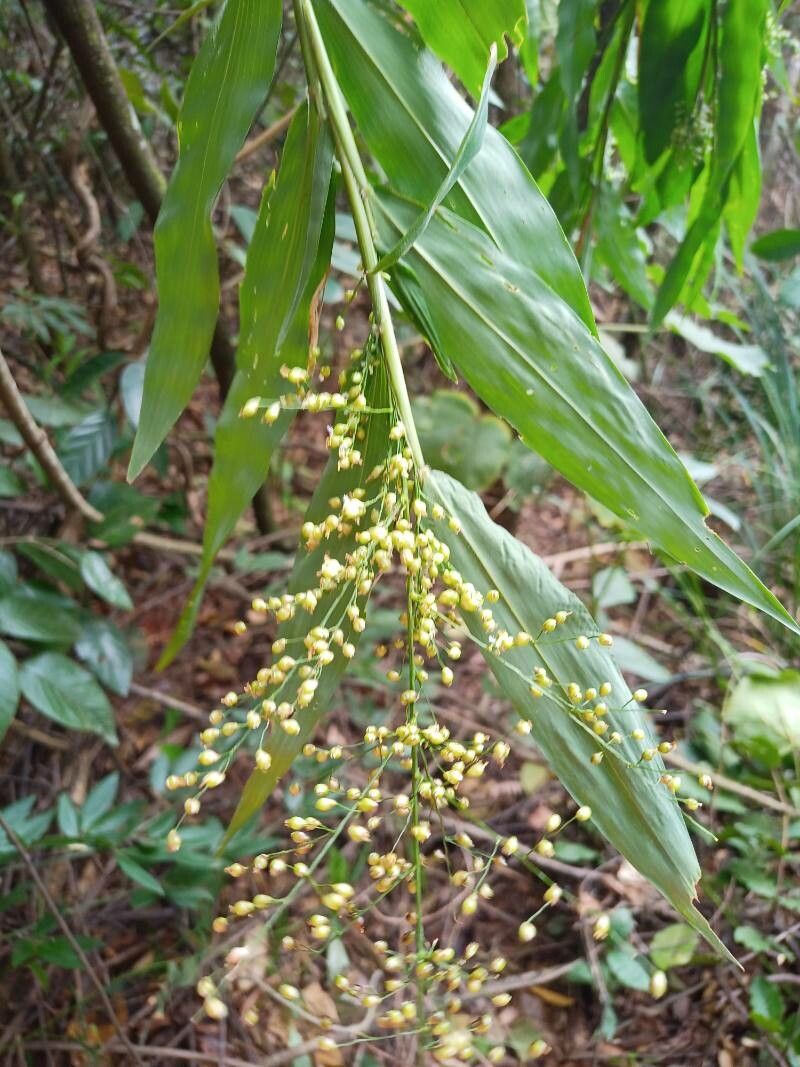
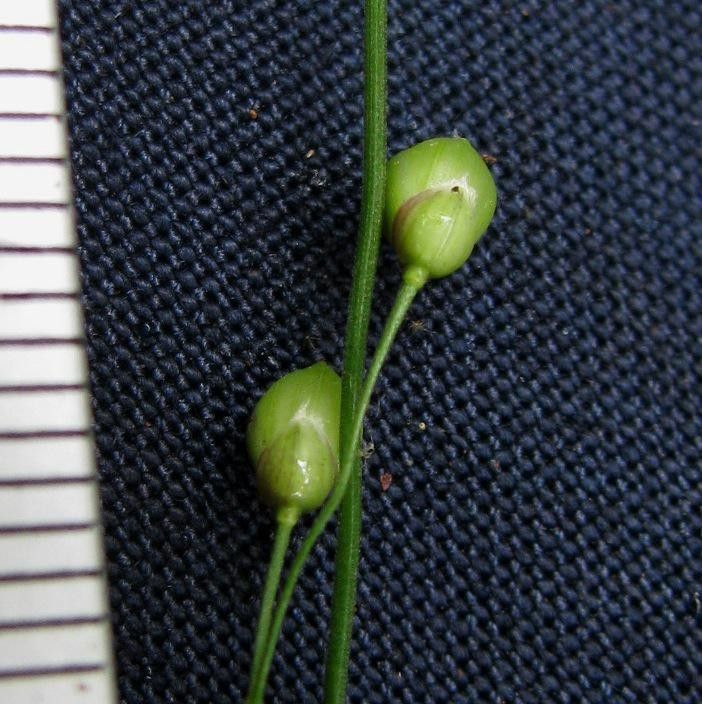
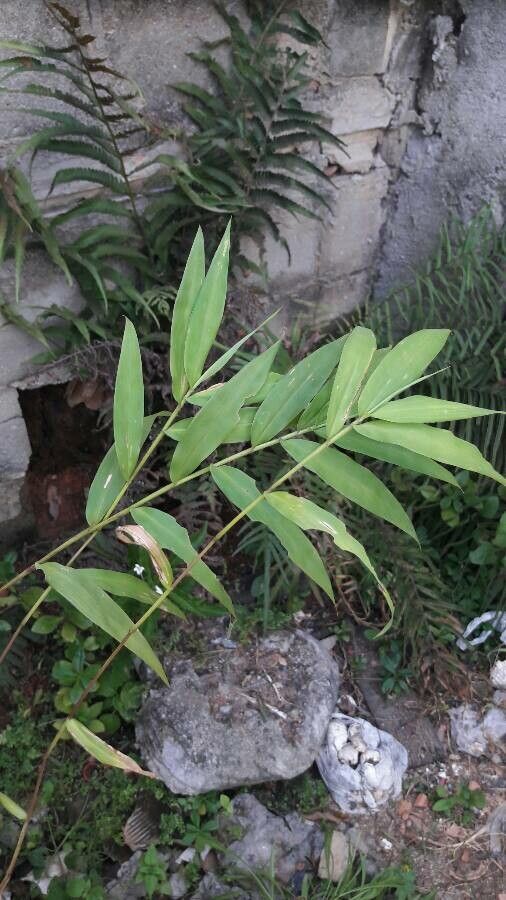
Lasia presenta buena resistencia a las enfermedades y, en general, no suele ser propensa a ellas. No obstante, puede ser vulnerable a plagas y enfermedades presentes en su entorno. Por lo general, estas afecciones no son graves. En cuanto a cuidados, esta planta requiere un mantenimiento moderado. Precisa podas periódicas para conservar una buena apariencia y un crecimiento saludable. La fertilización también puede contribuir a estimular la floración. Lasia es adecuada para quien tenga un espacio exterior, como un jardín o un patio, y no exige mucha experiencia en su cuidado. Al cultivarla en interiores puede necesitar más atención.
How to keep Lasia Spinosa.
Light
Lasia prospera con exposición total a los rayos del sol. También puede desarrollarse de forma adecuada con una cantidad moderada de luz solar. Su hábitat de origen la acostumbró a una luz abundante, que necesita para un crecimiento saludable, aunque la luz solar extrema puede ocasionar efectos adversos. Una exposición insuficiente a la luz puede obstaculizar su crecimiento.
Water
Lasia is a plant that originates from tropical Asia and prefers consistently moist soil with regular watering, ideally once a week. Although it can tolerate short periods of dryness, this evergreen plant thrives outdoors due to natural rain patterns, which enhance its foliage and improve its water cycle efficiency.
Temperature
Lasia is a plant native to temperate regions and prefers temperatures between 59 and 100°F (15 to 38℃). In colder seasons, it may benefit from some warming protection. Be careful of drops in temperature.
Fertilizer
Usually one application of fertilizer in spring is enough for Lasia, though repeated feedings can maximize growth. Feed every month to every six weeks. Fertilizing improves leaf appearance and function, helping maintain even color and a healthy texture. It also encourages root development and better nutrient uptake for long-term plant health.
Pruning
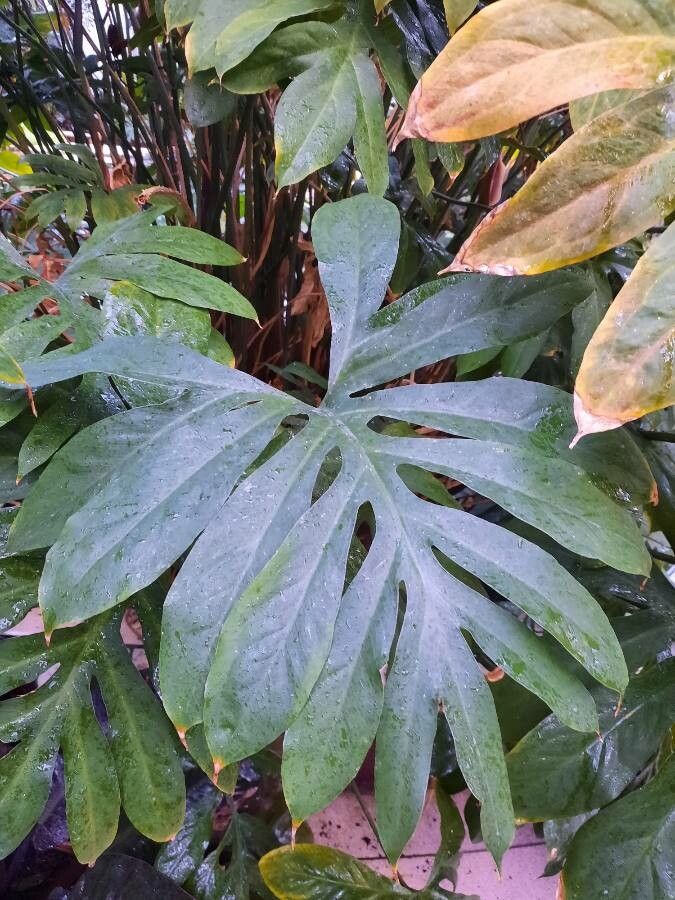
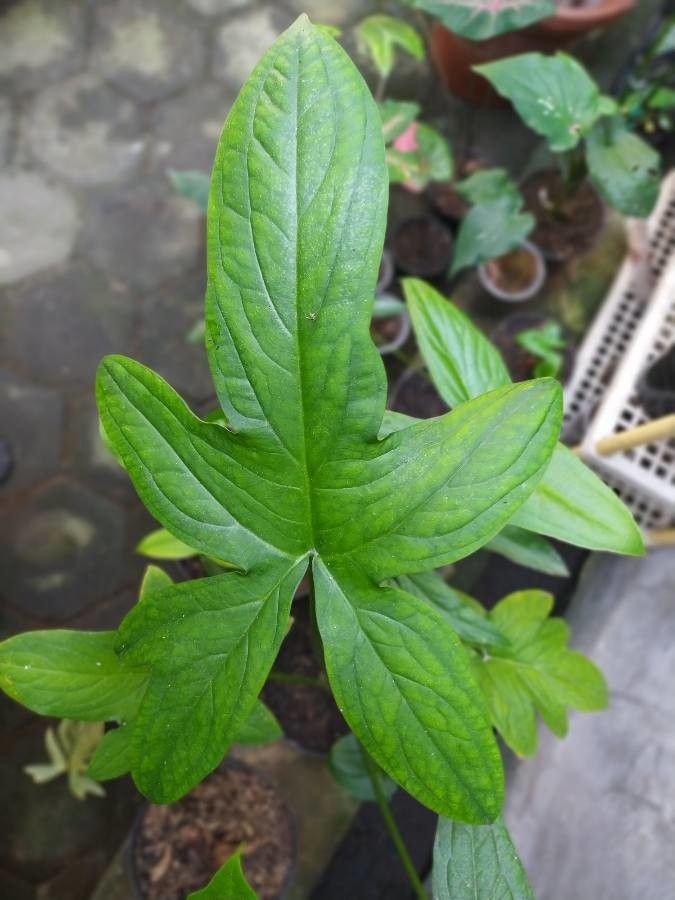
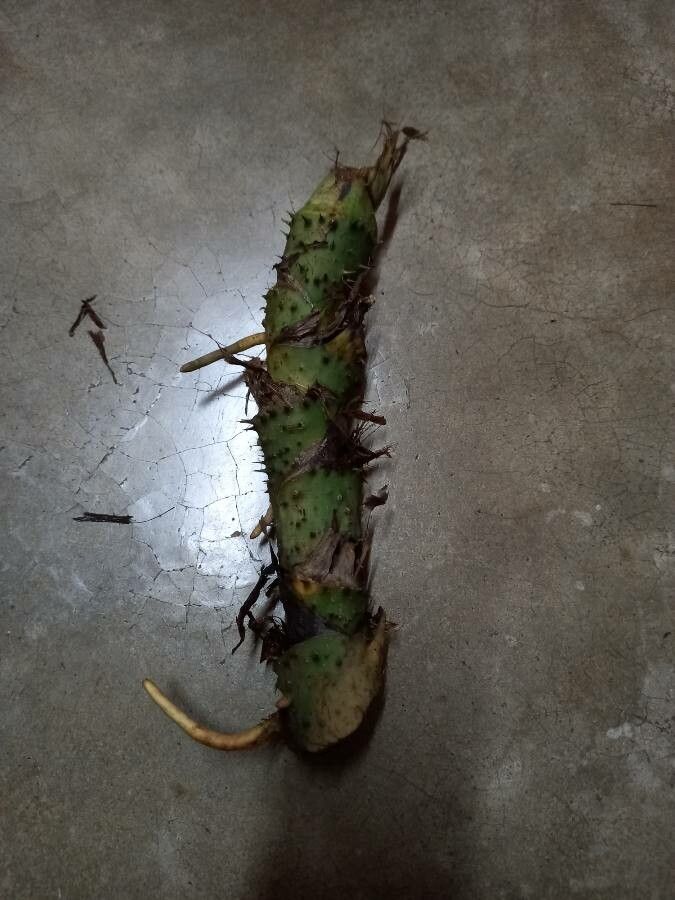
Lasia plants are characterized by their spiny stems and large, arrow-shaped leaves. To promote healthy growth, it's important to prune them from early to late spring. During this time, remove any dead parts and thin out crowded areas. These steps help improve air circulation, enhance the plant's vitality, and prevent pest issues. Always use clean, sharp tools for pruning to minimize stress on the plant.
Botanical profile.
- Plant Type
- Herb
- Life Cycle
- Perennial
- Genus
- Lasia
- Family
- Araceae
- Hardiness Zone
- 8-11
- Mature Height
- 0.91 m to 2.13 m
- Mature Spread
- 10 cm
- Leaf Color
- Green
- Leaf Type
- Evergreen
- Flower Color
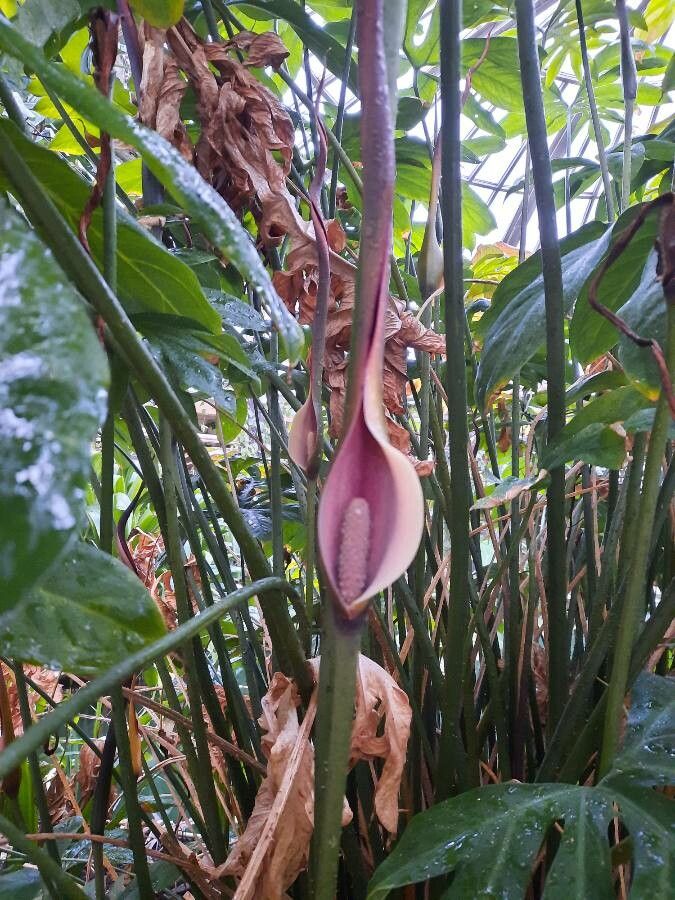
- White
- Flower Size
- 5.08 cm to 10.16 cm
- Bloom Time
- All year round
- Planting Time
- Spring, Summer, Autumn
- Harvest Time
- All year round
- Native Area
- Nepal, Sri Lanka, India, Malaysia, Indonesia, Cambodia, Vietnam, Myanmar, Bhutan, Singapore, Bangladesh, Laos, Brunei, Thailand, China
Other names.
Reader questions.
How should I water my Lasia plant?
There are various ways to water your Lasia plant effectively. If your Lasia is in a small pot indoors, you can simply bring the pot to your kitchen sink and use the faucet to add water. Holding the pot in your hands, you can stop watering once the water starts to run through the drainage holes. Just avoid doing this during winter or in cold climates as the cold temperature can harm the plant's roots. In most cases, using your faucet to water the Lasia is fine. However, if your local tap water has a high amount of fluorine, chlorine, or salts, it's better to consider using rainwater or lake water. Additionally, Lasia plants respond well to overhead watering and watering directly into the soil, so you can use a watering can, hose, or any other watering tool you prefer.
Why should I put fertilizer on my Lasia?
Fertilization is important for the health and appearance of Lasia leaves. It helps maintain consistent color and a healthy texture. Additionally, fertilization supports root growth and nutrient absorption, benefiting both the present and future health of the plant.
What kind of sunlight does Lasia require?
Lasia plants require full sun on a daily basis for optimal health, as they need at least six hours of sunlight to keep their leaves, roots, and blooms healthy. While most perennials also require six hours of sunlight, certain varieties like the Orange Daylily or Giant Coreopsis can tolerate a minimum of three hours of direct sunlight. However, it's important to note that these perennial flowering plants won't flourish as well as they would in sunnier conditions with more sunlight.
What temperature is best for Lasia?
Plants can be affected by colder temperatures when the air around them gets cold. Normally, plants can warm up when exposed to the sun, but this doesn't happen in winter. The ideal temperature range for Lasia plants is between 70~85℉(21~30℃). They might be able to tolerate temperatures as low as 20~30℉(-6~0℃) or even 15℉(-10℃), but prolonged exposure to such low temperatures can cause frost damage. It is important to keep the maximum temperatures within the range of 70~85℉(21~30℃). Additionally, remember to spray water on the plants occasionally and provide them with some shade to prevent wilting.
What should I do if I give too much water or too little water to my Lasia?
To remedy underwatering, give your Lasia plant a deep watering until excess water runs from the container's drainage hole. If it's grown outside, make sure the soil becomes entirely moist. If your Lasia is receiving too much water, reduce the watering schedule. Additionally, address the soil and container. If either hinders efficient drainage, your plant may become overwatered again. To resolve this, transplant your Lasia to looser soils and/or a container with bigger drainage holes or a more porous material. Moreover, consider the location of the plant. If it's in a corner, it's recommended to move it near a window or around a door to enhance ventilation. Ensuring well-ventilated surroundings can help reduce overwatering to some extent.
When should I put fertilizer on my Lasia?
If you grow your Lasia outdoors, it will send out new growth in early spring, indicated by the emergence of leaves. This is the time to start fertilizing for the year. Typically, one application of fertilizer in the spring is enough for a healthy Lasia. However, if you want to promote maximum growth, you can fertilize multiple times in the spring and early summer. In this case, feed your Lasia approximately once every month to a month and a half.
Can sunlight harm Lasia? How can I keep Lasia safe from the damaging effects of the sun and heat?
In warm climates, some Perennial Flowering Plants may struggle with excessive heat and suffer from sun damage. They can wilt, dry out, or even experience growth problems if they are consistently exposed to the intense afternoon sun. However, not all plants require protection from the light afternoon sun. For those that are harmed by intense afternoon exposure, it is recommended to provide them with some shade in warmer climates. Gardeners can achieve this by planting these plants in areas that do not receive direct heat during the afternoon, such as under trees or behind bushes.
Should I change the temperature for Lasia when it is growing in different stages?
When growing Lasia, it is important to research and ensure the temperature is appropriate. Some growers might lower the thermostats during the growing season to save on HVAC costs. However, it is crucial to understand that temperature can impact flowering, pest control, and plant quality. Some Lasia species may stop growing during the winter, entering a dormant state. The base temperature becomes warmer as the season changes, leading to faster growth. Species naturally thriving in warmer habitats have higher optimum temperatures compared to those in cooler climates. Exposing Lasia seeds to cool temperatures can result in decreased uniformity and delays. Lowering the temperature during flowering, but not during other phases, is advisable. Cooler night temperatures also necessitate less water, so adjust irrigation accordingly.
How frequently should I water my Lasia plant?
The Lasia plant does not need consistent soil moisture. It is actually better to let the soil dry between waterings. If you are growing Lasias in containers, you can tell when it's time to water by checking how dry the soil is. If the top half of the soil is dry, it's time to water. You can check this by inserting your fingers or sticks into the soil, or using a soil moisture meter. If you're growing Lasias outdoors, you should water them about once every other week, unless it has rained recently.
When should I not put fertilizer on my Lasia?
During the late fall and winter, your Lasia goes into a dormant phase and stops growing. So, it's important to refrain from fertilizing it during this time. In the spring and summer, if you decide to fertilize, gradually decrease the amount as summer approaches since the growth rate of your Lasia will also slow down. In general, it's not a good idea to fertilize your Lasia during extremely hot weather or when the soil is excessively dry. Fertilizing in these conditions can stress your Lasia and lead to premature death.
Should I shield Lasia from the sun?
Certain perennial plants require ample sunlight to reach their maximum bloom. However, in warmer climates, some of these plants actually benefit from less sun. For instance, individuals residing in hotter regions might find it beneficial to shade their flowering perennials during the intense afternoon sun, especially during summer months. Although many perennial flowering plants prefer partial shade in the hottest climates, there are exceptions. Take the Giant Coreopsis, for example, as it is not bothered by excessive sun exposure. These plants can flourish even when placed in the full sun during scorching weather.
What can I do to make sure Lasia stays warm during cold seasons?
To help the plant become more cold-resistant, stop fertilizing it to prevent new growth and allow the existing ones to toughen up. To protect the plant from dropping temperatures, you can create structures like cages or trellises around it. Another option is to use heat mats to gently warm the soil, which can consistently maintain the ideal temperature range for the plant.