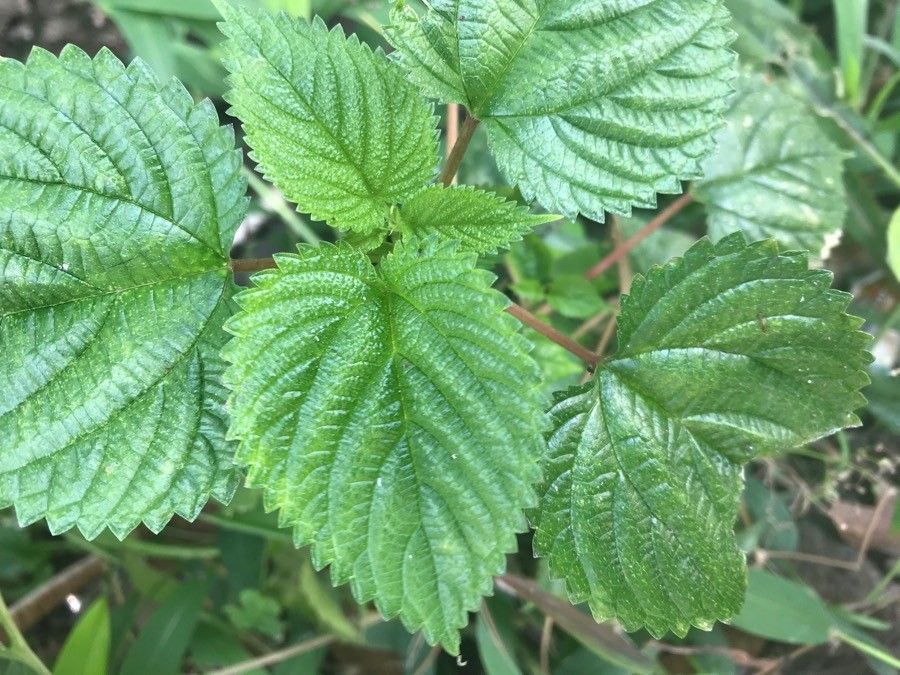
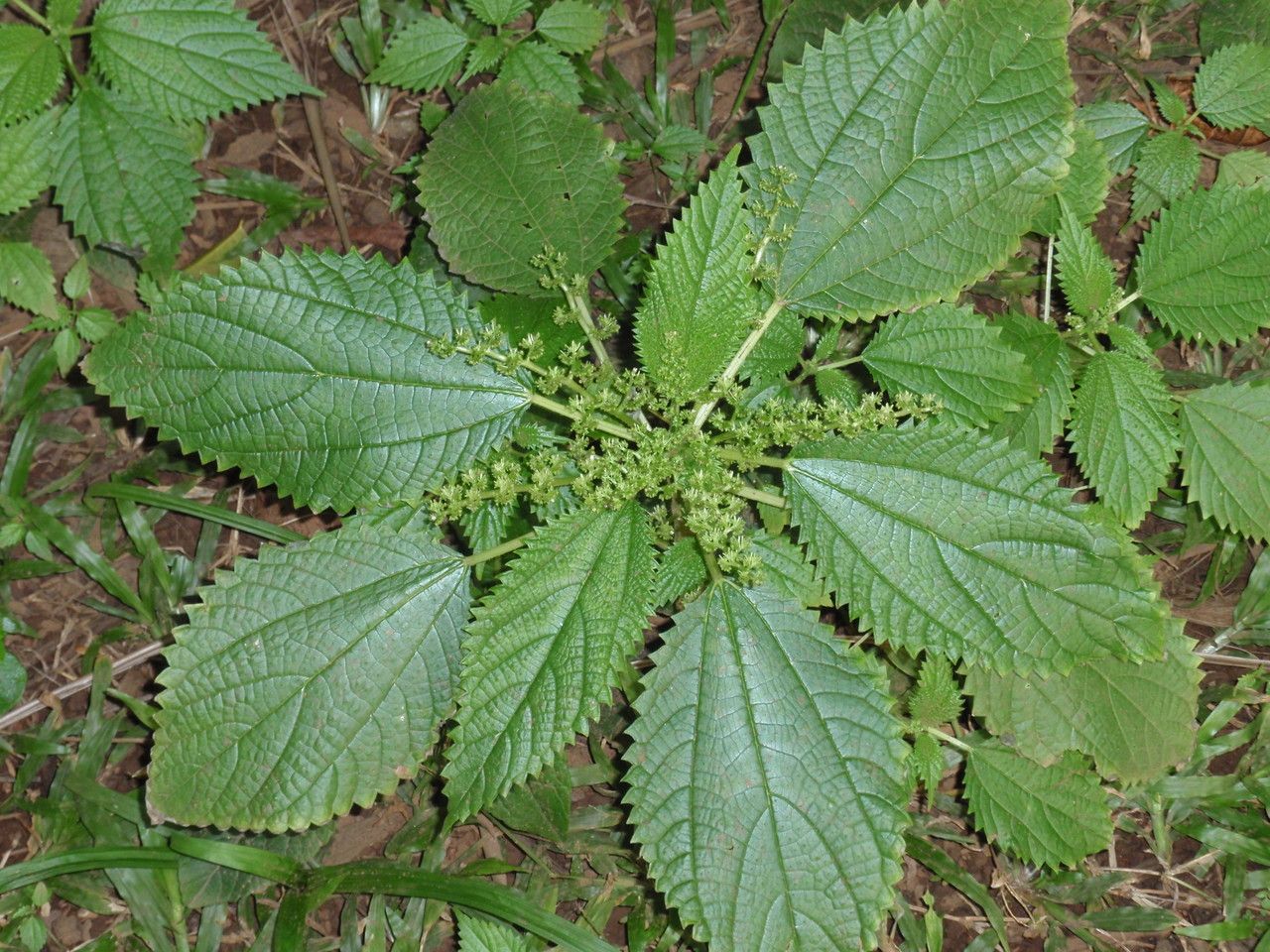
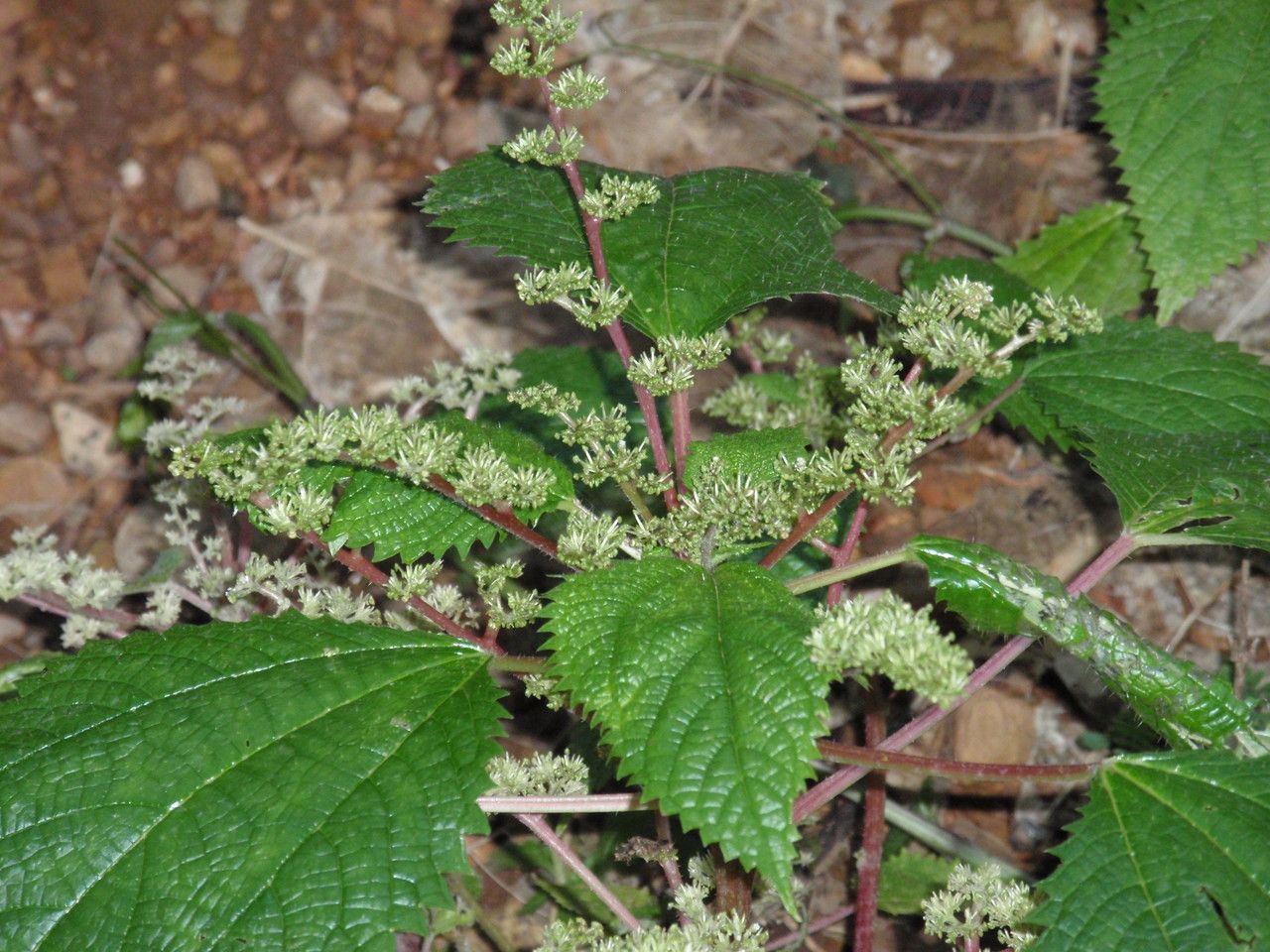
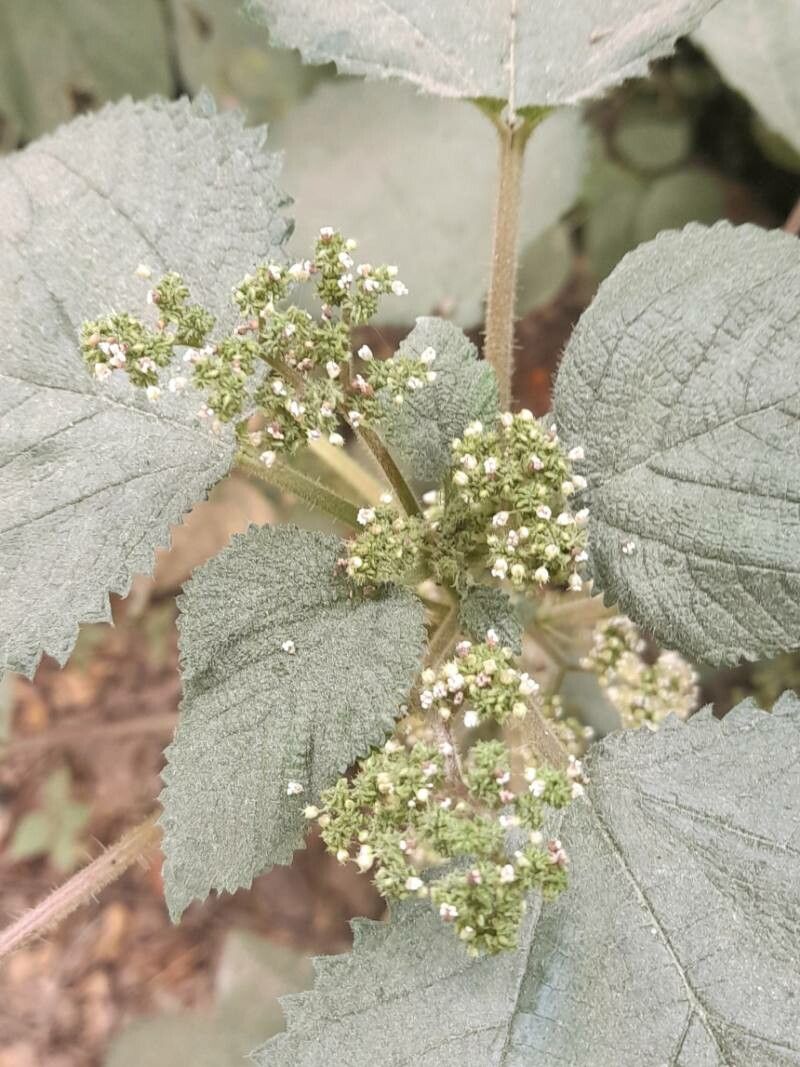
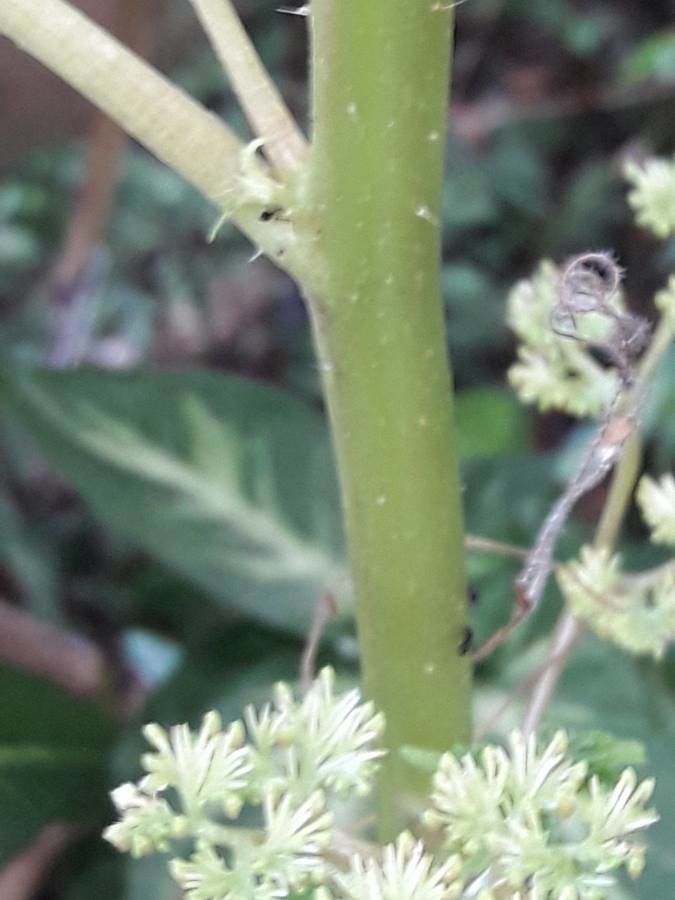
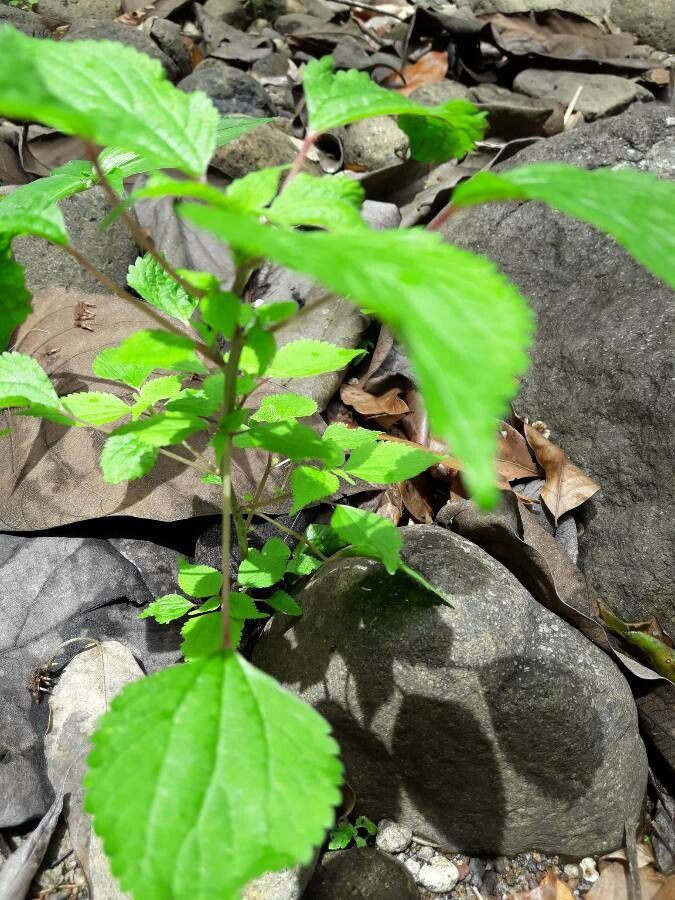
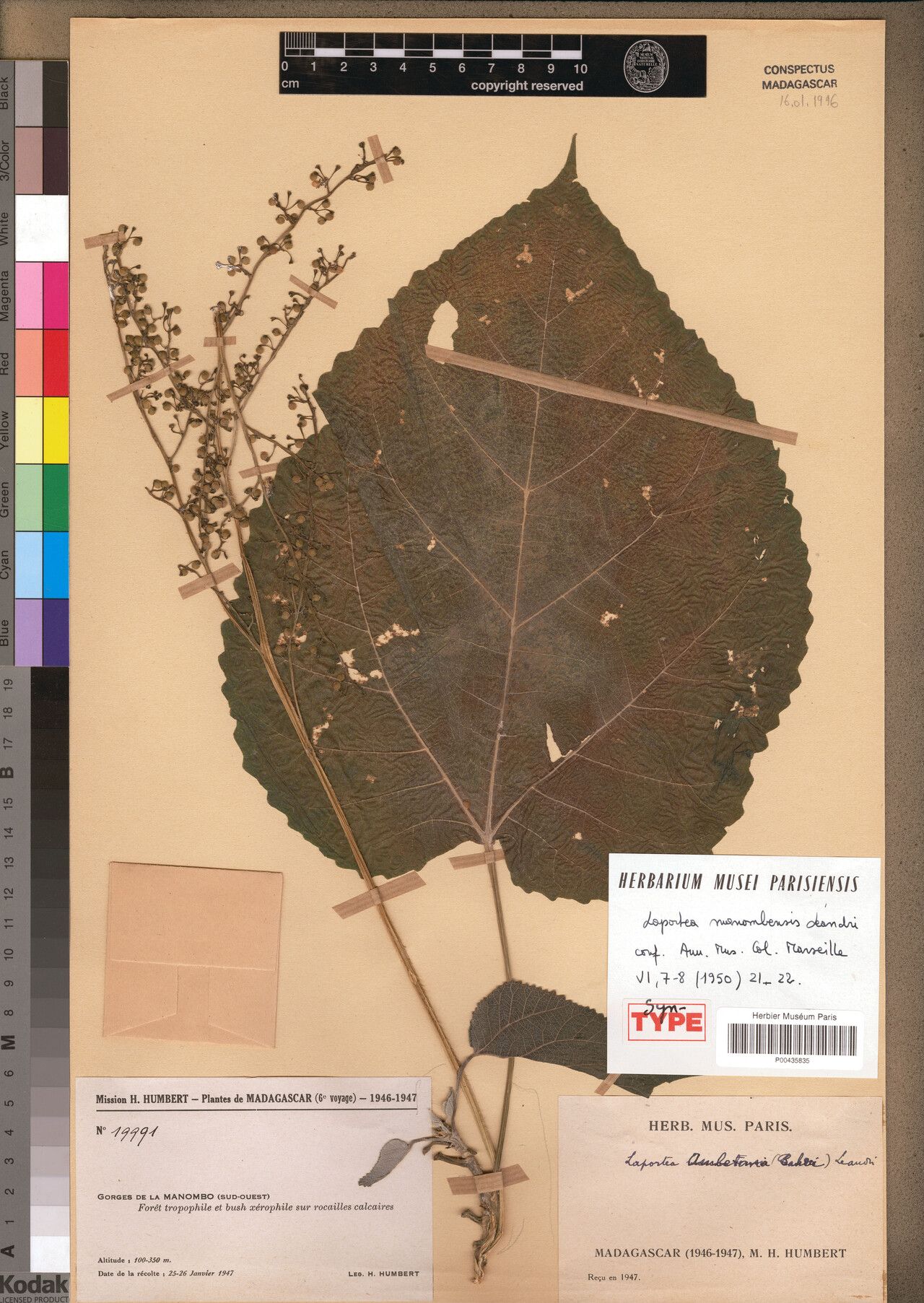
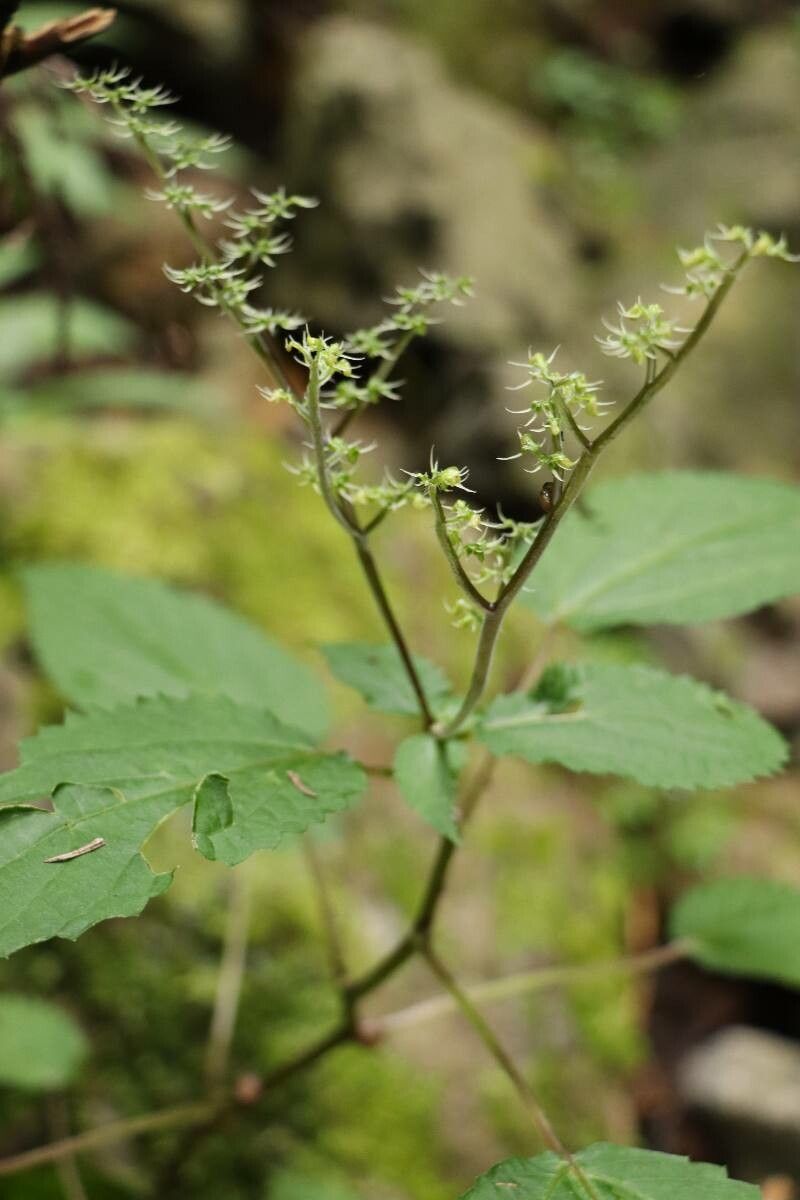
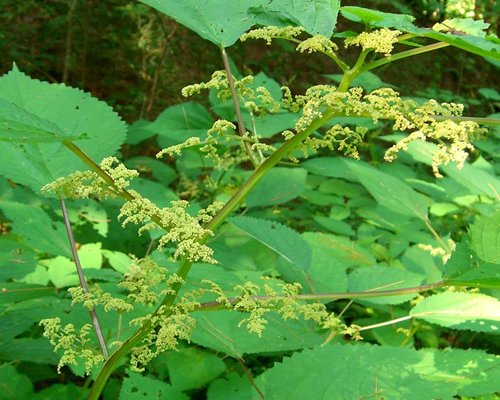
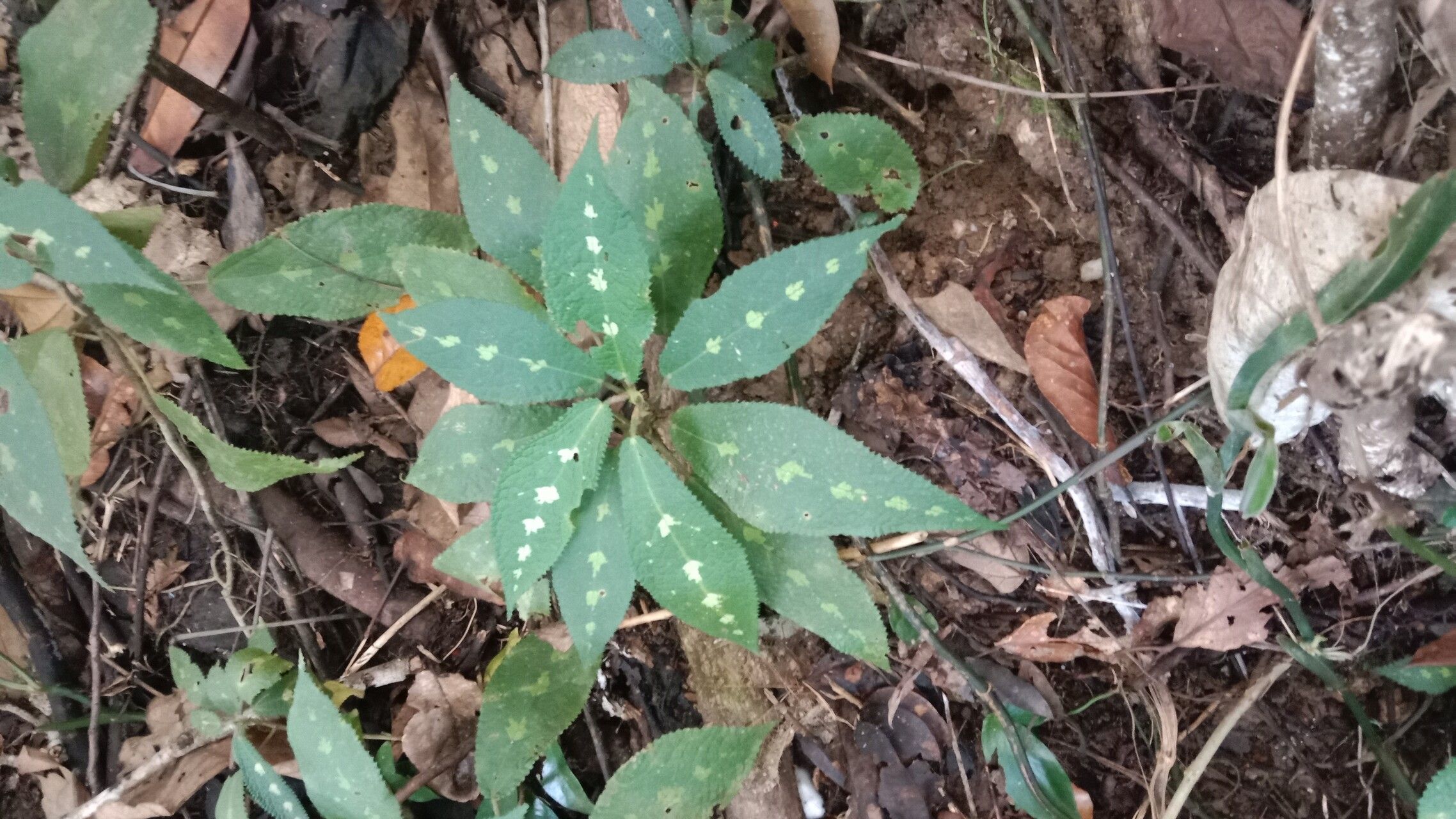
Laportea aestuans (Urtica aestuans), the West Indian woodnettle, is an annual herb of the Urticaceae or nettle family. It is possibly native to tropical Africa, although it now is widespread as an introduced species throughout both the western hemisphere and eastern hemisphere tropics and subtropics, including the USA (California, Florida, Puerto Rico), Central America, the West Indies, India, Sumatra and Java. L. aestuans is a food plant for an edible snail, Archachatina ventricosa, native to parts of coastal West Africa. It is a weedy species in Taiwan. It is a possible host reservoir in Nigeria for African cassava mosaic virus, an important plant pest of a major African food crop, Manihot esculenta or cassava.
West indian wood nettle has strong resistance to disease and is generally not prone to illnesses. Still, it can be vulnerable to pests and diseases found in its vicinity, though these problems are typically mild. Regarding care, this plant needs moderate upkeep. It should be pruned regularly to keep a neat appearance and support healthy growth. Feeding it with fertilizer can also encourage blooming. West indian wood nettle is appropriate for anyone with outdoor space, like a garden or patio, and does not demand extensive gardening experience. It may need additional care when kept indoors.
How to keep Laportea Aestuans.
Light
West indian wood nettle is native to habitats with dappled light, such as forest understories or rocky sites that offer natural shade. It flourishes in partial sun but can also tolerate full sun.
Temperature
West indian wood nettle comes from tropical areas, where the climate is typically warm and humid. Therefore it is adapted to high heat and moisture. It does not tolerate abrupt temperature shifts and prefers a consistent thermal environment, so avoiding indoor temperature variations is important. It usually cannot withstand cold and needs relatively high temperatures to grow. If the surrounding temperature becomes too low, the plant may stop growing or even perish.
Fertilizer
West indian wood nettle does well with regular, weak applications of fertilizer to support healthy leaf growth. You should apply fertilizer to West indian wood nettle roughly once a month during the summer. Nitrogen is important for the foliage, and providing nitrogen-rich sources helps West indian wood nettle thrive.
Botanical profile.
- Plant Type
- Herb
- Life Cycle
- Annual, Perennial
- Genus
- Laportea
- Family
- Urticaceae
- Hardiness Zone
- 10-12
- Mature Height
- 0.49 m to 2.13 m
- Mature Spread
- 30 cm to 61 cm
- Leaf Color
- Green, Dark Green
- Leaf Type
- Deciduous
- Flower Size
- 0.20 cm to 0.25 cm
- Bloom Time
- Summer, Early fall, Mid fall
- Planting Time
- Spring, Summer, Autumn
- Harvest Time
- Late summer, Fall, Early winter
- Native Area
- Burkina Faso, Belize, Angola, Guatemala, Madagascar, Rwanda, Eritrea, Nigeria, Yemen, Guinea-Bissau, Kenya, Jamaica, Uganda, Benin, Mali, Tanzania, Zimbabwe, Cuba, Sierra Leone, Equatorial Guinea, Cameroon, Liberia, Mozambique, Venezuela, Burundi, Brazil, Ghana, Ethiopia, Congo, Central African Republic, Malawi, Honduras, Peru, Zambia, Sudan, Guinea, Gambia, Panama, Chad, Colombia, Bahamas, Bolivia, Togo, El Salvador, Senegal, Nicaragua, Guyana, Ecuador, Côte d'Ivoire, Costa Rica, Congo (DRC), Gabon
Other names.